

Vaux's Swift
Chaetura vauxi
A tiny cigar-shaped swift of western forests that spends nearly its entire life on the wing, only clinging to vertical surfaces like hollow tree trunks to roost or nest.
- Feather type
- Stiff, tapered flight feathers; short dense body plumage
- Colours
- Sooty gray-brown with a paler throat
- Bird size
- Sparrow-sized, ~11-12 cm
Found a feather like this?
Identify any feather from a photo, free.
Overview
The Vaux's Swift is the smallest swift in North America, a compact, fast-flying aerial insectivore closely related to the Chimney Swift. Its body is shaped like a flying cigar, with a short squared tail and long narrow wings that curve backward in a bow shape during flight. It rarely perches in the open, instead using its stiff tail feathers to brace against the inside of hollow trees, snags, and chimneys.
Identifying the Feather
Feathers found beneath a roost site are small and dark. Flight feathers: long, narrow, and tapered with a stiff, slightly curved shaft built for sustained gliding flight. Tail feathers: short and stiff, often showing worn, spine-like tips from constant contact with rough bark or masonry inside roost cavities. Body feathers: short, dense, sooty gray-brown, with a slightly paler grayish throat patch. Compared to the larger Chimney Swift, Vaux's Swift feathers run smaller overall and the throat area is paler and more contrastingly pale against the body.
Plumage & Molt
Sexes look alike. Adults are sooty grayish-brown overall, slightly paler and grayer on the throat and upper breast, with a subtly paler rump in some individuals. Juveniles resemble adults but can show fresher, less worn plumage in late summer. There is no distinct seasonal plumage change; a single annual molt replaces flight feathers gradually, often completed on the wintering grounds in Mexico and Central America.
Habitat & Range
Vaux's Swifts breed in humid coniferous and mixed forests along the Pacific coast and interior mountains from southeast Alaska to California, favoring areas with old, hollow trees for nesting and roosting. They winter from Mexico south through Central America. During migration, large numbers may gather to roost communally in large hollow trees or industrial chimneys, a spectacle that draws birdwatchers at dusk.
Behavior & Field Notes
These swifts feed exclusively in flight, sweeping through the air over forests and open areas to catch flying insects. They rarely land except at nest and roost sites, where their short legs and sharp claws allow them to cling to vertical surfaces. Nests are small half-cup structures built from twigs glued together and to the substrate with saliva, placed inside a hollow tree. The flight call is a rapid series of high, twittering chips given in flocks, especially near roost entrances at dusk.
Frequently asked questions
Why are Vaux's Swift feathers rarely found on the ground?
Because the birds spend almost all their time airborne and only cling to vertical surfaces inside hollow trees or chimneys, feathers mostly accumulate at roost or nest sites rather than in open habitat.
How can I tell Vaux's Swift feathers from Chimney Swift feathers?
Vaux's Swift feathers are noticeably smaller and the species has a paler, more contrasting throat, though the two are very similar and best distinguished by range and roost location.
Do Vaux's Swifts have colorful feathers?
No, their plumage is uniformly sooty gray-brown with no bright colors, an adaptation that likely helps them blend into dim tree-hollow interiors.
Why do the tail feathers look worn or spiky?
The stiff tail feathers are used like a prop against rough bark or chimney walls, so their tips wear down into stiff points from repeated bracing.
Vaux's Swift guides
In-depth guides for identifying and understanding Vaux's Swift.

Vaux's Swift identified by the community
Real feathers identified with Feather Identifier.

Other feathers you may enjoy

Common Cuckoo
Flight and body feathers
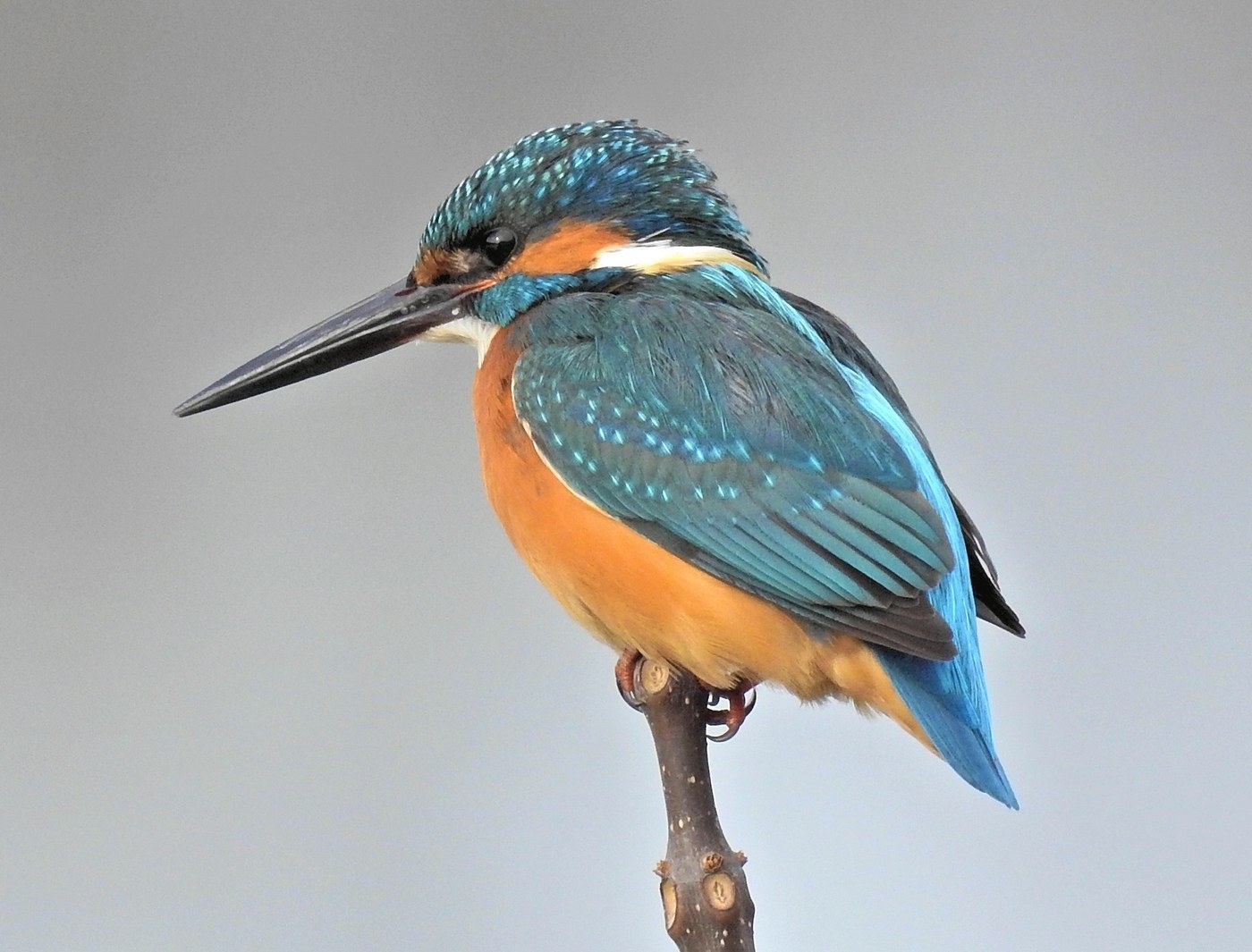
Common Kingfisher
Body (contour) and wing feathers
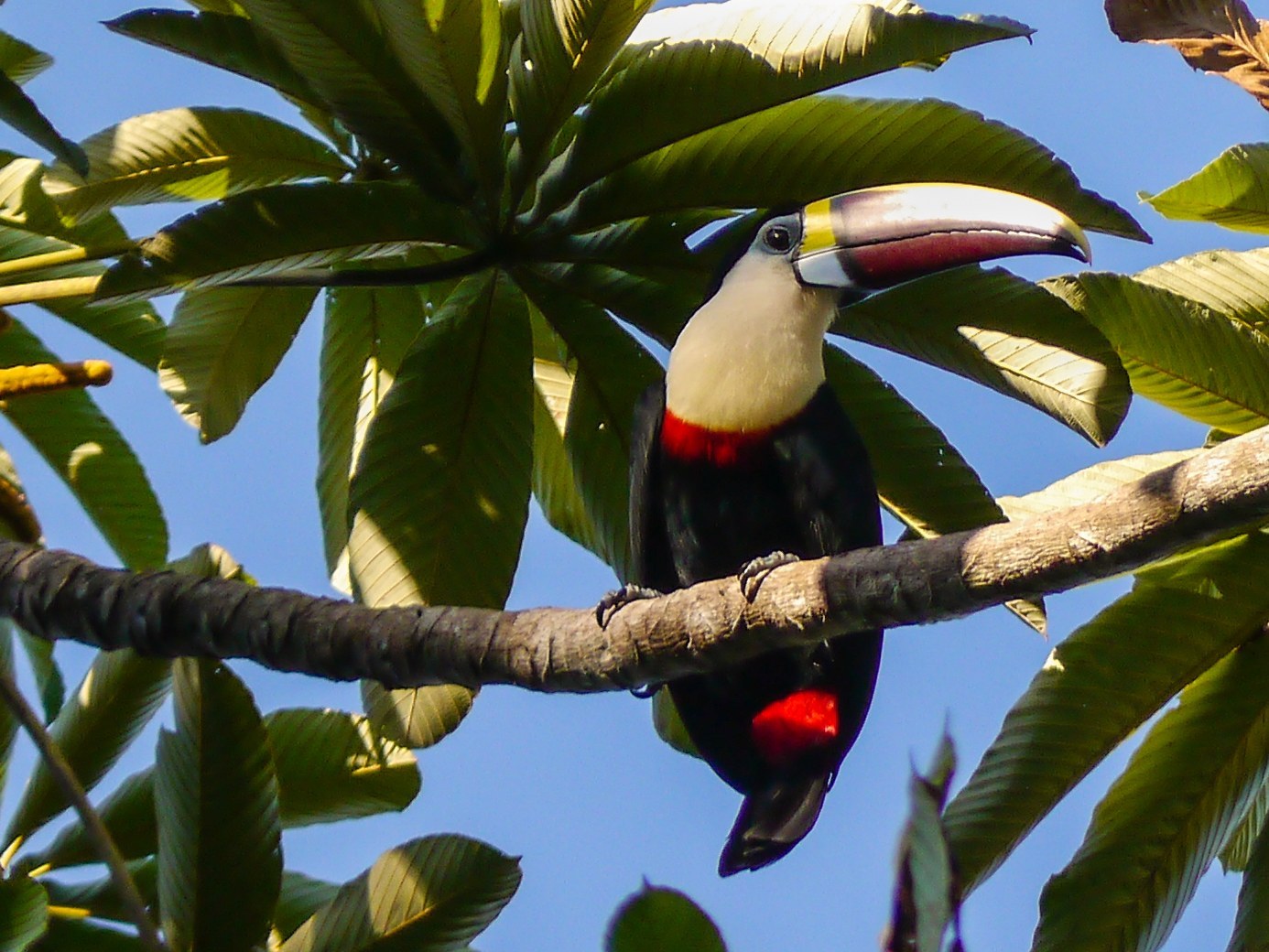
White-throated Toucan
Short rounded contour feathers, short broad wings
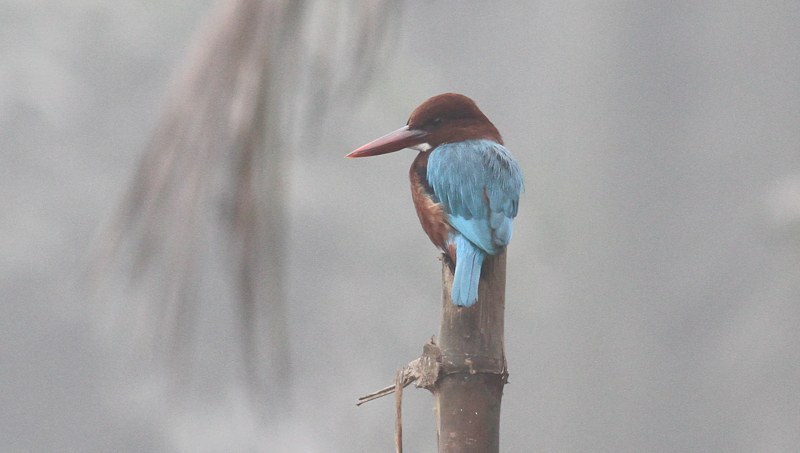
White-throated Kingfisher
Dense contour feathers; broad rounded wings

White-throated Bee-eater
Sleek, aerodynamic contour feathers; elongated central tail streamers
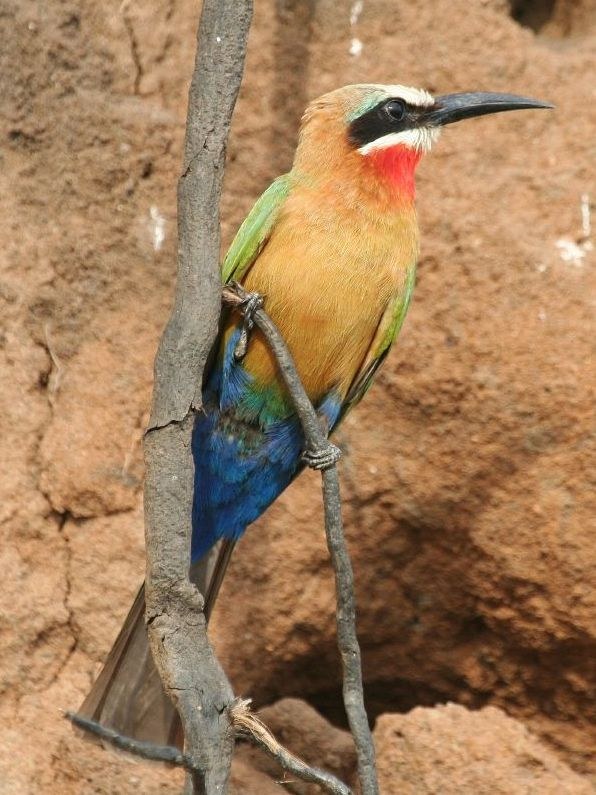
White-fronted Bee-eater
Sleek contour feathers; short tail with slight point

Southern Yellow-billed Hornbill
Slender contour feathers, moderate flight feathers
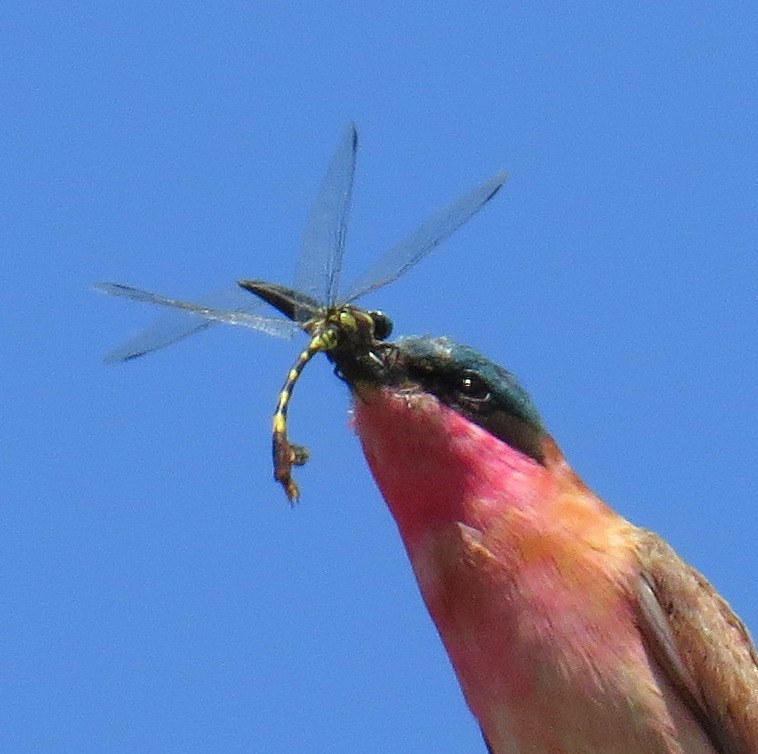
Southern Carmine Bee-eater
Sleek, pointed contour feathers; elongated central tail streamers
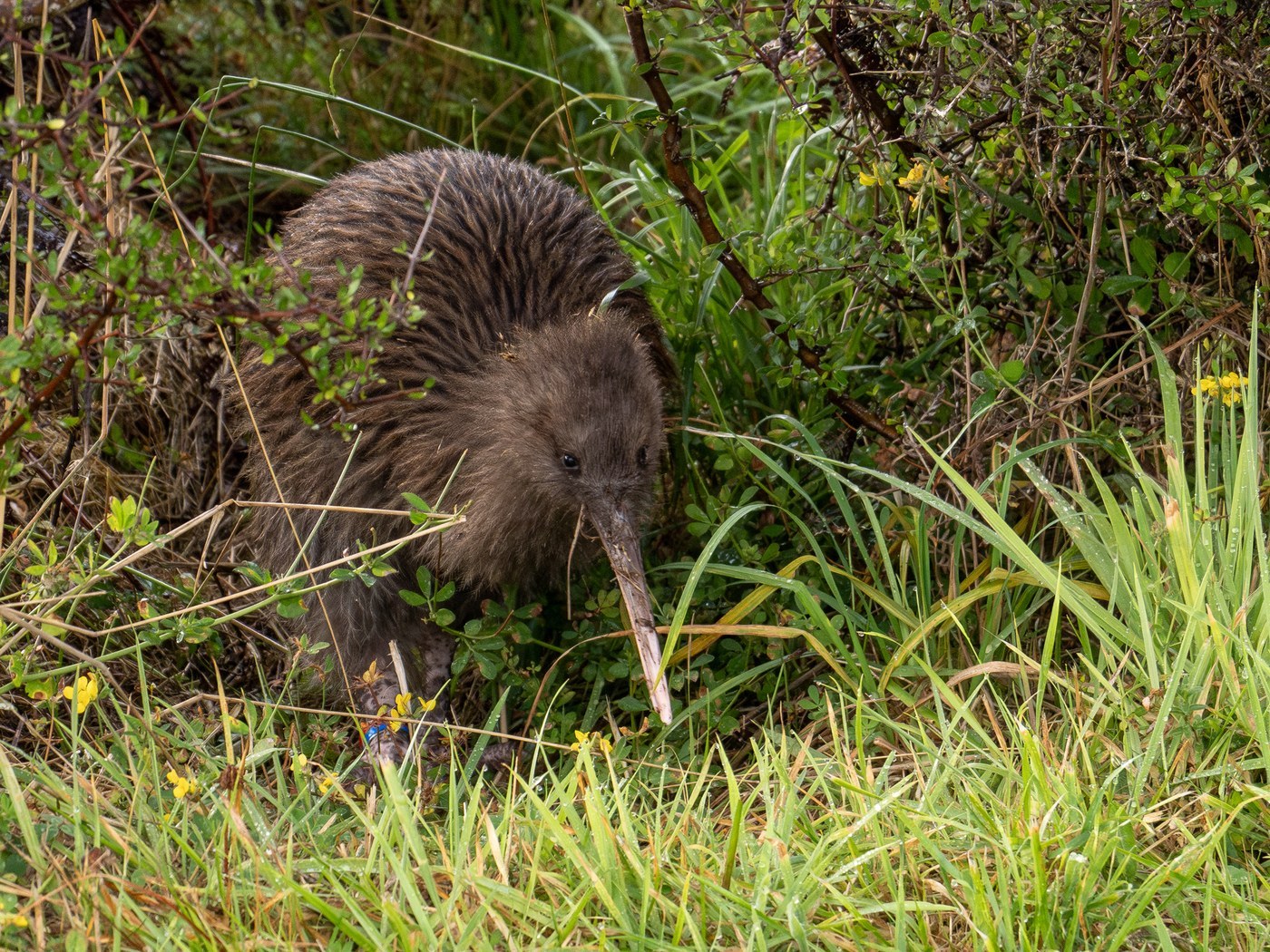
Southern Brown Kiwi
Shaggy, hair-like plumage with loose barbs lacking barbules; flightless, vestigial wings hidden beneath body feathers

Somali Ostrich
Loose, soft plumes lacking interlocking barbules

Wreathed Hornbill
Dense contour feathers, broad flight feathers

Woodland Kingfisher
Firm contour feathers; broad wing feathers