

Woodland Kingfisher
Halcyon senegalensis
A vocal African woodland kingfisher known for its loud, ringing call and a striking bicolor bill of red and black.
- Feather type
- Firm contour feathers; broad wing feathers
- Colours
- Pale blue-gray back, turquoise wing patch, white underparts, black flight feathers
- Bird size
- Robin-to-jay-sized, ~23 cm
Found a feather like this?
Identify any feather from a photo, free.
Overview
Overview
The Woodland Kingfisher is a widespread African species found in open woodlands, savanna, and cultivated land, often far from water. It is one of the more frequently heard kingfishers in its range, announcing its presence with a loud trilling call from exposed perches.
- Common breeding-season visitor across much of tropical Africa
- Not strongly tied to water, unlike many kingfishers
- Recognizable by its bright bicolored bill
Identifying the Feather
Feather Identification
Woodland Kingfisher feathers show a soft blue-gray and turquoise combination.
- Head and mantle: pale gray feathers, unmarked
- Wing coverts: bright turquoise-blue patch visible at rest and in flight
- Flight feathers: black primaries with a white base, producing a flashing wing pattern in flight
- Underparts: clean white body feathers
Compared to the Malachite Kingfisher, Woodland Kingfisher feathers are larger, paler gray-blue rather than deep cobalt, and show contrasting black-and-white wing panels.
Plumage & Molt
Plumage Details
Sexes are alike, both showing pale gray head and back, turquoise wing coverts, and white underparts. Juveniles are duller with a darker bill and some mottling on the breast. Plumage remains fairly consistent year-round, with a single annual molt after breeding.
Habitat & Range
Habitat & Range
Distributed widely across sub-Saharan Africa in open woodland, savanna edges, and cultivated areas with scattered trees. Many populations are intra-African migrants, moving seasonally in response to rainfall patterns and breeding opportunities.
Behavior & Field Notes
Behavior & Field Notes
Unlike many kingfishers, this species feeds largely away from water, hunting insects and small reptiles from an open perch and dropping to the ground to seize prey. It nests in tree cavities or old woodpecker holes. Its loud, far-carrying trilling call is a signature sound of the African bush in the breeding season. The bright red-and-black bill and turquoise wing patch are useful visual field marks.
Frequently asked questions
Does the Woodland Kingfisher need to live near water?
No, unlike many kingfishers it primarily hunts insects and small vertebrates on dry land in woodland and savanna habitat.
What is a key feather field mark for this species?
A bright turquoise wing-covert patch contrasting with black flight feathers and a pale gray back.
Why is it easy to detect even when hidden in foliage?
Its loud, ringing trill call carries a long distance, often revealing its presence before it is seen.
How does its bill help with identification?
The bill is bicolored, with a red base and black tip, distinguishing it from all-dark-billed relatives.
Woodland Kingfisher guides
In-depth guides for identifying and understanding Woodland Kingfisher.

Other feathers you may enjoy

Common Cuckoo
Flight and body feathers
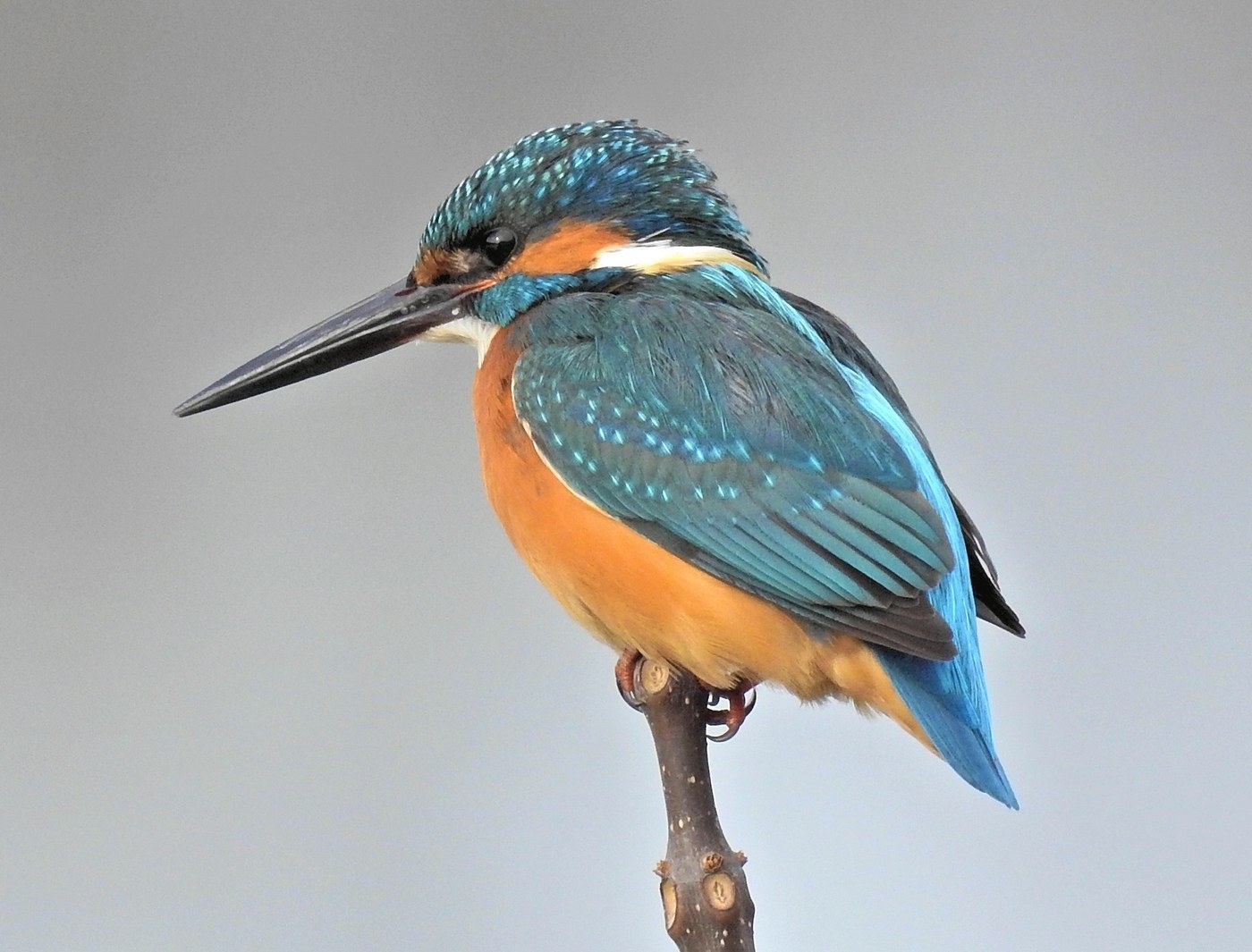
Common Kingfisher
Body (contour) and wing feathers
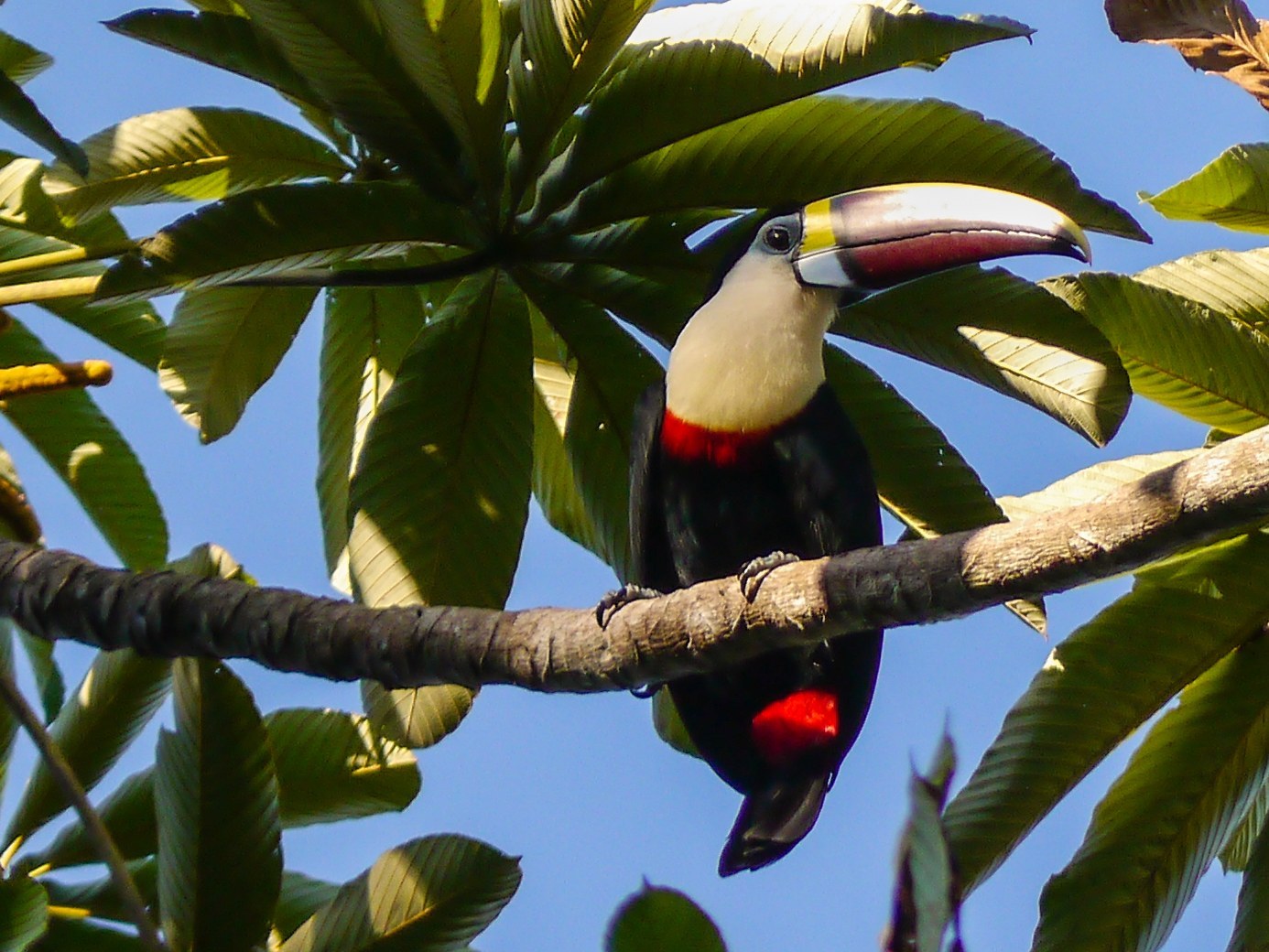
White-throated Toucan
Short rounded contour feathers, short broad wings
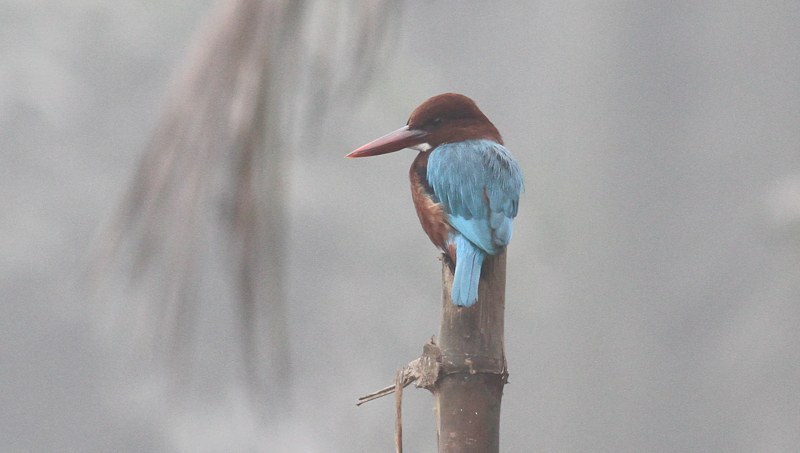
White-throated Kingfisher
Dense contour feathers; broad rounded wings

White-throated Bee-eater
Sleek, aerodynamic contour feathers; elongated central tail streamers
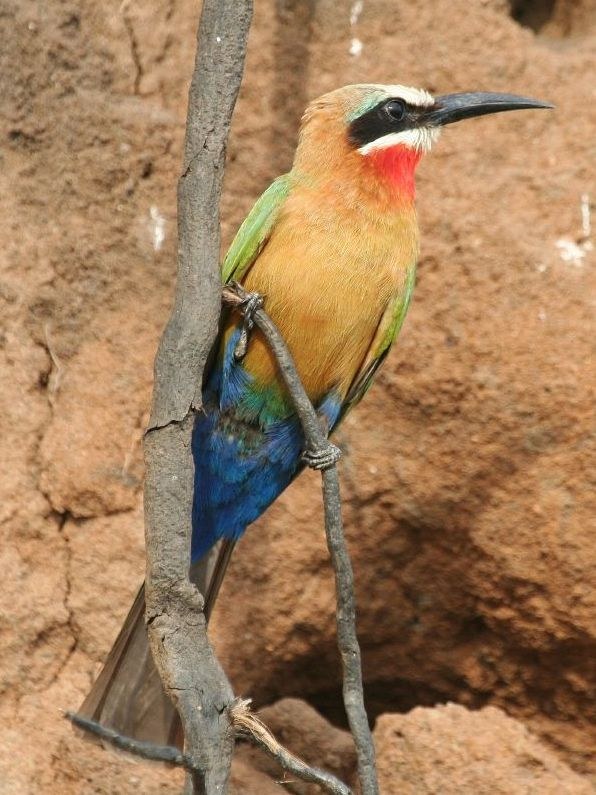
White-fronted Bee-eater
Sleek contour feathers; short tail with slight point

Southern Yellow-billed Hornbill
Slender contour feathers, moderate flight feathers
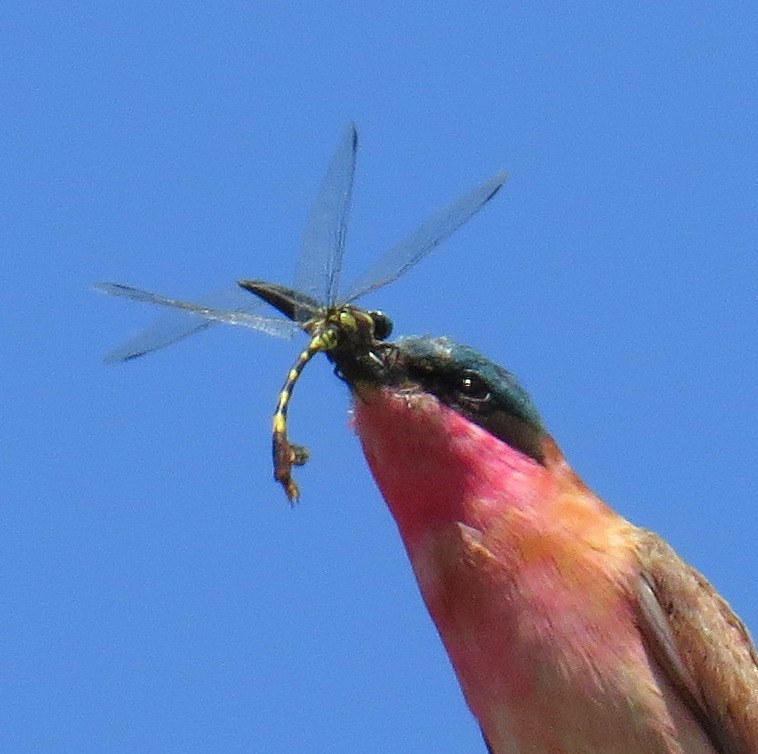
Southern Carmine Bee-eater
Sleek, pointed contour feathers; elongated central tail streamers
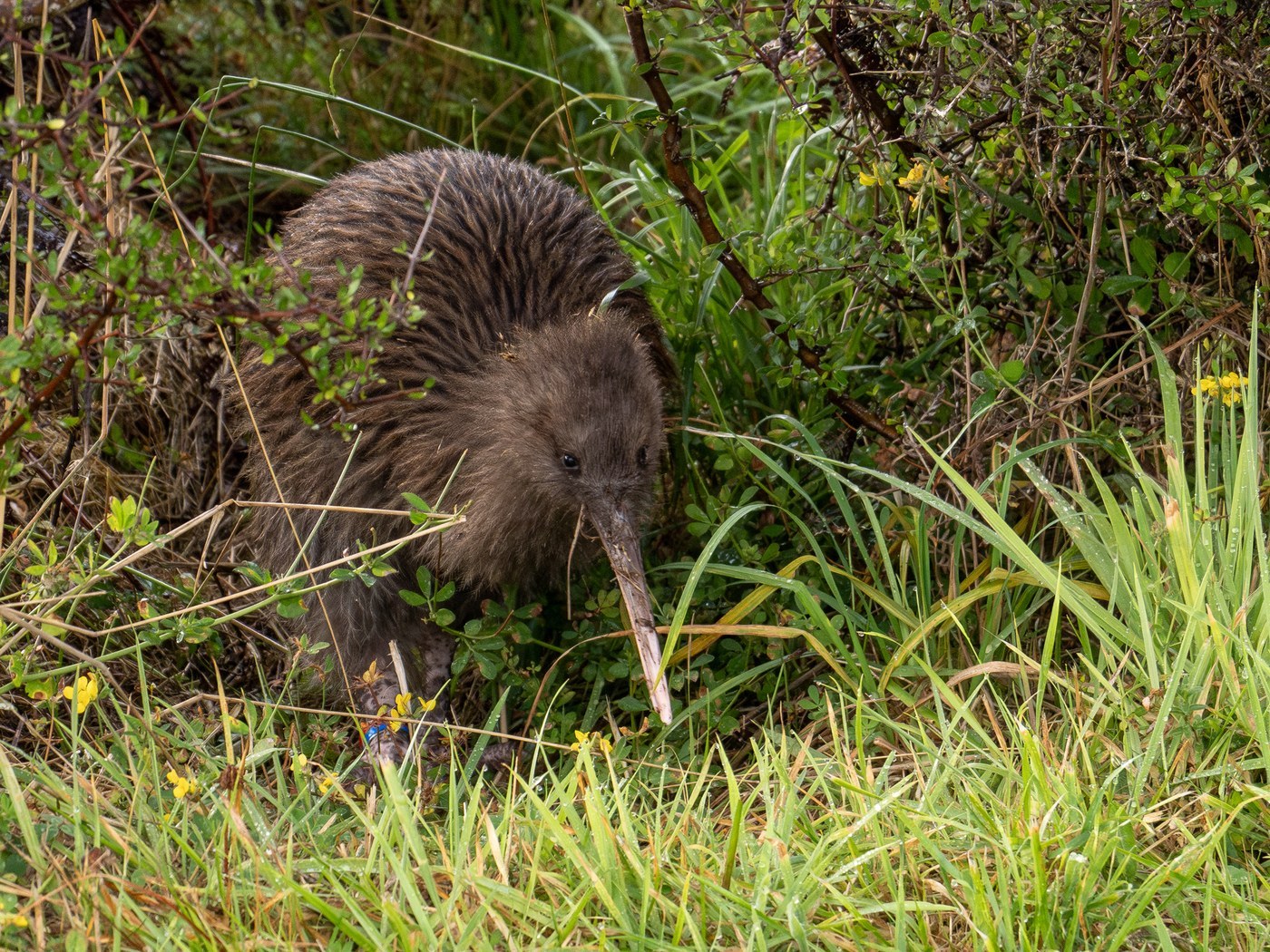
Southern Brown Kiwi
Shaggy, hair-like plumage with loose barbs lacking barbules; flightless, vestigial wings hidden beneath body feathers

Somali Ostrich
Loose, soft plumes lacking interlocking barbules

Wreathed Hornbill
Dense contour feathers, broad flight feathers

Russet-crowned Motmot
Dense contour feathers with elongated, racket-tipped central tail feathers