
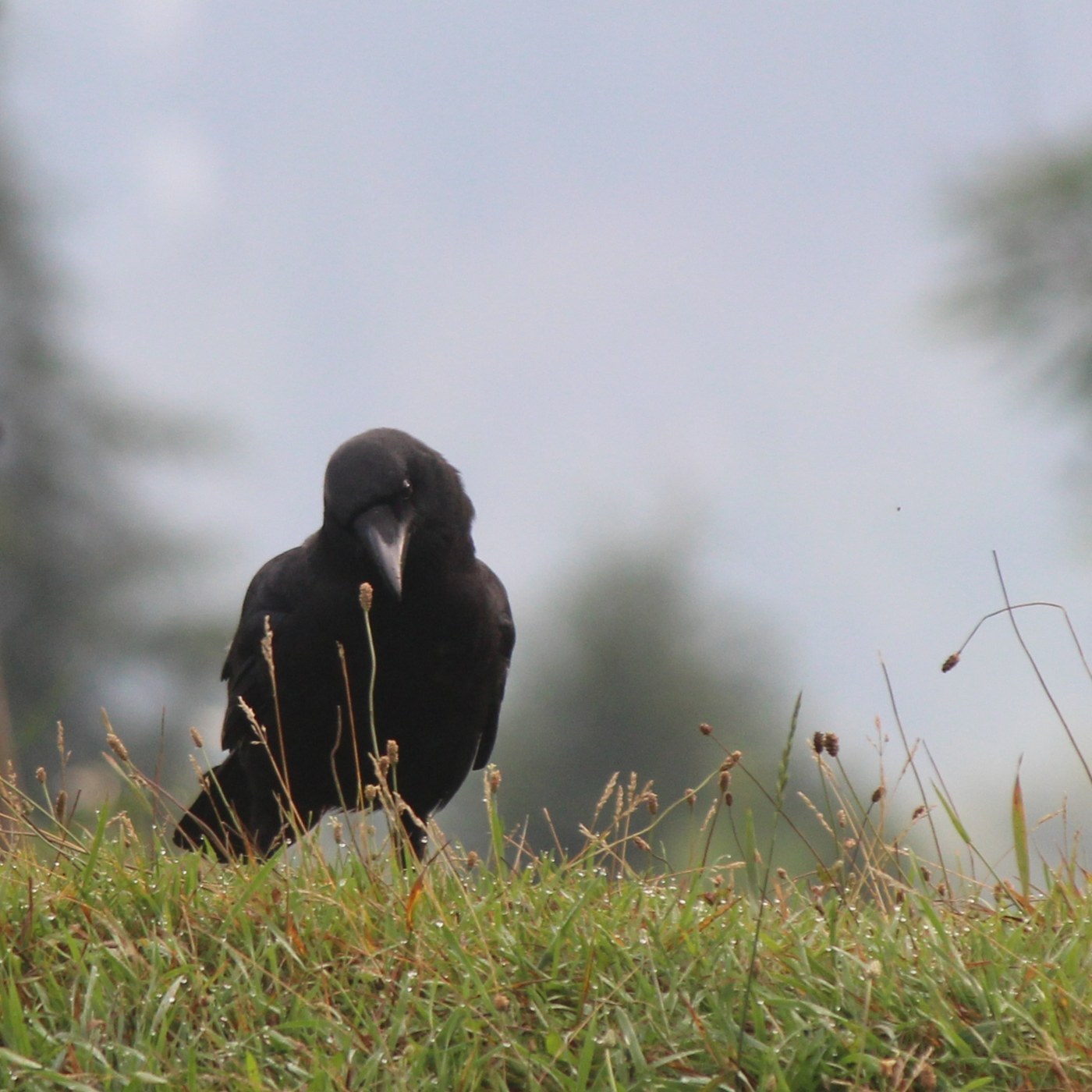
Carrion Crow
Corvus corone
A widespread, all-black generalist corvid whose glossy feathers closely resemble those of the Rook, distinguished mainly by context and subtle shape differences.
- Feather type
- Glossy black flight and body feathers with a fully feathered bill base
- Colours
- All black with a glossy blue-purple sheen
- Bird size
- Large corvid, ~47 cm
Found a feather like this?
Identify any feather from a photo, free.
Overview
The Carrion Crow is one of the most adaptable and widespread corvids in western and central Europe, thriving in almost any habitat from farmland to city centers. Unlike the colonial Rook, it is usually seen alone, in pairs, or in small family groups rather than large flocks.
Its plumage is entirely black with a glossy sheen, and unlike the Rook, the base of its bill remains fully feathered at all ages, giving it a smoother facial profile.
A Carrion Crow feather is essentially identical in color to a Rook's, so the strongest clues to identification usually come from habitat and behavior — a solitary or paired bird in a varied habitat rather than a farmland colony — combined with slightly broader, more rounded flight feathers.
Identifying the Feather
Overall color
- Uniformly black with a glossy blue-purple sheen, closely matching Rook feathers.
Shape clues
- Flight feathers are broad and somewhat rounded at the tip, supporting the crow's steady, direct flight style.
- Feathers overall look slightly heavier and less pointed than a Rook's.
Distinguishing from Rook
- Because color is nearly identical, the best approach is combining feather shape with the setting in which it was found: a lone black corvid feather in a garden, urban area, or mixed habitat is more likely Carrion Crow, while one from a farmland rookery area points to Rook.
Confusion species
Hooded Crow feathers from the body are grey rather than black, making those regions easy to separate; but Hooded Crow wing, tail, and head feathers remain black and can be confused with Carrion Crow.
Plumage & Molt
Adult Carrion Crows are entirely black with a glossy blue-purple sheen and a fully feathered bill base, unlike the bare-faced adult Rook. Males and females look alike.
Juveniles are similarly all black but slightly duller and browner-black until their first full molt, after which they gain the fuller adult gloss.
Carrion Crows undergo a complete post-breeding molt in summer, replacing flight and body feathers over several weeks.
Habitat & Range
Carrion Crows are habitat generalists found in farmland, woodland edges, moorland, coastal areas, and increasingly in towns and cities, where they forage on scraps as readily as natural food.
The species is resident across most of western and central Europe, with populations remaining in the same general area year-round.
Behavior & Field Notes
Carrion Crows are omnivorous opportunists, eating invertebrates, small vertebrates, eggs, carrion, grain, and human food waste. They are usually seen singly, in pairs, or small family parties rather than large flocks.
They build a sturdy stick nest in a tree, and their call is a harsh, deep 'kraa', typically given in a series of three or four notes.
When identifying a plain black corvid feather, note the setting — Carrion Crows are common in gardens, parks, and mixed countryside, whereas dense farmland flocks near a rookery suggest Rook instead.
Frequently asked questions
How do Carrion Crow feathers differ from Rook feathers?
They look very similar and are both glossy black; Carrion Crow flight feathers tend to be broader and more rounded, and the species is usually found alone or in pairs rather than in the large farmland flocks typical of Rooks.
Are Carrion Crow feathers ever grey?
No, Carrion Crow plumage is entirely black; grey feathers point instead to the closely related Hooded Crow.
What is the best clue for telling a lone black corvid feather apart from a Rook's?
Habitat context is often more useful than the feather itself — urban, garden, or mixed habitats favor Carrion Crow, while farmland rookery areas favor Rook.
Do juvenile Carrion Crows have duller feathers?
Yes, juvenile feathers are slightly duller and browner-black than the glossier plumage of adults.
Where might I find a Carrion Crow feather?
Almost anywhere across its range, including gardens, parks, farmland, coastlines, and urban areas.
Carrion Crow guides
In-depth guides for identifying and understanding Carrion Crow.
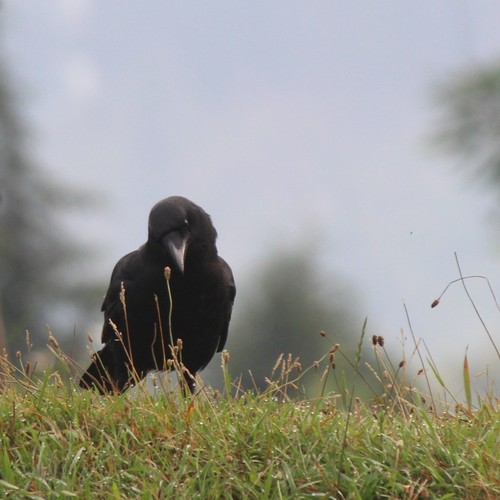
Carrion Crow identified by the community
Real feathers identified with Feather Identifier.


Other feathers you may enjoy

Yellow-billed Magpie
Contour, wing, and tail feathers

White-throated Magpie-Jay
Contour, wing, and tail feathers

White-necked Crow
Contour and flight feathers

Slender-billed Crow
Contour and flight feathers

Sinaloa Crow
Contour and flight feathers

Siberian Jay
Contour, wing, and tail feathers

Yellow-billed Blue Magpie
Contour, wing, and tail feathers
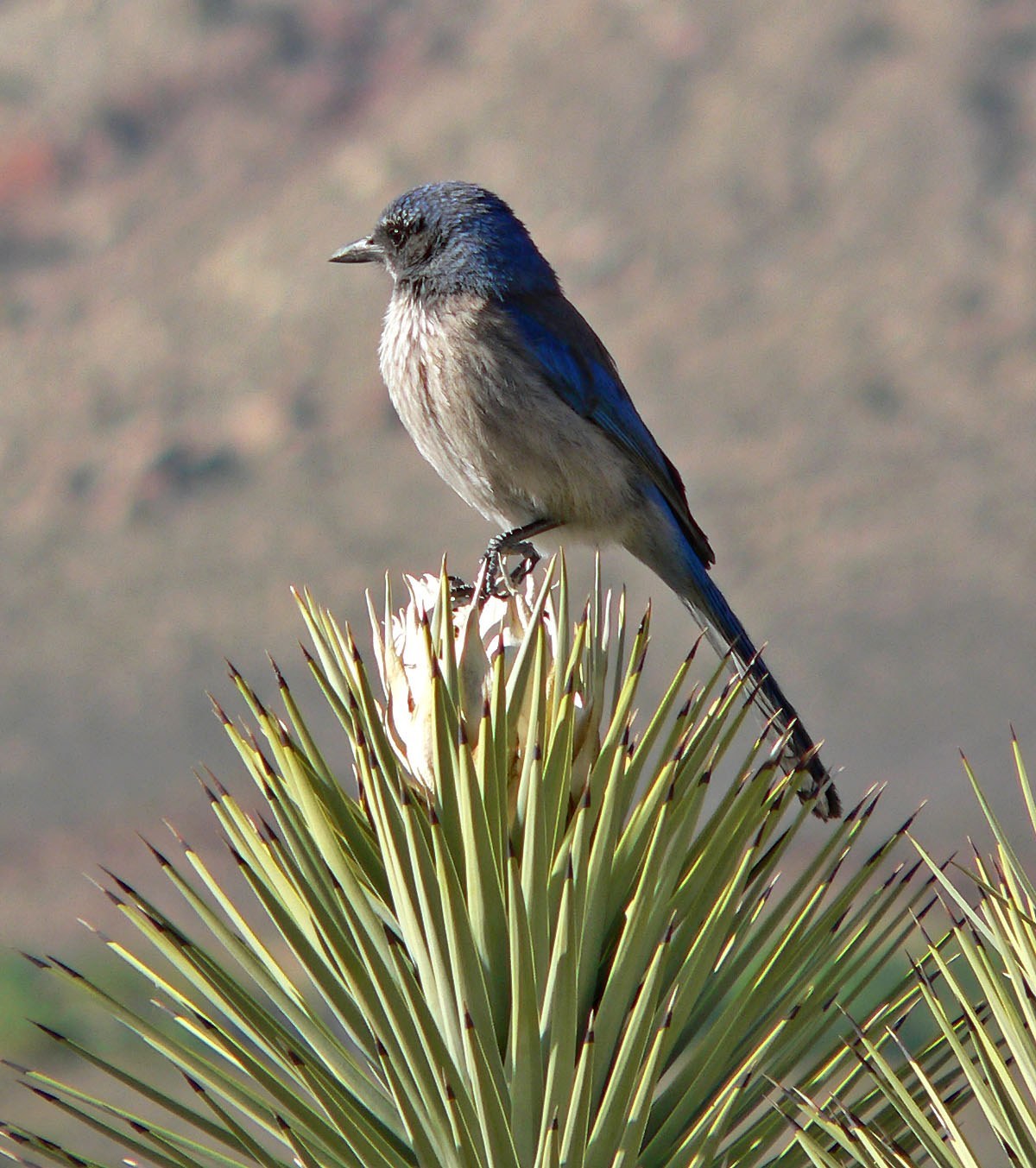
Woodhouse's Scrub-Jay
Contour and flight feathers
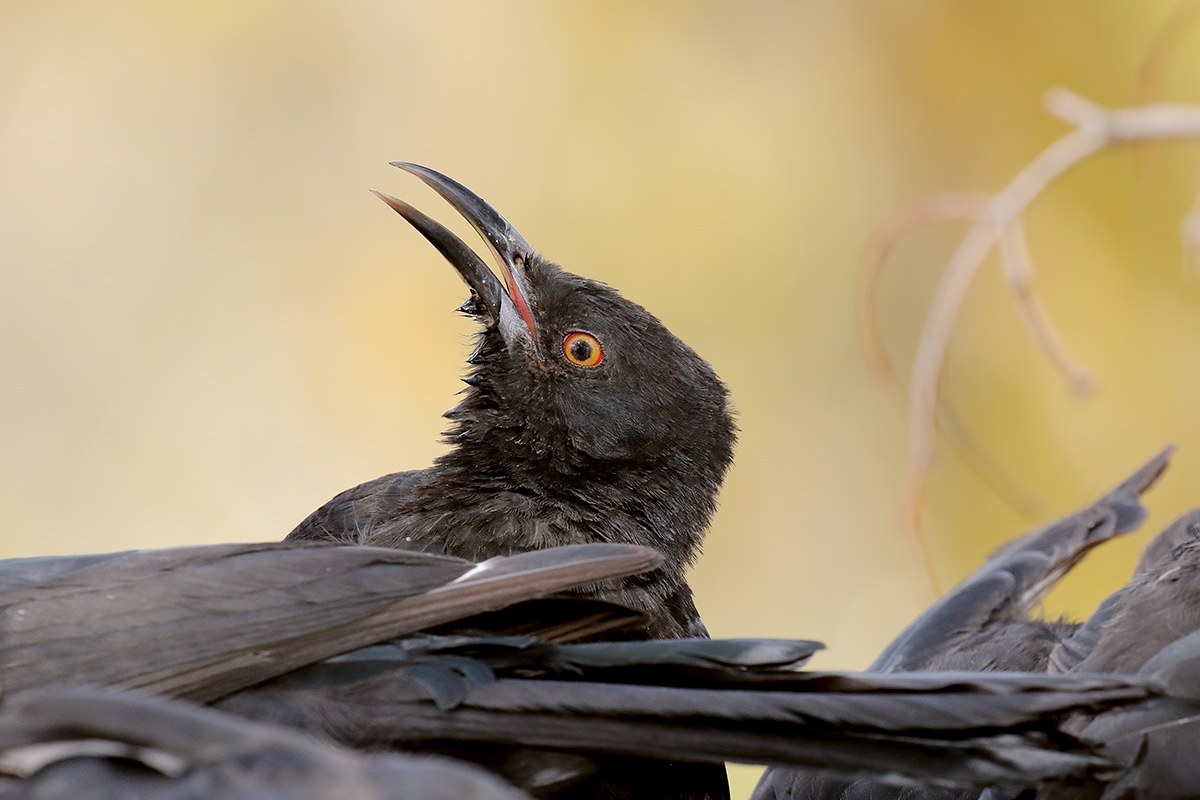
White-winged Chough
Contour and flight feathers

Rufous Treepie
Long, graduated tail feathers; loose body contour feathers

Thick-billed Raven
Contour and flight feathers
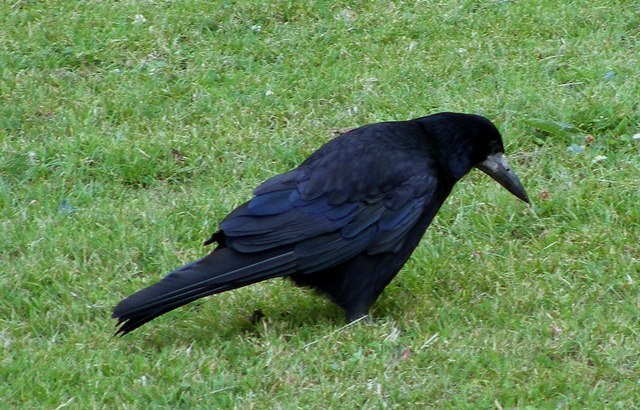
Rook
Glossy purple-black flight and body feathers; loose, shaggy thigh (leg) feathers