

Eurasian Magpie
Pica pica
A boldly pied corvid whose black feathers flash iridescent blue-green and purple in the light, with an unmistakably long, wedge-shaped tail.
- Feather type
- Long, graduated iridescent tail feathers; broad black-and-white wing flight feathers
- Colours
- Black and white with strong blue-green and purple iridescence on wings and tail
- Bird size
- Large corvid, ~44-46 cm including long tail
Found a feather like this?
Identify any feather from a photo, free.
Overview
The Eurasian Magpie is one of the most recognizable birds across much of Europe and Asia, combining crisp black-and-white plumage with a strikingly long tail. Its intelligence and boldness make it a familiar sight in farmland, hedgerows, and increasingly in towns and gardens.
Magpies are non-migratory residents throughout their wide range, often seen in pairs or small family groups, and their feathers — dropped during molt or after encounters with predators — are a common and satisfying find due to their vivid, changeable color.
What looks like plain black plumage from a distance reveals rich iridescent blues, greens, and purples up close, especially on the wings and the long, graduated tail feathers that make this species' feathers so easy to pick out from other black-and-white birds.
Identifying the Feather
Tail feathers
- Extremely long and graduated, with the central pair the longest, tapering the feather noticeably toward the tip.
- Show strong iridescent green, bronze, and purple sheen along the black surface, especially near the tip.
Wing feathers
- Primaries and secondaries are black with bold white patches or white bases visible when the wing is spread, producing a flashing white wing panel in flight.
- Wing coverts show blue-green iridescence similar to the tail but shorter and more rounded.
Body feathers
- Head, neck, and breast feathers are solid glossy black.
- Belly and flank (scapular) feathers are pure white, without iridescence, giving strong contrast with the black feathers.
Confusion species
No similarly sized European bird combines pure white belly feathers with such long, iridescent black tail feathers; jackdaws and crows lack both the length of tail and the white patches, and jays lack the extreme tail length.
Plumage & Molt
Adult Magpies have a glossy black head, neck, and breast, pure white belly and scapulars, and black wings marked with white patches, with the whole plumage taking on green, blue, and purple iridescence in good light. The tail is long, black, and strongly graduated, also showing iridescent sheen.
Males and females look alike, though males average slightly larger with proportionately longer tails. Juveniles resemble adults but appear duller, with shorter tails and less iridescence until their first full molt.
Adults undergo a complete molt after the breeding season in mid- to late summer, gradually regrowing the long tail feathers over several weeks.
Habitat & Range
Magpies favor open and semi-open habitats with scattered trees for nesting, including farmland, hedgerows, woodland edges, parks, and gardens. They have adapted well to human-altered landscapes and are common in suburban and urban areas across their range.
The species is resident and non-migratory across most of Europe, temperate Asia, and parts of North Africa, with populations generally remaining in the same area year-round.
Behavior & Field Notes
Magpies are highly intelligent, opportunistic feeders taking a wide variety of invertebrates, small vertebrates, eggs, and plant material, often foraging on the ground in pairs or small groups. They are well known for their bold, inquisitive behavior around human settlements.
They build large, distinctive domed stick nests, often with a roof, placed high in trees. Their calls include a harsh, chattering 'chack-chack-chack' alarm and various softer notes.
When you find a Magpie feather, the combination of iridescent black and crisp white sections along with the very long, tapering shape of tail feathers makes this one of the easier corvid feathers to identify confidently.
Frequently asked questions
How can I tell a Magpie tail feather from other corvids?
Magpie tail feathers are unusually long and strongly graduated with iridescent green-purple sheen, far exceeding the tail feather length of jackdaws, crows, or jays.
Why does a Magpie feather look blue or green in the light?
The black feathers contain structural coloration that produces iridescent blue, green, and purple highlights, most visible on the wings and tail in direct sunlight.
Are Magpie feathers ever plain white?
Yes, the belly and scapular feathers are solid white with no iridescence, contrasting sharply with the glossy black feathers elsewhere on the body.
Could a Magpie feather be mistaken for a Jackdaw feather?
Jackdaw feathers are shorter and duller black with grey on the neck, lacking the strong iridescence and long graduated tail shape typical of Magpie feathers.
Do juvenile Magpie feathers look different from adults?
Juveniles have shorter tails and less iridescent sheen, appearing somewhat duller and flatter black until their first complete molt.
Eurasian Magpie guides
In-depth guides for identifying and understanding Eurasian Magpie.

Eurasian Magpie identified by the community
Real feathers identified with Feather Identifier.


Other feathers you may enjoy

Yellow-billed Magpie
Contour, wing, and tail feathers

White-throated Magpie-Jay
Contour, wing, and tail feathers

White-necked Crow
Contour and flight feathers

Slender-billed Crow
Contour and flight feathers

Sinaloa Crow
Contour and flight feathers

Siberian Jay
Contour, wing, and tail feathers

Yellow-billed Blue Magpie
Contour, wing, and tail feathers
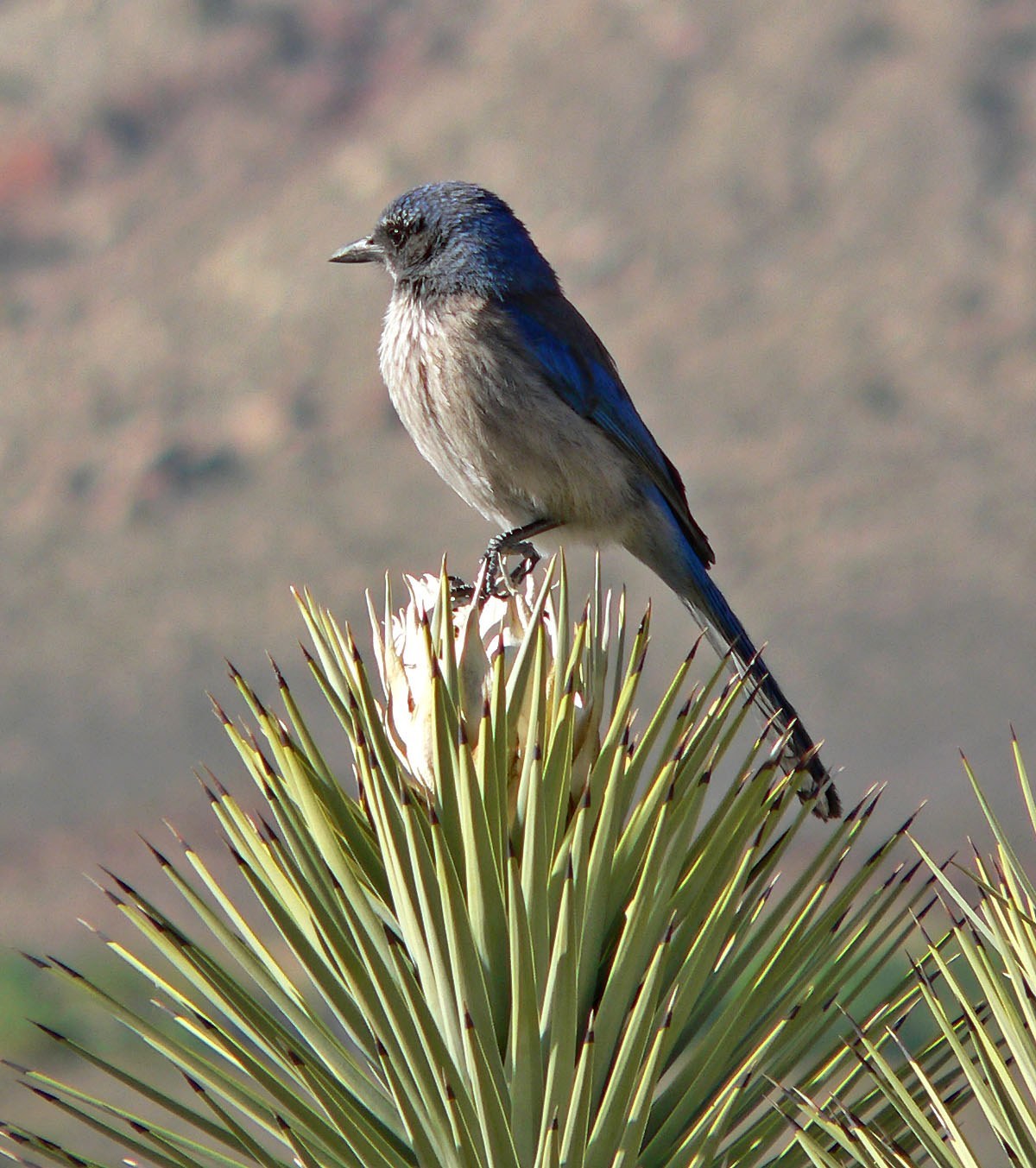
Woodhouse's Scrub-Jay
Contour and flight feathers
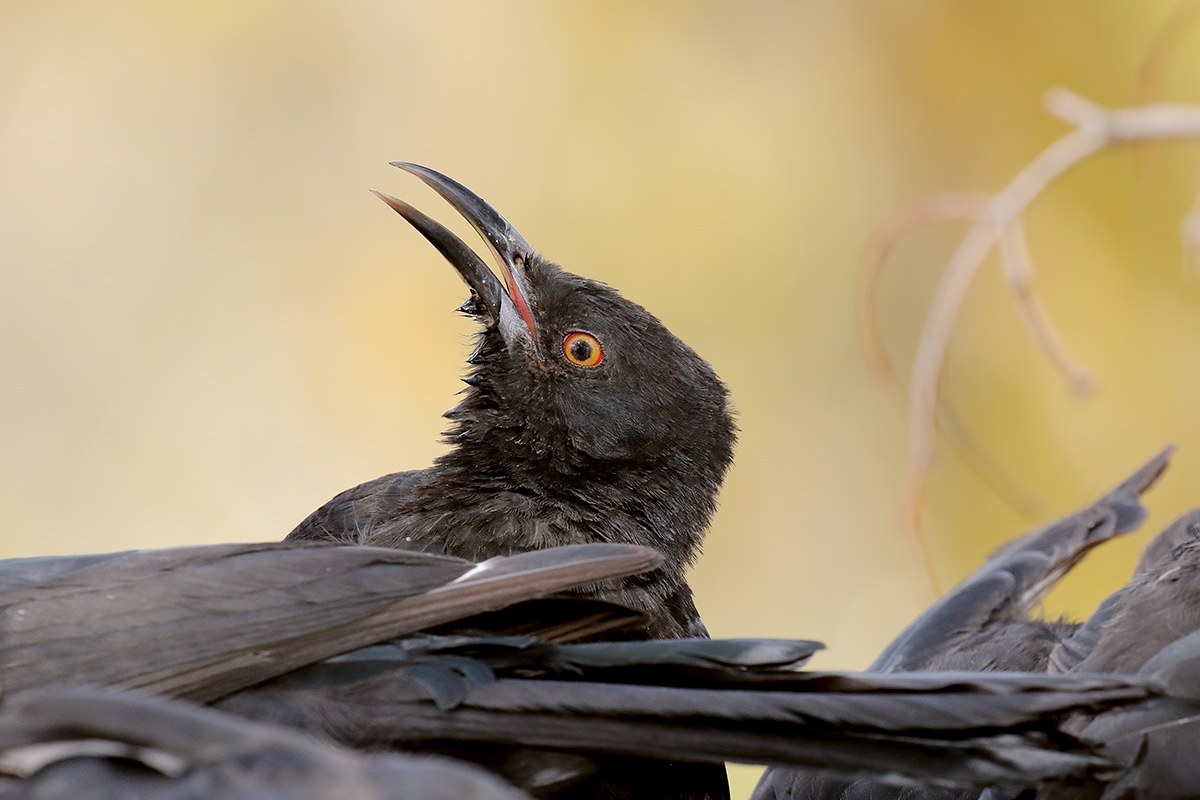
White-winged Chough
Contour and flight feathers

Rufous Treepie
Long, graduated tail feathers; loose body contour feathers

Thick-billed Raven
Contour and flight feathers
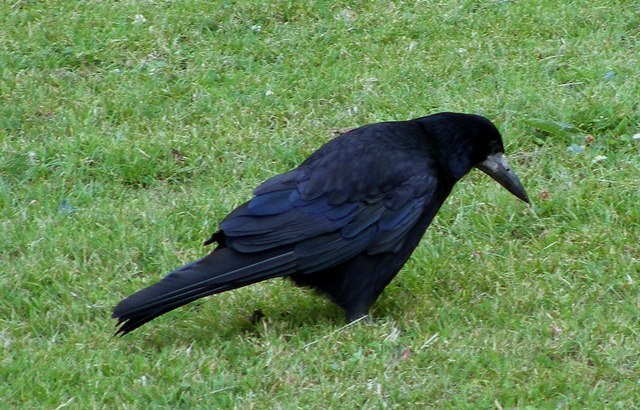
Rook
Glossy purple-black flight and body feathers; loose, shaggy thigh (leg) feathers