
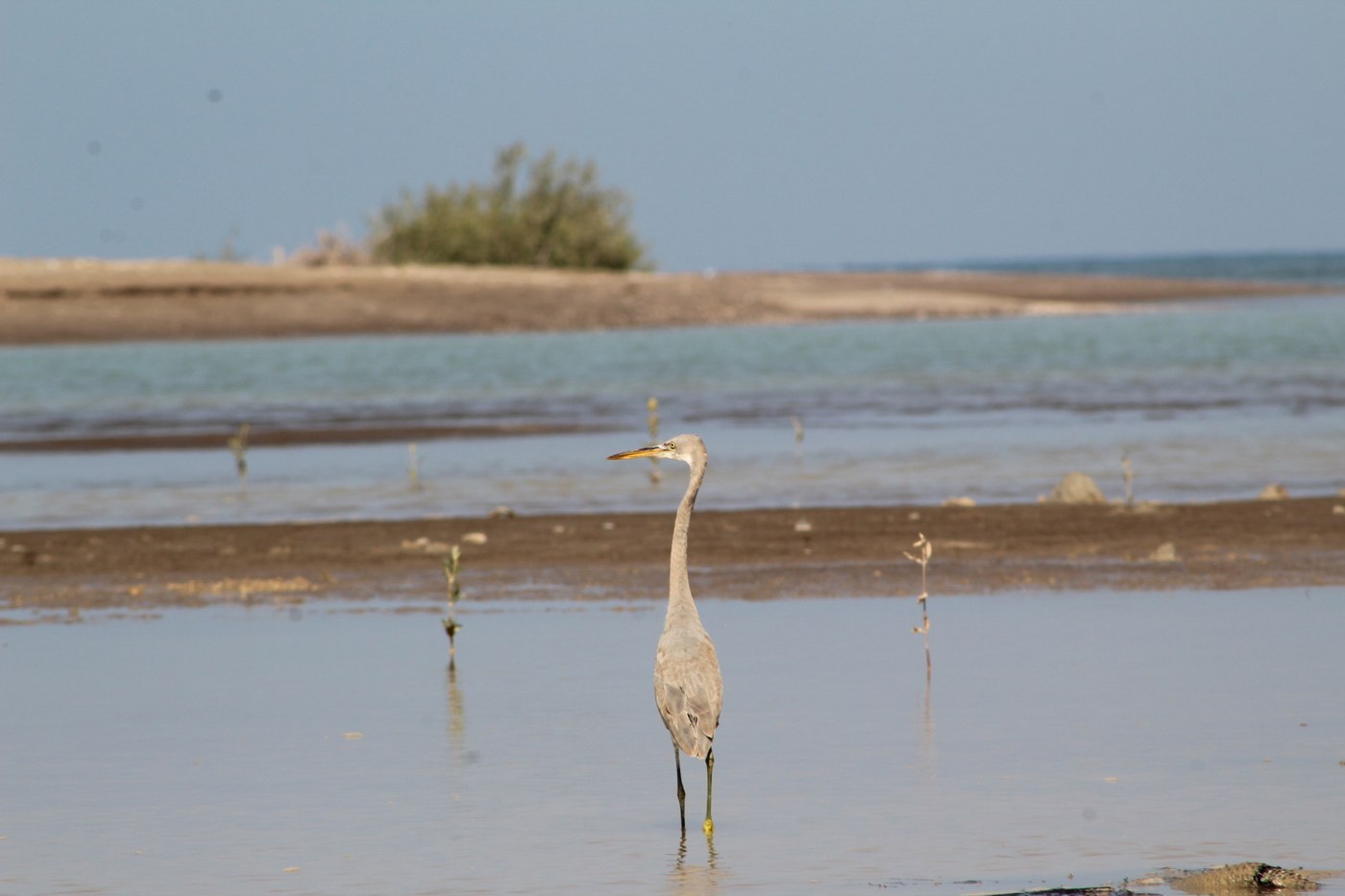
Western Reef Heron
Egretta gularis
A coastal heron of Africa and Asia closely related to the Little Egret, occurring in both dark and white color forms.
- Feather type
- Fine contour feathers, dark or white depending on morph
- Colours
- Slate-gray in the dark morph; white in the pale morph
- Bird size
- Small-medium, ~55-65 cm tall
Found a feather like this?
Identify any feather from a photo, free.
Overview
Overview
The Western Reef Heron is a small to medium heron closely tied to coastal habitats along the shores of West Africa and extending through the Middle East to South Asia. It is closely related to the Little Egret and occurs in dark and white color morphs, with the dark form predominating in much of its range.
- Small to medium egret-like heron of coastal habitats
- Occurs in a dark slate-gray morph and a white morph
- Found along African and Asian coastlines, rarely inland
Identifying the Feather
Feather Identification
Dark morph Western Reef Heron feathers are slate-gray overall, sometimes with a slightly bluish cast, while white morph feathers are indistinguishable in color from other white egrets such as Little Egret. The bill is often two-toned, dusky above and paler below or yellowish, which can be a clue if soft parts are present. Feather size and structure closely match the similarly sized Little Egret, so range and coastal habitat are the most useful clues for separating the two.
- Dark morph slate-gray feathers help separate it from purely white egrets in the same coastal range
- White morph feathers overlap closely with Little Egret; coastal, saline habitat favors Western Reef Heron
- Yellowish or dusky-based bill can help confirm identification if attached
- Feather size is comparable to Little Egret, reflecting a similar overall body size
Plumage & Molt
Plumage
Dark morph adults are slate-gray overall with a whitish throat patch and a bill that is often dusky with a yellowish base. White morph adults are entirely white, closely resembling Little Egret. Breeding adults of both morphs develop elongated nape plumes and looser back plumes similar to the Little Egret's ornamental feathers. Juveniles resemble adults of their respective morph but with duller bare-part coloration. Molt proceeds gradually as in related Egretta herons.
Habitat & Range
Habitat & Range
The Western Reef Heron is found along the coasts of West Africa and extends through parts of the Red Sea, the Arabian Peninsula, and the coasts of South Asia. It is strongly associated with saline and coastal habitats, including rocky shorelines, tidal mudflats, and mangroves, rarely venturing far inland. Most populations are resident, with some local or short-distance movements.
Behavior & Field Notes
Behavior & Field Notes
This heron forages actively along tidal flats and rocky shorelines, chasing small fish and invertebrates exposed by receding tides, often moving with quick, darting steps. It nests colonially, sometimes with other herons and egrets, building stick nests in coastal vegetation such as mangroves. Its call is a harsh croak typical of the group. Because it so closely resembles the Little Egret, habitat (saline coastal waters rather than inland freshwater) and range are often the most reliable ways to separate the two in the field.
Frequently asked questions
How does the Western Reef Heron differ in appearance from the Little Egret?
It occurs in both dark slate-gray and white morphs, whereas the Little Egret is always white; the two are otherwise very similar.
Where does the Western Reef Heron live?
Along coastal areas of West Africa and extending through the Middle East to South Asia, favoring saline and tidal habitats.
Does the Western Reef Heron use freshwater habitats?
Rarely; it is strongly tied to coastal and saline environments such as tidal flats, rocky shores, and mangroves.
What is the best way to identify a Western Reef Heron feather?
Look at habitat and range first, since white morph feathers closely resemble those of the Little Egret; a dark slate-gray feather from a coastal area is a stronger clue.
Western Reef Heron guides
In-depth guides for identifying and understanding Western Reef Heron.
Other feathers you may enjoy

Yellow-billed Spoonbill
White contour and flight feathers with fine breeding plumes on the back and breast
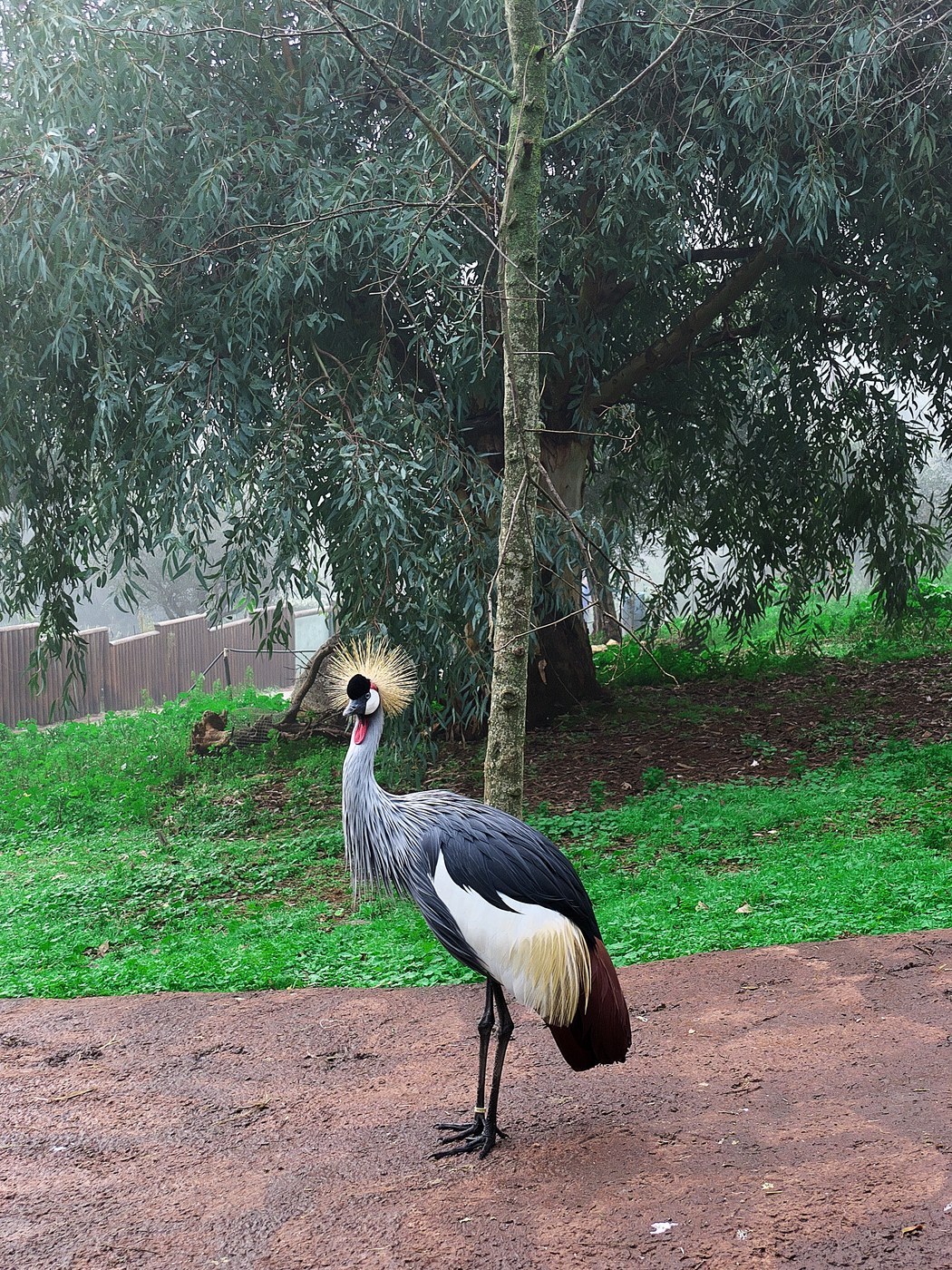
Grey Crowned Crane
Grey body feathers with white wing coverts, chestnut flight feathers, and stiff golden crown bristles
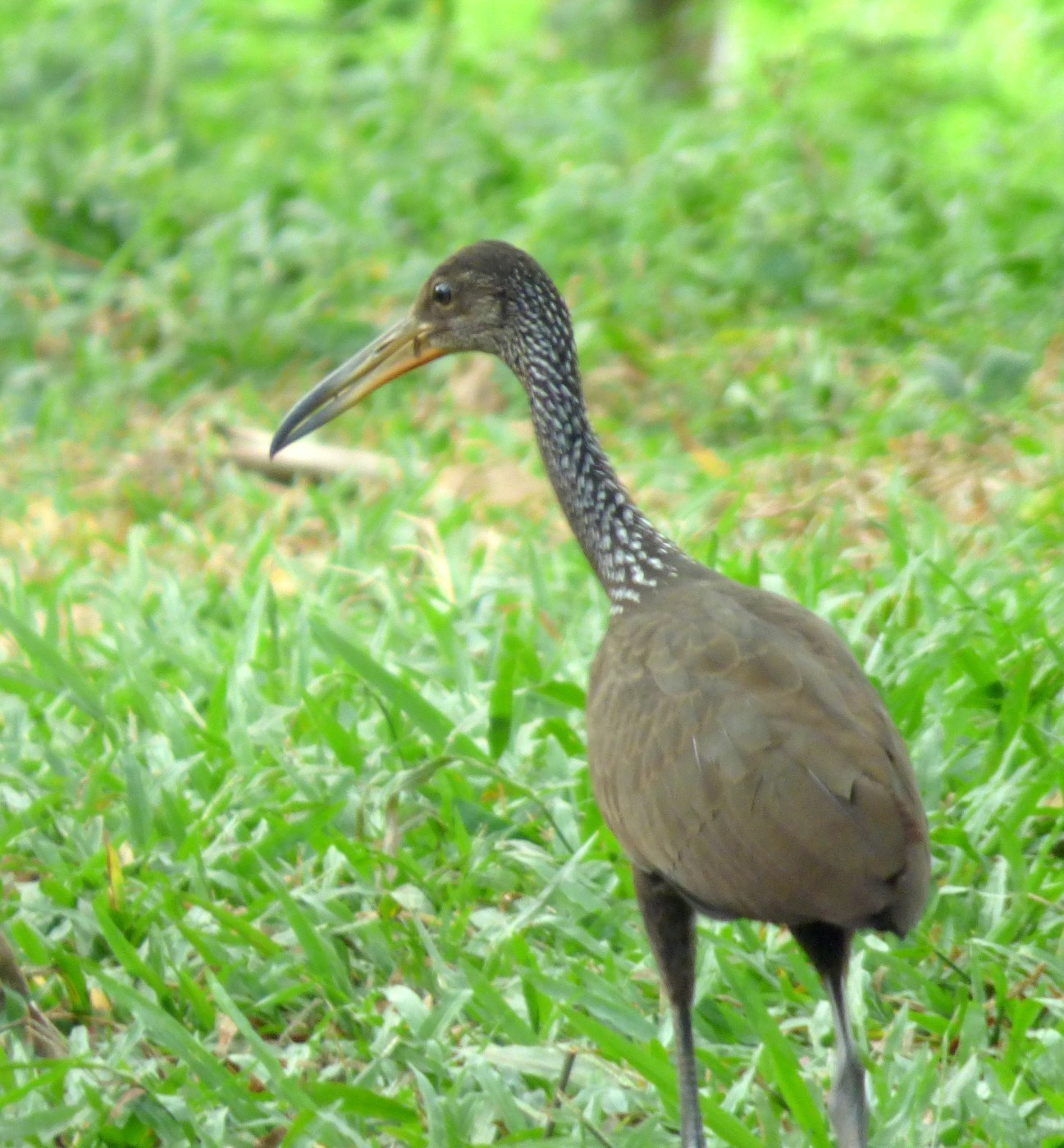
Limpkin
Brown contour feathers with white teardrop-shaped spots and streaks
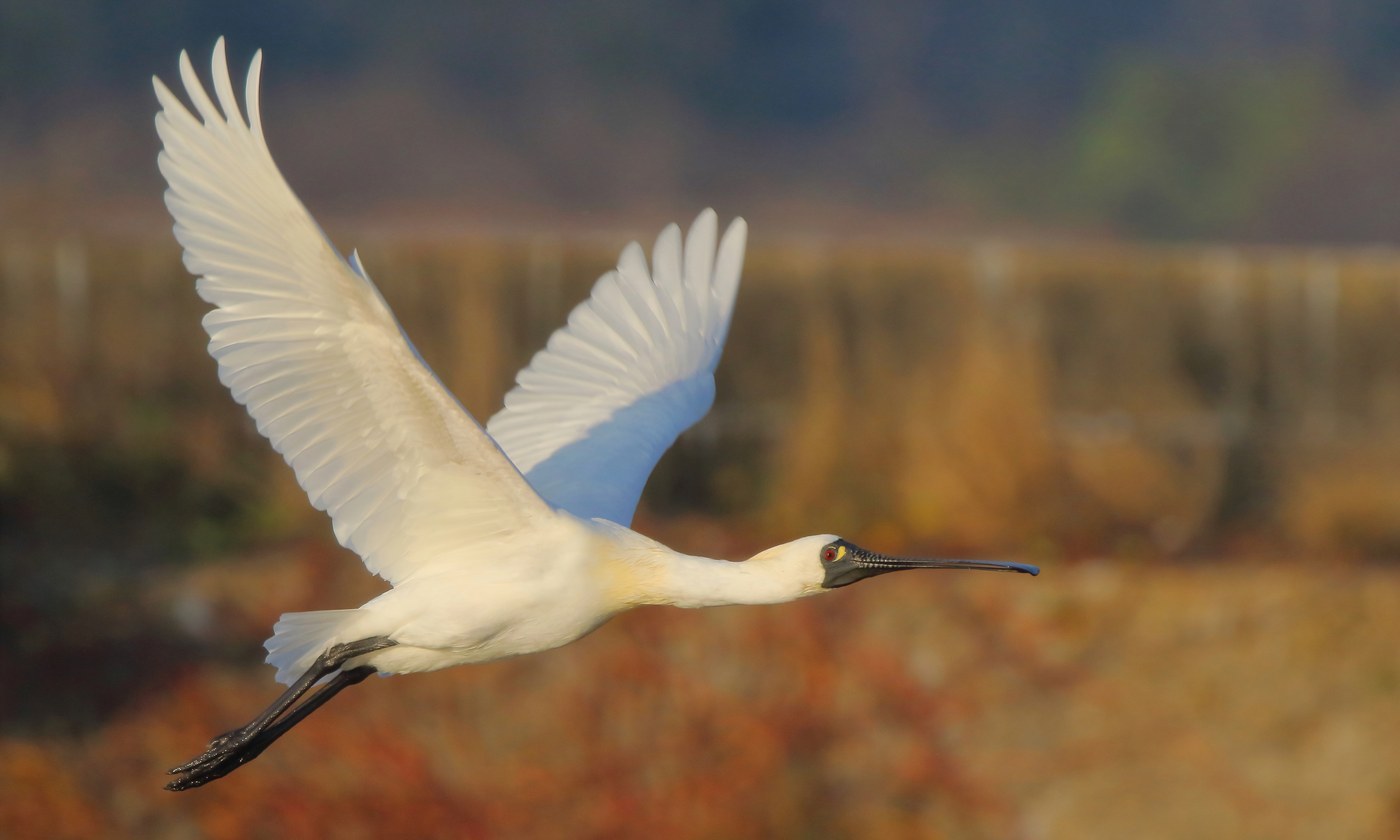
Black-faced Spoonbill
White contour and flight feathers with fine breeding crest and breast plumes
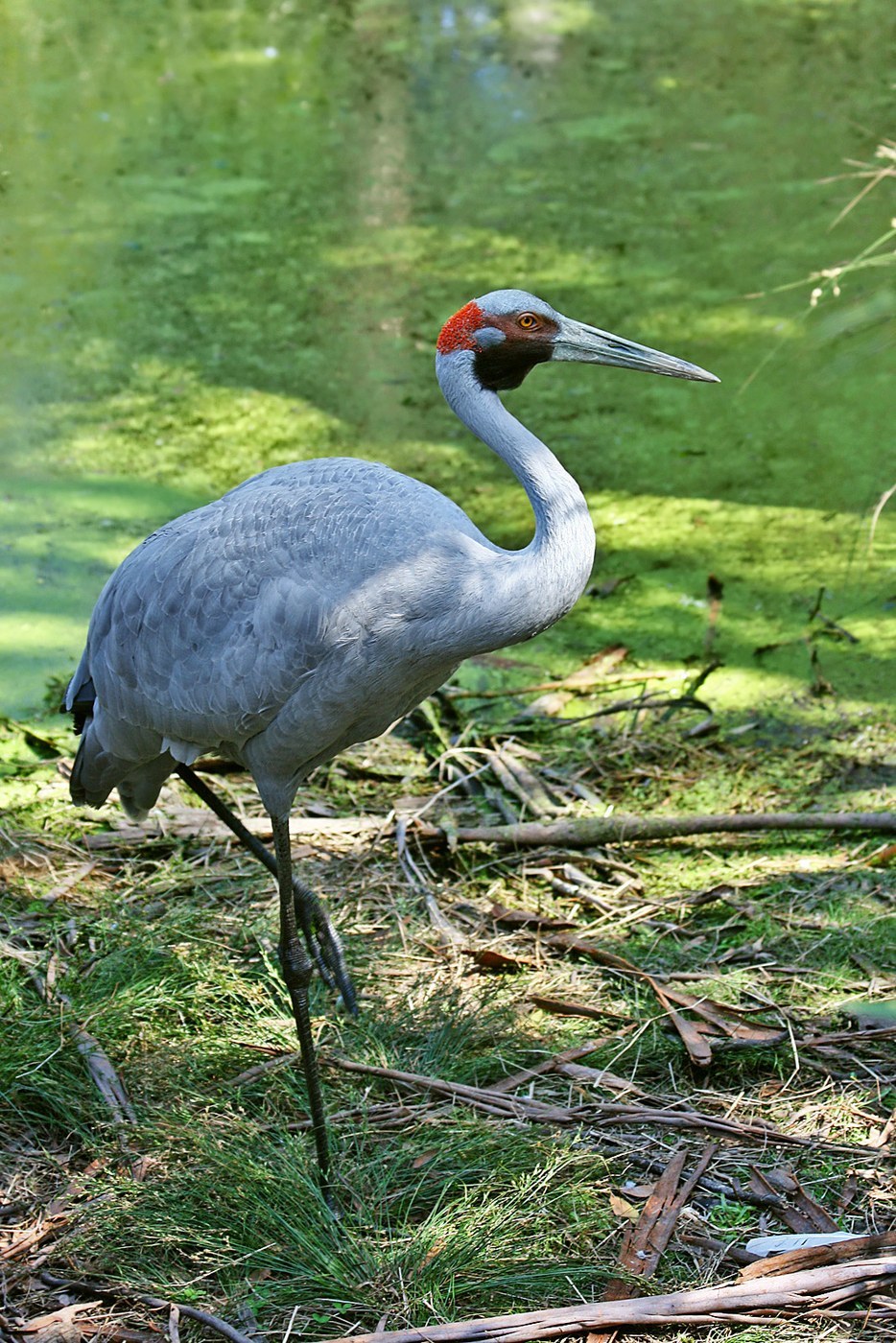
Brolga
Grey contour feathers with drooping bustle plumes
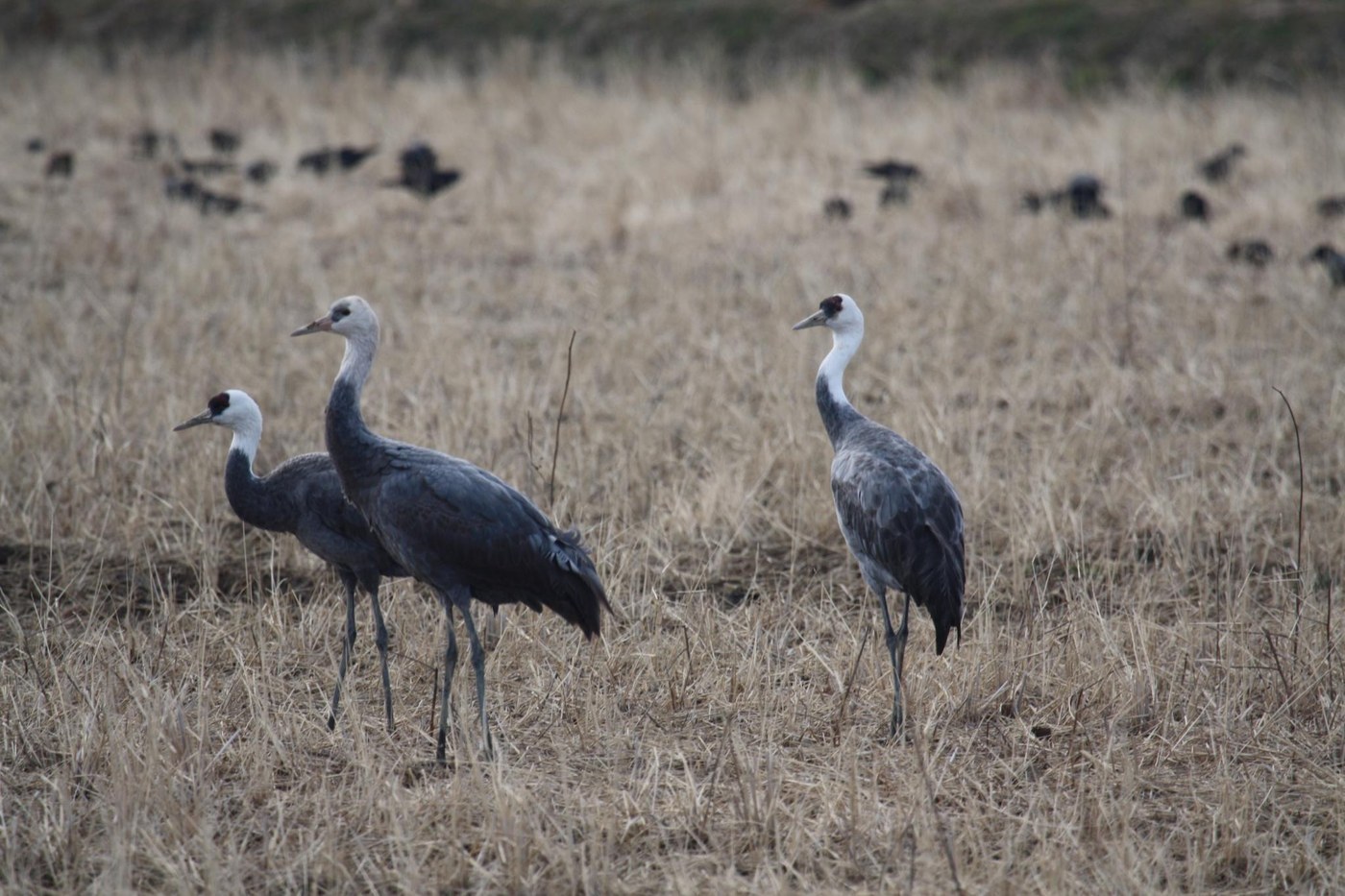
Hooded Crane
Dark slate-grey body feathers with a white head/upper neck 'hood' and black bustle plumes
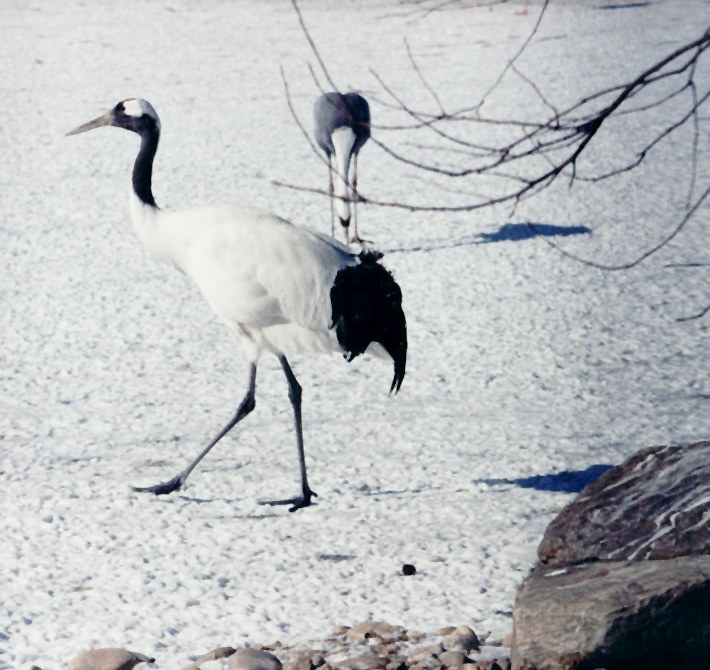
Red-crowned Crane
White contour feathers with black secondary/tertial bustle feathers and a bare red crown

Common Crane
Grey contour feathers with black head/neck feathers and drooping bustle plumes
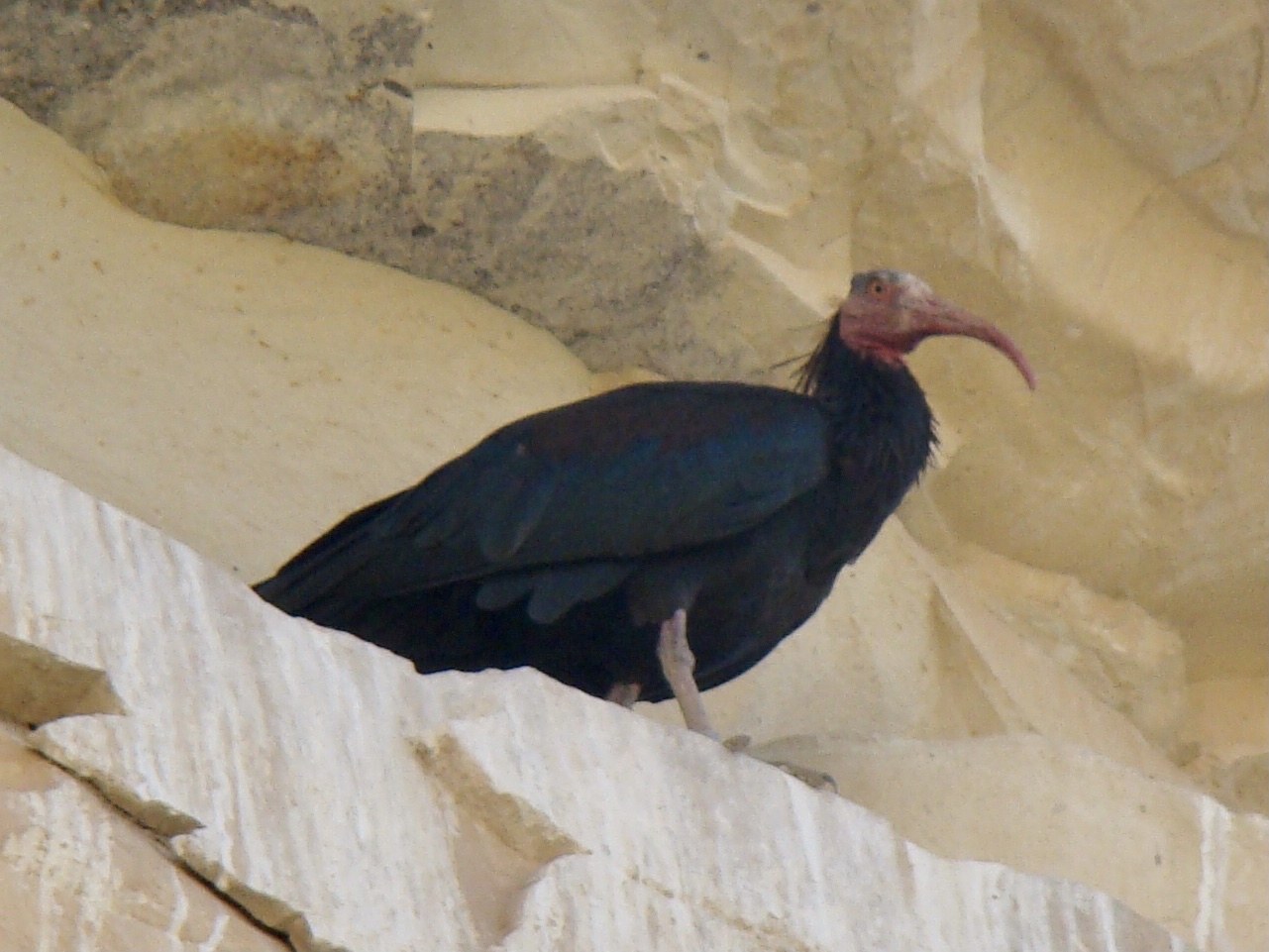
Northern Bald Ibis
Glossy black contour feathers with elongated nape plumes
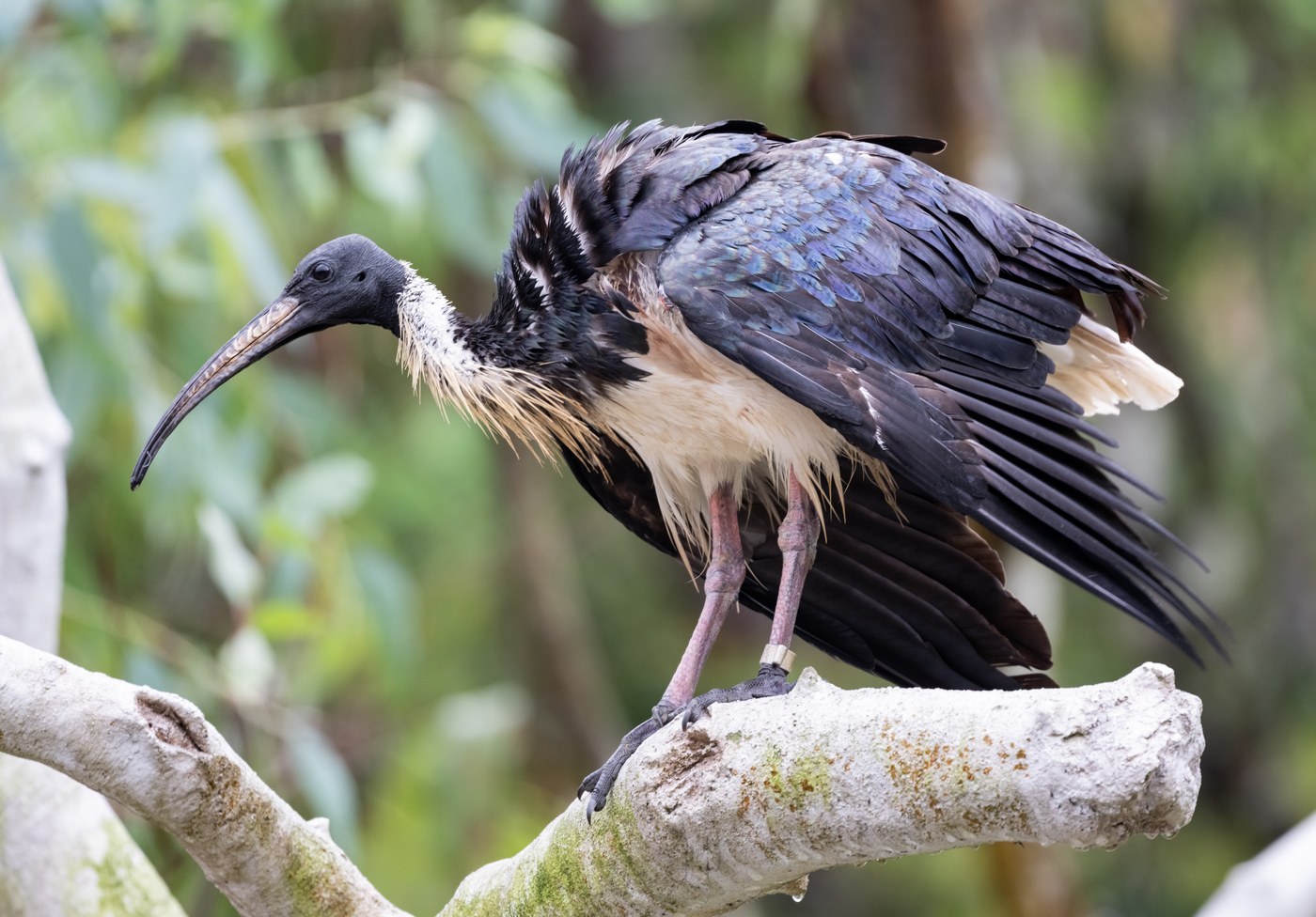
Straw-necked Ibis
Glossy contour feathers with unique straw-like neck plumes
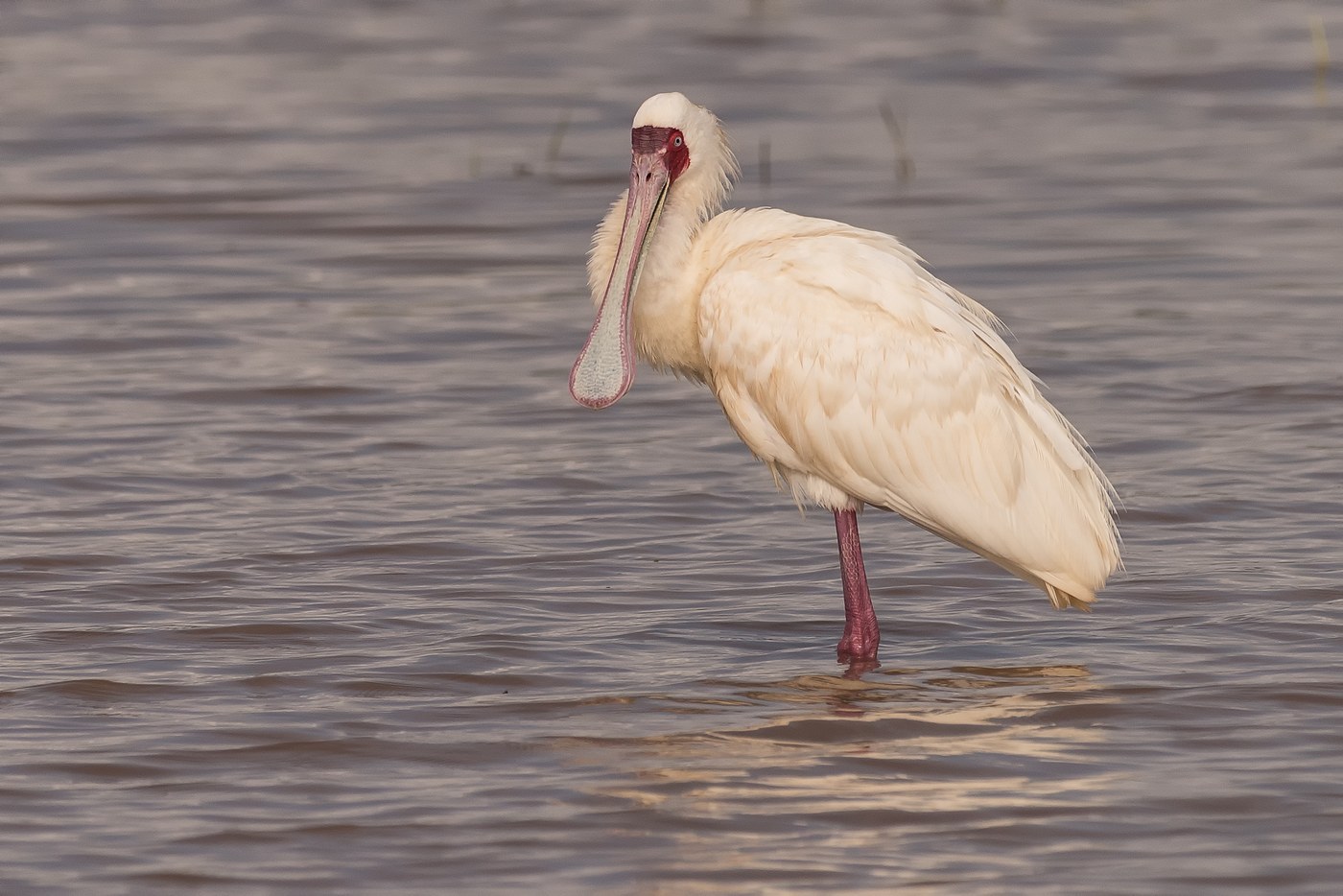
African Spoonbill
White contour and flight feathers, unmarked by black tips

Roseate Spoonbill
Pink and white contour and flight feathers with a carmine shoulder patch