
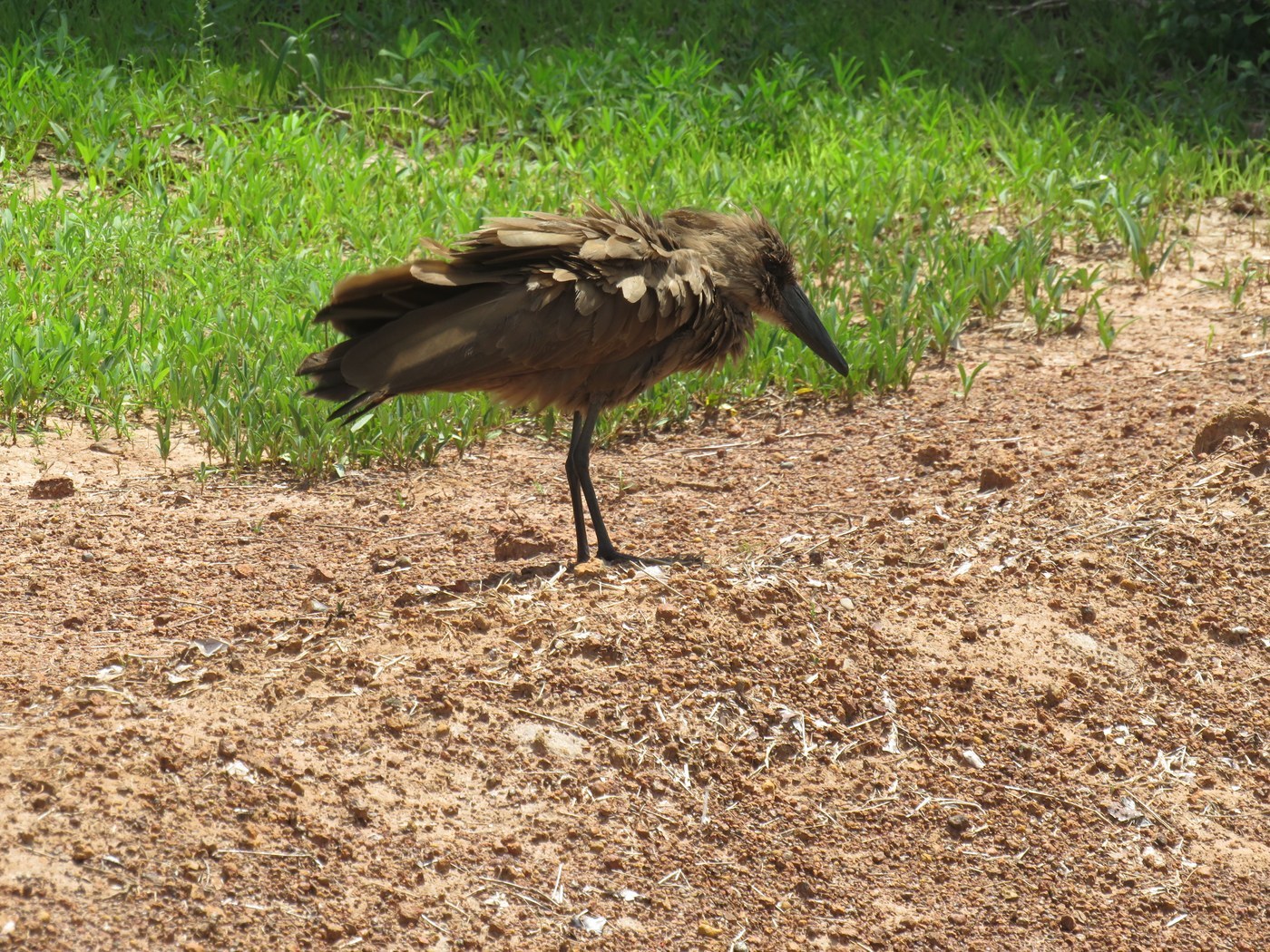
Hamerkop
Scopus umbretta
A small brown African wading bird named for its hammer-shaped head, formed by a thick bill and a backward-pointing crest, best known for building enormous domed stick nests.
- Feather type
- Small contour feathers with a distinctive rear crest
- Colours
- Uniform dull brown
- Bird size
- Small wading bird, ~56 cm
Found a feather like this?
Identify any feather from a photo, free.
Overview
Overview
The Hamerkop is a modestly plumaged brown wading bird whose most distinctive feature is its head shape, formed by a stout bill and a rearward crest that together resemble the head of a hammer. Despite its plain coloration, it is one of the most behaviorally remarkable wading birds in Africa, famous for constructing massive, elaborate domed nests far larger than the bird itself.
- Uniform dull brown plumage throughout
- Distinctive hammer-shaped head created by a thick bill and backward crest
- Small to medium size relative to other African wading birds
- Builds enormous domed stick nests, among the largest of any bird relative to body size
Identifying the Feather
Feather Identification
Hamerkop feathers are plain and uniformly brown, without bright colors, barring, or iridescence, making the distinctive crest shape rather than feather color the main identifying feature when the bird itself is seen.
- Body contour feathers: dull brown throughout, slightly paler on the underside
- Crest feathers: elongated feathers at the back of the head form the namesake hammer shape
- Flight feathers: brown, matching the body tone, moderately broad
- Shaft color: brownish, not strongly contrasting
- Vs. other brown waterbirds: Hamerkop feathers are relatively small and plain; the crest feathers, if present, are the most distinctive clue
- Texture: feathers are soft and fairly loose, without stiff or glossy qualities
Plumage & Molt
Plumage Details
Adults are a uniform dull brown across the entire body, with a slightly darker crown and crest and a paler brown belly, showing no seasonal plumage change. Both sexes look alike, and juveniles closely resemble adults with only subtle differences in feather wear. Molt occurs gradually throughout the year rather than in a sharply defined season.
Habitat & Range
Habitat & Range
Hamerkops are found across most of sub-Saharan Africa, Madagascar, and parts of the southwestern Arabian Peninsula, inhabiting wetlands, rivers, marshes, and the margins of lakes and irrigation channels. The species is largely resident, with only local movements related to water availability, and it readily adapts to a wide variety of freshwater habitats including man-made ponds and reservoirs.
Behavior & Field Notes
Behavior & Field Notes
Hamerkops forage by wading through shallow water, hunting small fish, amphibians, and aquatic invertebrates, sometimes using foot-stirring or wing-flicking movements to disturb prey. They are best known for constructing enormous, elaborately woven domed nests of sticks and mud, often reused and expanded over multiple years and sometimes taken over by other animals once abandoned. Vocalizations include a range of cackling and shrill calls, along with mutual displays performed by pairs. The bird's plain brown plumage combined with its unmistakable hammer-shaped head and remarkable nesting behavior make it easy to identify despite its modest coloration.
Frequently asked questions
Why is it called the Hamerkop?
Its stout bill combined with a backward-pointing crest gives the head a hammer-like silhouette, which is the origin of its Afrikaans-derived name.
What color are Hamerkop feathers?
A uniform dull brown throughout the body, without bright colors or strong patterning.
Are Hamerkops known for anything besides their appearance?
Yes, they are famous for building some of the largest and most elaborate nests relative to body size of any bird, using sticks, mud, and other debris.
Where would a Hamerkop feather most likely be found?
Near wetlands, rivers, and marshes across sub-Saharan Africa or Madagascar, often close to one of the species' large domed nests.
Hamerkop guides
In-depth guides for identifying and understanding Hamerkop.
Other feathers you may enjoy

Yellow-billed Spoonbill
White contour and flight feathers with fine breeding plumes on the back and breast
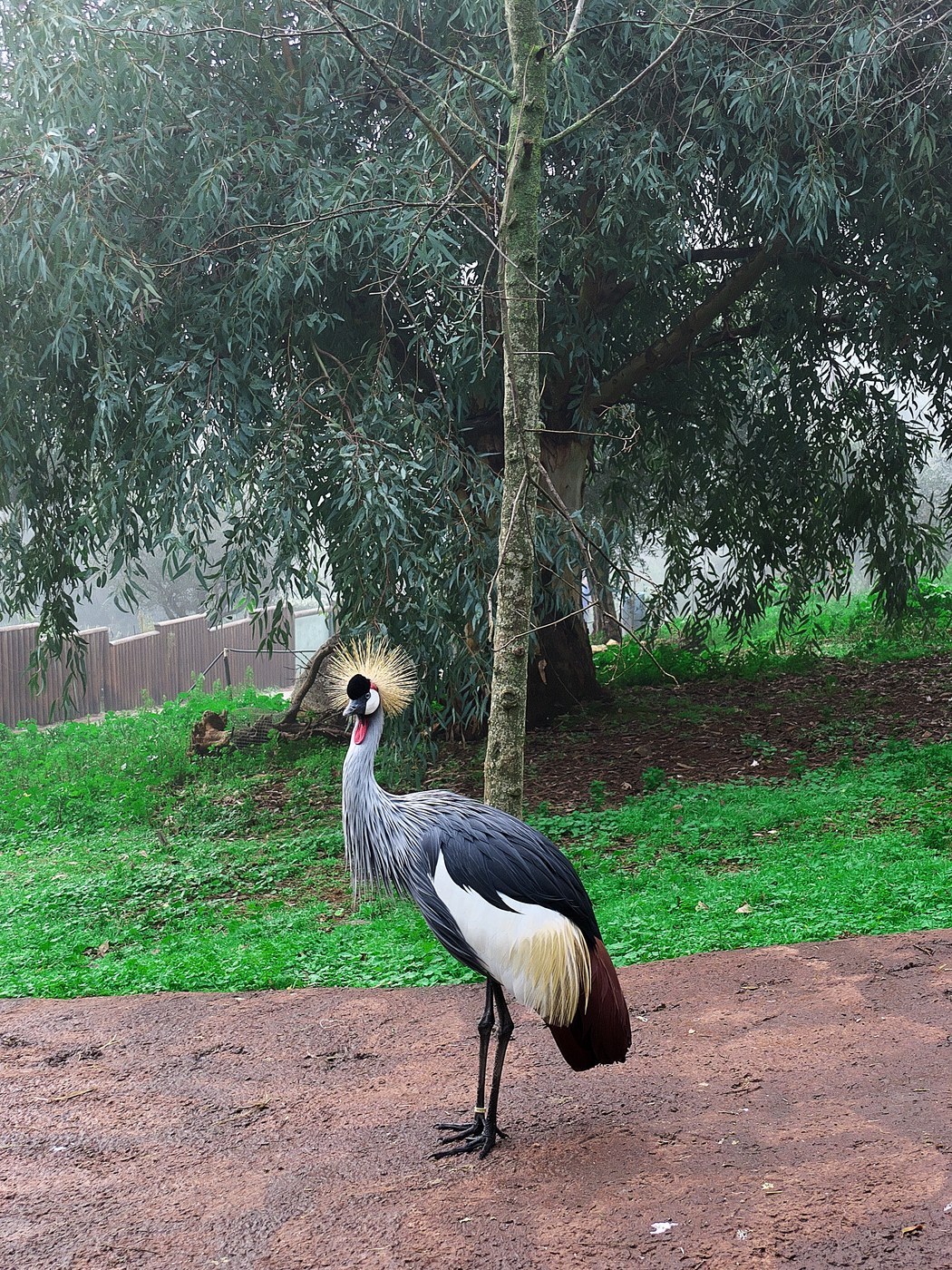
Grey Crowned Crane
Grey body feathers with white wing coverts, chestnut flight feathers, and stiff golden crown bristles
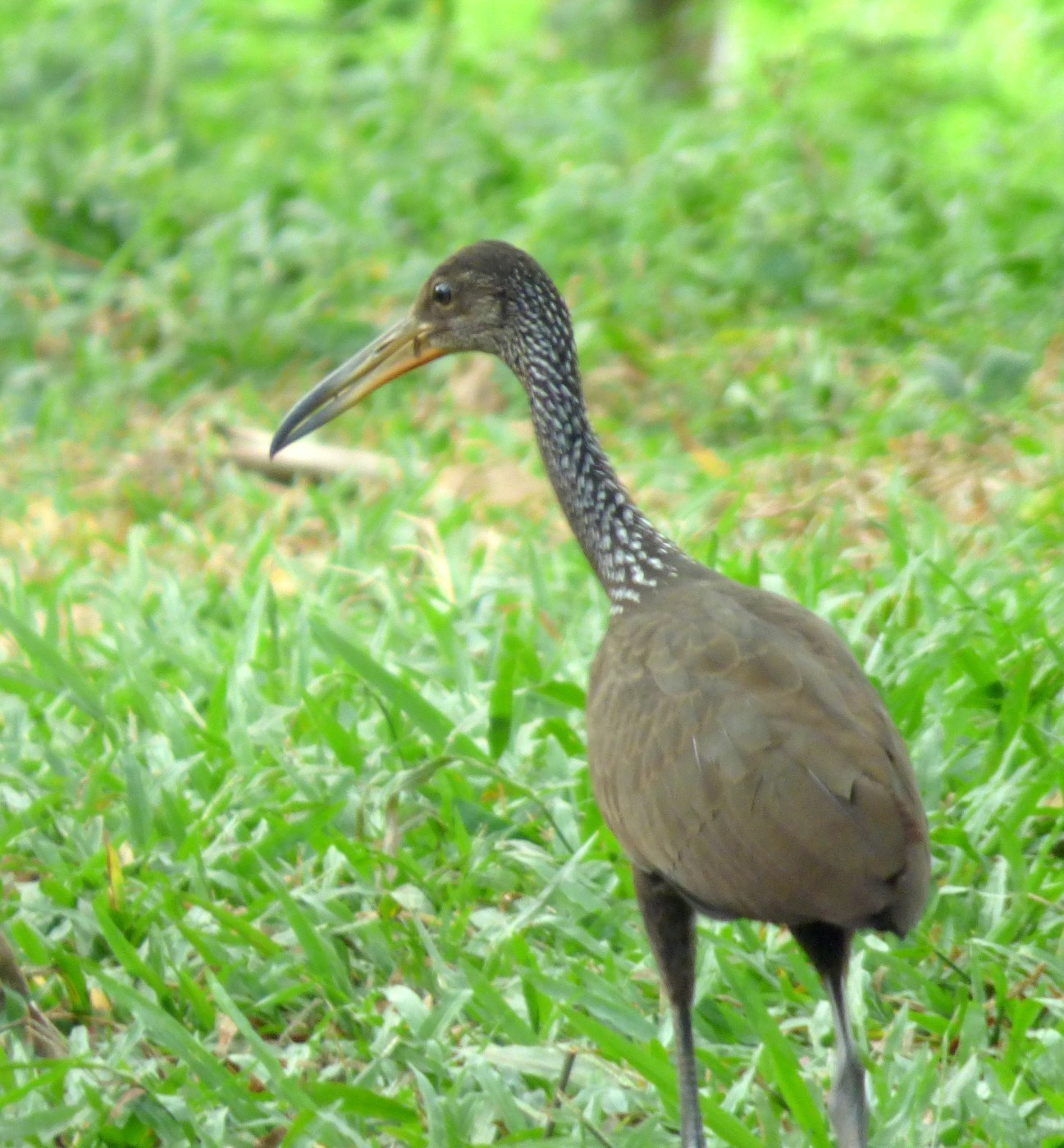
Limpkin
Brown contour feathers with white teardrop-shaped spots and streaks

Black-faced Spoonbill
White contour and flight feathers with fine breeding crest and breast plumes
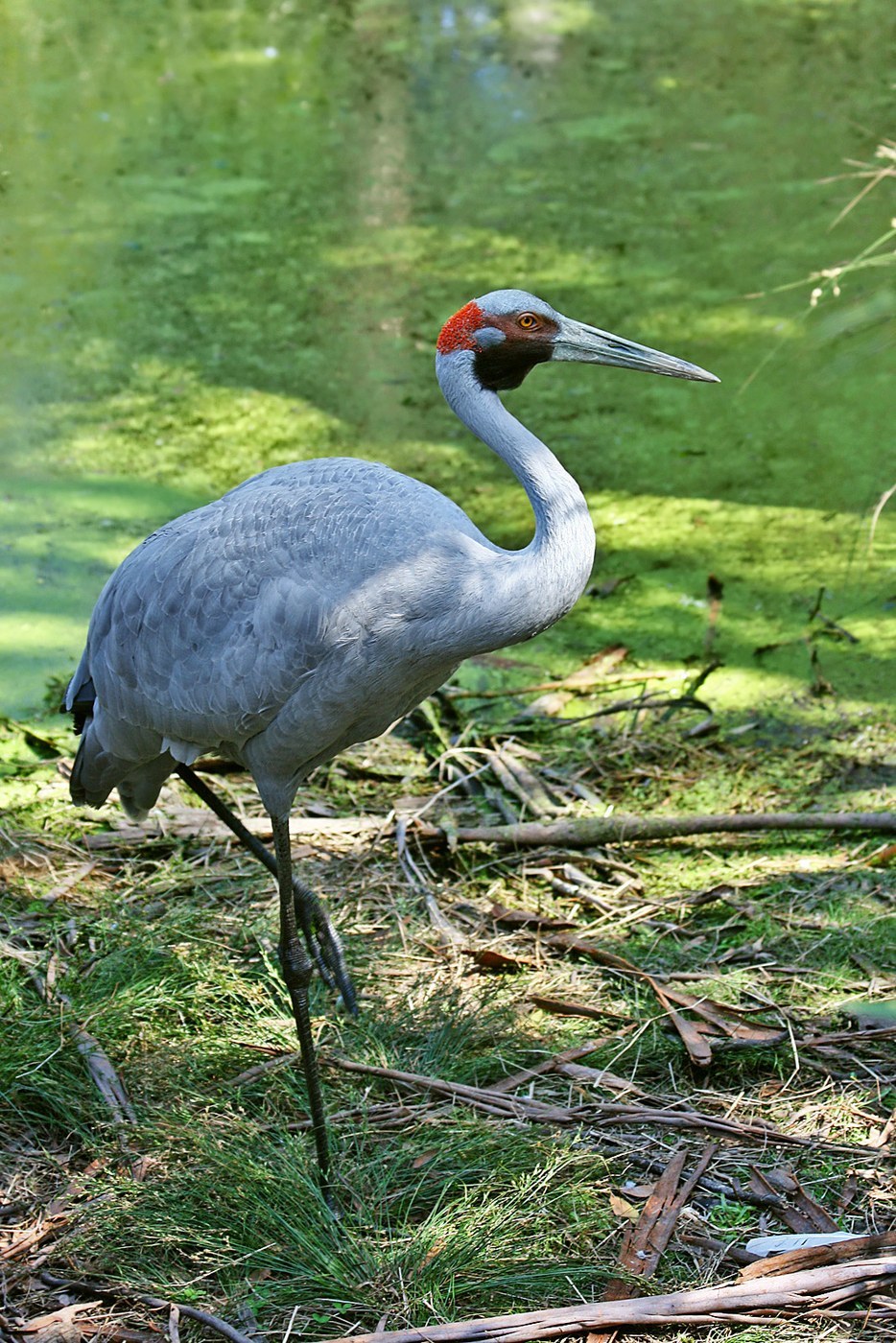
Brolga
Grey contour feathers with drooping bustle plumes
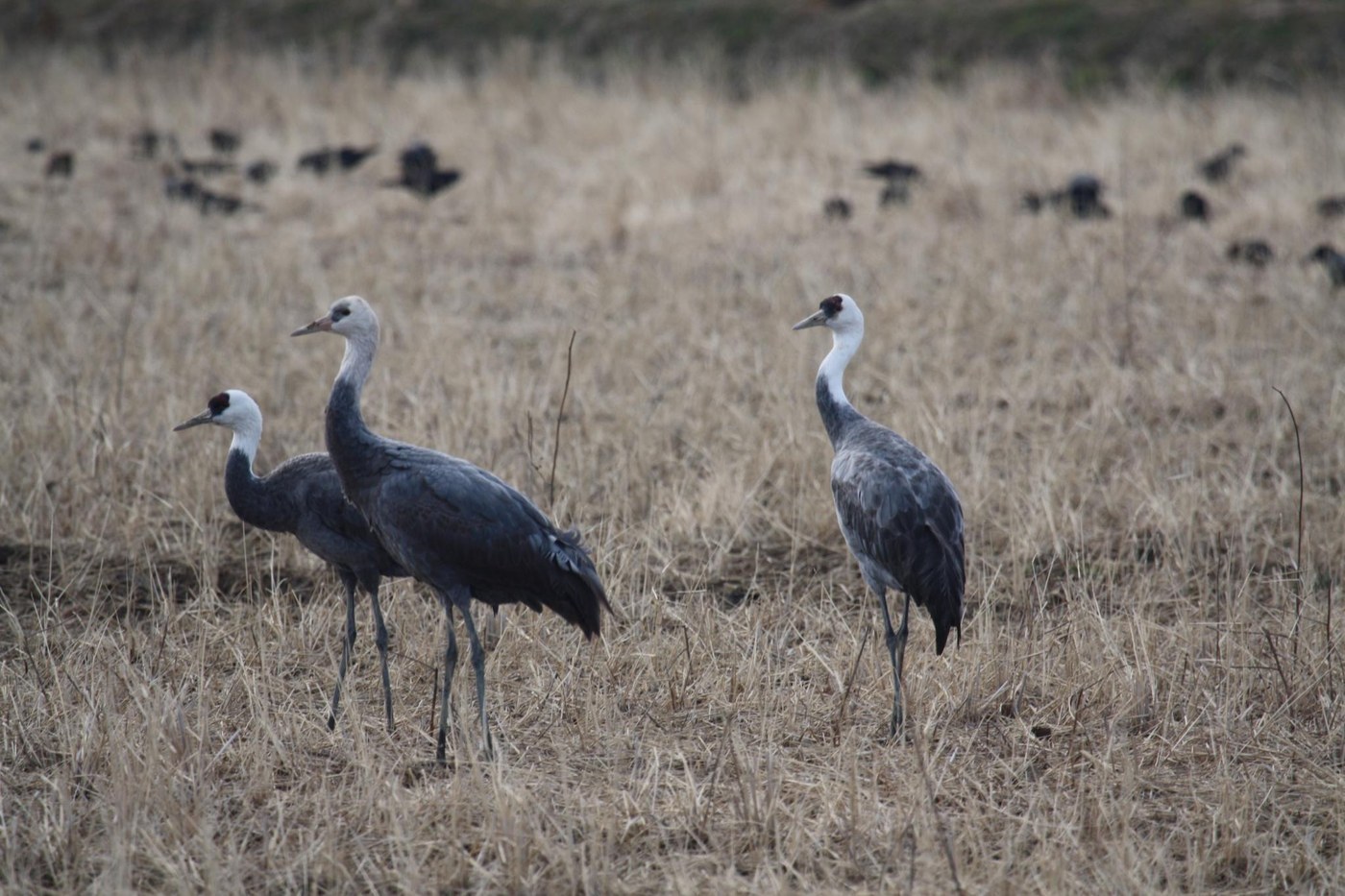
Hooded Crane
Dark slate-grey body feathers with a white head/upper neck 'hood' and black bustle plumes
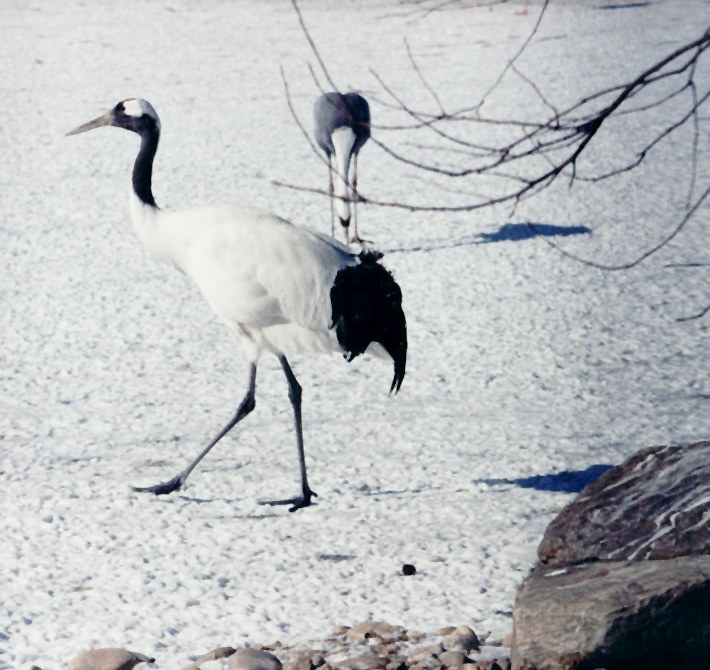
Red-crowned Crane
White contour feathers with black secondary/tertial bustle feathers and a bare red crown

Common Crane
Grey contour feathers with black head/neck feathers and drooping bustle plumes
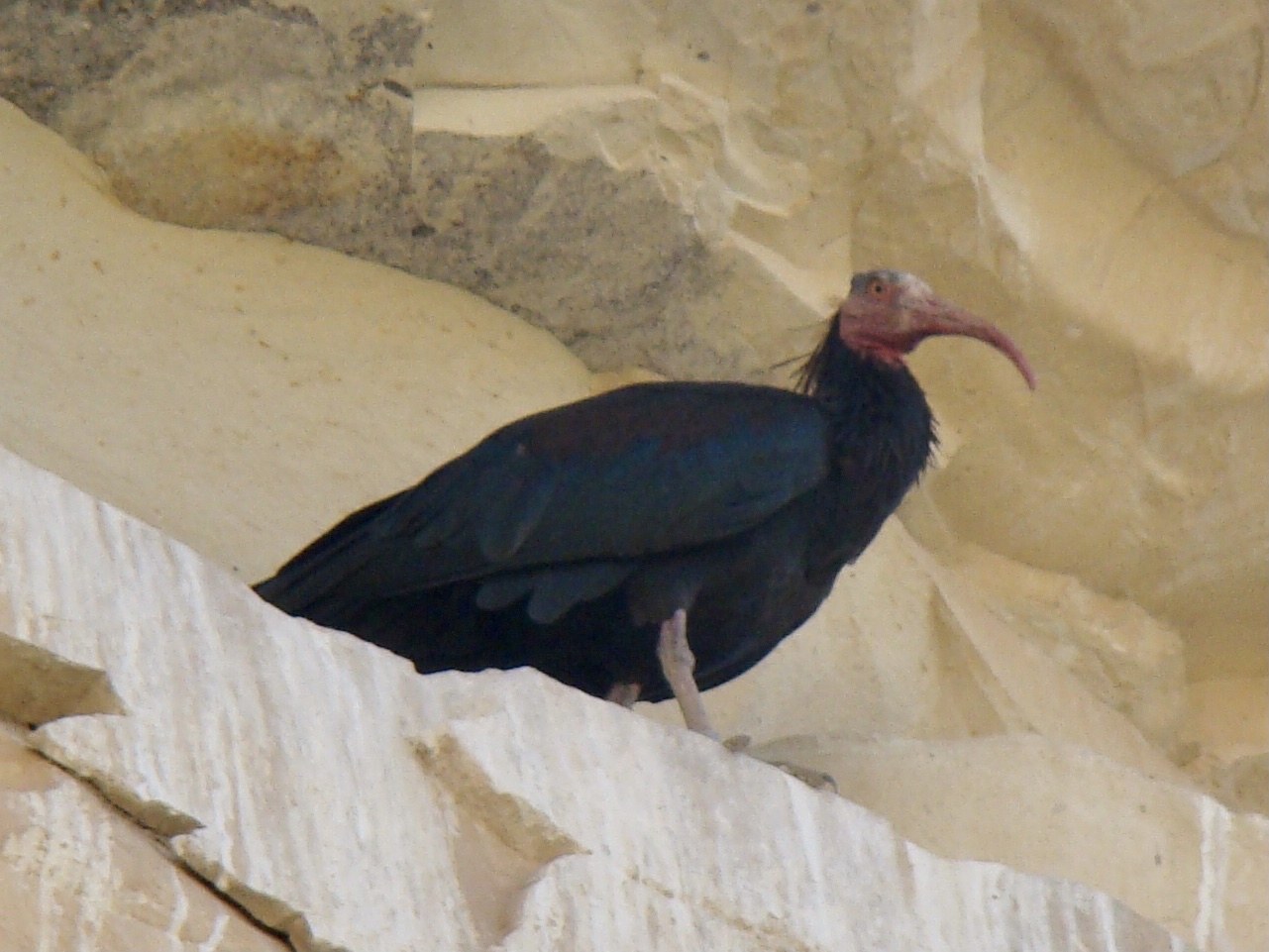
Northern Bald Ibis
Glossy black contour feathers with elongated nape plumes
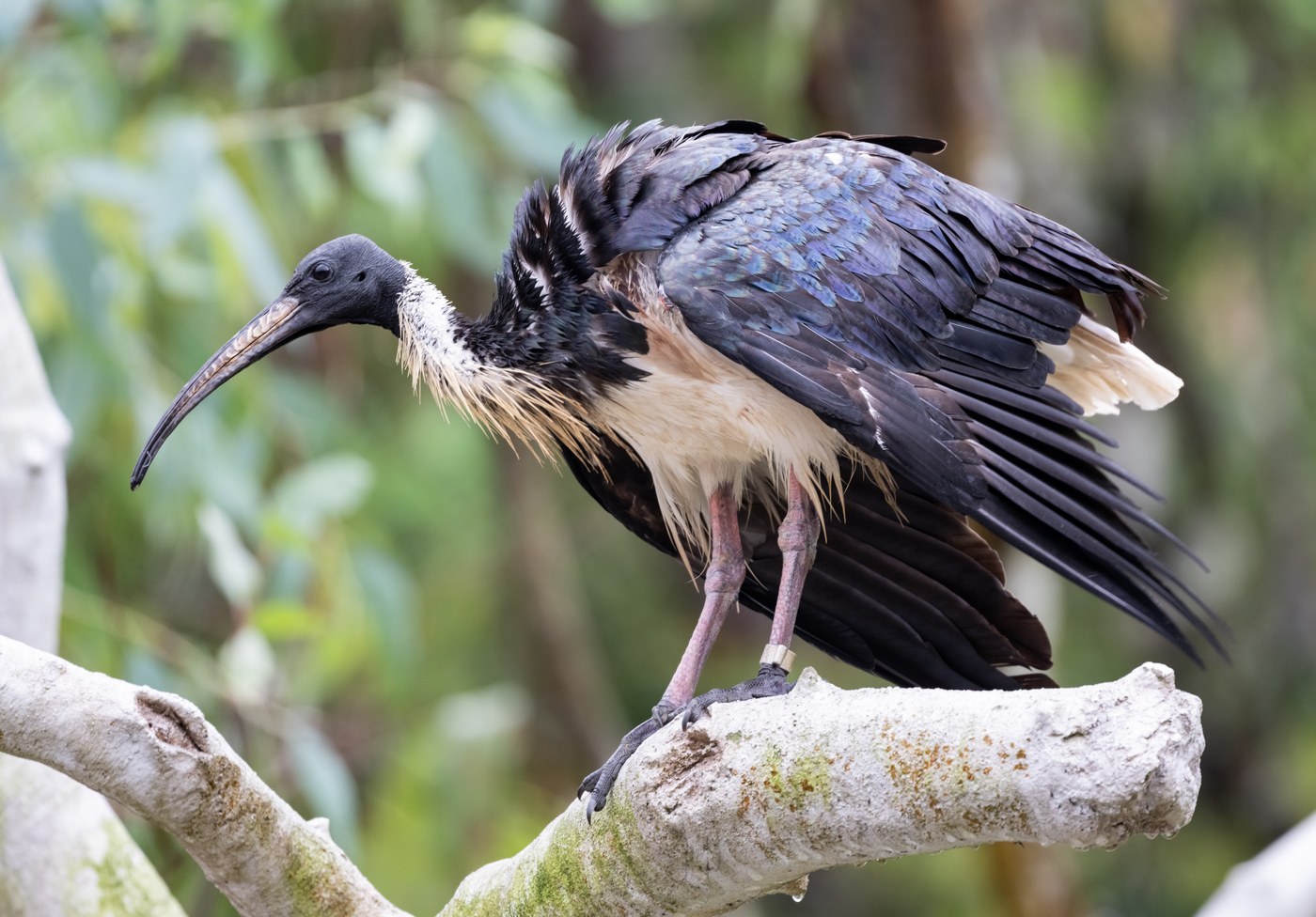
Straw-necked Ibis
Glossy contour feathers with unique straw-like neck plumes
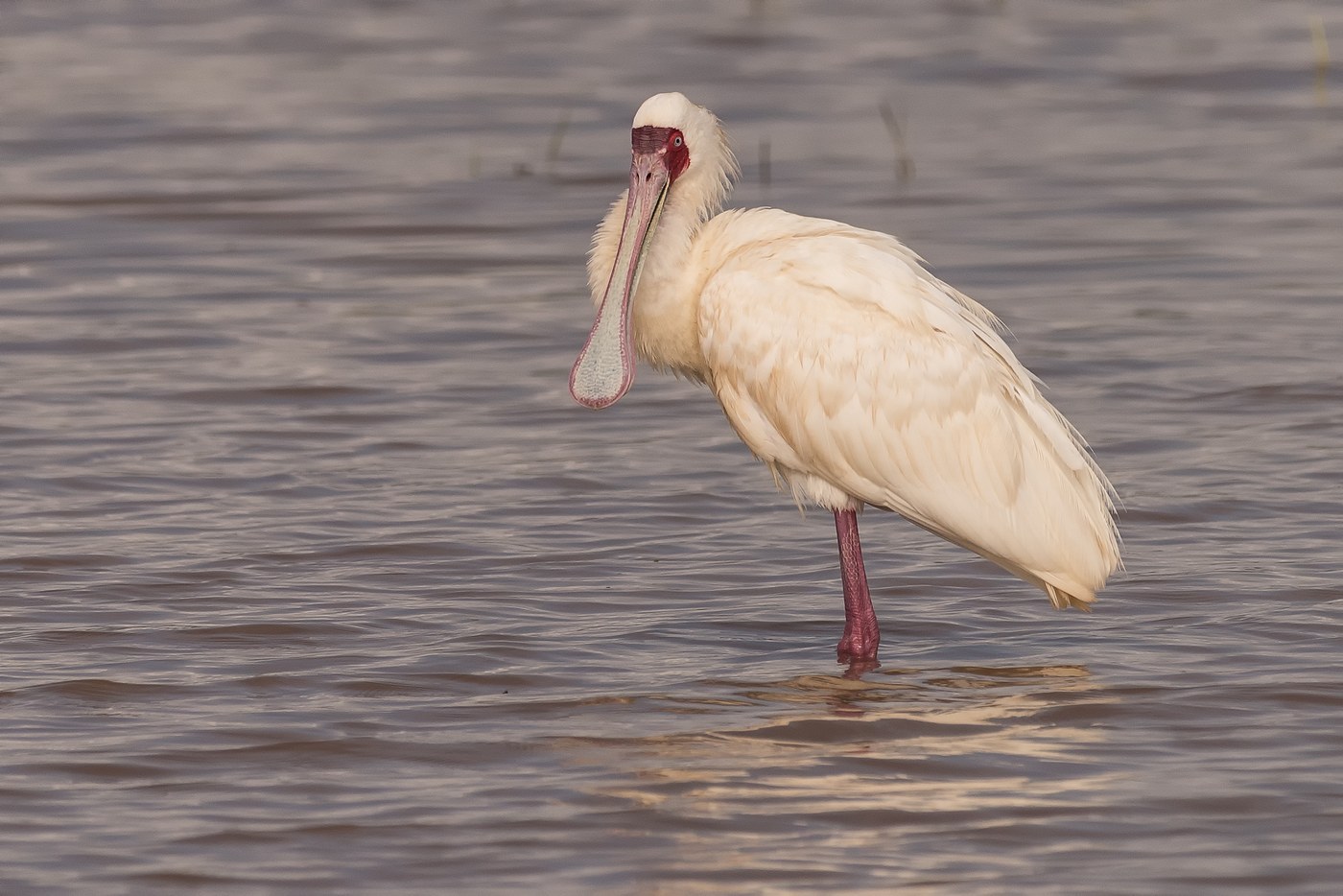
African Spoonbill
White contour and flight feathers, unmarked by black tips

Roseate Spoonbill
Pink and white contour and flight feathers with a carmine shoulder patch