
Boat-billed Heron
Cochlearius cochlearius
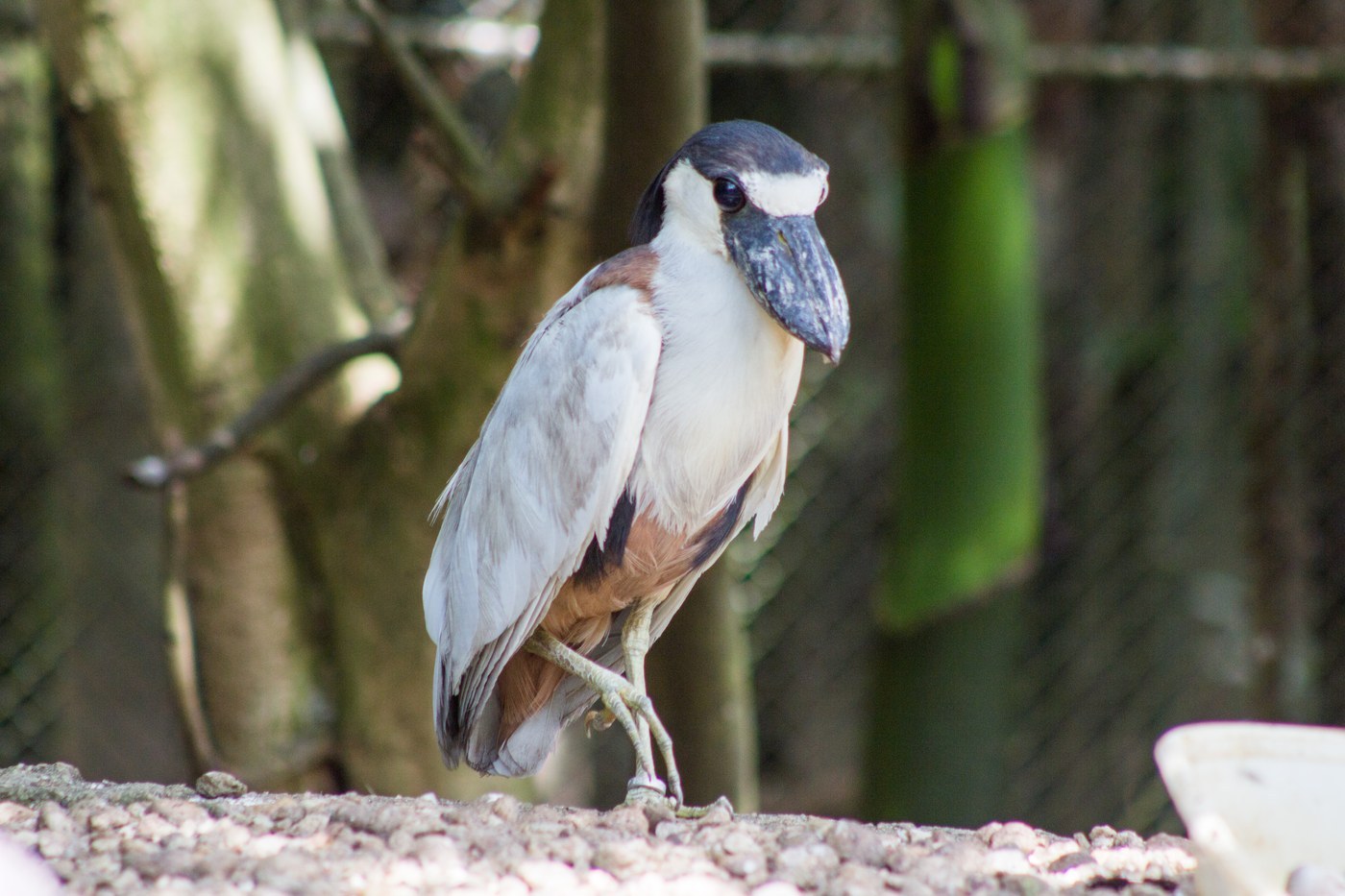
An unmistakable heron of tropical American wetlands, best known for its unusually broad, scoop-shaped bill and large, night-adapted eyes.
- Feather type
- Soft, loose contour feathers with a crested black crown
- Colours
- Gray body, black crown, pale underparts
- Bird size
- Medium, stocky, ~46-56 cm tall
Found a feather like this?
Identify any feather from a photo, free.
Overview
Overview
The Boat-billed Heron is a distinctive, stocky heron of Central and South America instantly recognizable by its wide, flattened bill, unlike that of any other heron. Combined with its large eyes adapted for night vision and its gray, black-capped plumage, this species is unmistakable when seen well, even though it is largely nocturnal and often hard to observe.
- Unique wide, scoop-shaped bill unlike any other heron
- Gray body with a black crest and crown, and notably large eyes
- Found in mangroves and swamp forests of Central and South America
Identifying the Feather
Feather Identification
Boat-billed Heron body feathers are soft gray, similar in tone to some night herons, with a glossy black crown and a shaggy black crest at the back of the head. Underpart feathers are pale gray to whitish. While feather color alone can resemble other gray-bodied herons, the combination of a black crested crown and the association with dense mangrove habitat, along with the animal's overall smaller and stockier proportions, are helpful clues; the bill itself, if ever found attached, is unmistakable due to its broad, flattened shape.
- Gray body feathers with a black, somewhat shaggy crown crest are a useful combination
- Overall smaller, more compact size than the similarly gray Black-crowned Night Heron
- Habitat clue: strongly associated with mangroves and swamp forest, more so than open marshes
- The distinctive broad bill, if present, immediately confirms the species
Plumage & Molt
Plumage
Adults have a gray body, a glossy black crown extending into a loose, shaggy crest, and pale gray to whitish underparts, with chestnut-tinged flanks in some individuals. The eyes are notably large, an adaptation for its largely nocturnal habits. Juveniles are duller and browner, with a less developed crest. Molt patterns are not well documented in fine detail but are believed to follow the gradual pattern typical of related night herons.
Habitat & Range
Habitat & Range
The Boat-billed Heron ranges from Mexico through Central America and into much of tropical South America. It is closely tied to mangroves, swamp forests, and other densely wooded wetlands, generally avoiding open marshes and shorelines favored by many other herons. Most populations are resident, roosting communally in dense vegetation by day.
Behavior & Field Notes
Behavior & Field Notes
This heron is almost entirely nocturnal, roosting quietly in dense cover during the day and becoming active after dark to forage for fish, crustaceans, and other small aquatic animals; its broad bill is thought to aid in detecting and capturing prey in dim light or murky water. It typically nests in small colonies within mangroves or swamp forest, building a stick platform nest. Its voice includes various croaking and clattering sounds, generally heard only at night near roosting or nesting sites. Its unique bill shape, large eyes, and closely associated mangrove habitat make it one of the more unusual and readily identifiable herons when observed.
Frequently asked questions
What makes the Boat-billed Heron's bill so unusual?
It is unusually wide and flattened, unlike the narrow, dagger-like bill of most other herons, and is thought to aid foraging in low light.
When is the Boat-billed Heron typically active?
It is almost entirely nocturnal, roosting in dense vegetation during the day and foraging after dark.
Where does the Boat-billed Heron live?
In mangroves, swamp forests, and other densely wooded wetlands from Mexico through Central America and tropical South America.
How can I recognize Boat-billed Heron feathers without the bill?
Gray body feathers combined with a black, shaggy crown crest and an association with mangrove habitat are the best available clues.
Boat-billed Heron guides
In-depth guides for identifying and understanding Boat-billed Heron.
Other feathers you may enjoy

Yellow-billed Spoonbill
White contour and flight feathers with fine breeding plumes on the back and breast
Grey Crowned Crane
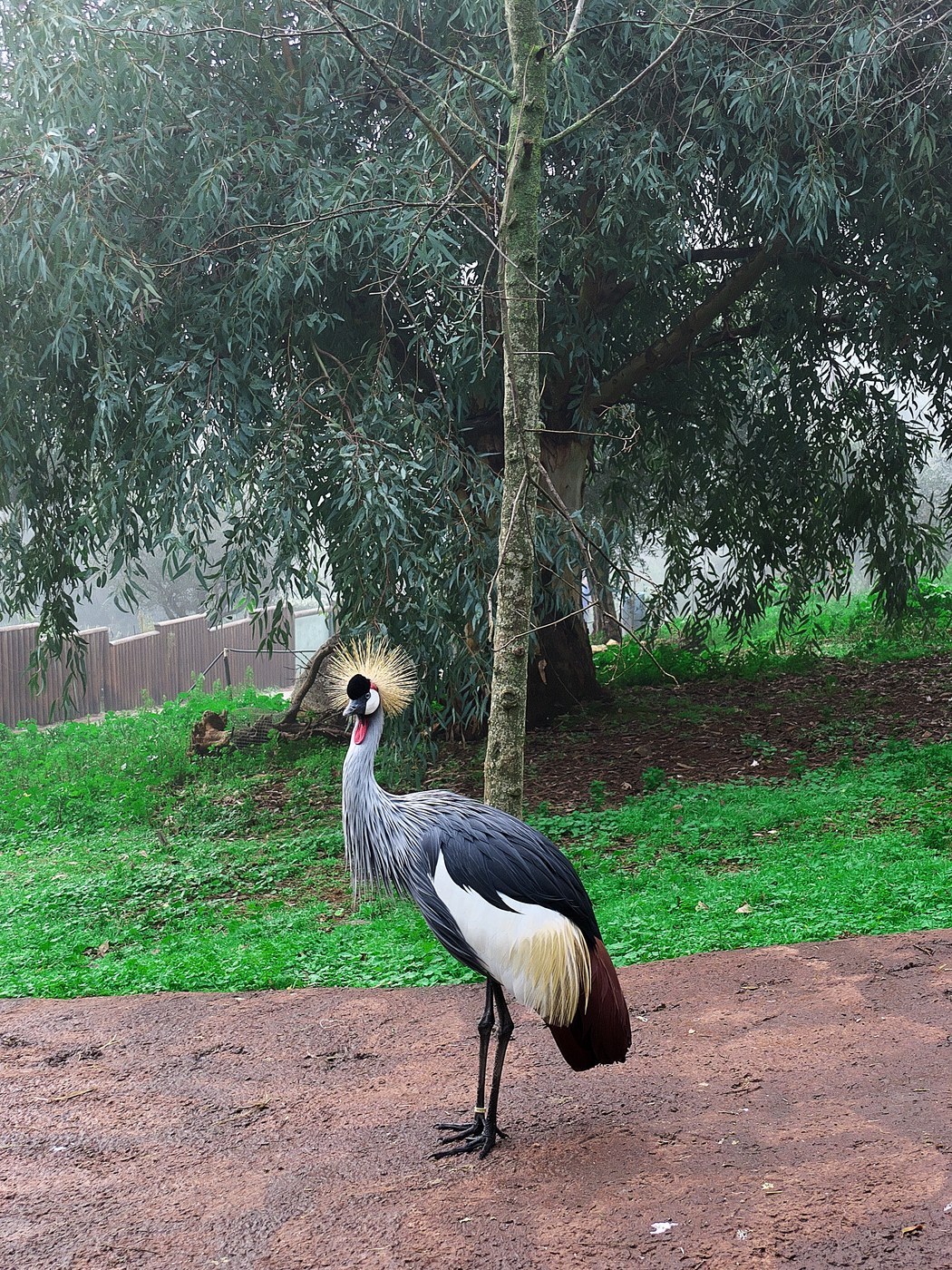
Grey body feathers with white wing coverts, chestnut flight feathers, and stiff golden crown bristles
Limpkin
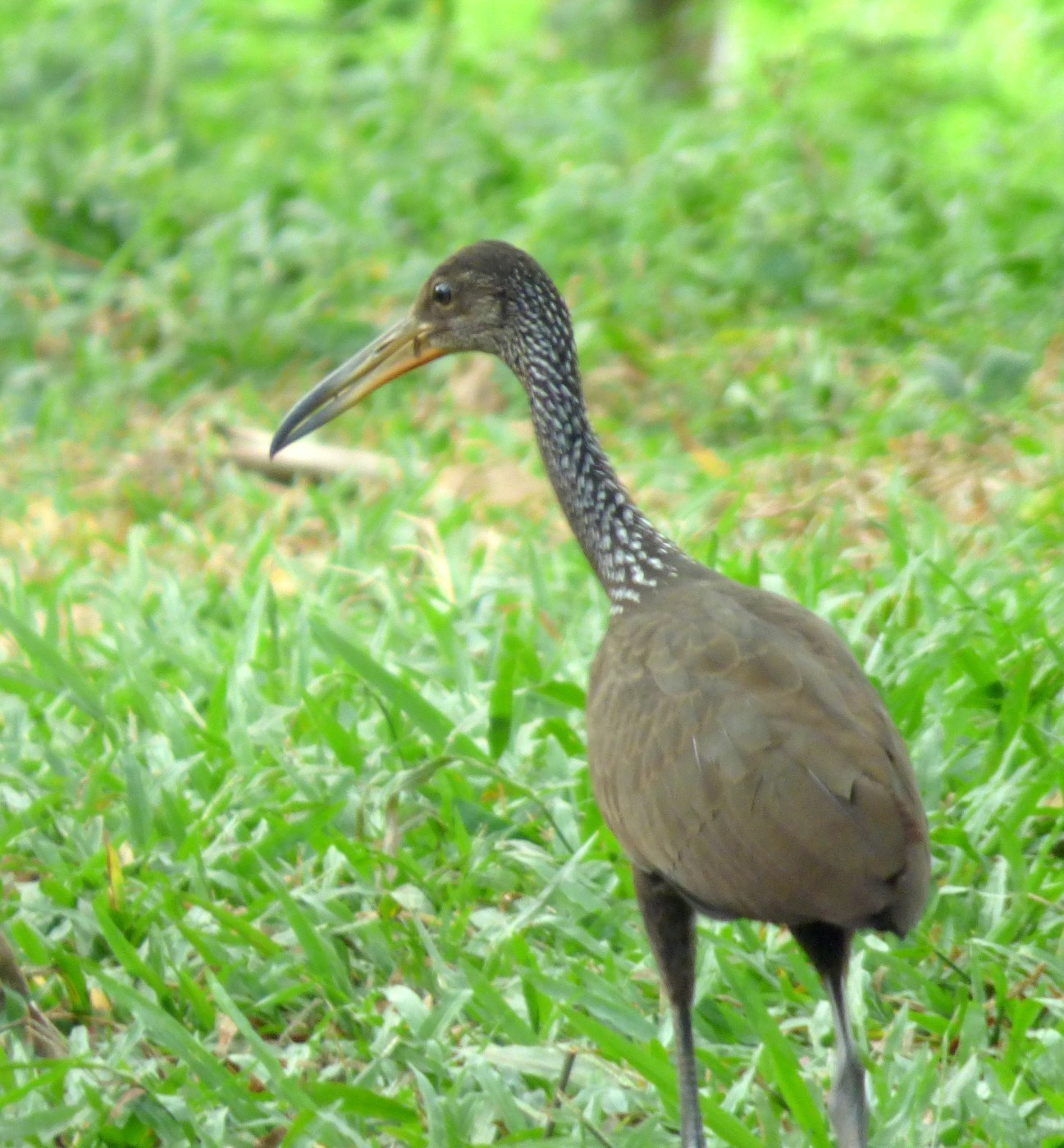
Brown contour feathers with white teardrop-shaped spots and streaks
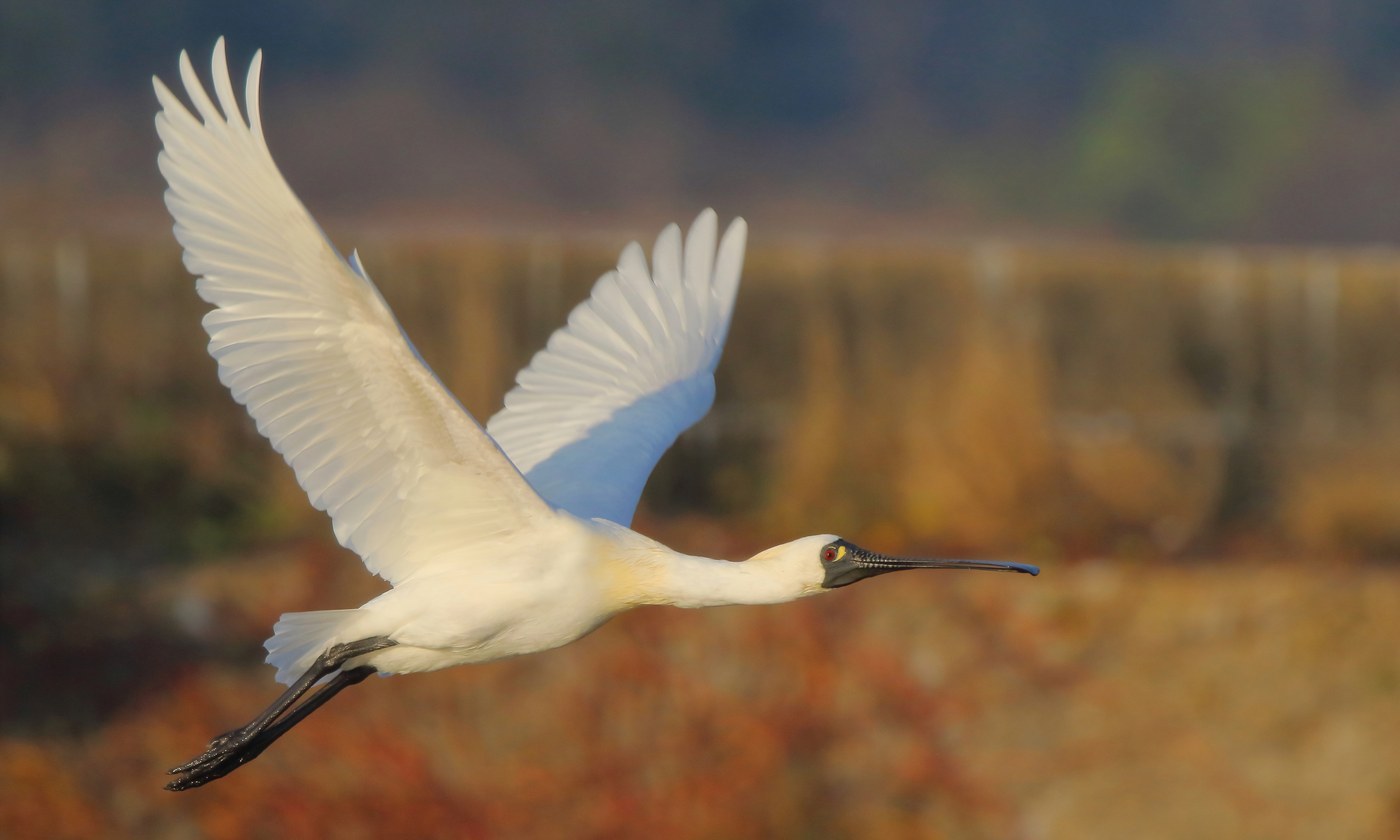
Black-faced Spoonbill
White contour and flight feathers with fine breeding crest and breast plumes
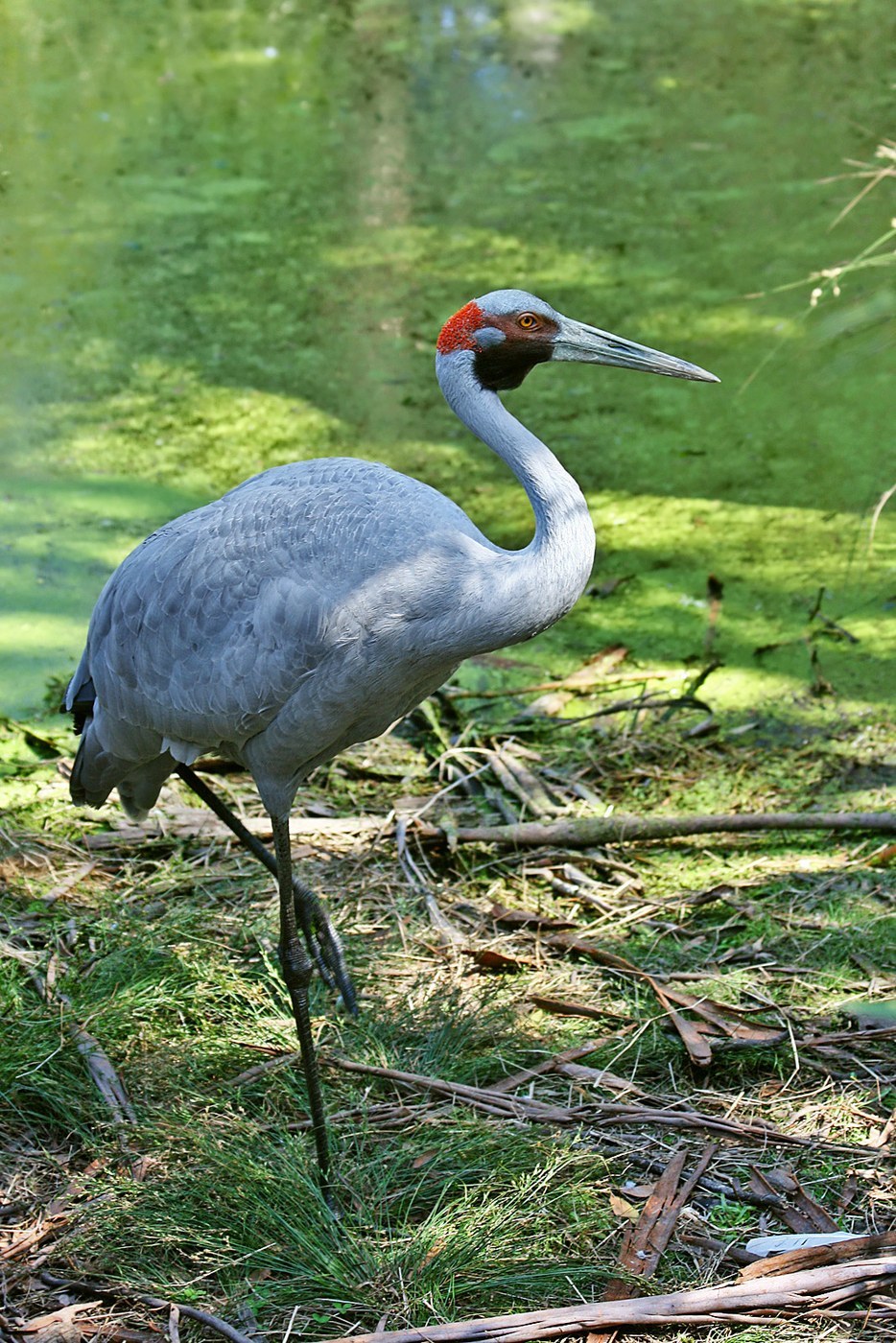
Brolga
Grey contour feathers with drooping bustle plumes
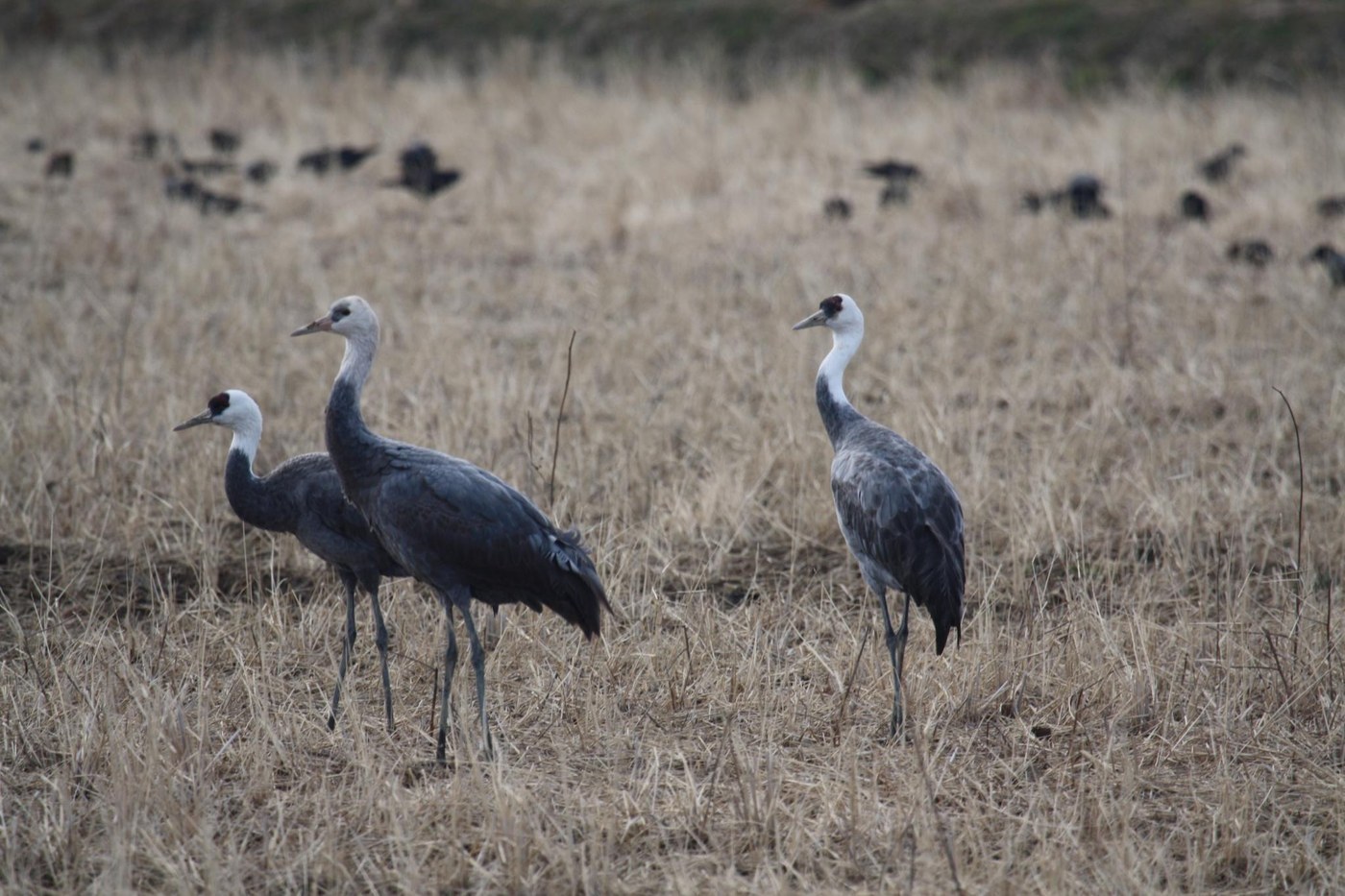
Hooded Crane
Dark slate-grey body feathers with a white head/upper neck 'hood' and black bustle plumes
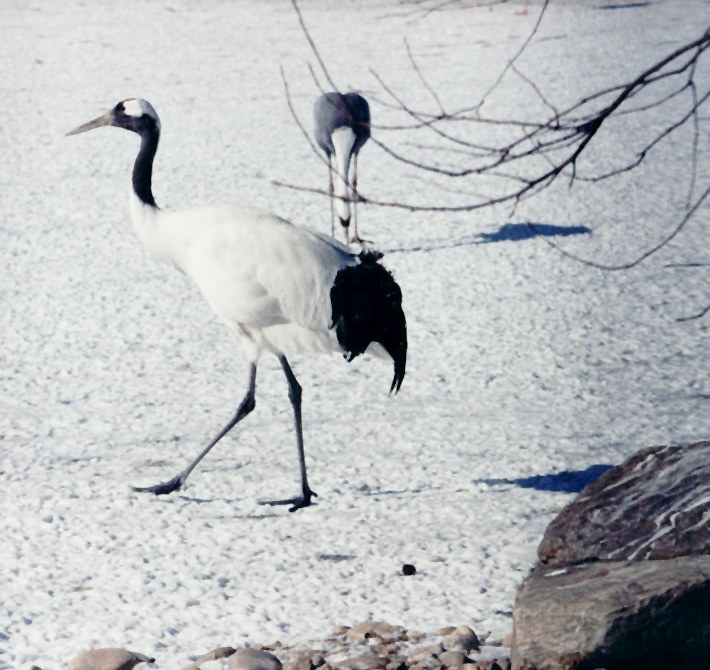
Red-crowned Crane
White contour feathers with black secondary/tertial bustle feathers and a bare red crown

Common Crane
Grey contour feathers with black head/neck feathers and drooping bustle plumes
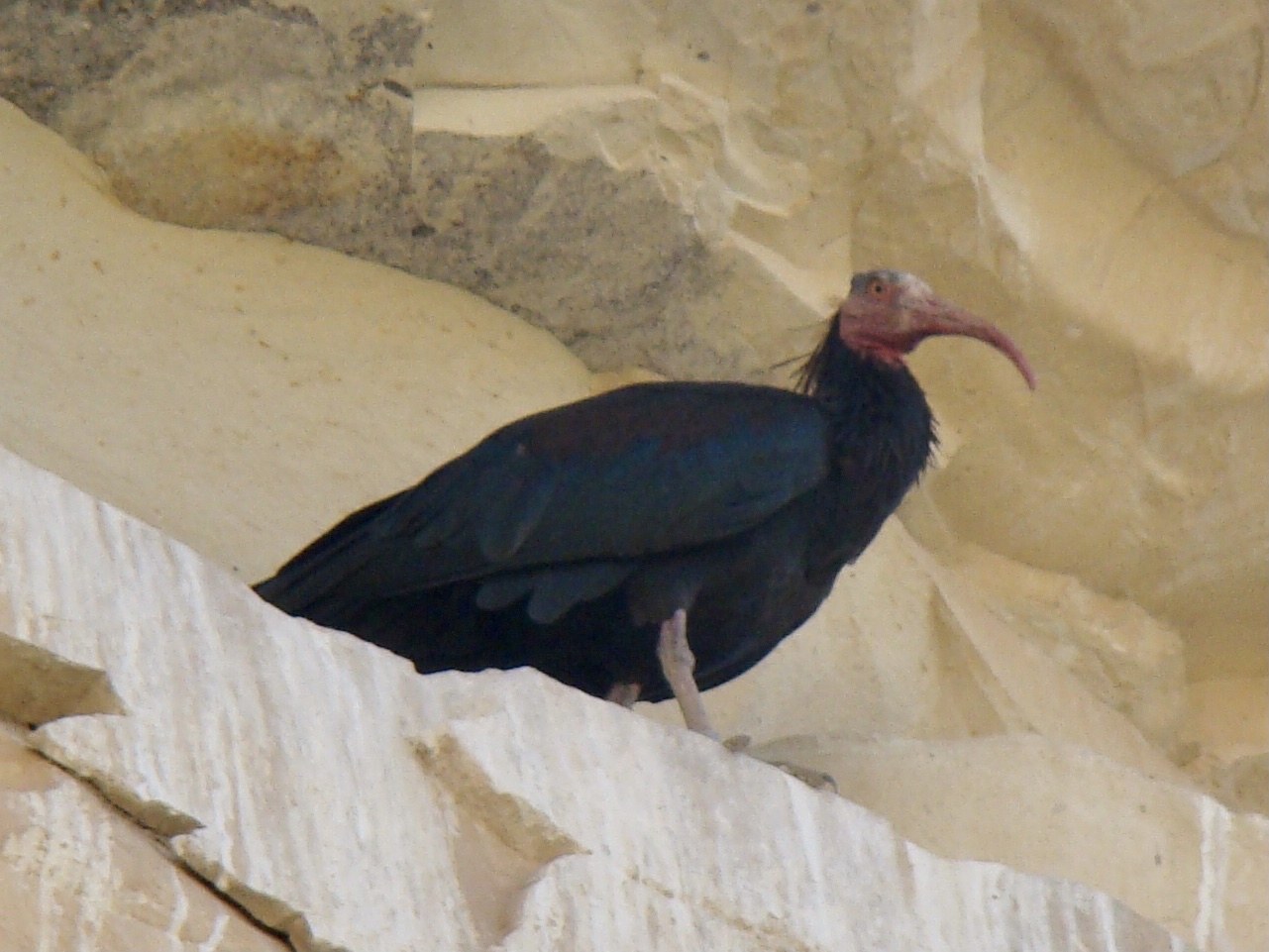
Northern Bald Ibis
Glossy black contour feathers with elongated nape plumes
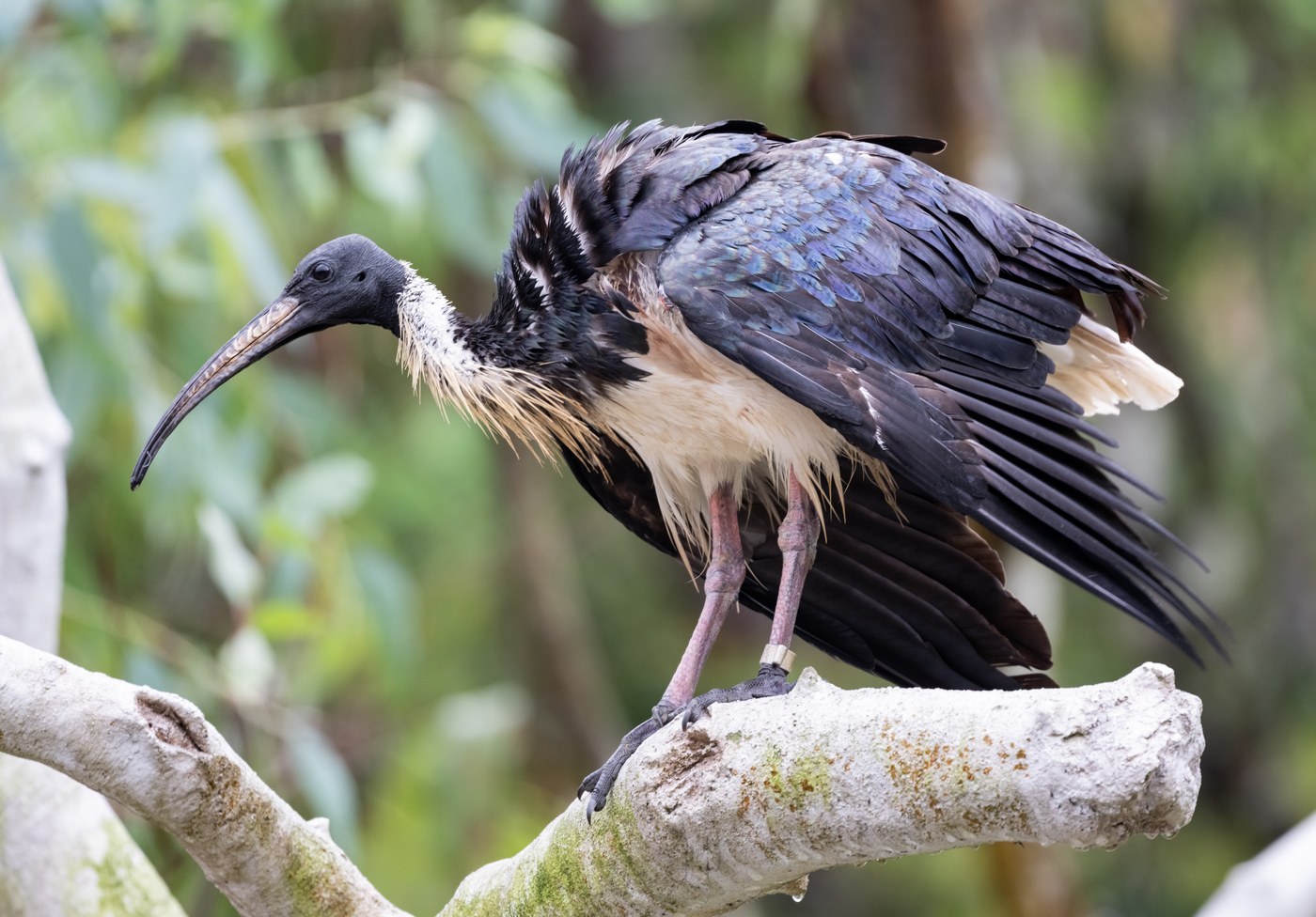
Straw-necked Ibis
Glossy contour feathers with unique straw-like neck plumes
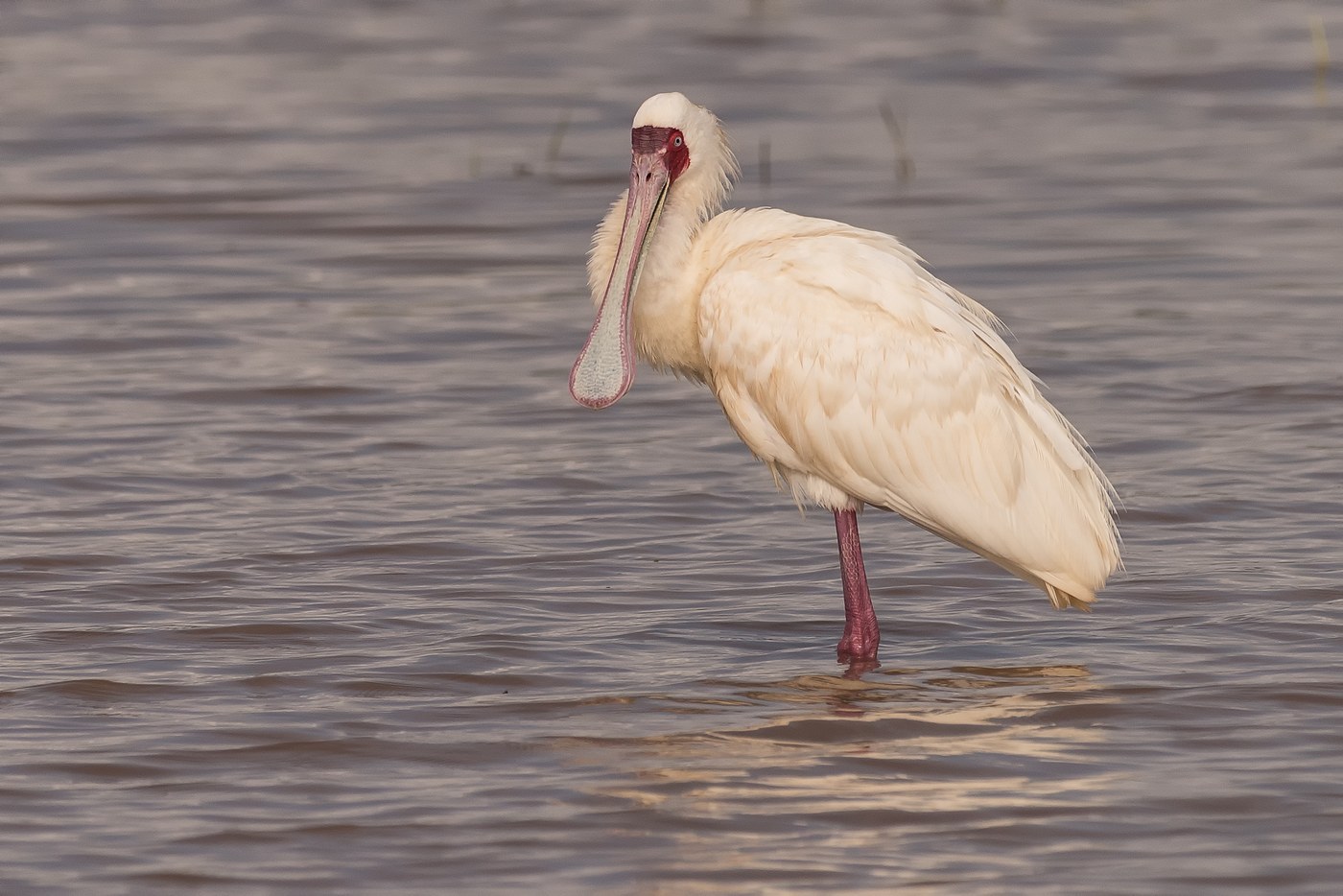
African Spoonbill
White contour and flight feathers, unmarked by black tips

Roseate Spoonbill
Pink and white contour and flight feathers with a carmine shoulder patch