
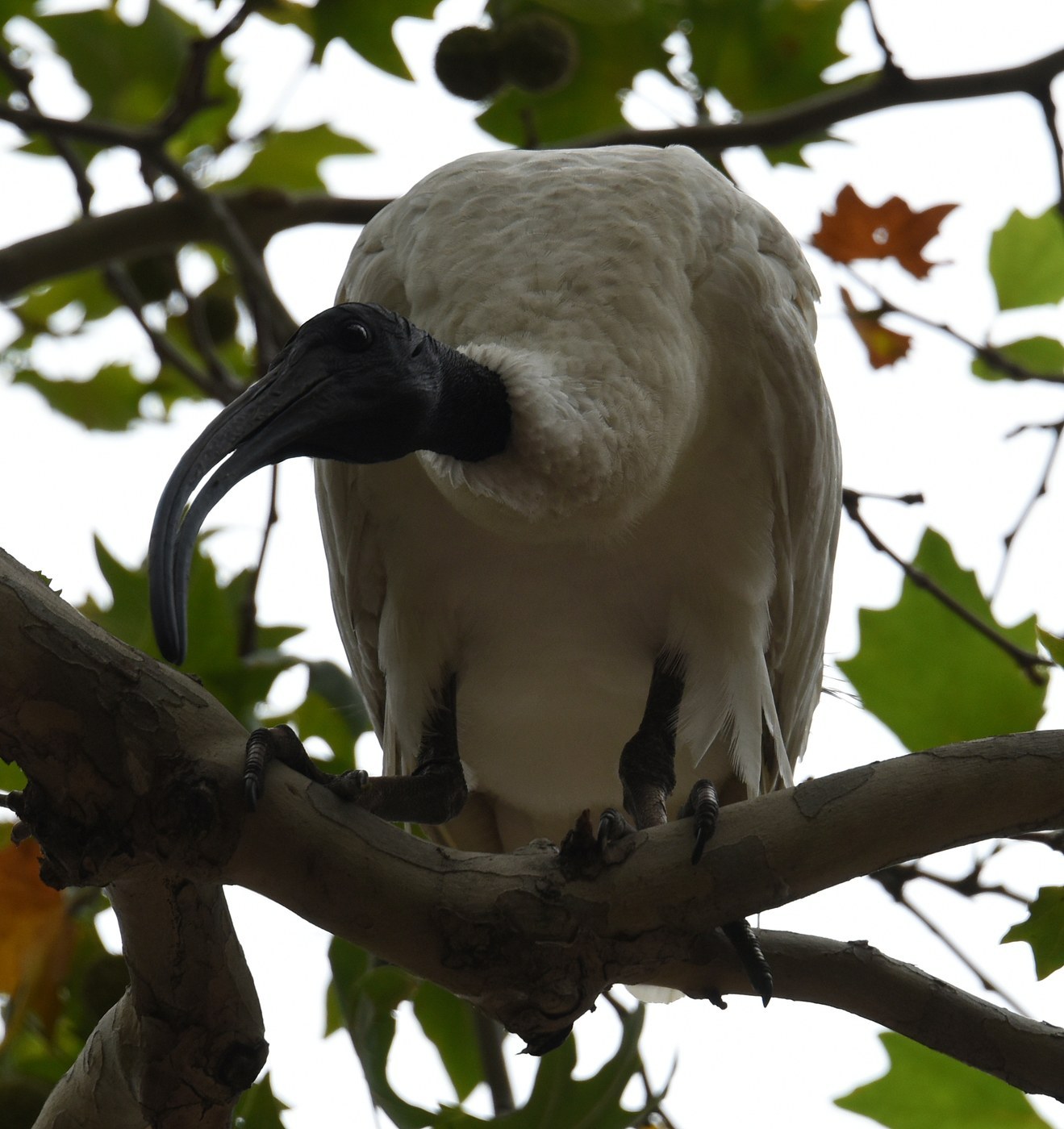
Australian White Ibis
Threskiornis molucca
A common Australian ibis with white body plumage and a bare black head and neck, now a familiar sight scavenging in city parks and rubbish bins as well as its native wetland habitats.
- Feather type
- White contour feathers with dark wingtip fringes
- Colours
- White with a bare black head and neck
- Bird size
- Medium-large ibis, ~65-75 cm
Found a feather like this?
Identify any feather from a photo, free.
Overview
Overview
The Australian White Ibis is a large, familiar wading bird across much of Australia, closely related to the African Sacred Ibis, sharing the same white body plumage set off by a bare black head and neck and a long, downcurved black bill. Originally a wetland species, it has become increasingly common in urban parks and cities, where it forages readily around rubbish bins and picnic areas, earning it the widely used informal nickname 'bin chicken.'
- White body plumage with black tips on some wing feathers
- Bare black head and neck, without feathers
- Long, downcurved black bill
- Increasingly common in urban parks and city centers across Australia
Identifying the Feather
Feather Identification
Australian White Ibis feathers are predominantly white, similar to the closely related African Sacred Ibis, with dark fringing visible on some flight and covert feathers.
- Body contour feathers: white throughout
- Wing feathers: white with dark, sometimes blackish, tips or fringes on the outer primaries and some covert feathers
- Ornamental plumes: elongated, loose blackish plumes can develop on the lower back in breeding adults
- Shaft color: pale in white sections, dark toward the fringed tips
- Vs. African Sacred Ibis: extremely similar; range is the most reliable distinguishing factor since the two species do not naturally overlap
- Head/neck: no feathers are found from the bare black head and neck region, since it lacks feathering entirely
Plumage & Molt
Plumage Details
Adults are white overall with a bare black head and neck, a long black bill, and dark fringes on some flight and wing covert feathers, along with loose, elongated blackish plumes on the lower back that develop during the breeding season. Juveniles show more feathering on the neck, appearing duller and less cleanly patterned than adults, with this neck feathering lost as the bird matures. Molt is gradual, without a sharply defined single season.
Habitat & Range
Habitat & Range
Australian White Ibis are found across much of mainland Australia, historically concentrated in inland wetlands, floodplains, and coastal marshes, but in recent decades increasingly common in urban parks, gardens, and rubbish sites in coastal cities. The species shows local and seasonal movements linked to water availability, with urban populations tending to be more sedentary due to reliable food availability.
Behavior & Field Notes
Behavior & Field Notes
Australian White Ibis forage by probing soft mud and shallow water for invertebrates in natural wetlands, but urban populations have adapted to scavenge food scraps from bins, picnic areas, and open spaces, a shift in behavior that has made the species a familiar and sometimes controversial presence in cities. They nest colonially in trees or reedbeds, often in large numbers. Vocalizations include low grunting and croaking notes. Its bare black head and neck, white body, and increasingly bold urban behavior make this one of the most recognizable wading birds in Australian towns and cities.
Frequently asked questions
Why is the Australian White Ibis nicknamed 'bin chicken'?
Its habit of scavenging food scraps from rubbish bins and picnic areas in Australian cities has earned it this widely used informal nickname.
How can I tell an Australian White Ibis feather from an African Sacred Ibis feather?
The two species are extremely similar in plumage; since their ranges do not naturally overlap, the location where a feather is found is often the most useful clue.
Does the Australian White Ibis have feathers on its head?
No, the head and neck are bare black skin without feathering, similar to the closely related African Sacred Ibis.
Where would an Australian White Ibis feather most likely be found?
Across mainland Australia, in both natural wetlands and floodplains as well as urban parks, gardens, and city centers.
Australian White Ibis guides
In-depth guides for identifying and understanding Australian White Ibis.
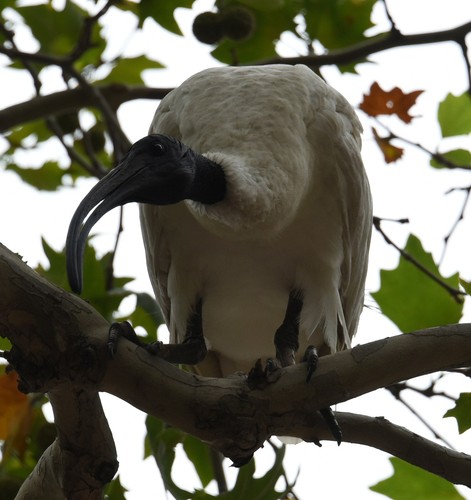
Other feathers you may enjoy

Yellow-billed Spoonbill
White contour and flight feathers with fine breeding plumes on the back and breast
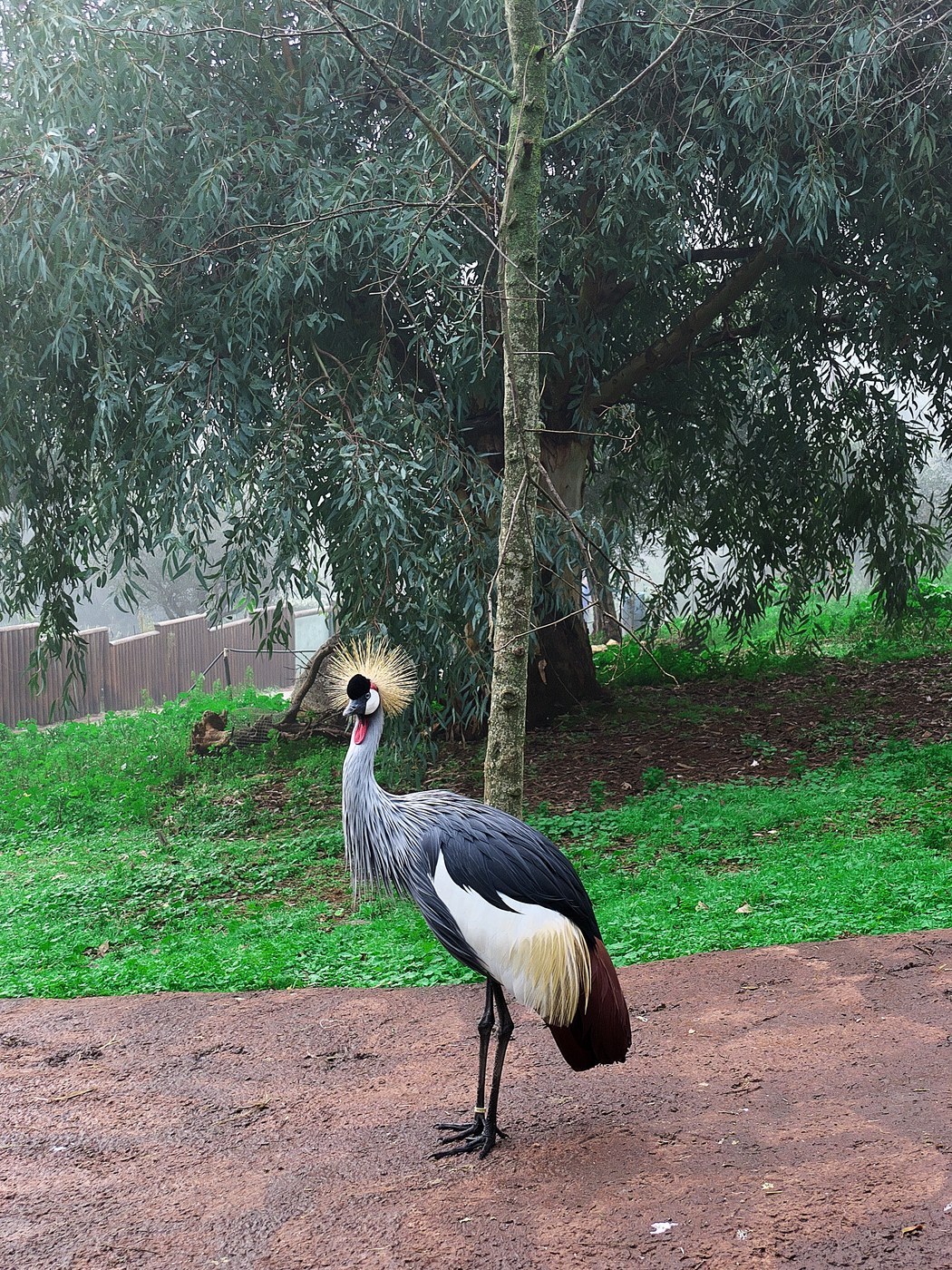
Grey Crowned Crane
Grey body feathers with white wing coverts, chestnut flight feathers, and stiff golden crown bristles
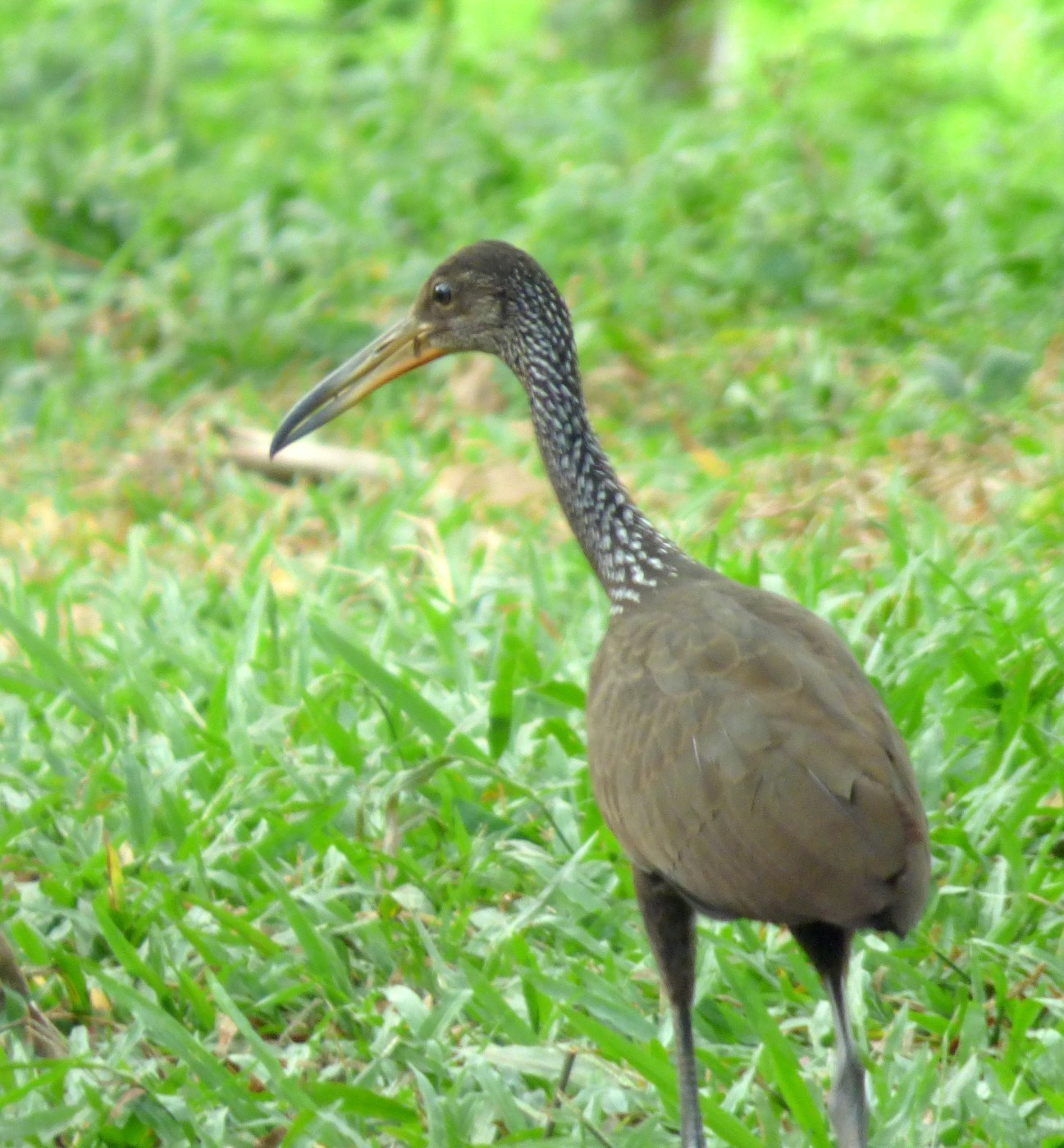
Limpkin
Brown contour feathers with white teardrop-shaped spots and streaks
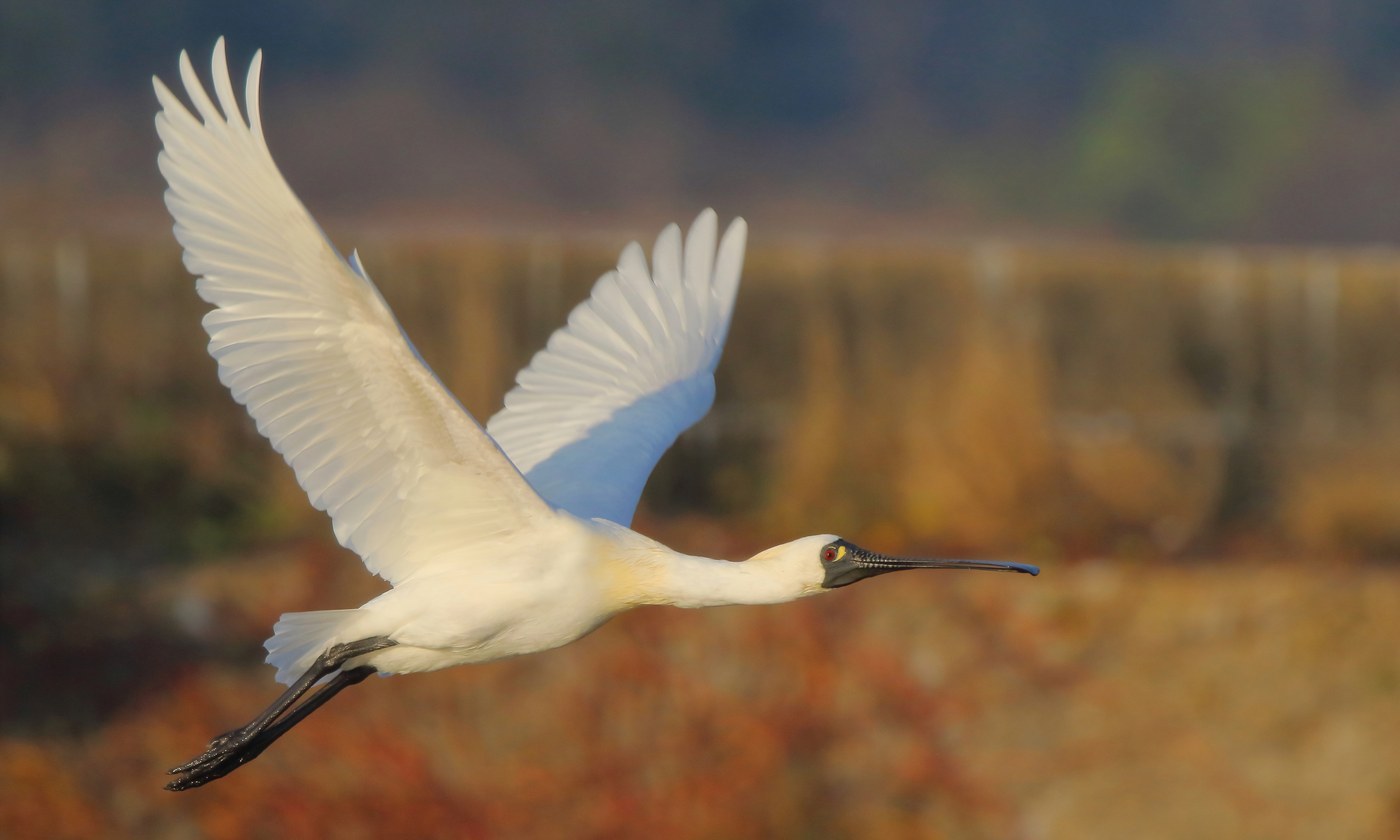
Black-faced Spoonbill
White contour and flight feathers with fine breeding crest and breast plumes
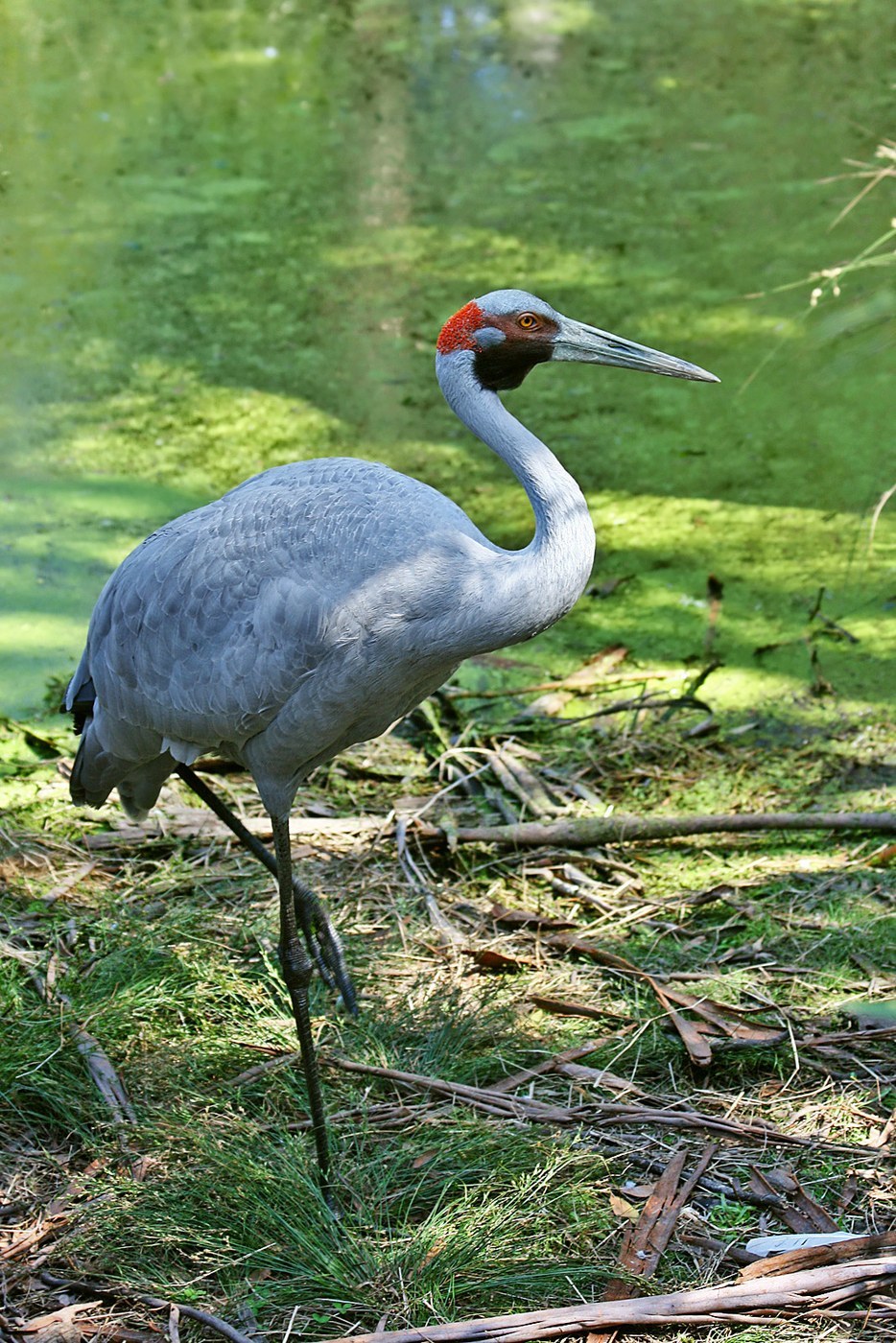
Brolga
Grey contour feathers with drooping bustle plumes
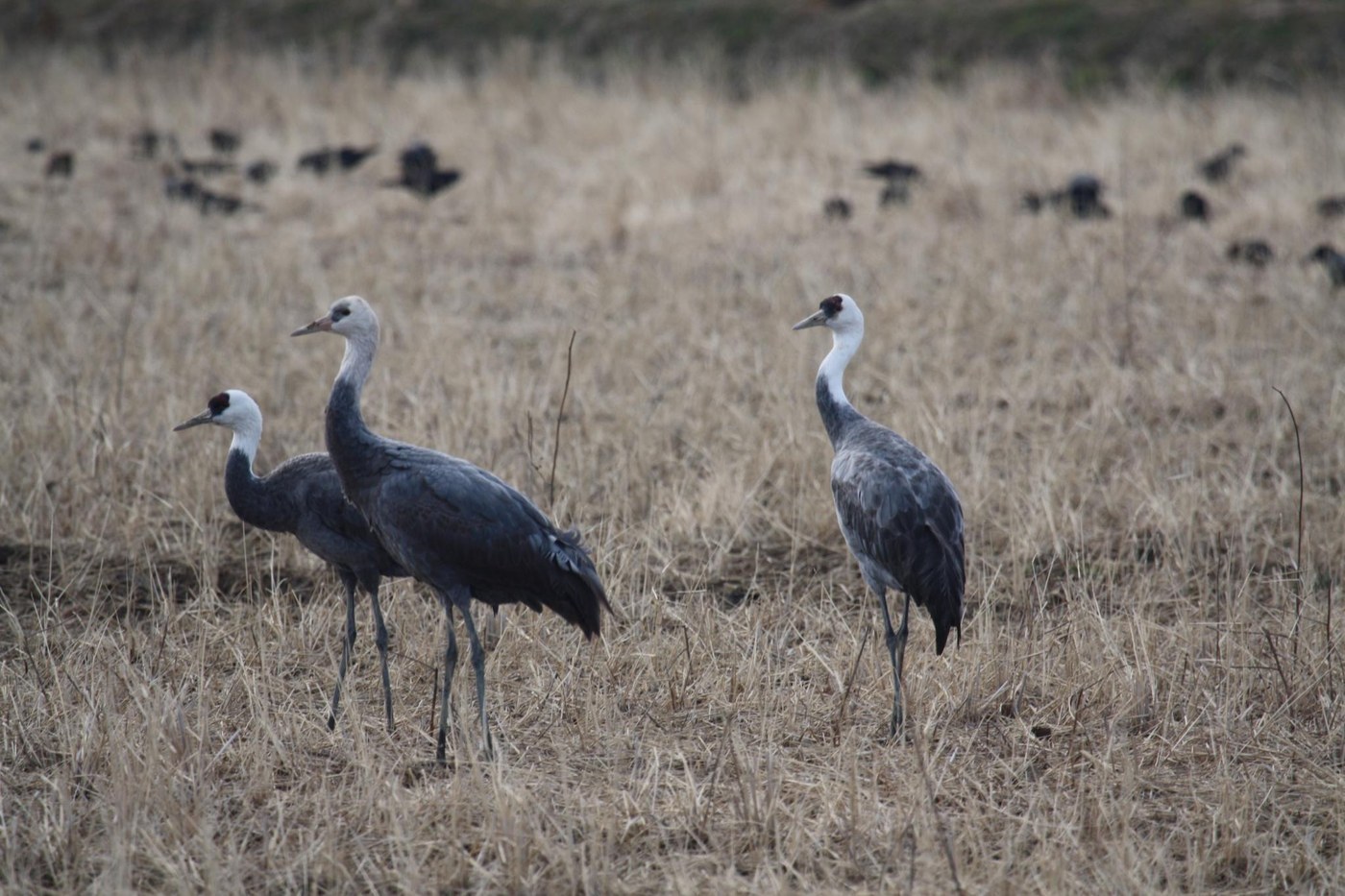
Hooded Crane
Dark slate-grey body feathers with a white head/upper neck 'hood' and black bustle plumes
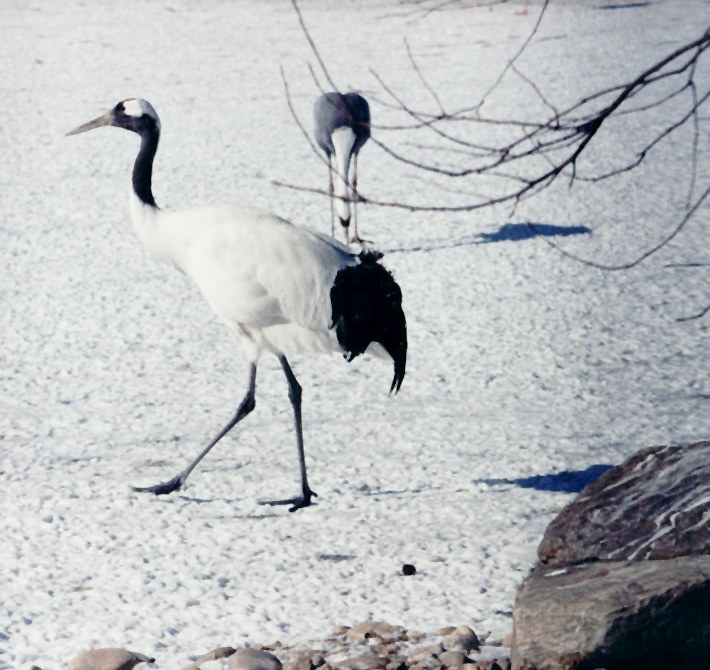
Red-crowned Crane
White contour feathers with black secondary/tertial bustle feathers and a bare red crown

Common Crane
Grey contour feathers with black head/neck feathers and drooping bustle plumes
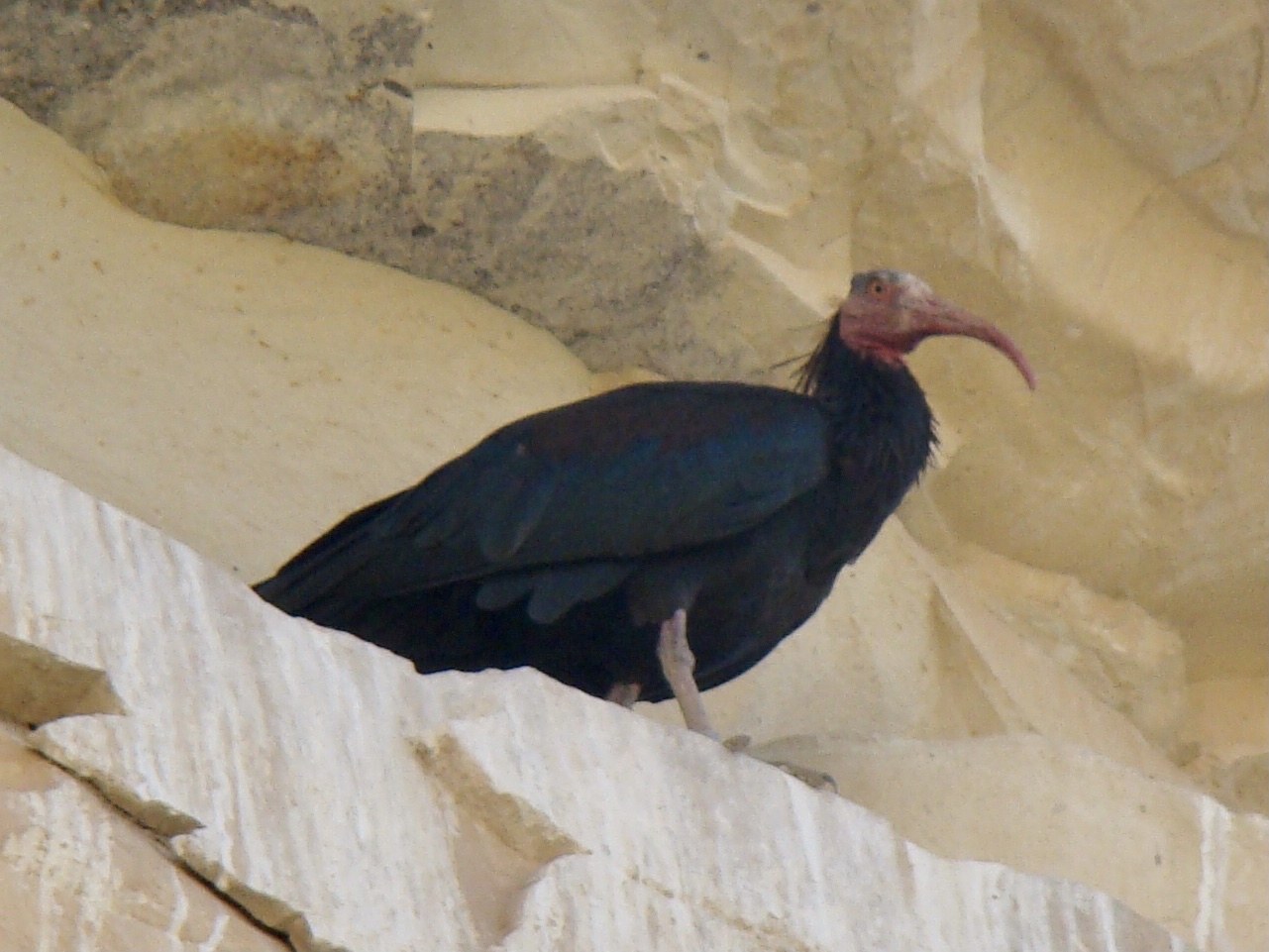
Northern Bald Ibis
Glossy black contour feathers with elongated nape plumes
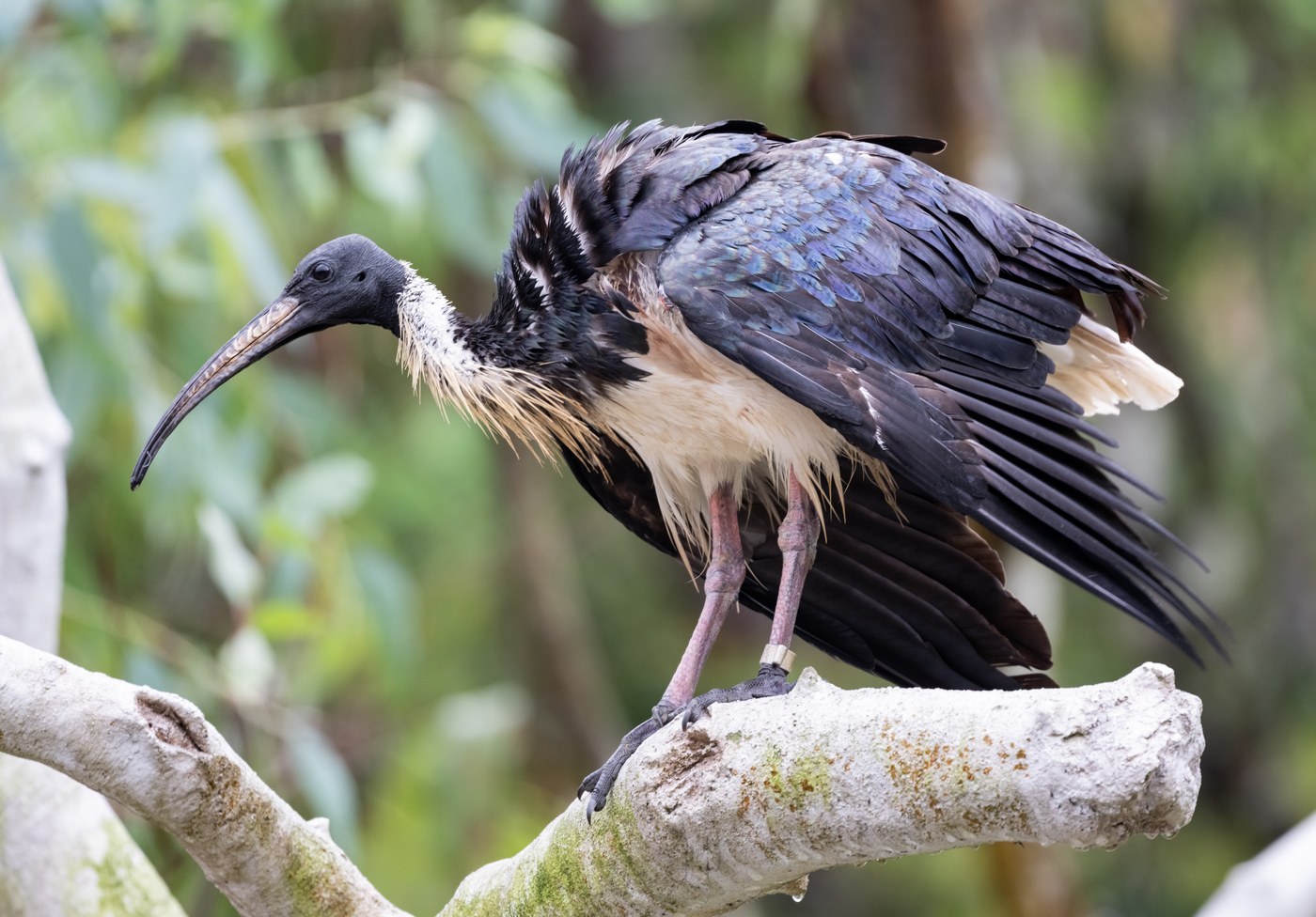
Straw-necked Ibis
Glossy contour feathers with unique straw-like neck plumes
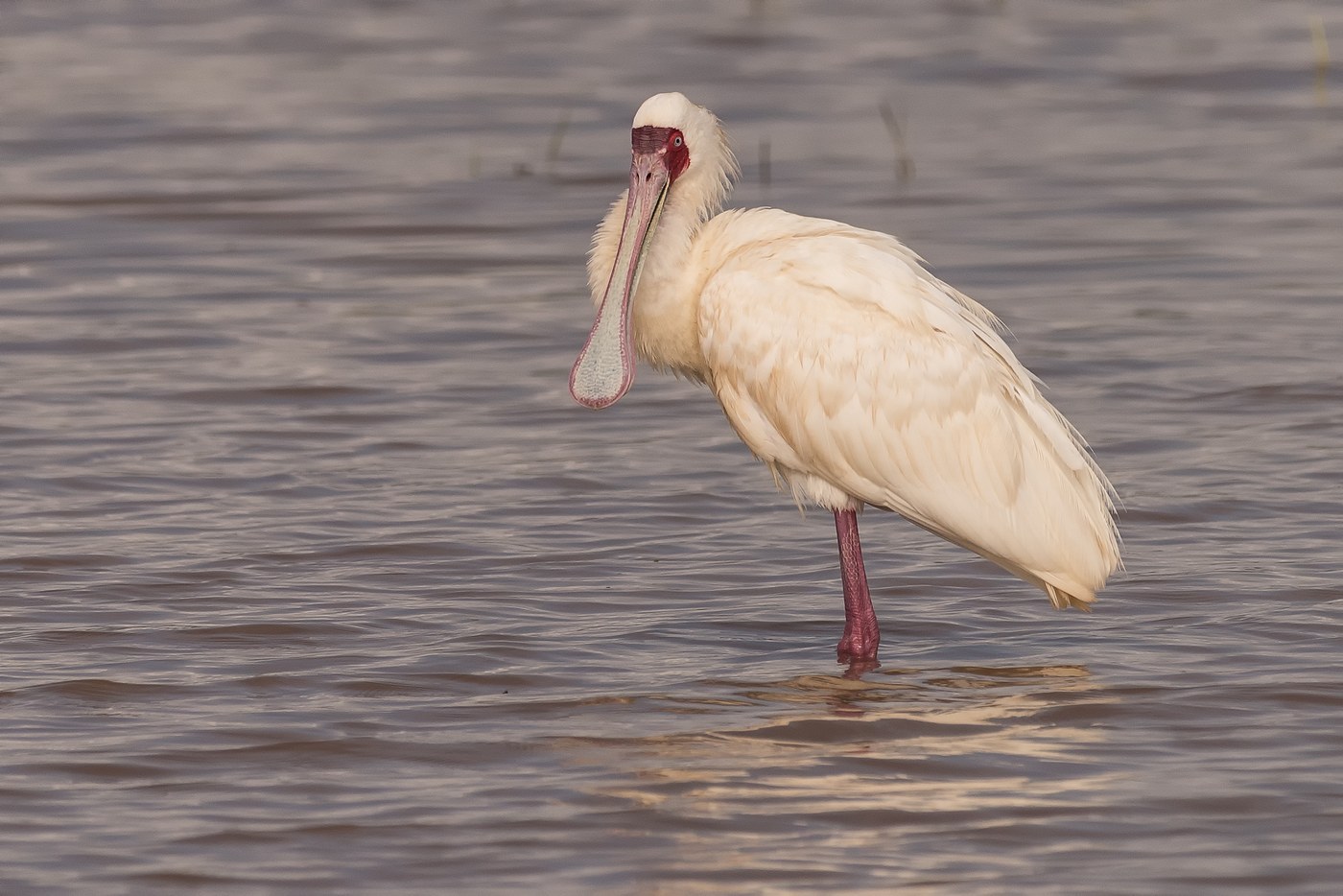
African Spoonbill
White contour and flight feathers, unmarked by black tips

Roseate Spoonbill
Pink and white contour and flight feathers with a carmine shoulder patch