
Feather & Bird Encyclopedia
Search and identify feathers by species — with feather type, plumage, colours, size, habitat, and how to tell them apart in the field.
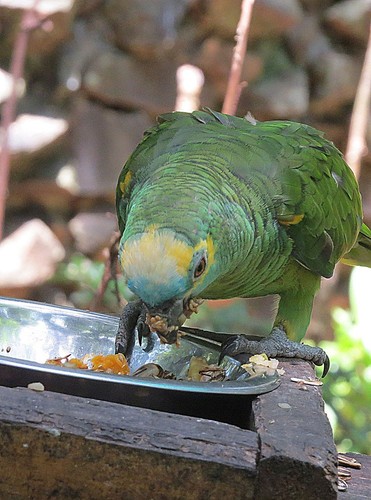

Blue-fronted Amazon
The Blue-fronted Amazon is a stocky green parrot from central South America best known for the pale blue patch across its forehead and its loud, far-carrying calls.
parrot
Black Turnstone
A dark, sooty relative of the Ruddy Turnstone restricted to the Pacific coast of North America, showing a uniformly blackish body offset by a crisp white belly and bold white wing markings in flight.
shorebird
Dusky Thrush
The Dusky Thrush is a boldly marked Siberian thrush with heavily scaled blackish-and-white underparts and a bright rufous wing patch, wintering across East Asia and occasionally reaching North America.
songbird
Passenger Pigeon
Once among the most numerous birds in North America, the Passenger Pigeon was a slender, fast-flying species with a long pointed tail and iridescent neck patch, driven to extinction by the early 1900s.
dove pigeon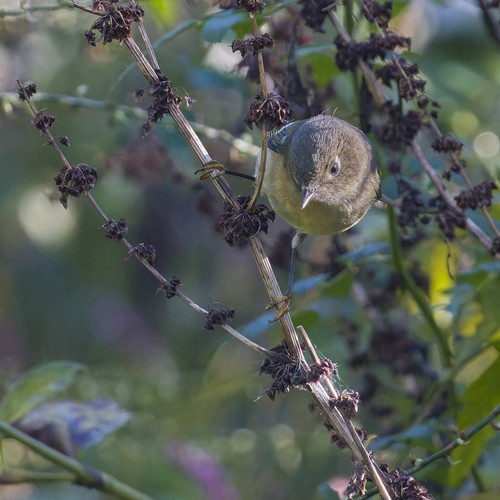

Ruby-crowned Kinglet
One of the smallest songbirds in North America, this active, constantly flicking bird carries a hidden ruby-red crown patch in males that is usually concealed and only flashed briefly during excitement or display.
songbird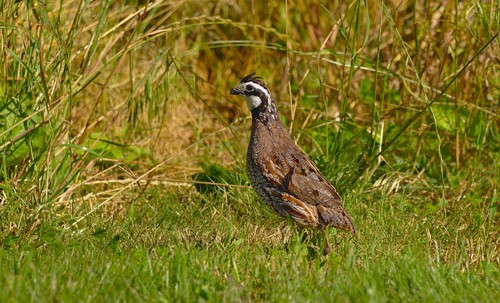

Northern Bobwhite
A small, well-known quail of eastern and central North America, named for its whistled call, with males showing a bold white throat and eyebrow stripe against a reddish-brown, barred body.
gamebird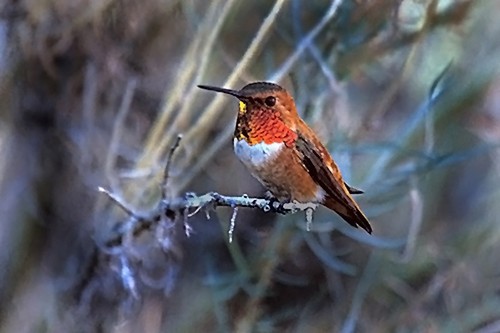

Rufous Hummingbird
A fiercely territorial western hummingbird whose males show extensive rufous-orange body feathers along with a brilliant iridescent orange-red throat, among the most cinnamon-toned hummingbirds in North America.
hummingbird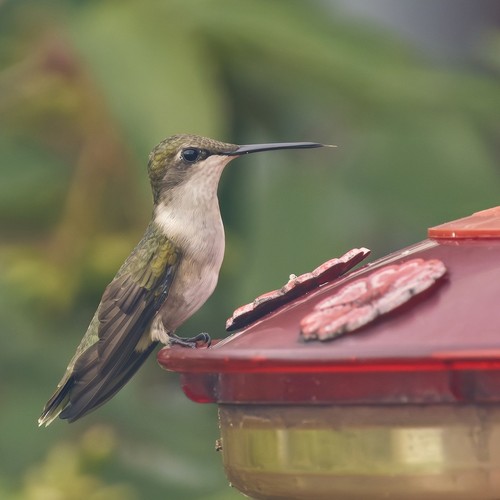

Ruby-throated Hummingbird
The only breeding hummingbird across most of eastern North America, males carry a brilliant iridescent red throat patch that can flash black in poor light, set against emerald-green upperparts.
hummingbird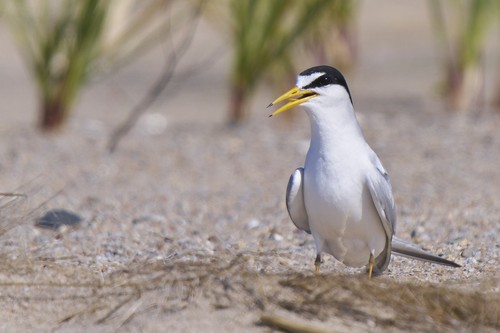

Least Tern
The smallest tern in North America, a diminutive, fast-flying species of sandy beaches and river sandbars, easily told by its small size, yellow bill, and white forehead patch above the black cap.
seabird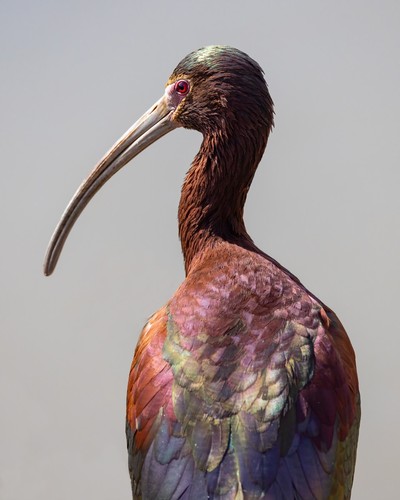

White-faced Ibis
A close relative of the Glossy Ibis found in the Americas, sharing similar rich chestnut plumage with an iridescent sheen, but distinguished in breeding adults by a thin band of white feathers bordering the bare red facial skin.
wading bird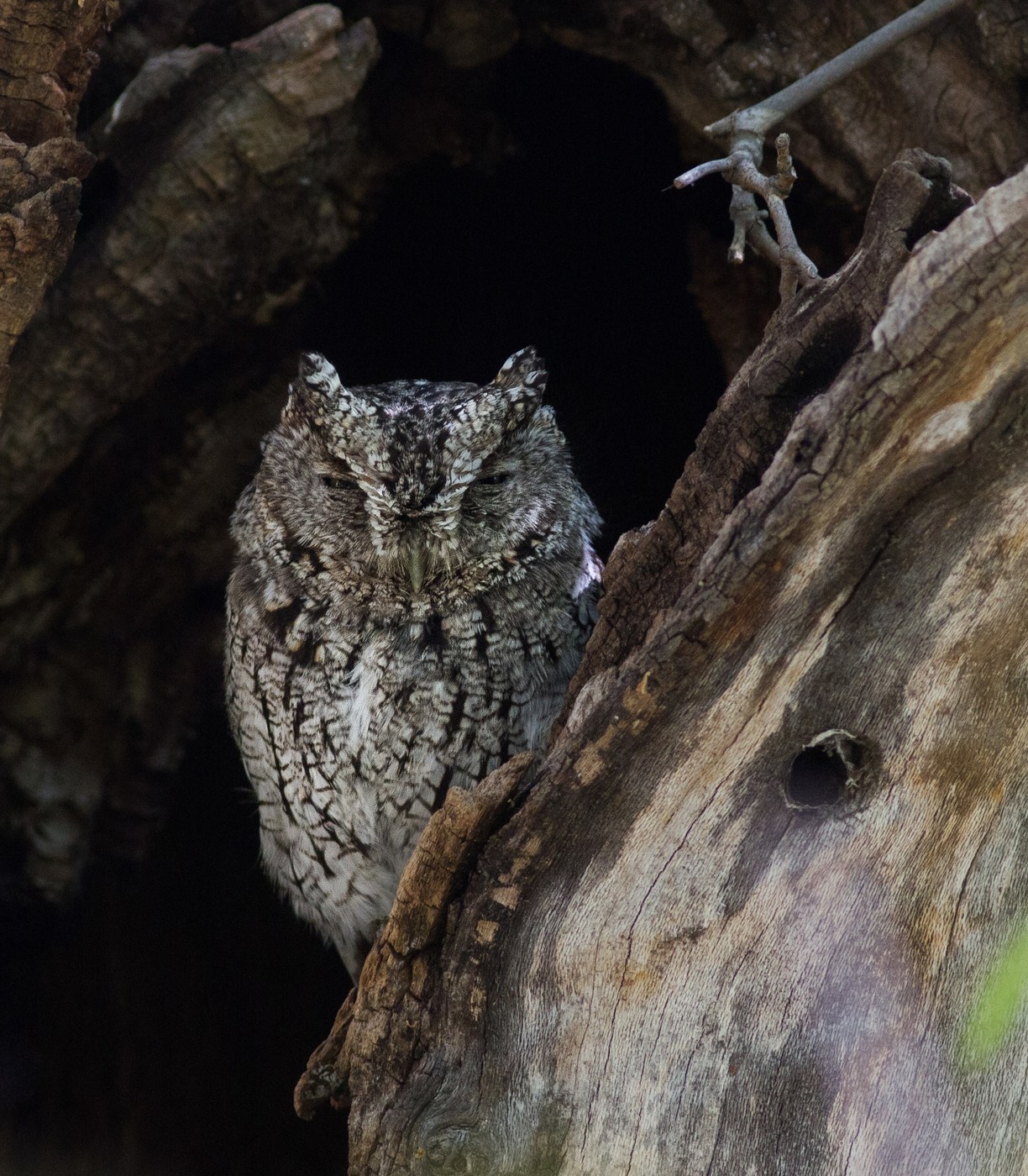
Whiskered Screech-Owl
A small screech-owl of montane oak and pine-oak woodlands from the southwestern United States into Central America, nearly identical in plumage to its relatives but distinguished chiefly by its distinctive irregular call.
owl
Tropical Parula
A tiny blue-gray and yellow warbler of the far southern U.S. and Latin America, easily told from its northern cousin by its unbroken olive back patch and lack of white eye crescents.
songbird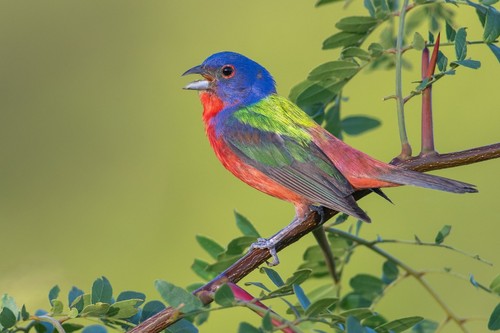

Painted Bunting
Often called the most colorful songbird in North America, the male Painted Bunting shows a blue head, red underparts, and green back all on the same bird, while females are a uniform bright green.
songbird

Franklin's Gull
A small, elegant gull of interior prairie wetlands, known for its bold white eye crescents, black hood, and one of the longest migrations of any gull, wintering as far south as the coasts of South America.
seabird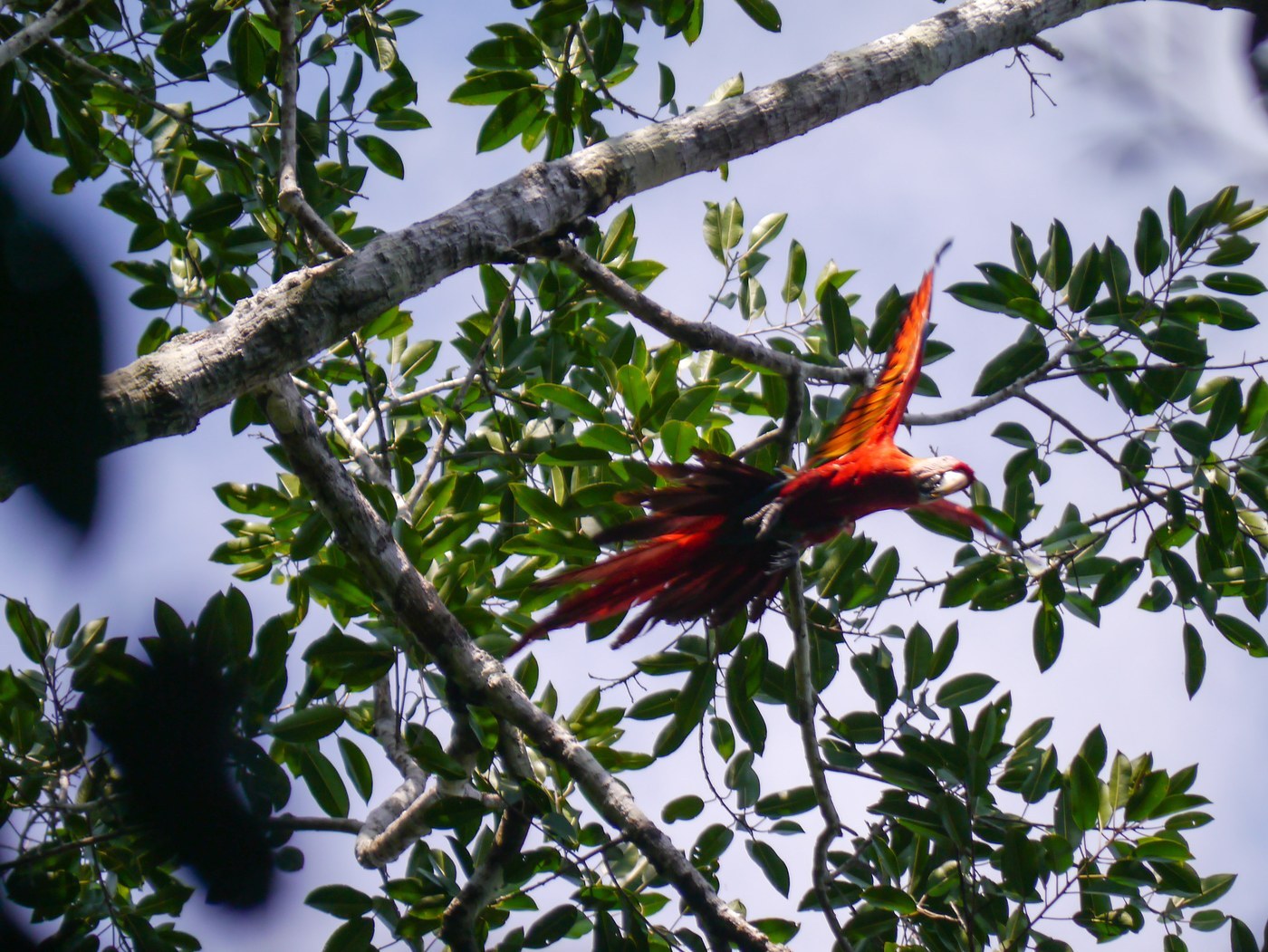
Scarlet Macaw
A vividly colored large macaw with a scarlet-red body, bold yellow-and-blue wing patches, and a long red tail tipped in blue, ranging across lowland tropical forest from Mexico to South America.
parrot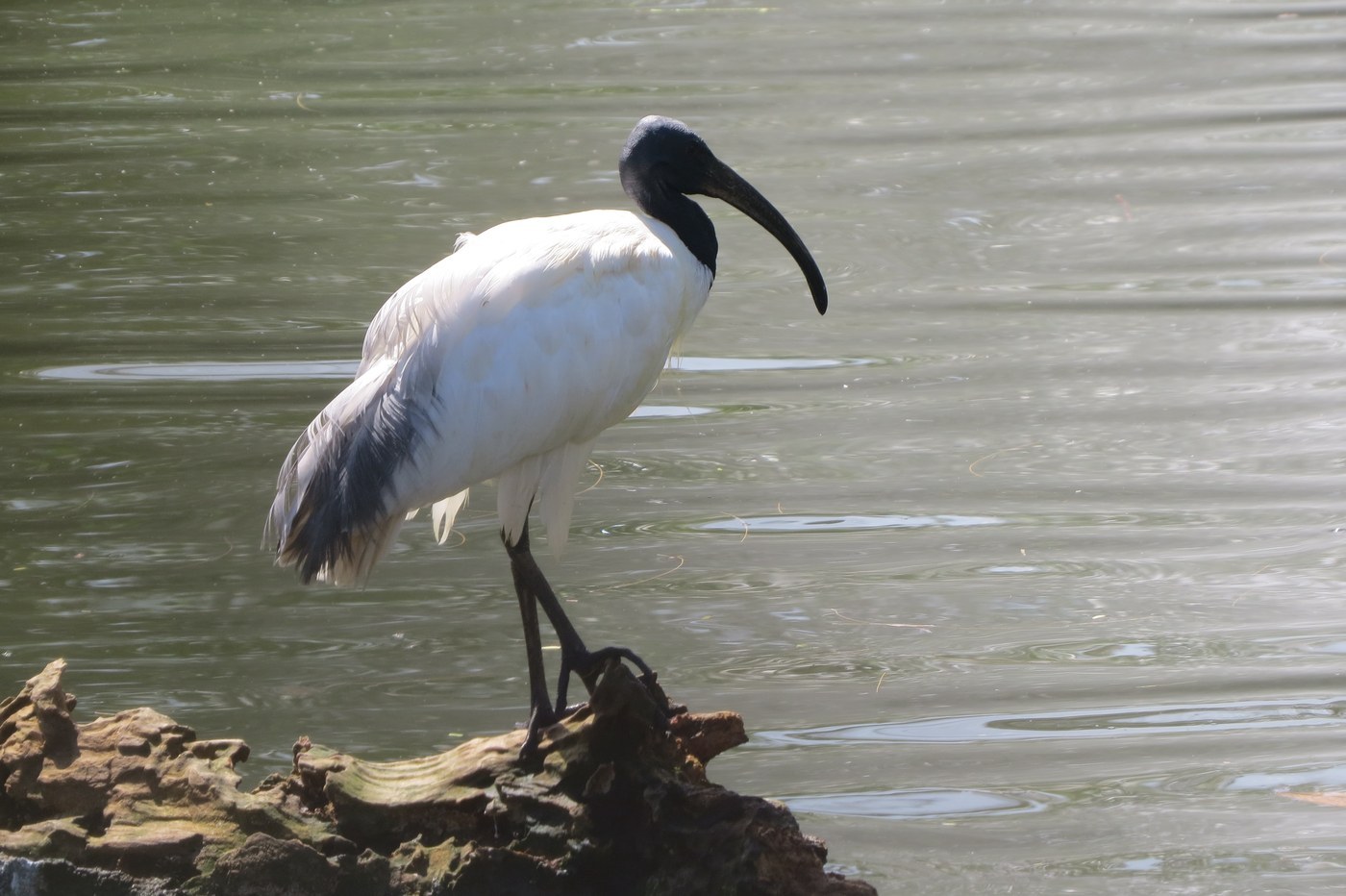
African Sacred Ibis
An African wading bird with white plumage, a bare black head and neck, and loose black plumes on the lower back, historically revered in ancient Egypt and now also established as an introduced species in parts of Europe and North America.
wading bird

Northern Crested Caracara
A bold, ground-foraging raptor found from the southern United States through Central America, showing a black cap, cream barred neck, and dark body much like its southern relative the Crested Caracara.
raptor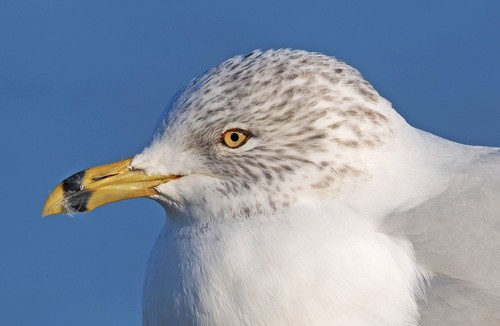

Ring-billed Gull
A common, adaptable medium-sized gull of North America named for the black band around its bill, the Ring-billed Gull shows pale gray back feathers and yellow legs, thriving in habitats from lakeshores to parking lots.
seabird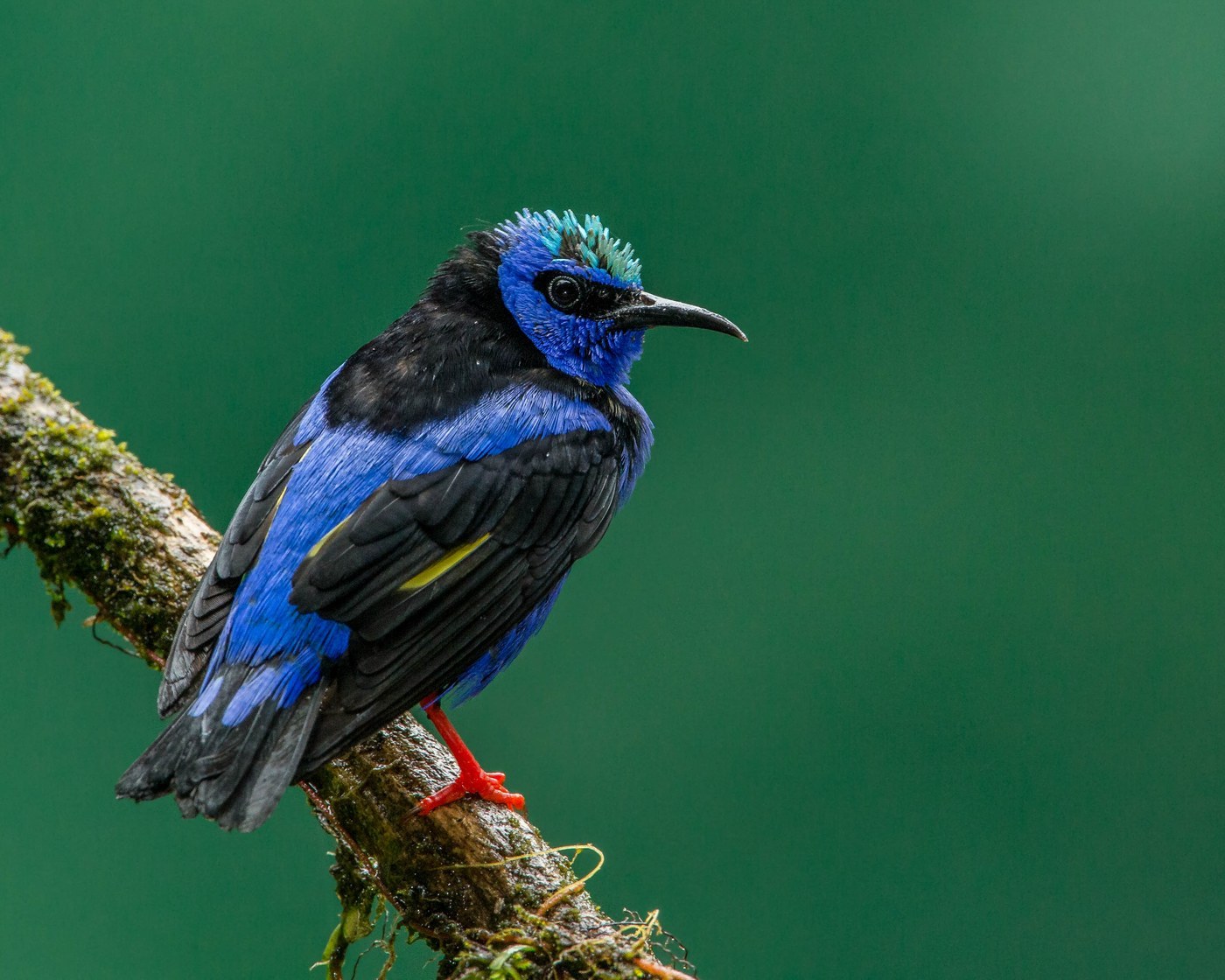
Red-legged Honeycreeper
A small tropical songbird whose breeding males flash violet-blue plumage against solid black wings and tail, while females and non-breeding males wear soft green. It ranges from Mexico through much of South America, favoring forest edges and gardens where it sips nectar and gleans fruit.
songbird
Long-billed Curlew
North America's largest shorebird, the Long-billed Curlew shows warm cinnamon-buff plumage and an extraordinarily long, downcurved bill, with feathers that echo the buffy tones of dry grassland.
shorebird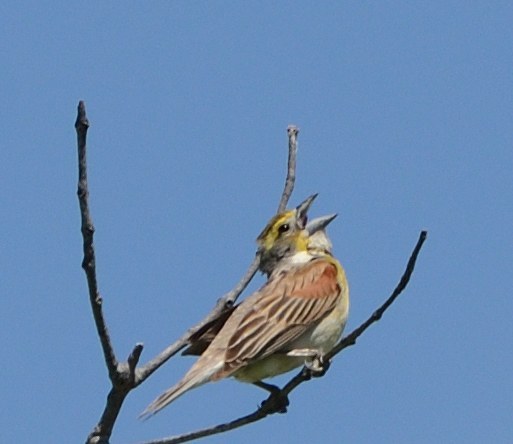
Dickcissel
A prairie songbird resembling a miniature meadowlark, the male Dickcissel shows a yellow breast marked with a black V-bib and a chestnut shoulder patch.
songbird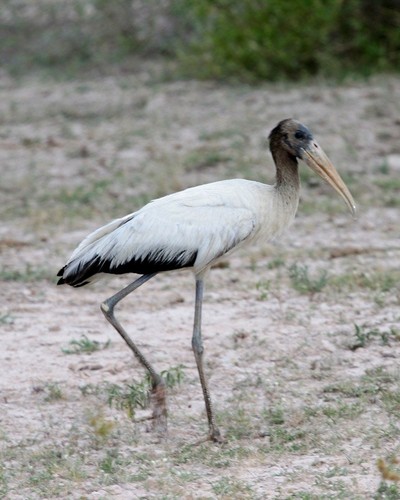

Wood Stork
A large white stork with sharply contrasting black flight feathers and tail, and a bare, dark gray-black head and neck rather than feathered skin.
wading bird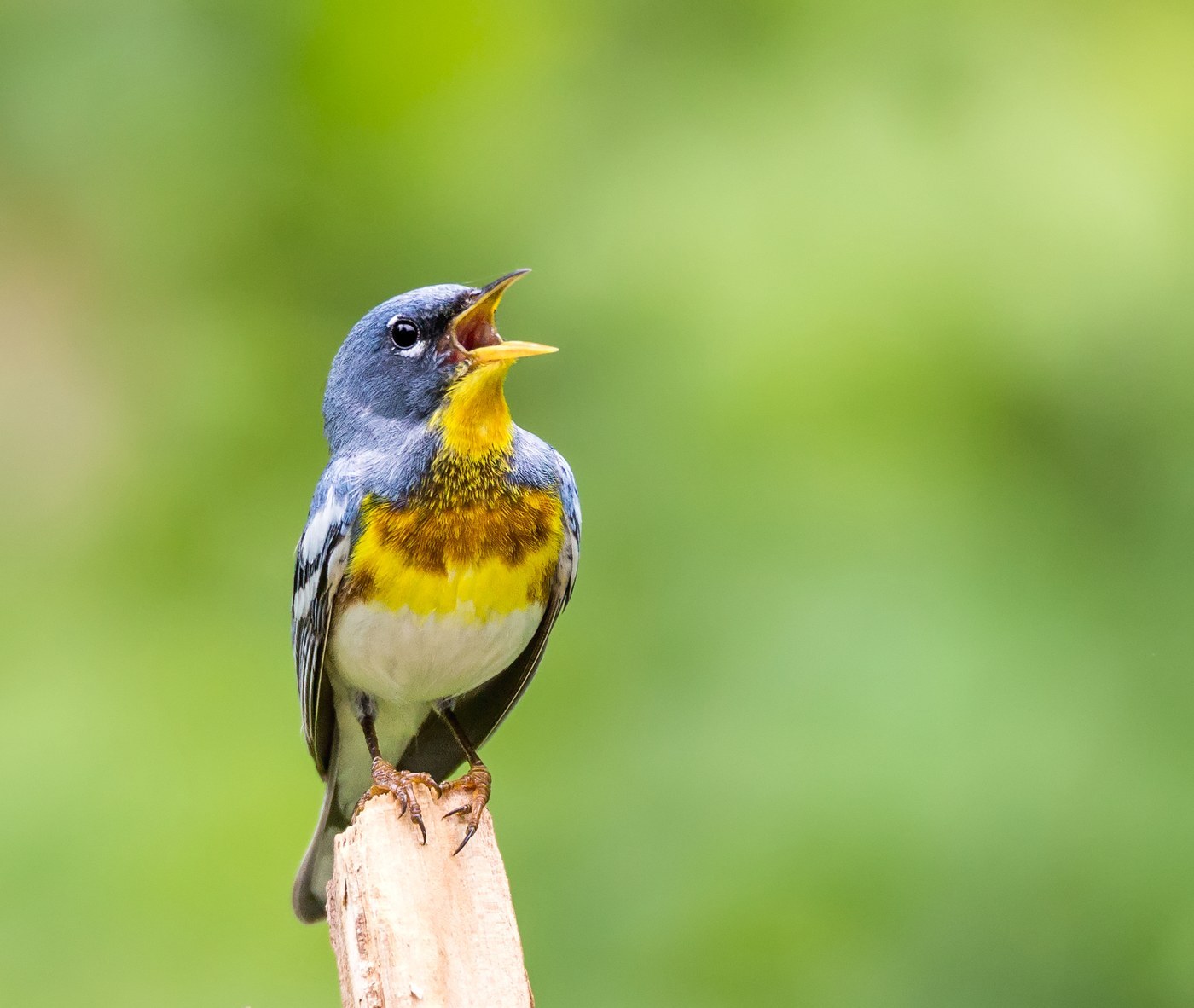
Northern Parula
One of the smallest and most compact wood-warblers, blue-gray above with a yellow throat and a distinctive olive-green back patch, tied to hanging moss or lichen for nesting.
songbird
Chimango Caracara
A common, uniformly brown caracara of southern South America's open country and cities, often seen scavenging in fields, parks, and roadsides.
raptor