

Black Turnstone
Arenaria melanocephala
A dark, sooty relative of the Ruddy Turnstone restricted to the Pacific coast of North America, showing a uniformly blackish body offset by a crisp white belly and bold white wing markings in flight.
- Feather type
- Medium wader contour and flight feathers
- Colours
- Sooty black-brown overall with a bold white belly and white wing markings
- Bird size
- Sandpiper-sized, ~22-24 cm
Found a feather like this?
Identify any feather from a photo, free.
Overview
Overview
The Black Turnstone is a Pacific coast specialist, breeding only along a narrow strip of Alaskan coastal tundra and wintering exclusively on rocky Pacific shorelines from southern Alaska to Baja California. Unlike its more colorful and widespread relative the Ruddy Turnstone, it lacks any rufous tones, appearing uniformly dark instead.
Feathers are found almost exclusively along rocky Pacific coastlines, where wintering flocks forage among rocks, pilings, and jetties.
Identifying the Feather
Feather Identification
- Overall tone: sooty blackish-brown across the head, back, and breast, with no rufous or chestnut tones at any season, unlike Ruddy Turnstone.
- Underparts: crisp white belly contrasts sharply with the dark breast and upperparts.
- Wing feathers: bold white patches and bars visible in flight, similarly contrasty to Ruddy Turnstone but set against an entirely dark, non-rufous body.
- Breeding vs nonbreeding: breeding adults show a subtle white speckling on the face and breast not present in duller nonbreeding plumage, but the overall dark tone remains consistent year-round.
- Versus Ruddy Turnstone: the complete absence of rufous or chestnut coloring, replaced by uniform sooty black-brown, is the clearest distinction from Ruddy Turnstone.
Plumage & Molt
Plumage Notes
Breeding adults show fine white speckling on the face and upper breast against an otherwise sooty black-brown body, with a crisp white belly; sexes look alike. Nonbreeding adults lose the white speckling, appearing more uniformly dark above and on the breast, while retaining the sharp white belly contrast.
Juveniles resemble nonbreeding adults, with subtly paler fringes on the upperpart feathers when fresh. Molt into nonbreeding plumage occurs mostly after the breeding season, with the subtle facial speckling reappearing before spring migration.
Habitat & Range
Habitat & Range
Black Turnstones breed only along a narrow band of coastal tundra in western and southern Alaska. Outside the breeding season they are found almost exclusively on rocky shorelines, jetties, and rocky islets along the Pacific coast of North America, from southern Alaska south to Baja California, rarely straying far from rocky substrate.
Behavior & Field Notes
Behavior & Field Notes
Like its relative the Ruddy Turnstone, this species forages by flipping stones, shells, and seaweed to expose hidden invertebrates, and is often seen clambering actively over wet rocks and pilings. It forms tight flocks that fly low over the water between roosting rocks.
Nests are shallow scrapes on coastal tundra, often near the sea. The flight call is a fast, chattering rattle similar to Ruddy Turnstone's. Because of its narrow, rocky-coast-only winter range, Black Turnstone feathers are a strong indicator of a Pacific coast location.
Frequently asked questions
How do Black Turnstone feathers differ from Ruddy Turnstone feathers?
Black Turnstone feathers are uniformly sooty black-brown with no rufous tones at any season, while Ruddy Turnstone shows rufous or chestnut coloring, especially in breeding plumage.
Where would I find Black Turnstone feathers?
Almost exclusively along rocky Pacific coastlines of North America, from southern Alaska to Baja California.
What is the most reliable underparts clue?
A crisp white belly contrasting sharply with the otherwise dark body, consistent across seasons.
Do breeding and nonbreeding feathers look very different?
Only subtly - breeding adults show fine white facial speckling absent in the duller nonbreeding plumage, but the overall dark tone stays consistent.
What foraging behavior is typical of this species?
Flipping stones, shells, and seaweed on rocky shorelines to expose hidden invertebrates, just like the closely related Ruddy Turnstone.
Black Turnstone guides
In-depth guides for identifying and understanding Black Turnstone.

Other feathers you may enjoy
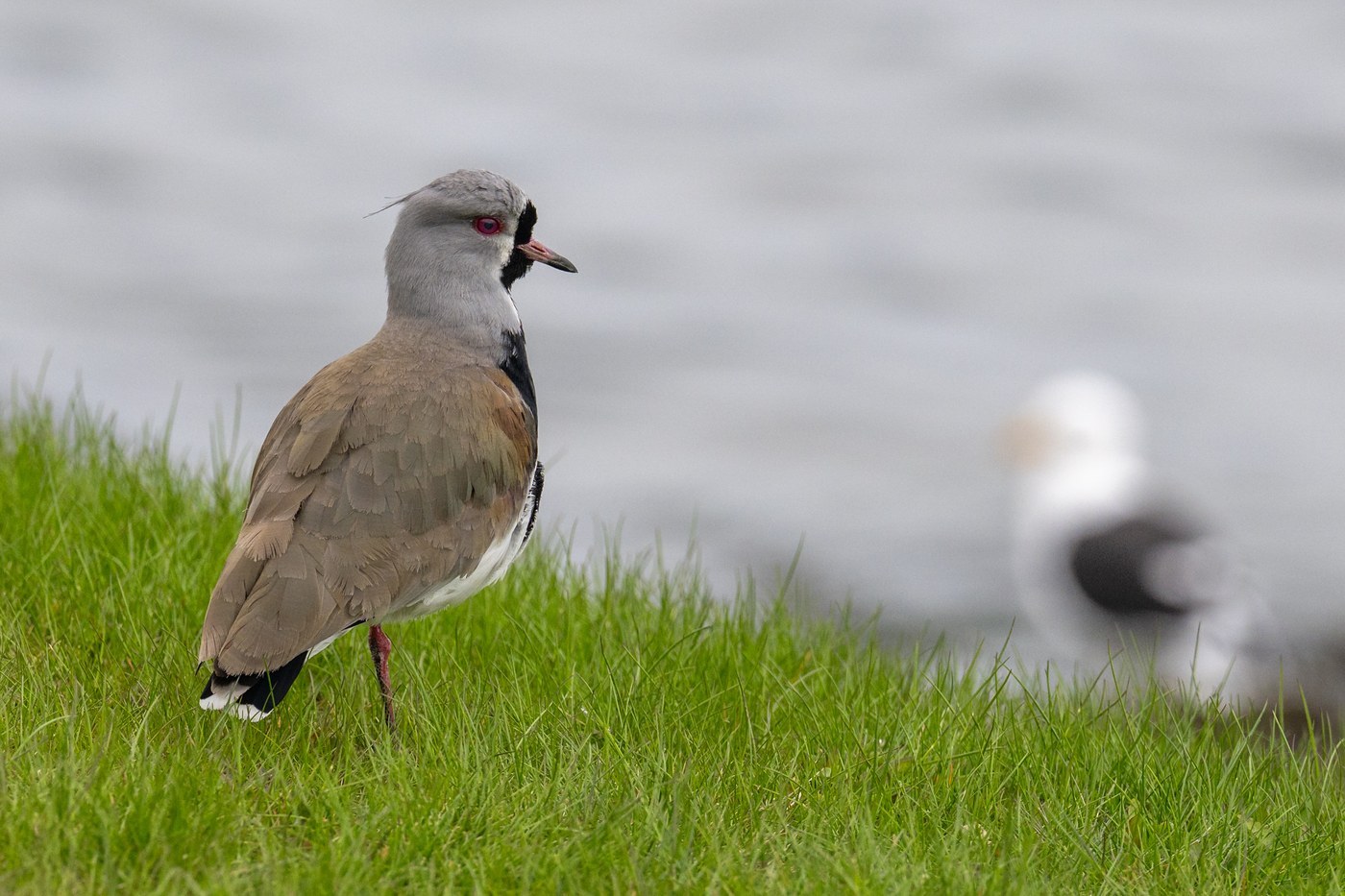
Southern Lapwing
Body, flight, and tail feathers

Jack Snipe
Body and flight feathers

Far Eastern Curlew
Body, flight, and tail feathers

Terek Sandpiper
Body and flight feathers

Wilson's Phalarope
Body and flight feathers
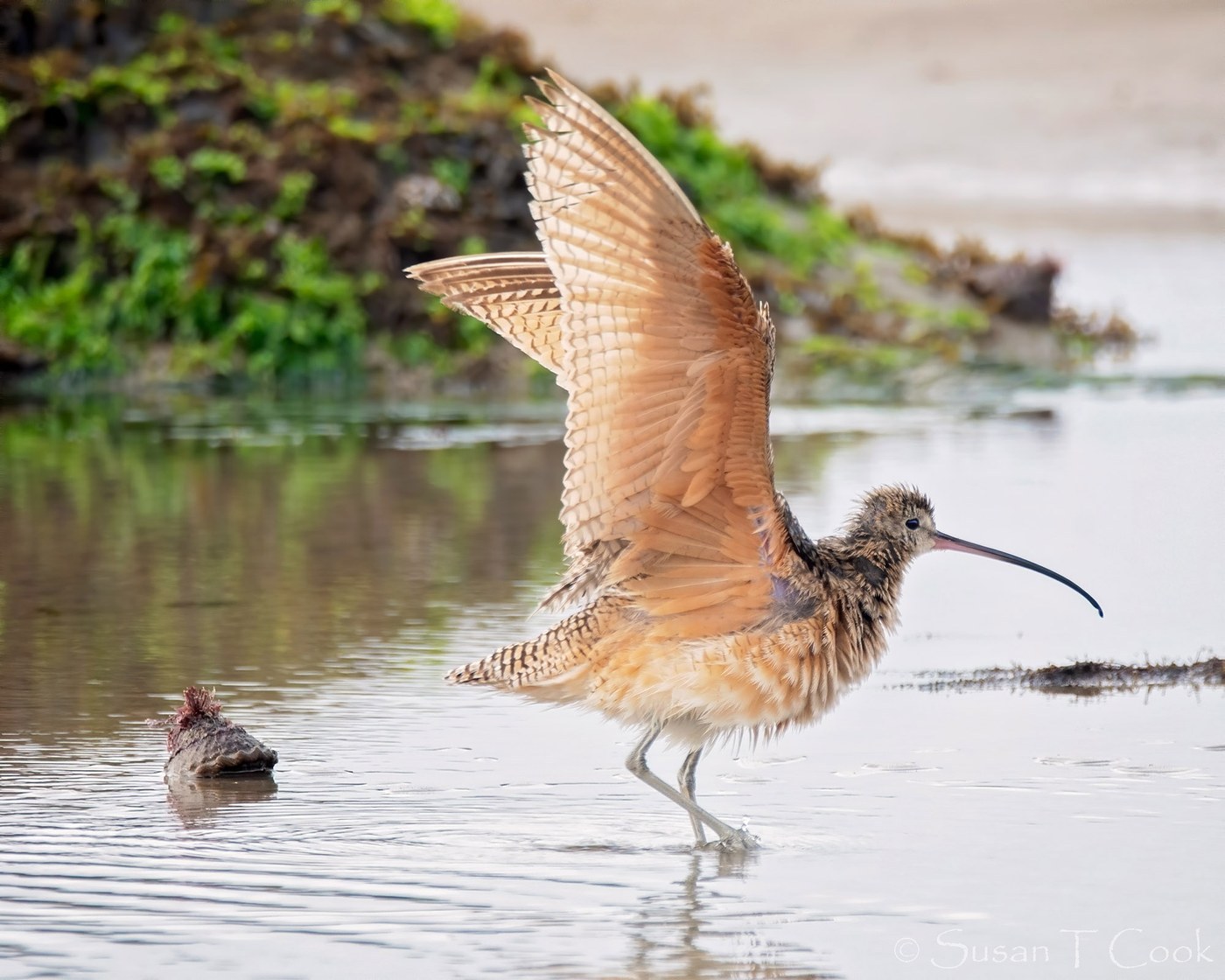
Long-billed Curlew
Body, flight, and tail feathers

Upland Sandpiper
Body, flight, and tail feathers

Red Phalarope
Body and flight feathers

Eurasian Dotterel
Body feathers
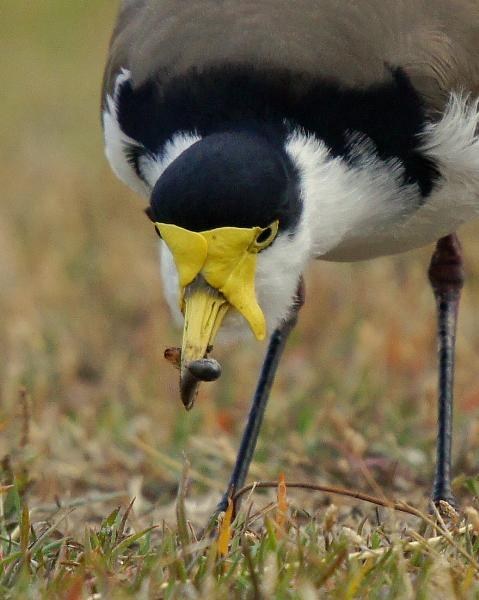
Masked Lapwing
Body, flight, and tail feathers
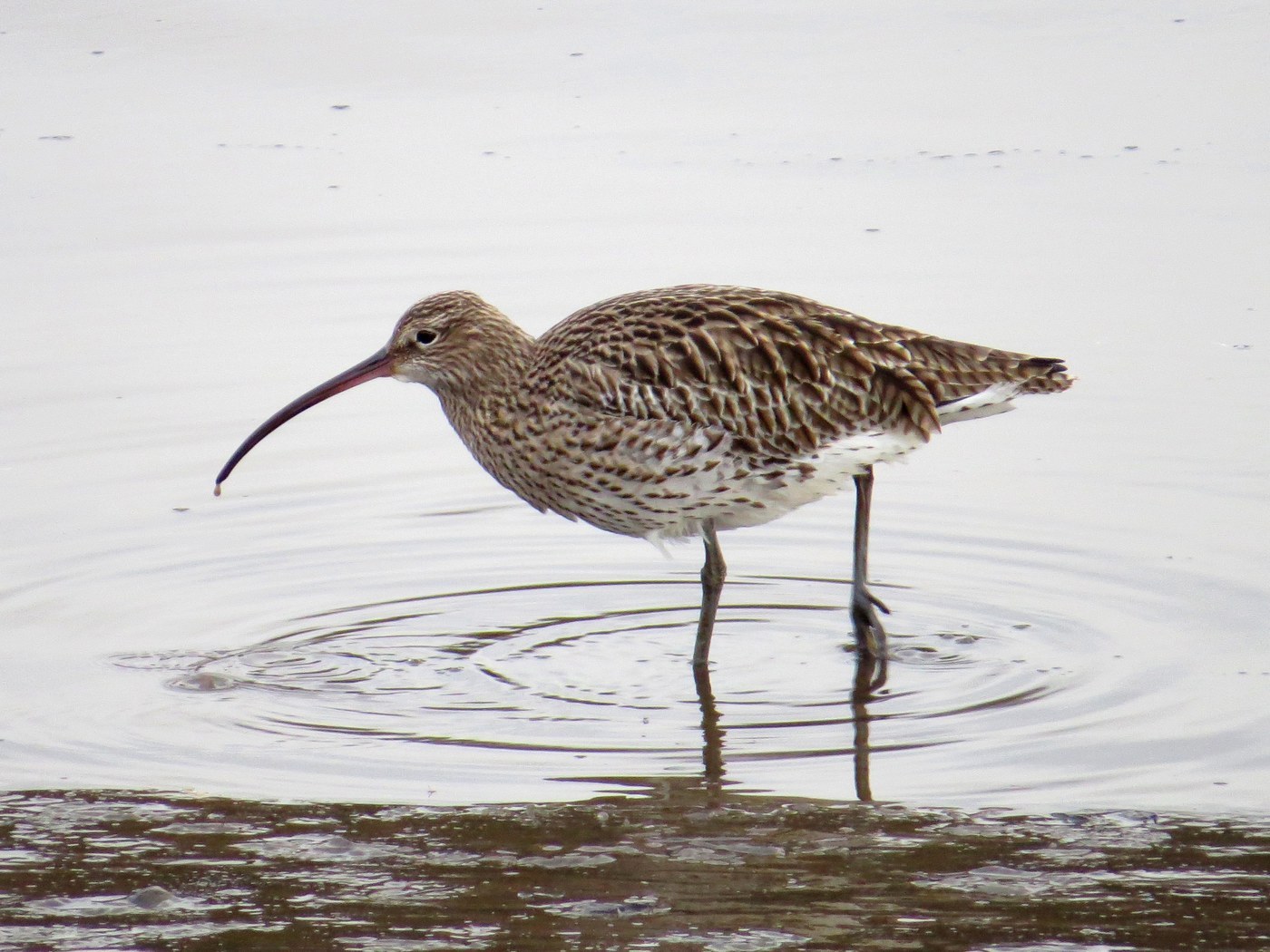
Eurasian Curlew
Body, flight, and tail feathers
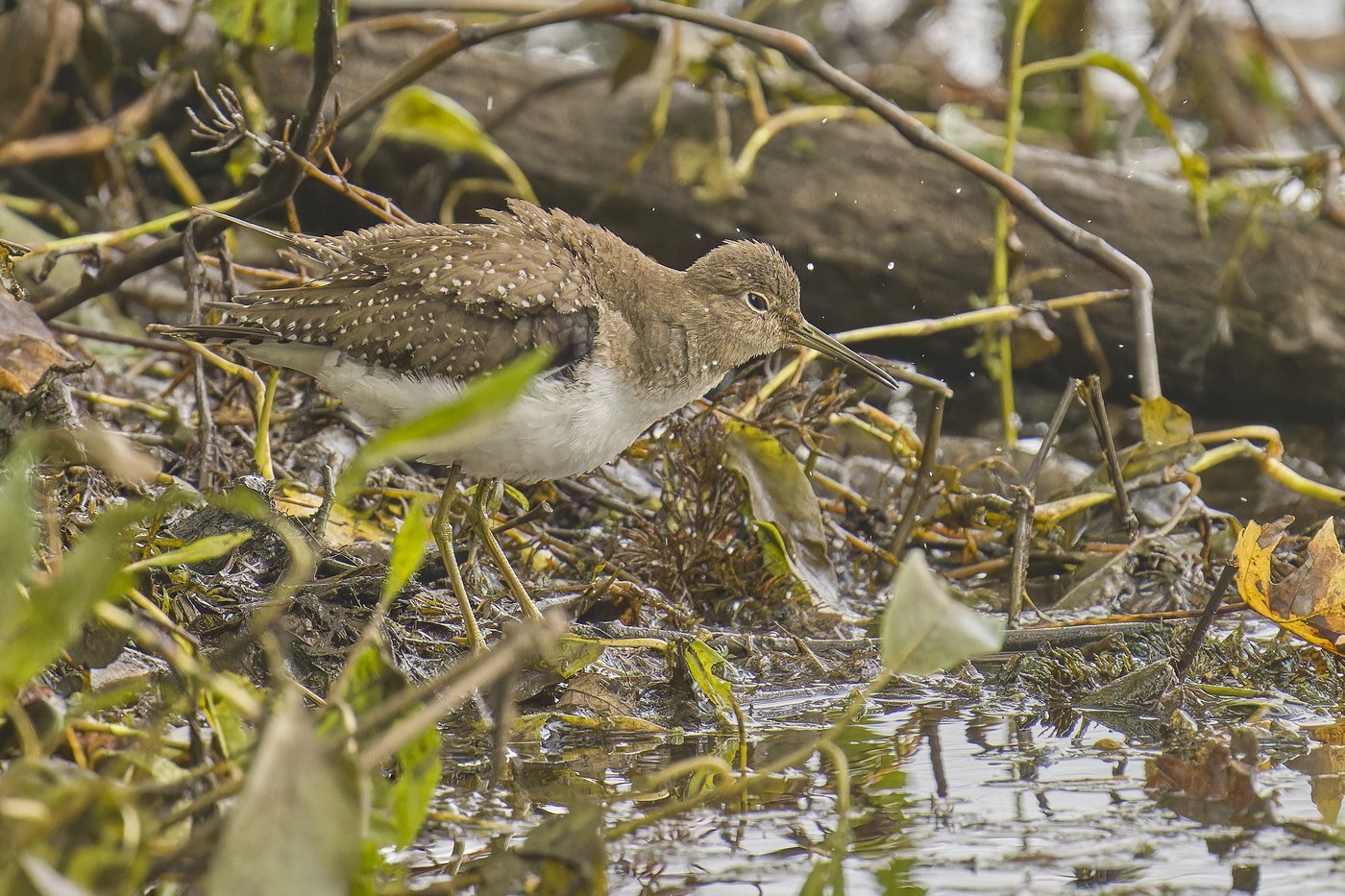
Solitary Sandpiper
Contour and flight feathers