
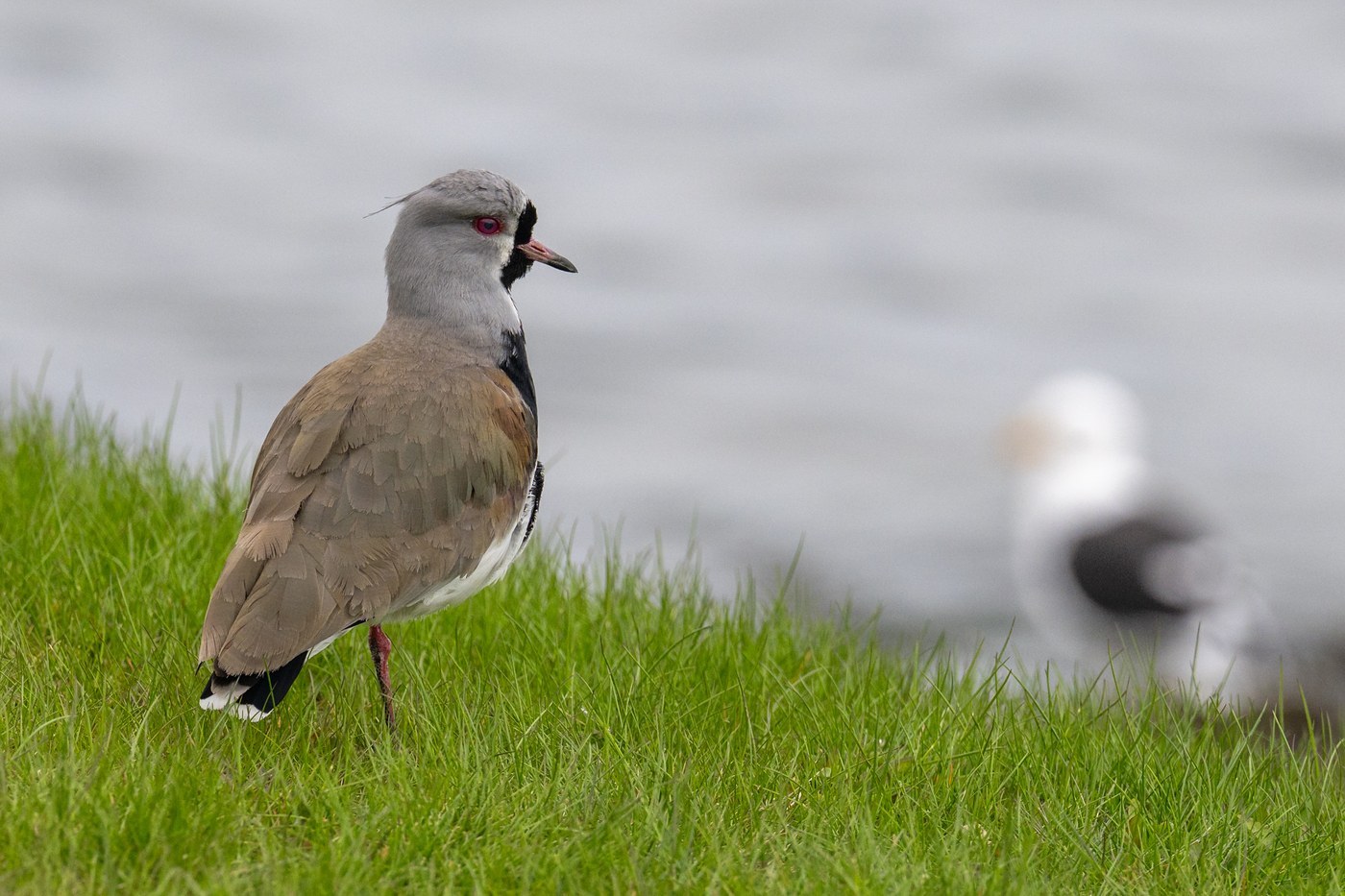
Southern Lapwing
Vanellus chilensis
A bold, noisy plover of South American open country, the Southern Lapwing shows iridescent bronze-green wing feathers, a black breast patch, and a distinctive thin head crest.
- Feather type
- Body, flight, and tail feathers
- Colours
- Bronzy-green and gray-brown upperparts, black breast band, white underparts
- Bird size
- Medium-large plover, ~32-38 cm
Found a feather like this?
Identify any feather from a photo, free.
Overview
The Southern Lapwing is a large, conspicuous plover widespread across open habitats of South America, easily recognized by its black-and-white face and breast pattern, iridescent greenish wing sheen, and thin wispy crest. Highly adaptable, it thrives in grasslands, pastures, wetland margins, and even urban parks, and is well known for its loud alarm calls and aggressive nest defense.
Identifying the Feather
Wing covert feathers show an iridescent bronze-green to purplish sheen over a gray-brown base, visible as a glossy patch on the folded wing and a striking feature to identify on shed feathers. Head and neck feathers form a bold black-and-white pattern, with a black crown, throat, and breast patch bordered by white, and a thin, wispy crest of elongated feathers projecting from the back of the head. Flight feathers are blackish, with white patches at the base of the primaries visible in flight. The tail shows a black terminal band on an otherwise white base. Overall plumage contrast is much bolder and more graphic than most other shorebirds in its range, making feather identification relatively straightforward.
Plumage & Molt
Sexes look similar, with only subtle differences in crest length or breast pattern extent that are not consistently reliable indicators of sex. Juveniles show duller, browner plumage overall with a shorter crest and less defined black breast patch, gradually acquiring full adult pattern within the first year. There is no strong seasonal plumage difference, as the species breeds and molts on a schedule not tied to northern hemisphere seasons. Molt is gradual and can occur nearly year-round depending on breeding schedule and latitude within its range.
Habitat & Range
Widespread across open lowland habitats of South America, including natural grasslands, pastures, agricultural fields, wetland margins, riverbanks, and increasingly urban parks and airports. It ranges from southern South America north through much of the continent, and in some areas is largely resident, while populations at higher latitudes may show local seasonal movements linked to breeding.
Behavior & Field Notes
Southern Lapwings forage by walking and running across open ground, picking insects, earthworms, and other invertebrates from the surface or shallow soil. Nests are simple ground scrapes in open areas, often surprisingly exposed, and the species is renowned for extremely aggressive nest defense, mobbing potential predators including much larger animals and even humans with loud calls and diving attacks. Its voice is a loud, piercing, repeated alarm call that carries over long distances, often the first indication of its presence. The species has expanded its range in many areas due to its adaptability to human-modified landscapes.
Frequently asked questions
What feather feature identifies a Southern Lapwing?
Look for an iridescent bronze-green to purplish sheen on the wing covert feathers combined with a bold black-and-white head and breast pattern, both distinctive among South American shorebirds.
Does the Southern Lapwing have a crest?
Yes, it has a thin, wispy crest of elongated feathers at the back of the head, more developed in adults than juveniles.
Why is the Southern Lapwing known for aggressive behavior?
It fiercely defends its exposed ground nests by mobbing and diving at potential predators, including animals much larger than itself, accompanied by loud alarm calls.
Has the Southern Lapwing adapted well to human landscapes?
Yes, it has expanded into pastures, agricultural fields, and even urban parks and airports across much of South America due to its behavioral flexibility.
Southern Lapwing guides
In-depth guides for identifying and understanding Southern Lapwing.
Other feathers you may enjoy

Jack Snipe
Body and flight feathers

Far Eastern Curlew
Body, flight, and tail feathers

Terek Sandpiper
Body and flight feathers

Wilson's Phalarope
Body and flight feathers
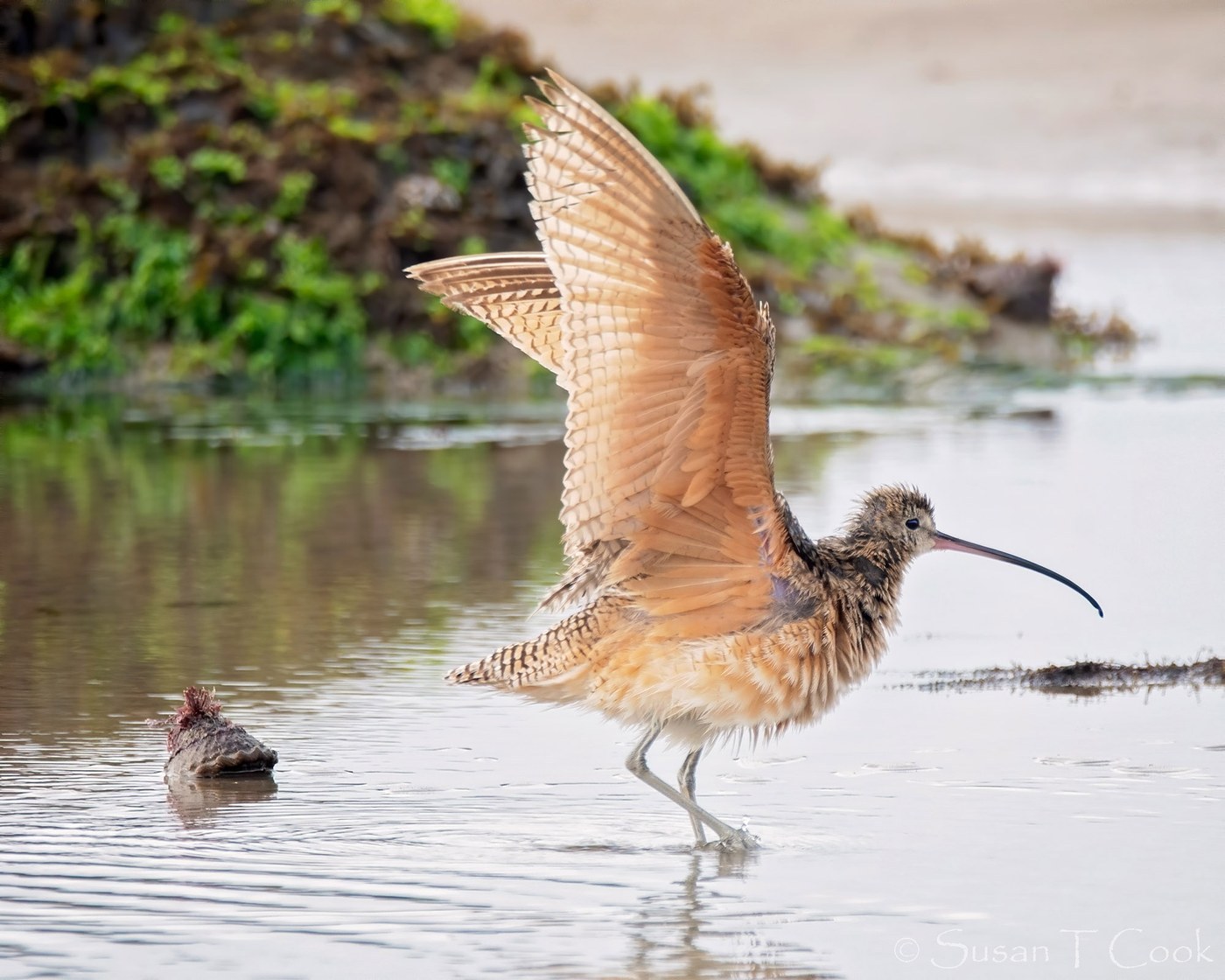
Long-billed Curlew
Body, flight, and tail feathers

Upland Sandpiper
Body, flight, and tail feathers

Red Phalarope
Body and flight feathers

Eurasian Dotterel
Body feathers
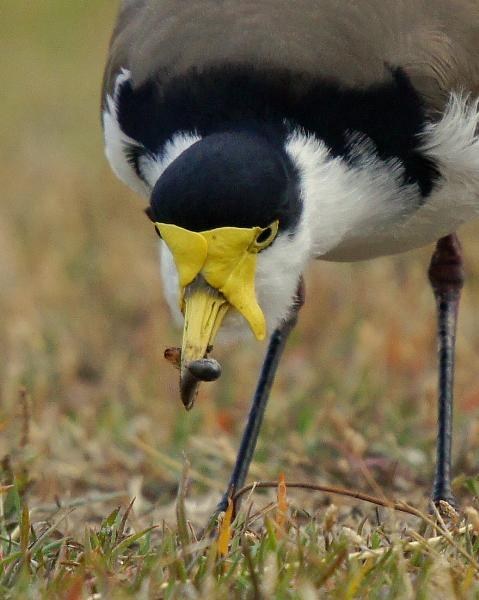
Masked Lapwing
Body, flight, and tail feathers
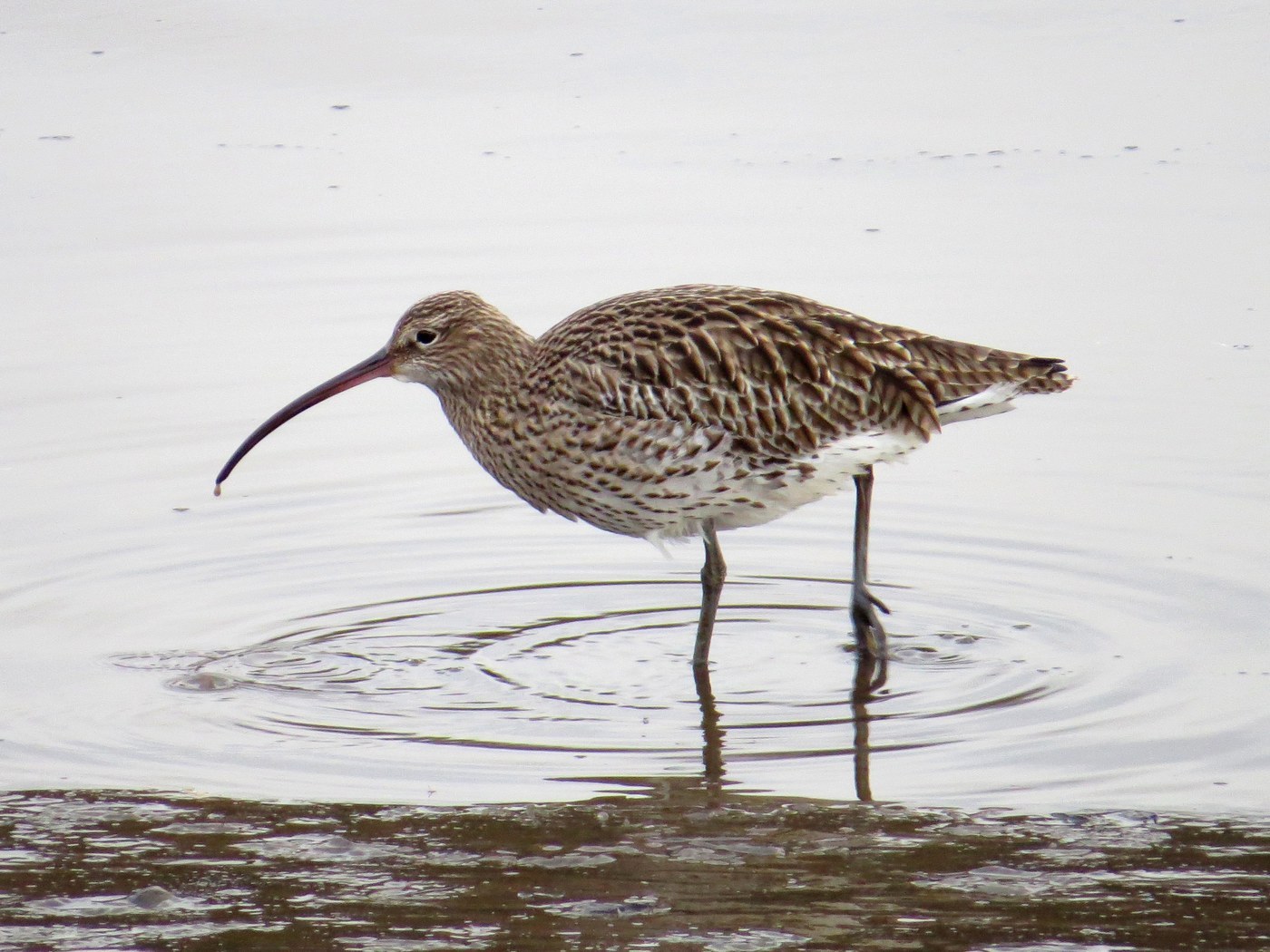
Eurasian Curlew
Body, flight, and tail feathers
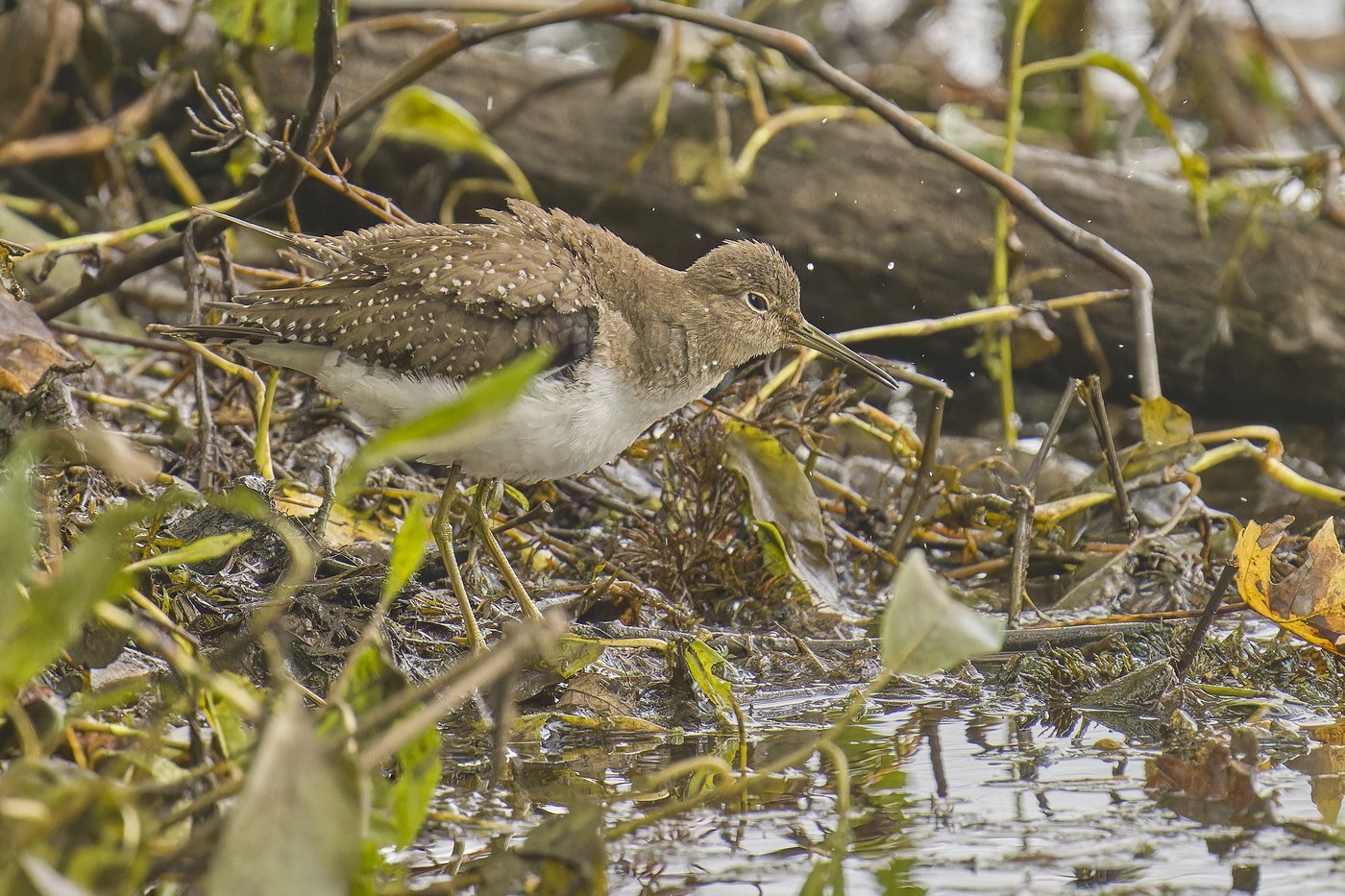
Solitary Sandpiper
Contour and flight feathers

Piping Plover
Small, pale, compact body feathers and short flight feathers typical of a beach-nesting plover