

Willet
Tringa semipalmata
A large, plain-looking shorebird that transforms in flight, revealing a bold black-and-white wing pattern unlike any other North American sandpiper.
- Feather type
- Contour and flight feathers
- Colours
- Plain gray-brown with bold black-and-white flight pattern
- Bird size
- Large sandpiper, ~33-41 cm
Found a feather like this?
Identify any feather from a photo, free.
Overview
Overview
The Willet is a large, sturdy shorebird that appears rather plain gray-brown while standing but becomes strikingly patterned in flight, when a broad white stripe cuts across otherwise black flight feathers. This dramatic wing pattern is one of the most distinctive in-flight field marks among North American shorebirds. Stout, straight bills and blue-gray legs complete its solid, robust profile.
Two subspecies groups, eastern and western, differ subtly in size, coloration, and habitat preference, with eastern birds favoring coastal marshes and western birds more associated with prairie wetlands during breeding.
Identifying the Feather
Feather Identification
- In-flight wing pattern: A bold, broad white band crosses the black primaries and secondaries, creating a striking black-and-white flash unique among large North American sandpipers.
- Folded wing/body: Appears plain grayish-brown with light mottling, showing little of the dramatic pattern visible only when the wings are spread.
- Underparts: Grayish-white, with light barring in breeding plumage that becomes plain gray-white in winter.
- Bill and legs: Bill is straight, thick, and gray-black; legs are bluish-gray, both fairly heavy compared to other Tringa sandpipers.
- Compared to similar species: Its bold black-and-white flight pattern is unmatched by other yellowlegs or redshanks, making the species instantly identifiable in flight despite its otherwise plain resting appearance.
Plumage & Molt
Plumage Notes
Breeding adults show light barring and mottling on the underparts and back, fading to a much plainer, paler gray-brown non-breeding plumage. Eastern subspecies tend to be darker and more heavily marked than western birds, which are paler overall. Sexes look alike. Juveniles resemble non-breeding adults but with buffier fringes on the back and covert feathers.
Habitat & Range
Habitat & Range
Willets breed along Atlantic and Gulf coast salt marshes (eastern populations) and interior prairie wetlands of the western United States and Canada (western populations). They winter along coastlines from the southern United States through Central and South America, favoring beaches, mudflats, and salt marshes.
Behavior & Field Notes
Behavior & Field Notes
This species forages by probing mud and sand for invertebrates, sometimes wading into deeper water to catch small fish or crabs along coastal habitats. It is notably vocal and aggressive near the nest, giving a loud, ringing "pill-will-willet" call that gives the species its name. Nesting occurs on the ground in marsh vegetation or open prairie grassland depending on subspecies.
Frequently asked questions
What do Willet feathers look like?
At rest, feathers appear plain grayish-brown, but the flight feathers reveal a bold black-and-white banded pattern when the wing is spread.
Why is the Willet hard to identify while standing still?
Its resting plumage is fairly plain and unremarkable; the diagnostic black-and-white wing pattern is only visible in flight.
Are eastern and western Willets different in appearance?
Eastern Willets tend to be darker and more richly marked, while western Willets are paler and slightly larger on average, though both share the same dramatic flight pattern.
Where would I find a Willet feather?
Along coastal salt marshes and beaches, or interior prairie wetlands in the western breeding range.
Willet guides
In-depth guides for identifying and understanding Willet.

Other feathers you may enjoy
Southern Lapwing
Body, flight, and tail feathers

Jack Snipe
Body and flight feathers

Far Eastern Curlew
Body, flight, and tail feathers

Terek Sandpiper
Body and flight feathers

Wilson's Phalarope
Body and flight feathers
Long-billed Curlew
Body, flight, and tail feathers

Upland Sandpiper
Body, flight, and tail feathers

Red Phalarope
Body and flight feathers

Eurasian Dotterel
Body feathers
Masked Lapwing
Body, flight, and tail feathers
Eurasian Curlew
Body, flight, and tail feathers
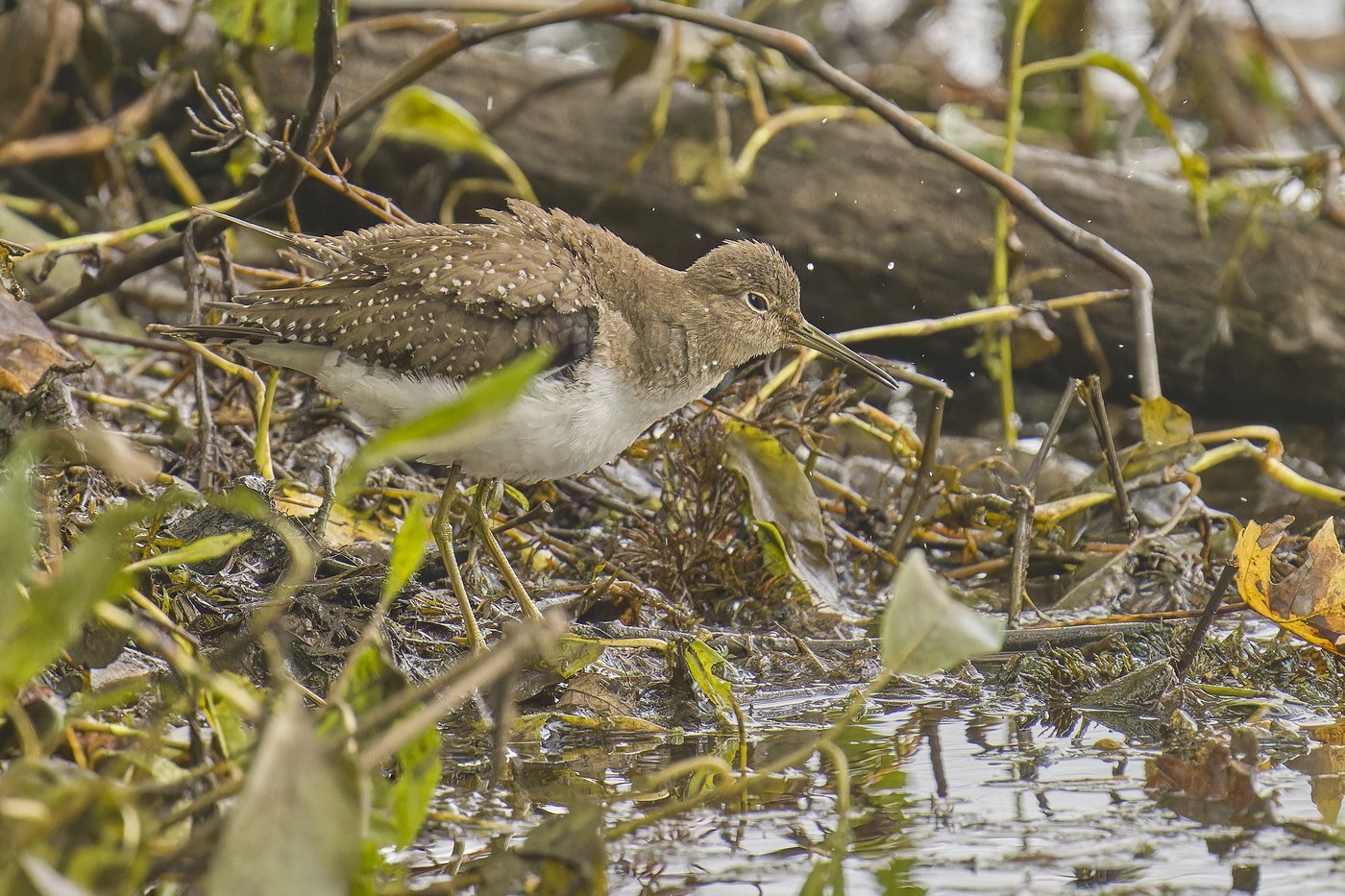
Solitary Sandpiper
Contour and flight feathers