

Stilt Sandpiper
Calidris himantopus
A long-legged, long-billed sandpiper whose breeding-plumage feathers are boldly barred across the underparts, giving it a strikingly different look from the plain grays of its winter attire.
- Feather type
- Small wader contour and flight feathers
- Colours
- Rufous-capped, heavily barred breeding underparts; plain gray-brown nonbreeding plumage
- Bird size
- Sandpiper-sized, ~18-23 cm
Found a feather like this?
Identify any feather from a photo, free.
Overview
Overview
The Stilt Sandpiper combines a long, slightly down-curved bill with unusually long, greenish-yellow legs, giving it a lanky, almost dowitcher-like silhouette among the calidrids. It breeds on subarctic tundra in North America and migrates to wetlands across the southern United States, Central America, and South America.
Feathers are most often found around shallow freshwater or brackish wetlands and flooded agricultural fields used as migratory stopovers.
Identifying the Feather
Feather Identification
- Breeding underparts: densely and evenly barred with dark chevrons across a whitish base, one of the most heavily marked underparts patterns among North American shorebirds.
- Head: a rufous cap and cheek patch contrasts with a white supercilium in breeding plumage.
- Nonbreeding feathers: plain gray-brown above and white below with a distinct pale eyebrow stripe, much duller than breeding plumage.
- Wing and rump: a narrow white wingbar and a whitish rump/uppertail patch, useful in flight.
- Versus dowitchers: Stilt Sandpiper feathers are more slender and the bill only gently curved rather than long and straight like a dowitcher's; barring pattern on breeding underparts is also more chevron-like than the dowitcher's finer spotting.
Plumage & Molt
Plumage Notes
Breeding adults show a rufous crown and ear patch, a white supercilium, and dense dark barring across the entire underside, a pattern shared by both sexes. Nonbreeding adults lose the rufous head markings and barred underparts entirely, becoming plain gray-brown above and white below with a clear pale eyebrow.
Juveniles show neatly scaled upperpart feathers with buff fringes and a plain whitish underside, lacking the adult's barring. Adults molt into nonbreeding plumage largely after migration, while juveniles gradually acquire first-winter plumage on the wintering grounds.
Habitat & Range
Habitat & Range
Stilt Sandpipers breed on wet, hummocky tundra in the central Canadian and Alaskan Arctic. During migration they favor shallow freshwater wetlands, flooded fields, and managed impoundments across the interior United States, wintering from the Gulf Coast and Caribbean south through Central America into South America.
Behavior & Field Notes
Behavior & Field Notes
Stilt Sandpipers feed with a distinctive, rapid, sewing-machine-like probing action in shallow water, often submerging the bill and part of the head, a behavior that helps distinguish live birds from dowitchers even at a distance. They frequently wade belly-deep, taking advantage of their long legs.
Nests are shallow tundra scrapes lined with lichen and leaves. The flight call is a soft, low "querp." Because migratory stopovers often concentrate large numbers at shared wetlands, feathers can turn up alongside those of dowitchers and other calidrids at the same site.
Frequently asked questions
What is the most distinctive feather feature of a breeding Stilt Sandpiper?
Dense, dark chevron-shaped barring covering the entire underparts, paired with a rufous cap and cheek patch.
How do Stilt Sandpiper feathers differ from dowitcher feathers?
Stilt Sandpiper feathers are more slender overall and show coarser chevron barring in breeding plumage, whereas dowitchers show finer spotting and a longer, straighter bill shape.
What does a nonbreeding Stilt Sandpiper feather look like?
Plain gray-brown above and white below, without the rufous head markings or bold barring of breeding plumage.
Where are Stilt Sandpiper feathers commonly found?
Around shallow freshwater wetlands, flooded fields, and managed impoundments used as migratory stopovers.
Do juveniles look like breeding adults?
No, juveniles show scaled, buff-fringed upperparts and a plain underside, lacking the adult's heavy barring.
Stilt Sandpiper guides
In-depth guides for identifying and understanding Stilt Sandpiper.

Other feathers you may enjoy
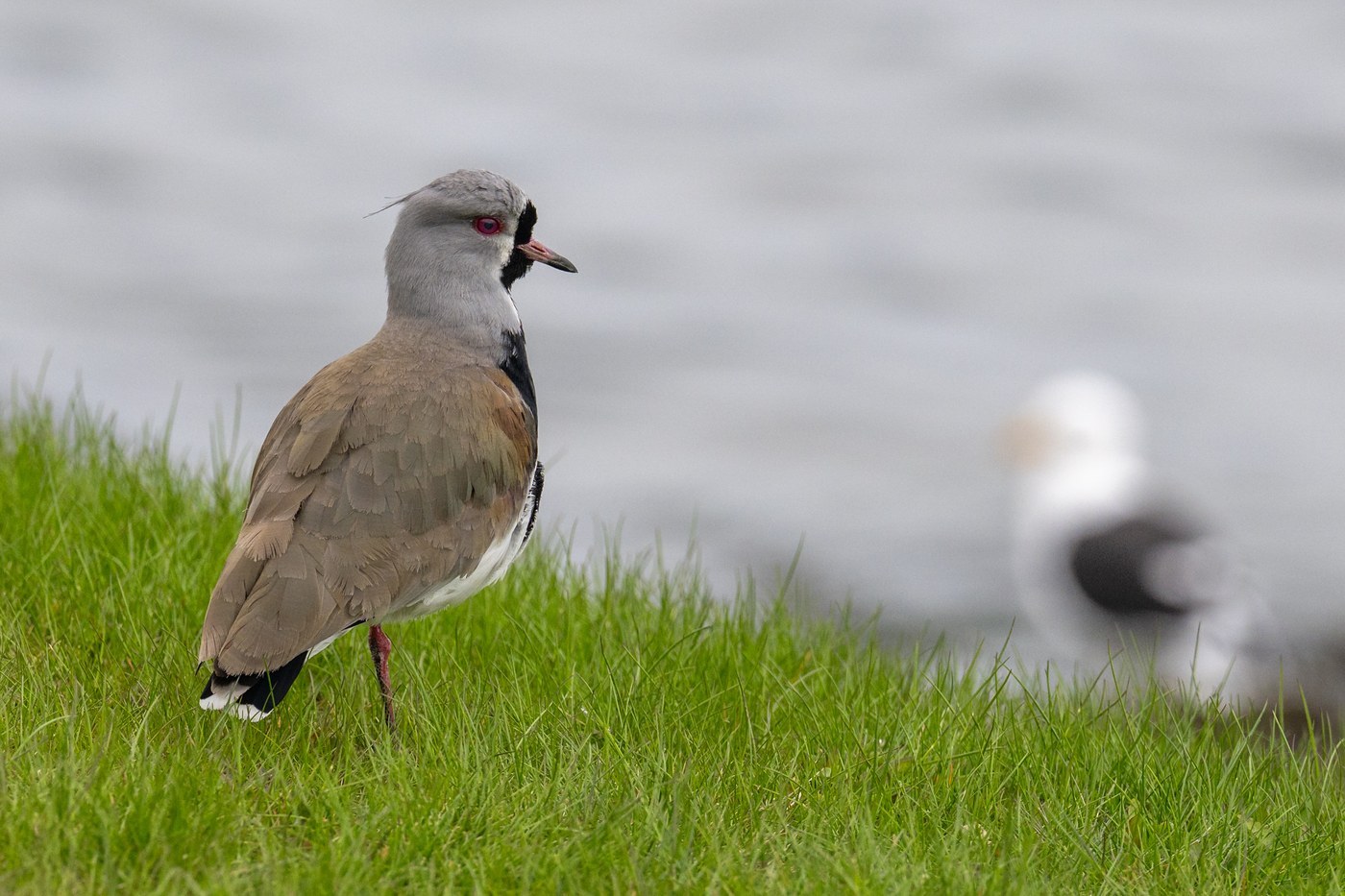
Southern Lapwing
Body, flight, and tail feathers

Jack Snipe
Body and flight feathers

Far Eastern Curlew
Body, flight, and tail feathers

Terek Sandpiper
Body and flight feathers

Wilson's Phalarope
Body and flight feathers
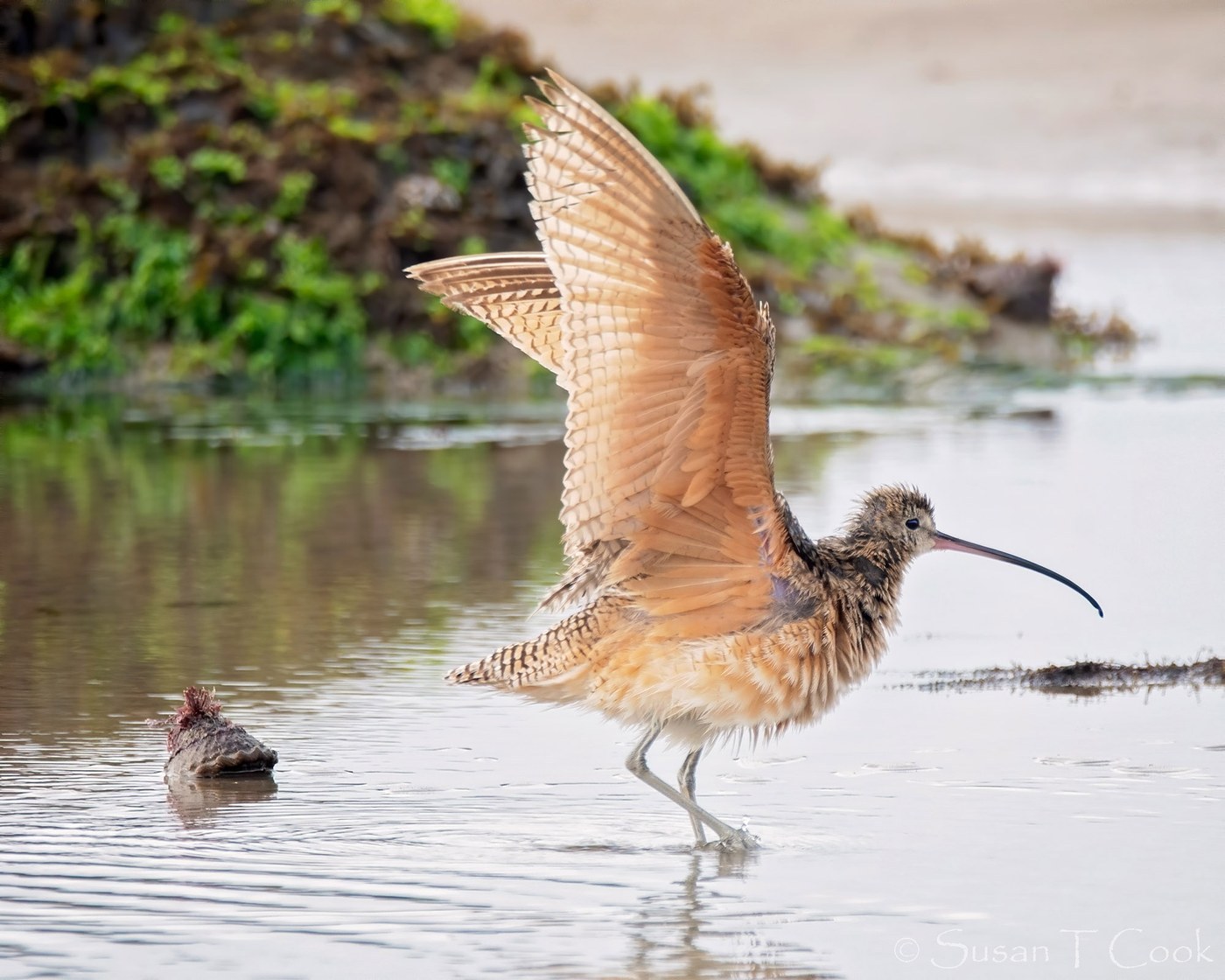
Long-billed Curlew
Body, flight, and tail feathers

Upland Sandpiper
Body, flight, and tail feathers

Red Phalarope
Body and flight feathers

Eurasian Dotterel
Body feathers
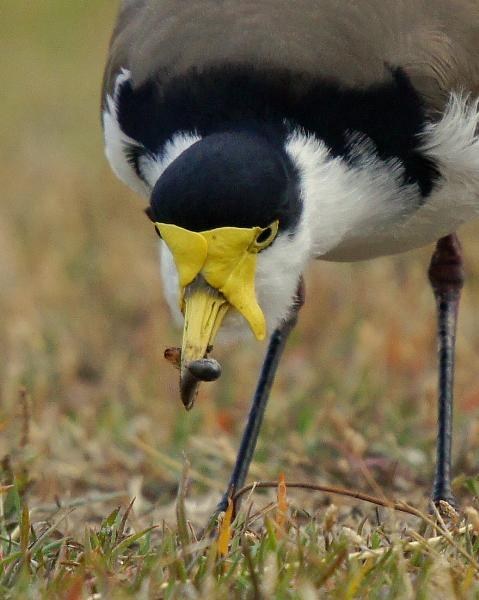
Masked Lapwing
Body, flight, and tail feathers
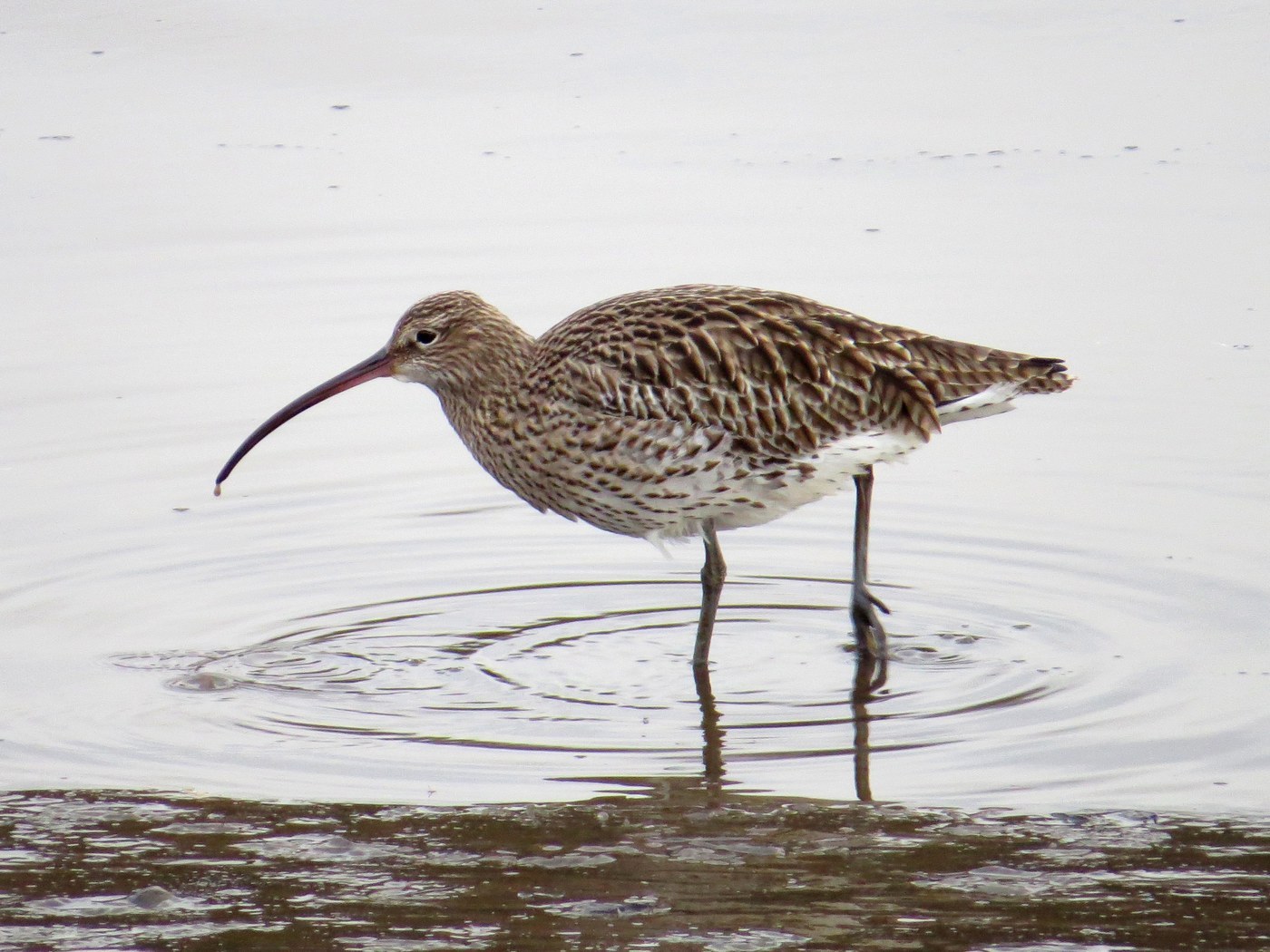
Eurasian Curlew
Body, flight, and tail feathers
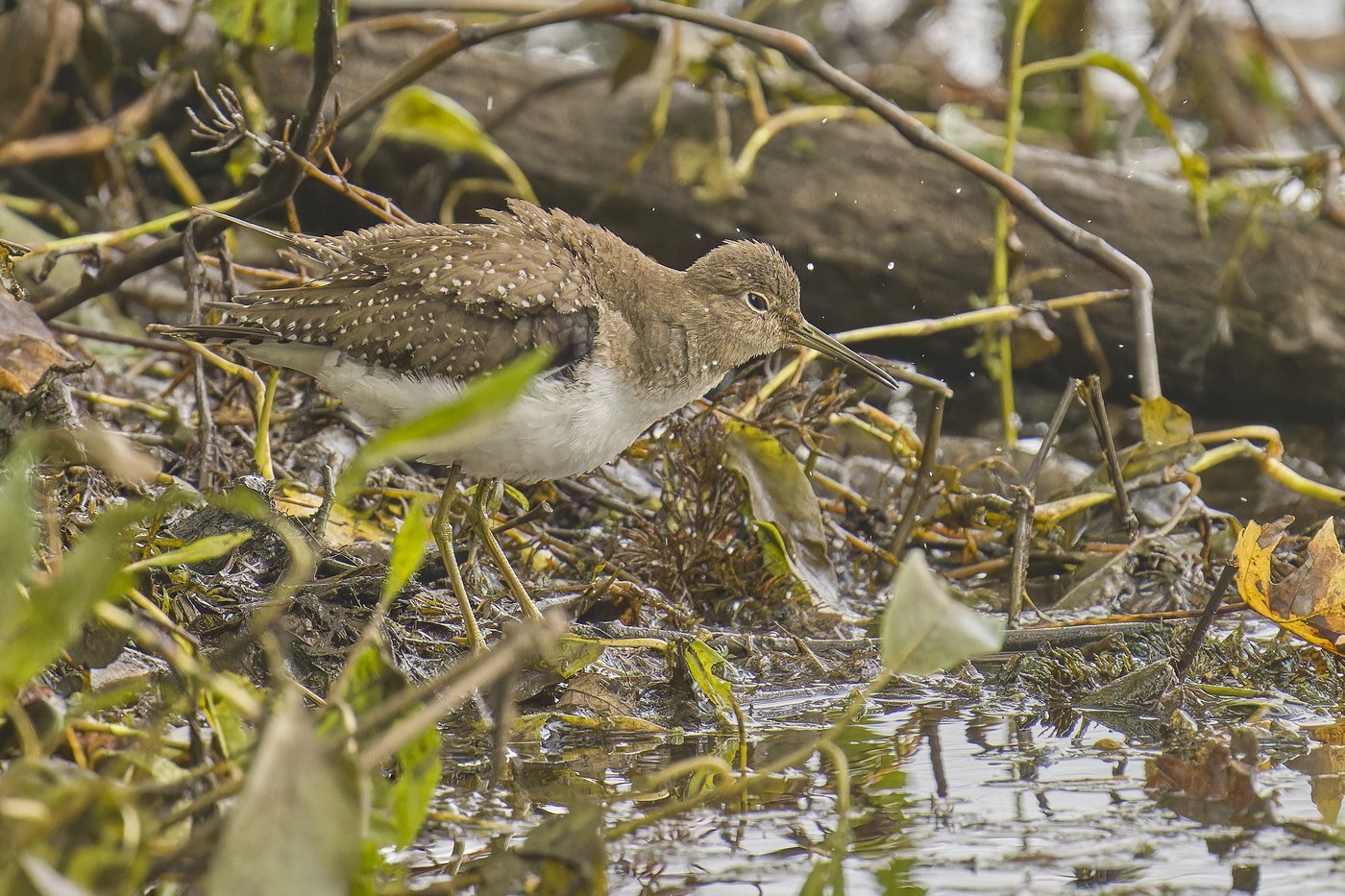
Solitary Sandpiper
Contour and flight feathers