

Terek Sandpiper
Xenus cinereus
A distinctive sandpiper with a long, strongly upturned bill and short orange-yellow legs, the Terek Sandpiper shows plain pale gray-brown feathers with a dark scapular streak and an animated feeding style.
- Feather type
- Body and flight feathers
- Colours
- Pale gray-brown upperparts, white underparts, dark shoulder streak
- Bird size
- Small-medium shorebird, ~22-25 cm
Found a feather like this?
Identify any feather from a photo, free.
Overview
The Terek Sandpiper is a distinctively shaped shorebird named for the Terek River in its Russian breeding range, easily recognized by its long, upturned bill and short bright orange-yellow legs. Its plumage is comparatively plain, but its energetic, dashing feeding behavior on mudflats makes it a memorable species to observe across its wide Old World range.
Identifying the Feather
Upperpart feathers are plain pale gray-brown with limited dark barring, notably less patterned than many other sandpipers, giving a smooth, unmarked appearance overall. A distinctive dark blackish streak runs along the scapular feathers on each side of the back, forming a pair of dark lines visible on standing birds and identifiable on shed scapular feathers. Underparts feathers are white with a light gray wash on the breast sides. Flight feathers are dark gray-brown with a white trailing edge on the secondaries, visible in flight as a pale wing bar. The bill is notably long and distinctly upturned, a shape unique among similarly sized sandpipers and a strong clue even from bill fragments.
Plumage & Molt
Sexes are alike in plumage. Juveniles show slightly buffier fringing on the wing covert feathers compared to the plainer gray tone of adults, but overall pattern is similar. Breeding adults show only subtly darker scapular streaks compared to nonbreeding birds; the species lacks a dramatic seasonal plumage change compared to many other shorebirds. A complete molt occurs after breeding, with flight feathers typically replaced on nonbreeding mudflat grounds.
Habitat & Range
Breeds along wooded river valleys, floodplains, and marshy meadows across a broad swath of northern Europe and Asia, particularly Russia. It is a long-distance migrant, wintering on tidal mudflats, estuaries, and mangrove coasts across Africa, the Middle East, South and Southeast Asia, and Australasia, favoring soft intertidal substrates rich in invertebrates.
Behavior & Field Notes
Terek Sandpipers forage with a distinctive fast, darting run-and-peck style, chasing small crustaceans and other invertebrates across mudflats, often more animated than other sandpipers foraging nearby. Nests are shallow ground scrapes near water in wooded or shrubby river valley habitat, with both parents sharing incubation. Its call is a fluty, rippling whistle, often given in flight. It has a broad breeding and wintering range across the Old World.
Frequently asked questions
What feather feature helps identify a Terek Sandpiper?
Look for a dark blackish streak along the scapular feathers on the back, combined with plain pale gray-brown upperparts lacking heavy barring, and a distinctly long, upturned bill shape.
How does the Terek Sandpiper forage differently from other shorebirds?
It uses a fast, darting run-and-chase style to pursue small invertebrates across mudflats, more animated and hurried than the steadier probing of many other sandpipers.
Where does the Terek Sandpiper breed?
It breeds along wooded river valleys and floodplains across northern Europe and Asia, particularly in Russia, before migrating to Old World coastal wintering grounds.
What color are a Terek Sandpiper's legs?
Its legs are short and bright orange-yellow, a distinctive feature that contrasts with its otherwise plain gray-brown plumage.
Terek Sandpiper guides
In-depth guides for identifying and understanding Terek Sandpiper.

Other feathers you may enjoy
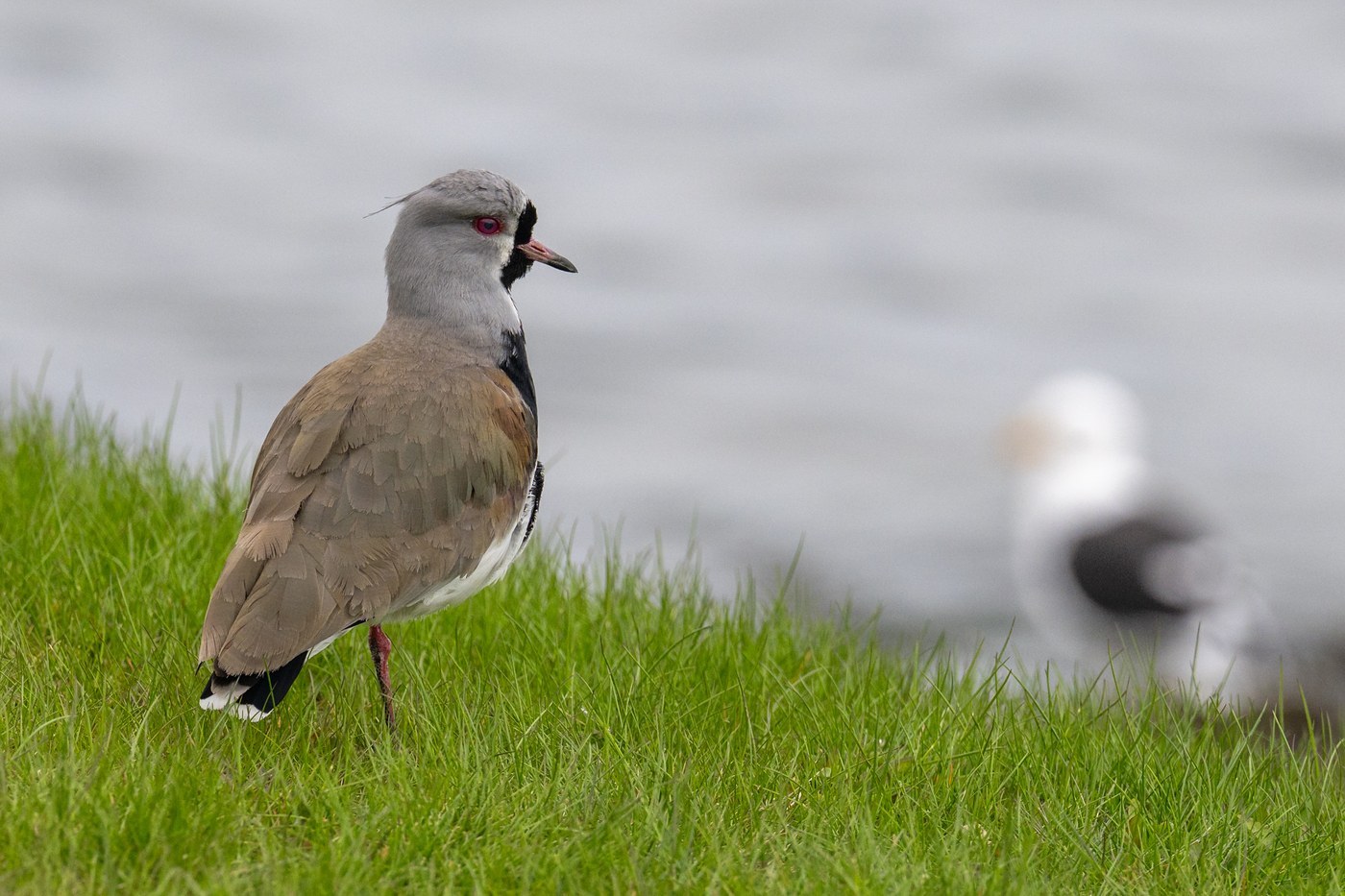
Southern Lapwing
Body, flight, and tail feathers

Jack Snipe
Body and flight feathers

Far Eastern Curlew
Body, flight, and tail feathers

Wilson's Phalarope
Body and flight feathers
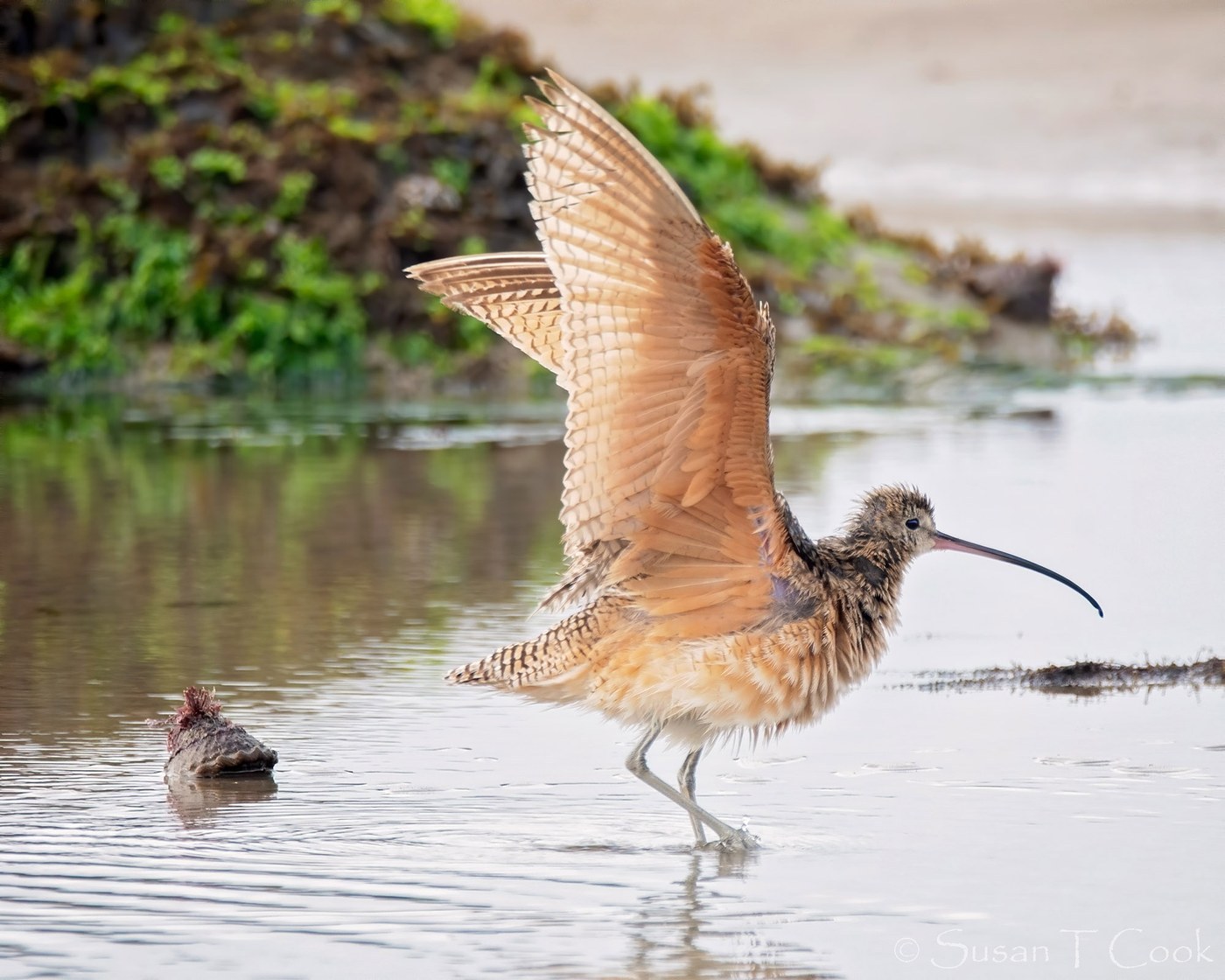
Long-billed Curlew
Body, flight, and tail feathers

Upland Sandpiper
Body, flight, and tail feathers

Red Phalarope
Body and flight feathers

Eurasian Dotterel
Body feathers
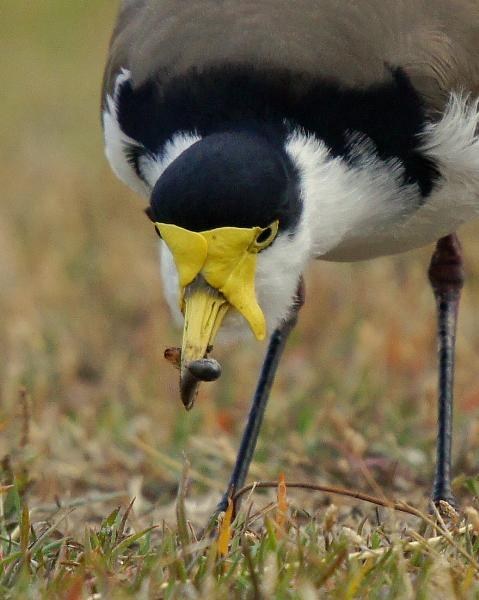
Masked Lapwing
Body, flight, and tail feathers
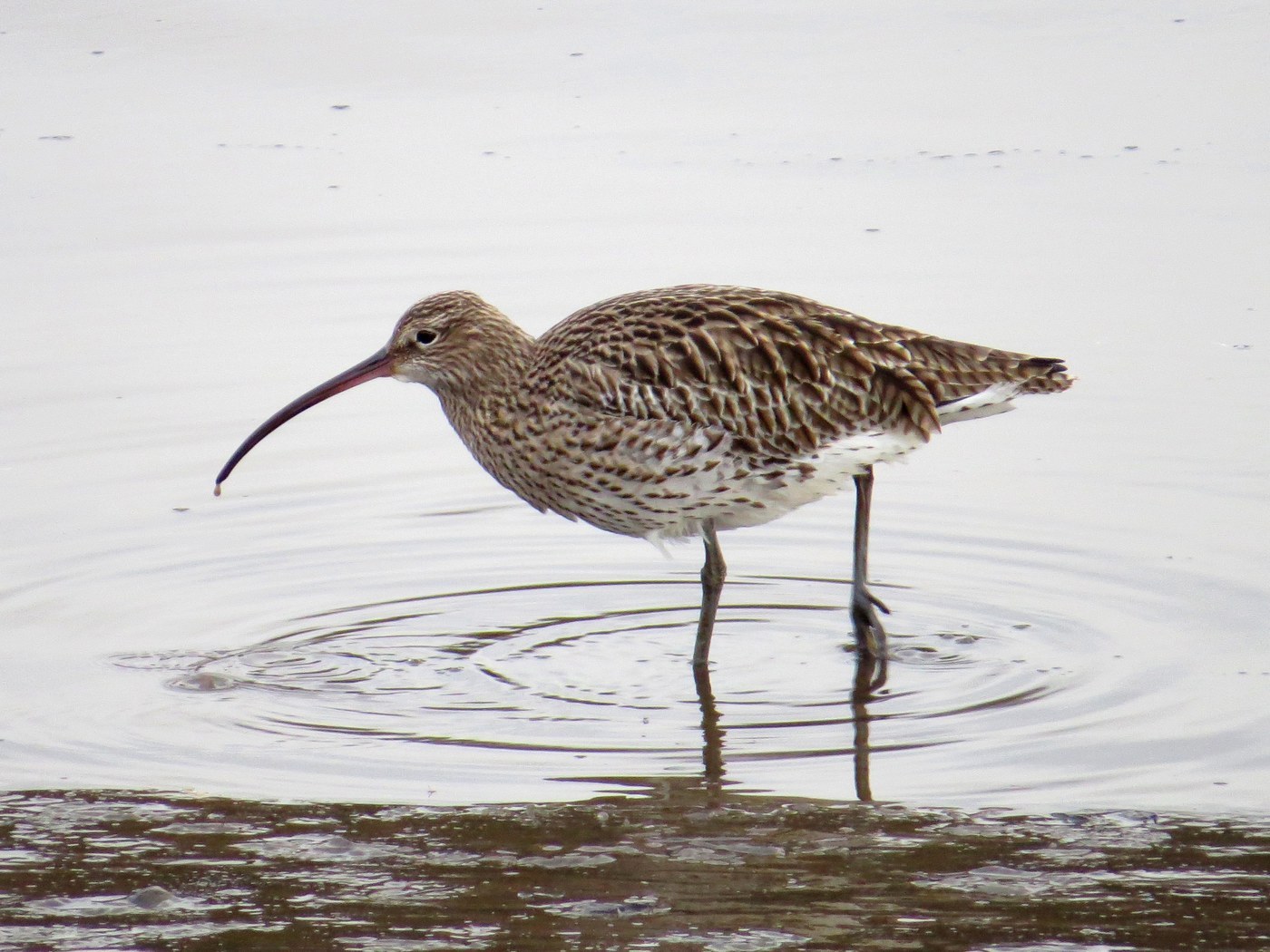
Eurasian Curlew
Body, flight, and tail feathers
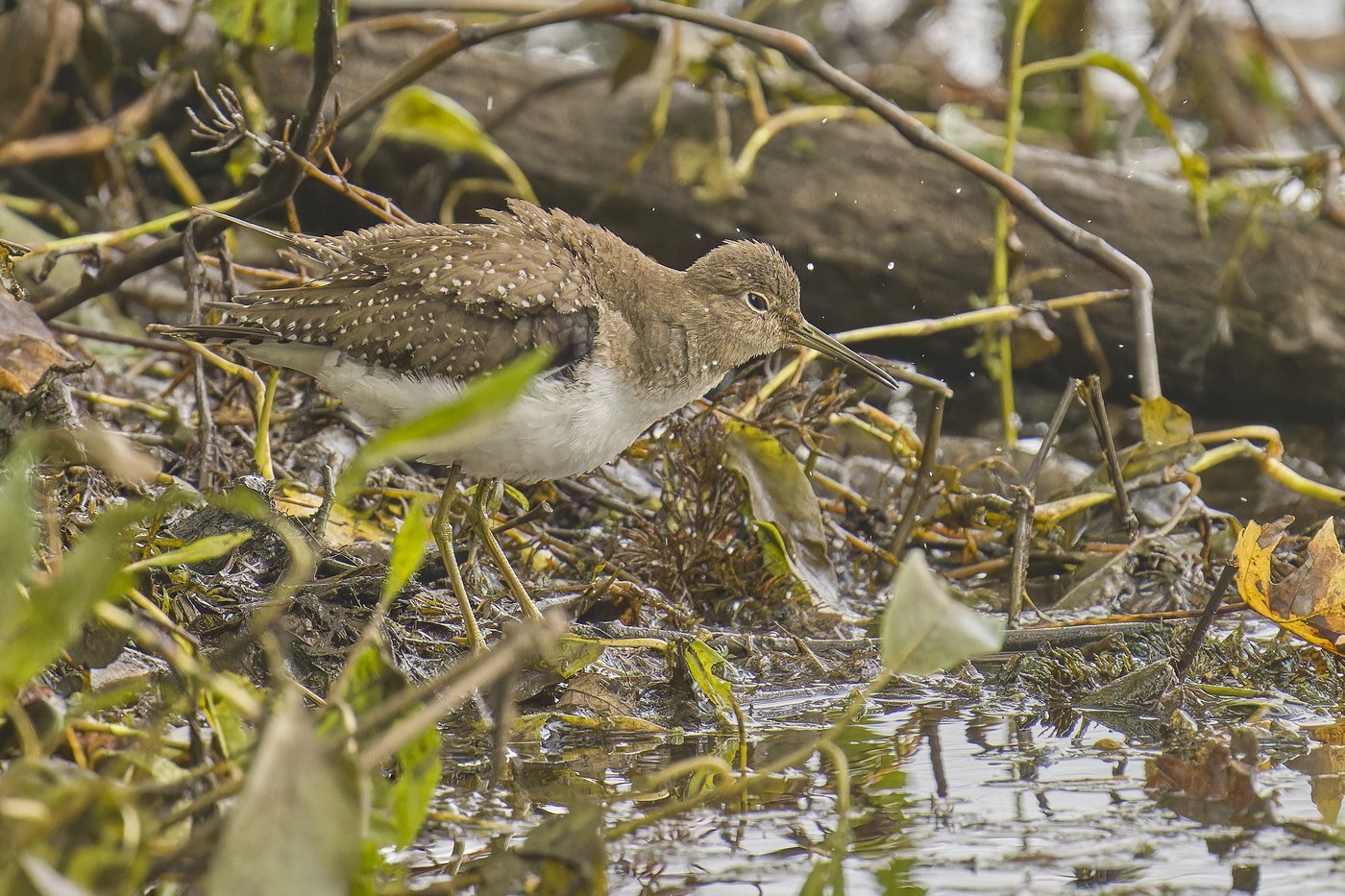
Solitary Sandpiper
Contour and flight feathers

Piping Plover
Small, pale, compact body feathers and short flight feathers typical of a beach-nesting plover