
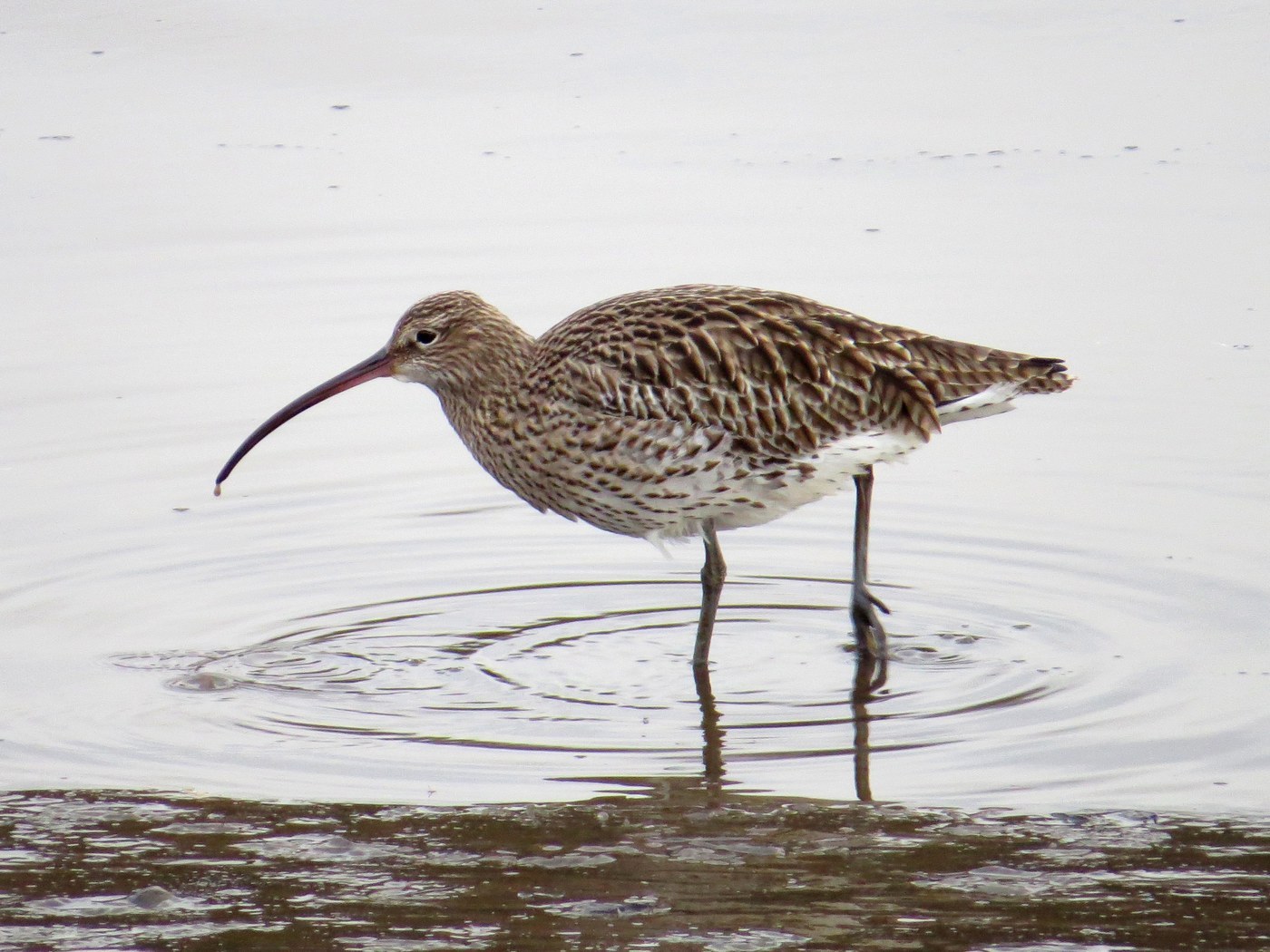
Eurasian Curlew
Numenius arquata
Europe and Asia's largest curlew, with a long downcurved bill and streaky grayish-brown plumage, best known for its evocative bubbling call across moorlands and mudflats.
- Feather type
- Body, flight, and tail feathers
- Colours
- Grayish-brown with dark streaking, whitish rump and underparts
- Bird size
- Large shorebird, ~50-60 cm
Found a feather like this?
Identify any feather from a photo, free.
Overview
The Eurasian Curlew is the largest wading bird in the curlew family found across Europe and Asia, breeding on moorland, bogs, and wet grasslands before moving to coastal estuaries and mudflats for winter. Its long, downcurved bill and mournful, rising coor-li call have made it a culturally significant bird across much of its breeding range, though populations have declined in many farmed lowland areas.
Identifying the Feather
Feathers are grayish-brown with heavy dark brown streaking on the upperparts, giving a streaked rather than barred appearance compared to the more mottled Long-billed Curlew. The rump and lower back show pale, whitish feathers forming a conspicuous pale wedge visible in flight, a key field mark not shared by American curlews. Underparts and underwing feathers are whitish with fine dark streaks, cooler and paler than the buffy tones of Long-billed Curlew or Whimbrel. Flight feathers are dark brown with narrow pale fringes. Crown feathers lack the bold striped pattern of Whimbrel, showing instead diffuse streaking.
Plumage & Molt
Sexes appear similar, though females average larger with longer bills. Juveniles show buffier overall tone with finer streaking and shorter bills that lengthen with maturity. Seasonal variation is limited, with breeding and nonbreeding plumages differing only subtly in freshness of feather edges. The complete post-breeding molt occurs mainly on estuarine wintering grounds, with flight feathers replaced over a protracted period from late summer into winter.
Habitat & Range
Breeds across a broad swath of temperate Europe and Asia, favoring upland moorland, bogs, wet meadows, and rough pasture. Outside the breeding season it moves to coastal habitats including estuaries, mudflats, salt marshes, and occasionally inland wetlands, with major wintering concentrations along the coasts of western Europe, the Mediterranean, and parts of Africa and Asia. Populations are largely migratory, though some in milder maritime climates are more sedentary.
Behavior & Field Notes
Eurasian Curlews probe mud and soft soil for invertebrates such as worms and crustaceans, using their long curved bill to reach prey buried well below the surface, and also take surface insects on breeding grounds. Nests are shallow scrapes in low vegetation, well concealed on moorland or grassland, with both parents sharing incubation and chick defense. The species is known for its evocative, bubbling display call and rising coor-li contact call, often heard well before the bird is seen. Populations have declined due to habitat changes in parts of its breeding range.
Frequently asked questions
What is the best field mark for identifying a Eurasian Curlew feather?
Its rump and lower back feathers are notably pale and whitish, forming a conspicuous pale wedge that contrasts with the streaked brown upperparts, a feature not shared by American curlew species.
How is a Eurasian Curlew feather different from a Whimbrel feather?
Eurasian Curlew feathers show diffuse streaking on the crown rather than Whimbrel's bold striped head pattern, and the overall plumage is paler and cooler-toned.
Where does the Eurasian Curlew breed?
It breeds across moorland, bogs, and wet grassland in temperate Europe and Asia, moving to coastal estuaries and mudflats for winter.
Eurasian Curlew guides
In-depth guides for identifying and understanding Eurasian Curlew.
Eurasian Curlew identified by the community
Real feathers identified with Feather Identifier.


Other feathers you may enjoy
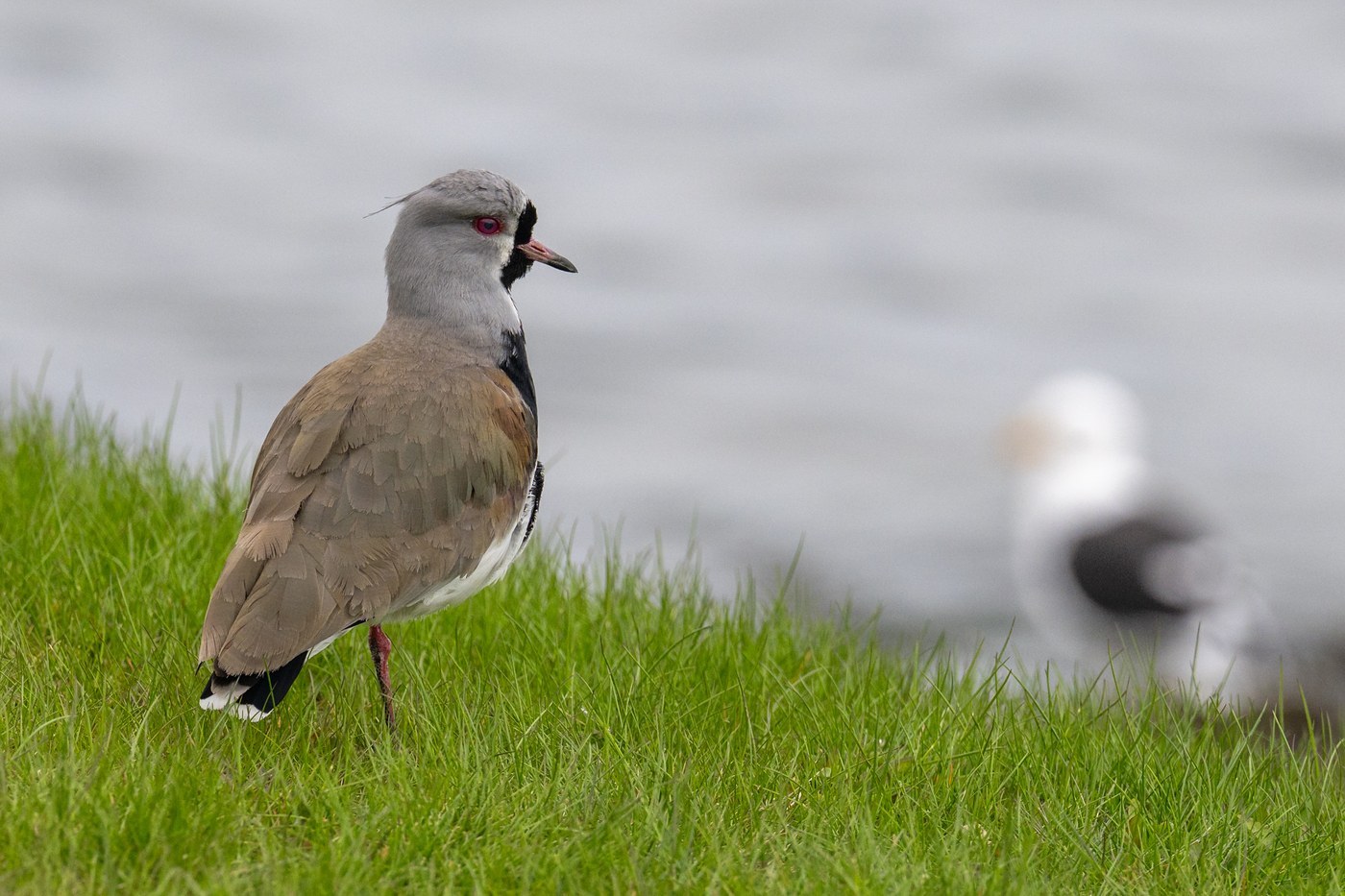
Southern Lapwing
Body, flight, and tail feathers

Jack Snipe
Body and flight feathers

Far Eastern Curlew
Body, flight, and tail feathers

Terek Sandpiper
Body and flight feathers

Wilson's Phalarope
Body and flight feathers
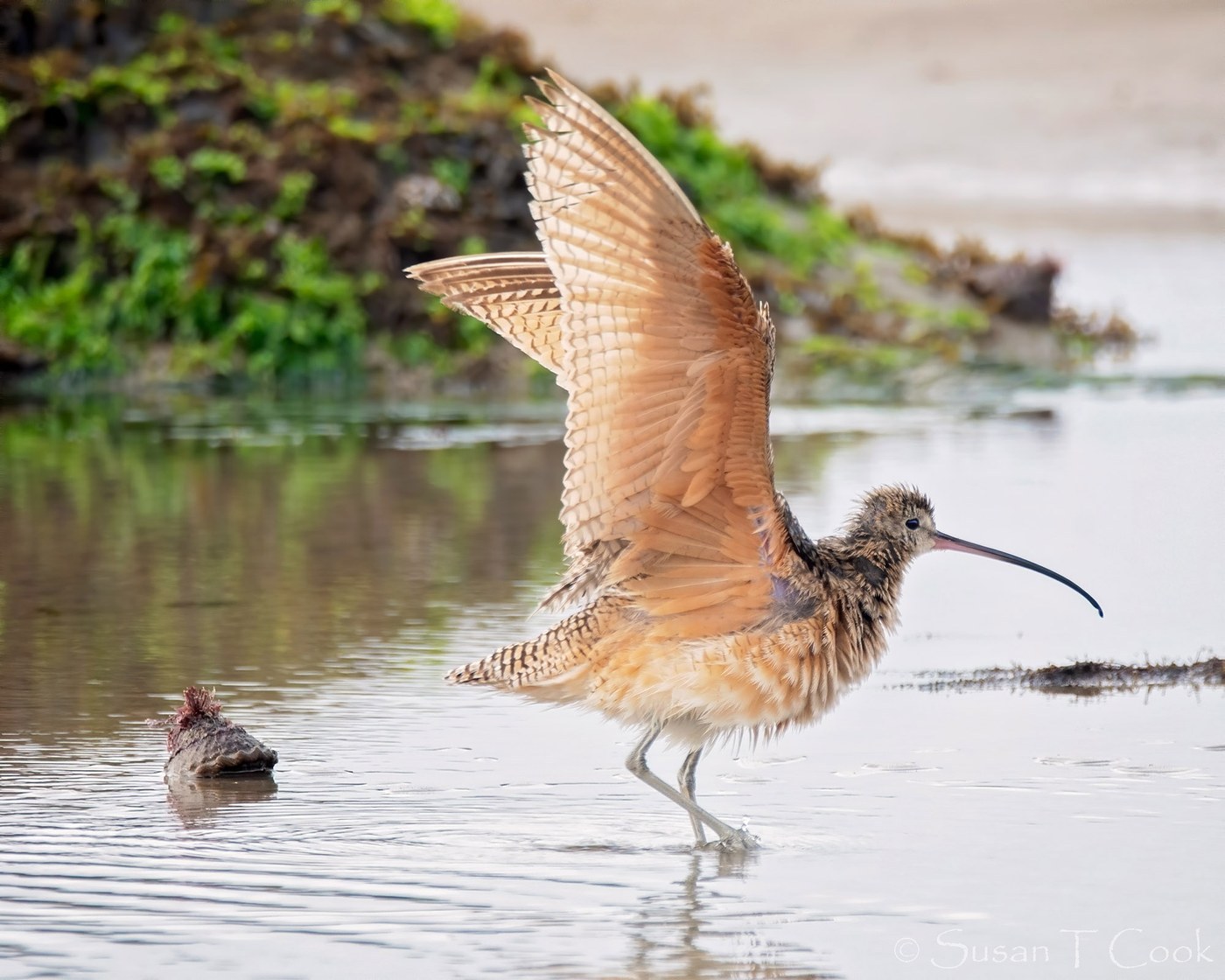
Long-billed Curlew
Body, flight, and tail feathers

Upland Sandpiper
Body, flight, and tail feathers

Red Phalarope
Body and flight feathers

Eurasian Dotterel
Body feathers
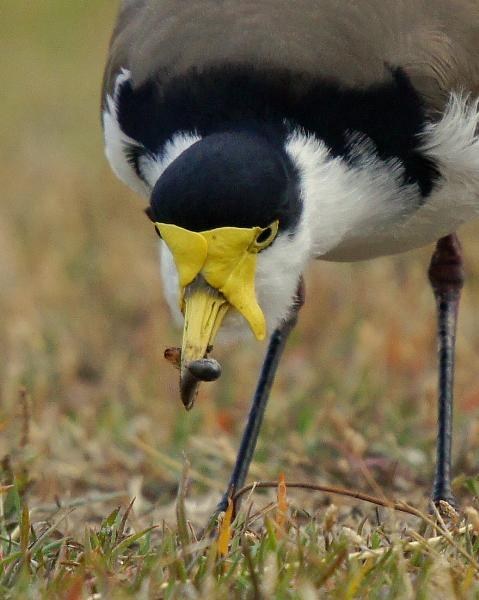
Masked Lapwing
Body, flight, and tail feathers
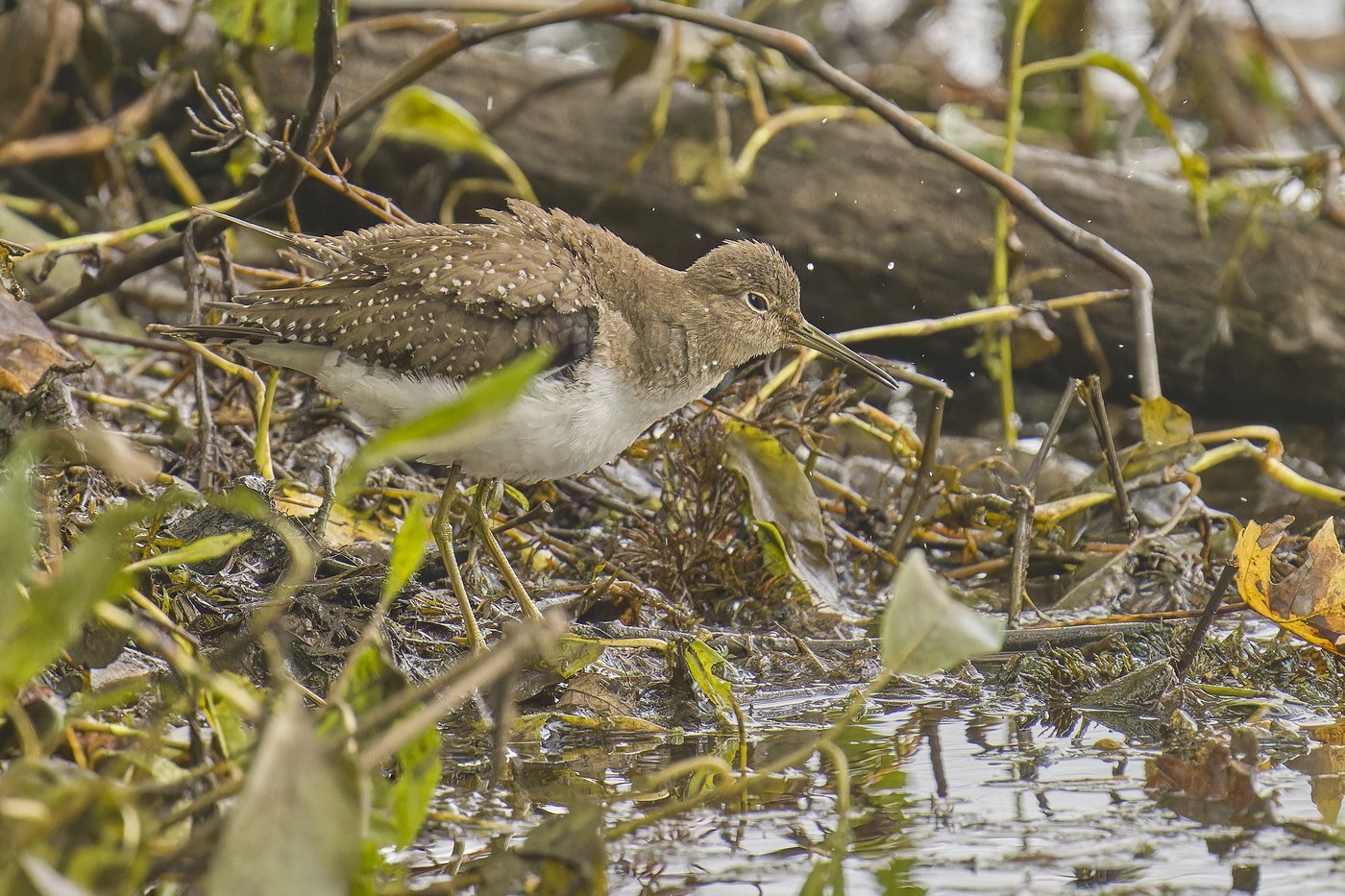
Solitary Sandpiper
Contour and flight feathers

Piping Plover
Small, pale, compact body feathers and short flight feathers typical of a beach-nesting plover