
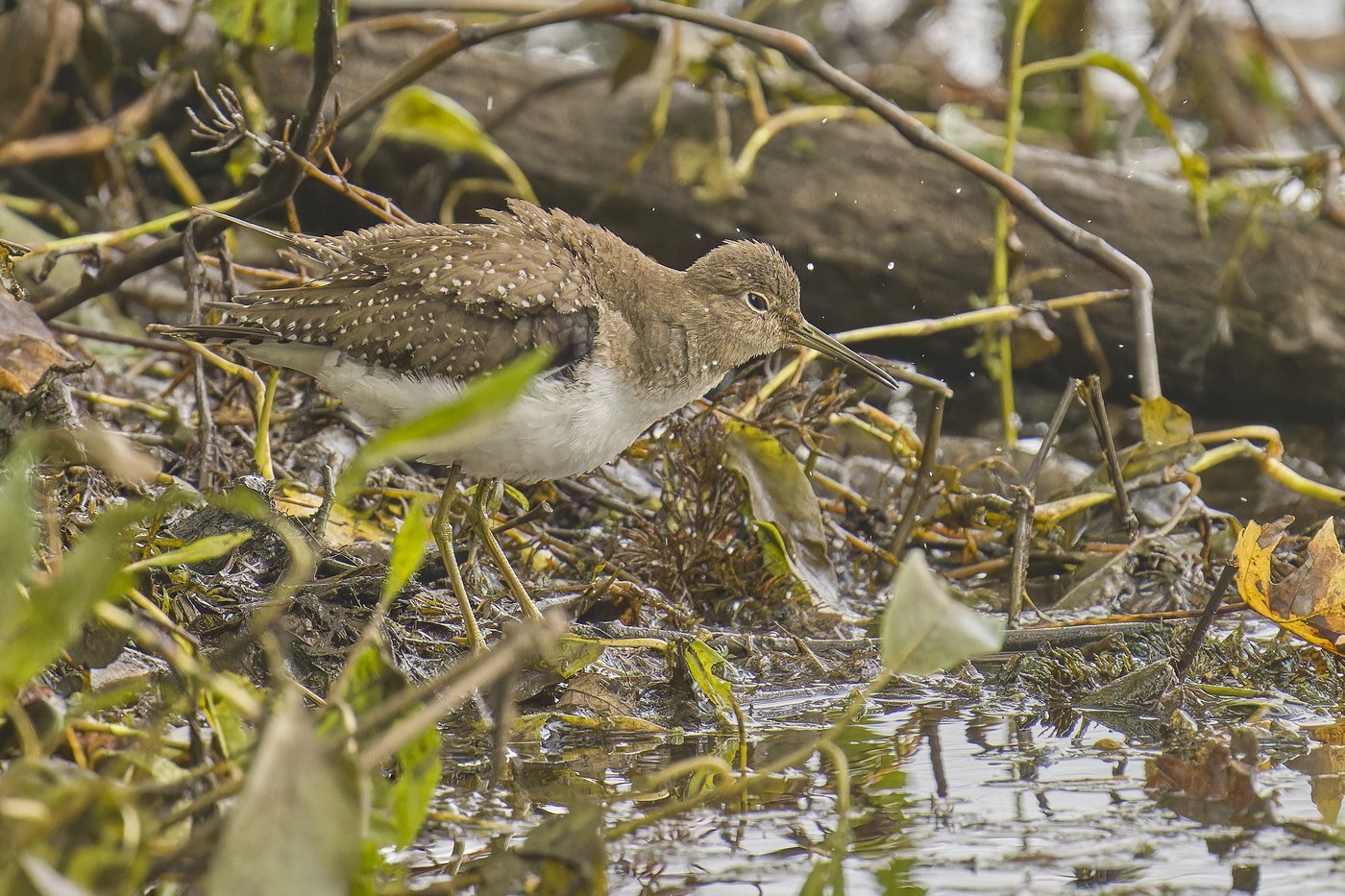
Solitary Sandpiper
Tringa solitaria
A dark, finely speckled sandpiper with a bold white eye-ring, often seen alone at small freshwater pools rather than in flocks.
- Feather type
- Contour and flight feathers
- Colours
- Dark olive-brown with fine white spotting
- Bird size
- Small to medium sandpiper, ~19-23 cm
Found a feather like this?
Identify any feather from a photo, free.
Overview
Overview
The Solitary Sandpiper is a slim, dark-backed shorebird that, true to its name, is usually encountered singly rather than in flocks. Its dark olive-brown upperparts are finely speckled with white, and a bold white eye-ring gives the face a distinctive alert expression. In flight, its blackish underwing and boldly barred outer tail feathers are useful identification points.
It favors small, secluded freshwater habitats such as wooded ponds and ditches, differing from many sandpipers that prefer open mudflats.
Identifying the Feather
Feather Identification
- Upperparts: Dark olive-brown to blackish-brown feathers finely edged and spotted with white, giving a speckled rather than barred appearance.
- Underwing: Distinctly dark, almost blackish, visible in flight and a key difference from the paler underwing of the similarly sized Spotted Sandpiper.
- Tail: Central tail feathers are dark, while outer tail feathers show bold black-and-white barring, conspicuous when the tail is spread.
- Face: A bold, complete white eye-ring stands out against the dark head, a useful close-range feature.
- Compared to similar species: The combination of a dark, finely spotted back, blackish underwing, and barred outer tail separates it from the more heavily patterned Wood Sandpiper and the paler Green Sandpiper.
Plumage & Molt
Plumage Notes
Breeding adults show crisper white spotting on the upperparts compared to slightly duller non-breeding birds, which appear more uniformly dark above. Sexes are alike in plumage. Juveniles show buffier spotting on the back and wing coverts, a pattern that is refined through the first molt into adult-like plumage.
Habitat & Range
Habitat & Range
Solitary Sandpipers breed in boreal forest habitats across Canada and Alaska, notably nesting in old songbird nests in trees rather than on the ground, an unusual trait among shorebirds. They migrate through the rest of North America to wintering grounds in Central and South America, favoring small, often wooded freshwater pools, ditches, and pond edges rather than open coastal mudflats.
Behavior & Field Notes
Behavior & Field Notes
This species forages by walking deliberately along muddy edges, picking and probing for aquatic insects and other small invertebrates, sometimes wading into shallow water. It bobs its head and tail gently, though less vigorously than the Spotted Sandpiper. Its flight call is a sharp, high-pitched "peet-weet-weet," and its habit of nesting in trees is one of the more unusual traits among North American shorebirds.
Frequently asked questions
What do Solitary Sandpiper feathers look like?
Dark olive-brown to blackish upperpart feathers finely spotted with white, paired with a dark underwing and boldly barred outer tail feathers.
How can I recognize a Solitary Sandpiper by its tail feathers?
Its outer tail feathers show bold black-and-white barring, contrasting with dark, unbarred central tail feathers.
Why is the underwing color important for identifying this species?
The blackish underwing helps distinguish it in flight from species like the Spotted Sandpiper, which has a paler underwing.
Where would I find a Solitary Sandpiper feather?
Near small freshwater pools, ditches, or wooded pond edges, especially during migration through North America.
Solitary Sandpiper guides
In-depth guides for identifying and understanding Solitary Sandpiper.

Other feathers you may enjoy
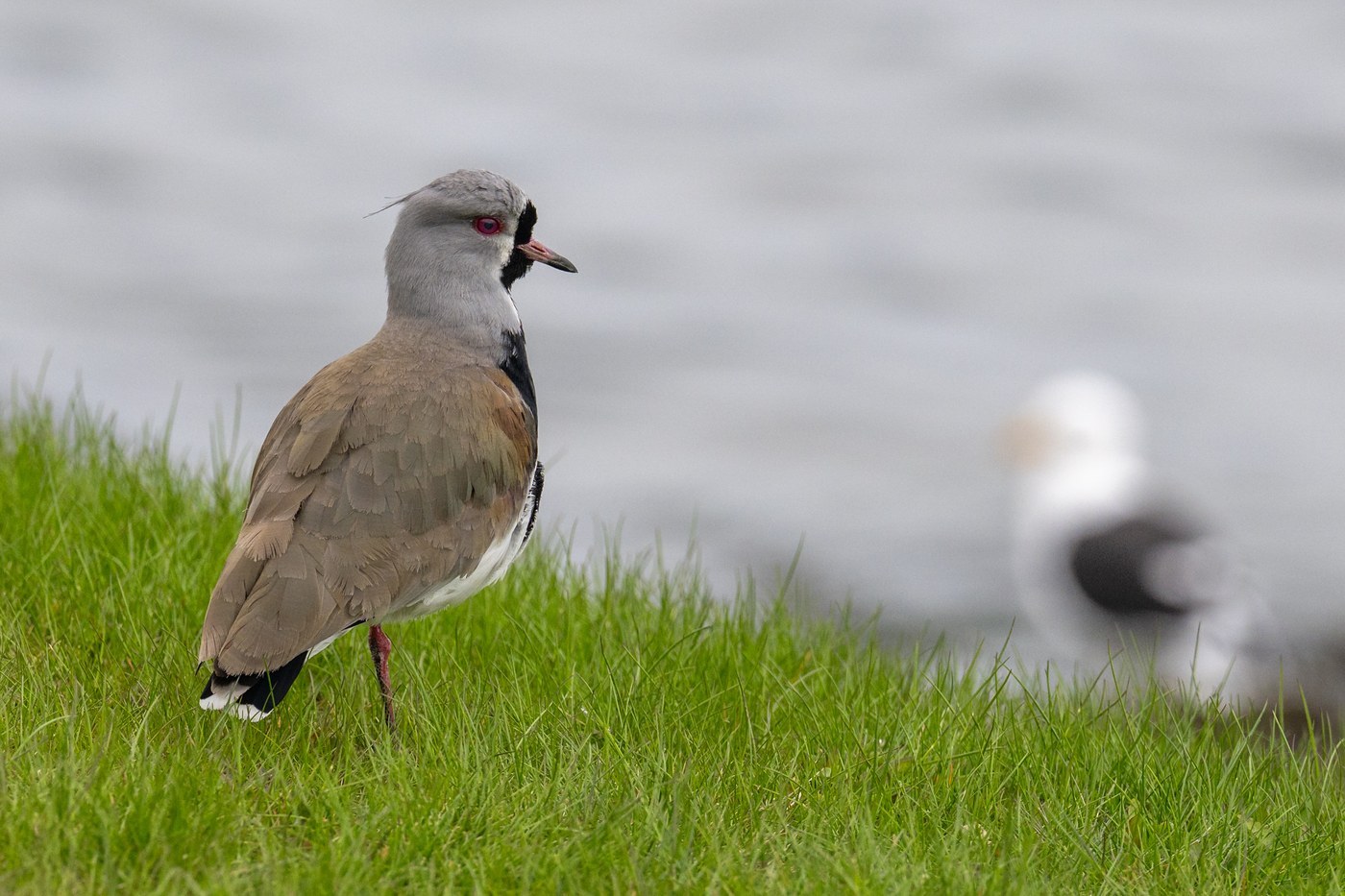
Southern Lapwing
Body, flight, and tail feathers

Jack Snipe
Body and flight feathers

Far Eastern Curlew
Body, flight, and tail feathers

Terek Sandpiper
Body and flight feathers

Wilson's Phalarope
Body and flight feathers
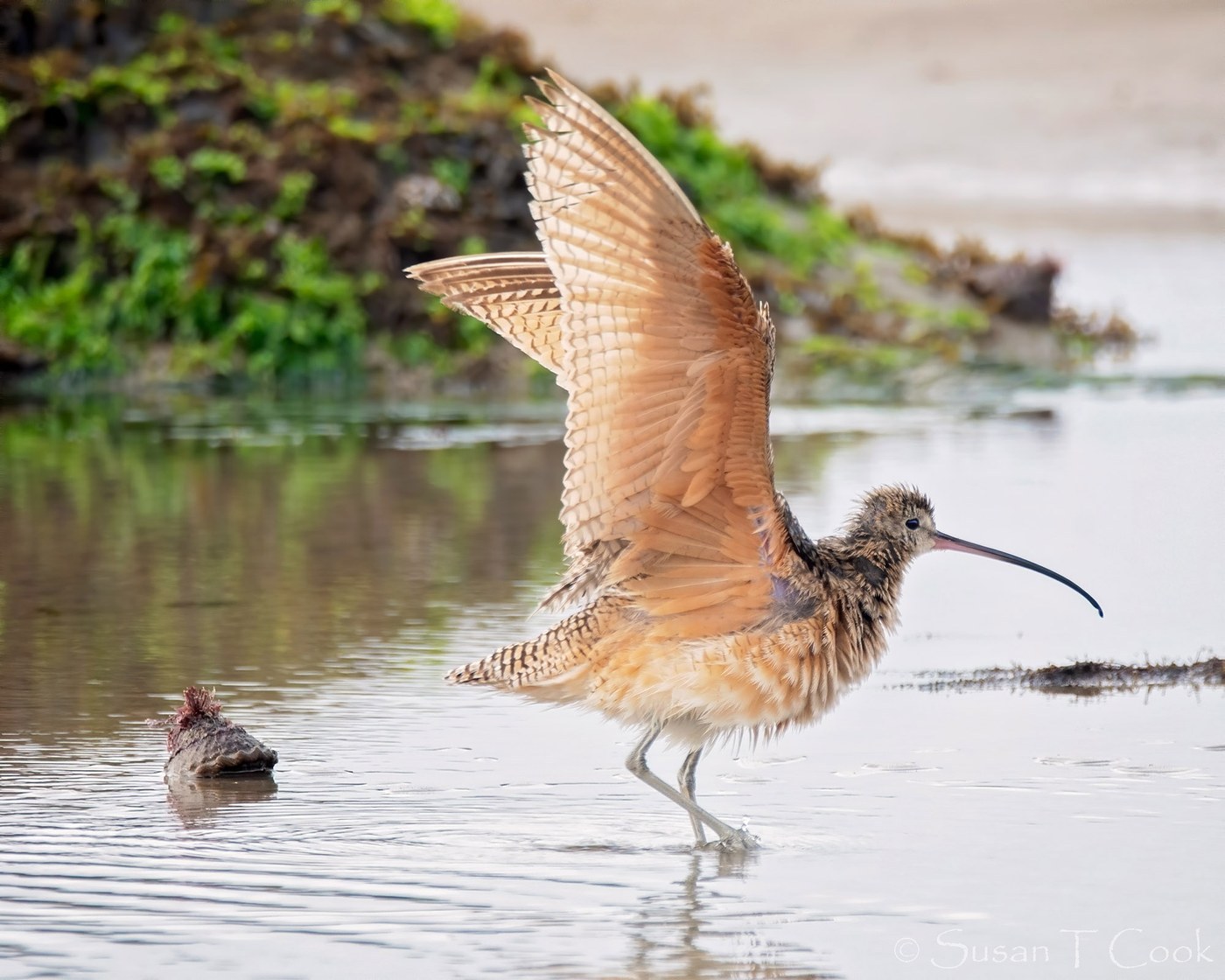
Long-billed Curlew
Body, flight, and tail feathers

Upland Sandpiper
Body, flight, and tail feathers

Red Phalarope
Body and flight feathers

Eurasian Dotterel
Body feathers
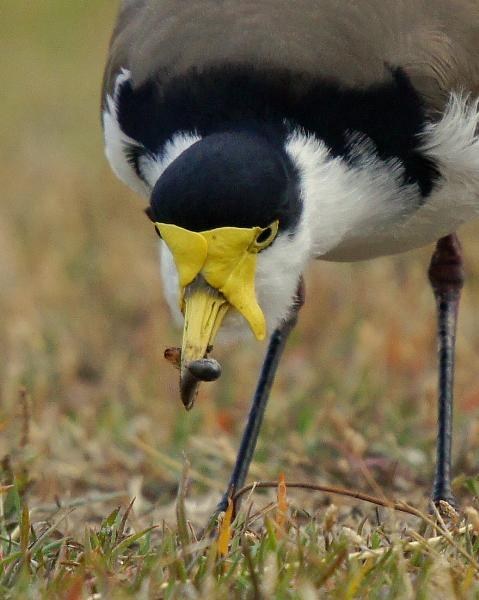
Masked Lapwing
Body, flight, and tail feathers
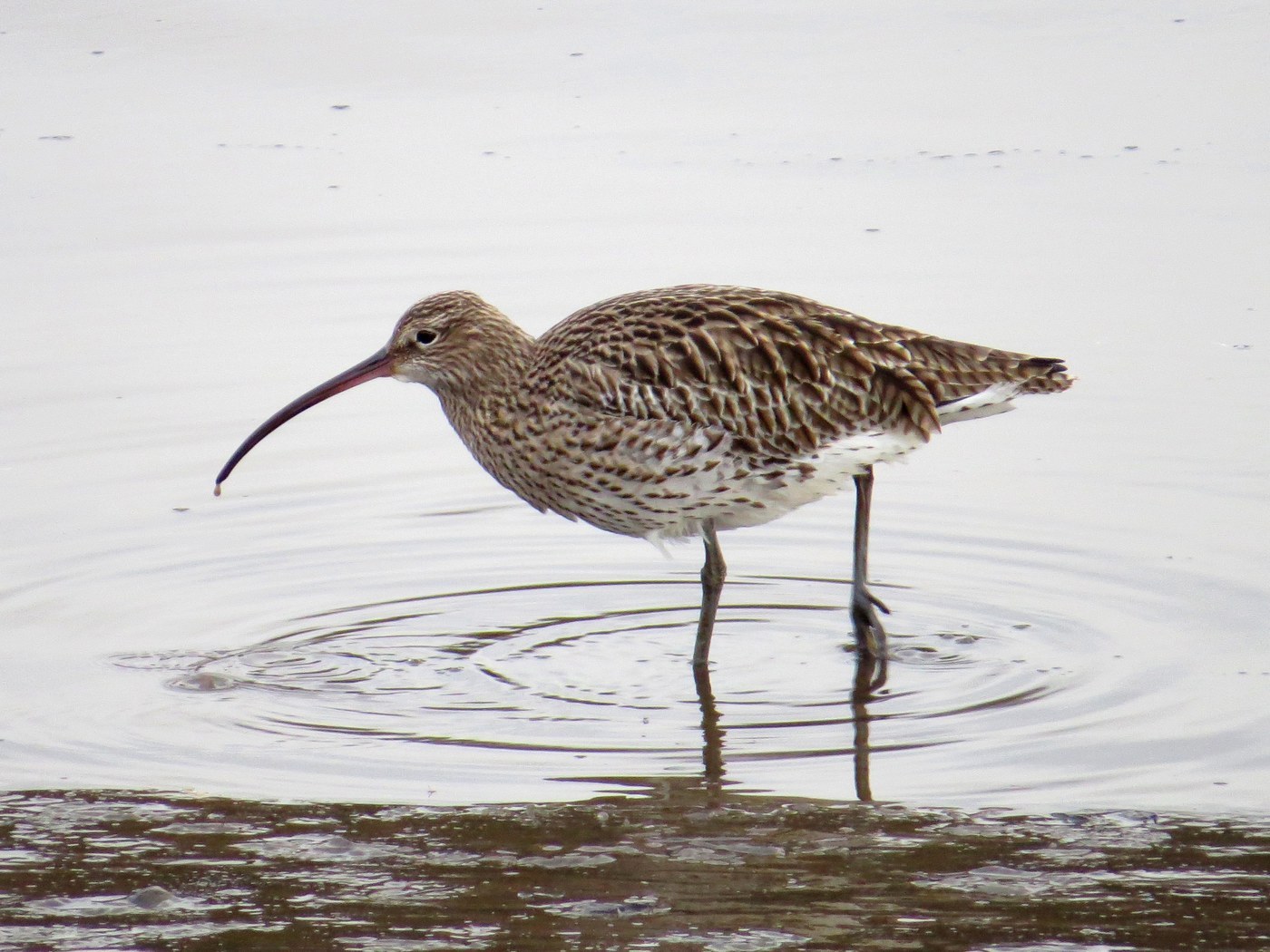
Eurasian Curlew
Body, flight, and tail feathers

Piping Plover
Small, pale, compact body feathers and short flight feathers typical of a beach-nesting plover