

Rufous Hummingbird
Selasphorus rufus
A fiercely territorial western hummingbird whose males show extensive rufous-orange body feathers along with a brilliant iridescent orange-red throat, among the most cinnamon-toned hummingbirds in North America.
- Feather type
- Tiny contour, gorget, and narrow flight feathers
- Colours
- Rufous-orange, iridescent red-orange (males), green
- Bird size
- Tiny, ~8-9 cm
Found a feather like this?
Identify any feather from a photo, free.
Overview
The Rufous Hummingbird breeds farther north than any other hummingbird species, reaching into southern Alaska, and undertakes one of the longest migratory journeys relative to body size of any bird. Its feathers are notable for their extensive rufous-orange coloring across the back, flanks, and tail in males, paired with a brilliant iridescent orange-red throat patch, making it one of the warmest-toned hummingbirds likely to be encountered across the West.
Identifying the Feather
Size and Shape
Feathers are tiny, with narrow, stiff flight feathers and dense body feathers typical of hummingbirds, slightly smaller overall than many other North American species.
Color and Pattern
- Back, flank, and tail feathers (male): rufous-orange, sometimes with a little green on the crown
- Throat feathers (male): iridescent orange-red, appearing dark without direct light
- Female upperparts: green with rufous-orange sides and rufous at the base of the tail
- Female throat feathers: whitish with limited iridescent spotting
Distinguishing from Similar Species
Rufous Hummingbird feathers show far more extensive rufous-orange coloring than the mostly green-backed Ruby-throated, Anna's, or Black-chinned hummingbirds. The species is very similar to the closely related Allen's Hummingbird, which shows more green on the back; a fully rufous back in a male is a strong indicator of Rufous Hummingbird, though range and habitat should be considered together.
Plumage & Molt
Adult males show extensively rufous-orange upperparts and flanks with an iridescent orange-red throat; adult females and immatures show green upperparts with rufous-orange wash on the flanks and rufous at the base of the tail feathers. Juveniles resemble females. Adults undergo a complete molt primarily on the wintering grounds in Mexico, distinct from the breeding season.
Habitat & Range
Rufous Hummingbirds breed from the Pacific Northwest north into southern Alaska, using mountain meadows, forest edges, and gardens, then migrate along a looping route through the Rockies and interior West to wintering grounds in Mexico. This long-distance migrant travels an especially long journey relative to its tiny size, and individuals occasionally show up well outside the expected range during migration.
Behavior & Field Notes
This hummingbird feeds on nectar from a wide variety of flowers along its migratory route as well as feeders, and consumes small insects for protein, particularly important for fueling its long migration. Females build a small cup nest of plant down and spider silk in trees or shrubs. Rufous Hummingbirds are notably aggressive and territorial, often chasing off much larger birds from feeding areas, and males perform steep, diving courtship displays accompanied by wing and tail sounds.
Frequently asked questions
What color are Rufous Hummingbird feathers?
Males show extensive rufous-orange on the back, flanks, and tail along with an iridescent orange-red throat; females are greener with rufous flanks and tail base.
How do I tell Rufous Hummingbird feathers from Allen's Hummingbird?
Rufous males typically show a fully rufous back, while Allen's Hummingbird usually retains more green on the back; the two are very similar otherwise.
Where does the Rufous Hummingbird breed?
Farther north than any other hummingbird, reaching the Pacific Northwest and southern Alaska.
Is the Rufous Hummingbird a long-distance migrant?
Yes, it migrates an especially long distance relative to its small size, traveling between Alaska and Mexico each year.
Rufous Hummingbird guides
In-depth guides for identifying and understanding Rufous Hummingbird.

Other feathers you may enjoy

Speckled Hummingbird
Small contour feathers with fine speckled underpart markings
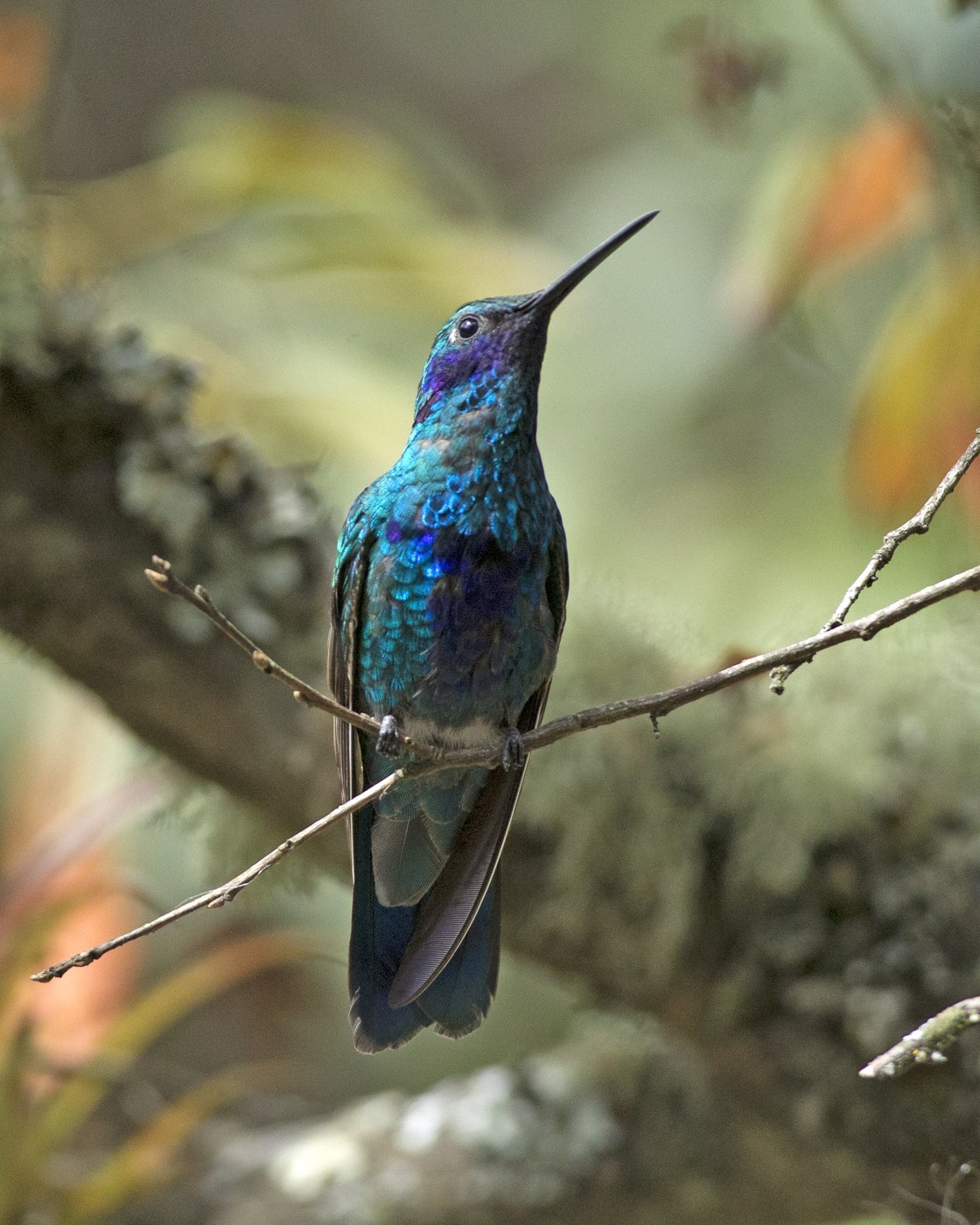
Sparkling Violetear
Iridescent body feathers, large violet ear and chest patches
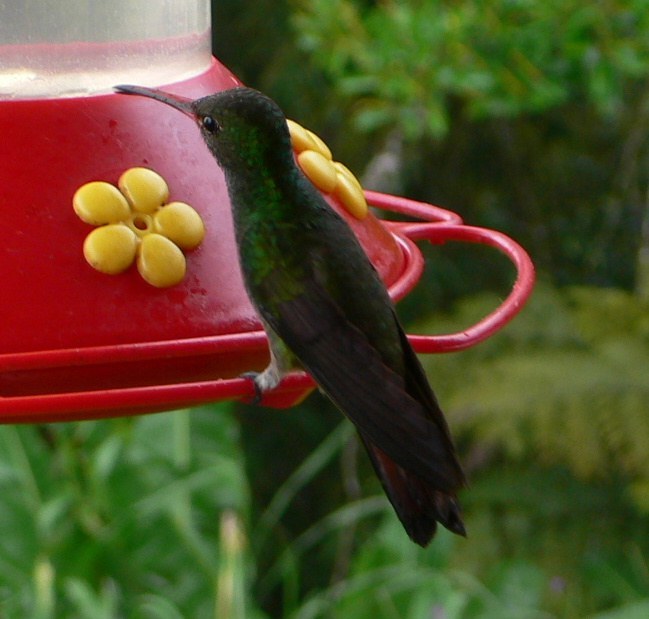
Rufous-tailed Hummingbird
Iridescent throat and breast feathers, rufous tail feathers

Rufous-breasted Hermit
Slightly decurved bill with rufous-washed contour feathers
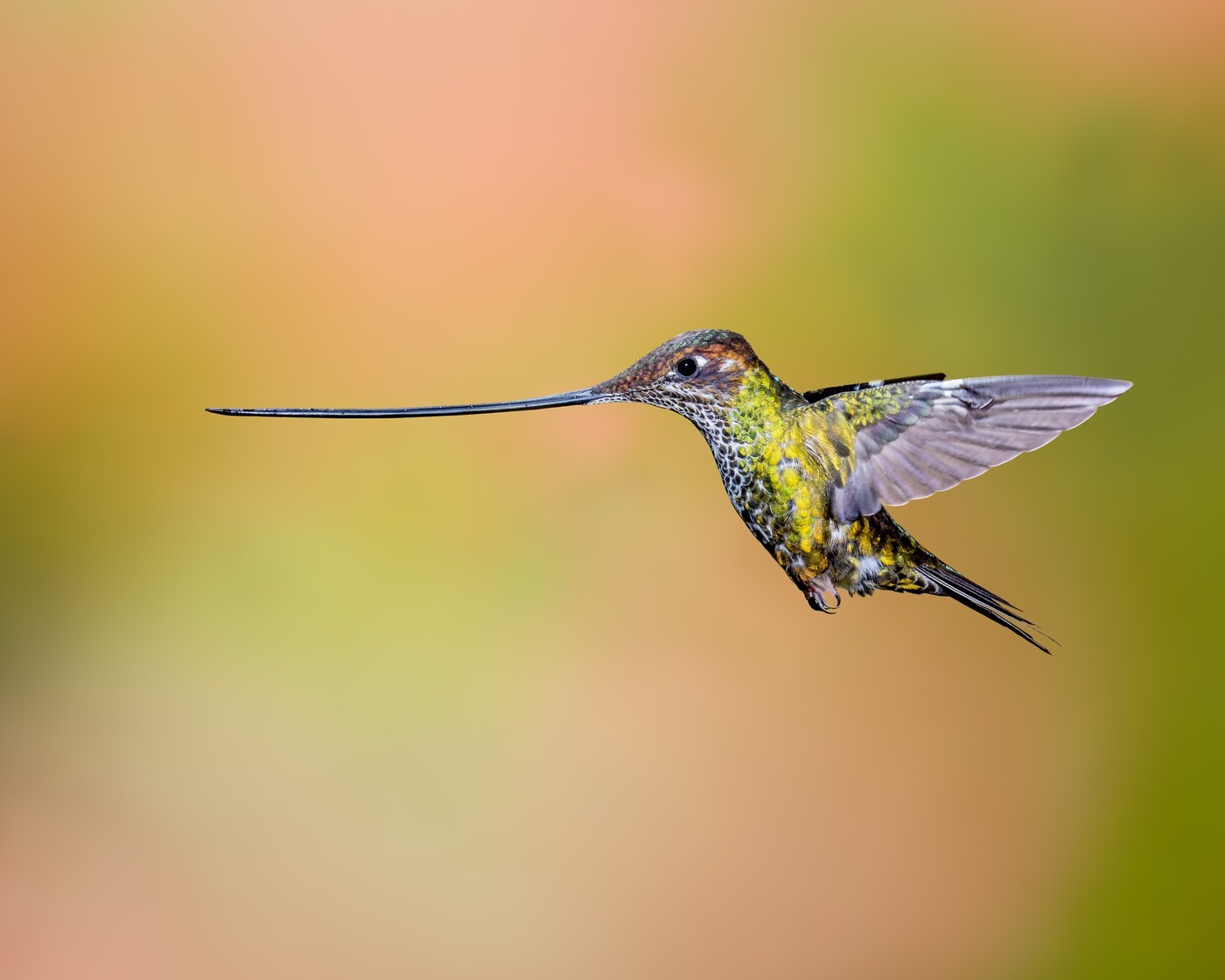
Sword-billed Hummingbird
Iridescent body feathers, extraordinarily long bill (non-feather feature)
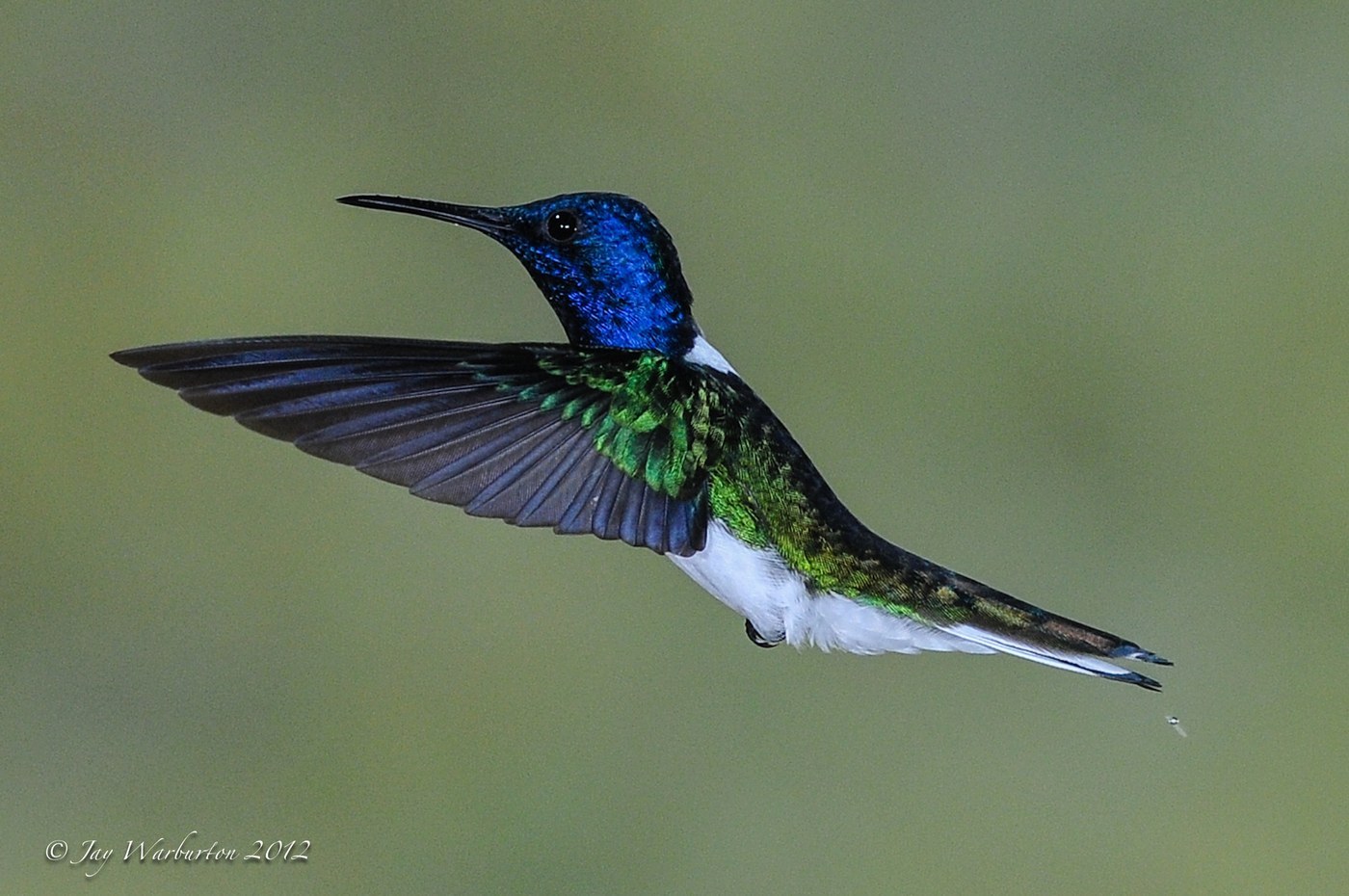
White-necked Jacobin
Iridescent head feathers, contrasting white nape and belly

White-eared Hummingbird
Iridescent gorget feathers, bold facial stripe
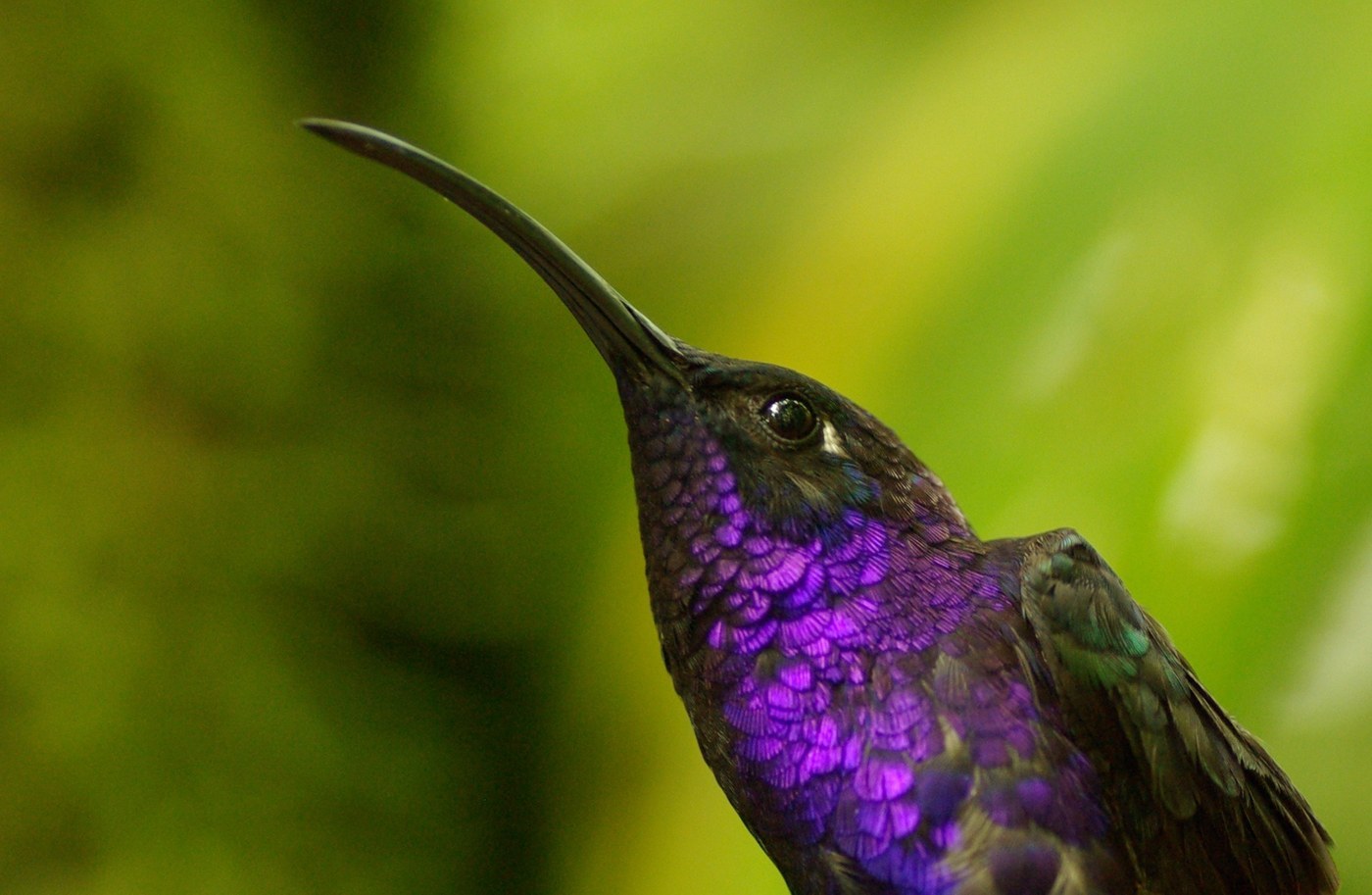
Violet Sabrewing
Iridescent body feathers, thickened curved primary shafts

Velvet-purple Coronet
Dense, velvety contour feathers with iridescent crown patch

Violet-crowned Hummingbird
Iridescent crown feathers, clean white underparts

Shining Sunbeam
Iridescent contour feathers with coppery-bronze wing sheen
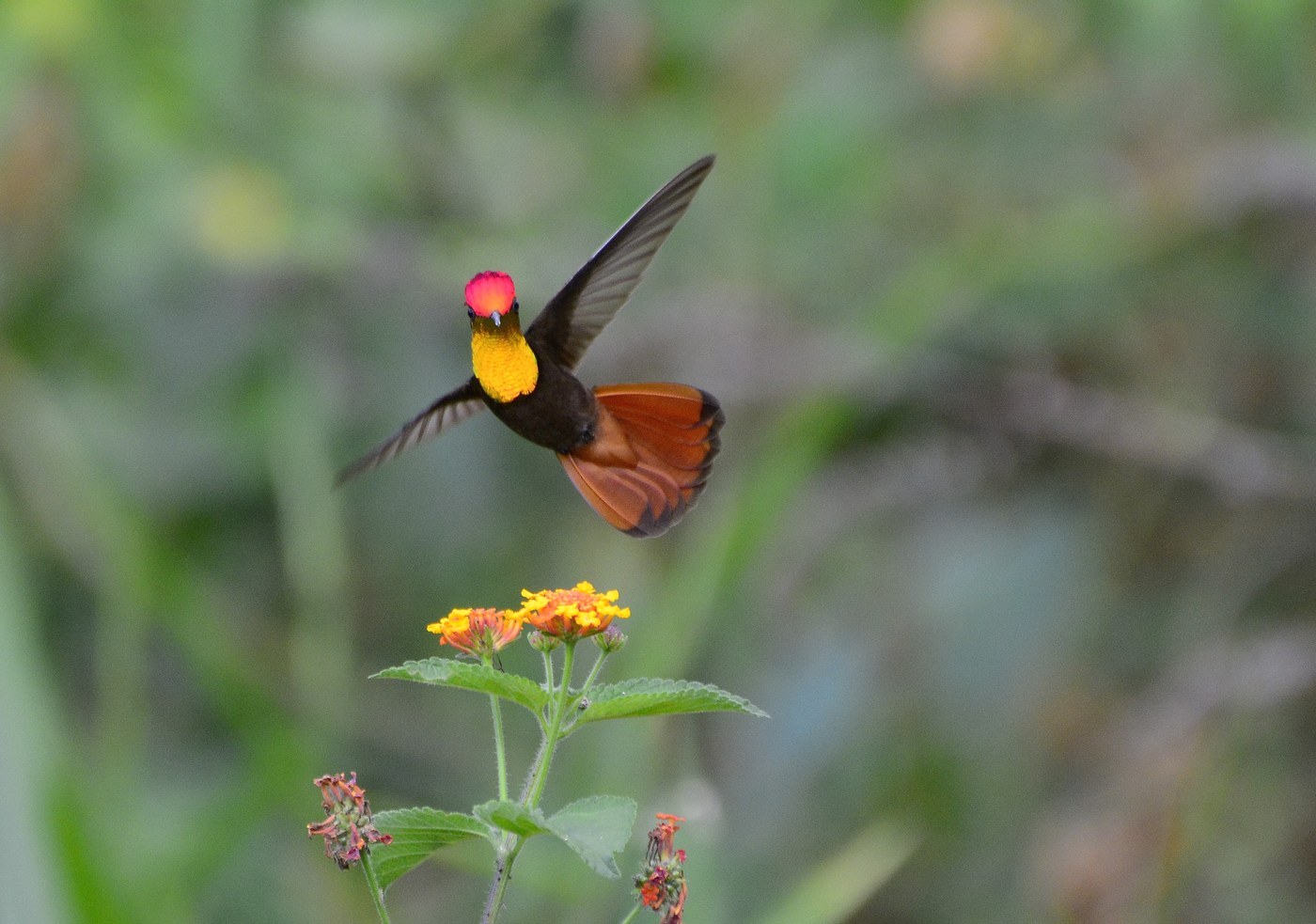
Ruby-topaz Hummingbird
Iridescent crown and gorget feathers, chestnut body feathers