
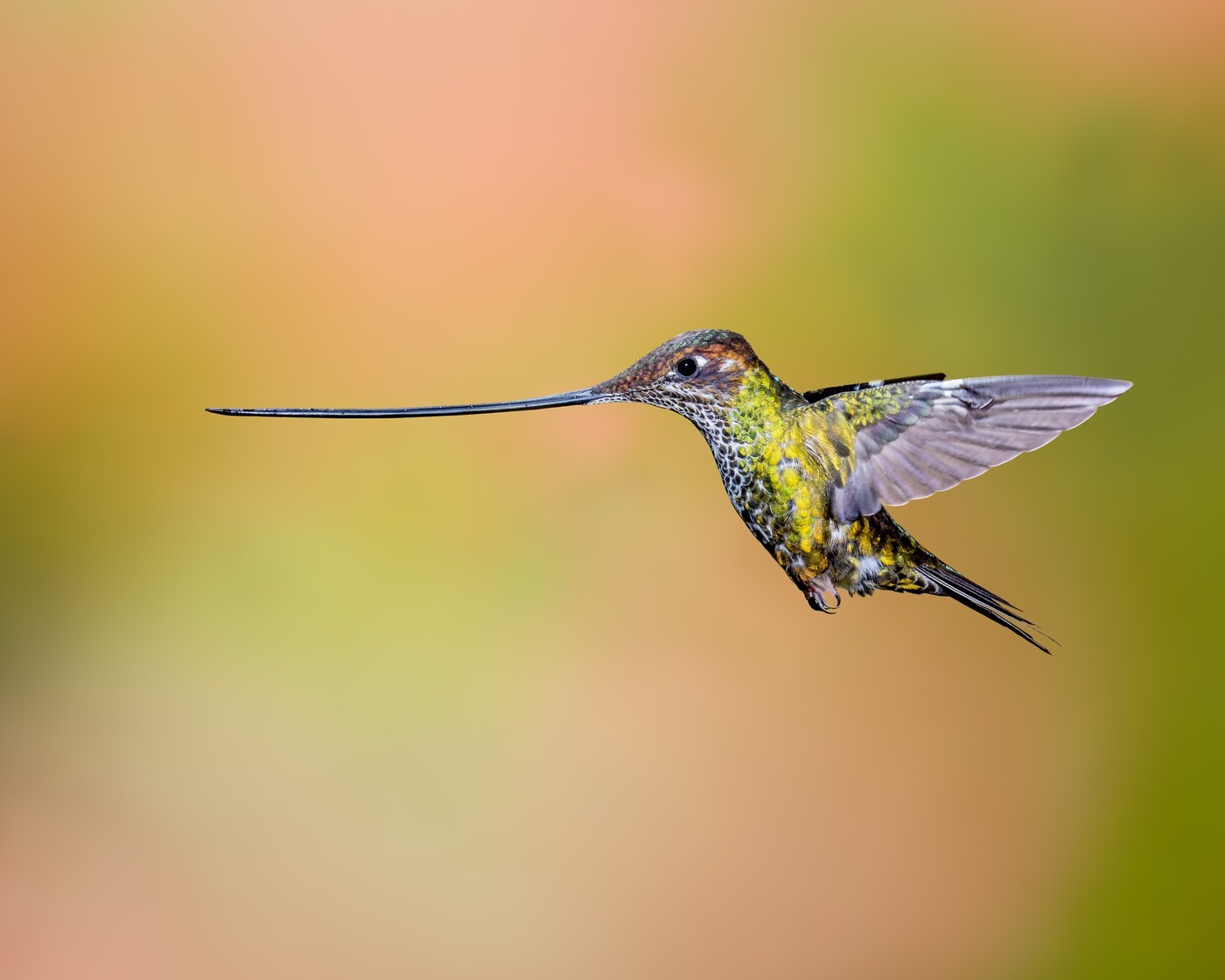
Sword-billed Hummingbird
Ensifera ensifera
A remarkable Andean hummingbird whose straight bill is longer than its own body, an adaptation for feeding on especially long, tubular flowers.
- Feather type
- Iridescent body feathers, extraordinarily long bill (non-feather feature)
- Colours
- Bronze-green upperparts, coppery throat sheen, pale underparts
- Bird size
- Large-bodied with an exceptionally long bill, body ~13 cm plus bill longer than body
Found a feather like this?
Identify any feather from a photo, free.
Overview
Overview
The Sword-billed Hummingbird, found in humid Andean cloud forests of South America, is unique among birds for having a bill longer than its body - a striking adaptation that allows it to reach nectar deep within elongated, tubular flowers unavailable to other hummingbirds. Its body plumage, while less flamboyant than the bill, still shows typical hummingbird iridescence.
Because of the bill's length, the bird often perches with its head tilted upward to keep the bill balanced, and it must groom its short legs and feathers using its feet rather than its bill for many tasks.
Identifying the Feather
Feather ID Notes
Body feathers show a bronze-green iridescence over the upperparts with a coppery sheen across the throat and breast, without a sharply demarcated colorful gorget patch as seen in many other species. The extraordinarily long, straight, narrow bill is the definitive identification feature and is unmistakable among hummingbirds.
- Upperpart feathers: bronze-green, moderately glossy
- Throat/breast feathers: coppery sheen, diffuse rather than a solid patch
- Underparts: paler, buffy-gray tones
- Bill: exceptionally long and straight, longer than the body - the key identifying trait No other hummingbird approaches this species' bill-to-body ratio, making it essentially unmistakable when the bill is visible.
Plumage & Molt
Plumage Details
Sexes are broadly similar in the Sword-billed Hummingbird, both showing the bronze-green upperparts and coppery-toned underparts, with females sometimes appearing marginally duller. Juveniles show softer, less iridescent feather edges. There is no pronounced seasonal plumage change, with an annual molt maintaining feather quality.
Habitat & Range
Habitat & Range
This species inhabits humid montane and cloud forest, forest edge, and adjacent shrubby areas at moderate to high elevations along the Andes in South America, from Venezuela and Colombia south through Ecuador, Peru, and Bolivia. Populations are generally resident, though some local elevational movement can occur outside the breeding season.
Behavior & Field Notes
Behavior & Field Notes
Sword-billed Hummingbirds specialize in feeding on long, tubular flowers, particularly certain passionflowers and other Andean plants whose corolla length excludes most other hummingbirds. They also take nectar from other flowers and small insects. Nests are cup-shaped structures placed in dense vegetation. Calls include soft chips and twittering notes, generally less vocal than many smaller hummingbird species.
Frequently asked questions
What is the most distinctive feature of the Sword-billed Hummingbird?
Its bill, which is longer than its own body - a trait unique among birds.
Why does this hummingbird have such a long bill?
It allows access to nectar in especially long, tubular Andean flowers that other hummingbirds cannot reach.
What does its body plumage look like?
Bronze-green upperparts with a coppery sheen on the throat and breast, without a bold contrasting gorget patch.
Where does the Sword-billed Hummingbird live?
In humid montane and cloud forest along the Andes in South America.
Sword-billed Hummingbird guides
In-depth guides for identifying and understanding Sword-billed Hummingbird.
Other feathers you may enjoy

Speckled Hummingbird
Small contour feathers with fine speckled underpart markings
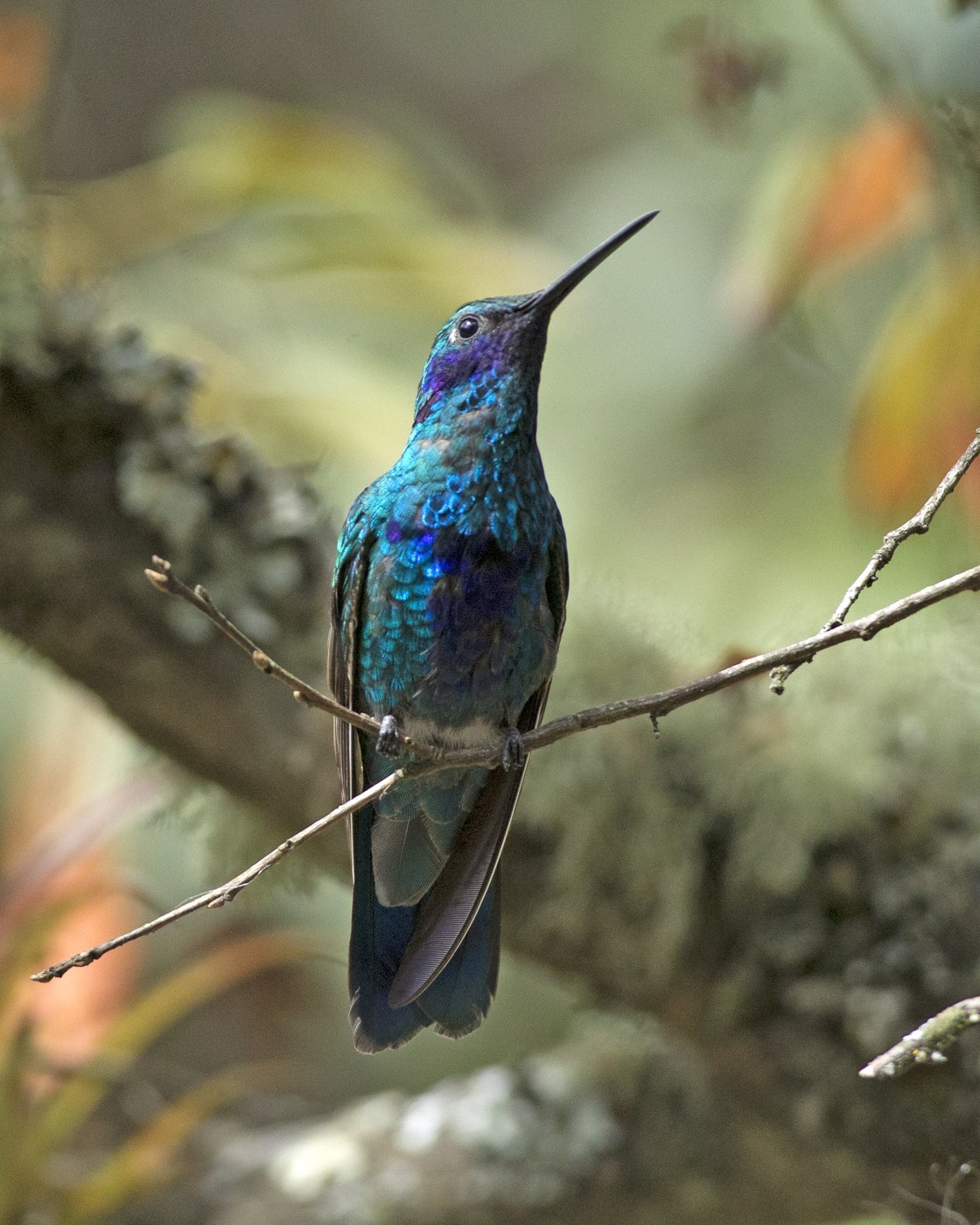
Sparkling Violetear
Iridescent body feathers, large violet ear and chest patches
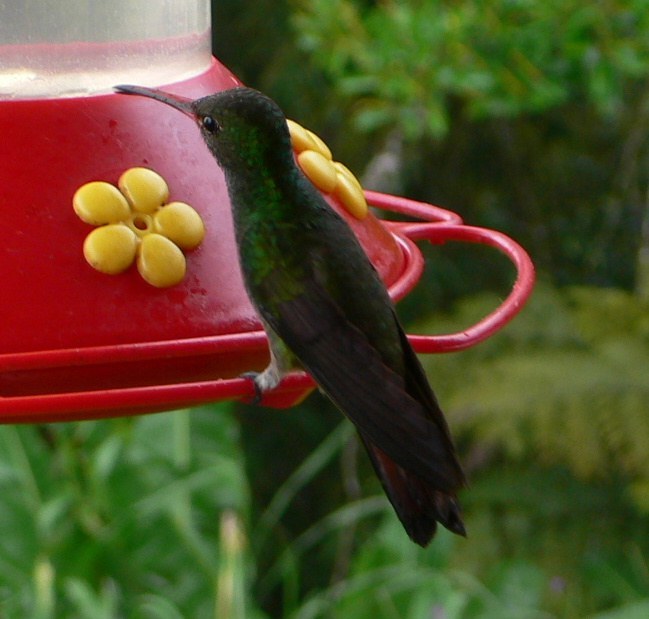
Rufous-tailed Hummingbird
Iridescent throat and breast feathers, rufous tail feathers

Rufous-breasted Hermit
Slightly decurved bill with rufous-washed contour feathers
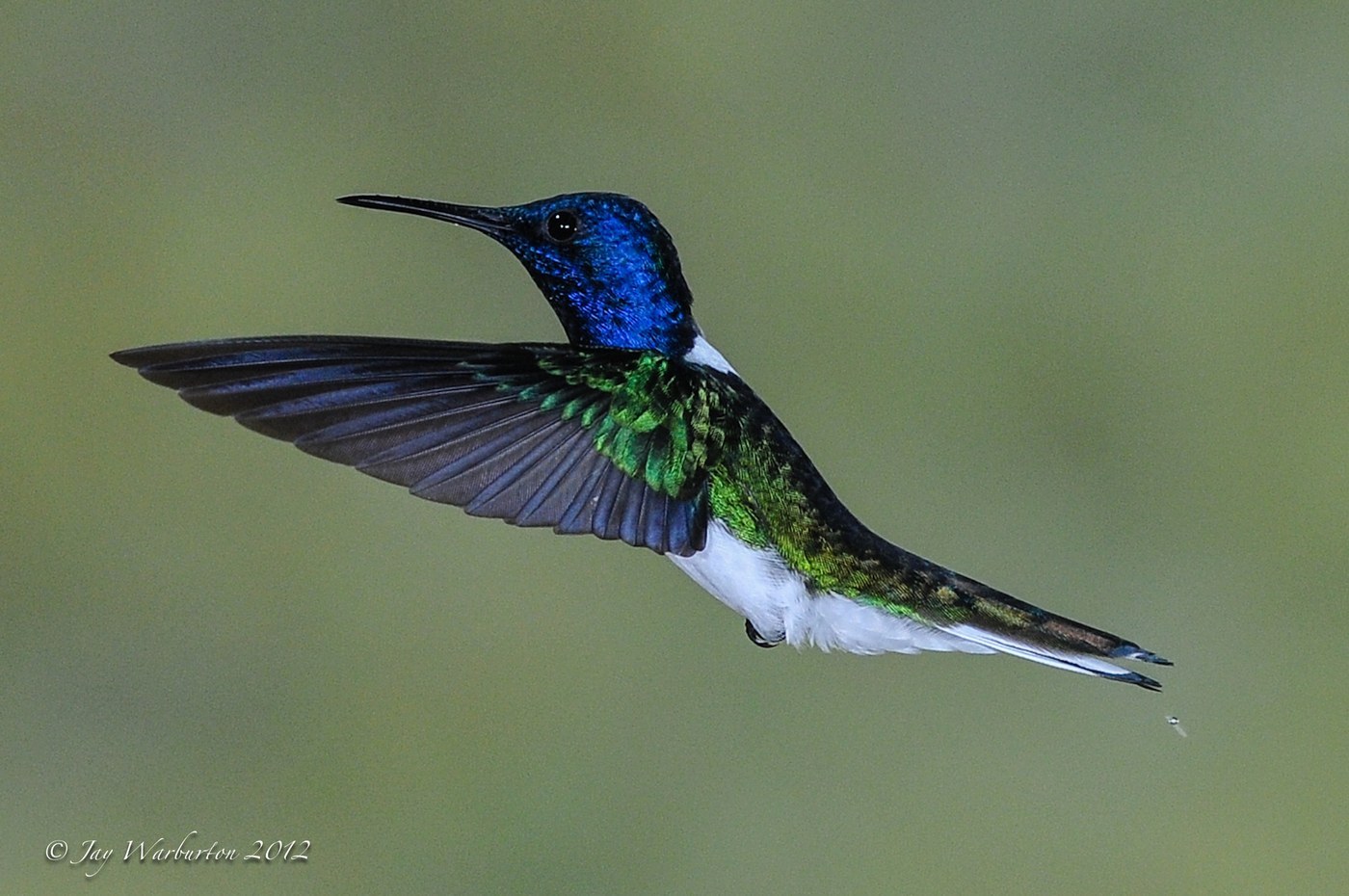
White-necked Jacobin
Iridescent head feathers, contrasting white nape and belly

White-eared Hummingbird
Iridescent gorget feathers, bold facial stripe
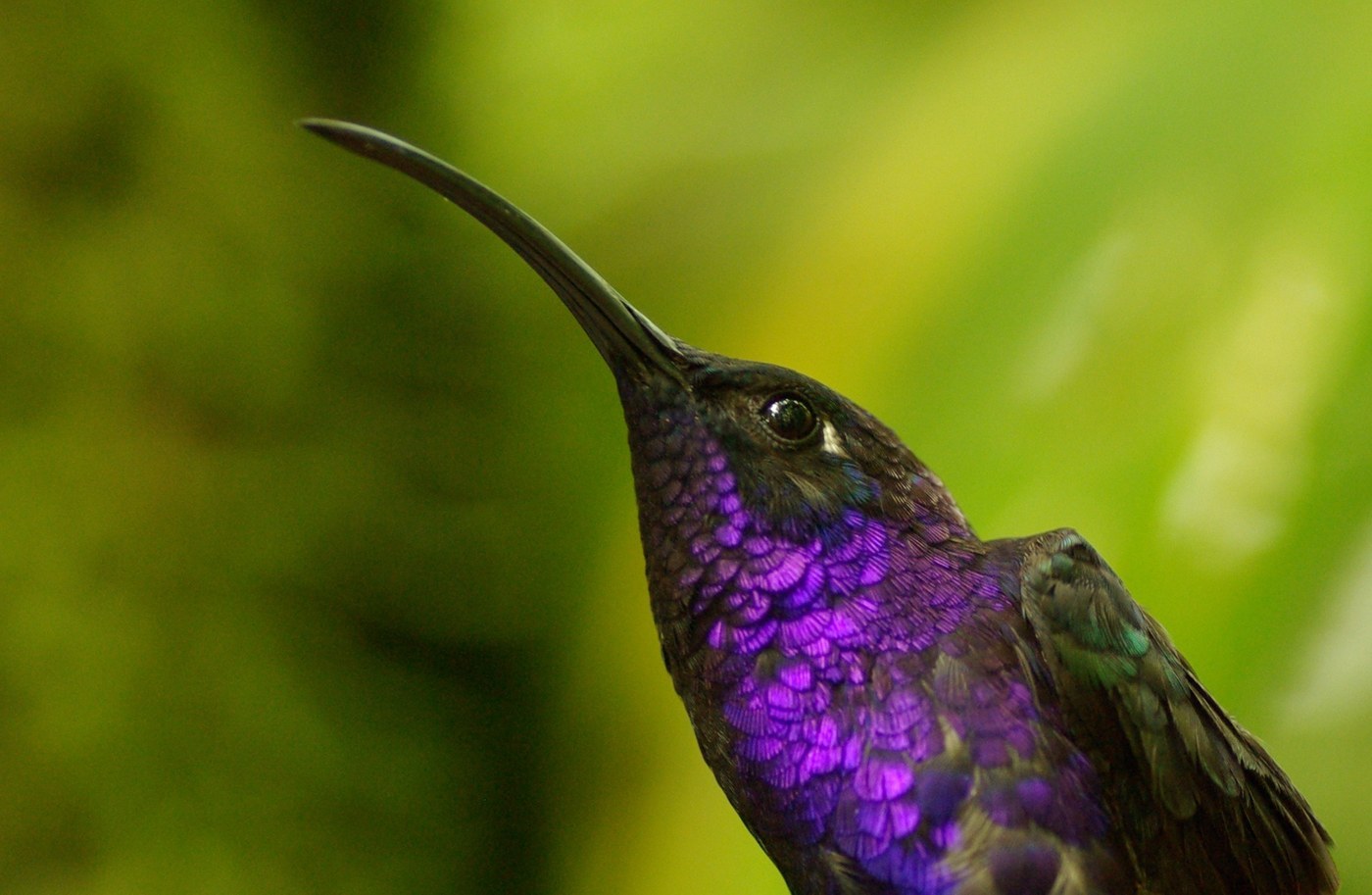
Violet Sabrewing
Iridescent body feathers, thickened curved primary shafts

Velvet-purple Coronet
Dense, velvety contour feathers with iridescent crown patch

Violet-crowned Hummingbird
Iridescent crown feathers, clean white underparts

Shining Sunbeam
Iridescent contour feathers with coppery-bronze wing sheen

Rufous Hummingbird
Tiny contour, gorget, and narrow flight feathers
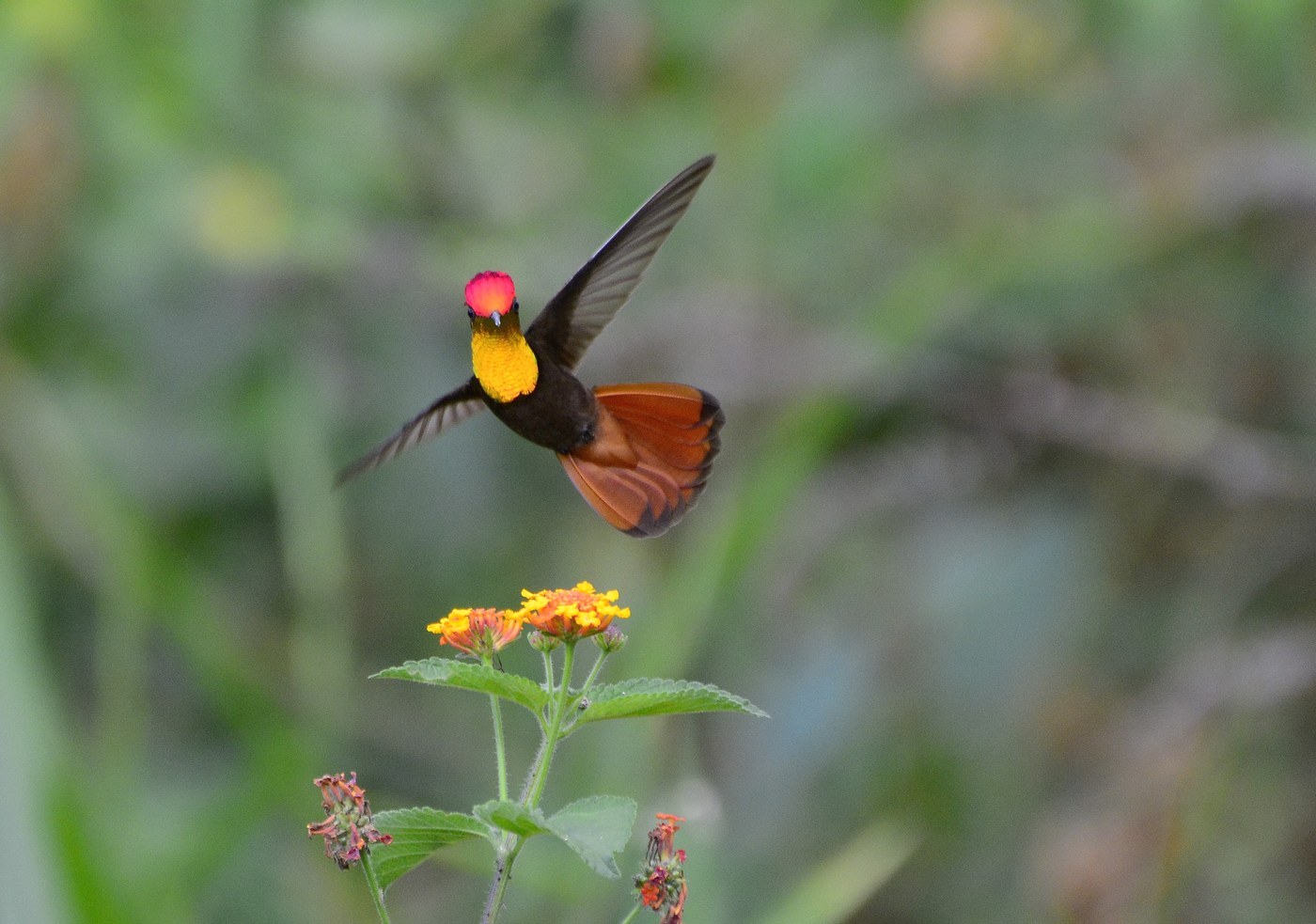
Ruby-topaz Hummingbird
Iridescent crown and gorget feathers, chestnut body feathers