

Shining Sunbeam
Aglaeactis cupripennis
A warm cinnamon-toned Andean hummingbird whose wings and back flash with a distinctive coppery-bronze iridescence in flight or sunlight.
- Feather type
- Iridescent contour feathers with coppery-bronze wing sheen
- Colours
- Rich cinnamon-brown body with coppery-bronze iridescent wings and back
- Bird size
- Medium hummingbird, ~13-14 cm
Found a feather like this?
Identify any feather from a photo, free.
Overview
Overview
The Shining Sunbeam is a common hummingbird of high Andean shrubland, forest edges, and gardens from Colombia south to Peru and Bolivia. Its warm cinnamon-brown body plumage combined with a metallic coppery sheen on the wings gives the species its descriptive name.
Both sexes are broadly similar in overall pattern, showing rich brownish body plumage set off by the iridescent bronze tones of the back and wing coverts, though males often appear slightly brighter overall.
Identifying the Feather
Feather Identification
- Body feathers: Warm cinnamon-brown across the underparts and much of the body
- Wing/back feathers: Iridescent coppery-bronze sheen, especially visible on the shoulder and back when catching light
- Tail feathers: Often show a rufous or bronzy cast, sometimes with darker tips
- Shaft color: Dark, contrasting somewhat with the warm brown vane color
- Size: Medium-bodied hummingbird, larger than many high-Andes species
- Similar species: The combination of cinnamon body tone and coppery-bronze wing iridescence separates it from other sunbeams and similarly sized Andean hummingbirds
Plumage & Molt
Plumage Details
Adults show warm cinnamon-brown body plumage with a strongly iridescent coppery-bronze sheen across the back, shoulders, and wing coverts. The tail often shows rufous tones. Sexes are similar, though males may show slightly more vivid iridescence. Juveniles are duller and less glossy until completing their first molt. There is no pronounced seasonal plumage variation.
Habitat & Range
Habitat & Range
Shining Sunbeams inhabit high-elevation shrubland, forest edges, hedgerows, and gardens along the Andes from Colombia south through Ecuador and Peru to Bolivia, generally above the tree line or in adjacent transitional habitats. The species is resident, with some local elevational movement following flower availability.
Behavior & Field Notes
Behavior & Field Notes
This hummingbird feeds on nectar from a variety of high-altitude flowering shrubs and trees, and also takes small insects. It is often seen perched on exposed twigs between feeding bouts, a common habit among high-Andes hummingbirds conserving energy in cool conditions. Nests are compact cups placed in shrubs or low trees. Calls include sharp chips and twittering notes used in territorial disputes at flowering patches.
Frequently asked questions
What feather feature identifies a Shining Sunbeam?
Warm cinnamon-brown body plumage combined with a strongly iridescent coppery-bronze sheen on the back and wings.
Is the iridescence always visible?
The coppery-bronze sheen is brightest in direct sunlight and can appear duller or brownish in shade.
Where does this species typically live?
High-elevation shrubland and forest edges along the Andes, often near or above the tree line.
Do males and females look very different?
They are fairly similar, with males typically showing slightly brighter iridescence than females.
Shining Sunbeam guides
In-depth guides for identifying and understanding Shining Sunbeam.

Other feathers you may enjoy

Speckled Hummingbird
Small contour feathers with fine speckled underpart markings
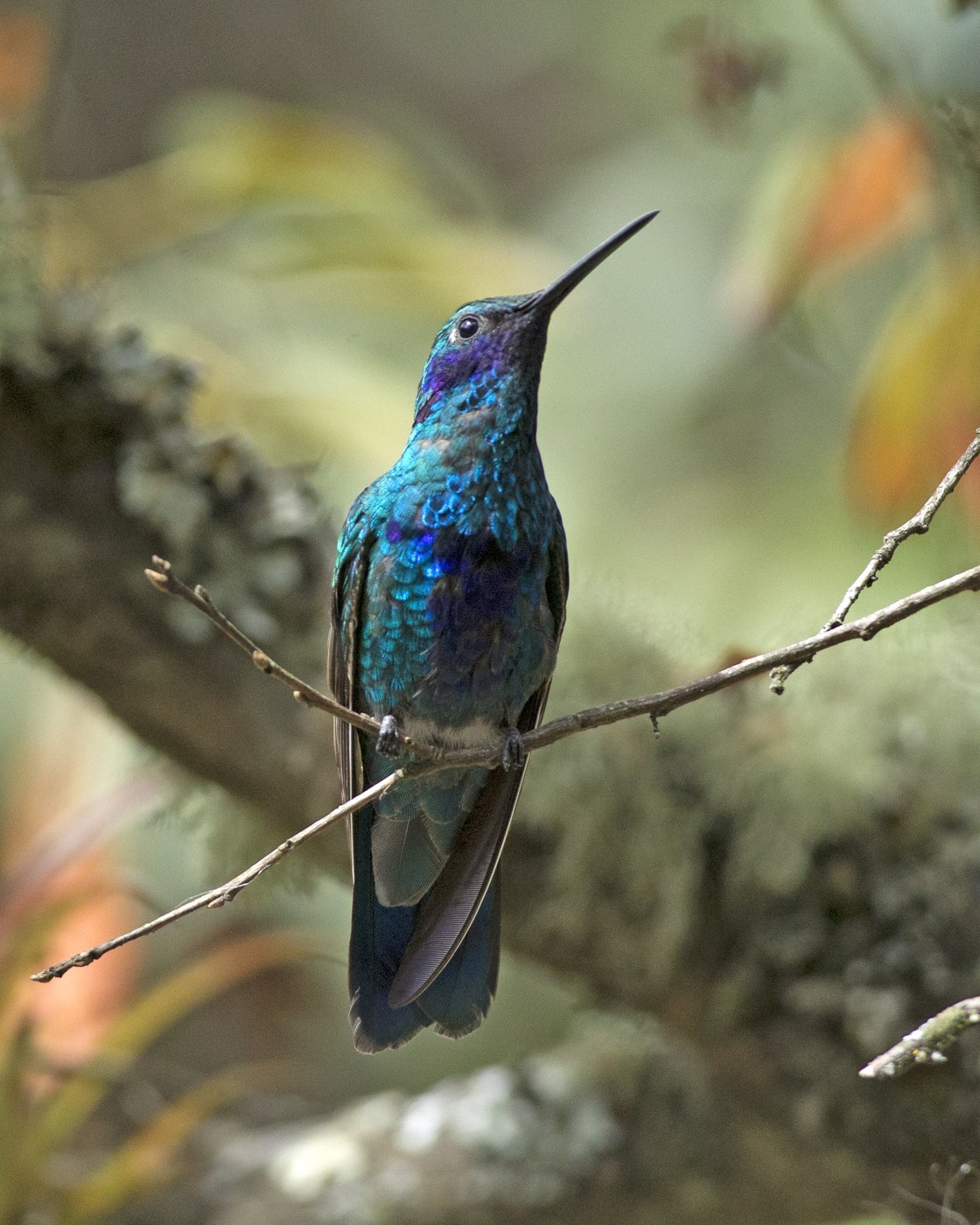
Sparkling Violetear
Iridescent body feathers, large violet ear and chest patches
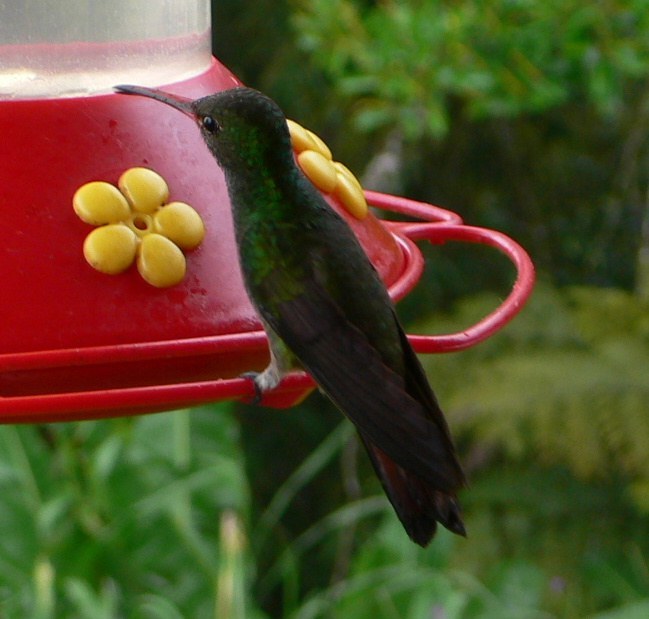
Rufous-tailed Hummingbird
Iridescent throat and breast feathers, rufous tail feathers

Rufous-breasted Hermit
Slightly decurved bill with rufous-washed contour feathers
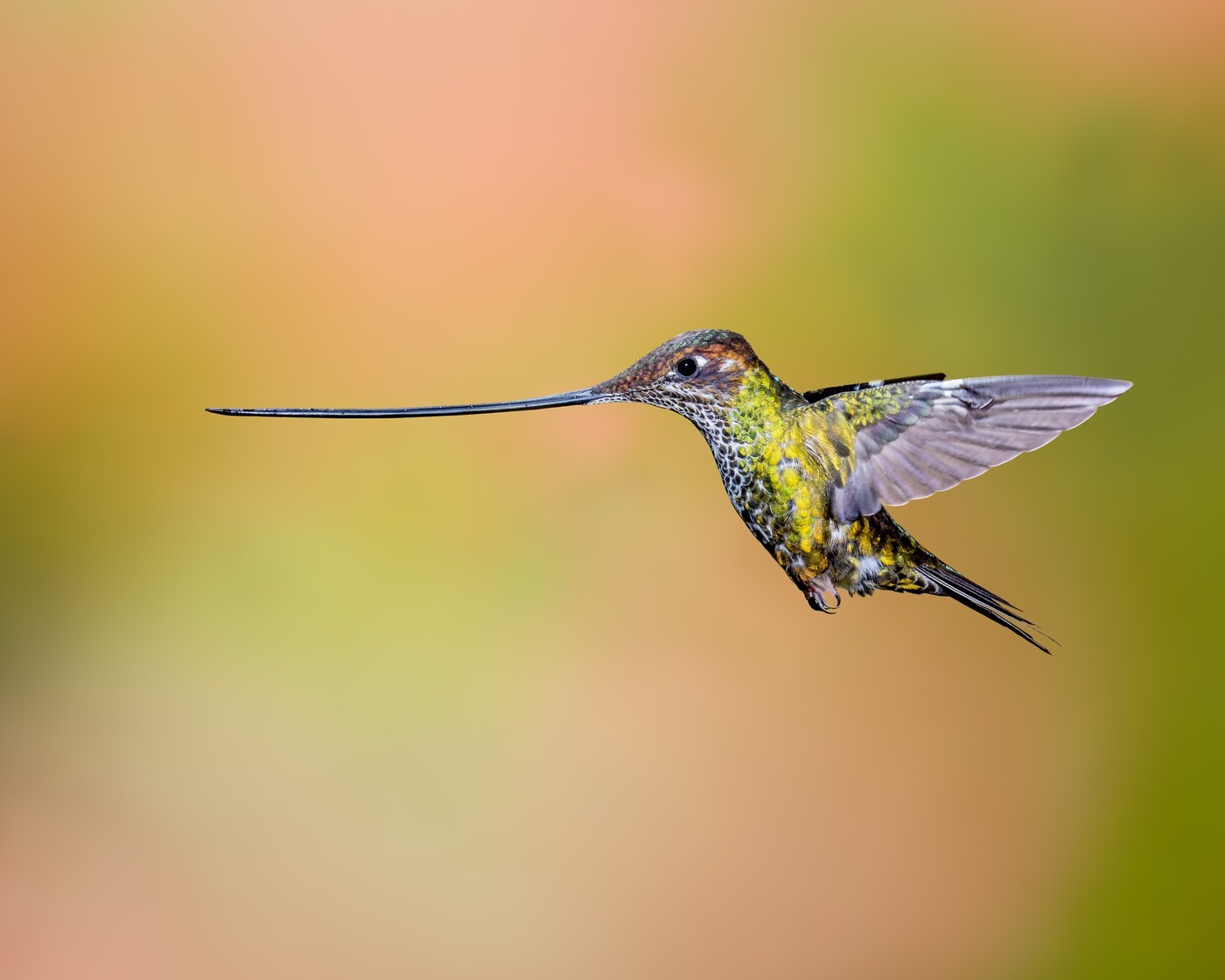
Sword-billed Hummingbird
Iridescent body feathers, extraordinarily long bill (non-feather feature)
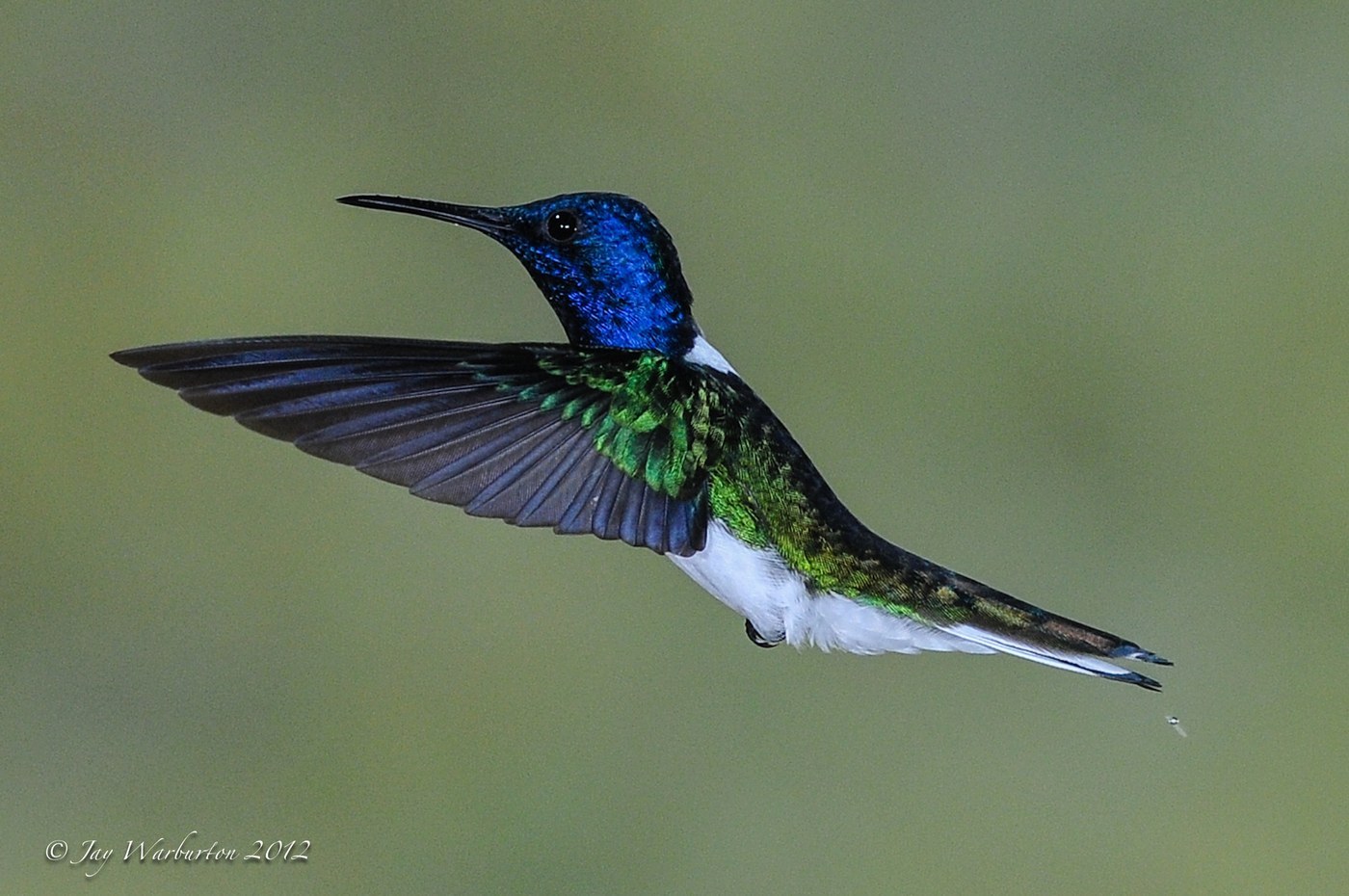
White-necked Jacobin
Iridescent head feathers, contrasting white nape and belly

White-eared Hummingbird
Iridescent gorget feathers, bold facial stripe
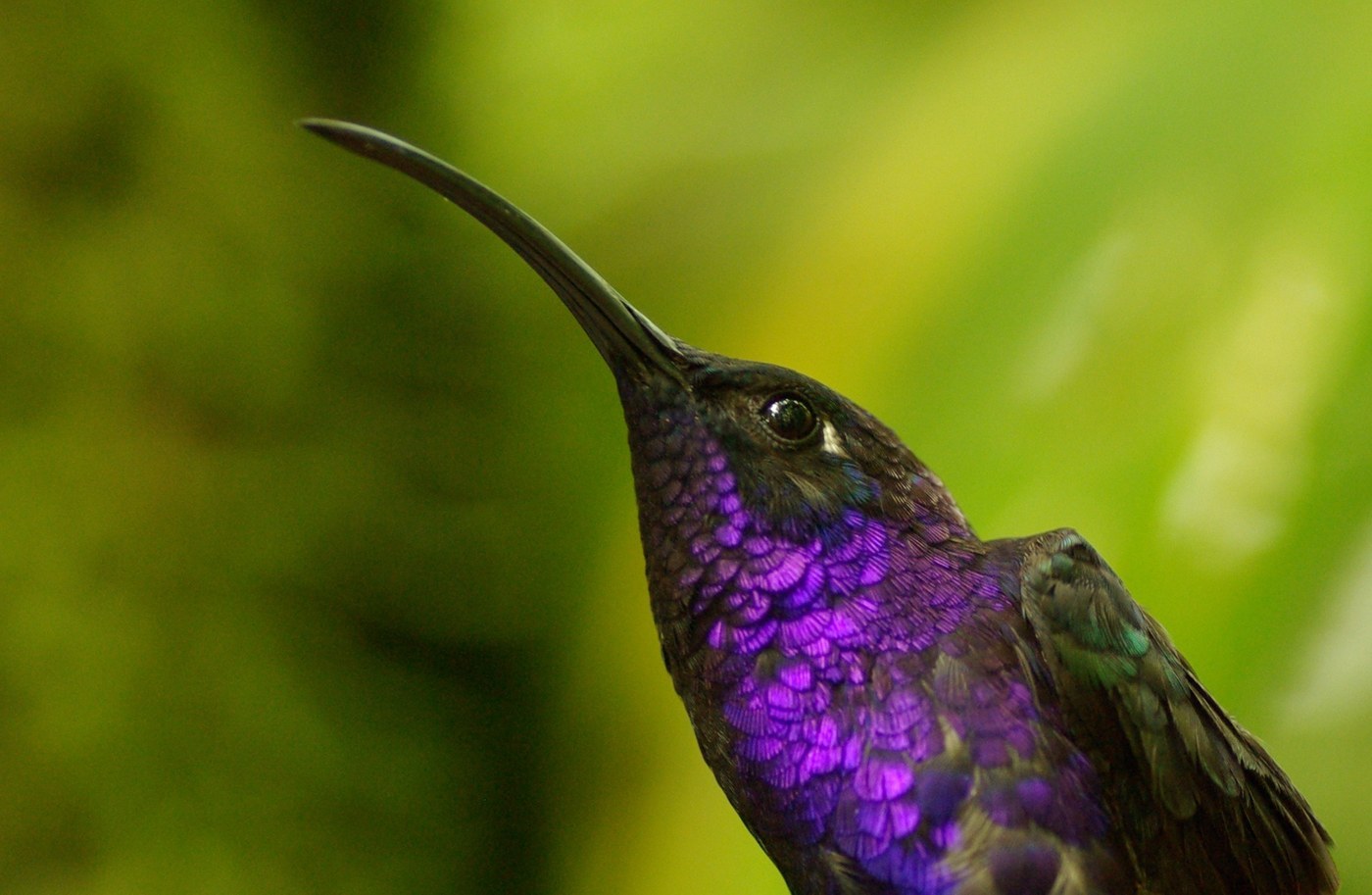
Violet Sabrewing
Iridescent body feathers, thickened curved primary shafts

Velvet-purple Coronet
Dense, velvety contour feathers with iridescent crown patch

Violet-crowned Hummingbird
Iridescent crown feathers, clean white underparts

Rufous Hummingbird
Tiny contour, gorget, and narrow flight feathers
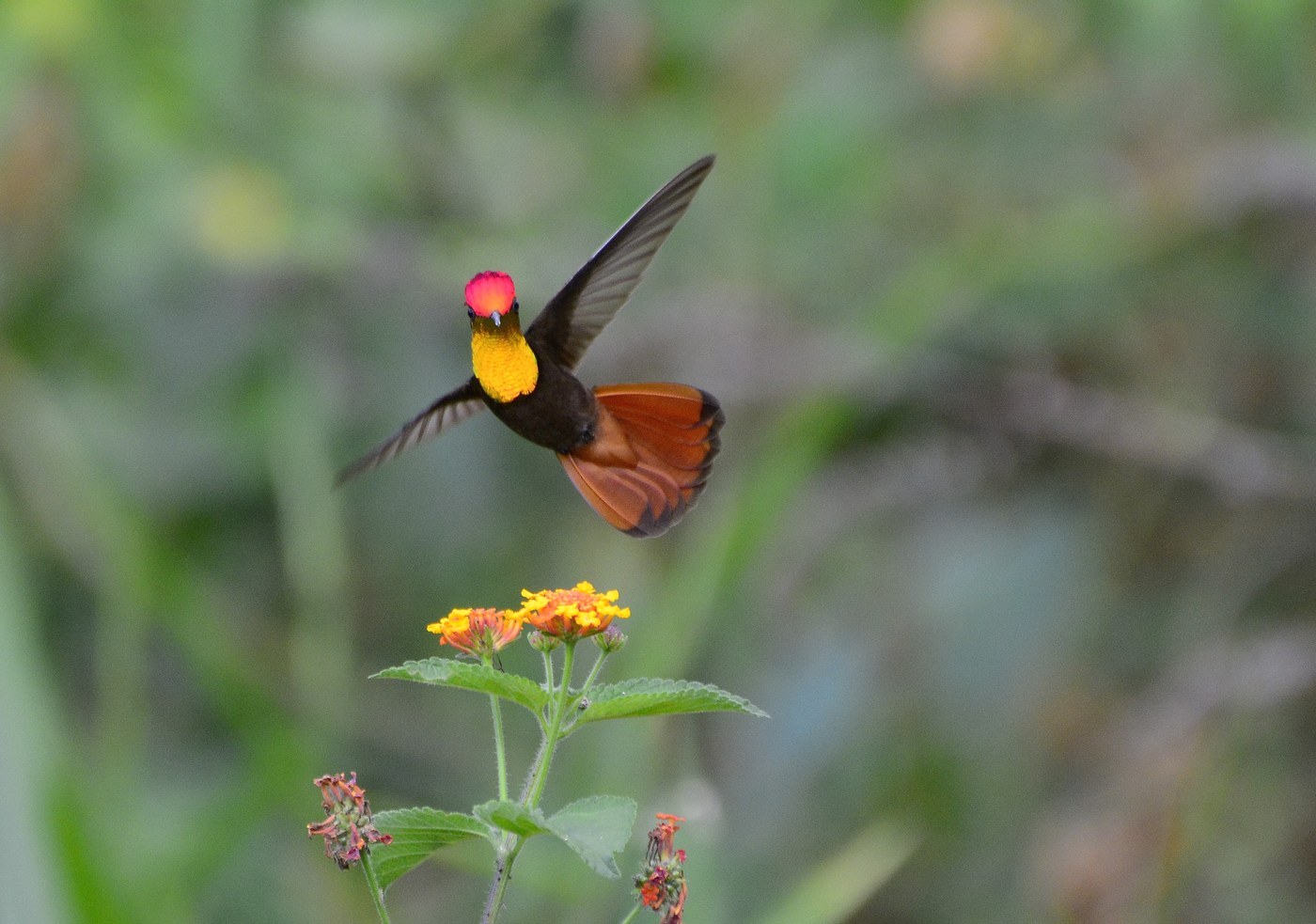
Ruby-topaz Hummingbird
Iridescent crown and gorget feathers, chestnut body feathers