

Ruby-crowned Kinglet
Corthylio calendula
One of the smallest songbirds in North America, this active, constantly flicking bird carries a hidden ruby-red crown patch in males that is usually concealed and only flashed briefly during excitement or display.
- Feather type
- Tiny contour and flight feathers
- Colours
- Olive-gray, pale wing bars, hidden ruby-red crown patch (males)
- Bird size
- Very small, ~10-11 cm
Found a feather like this?
Identify any feather from a photo, free.
Overview
The Ruby-crowned Kinglet is a tiny, energetic songbird that breeds in northern and montane conifer forests and winters across a broad swath of the United States and Mexico. Its feathers are a plain olive-gray overall, with pale wing bars and a bold white eye-ring, and males carry a small, usually concealed ruby-red patch on the crown that is only raised and visible during territorial displays or excitement.
Identifying the Feather
Size and Shape
Feathers are extremely small and narrow, among the tiniest of regularly encountered songbird feathers apart from hummingbirds, reflecting the kinglet's very small body size.
Color and Pattern
- Body feathers: plain olive-gray, unstreaked
- Wing feathers: two pale wing bars, with a small black bar behind the upper one
- Male crown feathers: a small, concealed ruby-red patch, often not visible unless the bird is excited
- No color pattern on the tail
Distinguishing from Similar Species
Ruby-crowned Kinglet feathers are best told from the similarly tiny Golden-crowned Kinglet by the lack of an obvious, always-visible crown stripe; the ruby-red male crown patch is typically hidden, unlike the Golden-crowned Kinglet's bold, constantly visible orange-and-yellow crown stripe bordered in black.
Plumage & Molt
Adult males have a small ruby-red crown patch usually concealed by surrounding olive-gray feathers, raised only during excitement or aggressive display; females lack any crown color entirely. Both sexes otherwise share the same plain olive-gray body with pale wing bars and a white eye-ring. Juveniles resemble adult females. Adults undergo a complete molt after breeding, in late summer.
Habitat & Range
Ruby-crowned Kinglets breed in coniferous forests across Canada, Alaska, and higher elevations of the western United States, and winter across the southern and coastal United States, Mexico, and Central America. The species is migratory and can be found in a wide range of shrubby and wooded habitats during migration and winter, often foraging alongside chickadees and other small songbirds.
Behavior & Field Notes
This kinglet forages actively for small insects and spiders, constantly flicking its wings while gleaning from foliage and occasionally hovering briefly to pick prey from leaf tips. It builds a small, well-insulated hanging cup nest high in conifers. Its song is surprisingly loud and complex for such a tiny bird, beginning with thin high notes and dropping into a chattering warble, and its call is a scolding, husky "je-dit" often given in a rapid series.
Frequently asked questions
Do all Ruby-crowned Kinglet feathers show red?
No, only males have a small ruby-red crown patch, and it is usually concealed by surrounding feathers except during excited displays.
How do I tell Ruby-crowned Kinglet feathers from Golden-crowned Kinglet feathers?
Golden-crowned Kinglets show a bold, always-visible orange-and-yellow crown stripe bordered in black, while Ruby-crowned Kinglet's red patch is small and typically hidden.
How small are Ruby-crowned Kinglet feathers?
Extremely small and narrow, among the tiniest feathers of any regularly encountered non-hummingbird songbird in North America.
Where would I find a Ruby-crowned Kinglet feather?
In coniferous forests during the breeding season, or in a wide range of shrubby and wooded habitats during migration and winter.
Ruby-crowned Kinglet guides
In-depth guides for identifying and understanding Ruby-crowned Kinglet.

Other feathers you may enjoy

Yellow-breasted Bunting
Contour and flight feathers, chestnut-and-yellow breeding pattern
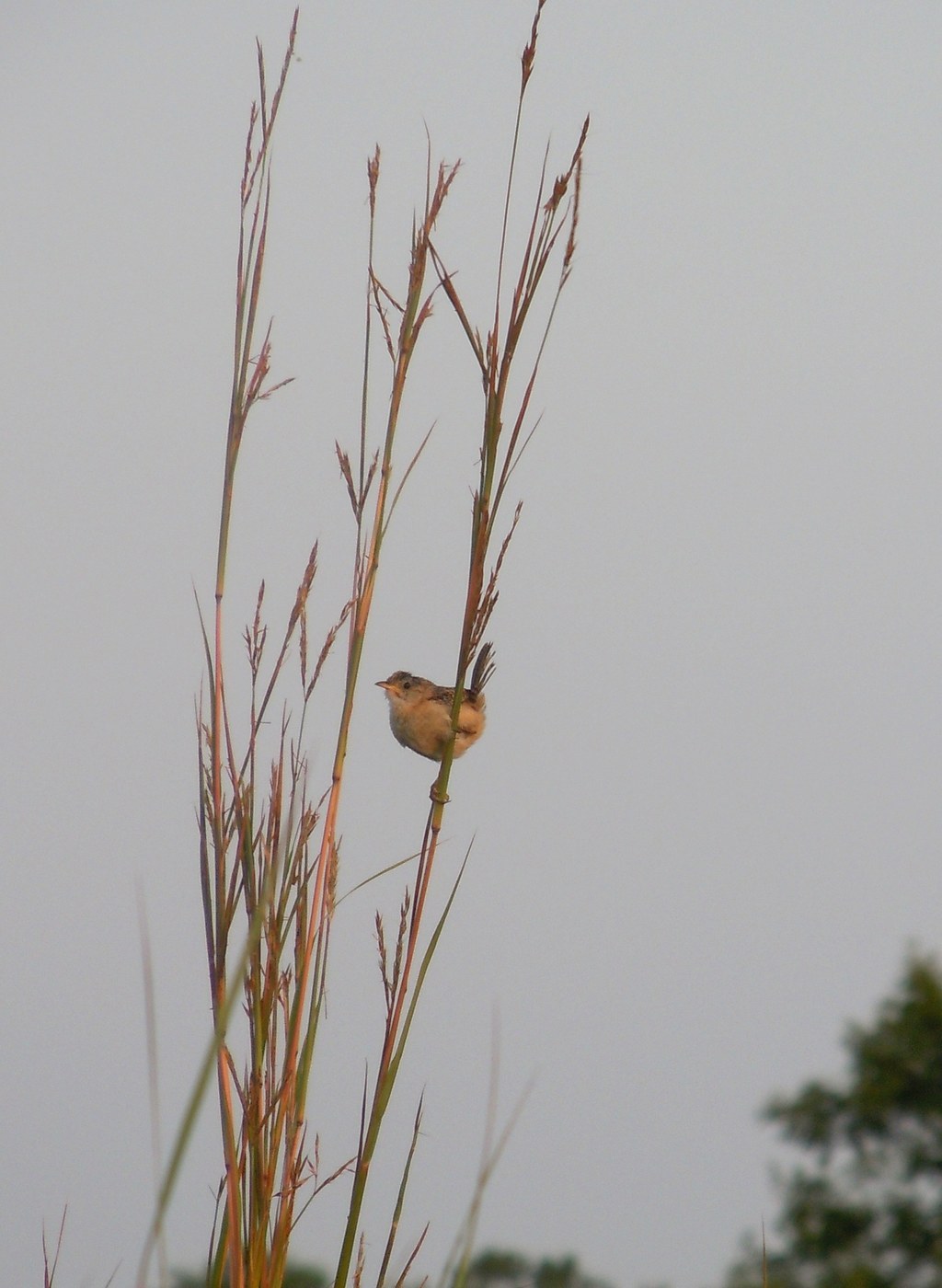
Sedge Wren
Tiny streaked crown and back feathers

Yellow-winged Cacique
Glossy black body feathers, yellow wing patch, shaggy crest

Yellow Warbler
Small contour and flight feathers
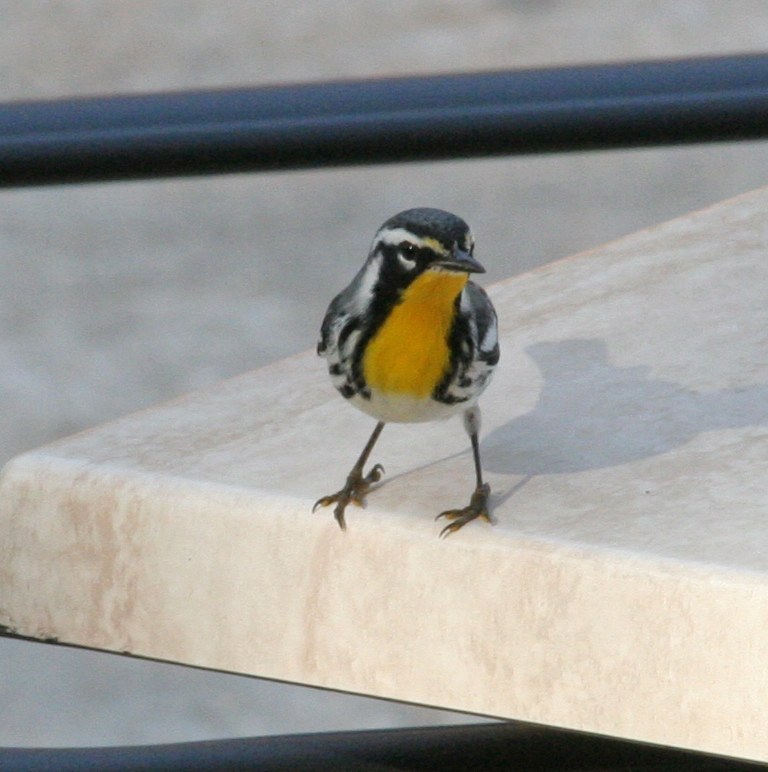
Yellow-throated Warbler
Small contour and flight feathers
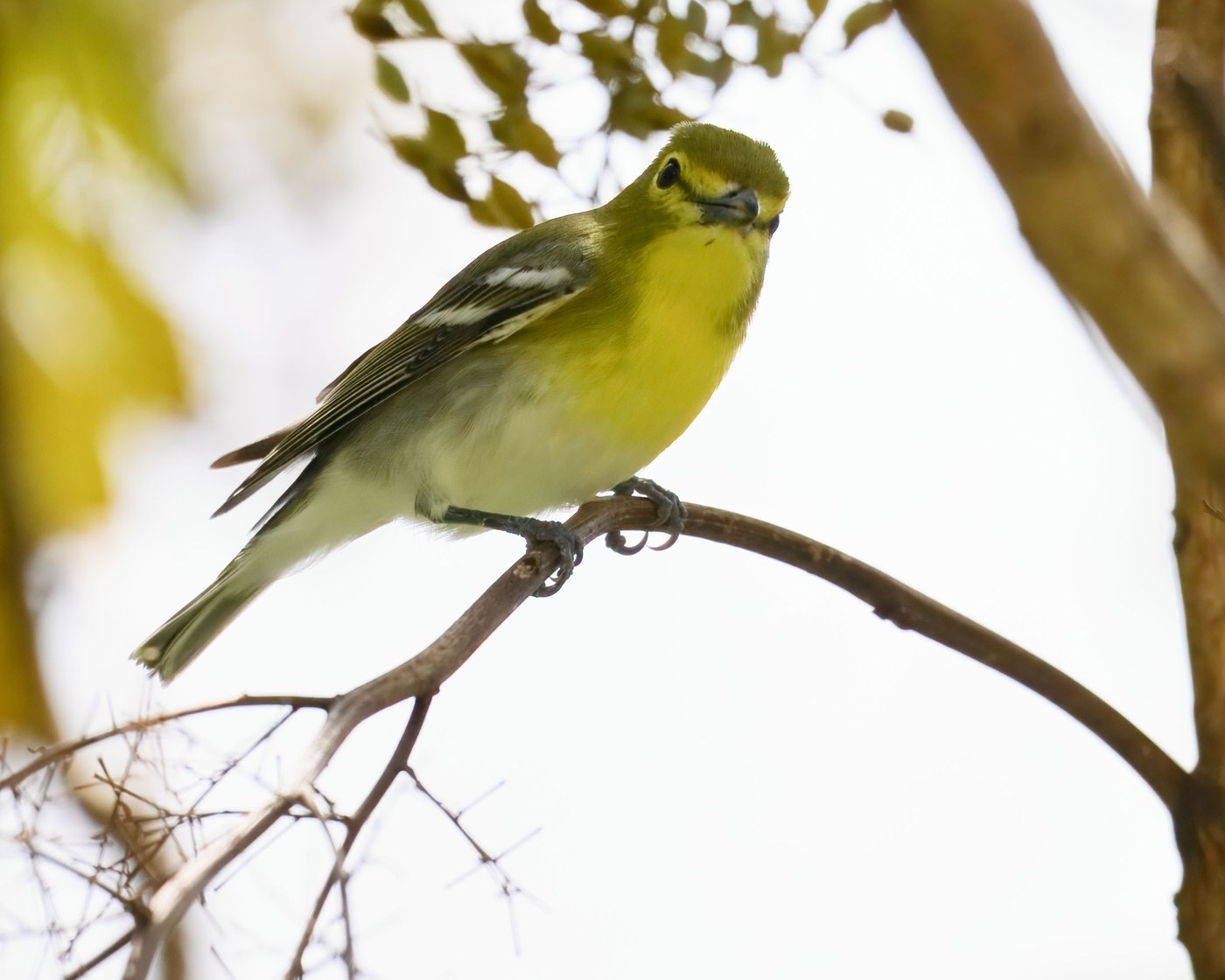
Yellow-throated Vireo
Bright yellow throat and spectacle feathers; olive-green back feathers; two white wing-bar feathers

Yellow-rumped Warbler
Small contour and flight feathers
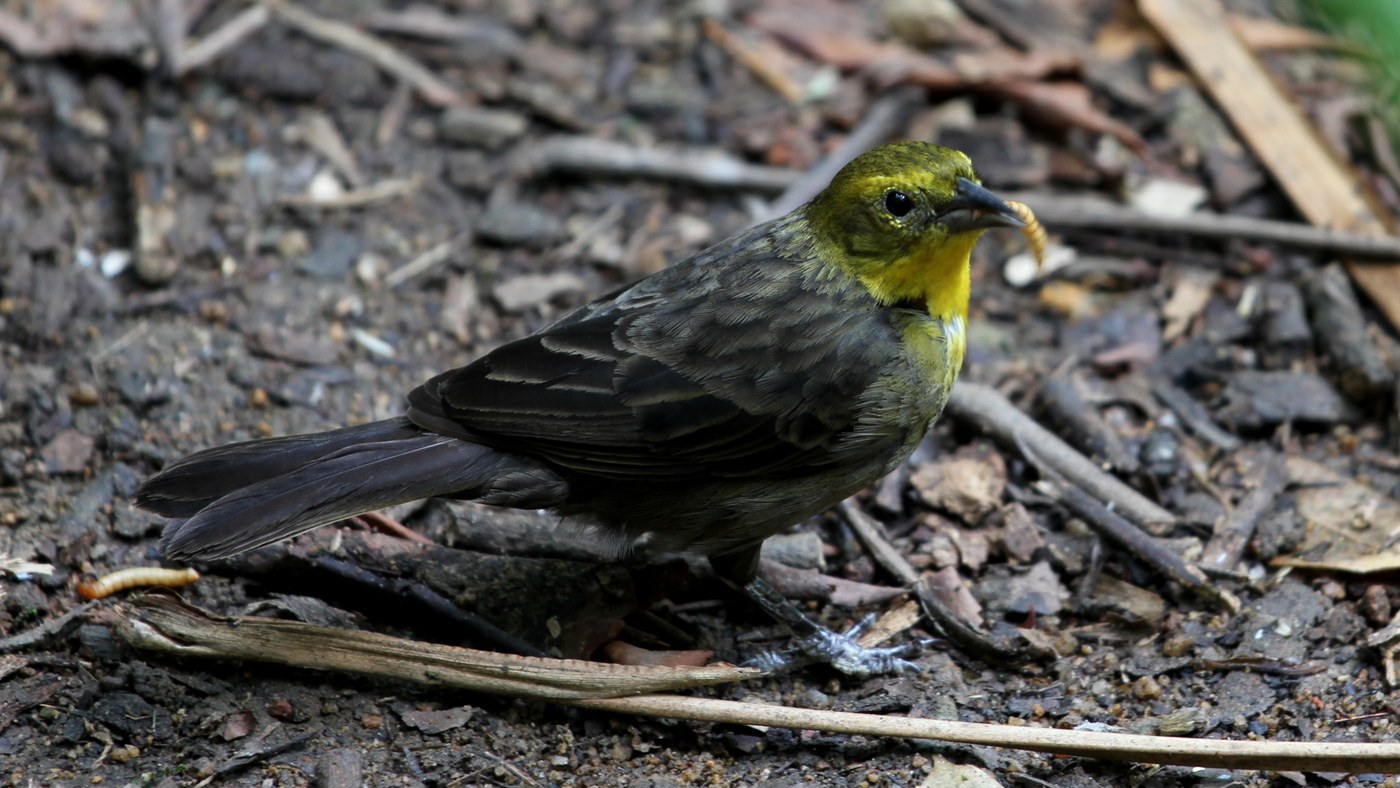
Yellow-hooded Blackbird
Contrasting hood and body feathers
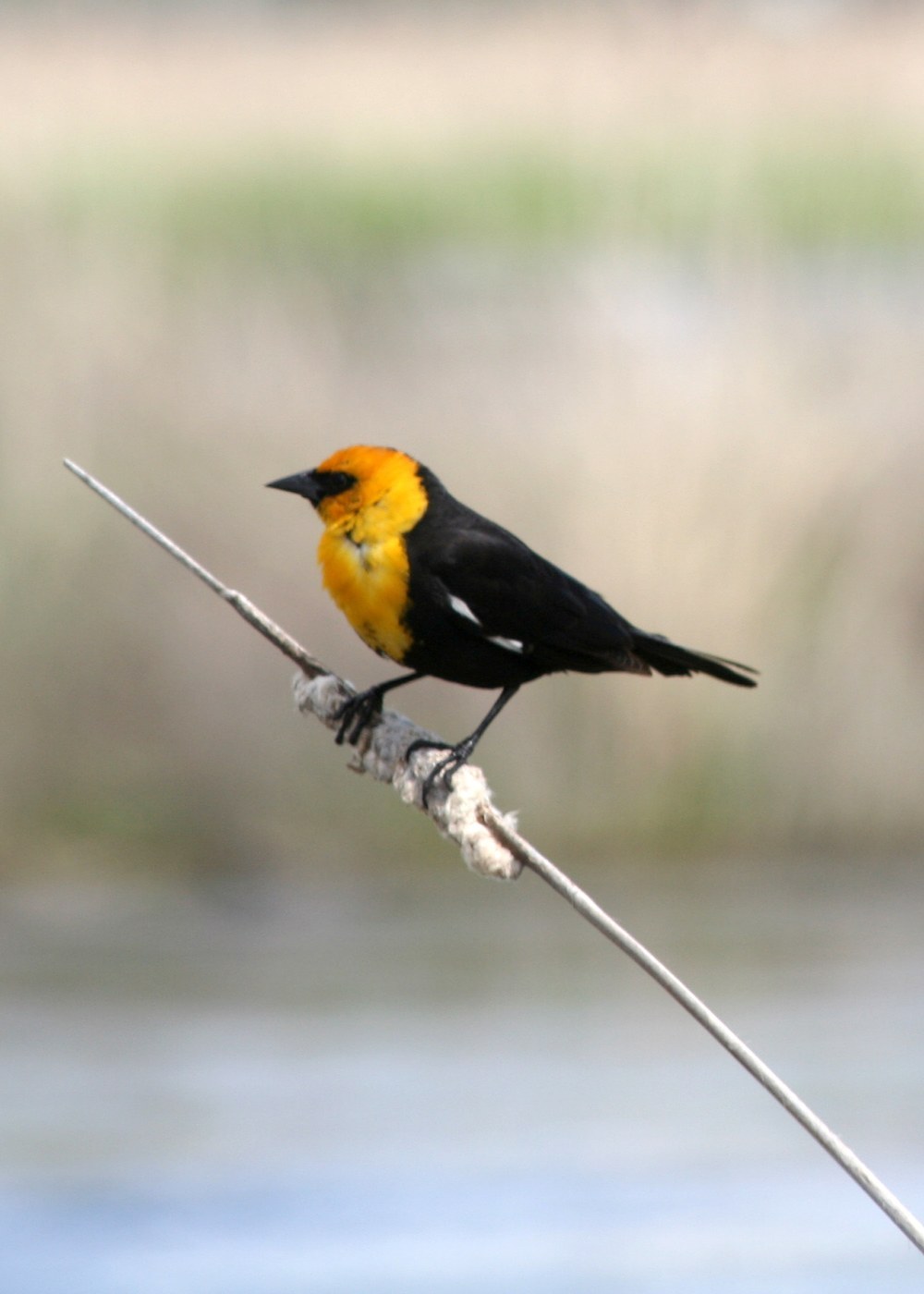
Yellow-headed Blackbird
Glossy black body plumage with a bright yellow head and breast

Yellow-eyed Junco
Contour and flight feathers

Yellow-fronted Canary
Small, smooth body plumage

Yellow-breasted Greenfinch
Compact, smooth body plumage