

Yellow-rumped Warbler
Setophaga coronata
One of North America's most abundant warblers, easily known by small bright-yellow patches on the rump, sides, and crown set against streaky gray-brown feathers.
- Feather type
- Small contour and flight feathers
- Colours
- Gray-brown, bright yellow patches, white
- Bird size
- Small, ~13-15 cm
Found a feather like this?
Identify any feather from a photo, free.
Overview
The Yellow-rumped Warbler is among the most numerous and widespread warblers in North America, breeding across boreal and montane conifer forests and wintering farther south than most other warblers. Its feathers show streaky gray-brown upperparts broken by small but vivid patches of bright yellow on the rump, sides, and crown, a combination that gives the species its nickname "butter-butt." Because of its abundance and tendency to winter on berries, its feathers are commonly found across a wide range of habitats.
Identifying the Feather
Size and Shape
Feathers are small and narrow, typical of a warbler, with body feathers showing distinct streaking.
Color and Pattern
- Rump feathers: bright yellow, unstreaked, a hallmark of the species
- Crown and side patches: yellow, smaller and less conspicuous than the rump patch
- Back and breast feathers: gray-brown with dark streaking
- Tail feathers: dark with white patches near the tips on the outer feathers
Distinguishing from Similar Species
The bright yellow rump patch, present in all plumages, is the single most reliable feature separating this species from other streaky gray-brown warblers, most of which lack any yellow rump feathers at all.
Plumage & Molt
Breeding males show the boldest pattern, with a black-streaked gray back, black breast patches, and the brightest yellow crown, rump, and side patches; females and non-breeding birds are duller and browner but retain the yellow rump. Two distinct forms occur, the eastern "Myrtle" and western "Audubon's," differing mainly in throat color (white versus yellow) rather than the rump patch. Juveniles are heavily streaked and duller before their first molt. Adults undergo a complete molt after breeding, with an additional partial molt before spring in some populations.
Habitat & Range
Yellow-rumped Warblers breed across boreal and montane coniferous and mixed forests spanning most of Canada, the northern United States, and western mountain ranges. The species winters farther north than nearly any other warbler, tolerating cold temperatures in part due to its ability to digest waxy berries, and can be found in a huge range of habitats during migration and winter, including shrubby edges, woodlands, and coastal scrub.
Behavior & Field Notes
This warbler feeds on insects during the breeding season, often catching them in flight, and switches to berries, especially wax myrtle and bayberry, during migration and winter, which allows it to winter farther north than most warblers. It builds a cup nest in conifers, typically well concealed. Its call is a sharp, flat "check" note, and the song is a simple, warbling trill. Yellow-rumped Warblers often form large flocks in winter, moving through mixed habitats in search of fruiting shrubs.
Frequently asked questions
What is the easiest way to identify a Yellow-rumped Warbler feather?
Look for the small, bright yellow rump patch, which is present in every plumage and age, even on dull winter birds.
Are there different forms of Yellow-rumped Warbler feathers?
Yes, eastern 'Myrtle' and western 'Audubon's' forms differ mainly in throat color, but both share the diagnostic yellow rump.
Why is the Yellow-rumped Warbler called a 'butter-butt'?
The nickname refers to its small but vivid yellow rump patch, visible even in duller non-breeding plumage.
Does the Yellow-rumped Warbler migrate?
Yes, though it winters farther north than most warblers thanks to its ability to eat berries in cold weather.
Yellow-rumped Warbler guides
In-depth guides for identifying and understanding Yellow-rumped Warbler.

Yellow-rumped Warbler identified by the community
Real feathers identified with Feather Identifier.


Other feathers you may enjoy

Yellow-breasted Bunting
Contour and flight feathers, chestnut-and-yellow breeding pattern
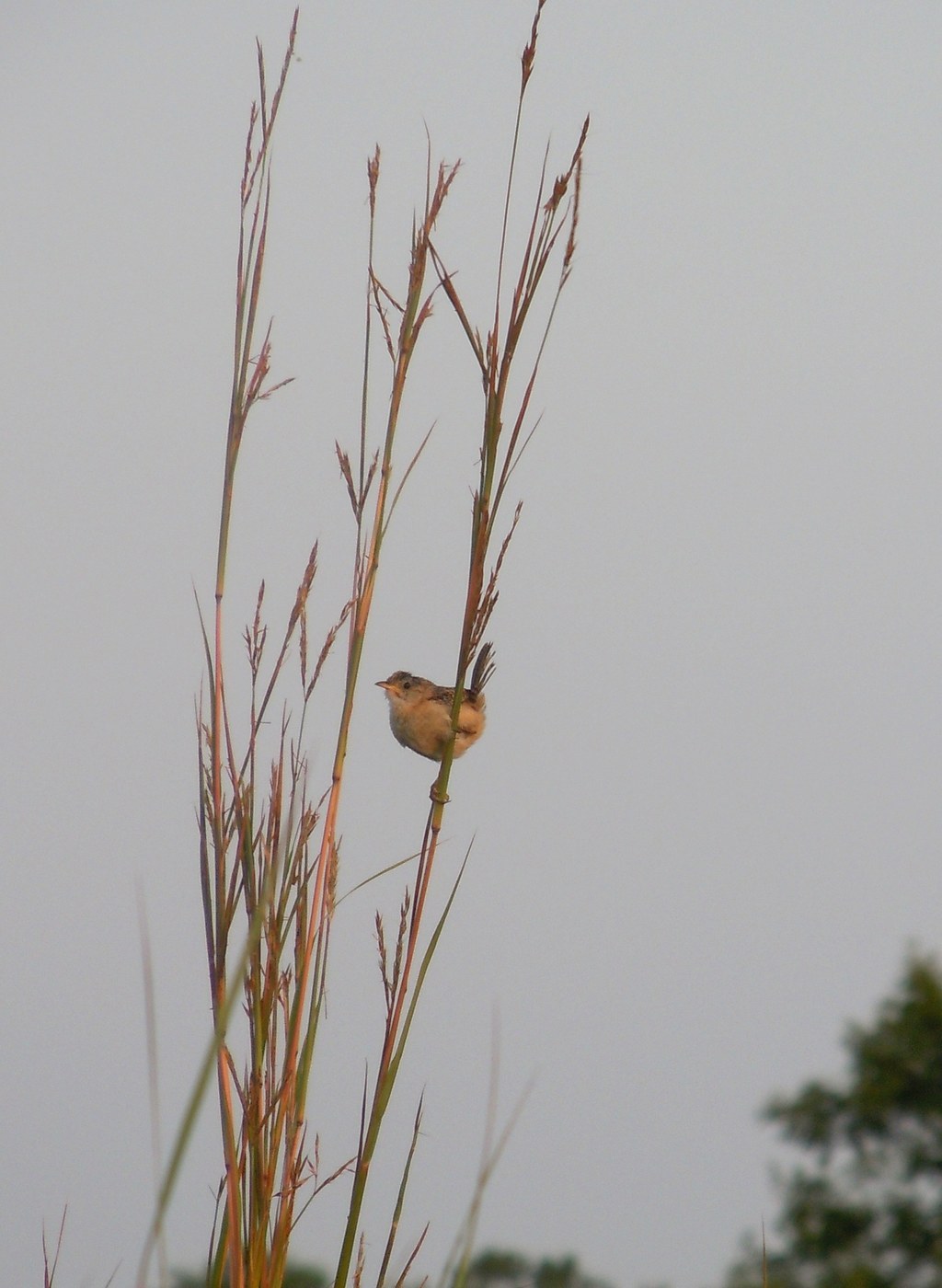
Sedge Wren
Tiny streaked crown and back feathers

Yellow-winged Cacique
Glossy black body feathers, yellow wing patch, shaggy crest

Yellow Warbler
Small contour and flight feathers
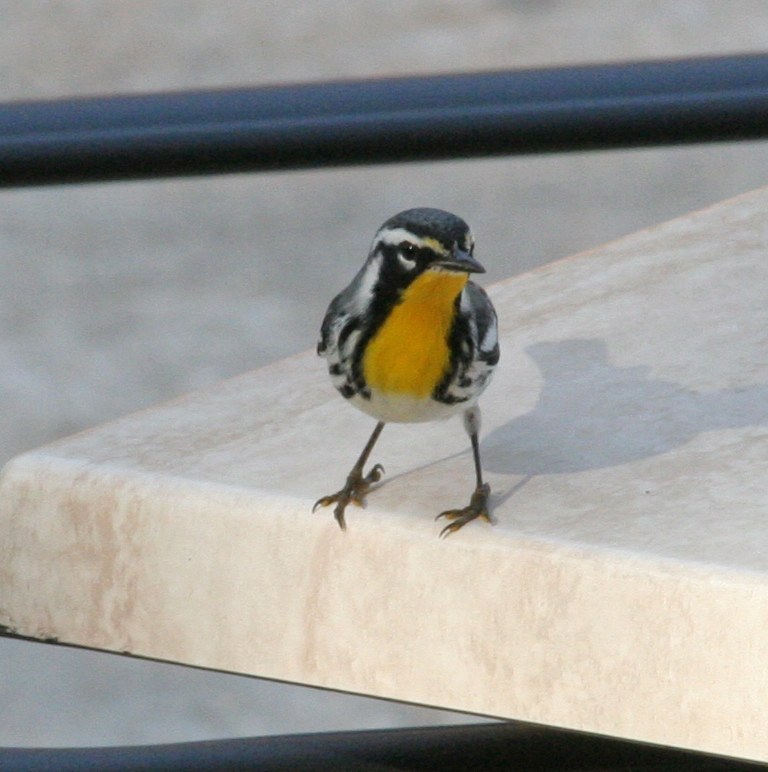
Yellow-throated Warbler
Small contour and flight feathers
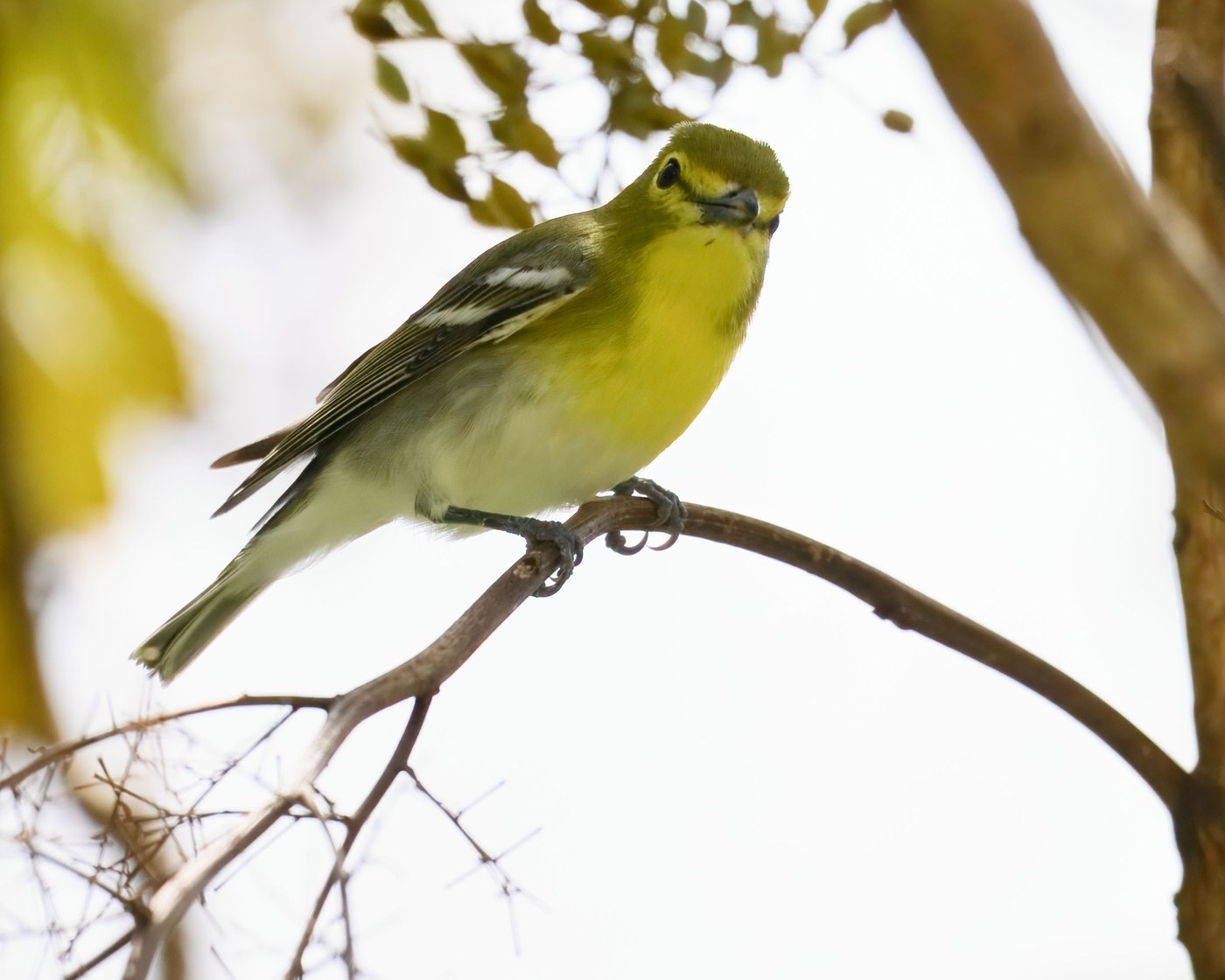
Yellow-throated Vireo
Bright yellow throat and spectacle feathers; olive-green back feathers; two white wing-bar feathers
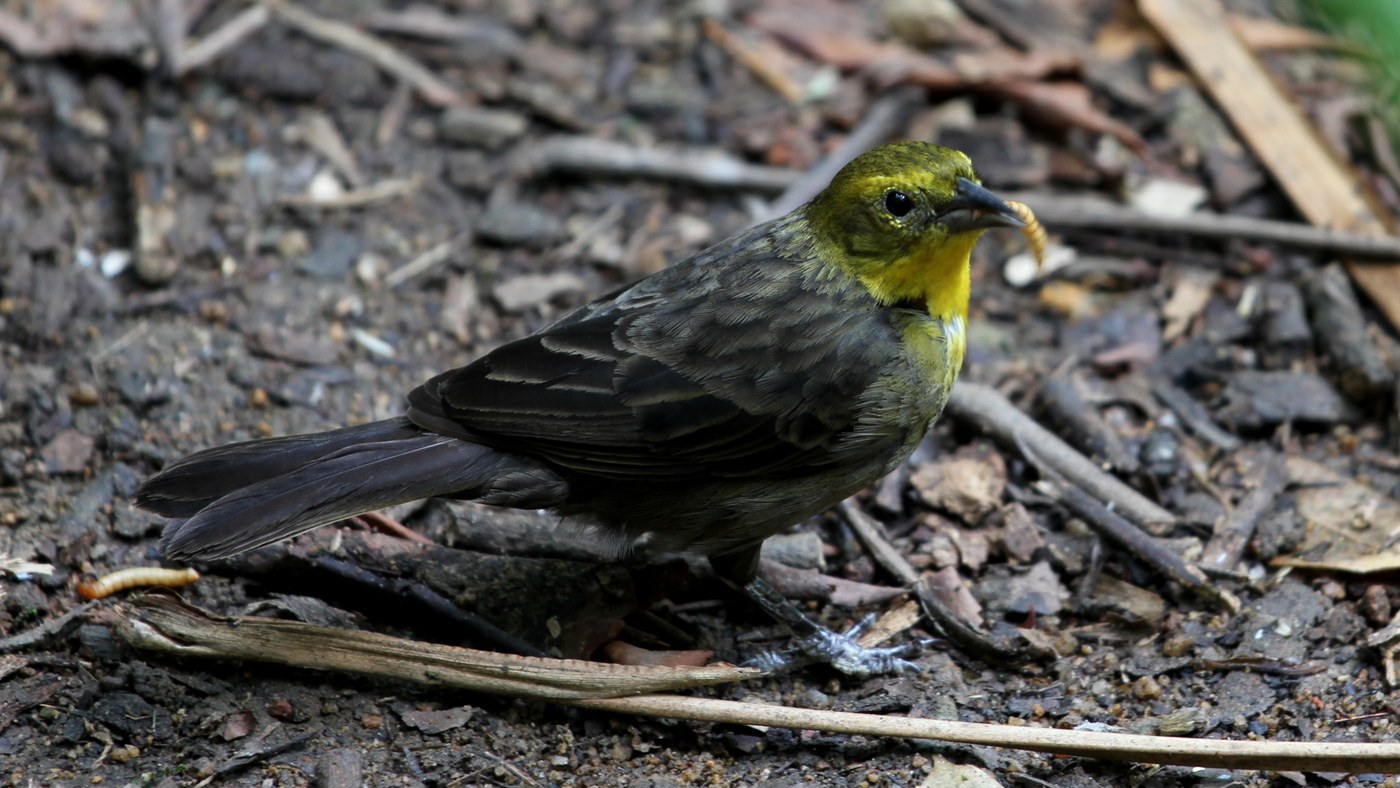
Yellow-hooded Blackbird
Contrasting hood and body feathers
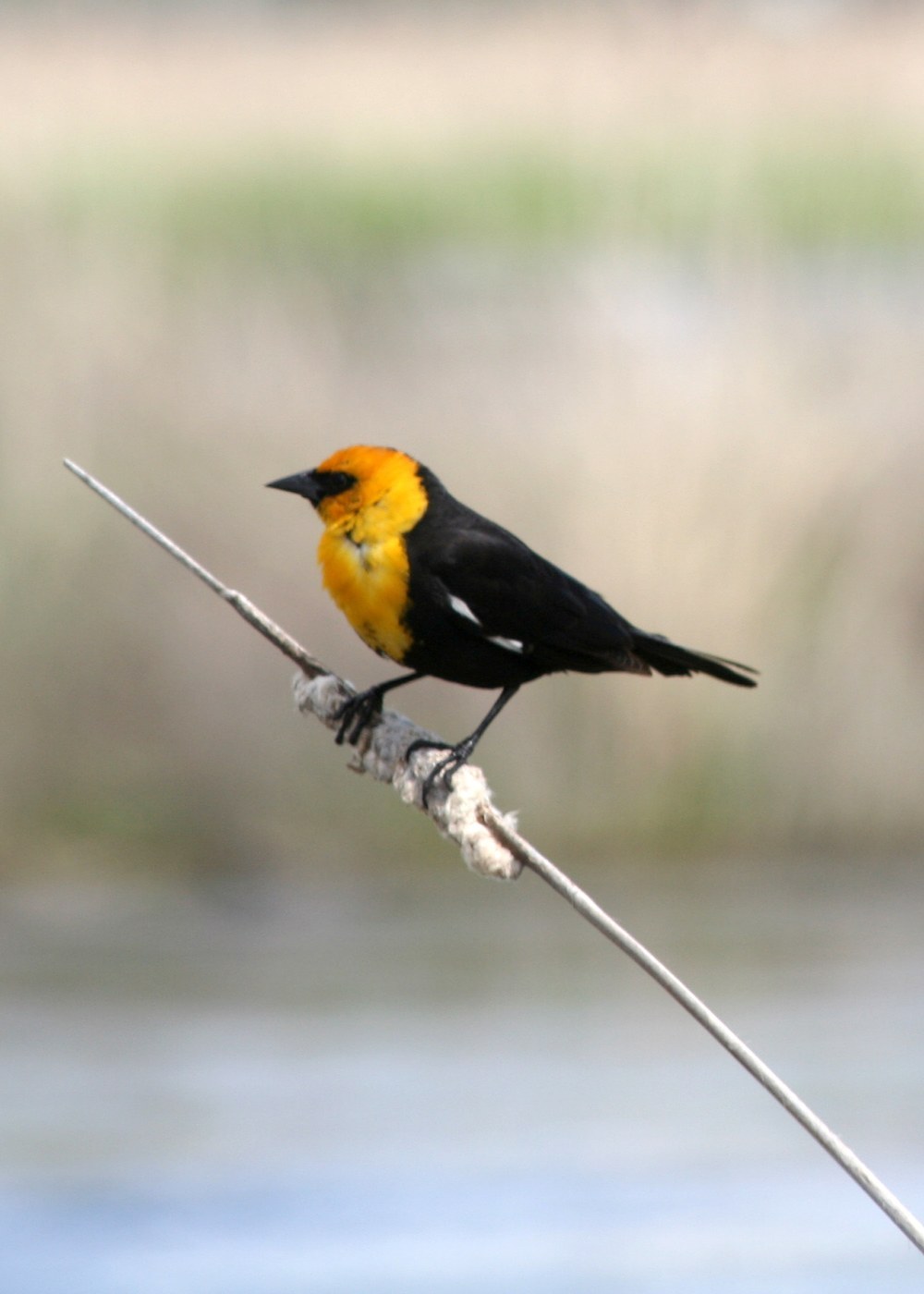
Yellow-headed Blackbird
Glossy black body plumage with a bright yellow head and breast

Yellow-eyed Junco
Contour and flight feathers

Yellow-fronted Canary
Small, smooth body plumage

Yellow-breasted Greenfinch
Compact, smooth body plumage

Yellow-breasted Chat
Large, plain contour feathers; long rounded tail feathers; thick-based bill-adjacent feathers