

Yellow-breasted Chat
Icteria virens
The Yellow-breasted Chat is an oversized, thick-billed relative of the wood-warblers with a bright yellow throat and a habit of hiding deep in tangled thickets.
- Feather type
- Large, plain contour feathers; long rounded tail feathers; thick-based bill-adjacent feathers
- Colours
- Olive-green upperparts, bright yellow throat and breast, white belly, white spectacle markings
- Bird size
- Larger than most warblers, ~18-19 cm
Found a feather like this?
Identify any feather from a photo, free.
Overview
Overview
The Yellow-breasted Chat is by far the largest of the New World wood-warblers, so much larger and thicker-billed than typical warblers that its exact family placement has long been debated. It favors dense, tangled shrub habitat, staying low and hidden even while delivering an odd, varied medley of whistles, chatters, and squawks.
Its feathers reflect its larger size and different proportions compared to typical warblers, with a bright yellow throat and breast standing out against duller upperparts.
Identifying the Feather
Recognizing the Feathers
- Back feathers: plain olive-green, unstreaked
- Throat & breast feathers: bright, saturated yellow, unstreaked
- Belly feathers: white
- Face feathers: white spectacle-like markings around the eye and lores
- Overall feather size: noticeably larger and more robust than typical warbler feathers
The combination of large feather size, plain unstreaked back, and solid bright yellow throat/breast without wing bars helps distinguish this species from smaller warblers with similar coloring.
Plumage & Molt
Plumage
Sexes are similar, both showing olive-green upperparts, a bright yellow throat and breast, and a white lower belly, though males may show slightly more contrast and a darker lores patch. Juveniles are duller and buffier overall. There is no seasonal color change, with a single complete molt after breeding.
Habitat & Range
Habitat & Range
Yellow-breasted Chats breed across much of the United States and southern Canada in dense shrubby thickets, brushy field edges, and overgrown clearings, then migrate to winter in Mexico and Central America. They favor early successional habitat with thick low cover rather than mature forest.
Behavior & Field Notes
Behavior & Field Notes
Chats forage low in dense vegetation for insects and other small invertebrates, rarely venturing into the open. Males deliver an unusual, disjointed song combining whistles, cackles, and grunts, sometimes performed during a slow, hovering display flight above the thicket. Nests are built low in dense shrubs, well hidden from view.
Frequently asked questions
Why are Yellow-breasted Chat feathers larger than other warbler feathers?
The species is substantially larger and thicker-billed than typical wood-warblers, so its feathers are correspondingly bigger and more robust.
What color pattern should I look for?
A plain olive-green back paired with an unstreaked, bright yellow throat and breast and a white lower belly, without any wing bars.
Do males and females look different?
They are broadly similar, though males may show slightly more facial contrast; juveniles are notably duller and buffier.
What habitat is this species associated with?
Dense, tangled shrub thickets and brushy overgrown fields rather than mature forest, both for breeding and foraging.
Yellow-breasted Chat guides
In-depth guides for identifying and understanding Yellow-breasted Chat.

Other feathers you may enjoy

Yellow-breasted Bunting
Contour and flight feathers, chestnut-and-yellow breeding pattern
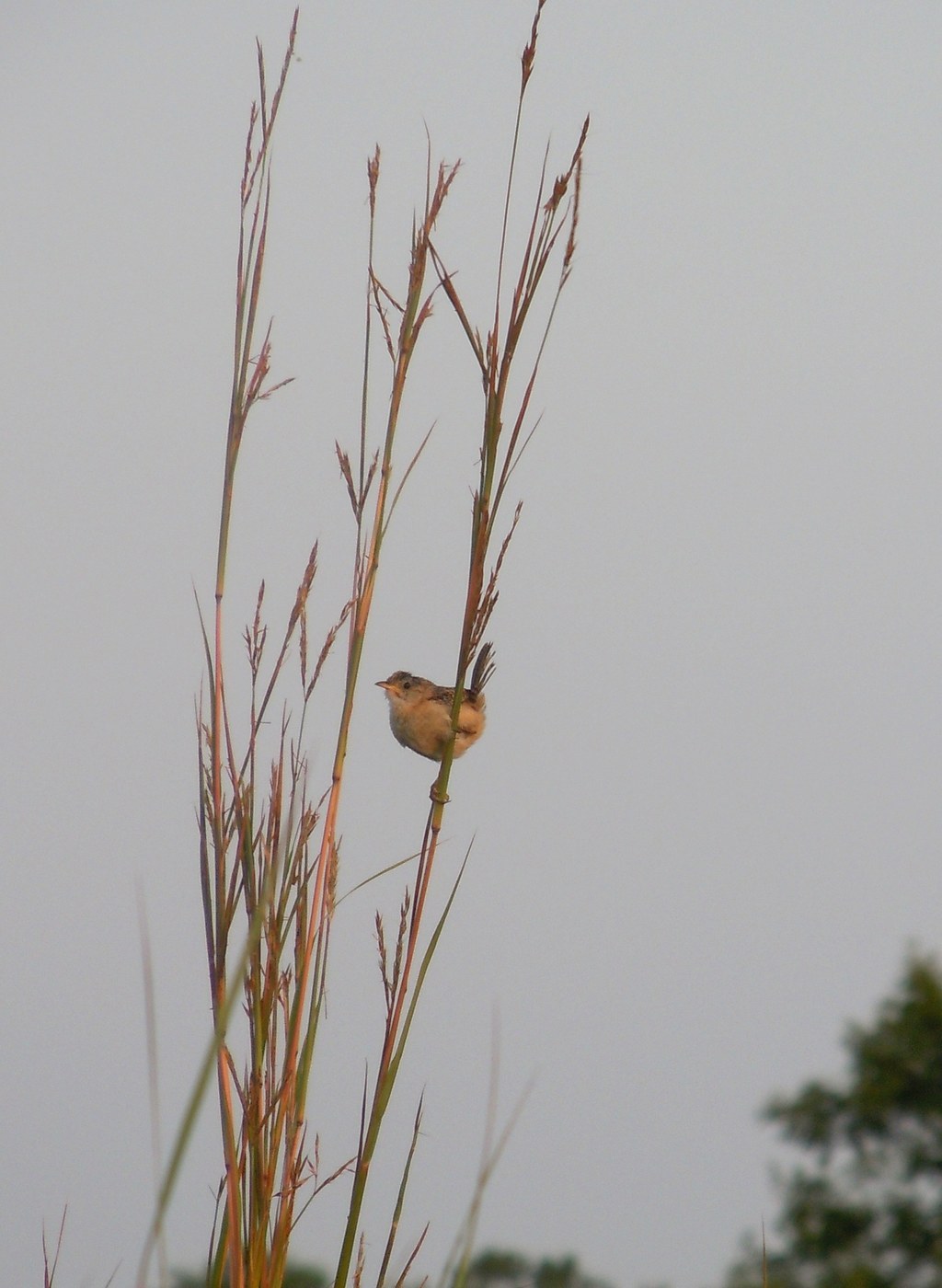
Sedge Wren
Tiny streaked crown and back feathers

Yellow-winged Cacique
Glossy black body feathers, yellow wing patch, shaggy crest

Yellow Warbler
Small contour and flight feathers
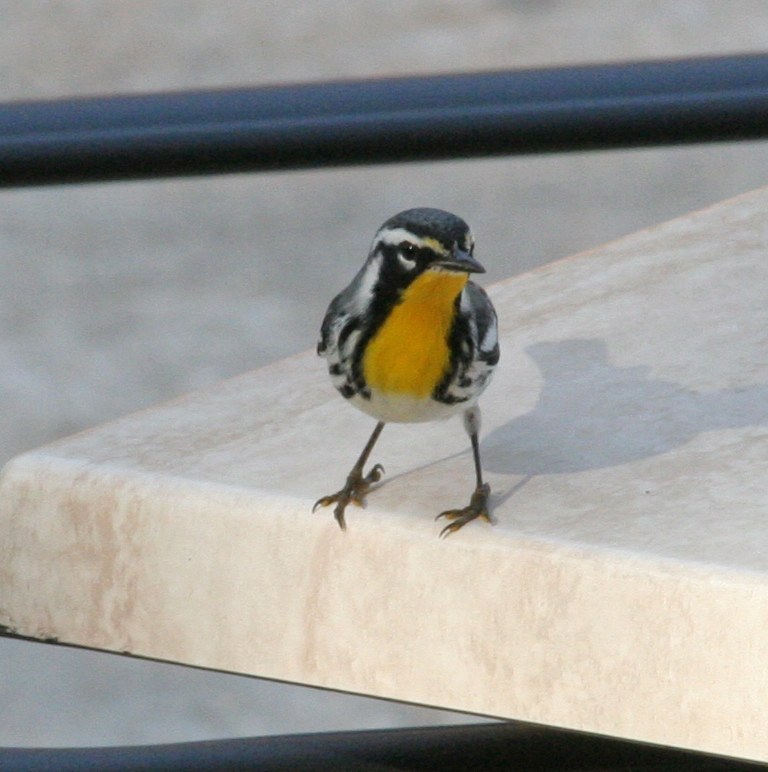
Yellow-throated Warbler
Small contour and flight feathers
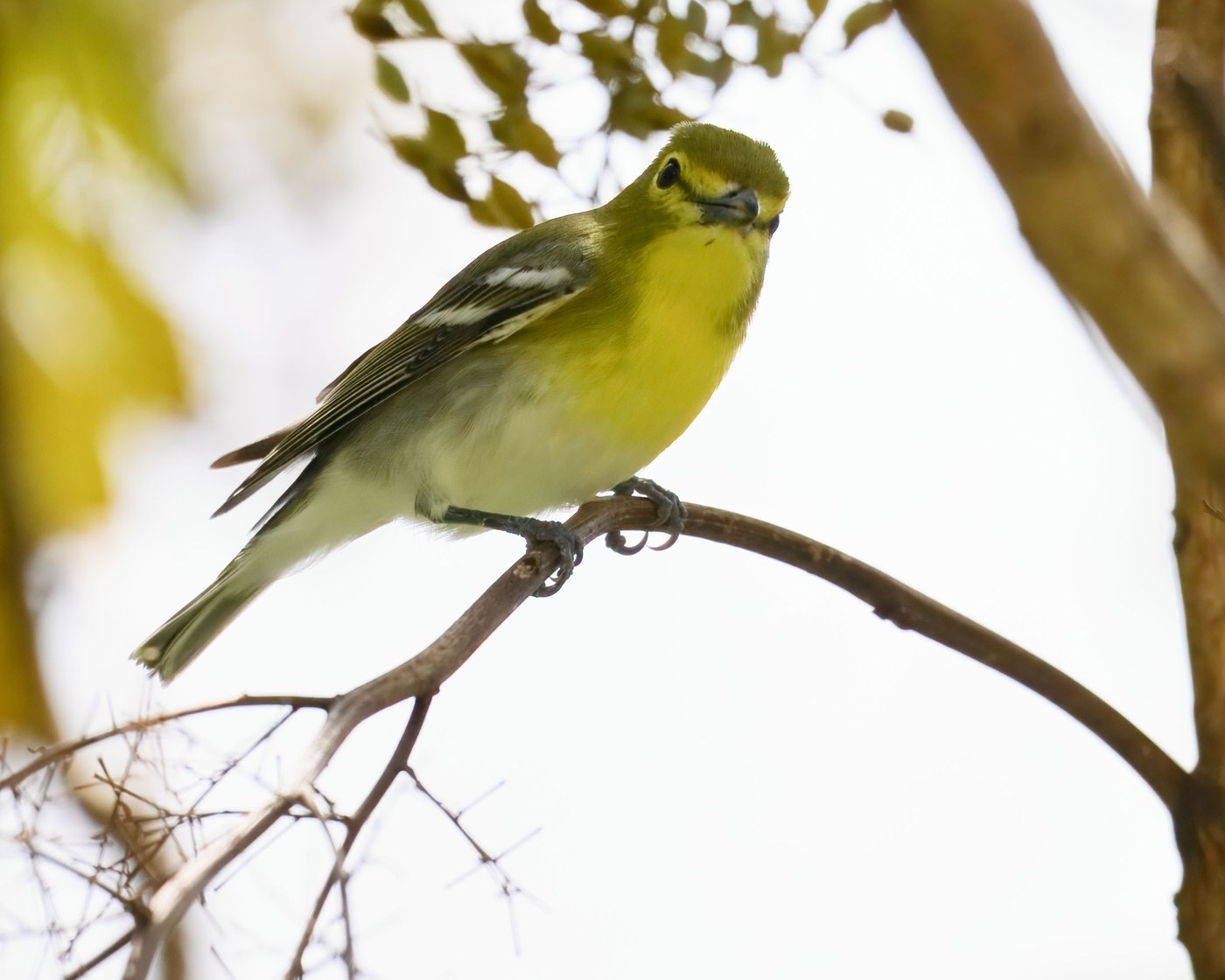
Yellow-throated Vireo
Bright yellow throat and spectacle feathers; olive-green back feathers; two white wing-bar feathers

Yellow-rumped Warbler
Small contour and flight feathers
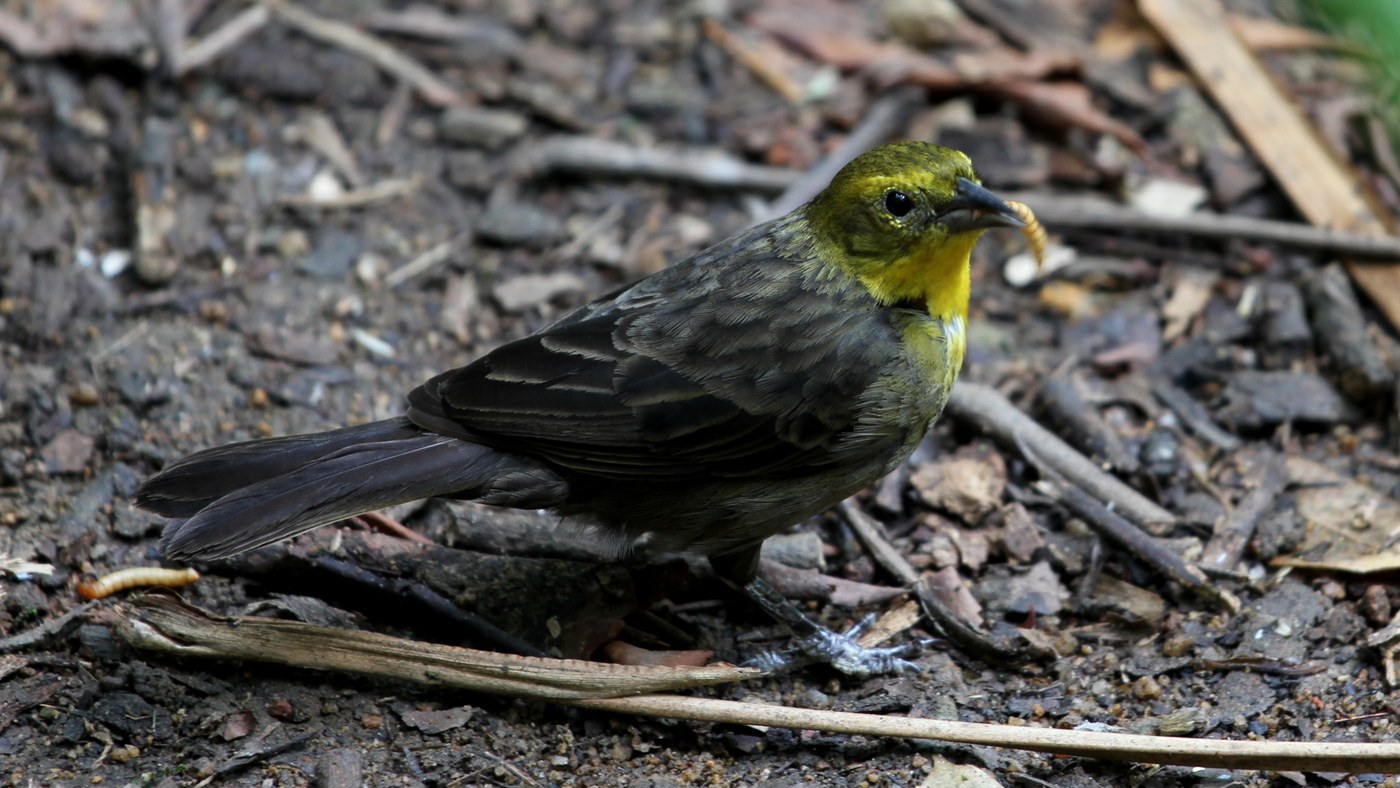
Yellow-hooded Blackbird
Contrasting hood and body feathers
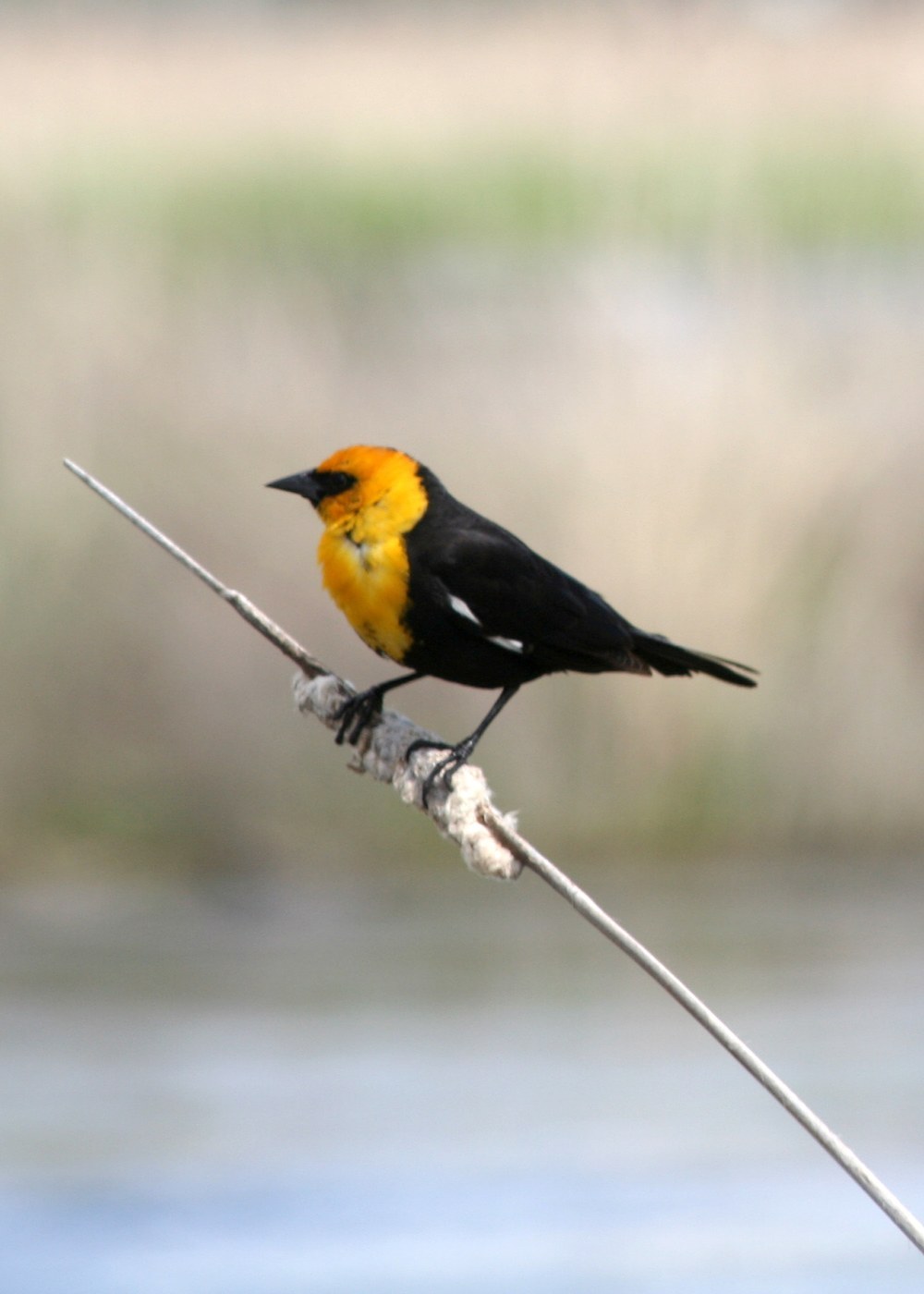
Yellow-headed Blackbird
Glossy black body plumage with a bright yellow head and breast

Yellow-eyed Junco
Contour and flight feathers

Yellow-fronted Canary
Small, smooth body plumage

Yellow-breasted Greenfinch
Compact, smooth body plumage