
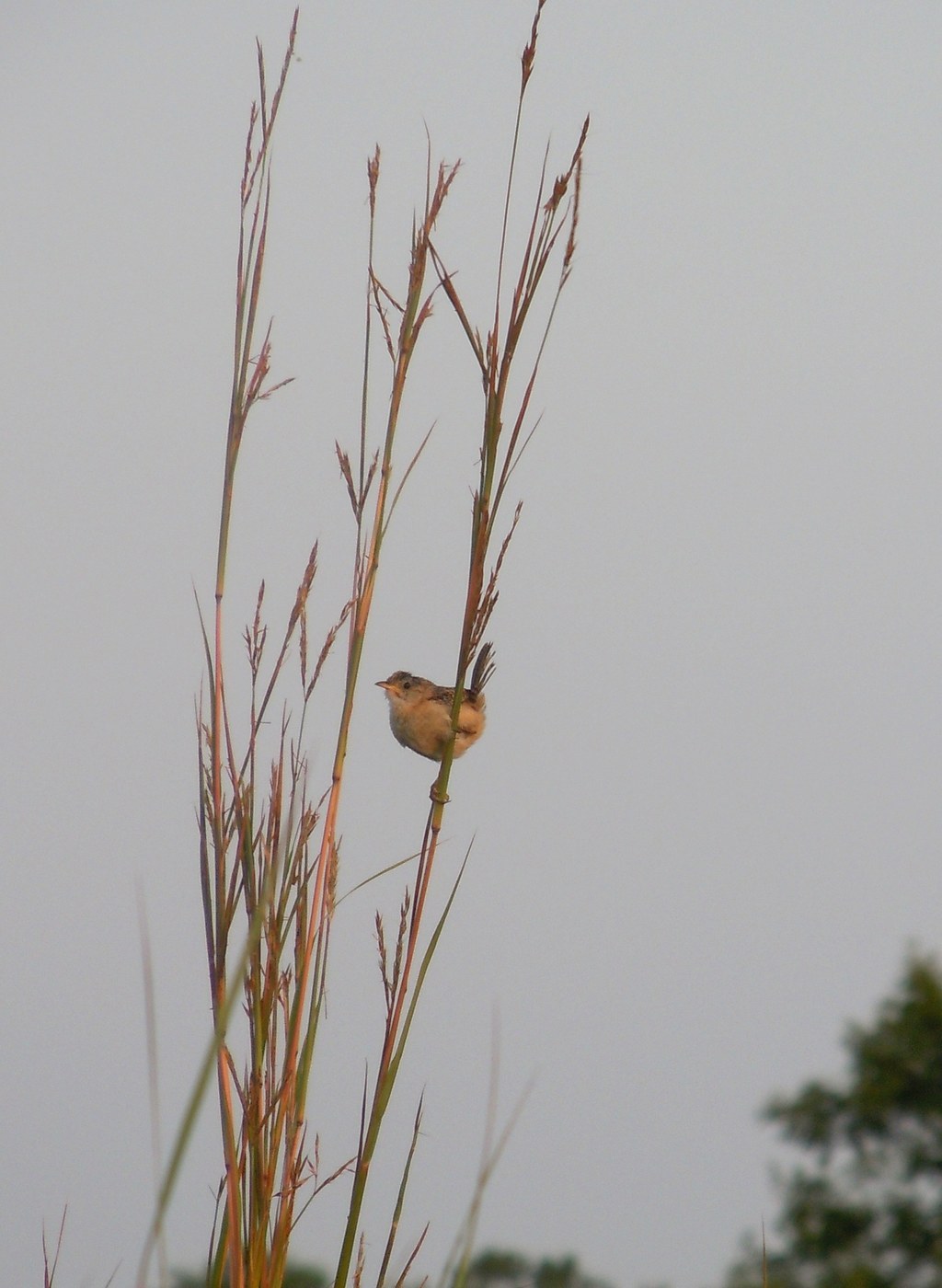
Sedge Wren
Cistothorus stellaris
A tiny North American wren of wet sedge meadows, streaked above with a short indistinct eyebrow and a habit of cocking its short tail.
- Feather type
- Tiny streaked crown and back feathers
- Colours
- Buff, brown, and streaked black
- Bird size
- Very small, ~10-11 cm
Found a feather like this?
Identify any feather from a photo, free.
Overview
Overview
The Sedge Wren is a small, secretive wren of wet meadows and sedge marshes across parts of North America, distinct from the larger Marsh Wren that favors cattail wetlands. Its streaked crown and back help it blend into grassy, sedge-dominated habitat.
Its erratic and localized breeding distribution, shifting between sites year to year, makes it one of the more unpredictable small songbirds to find.
Identifying the Feather
Feather Identification
- Crown: finely streaked brown and buff, unlike the plain crown of the Marsh Wren.
- Back: streaked black and buff, providing camouflage in sedge and grass.
- Supercilium: short and indistinct, paler buff rather than a bold white stripe.
- Tail: short, often held cocked upward, barred with fine dark lines.
The streaked crown, indistinct eyebrow, and smaller size separate this species from the Marsh Wren, which shows a plain crown and a bolder white supercilium.
Plumage & Molt
Plumage Notes
Sexes look alike, both showing streaked buff-brown upperparts and paler, unstreaked underparts. There is little seasonal plumage change in this species.
Juveniles resemble adults but may show slightly softer, less crisp streaking. A single annual molt follows breeding.
Habitat & Range
Habitat & Range
The Sedge Wren breeds locally across parts of the northern and central United States and southern Canada, in wet sedge meadows, damp grassland, and hayfields rather than cattail marshes. It winters in the southeastern United States, Mexico, and parts of Central America.
Its breeding distribution is notably erratic, with birds sometimes settling in a site for only one season before shifting elsewhere, likely tracking local water levels and vegetation conditions.
Behavior & Field Notes
Behavior & Field Notes
Sedge Wrens forage low in dense grass and sedge for insects, staying well hidden and often detected first by voice rather than sight.
The nest is a globular structure woven into sedge or grass stems near the ground. The song is a dry, chattering trill, distinct from the louder, more musical song of the Marsh Wren. Habitat choice, streaked crown, and short indistinct supercilium are the best tools for separating this species from the Marsh Wren.
Frequently asked questions
How do I tell a Sedge Wren from a Marsh Wren?
The Sedge Wren has a streaked crown and a short, indistinct supercilium, while the Marsh Wren has a plain crown and a bolder white eyebrow stripe; habitat also differs, with Sedge Wrens favoring sedge meadows over cattail marsh.
What habitat should I search for a Sedge Wren?
Look in wet sedge meadows, damp grassland, and hayfields rather than the cattail marshes favored by the Marsh Wren.
Why is this species considered unpredictable to find?
Its breeding distribution shifts erratically from year to year, likely tracking local water levels and vegetation conditions at potential nesting sites.
What does the Sedge Wren's song sound like?
It gives a dry, chattering trill, distinct from the louder, more musical song of the related Marsh Wren.
Sedge Wren guides
In-depth guides for identifying and understanding Sedge Wren.
Other feathers you may enjoy

Yellow-breasted Bunting
Contour and flight feathers, chestnut-and-yellow breeding pattern

Yellow-winged Cacique
Glossy black body feathers, yellow wing patch, shaggy crest

Yellow Warbler
Small contour and flight feathers
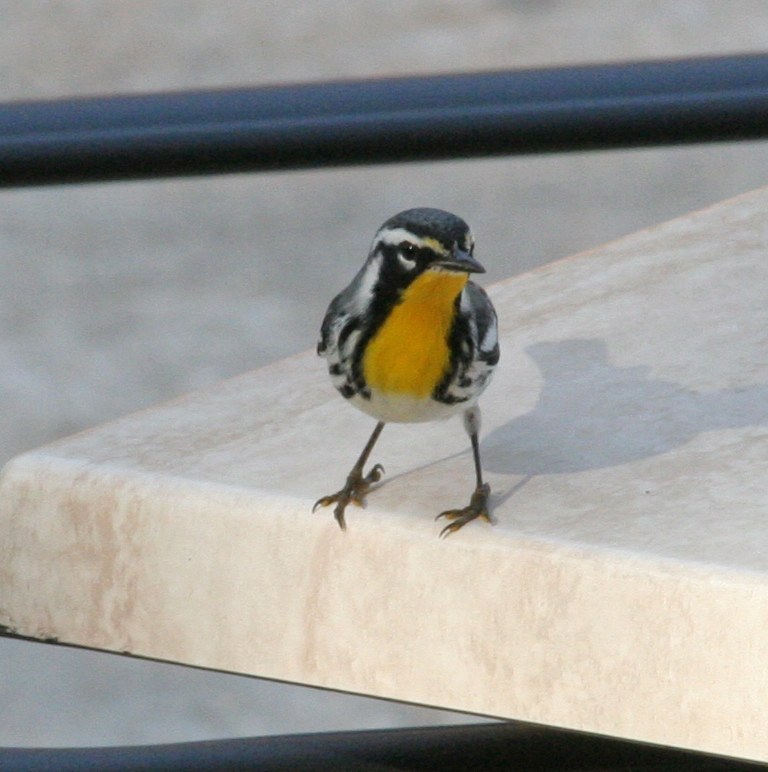
Yellow-throated Warbler
Small contour and flight feathers
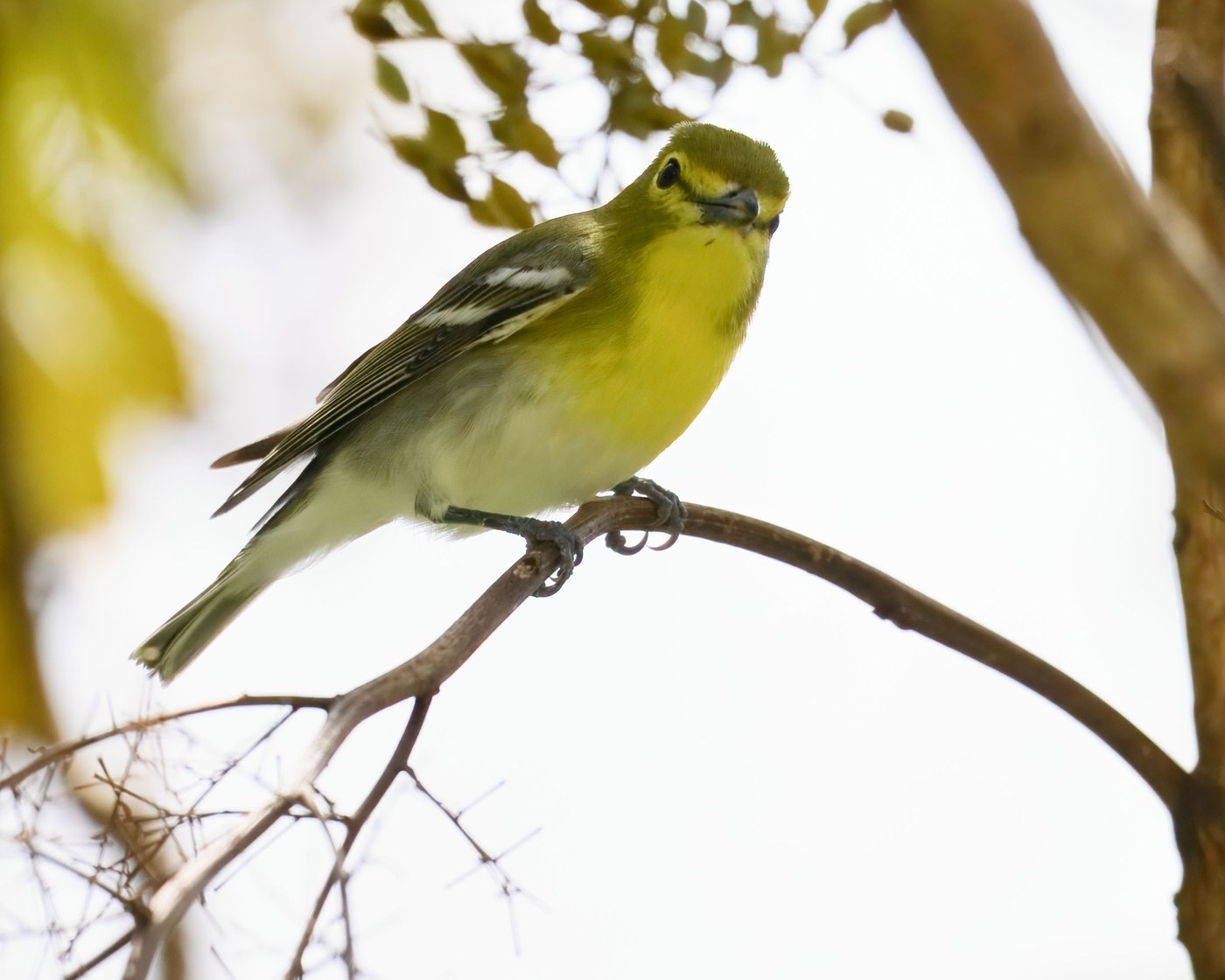
Yellow-throated Vireo
Bright yellow throat and spectacle feathers; olive-green back feathers; two white wing-bar feathers

Yellow-rumped Warbler
Small contour and flight feathers
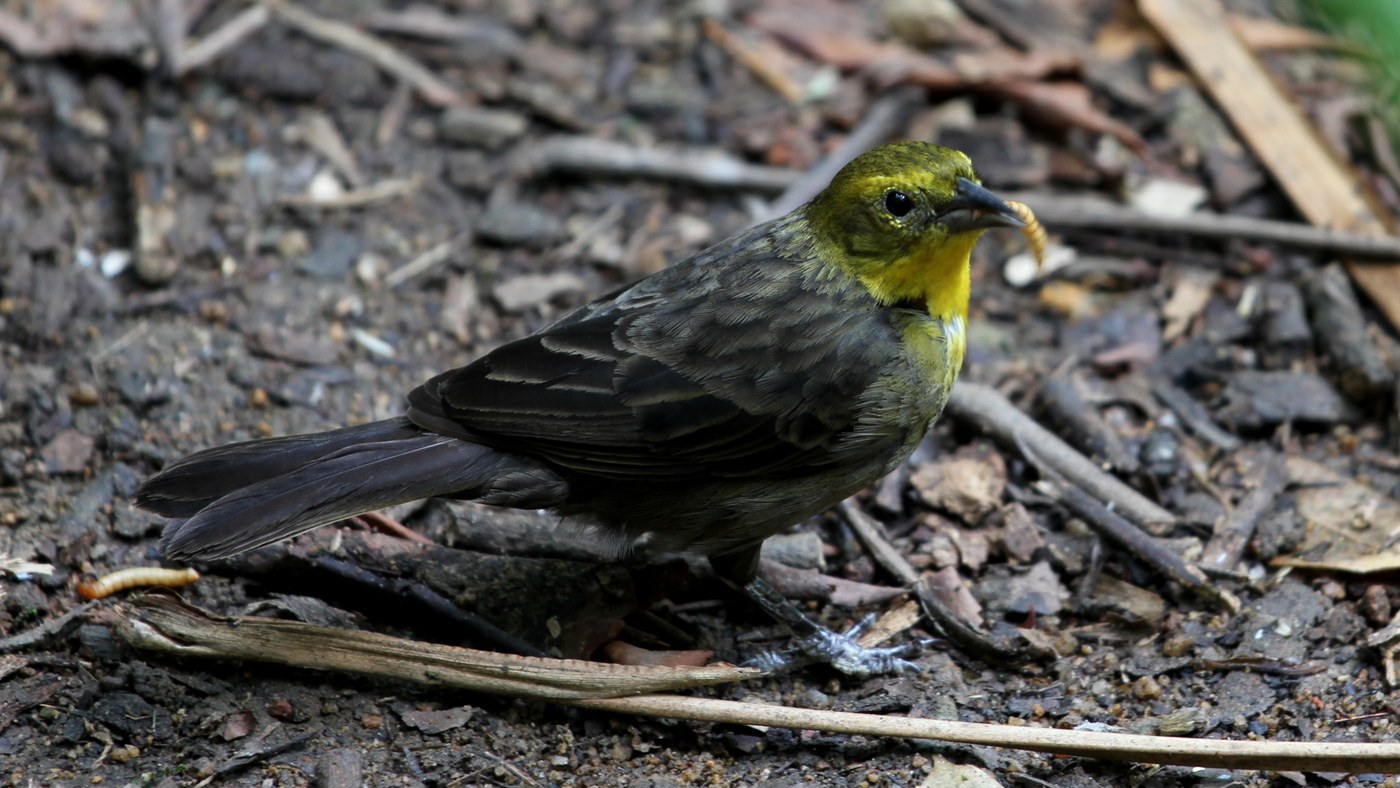
Yellow-hooded Blackbird
Contrasting hood and body feathers
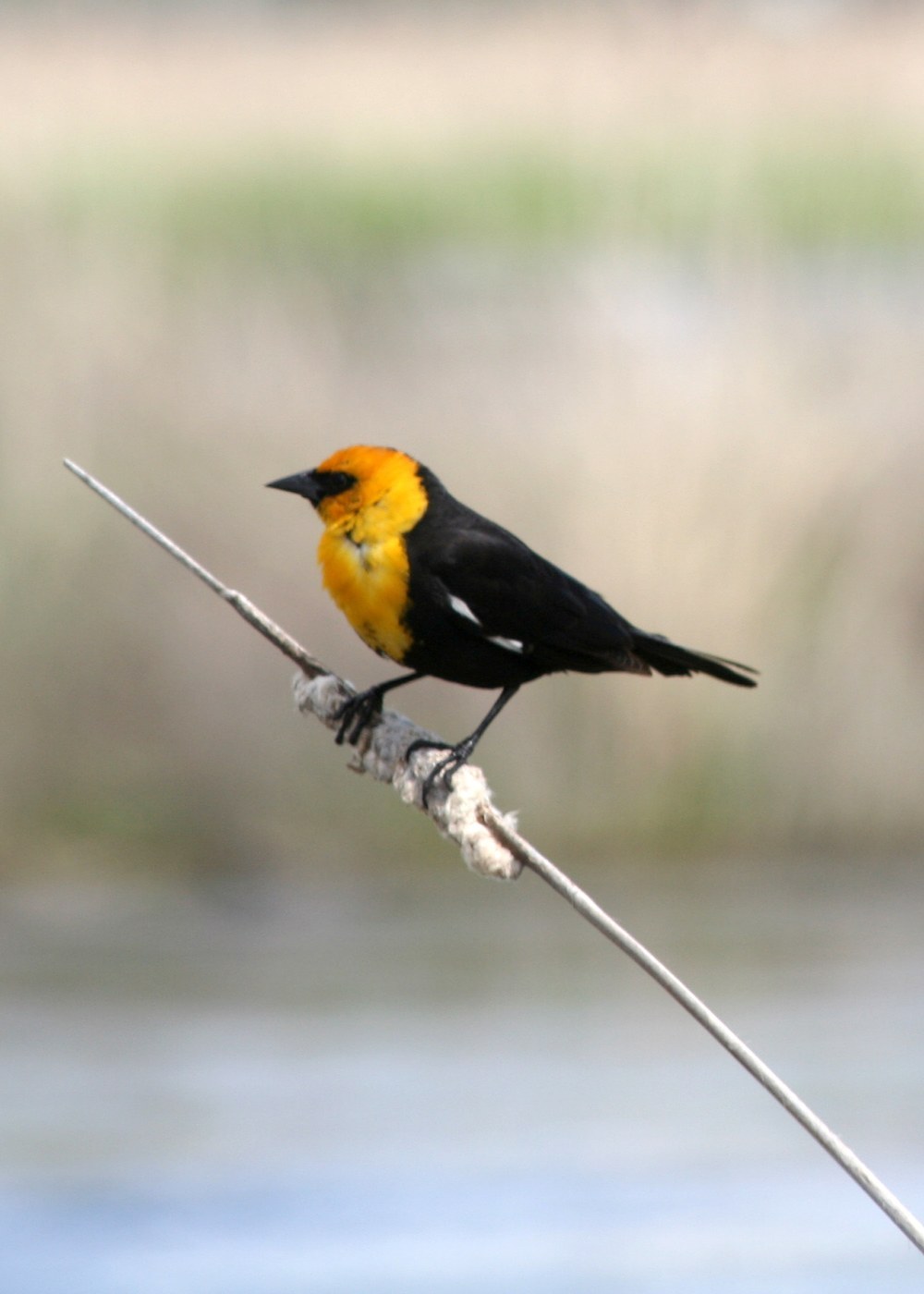
Yellow-headed Blackbird
Glossy black body plumage with a bright yellow head and breast

Yellow-eyed Junco
Contour and flight feathers

Yellow-fronted Canary
Small, smooth body plumage

Yellow-breasted Greenfinch
Compact, smooth body plumage

Yellow-breasted Chat
Large, plain contour feathers; long rounded tail feathers; thick-based bill-adjacent feathers