

Yellow-breasted Bunting
Emberiza aureola
The Yellow-breasted Bunting is a strikingly colored Eurasian songbird, once abundant but now rare due to unsustainable historical trapping pressure along its migratory routes.
- Feather type
- Contour and flight feathers, chestnut-and-yellow breeding pattern
- Colours
- Chestnut back with bright yellow underparts in breeding males
- Bird size
- Sparrow-sized, ~15 cm
Found a feather like this?
Identify any feather from a photo, free.
Overview
Overview
The Yellow-breasted Bunting was once one of the most abundant songbirds across a huge swath of northern Eurasia, but its population has collapsed dramatically in recent decades, making it a species of major international conservation concern.
- Family: Buntings (Emberizidae)
- Genus: Emberiza, the Old World buntings
- One of the most severe population declines documented in any widespread songbird
Identifying the Feather
Feather Identification
Yellow-breasted Bunting feathers show a rich chestnut back and crown paired with bright yellow underparts in breeding males, separated by a narrow chestnut breast band.
- Shape: Rounded contour feathers; tail feathers show white patches on the outer feathers
- Size: Small, sparrow-sized feathers
- Color pattern: Breeding males show a chestnut crown, nape, and back, black face, bright yellow underparts, and a narrow chestnut breast band; females and nonbreeding males are duller, streaked buff-brown with a yellowish wash below
- Shaft: Pale, not diagnostic
- Vs. similar species: The combination of chestnut upperparts and bright yellow underparts is distinctive among Eurasian buntings in breeding males
Plumage & Molt
Plumage Details
Breeding males show chestnut upperparts, a black face, bright yellow underparts, and a narrow chestnut breast band; females and nonbreeding birds are streaked buff-brown with a yellowish tinge below.
- Sexes: Breeding males are much more brightly colored than females
- Juveniles: Streaked buff-brown, lacking bright yellow or chestnut tones
- Seasonal changes: Nonbreeding plumage is considerably duller and more streaked than the bright breeding plumage
- Molt: Complete molt after breeding, with additional wear contributing to brighter spring appearance
Habitat & Range
Habitat & Range
Yellow-breasted Buntings breed across a broad swath of northern Eurasia in wet meadows and shrubby grassland, migrating long distances to winter in southern and southeastern Asia.
- Range: Breeds from eastern Europe across Siberia to the Russian Far East; winters in South and Southeast Asia
- Habitat: Wet meadows, shrubby grassland, and marshy edges near rivers and lakes
- Migratory status: Long-distance migrant, formerly moving through Asia in enormous numbers now greatly reduced
Behavior & Field Notes
Behavior & Field Notes
Yellow-breasted Buntings forage on the ground and in low vegetation, feeding on seeds and insects depending on the season.
- Diet: Insects during breeding season; seeds and grain during migration and winter
- Nesting: Builds a cup nest on or near the ground in dense grass or shrub cover
- Voice: A short, musical song of clear, varied notes
- Field notes: Historical population declines have been linked to unsustainable trapping pressure along migratory stopover sites in Asia, making current sightings much less common than in the past
Frequently asked questions
What does a breeding male Yellow-breasted Bunting look like?
It shows a chestnut crown, nape, and back, a black face, bright yellow underparts, and a narrow chestnut breast band.
Why has the Yellow-breasted Bunting declined so severely?
The species suffered major historical population declines linked to unsustainable trapping pressure at stopover sites along its long migratory route through Asia.
What habitat does the Yellow-breasted Bunting breed in?
It breeds in wet meadows and shrubby grassland, often near rivers and lakes across northern Eurasia.
Where does the Yellow-breasted Bunting winter?
It migrates long distances to winter in South and Southeast Asia.
Yellow-breasted Bunting guides
In-depth guides for identifying and understanding Yellow-breasted Bunting.

Other feathers you may enjoy
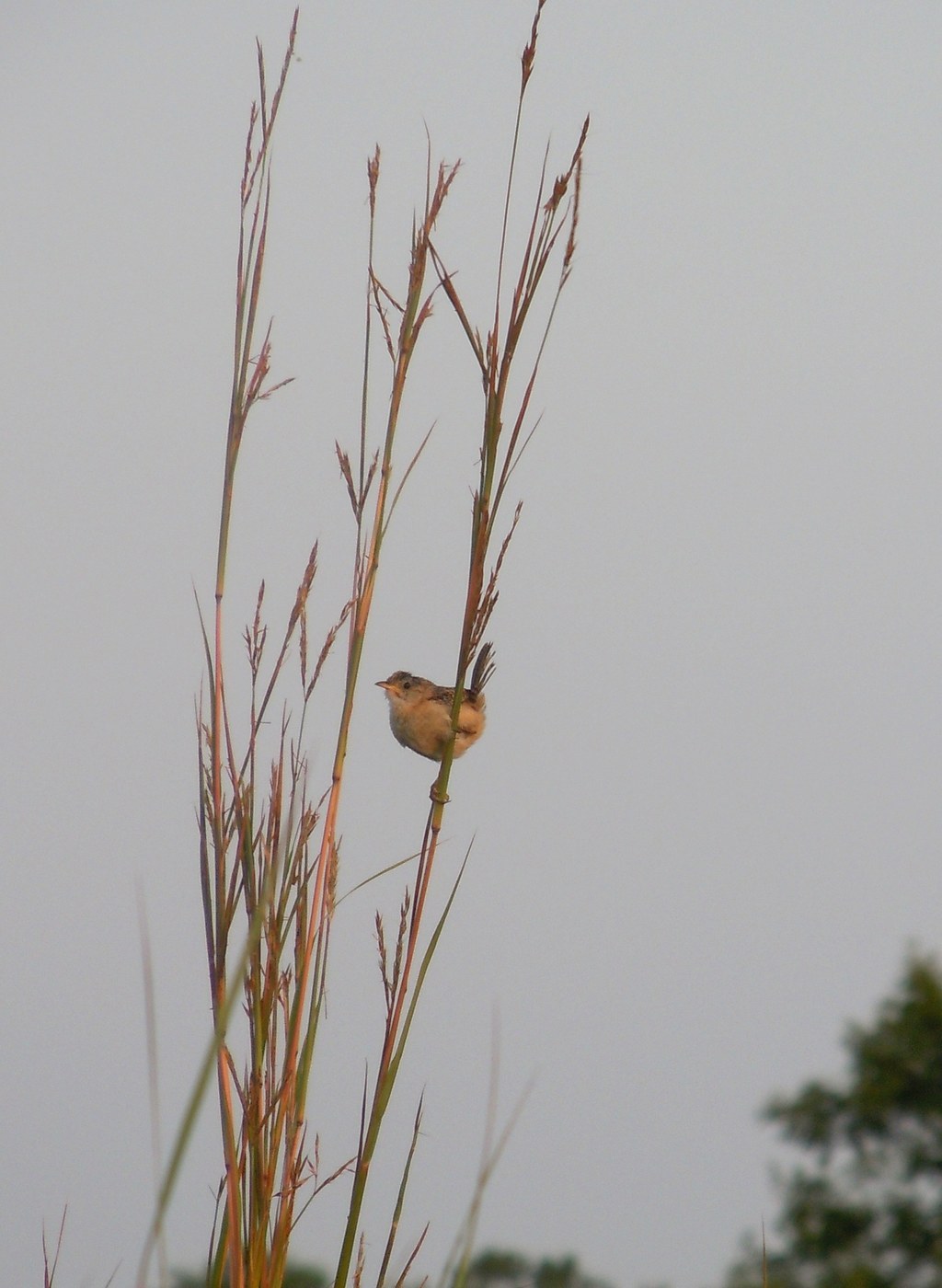
Sedge Wren
Tiny streaked crown and back feathers

Yellow-winged Cacique
Glossy black body feathers, yellow wing patch, shaggy crest

Yellow Warbler
Small contour and flight feathers
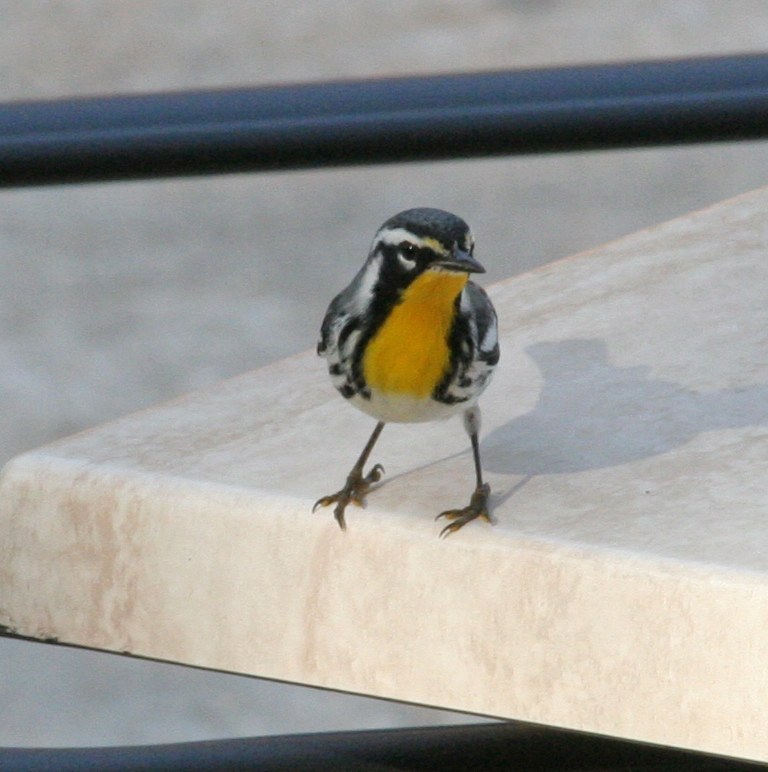
Yellow-throated Warbler
Small contour and flight feathers
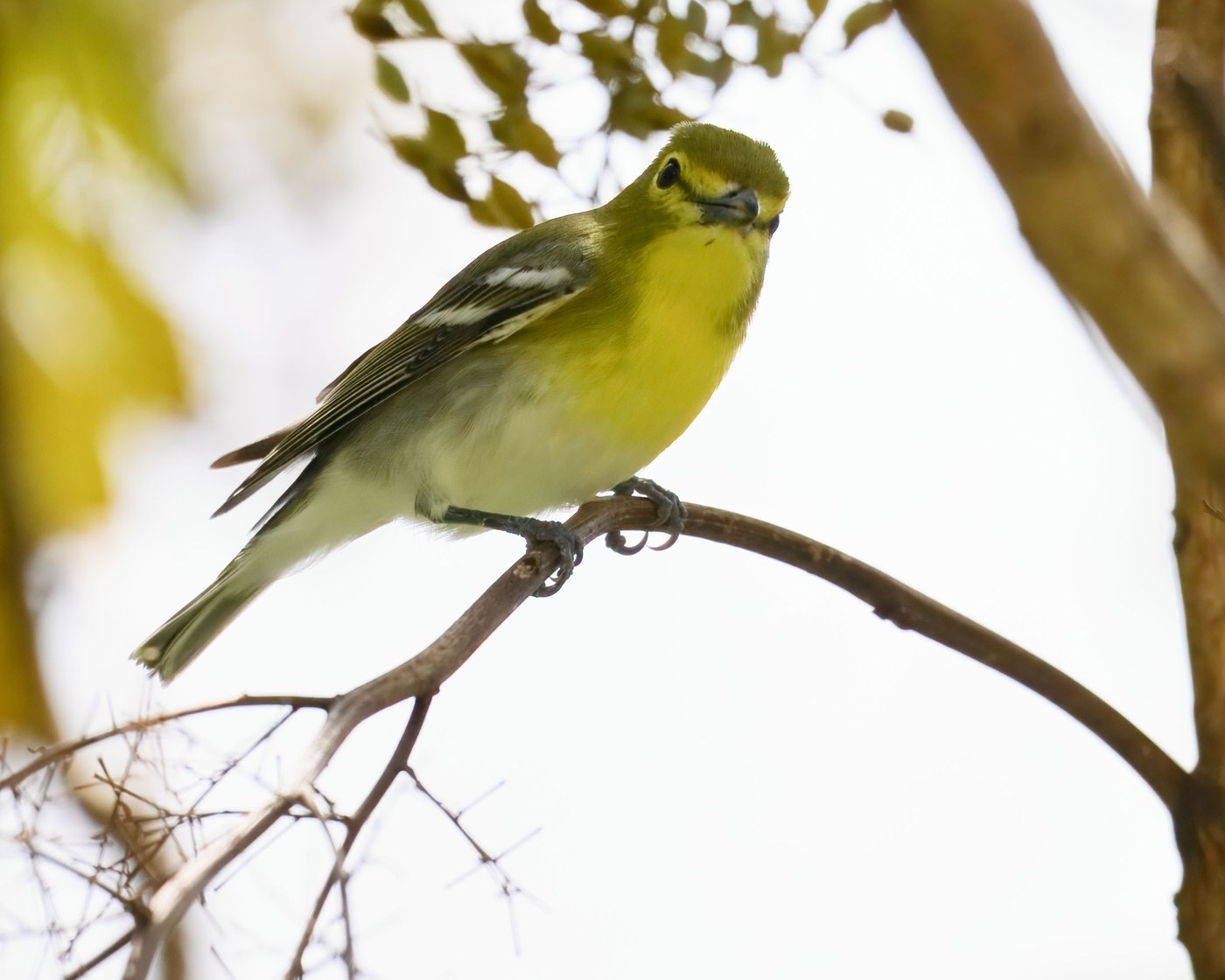
Yellow-throated Vireo
Bright yellow throat and spectacle feathers; olive-green back feathers; two white wing-bar feathers

Yellow-rumped Warbler
Small contour and flight feathers
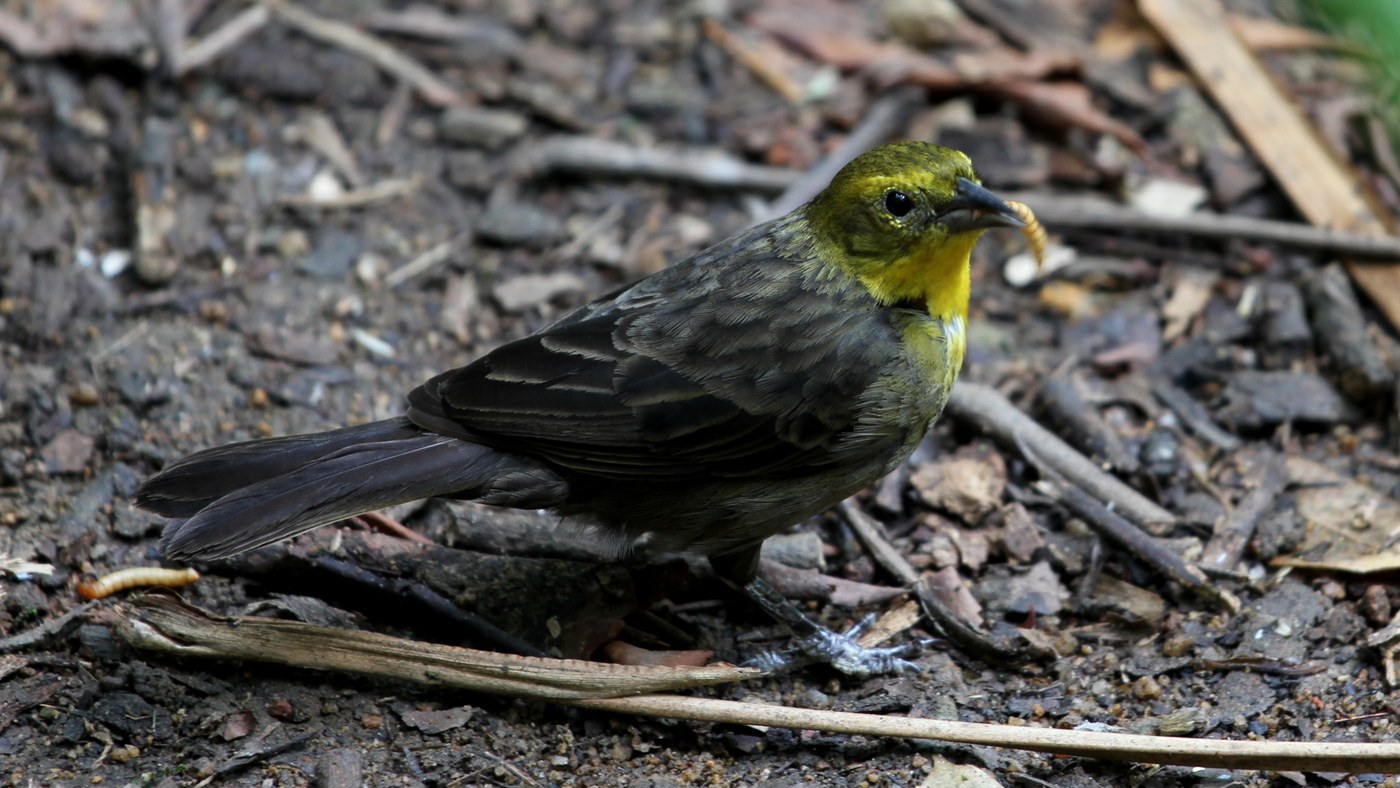
Yellow-hooded Blackbird
Contrasting hood and body feathers
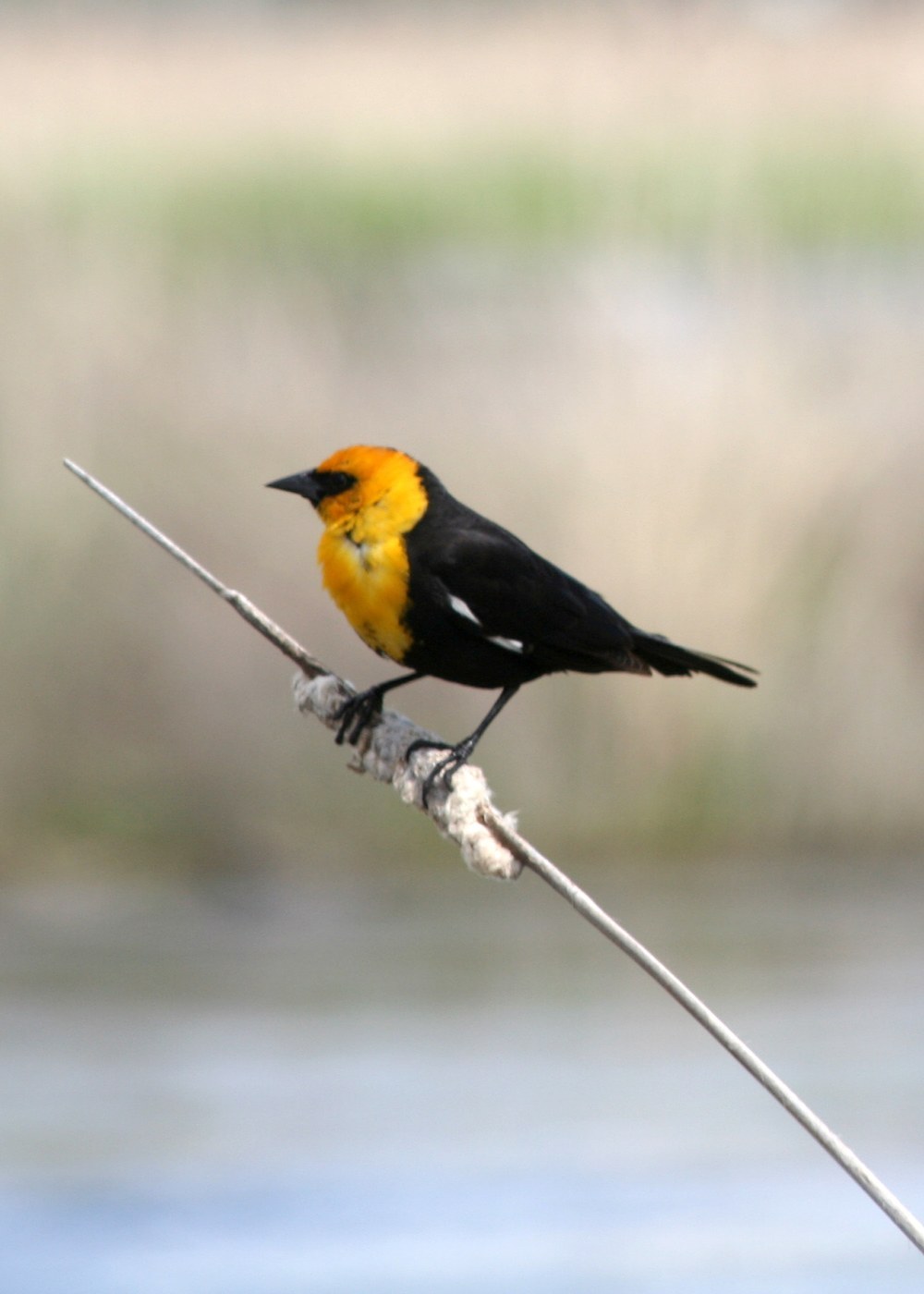
Yellow-headed Blackbird
Glossy black body plumage with a bright yellow head and breast

Yellow-eyed Junco
Contour and flight feathers

Yellow-fronted Canary
Small, smooth body plumage

Yellow-breasted Greenfinch
Compact, smooth body plumage

Yellow-breasted Chat
Large, plain contour feathers; long rounded tail feathers; thick-based bill-adjacent feathers