

Northern Bobwhite
Colinus virginianus
A small, well-known quail of eastern and central North America, named for its whistled call, with males showing a bold white throat and eyebrow stripe against a reddish-brown, barred body.
- Feather type
- Small, reddish-brown mottled body feathers with black-and-white barred flanks
- Colours
- Reddish-brown mottled with black-and-white barring; male shows a white throat and eyebrow
- Bird size
- Small quail, ~24-28 cm
Found a feather like this?
Identify any feather from a photo, free.
Overview
Overview
The Northern Bobwhite is a small quail native to brushy grassland, agricultural edges, and open woodland across the eastern and central United States, extending into Mexico. It is named for its clear, whistled "bob-white" call, one of the most recognizable sounds of rural landscapes within its range.
Identifying the Feather
Feather Identification
- Body feathers: reddish-brown mottled overall, with bold black-and-white barring concentrated on the flanks
- Throat and eyebrow (male): bright white, bordered by black lines, creating a bold facial pattern
- Throat and eyebrow (female): buffy rather than white, a more subdued version of the male's pattern
- Tail feathers: short and grayish-brown, unremarkable compared to the strongly patterned body and flank feathers
- Overall impression: small size combined with strong flank barring and a contrasting facial pattern distinguishes this species from similarly sized quail
Plumage & Molt
Plumage Notes
Males show a bold white throat and eyebrow stripe bordered in black, set against reddish-brown, mottled body plumage with black-and-white barred flanks. Females show a buffy version of the same facial pattern, less contrasting than the male's. Juveniles resemble females with softer, less defined markings. The species undergoes a single annual molt following the breeding season.
Habitat & Range
Habitat & Range
Northern Bobwhites favor brushy fields, hedgerows, open woodland edge, and agricultural land across the eastern and central United States and into Mexico, with populations having declined in many areas due to habitat loss. The species is non-migratory, remaining within a home range year-round in coveys outside the breeding season.
Behavior & Field Notes
Behavior & Field Notes
Males give the distinctive whistled "bob-white" call from an elevated perch during the breeding season. Diet includes seeds, grain, and invertebrates, varying seasonally. Nests are shallow ground scrapes concealed in grass or brushy cover. Outside the breeding season, the species forms tight coveys that roost together in a circular huddle and flush explosively when disturbed.
Frequently asked questions
What is the clearest facial feather clue for males?
A bold white throat and eyebrow stripe bordered by black lines is distinctive of adult male Northern Bobwhite.
How do female facial feathers differ?
Females show the same throat-and-eyebrow pattern in buffy tones rather than white, giving a less contrasting appearance.
What does the flank feather pattern look like?
Flank feathers show bold black-and-white barring against an otherwise reddish-brown, mottled body.
Is the tail feather distinctive?
No, the tail is short and plain grayish-brown, far less distinctive than the barred flank and patterned facial feathers.
Northern Bobwhite guides
In-depth guides for identifying and understanding Northern Bobwhite.

Northern Bobwhite identified by the community
Real feathers identified with Feather Identifier.

Other feathers you may enjoy

Ring-necked Pheasant
Body (contour), tail, and wing feathers

Bornean Peacock-pheasant
Contour and tail feathers with iridescent ocelli

Crested Argus
Extremely elongated, ocellated (eyespot-patterned) tail feathers among the longest of any bird; tall, erectile crest

Grey Partridge
Body and flank feathers

Willow Ptarmigan
Larger, stockier body feathers with warmer rufous tones in summer; tail feathers black year-round

Wild Turkey
Broad, iridescent body feathers and large flight and tail feathers

Bulwer's Pheasant
Contour feathers and elongated white tail feathers
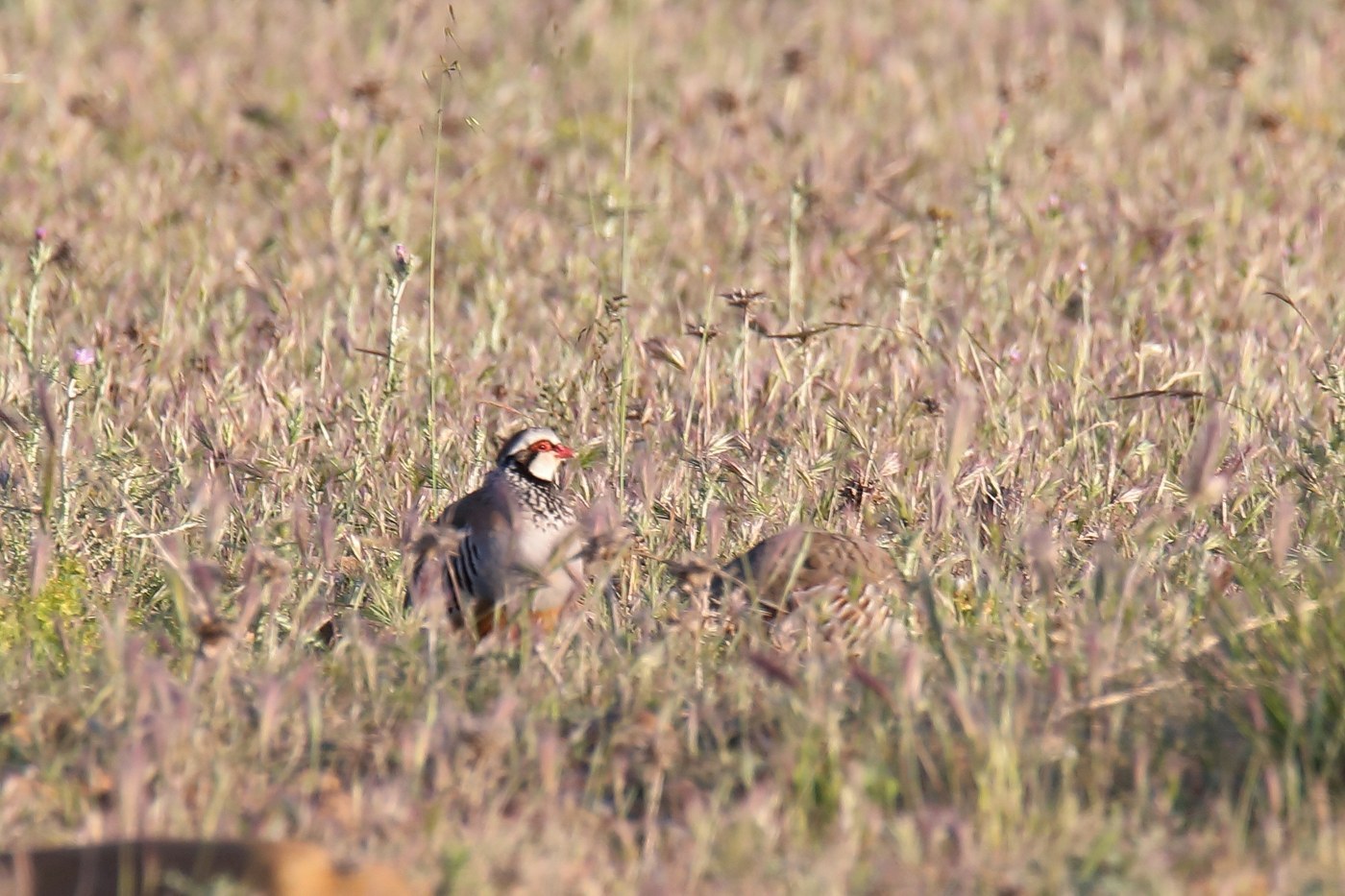
Red-legged Partridge
Flank, body, and flight feathers

White-tailed Ptarmigan
Small body feathers with a tail that stays pure white year-round, unlike other ptarmigan

Edwards's Pheasant
Contour and tail feathers

Sooty Grouse
Dense, plain contour feathers with a pale-tipped, fanned tail

Snow Partridge
Finely vermiculated barred contour feathers