

Sri Lanka Junglefowl
Gallus lafayettii
Sri Lanka's national bird, a forest junglefowl whose males glow in rich orange-red plumage set off by a red comb marked with a distinctive yellow center patch.
- Feather type
- Rich orange-red hackle feathers and a distinctive two-toned comb
- Colours
- Orange-red, gold, and dark purplish-black
- Bird size
- Male chicken-sized with long tail, ~70 cm
Found a feather like this?
Identify any feather from a photo, free.
Overview
The Sri Lanka Junglefowl is a forest gamebird found only on the island of Sri Lanka, where it is the national bird. Males display rich orange-red body plumage with golden hackles, contrasting with dark purplish-black wings and tail, and are further set apart from other junglefowl by a comb showing an unusual yellow patch at its center rather than being uniformly red. Females are duller and cryptically patterned for camouflage.
Identifying the Feather
- Body and hackles (male): rich orange-red overall with golden neck and saddle hackles.
- Wings and tail (male): dark purplish-black with a glossy sheen, contrasting sharply with the orange-red body.
- Comb: red with a distinctive yellow center patch, unlike the plain red combs of other junglefowl species—useful even when examining shed head feathering or photographs.
- Female plumage: cryptic brown and buff mottling, much plainer than the male.
- Tail shape: long and gently arched, though shorter than the Red Junglefowl's sickle feathers.
Plumage & Molt
Males develop their full orange-red and dark-winged plumage after the first complete molt, while females remain camouflaged year-round. Juveniles resemble females until males mature. One complete annual molt maintains the male's vivid coloration.
Habitat & Range
This species is endemic to Sri Lanka, found in forest, forest edge, and adjacent scrub across the island from lowlands to hill country. It is non-migratory, remaining resident year-round.
Behavior & Field Notes
Sri Lanka Junglefowl forage on the forest floor for seeds, fruit, and invertebrates, often in small family groups. Males give a crowing call distinct in rhythm from the domestic rooster's, and defend territories that include a few females. Nests are shallow ground scrapes hidden in dense understory. The species roosts in trees overnight.
Frequently asked questions
Why is the Sri Lanka Junglefowl significant?
It is the national bird of Sri Lanka and is found only on that island.
What is distinctive about the Sri Lanka Junglefowl's comb?
It shows a yellow patch at the center of an otherwise red comb, a feature not shared by other junglefowl species.
What color are male Sri Lanka Junglefowl?
Rich orange-red overall with golden hackles, and dark purplish-black wings and tail.
Where does the Sri Lanka Junglefowl live?
Forest and forest-edge habitat across Sri Lanka, from lowlands into hill country.
Sri Lanka Junglefowl guides
In-depth guides for identifying and understanding Sri Lanka Junglefowl.

Other feathers you may enjoy

Ring-necked Pheasant
Body (contour), tail, and wing feathers

Bornean Peacock-pheasant
Contour and tail feathers with iridescent ocelli

Crested Argus
Extremely elongated, ocellated (eyespot-patterned) tail feathers among the longest of any bird; tall, erectile crest

Grey Partridge
Body and flank feathers

Willow Ptarmigan
Larger, stockier body feathers with warmer rufous tones in summer; tail feathers black year-round

Wild Turkey
Broad, iridescent body feathers and large flight and tail feathers

Bulwer's Pheasant
Contour feathers and elongated white tail feathers
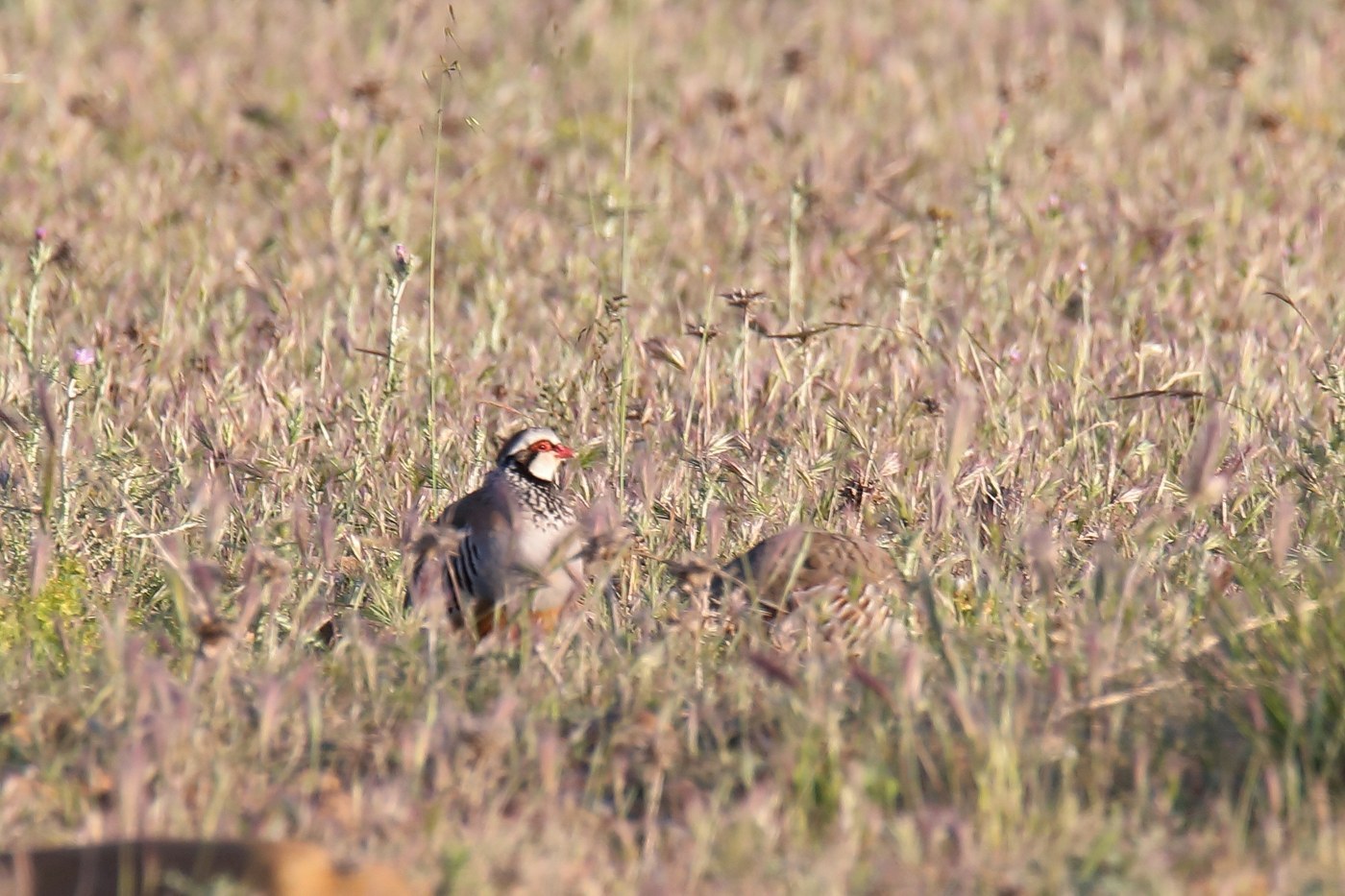
Red-legged Partridge
Flank, body, and flight feathers

White-tailed Ptarmigan
Small body feathers with a tail that stays pure white year-round, unlike other ptarmigan

Edwards's Pheasant
Contour and tail feathers

Sooty Grouse
Dense, plain contour feathers with a pale-tipped, fanned tail

Snow Partridge
Finely vermiculated barred contour feathers