

Snowy Egret
Egretta thula
A small, energetic white heron of the Americas known for its black bill, black legs, and bright yellow feet.
- Feather type
- Small, delicate white contour feathers with recurved breeding plumes
- Colours
- White throughout
- Bird size
- Small-medium, ~56-66 cm tall
Found a feather like this?
Identify any feather from a photo, free.
Overview
Overview
The Snowy Egret is a small, graceful white heron widespread across the Americas, closely resembling the Old World Little Egret. It is a lively forager, frequently seen stirring the water with its bright yellow feet, sometimes called "golden slippers," to flush small prey into view.
- Small, slender white egret with a black bill and black legs
- Bright yellow feet contrast sharply with dark legs
- Common across wetlands throughout North, Central, and South America
Identifying the Feather
Feather Identification
Snowy Egret feathers are pure white and relatively fine, similar in size to Little Egret feathers. Breeding adults grow long, delicate, recurved plumes on the back that curl upward at the tips, along with shaggy plumes on the head and lower neck, differing from the straighter plumes of the Great Egret.
- Pure white color with fine, delicate barbs
- Smaller overall size than Great Egret feathers
- Recurved, upward-curling back plumes in breeding season are a useful identifying detail
- Compare with Little Blue Heron: white juveniles of that species can show gray tips on some feathers, whereas Snowy Egret feathers remain pure white
Plumage & Molt
Plumage
Adults are entirely white with a black bill (often with a yellow patch at the base near the eye), black legs, and bright yellow feet. In breeding condition, long, recurved plumes develop on the back and shaggy plumes appear on the crown and lower neck, and the lores may flush a reddish or orange hue. Juveniles resemble non-breeding adults but often show duller, greenish-yellow legs rather than solid black, and lack the ornamental plumes. Molt of flight feathers occurs gradually following the breeding season.
Habitat & Range
Habitat & Range
The Snowy Egret occurs from the northern United States south through Central America, the Caribbean, and much of South America. It uses a broad range of wetlands, including freshwater marshes, mudflats, mangroves, and coastal lagoons and estuaries. Northern populations migrate south for the winter, while populations in warmer parts of the range tend to be resident.
Behavior & Field Notes
Behavior & Field Notes
Snowy Egrets are active foragers, often running through shallow water, shuffling their feet, or flicking their wings to startle small fish and invertebrates into motion before striking. They typically nest in colonies, often mixed with other herons and egrets, in trees, shrubs, or reedbeds near water. Their call is a low, harsh croak or nasal squawk, usually heard around nesting colonies. This species' bright yellow feet, visible even in flight or amid vegetation, are one of its most reliable field marks.
Frequently asked questions
What is the easiest way to recognize a Snowy Egret feather?
Pure white color combined with a smaller, more delicate structure than Great Egret feathers, and recurved back plumes in breeding birds.
Why are Snowy Egret feet called 'golden slippers'?
The bright yellow feet contrast strongly with the black legs and are used to stir up prey while foraging.
How does the Snowy Egret compare to the Little Egret?
The two are very similar in appearance and habits but occupy different continents, with Snowy Egret in the Americas and Little Egret in the Old World.
Where do Snowy Egrets nest?
They nest colonially in trees, shrubs, or reedbeds near water, often alongside other heron and egret species.
Snowy Egret guides
In-depth guides for identifying and understanding Snowy Egret.

Snowy Egret identified by the community
Real feathers identified with Feather Identifier.


Other feathers you may enjoy

Yellow-billed Spoonbill
White contour and flight feathers with fine breeding plumes on the back and breast
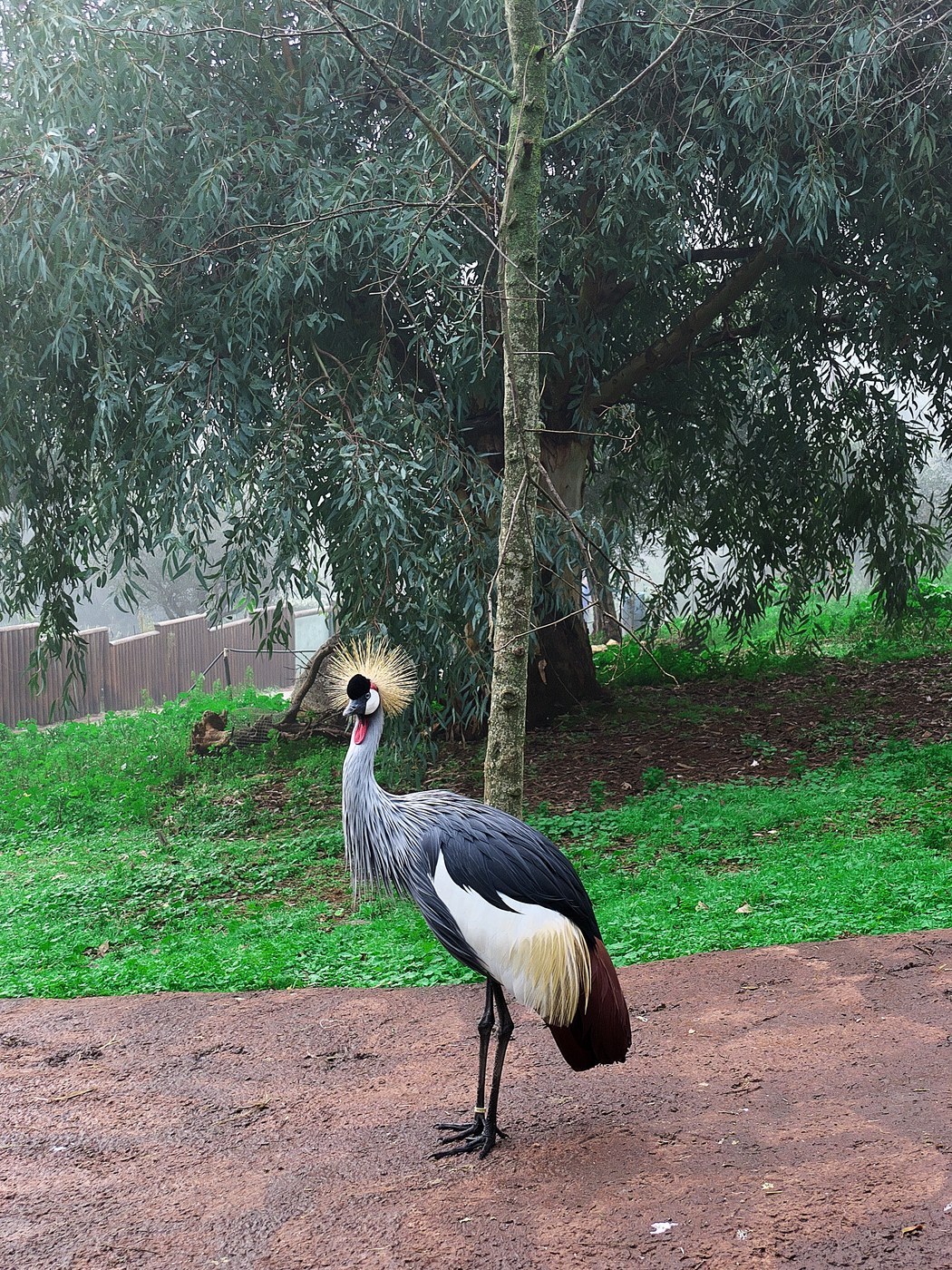
Grey Crowned Crane
Grey body feathers with white wing coverts, chestnut flight feathers, and stiff golden crown bristles
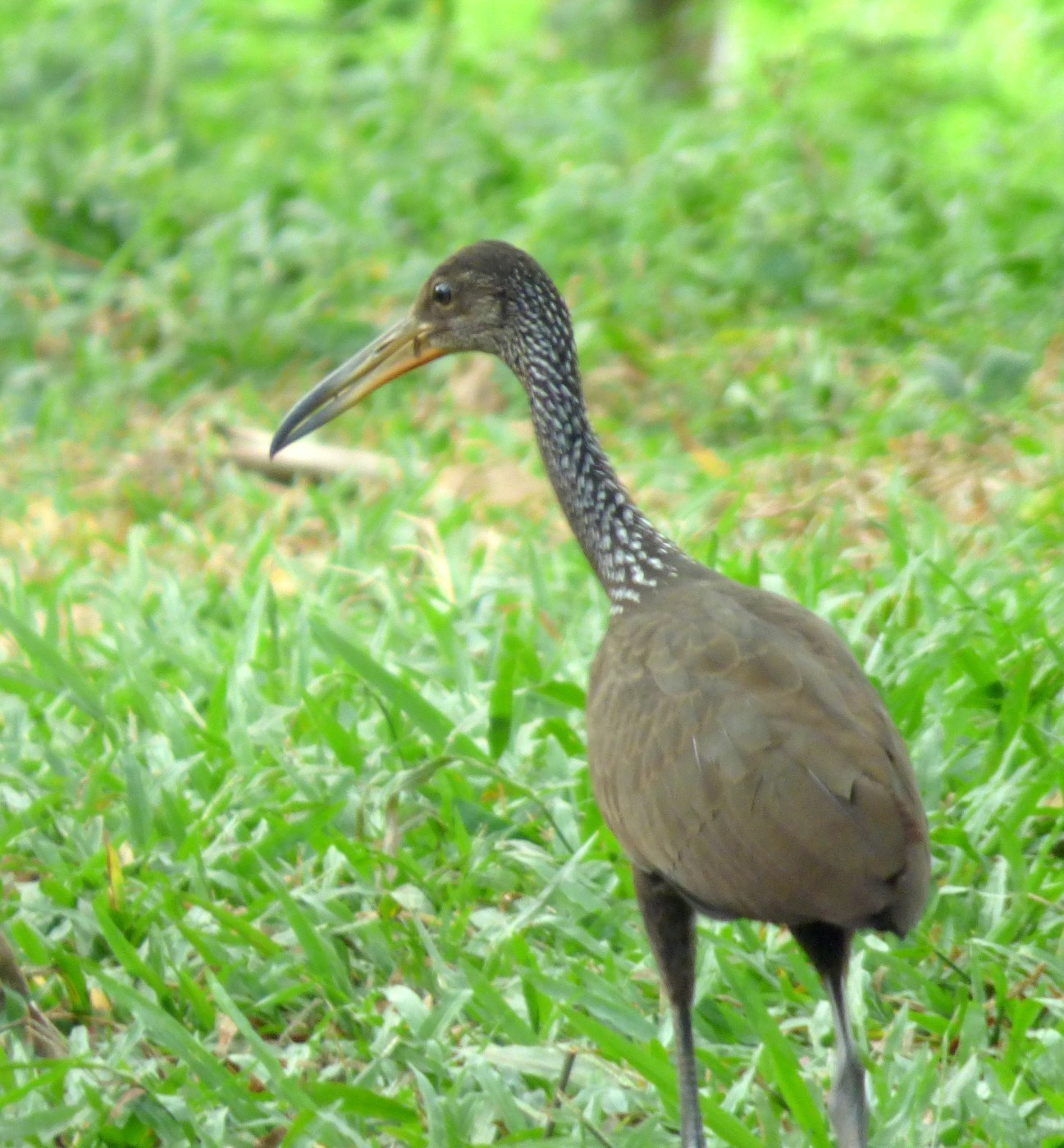
Limpkin
Brown contour feathers with white teardrop-shaped spots and streaks
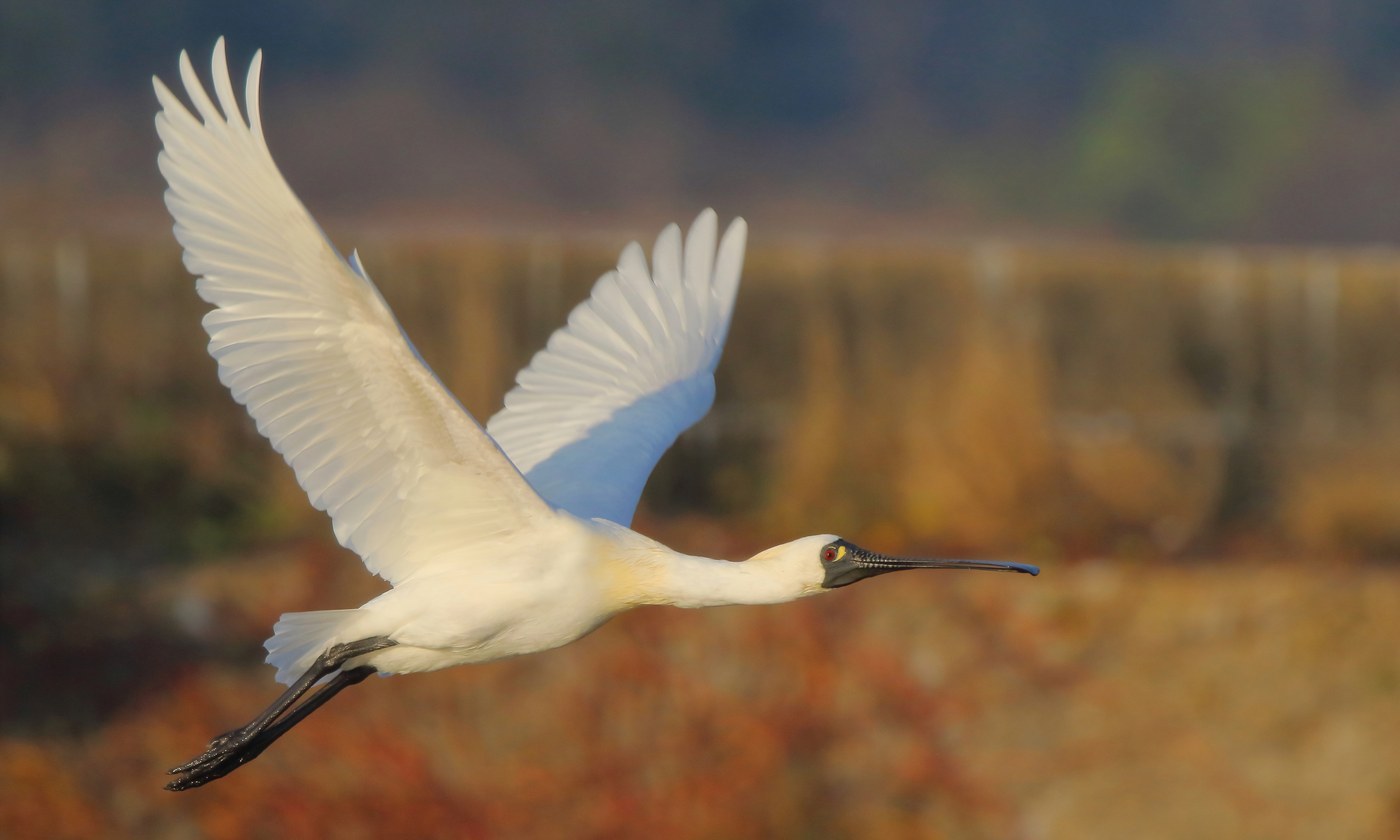
Black-faced Spoonbill
White contour and flight feathers with fine breeding crest and breast plumes
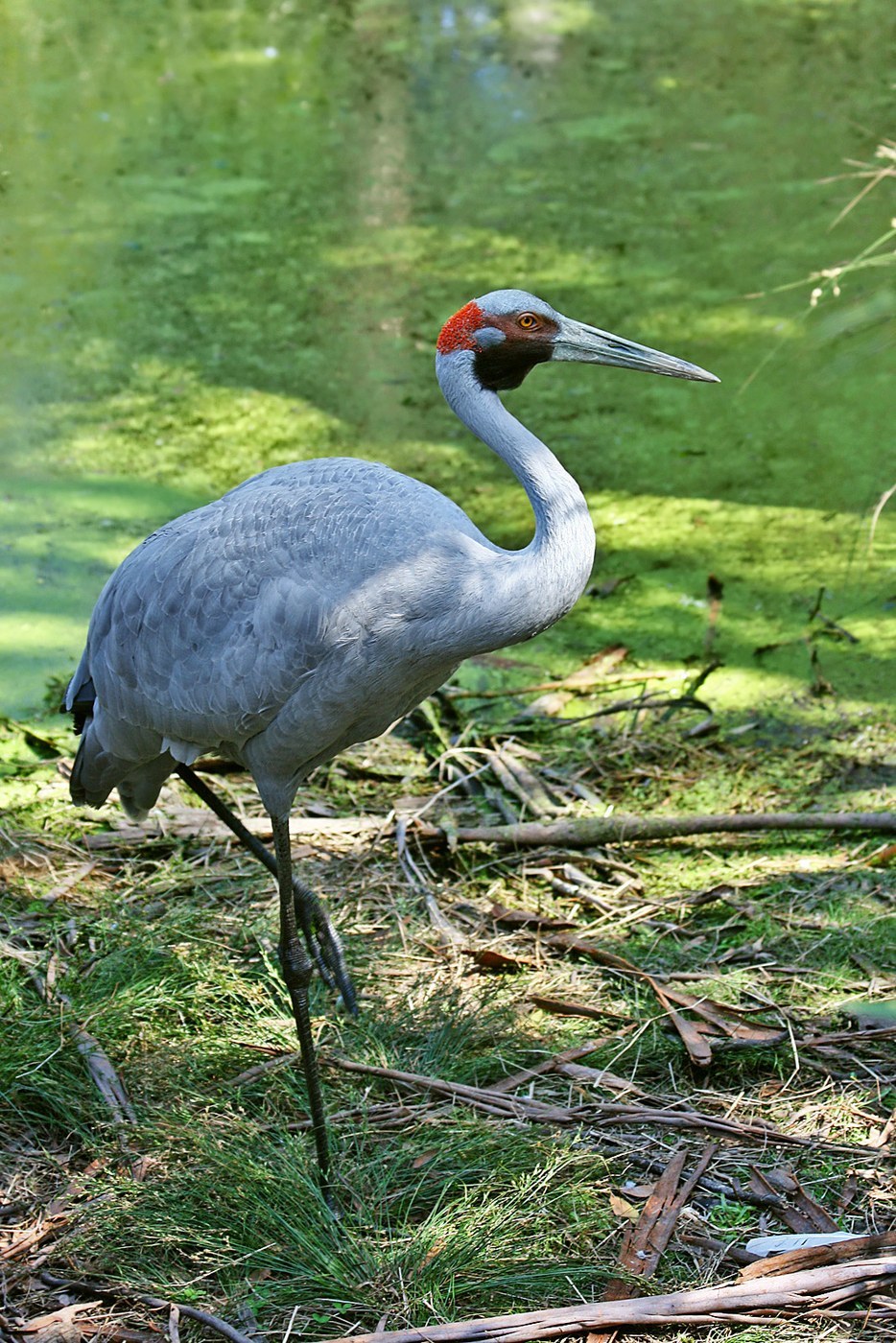
Brolga
Grey contour feathers with drooping bustle plumes
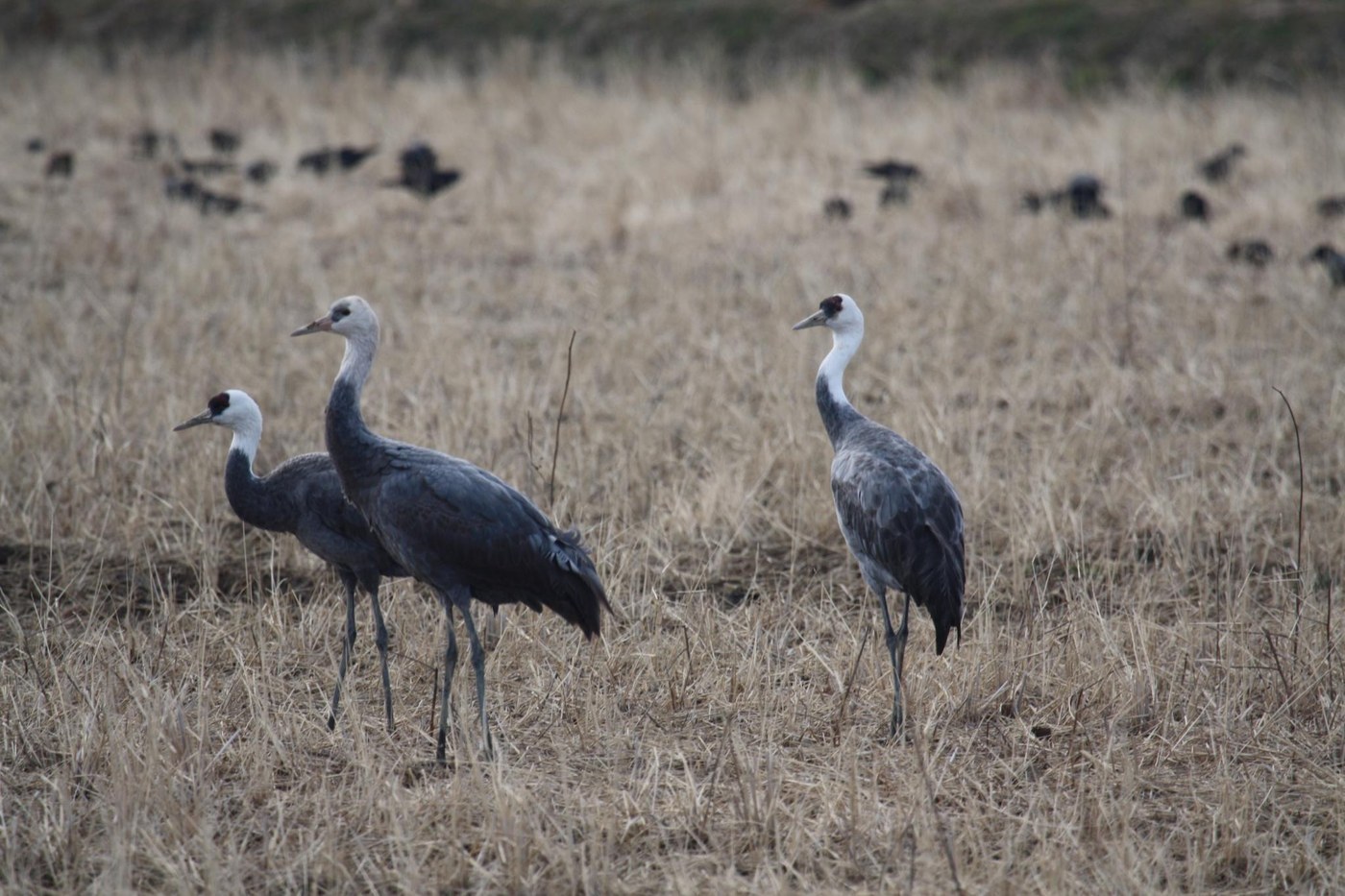
Hooded Crane
Dark slate-grey body feathers with a white head/upper neck 'hood' and black bustle plumes
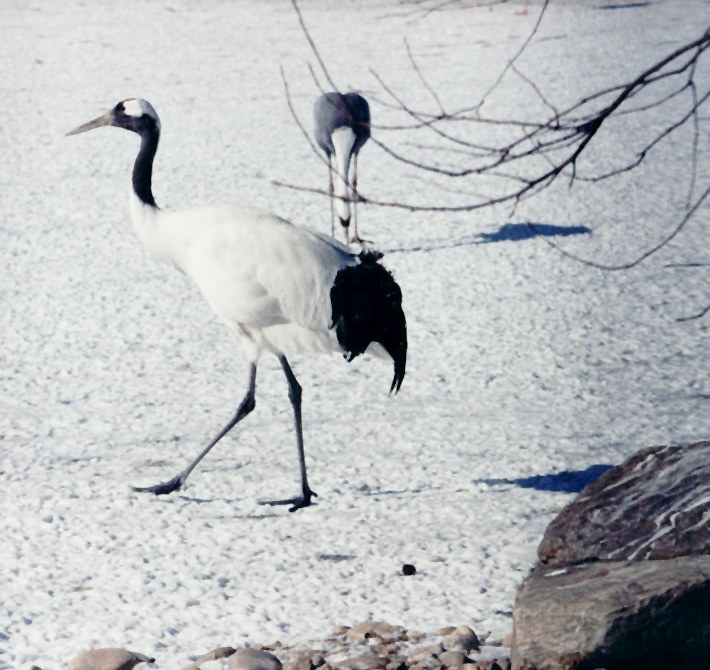
Red-crowned Crane
White contour feathers with black secondary/tertial bustle feathers and a bare red crown

Common Crane
Grey contour feathers with black head/neck feathers and drooping bustle plumes
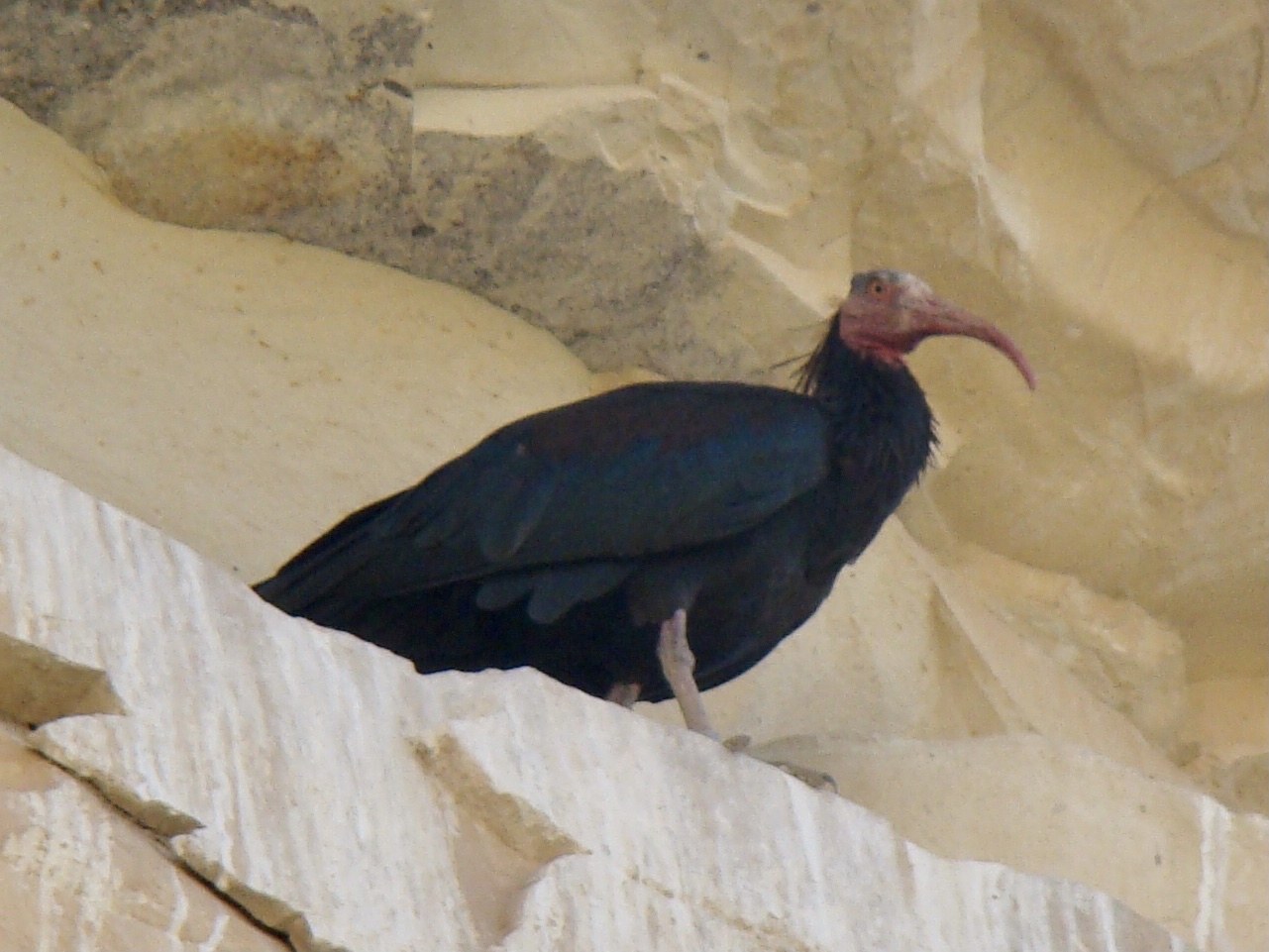
Northern Bald Ibis
Glossy black contour feathers with elongated nape plumes
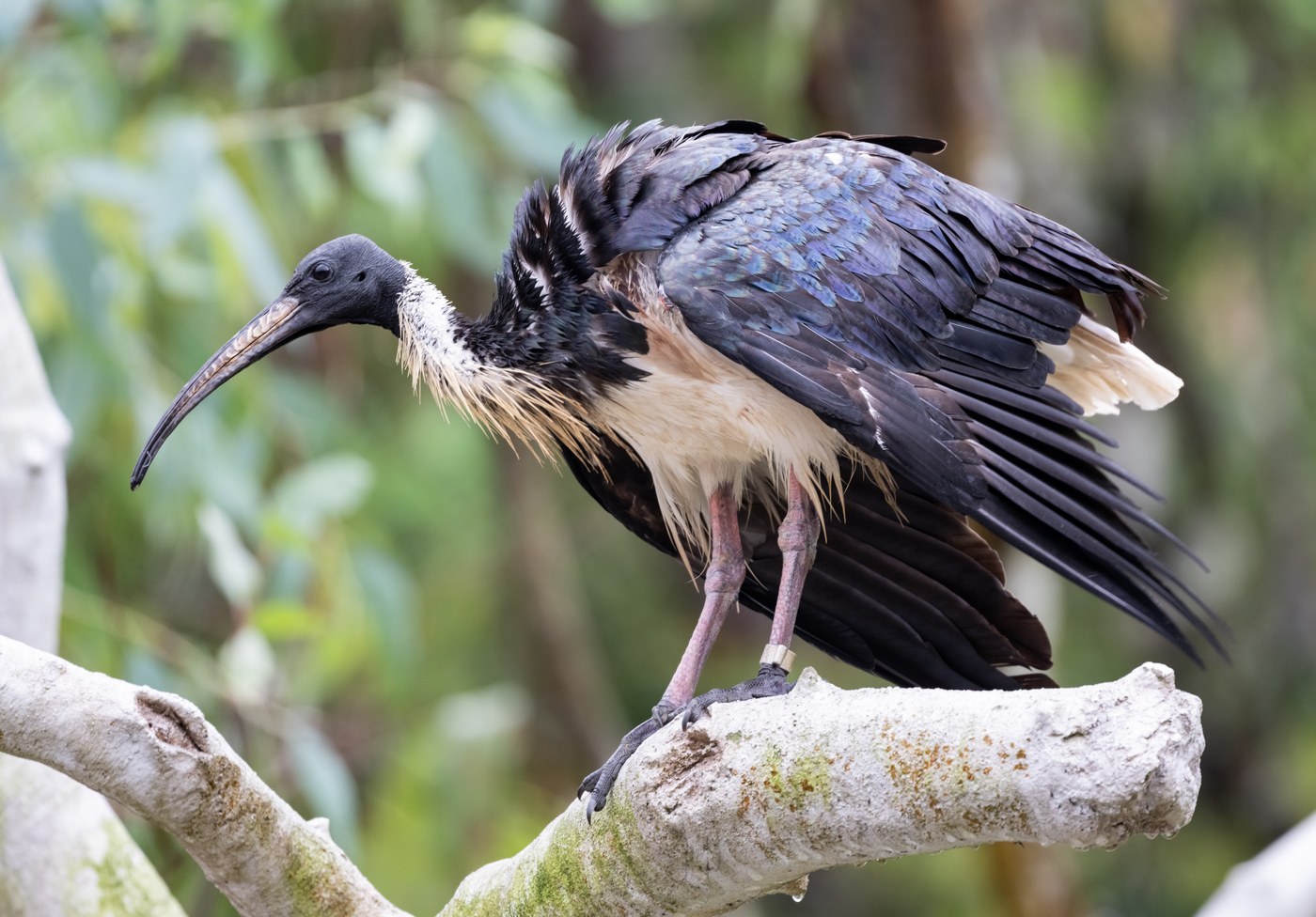
Straw-necked Ibis
Glossy contour feathers with unique straw-like neck plumes
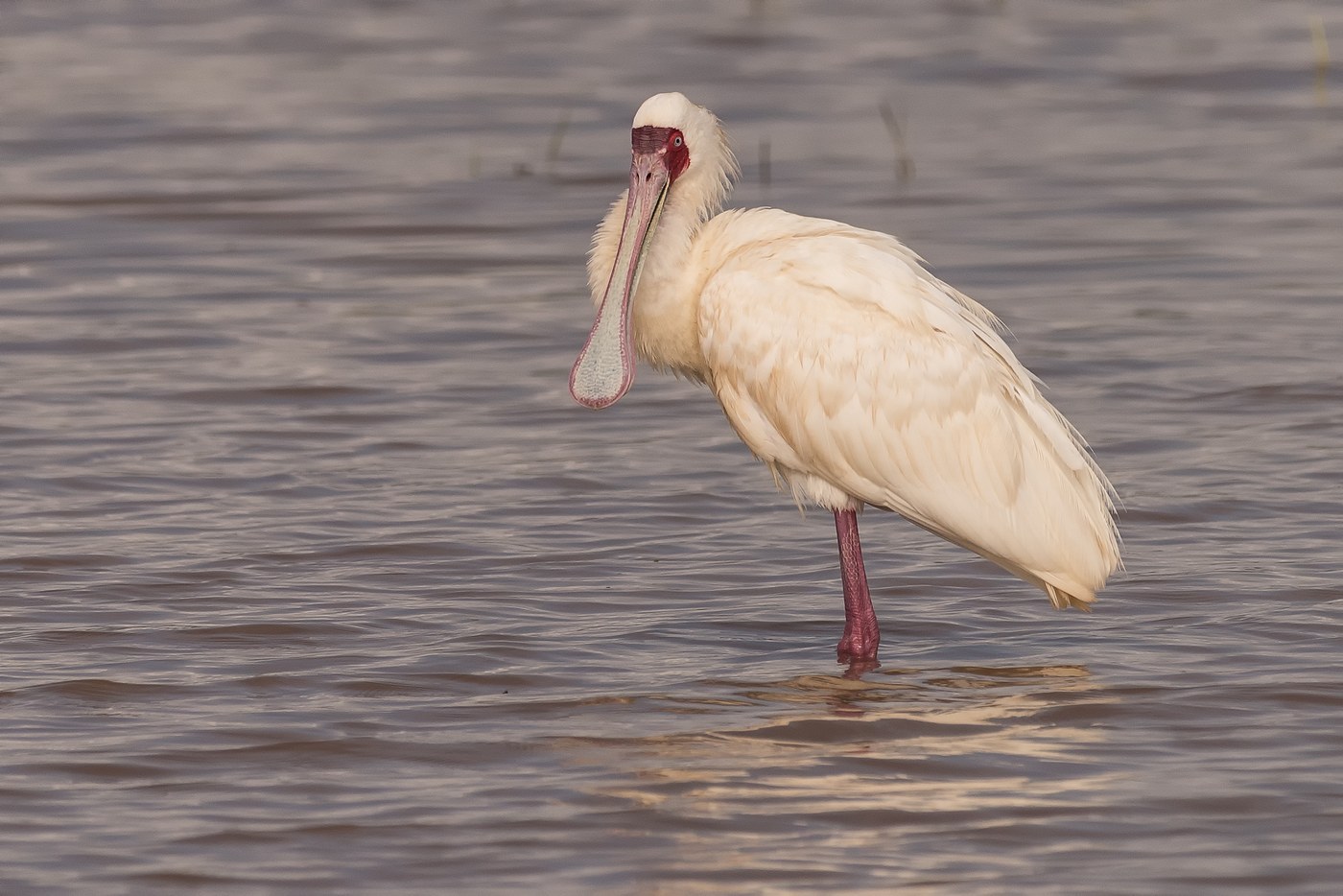
African Spoonbill
White contour and flight feathers, unmarked by black tips

Roseate Spoonbill
Pink and white contour and flight feathers with a carmine shoulder patch