
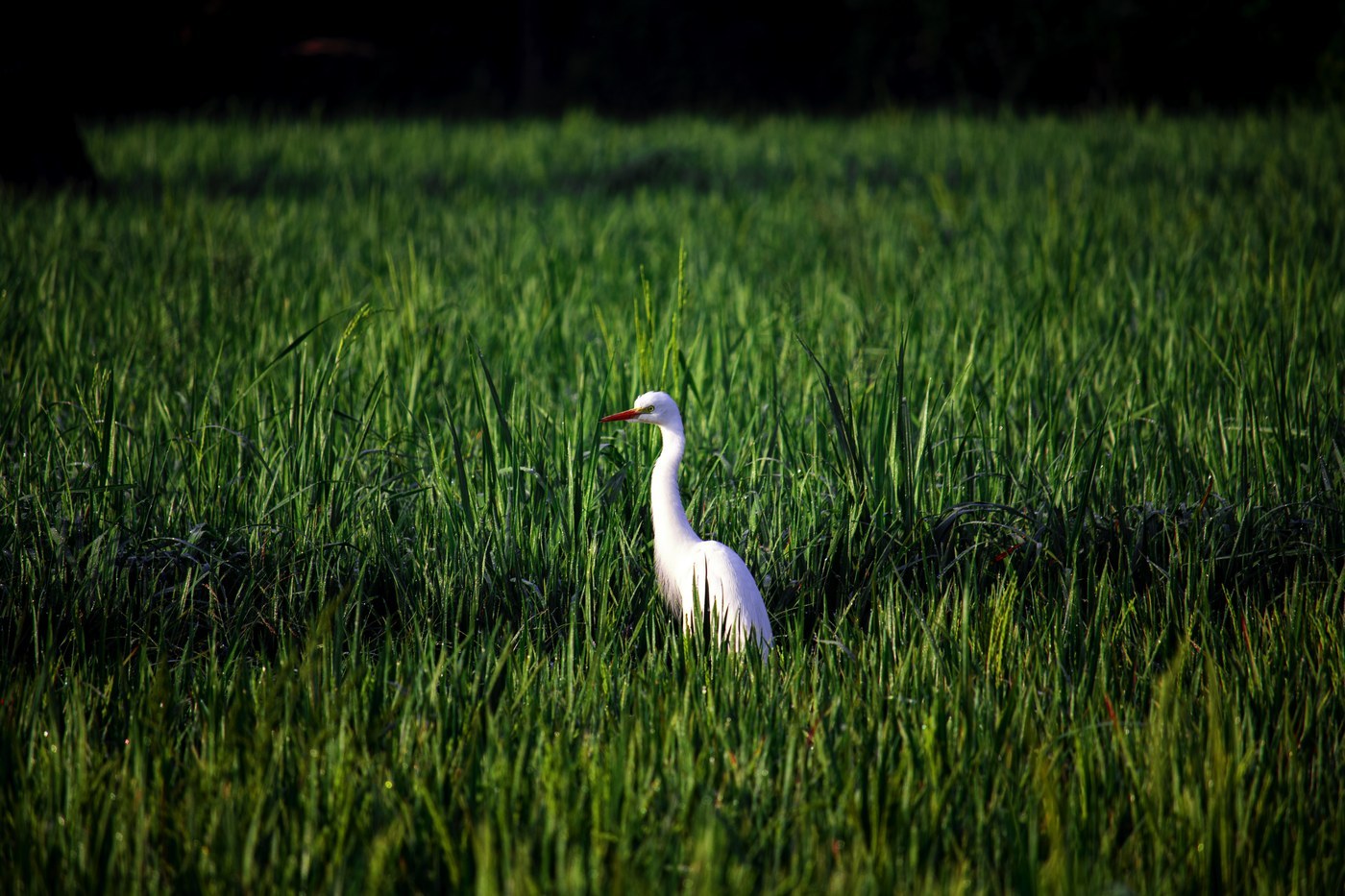
Intermediate Egret
Ardea intermedia
A medium-sized all-white egret of Asia, Africa, and Australia, best told apart from its larger and smaller relatives by bill proportions and the extent of bare skin around the eye.
- Feather type
- Contour feathers and breeding aigrette plumes
- Colours
- Pure white throughout, no dark markings
- Bird size
- Medium egret, ~65-72 cm
Found a feather like this?
Identify any feather from a photo, free.
Overview
Overview
The Intermediate Egret is, as its name suggests, a size and shape compromise between the larger Great Egret and the smaller Little Egret, with which it often shares wetland habitat across its broad Old World range. It is an entirely white heron with a shorter, thicker bill than the Great Egret and a more compact neck. Because plain white egret feathers found on the ground are notoriously hard to assign to species, correct identification usually depends on feather size and any structural clues still attached, such as a bit of bare facial skin or a bill fragment.
- Entirely white plumage in all ages and seasons
- Intermediate body size between Great and Little Egret
- Bill is shorter and stouter than Great Egret's, more slender than Little Egret's
- Gape line (corner of mouth) stops below or at the eye, not extending past it as in Great Egret
Identifying the Feather
Feather Identification
Intermediate Egret feathers are pure white with no dark shafts, tips, or barring, matching the bird's plumage at every age. Separating a stray feather from those of Great or Little Egret relies mostly on size and texture rather than color.
- Size: body contour feathers are noticeably smaller than a Great Egret's but larger than a Little Egret's
- Shafts: white throughout, without the darker shaft streaks sometimes visible in other white waders
- Breeding plumes: fine, loose aigrette plumes grow from the back and lower neck in the breeding season, softer and less wiry than Great Egret plumes
- Flight feathers: primaries and secondaries are broad, rounded at the tip, and pure white with no gray wash
- Vs. Great Egret: Intermediate Egret feathers run smaller overall with a less elongated primary
- Vs. Little Egret: Intermediate Egret feathers are noticeably larger and slightly less silky in texture
Plumage & Molt
Plumage Details
Adults are white year-round, with breeding adults growing loose plumes on the back (but not the head) and a wash of buff or pale yellow on the lower neck. The bill turns from yellow to a darker, sometimes blackish tone with an orange-red base during the height of the breeding season, and the legs can briefly show a pinkish or reddish tinge above black feet. Non-breeding adults and juveniles lack plumes and show a plain yellow bill and blackish legs. There is no seasonal color change in the feathers themselves, only in the extent of ornamental plumes and bare-part color. A single complete molt follows the breeding season, replacing the aigrette plumes and worn body feathers.
Habitat & Range
Habitat & Range
Intermediate Egrets inhabit freshwater and brackish wetlands, including rice paddies, marshes, flooded grasslands, and the margins of lakes and slow rivers, generally avoiding open coastline more than the related Little Egret. The species has a wide but patchy distribution across sub-Saharan Africa, South and Southeast Asia, and Australia, with populations showing local movements tied to water levels and the breeding season rather than long-distance migration in most regions. It readily uses human-modified wetlands such as fish ponds and irrigated fields.
Behavior & Field Notes
Behavior & Field Notes
Intermediate Egrets forage by wading slowly through shallow water, striking suddenly at small fish, frogs, and aquatic invertebrates, often less actively than the quick, dashing Little Egret. They nest colonially in mixed-species heronries built in trees or reedbeds, often alongside other egrets and herons. Their voice is a low, harsh croak given mainly at the nest colony. In the field, look for the combination of medium size, a bill that looks proportionally short and thick, and a gape that does not extend visibly behind the eye.
Frequently asked questions
How can I tell an Intermediate Egret feather from a Great Egret feather?
Size is the main clue: Intermediate Egret feathers are noticeably smaller and the breeding plumes less elongated, since the bird itself is a smaller, shorter-billed species.
Are Intermediate Egret feathers ever anything but white?
No, the plumage is white at every age and season; only the bare skin of the bill, face, and legs changes color, mainly during the breeding period.
Do Intermediate Egrets grow the same ornamental plumes as Great Egrets?
They grow similar loose back plumes during the breeding season, though typically shorter, and unlike Great Egrets they do not develop plumes on the head or breast.
Where would I most likely find a shed Intermediate Egret feather?
Around freshwater marshes, rice paddies, and mixed-species heron nesting colonies in Africa, southern Asia, or Australia.
Intermediate Egret guides
In-depth guides for identifying and understanding Intermediate Egret.
Other feathers you may enjoy

Yellow-billed Spoonbill
White contour and flight feathers with fine breeding plumes on the back and breast
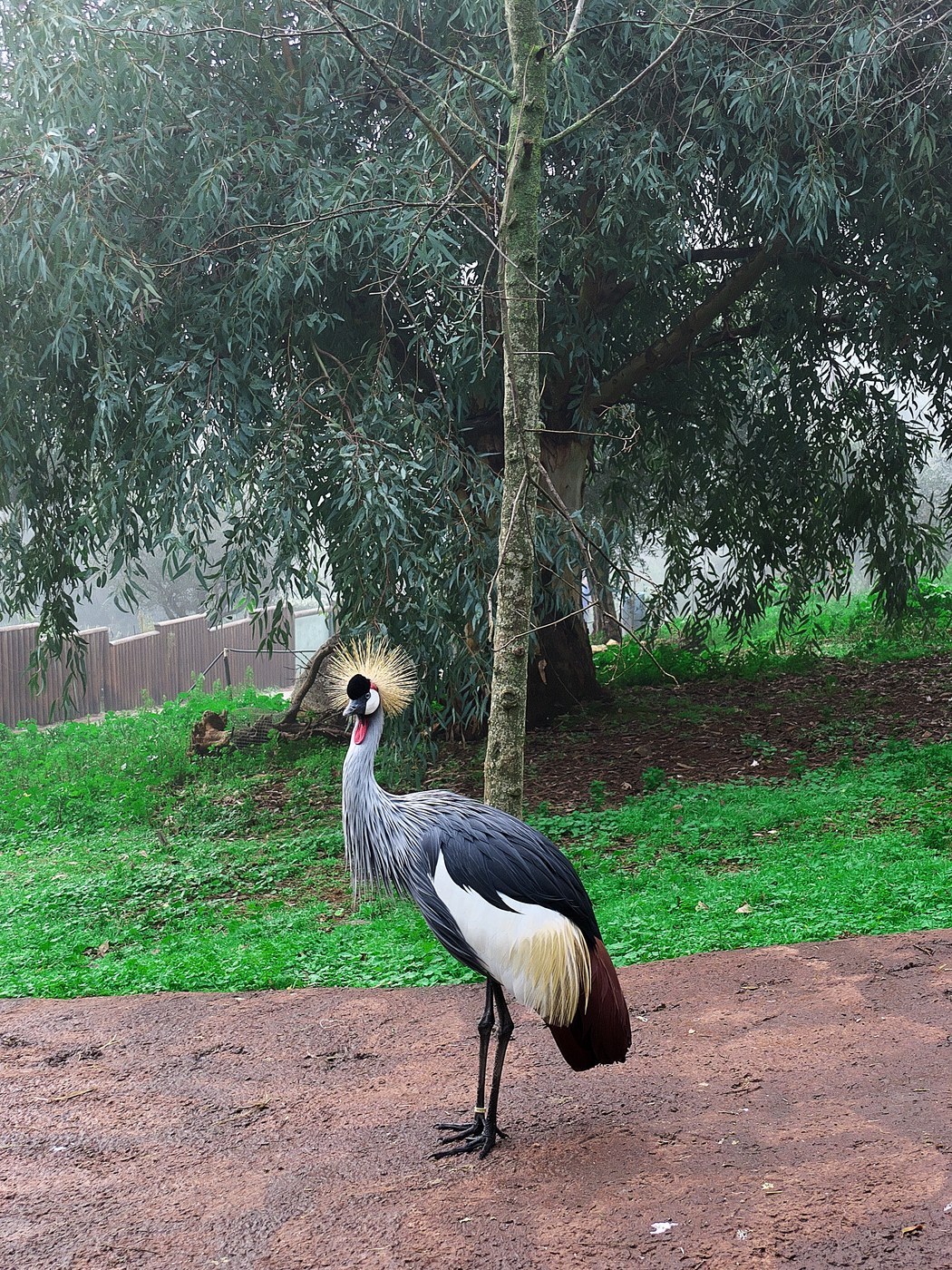
Grey Crowned Crane
Grey body feathers with white wing coverts, chestnut flight feathers, and stiff golden crown bristles
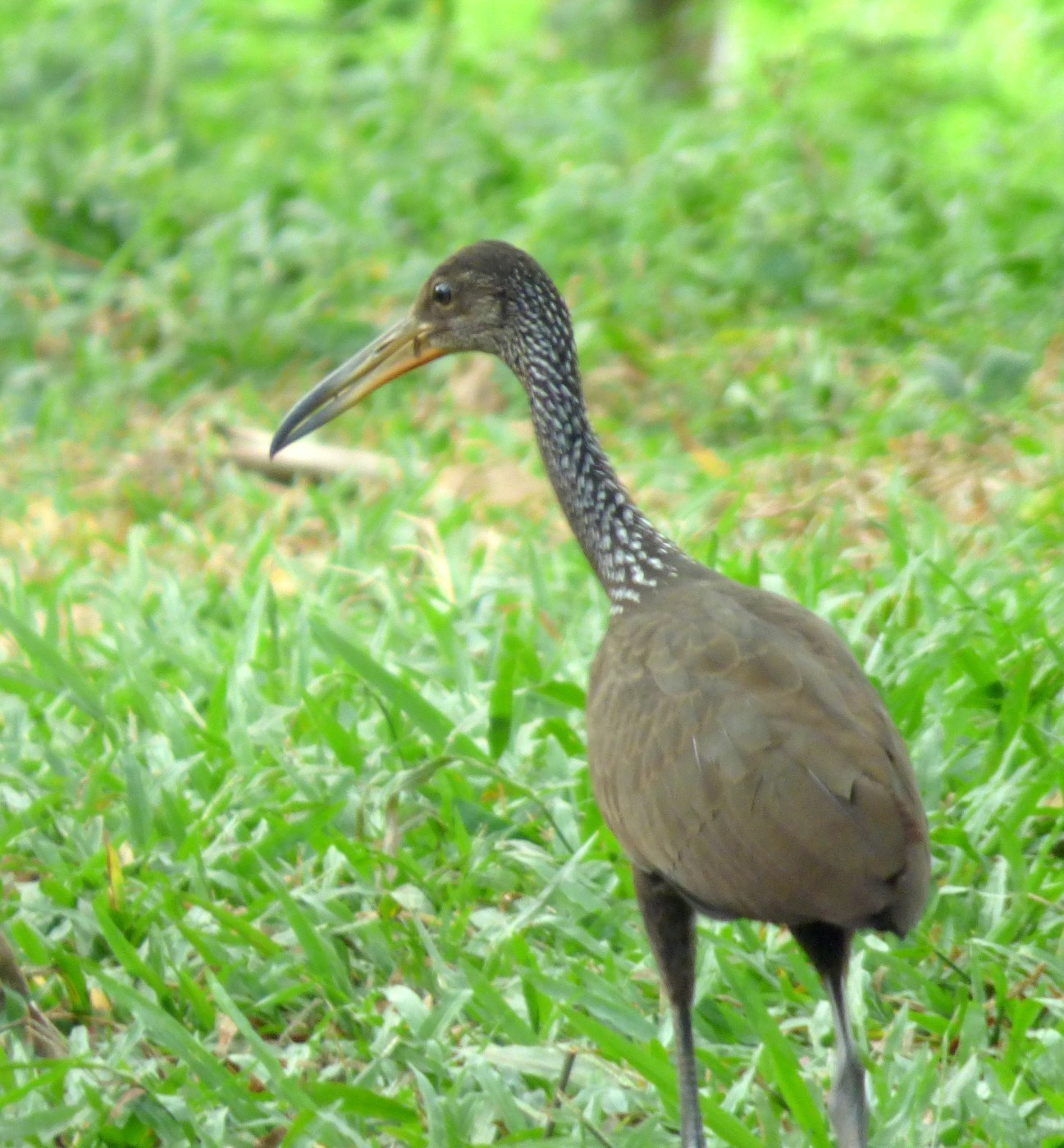
Limpkin
Brown contour feathers with white teardrop-shaped spots and streaks
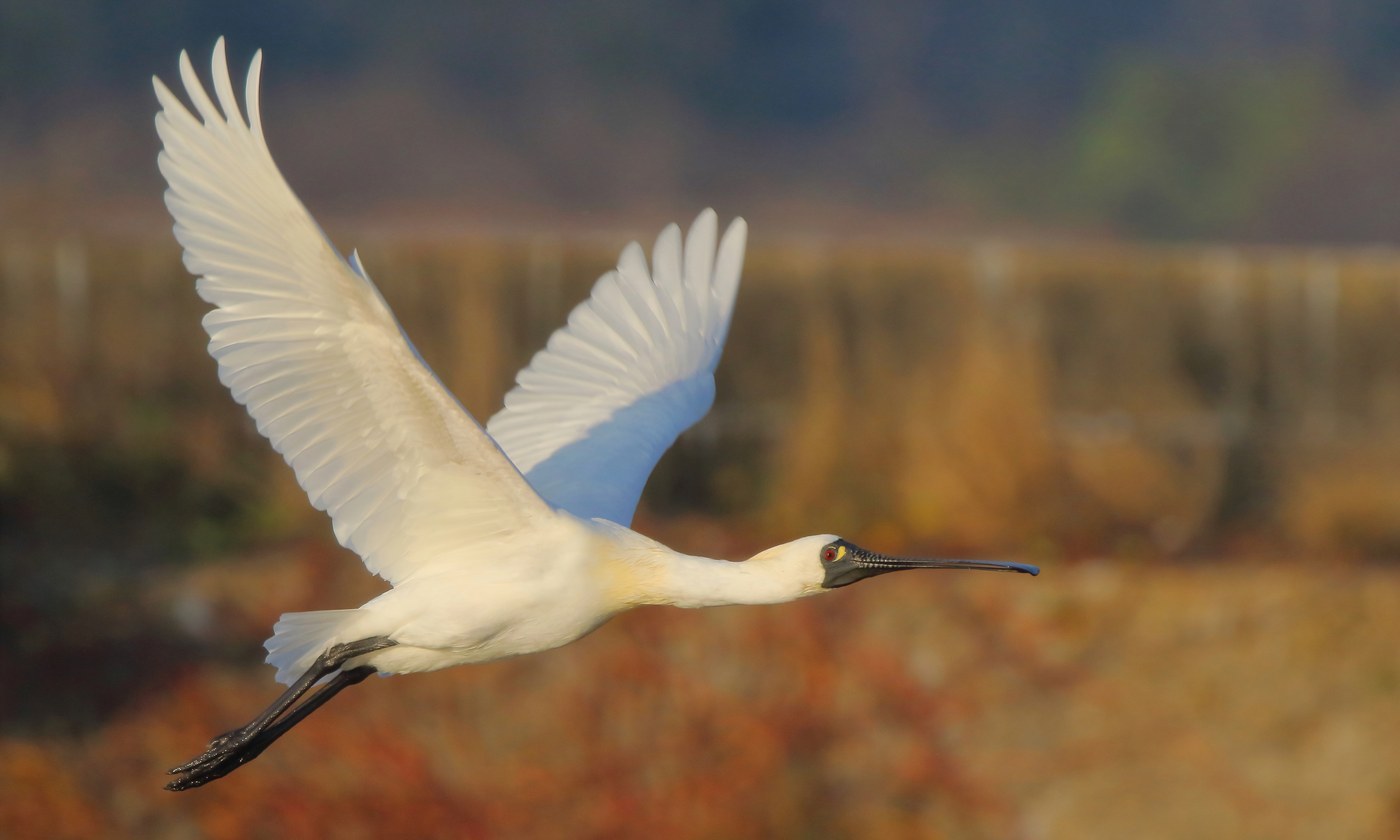
Black-faced Spoonbill
White contour and flight feathers with fine breeding crest and breast plumes
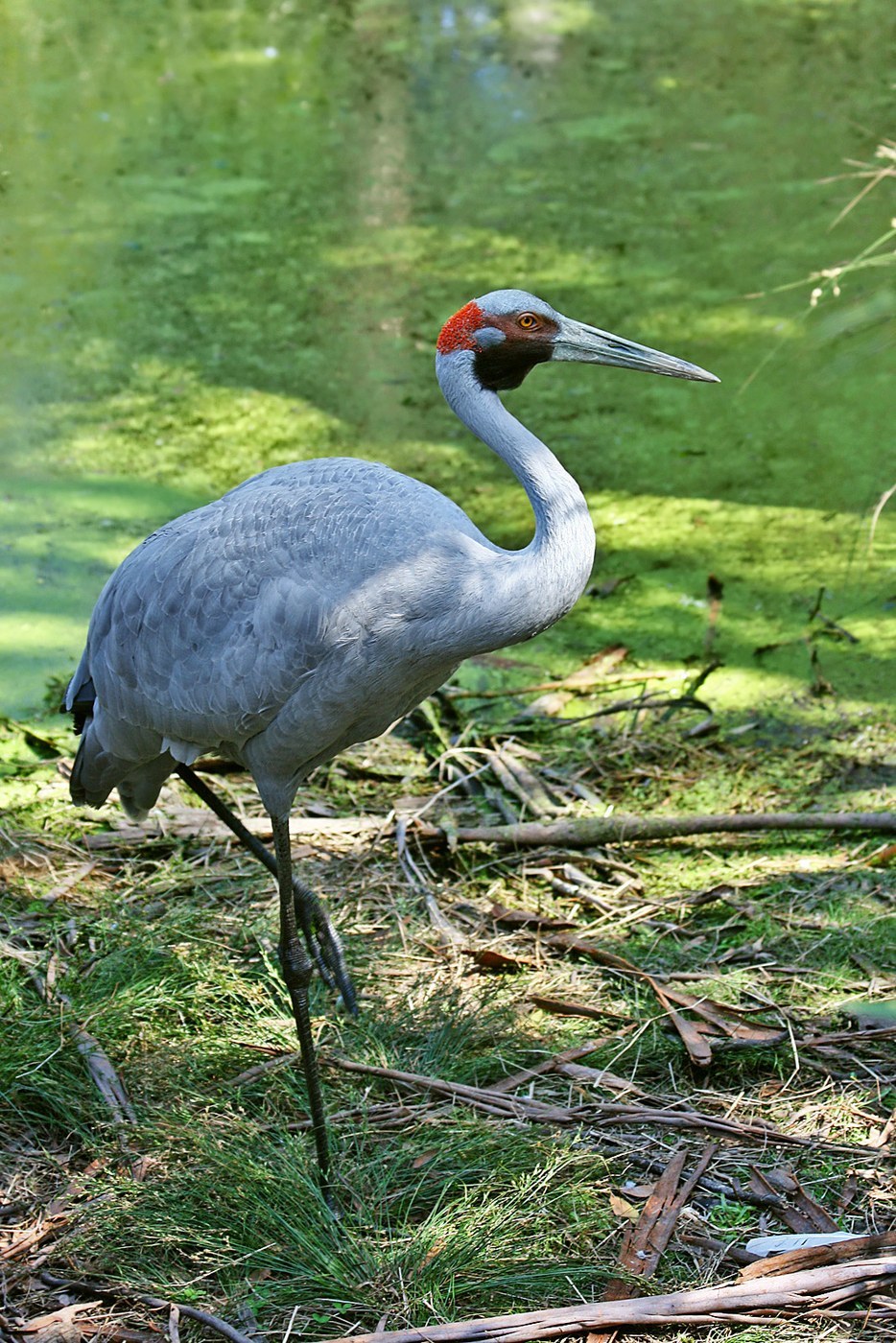
Brolga
Grey contour feathers with drooping bustle plumes
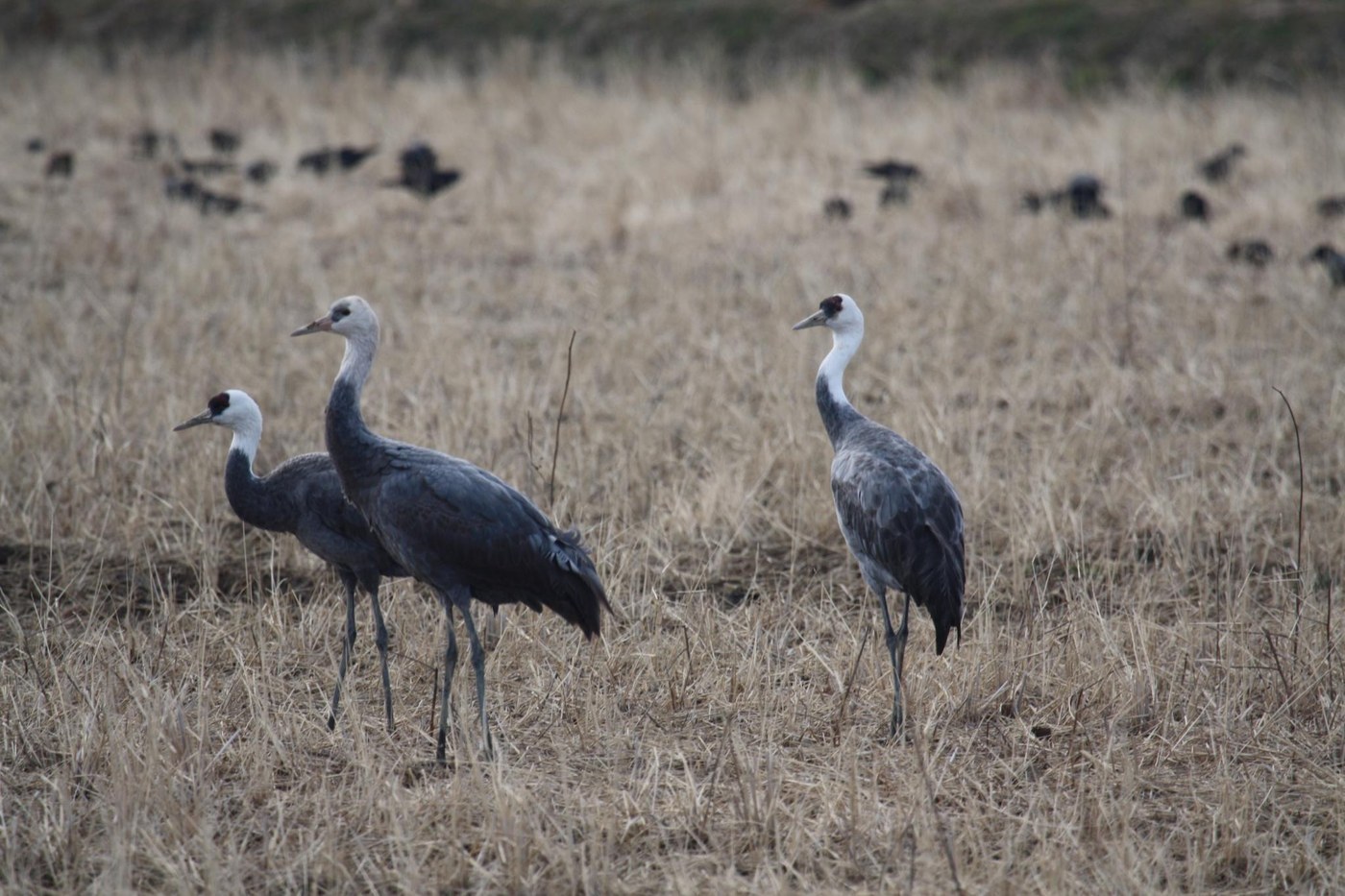
Hooded Crane
Dark slate-grey body feathers with a white head/upper neck 'hood' and black bustle plumes
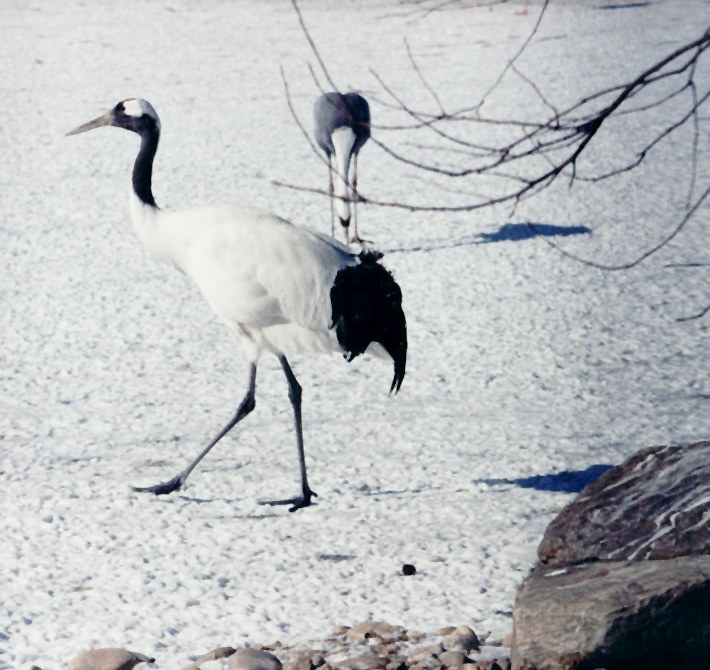
Red-crowned Crane
White contour feathers with black secondary/tertial bustle feathers and a bare red crown

Common Crane
Grey contour feathers with black head/neck feathers and drooping bustle plumes
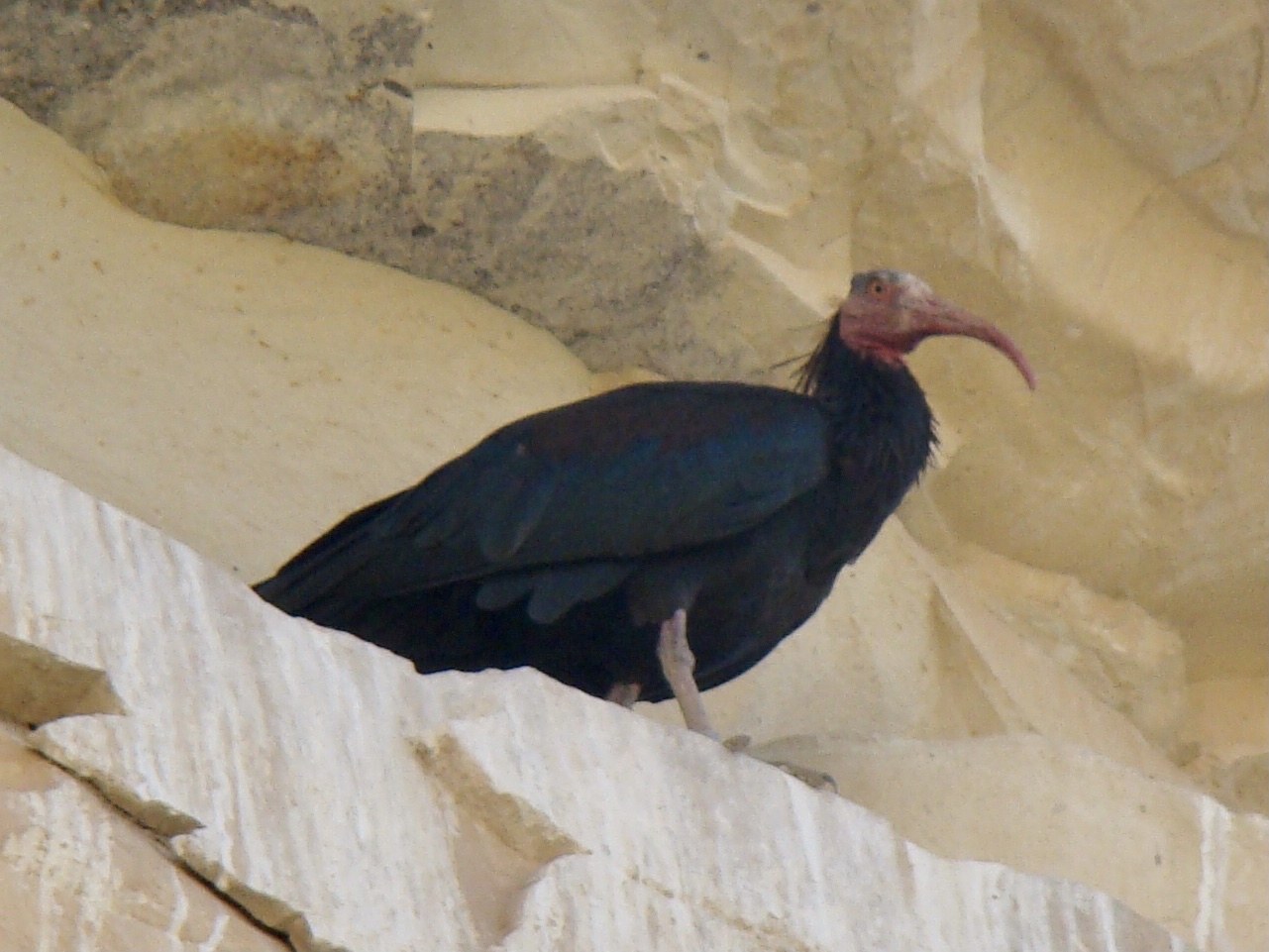
Northern Bald Ibis
Glossy black contour feathers with elongated nape plumes
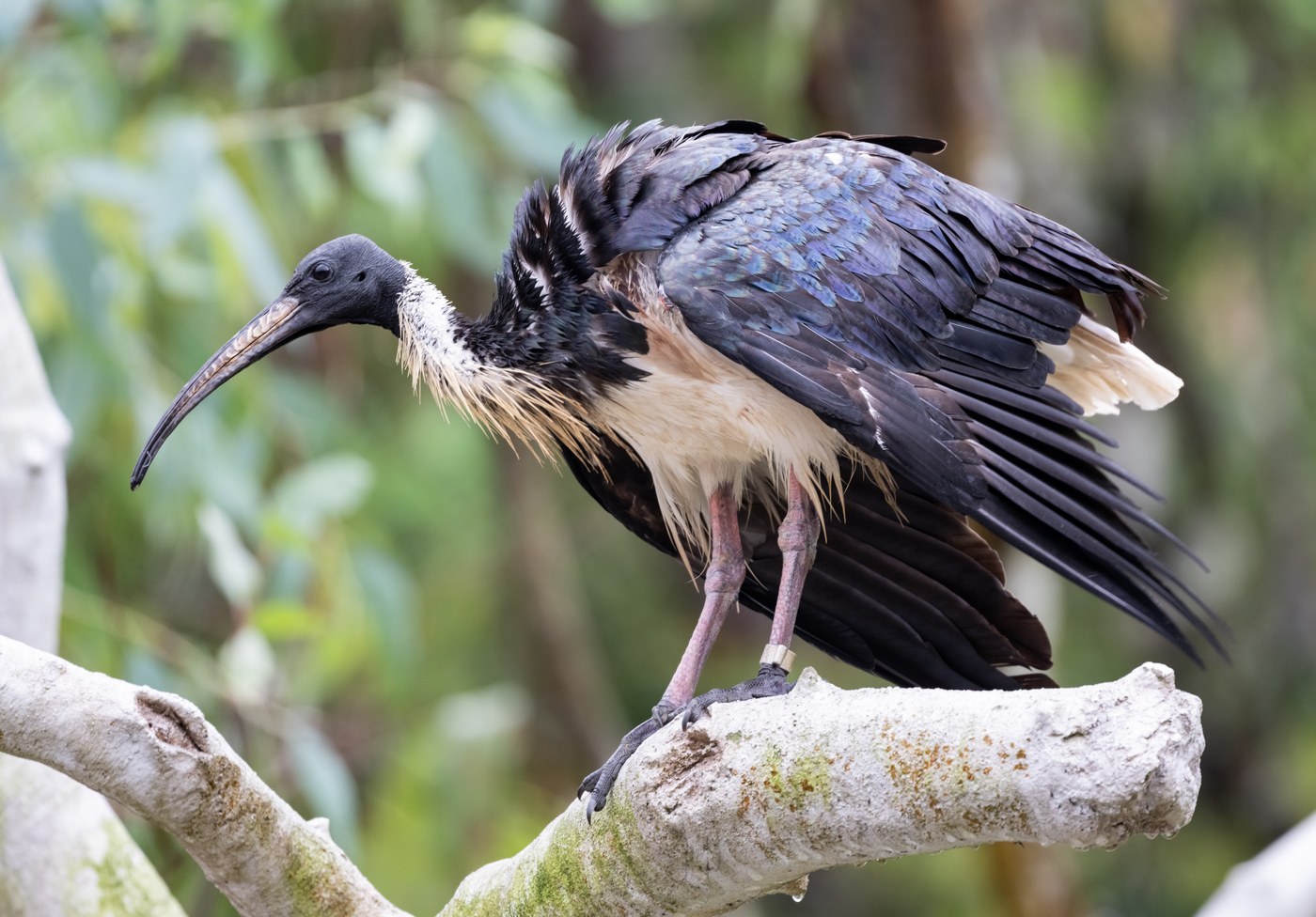
Straw-necked Ibis
Glossy contour feathers with unique straw-like neck plumes
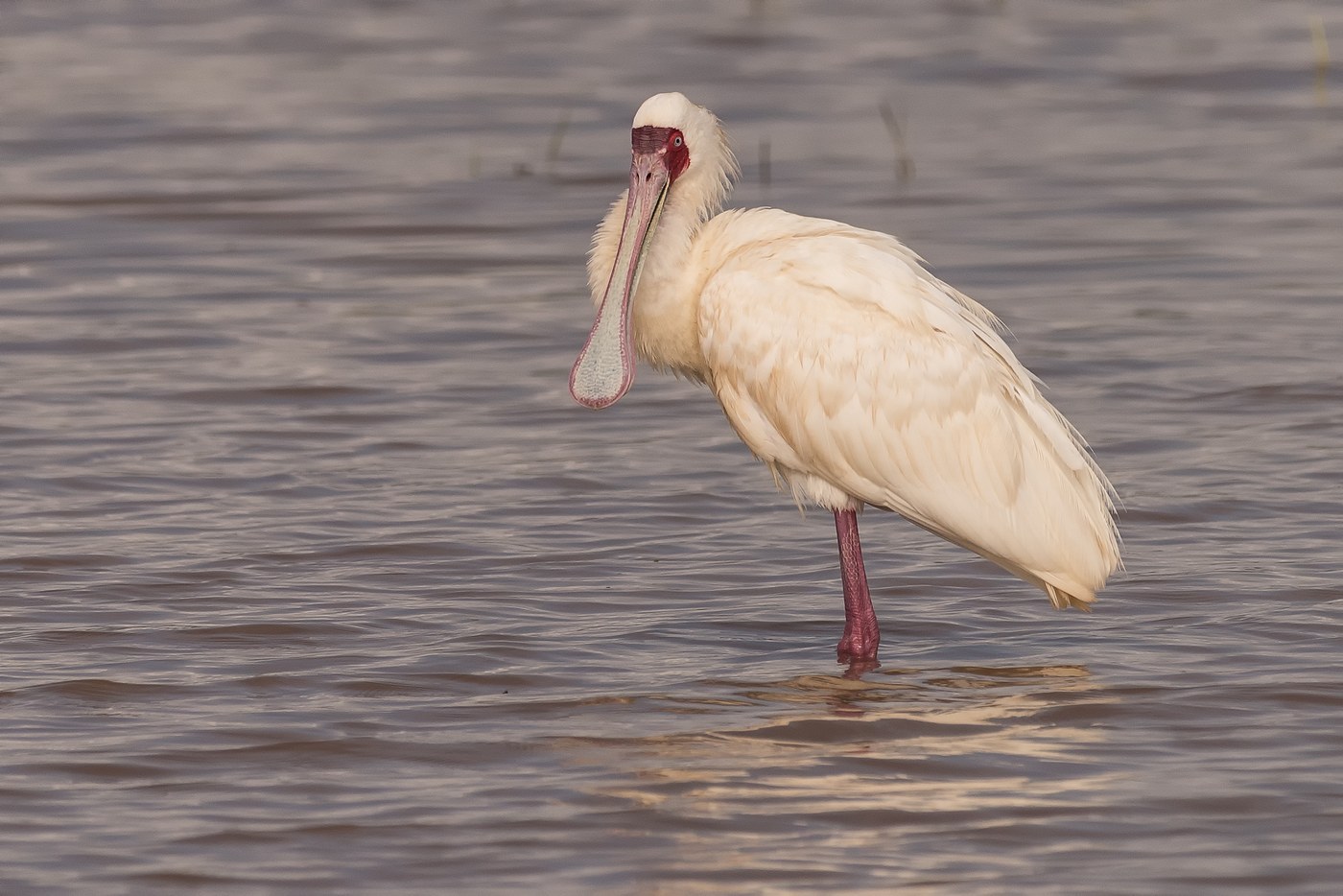
African Spoonbill
White contour and flight feathers, unmarked by black tips

Roseate Spoonbill
Pink and white contour and flight feathers with a carmine shoulder patch