

Greater Adjutant
Leptoptilos dubius
A very large, rare Asian scavenging stork with a bald head, a huge bill, and a pale throat pouch, now restricted to a few strongholds in India and Cambodia after severe historical decline.
- Feather type
- Large body contour feathers and broad flight feathers
- Colours
- Dark grey upperparts with pale underparts
- Bird size
- Very large stork, ~120-150 cm
Found a feather like this?
Identify any feather from a photo, free.
Overview
Overview
The Greater Adjutant is a massive stork closely related to the African Marabou Stork, sharing a similar bald head, heavy bill, and scavenging habits, but now one of the rarest storks in the world, confined mainly to a few sites in northeastern India and Cambodia. Its dark grey upperparts, pale underparts, bald head, and pendulous throat pouch give it a similarly somber, vulture-like appearance to its African counterpart.
- Very large stork with a bald, wrinkled head and neck
- Dark grey upperparts contrasting with pale grey to whitish underparts
- Massive, heavy bill
- Pale, inflatable throat pouch hanging from the front of the neck
Identifying the Feather
Feather Identification
Greater Adjutant feathers are large and substantial, matching the bird's great size, with dark grey upperpart feathers and paler grey to whitish underpart feathers.
- Upperpart feathers: dark slate-grey, sometimes with a subtle greenish gloss
- Underpart feathers: pale grey to whitish
- Undertail coverts: soft, fluffy, and pale, similar in texture to the decorative plumes of the Marabou Stork
- Flight feathers: broad and dark, adapted for soaring on thermals
- Vs. Marabou Stork: very similar in pattern; range is the most reliable distinguishing factor, since the two species do not naturally overlap
- Vs. Lesser Adjutant: Greater Adjutant feathers are noticeably larger, matching its bulkier body size
Plumage & Molt
Plumage Details
Adults show dark grey upperparts and wings with pale grey to whitish underparts, a bald head and neck with patches of pink, yellow, and grey bare skin, and a pale pendulous throat pouch used in display. Juveniles have more feathering on the head and a smaller, less developed pouch, with generally duller plumage that matures over several years. Molt is gradual, without a sharply defined seasonal pattern, similar to other large storks.
Habitat & Range
Habitat & Range
Greater Adjutants historically ranged across South and Southeast Asia but have suffered dramatic population declines due to habitat loss and hunting, surviving today mainly in scattered wetland and floodplain areas of northeastern India, with a very small population in Cambodia. It uses wetlands, rivers, and rubbish dumps, and is largely resident within its remaining strongholds, with limited seasonal movements.
Behavior & Field Notes
Behavior & Field Notes
Greater Adjutants scavenge at carcasses and refuse sites much like the Marabou Stork, while also hunting fish, amphibians, and other prey in wetlands. Conservation efforts in parts of its Indian range have focused on protecting nesting trees and engaging local communities to reverse historical declines. Like other adjutant storks, it lacks a strong voice and instead communicates through bill-clattering. Its bald head, heavy bill, and vulture-like scavenging habits, combined with its very restricted modern range, make it a notable identification given its rarity.
Frequently asked questions
How rare is the Greater Adjutant?
It is one of the rarest storks in the world, now largely restricted to a few sites in northeastern India and a very small population in Cambodia after severe historical decline.
How can I tell a Greater Adjutant feather from a Marabou Stork feather?
The two species look very similar; geographic range is the most reliable clue, since Greater Adjutant occurs only in South and Southeast Asia while Marabou Stork is African.
Why does the Greater Adjutant have a bald head?
As with the related Marabou Stork, a bald head is thought to aid hygiene while feeding on carrion and other scavenged food.
Where would a Greater Adjutant feather most likely be found?
Near wetlands and nesting colonies in its very limited remaining range in northeastern India, or occasionally in Cambodia.
Greater Adjutant guides
In-depth guides for identifying and understanding Greater Adjutant.

Other feathers you may enjoy

Yellow-billed Spoonbill
White contour and flight feathers with fine breeding plumes on the back and breast
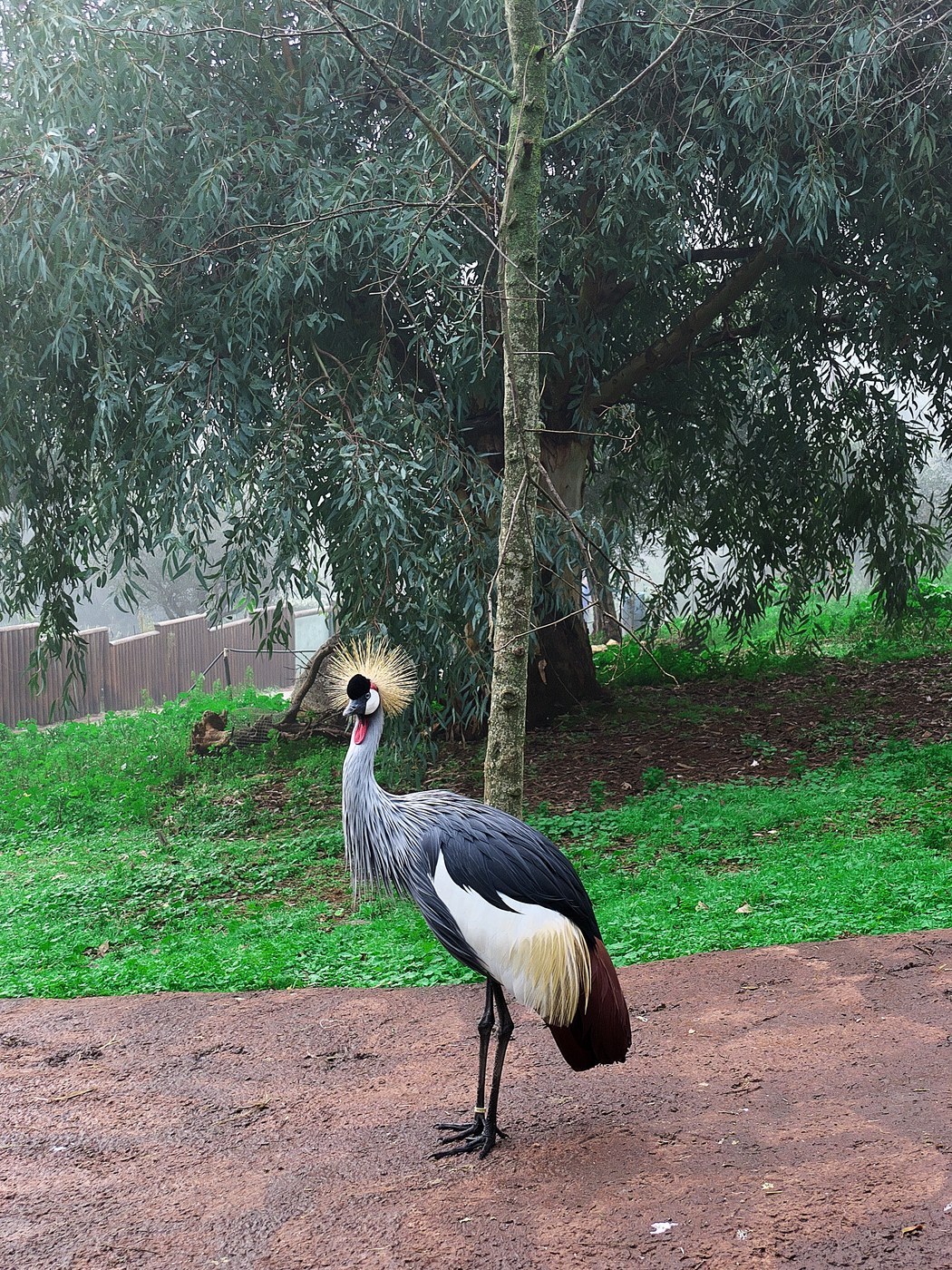
Grey Crowned Crane
Grey body feathers with white wing coverts, chestnut flight feathers, and stiff golden crown bristles
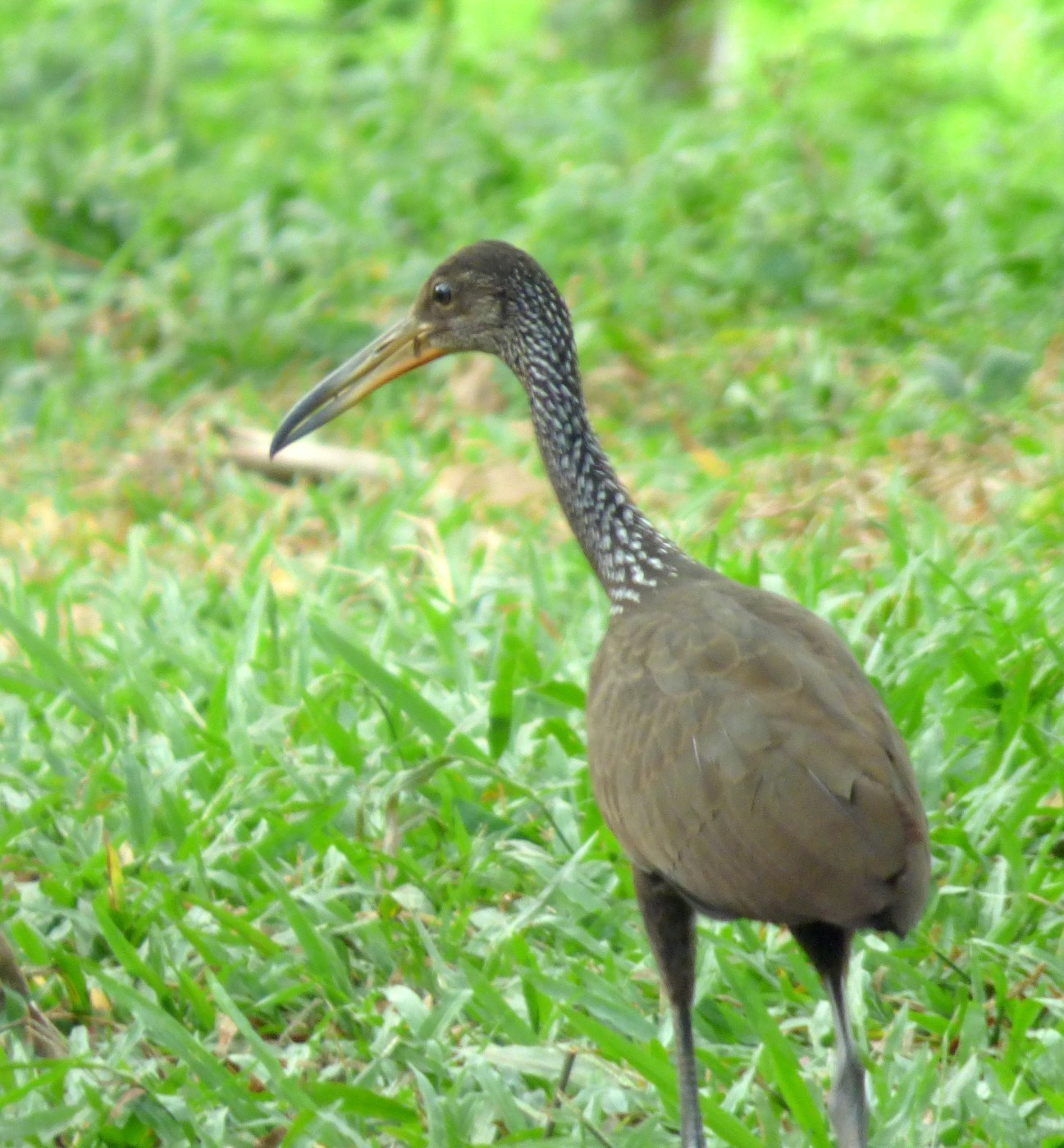
Limpkin
Brown contour feathers with white teardrop-shaped spots and streaks

Black-faced Spoonbill
White contour and flight feathers with fine breeding crest and breast plumes
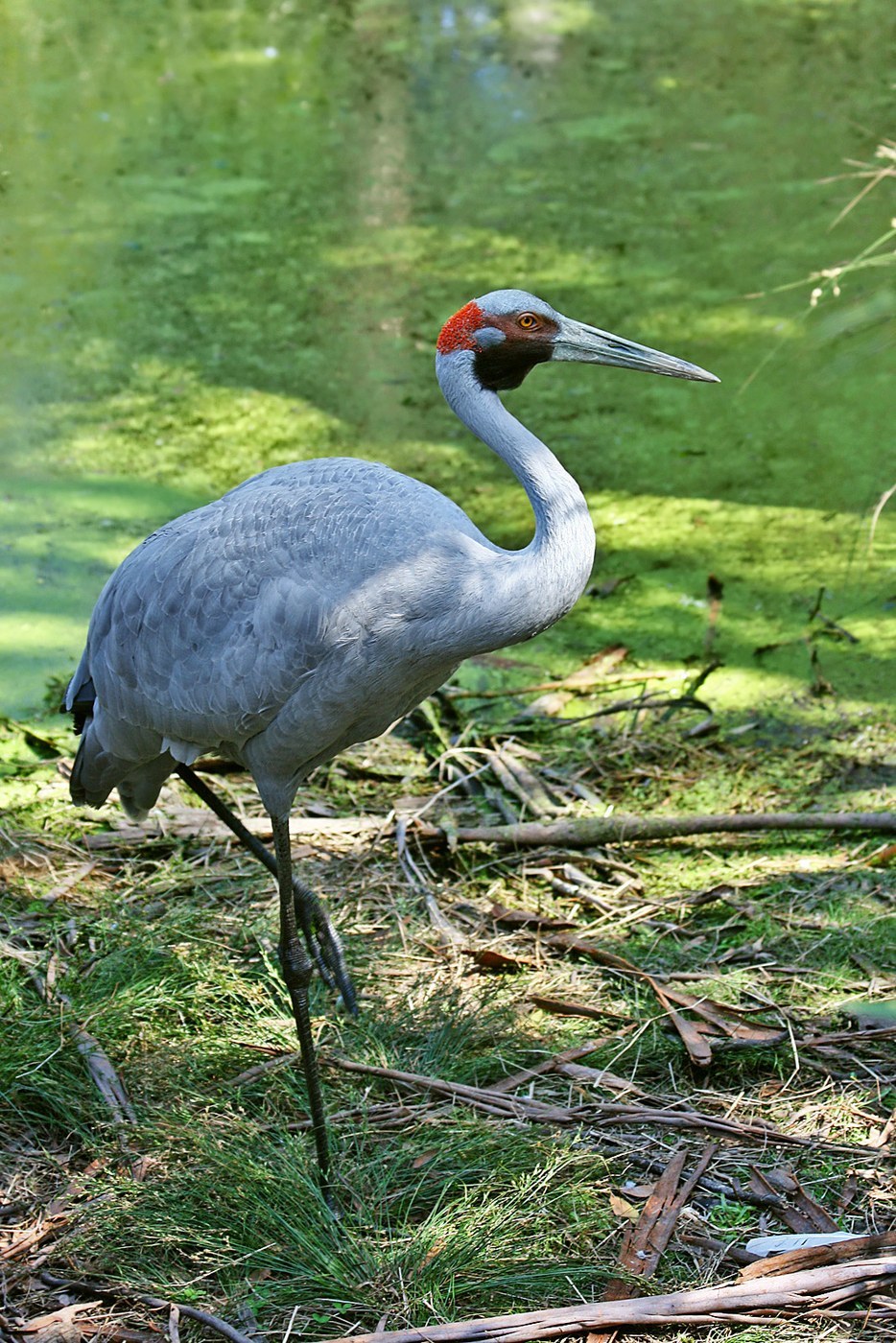
Brolga
Grey contour feathers with drooping bustle plumes
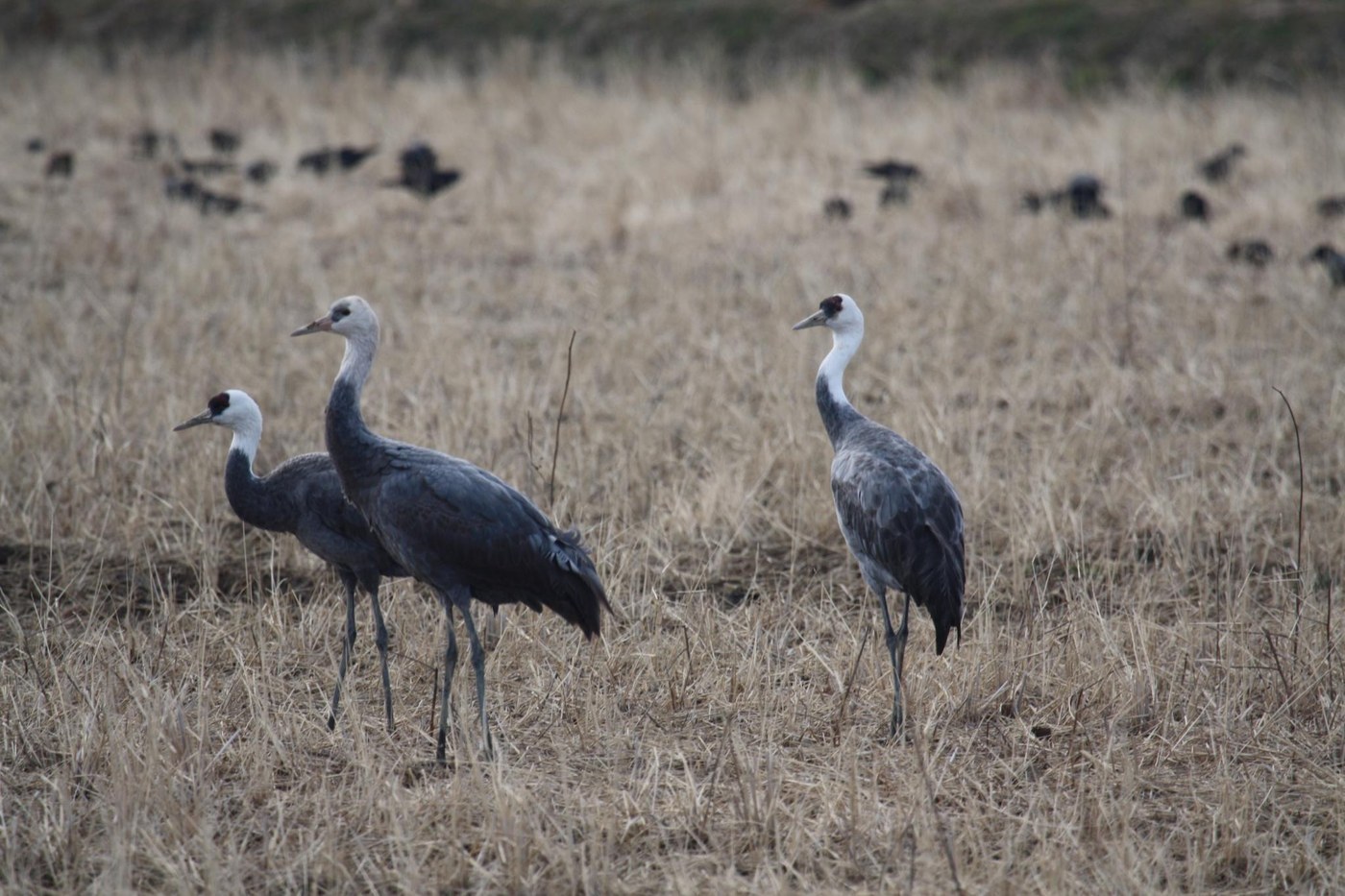
Hooded Crane
Dark slate-grey body feathers with a white head/upper neck 'hood' and black bustle plumes
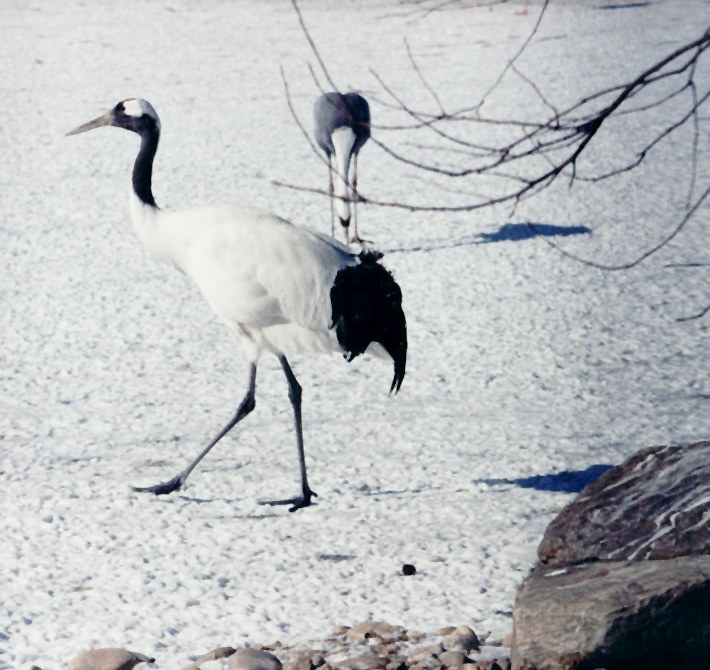
Red-crowned Crane
White contour feathers with black secondary/tertial bustle feathers and a bare red crown

Common Crane
Grey contour feathers with black head/neck feathers and drooping bustle plumes
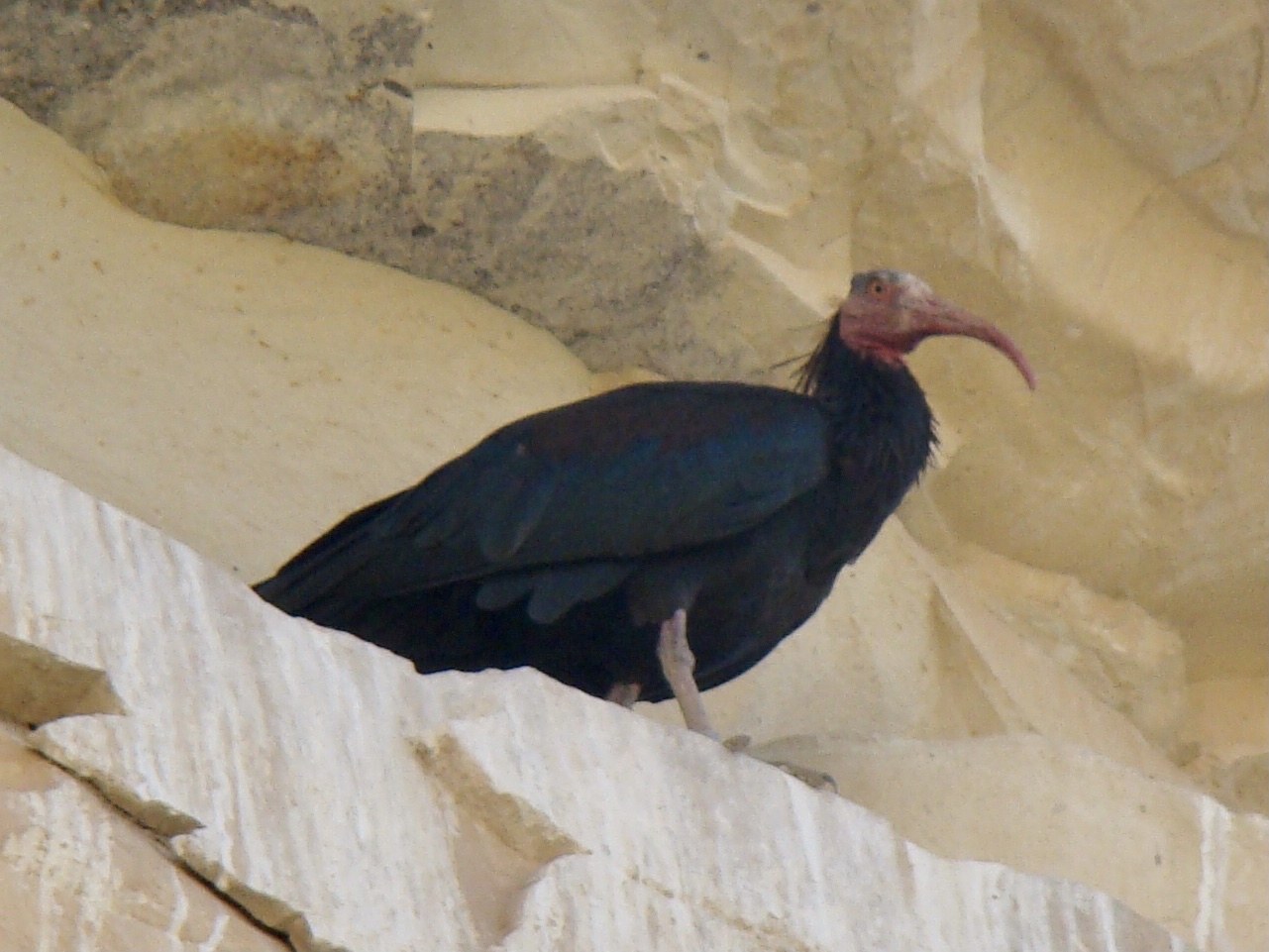
Northern Bald Ibis
Glossy black contour feathers with elongated nape plumes
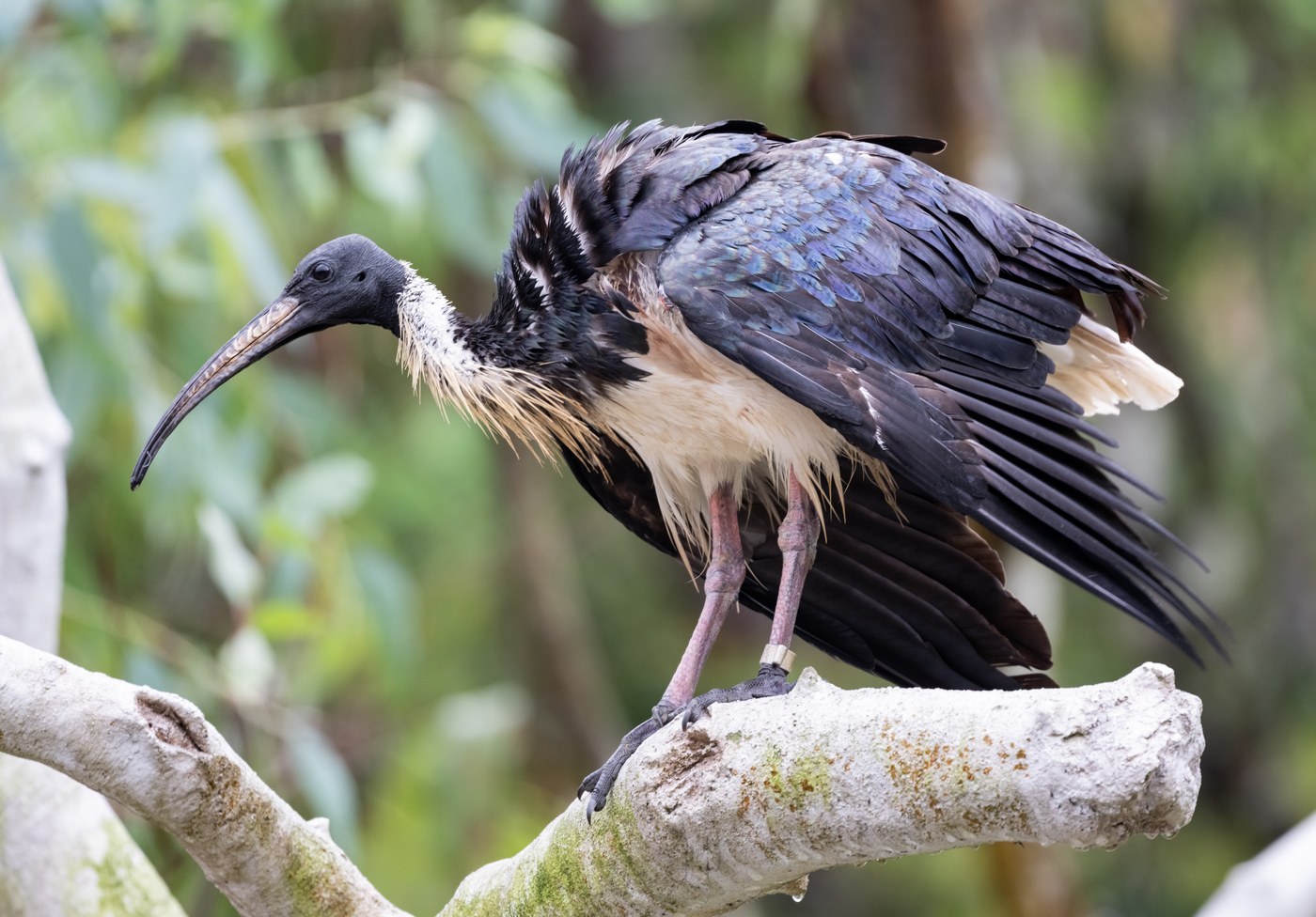
Straw-necked Ibis
Glossy contour feathers with unique straw-like neck plumes
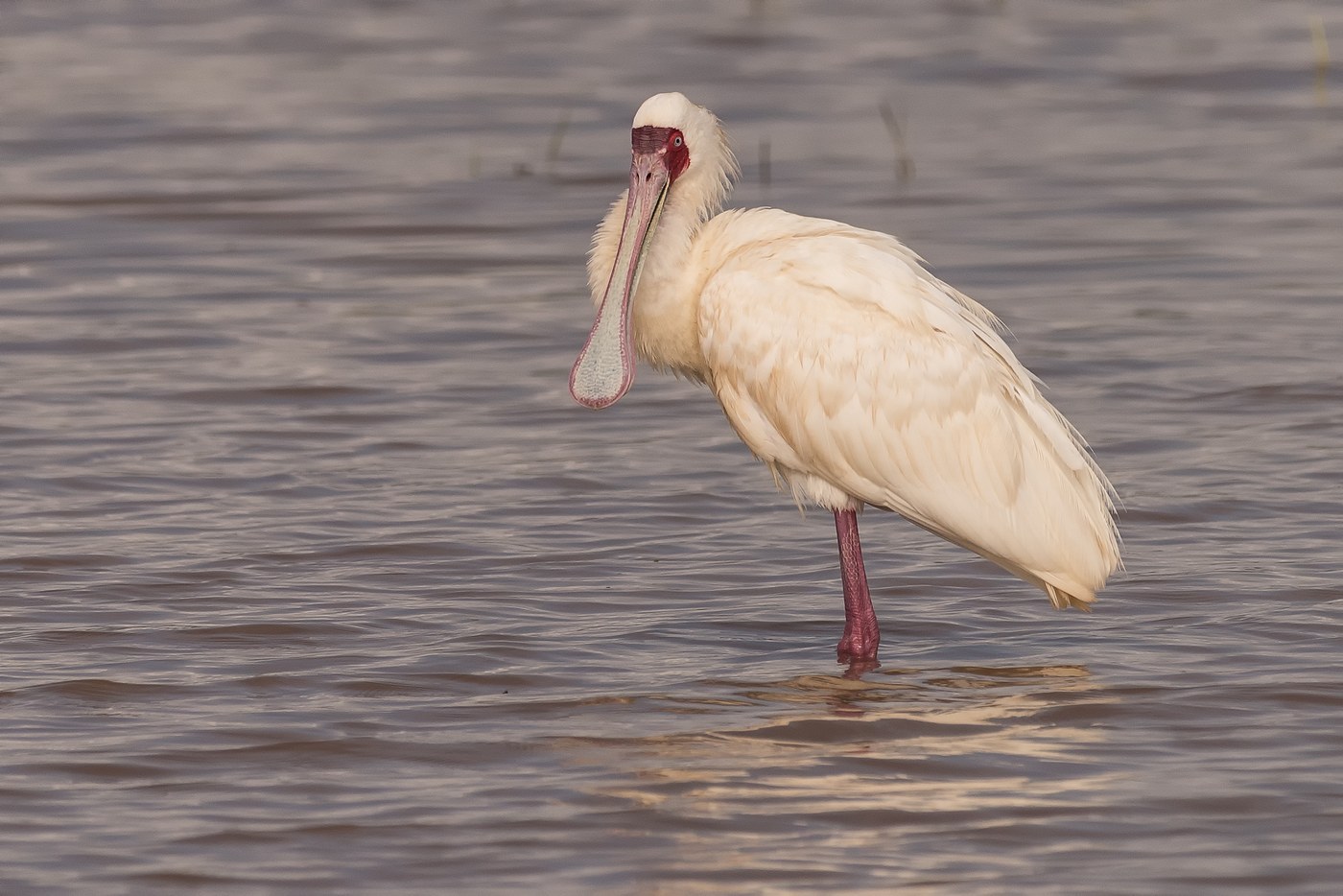
African Spoonbill
White contour and flight feathers, unmarked by black tips

Roseate Spoonbill
Pink and white contour and flight feathers with a carmine shoulder patch