
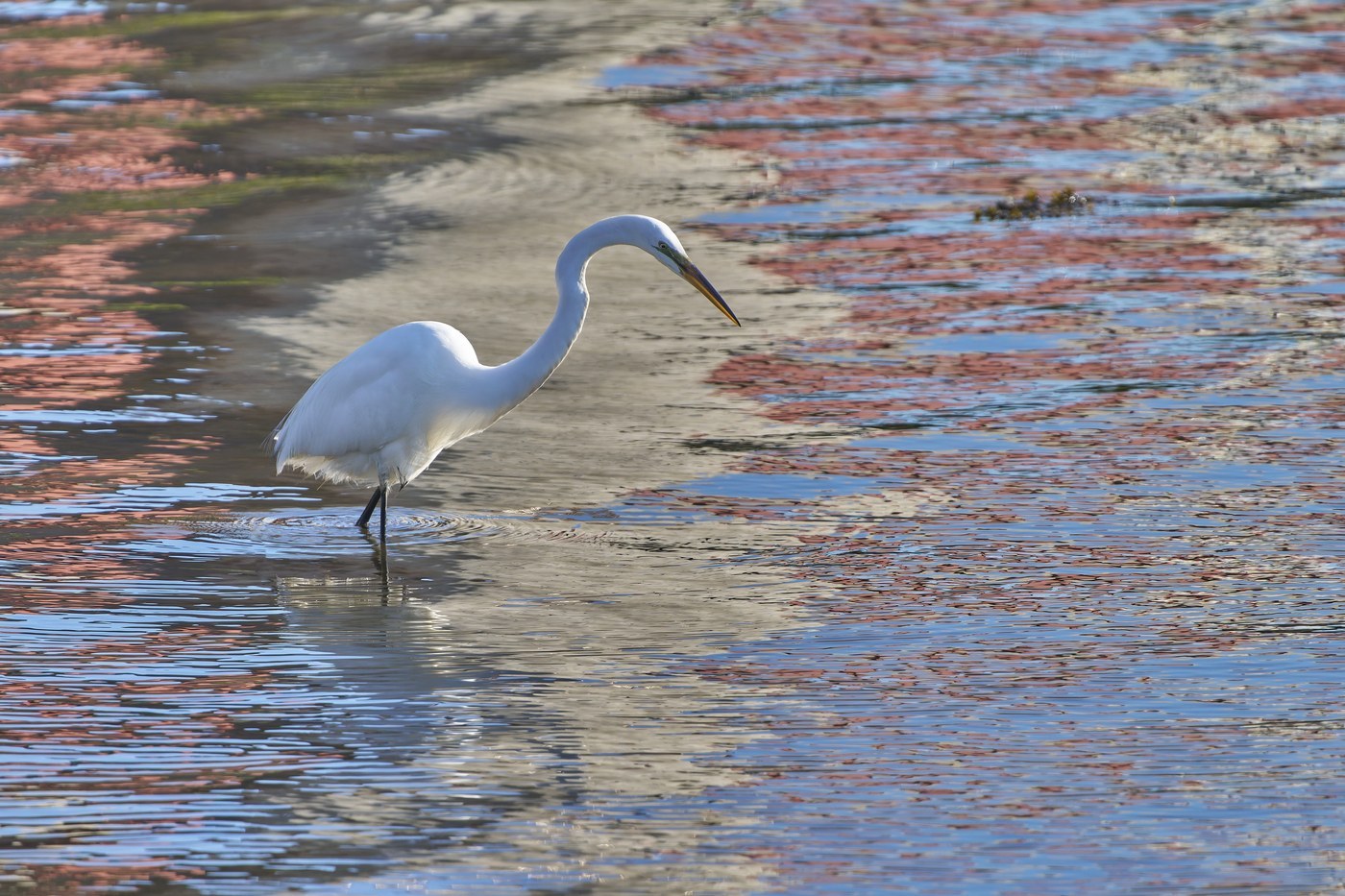
Great Egret
Ardea alba
A tall, all-white heron with a long yellow bill and black legs, famous for the delicate plumes it grows during the breeding season.
- Feather type
- Pure white contour feathers with long lacy breeding aigrettes
- Colours
- White throughout
- Bird size
- Large, ~94-104 cm tall
Found a feather like this?
Identify any feather from a photo, free.
Overview
Overview
The Great Egret is a large, elegant, all-white heron found on nearly every continent except Antarctica. Its combination of size, snowy plumage, yellow bill, and black legs makes it one of the more distinctive wading birds. Historically, its ornate breeding plumes made it a target of the plume trade.
- Large, slender white heron with a long S-curved neck
- Yellow bill and black legs and feet
- Occurs on wetlands worldwide
Identifying the Feather
Feather Identification
All Great Egret feathers are pure white, without any gray, buff, or dark markings, which separates them cleanly from Great Blue Heron and Little Blue Heron feathers. Body feathers are soft and rounded; primary and secondary flight feathers are long, white, and relatively broad with a sturdy pale shaft. During the breeding season, adults grow long, loose, filamentous plumes (aigrettes) from the back that extend well past the tail, with fine, wispy barbs distinct from ordinary contour feathers.
- Pure white color with no other pigment is the key distinguishing trait
- Larger overall size than Snowy Egret or Little Egret feathers
- Breeding aigrettes are notably longer and more filamentous than those of smaller white egrets
- Compare bill and leg color on any attached soft parts: yellow bill and black legs rule out Snowy Egret (black bill, yellow feet)
Plumage & Molt
Plumage
Adults are entirely white year-round, with a yellow-orange bill and blackish legs and feet. During the breeding season, the bill may become brighter orange and lores turn a vivid green, while long lacy plumes grow from the back and drape over the tail. Outside the breeding season, the plumes are absent and the bare-part colors are duller. Juveniles resemble non-breeding adults, lacking the ornamental plumes. Molt occurs gradually, with adults renewing flight feathers over an extended post-breeding period.
Habitat & Range
Habitat & Range
The Great Egret has one of the widest distributions of any heron, occurring across the Americas, Europe, Africa, Asia, and Australia. It favors shallow freshwater marshes, lake margins, flooded fields, and coastal lagoons and estuaries. Many populations are migratory or dispersive, moving toward warmer regions or better feeding areas outside the breeding season, while in milder climates some populations remain resident year-round.
Behavior & Field Notes
Behavior & Field Notes
Great Egrets hunt by wading slowly or standing still in shallow water, striking suddenly at fish, amphibians, and other small aquatic prey with a quick jab of the bill. They often forage alone but roost and nest colonially, frequently alongside other herons and egrets in mixed-species heronries built high in trees or shrubs over water. The call is a low, harsh croak, mainly heard around nesting colonies or when the bird is disturbed. Their slow, deliberate hunting style combined with their bright white plumage makes them conspicuous across open wetlands.
Frequently asked questions
What makes Great Egret feathers different from other white herons?
Great Egret feathers are larger overall than Snowy or Little Egret feathers and are paired with a yellow bill and black legs rather than a black bill and yellow feet.
Why did Great Egret plumes become historically significant?
Their long breeding plumes were once prized for the hat trade.
Do Great Egrets have any dark feathers?
No, their plumage is entirely white at all ages and seasons, with no gray or dark patches.
Where do Great Egrets nest?
They nest colonially in trees or shrubs over or near water, often in mixed colonies with other herons and egrets.
Great Egret guides
In-depth guides for identifying and understanding Great Egret.
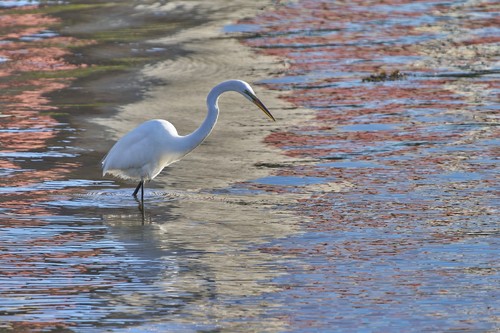
Great Egret identified by the community
Real feathers identified with Feather Identifier.


Other feathers you may enjoy

Yellow-billed Spoonbill
White contour and flight feathers with fine breeding plumes on the back and breast
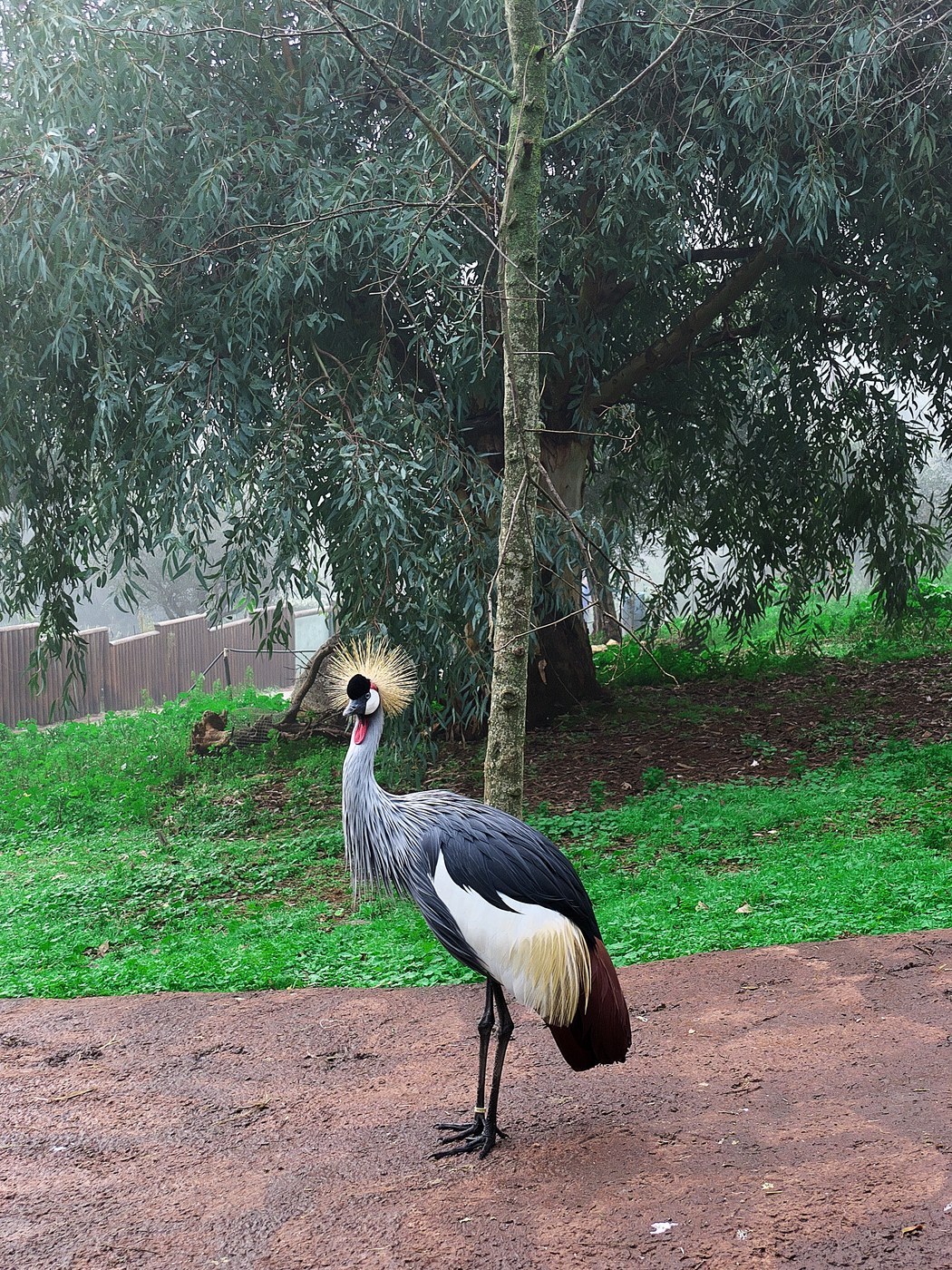
Grey Crowned Crane
Grey body feathers with white wing coverts, chestnut flight feathers, and stiff golden crown bristles
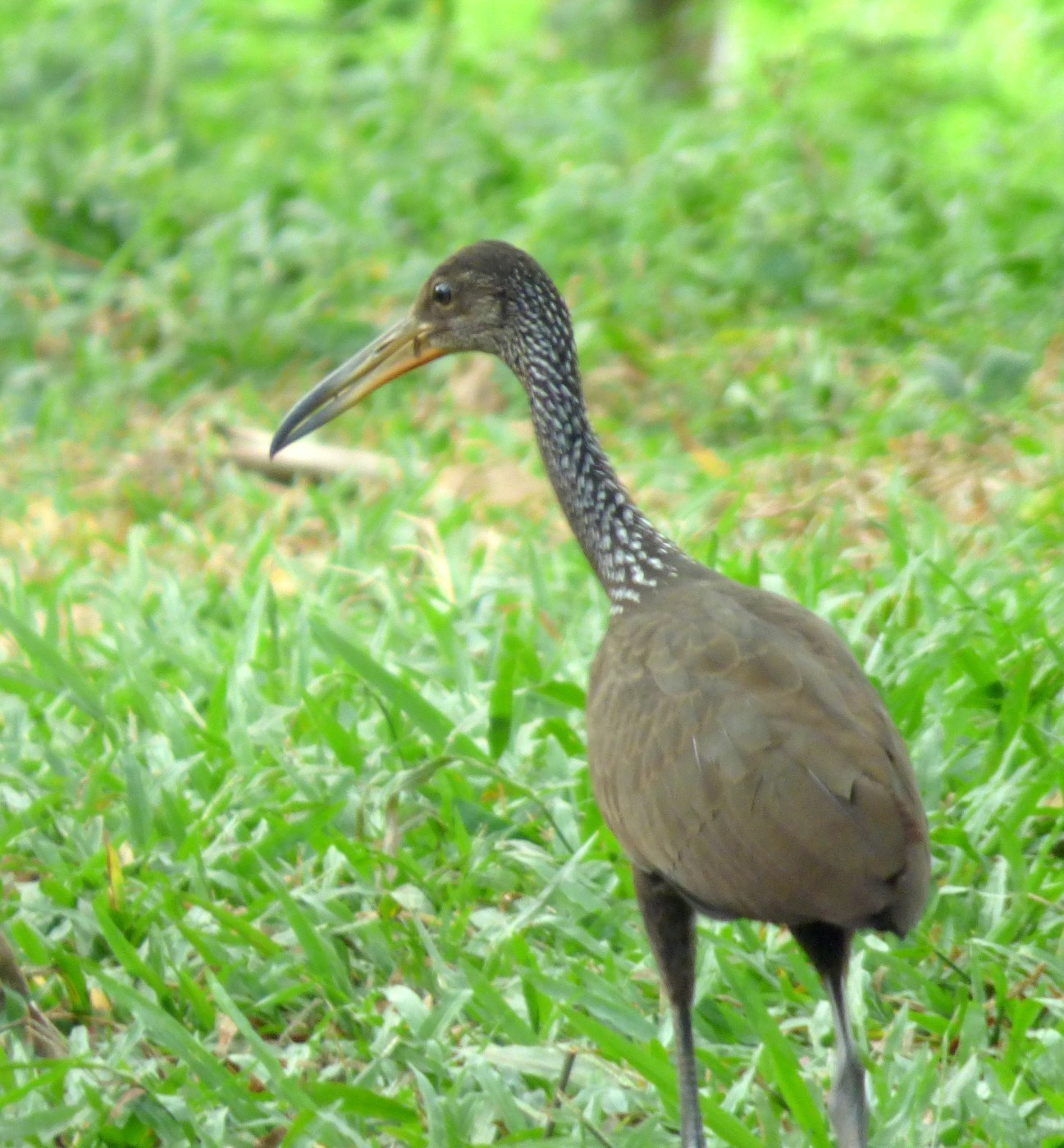
Limpkin
Brown contour feathers with white teardrop-shaped spots and streaks
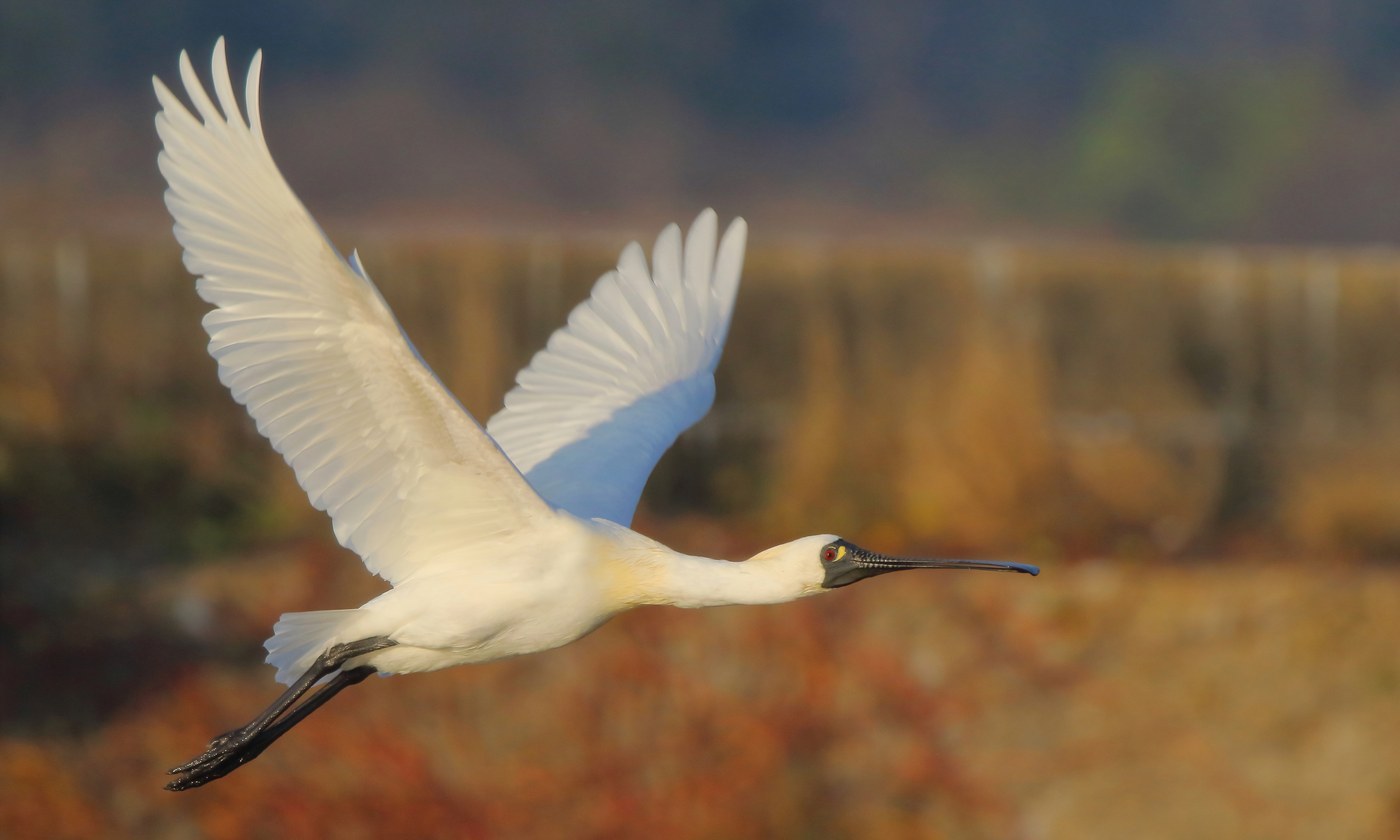
Black-faced Spoonbill
White contour and flight feathers with fine breeding crest and breast plumes
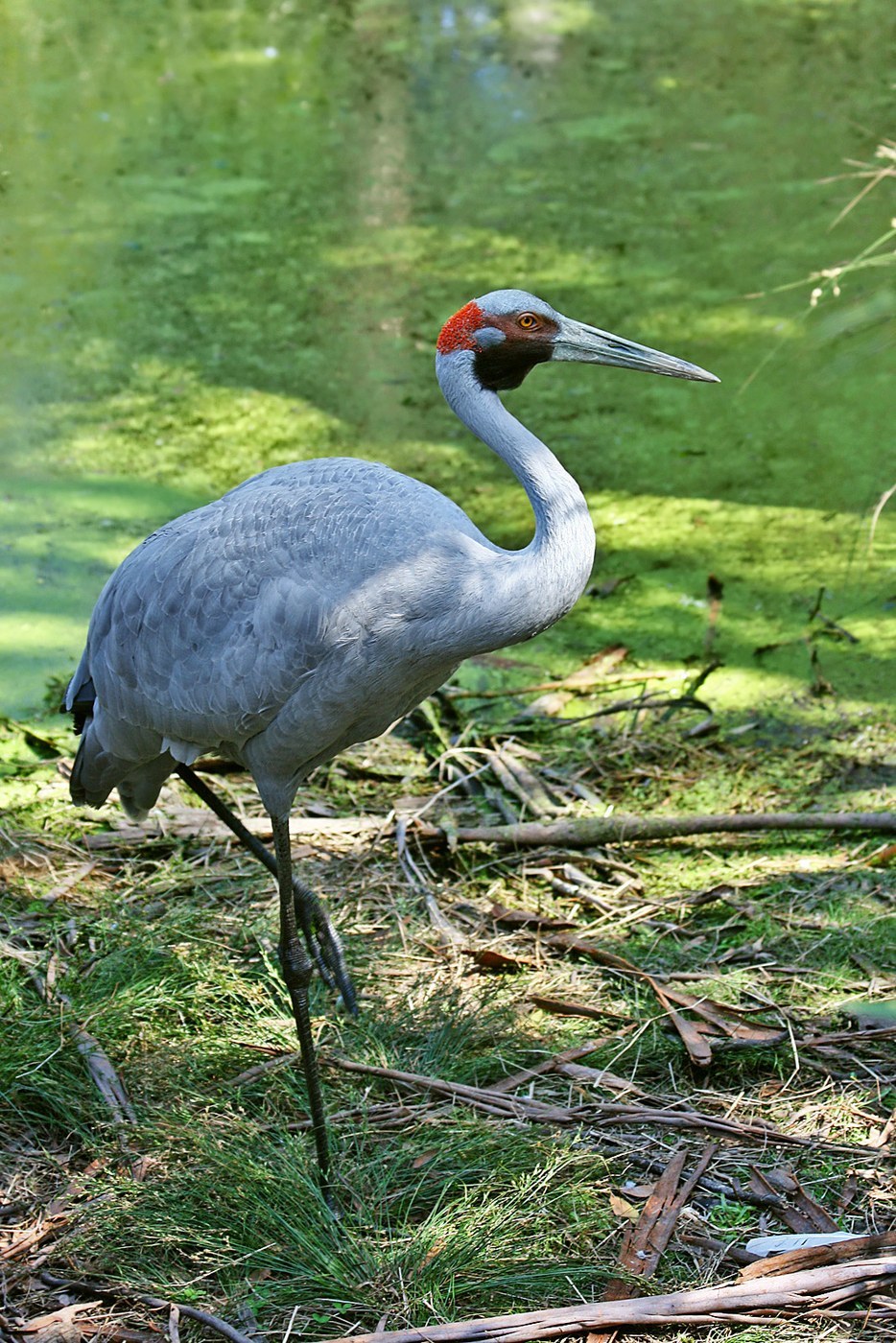
Brolga
Grey contour feathers with drooping bustle plumes
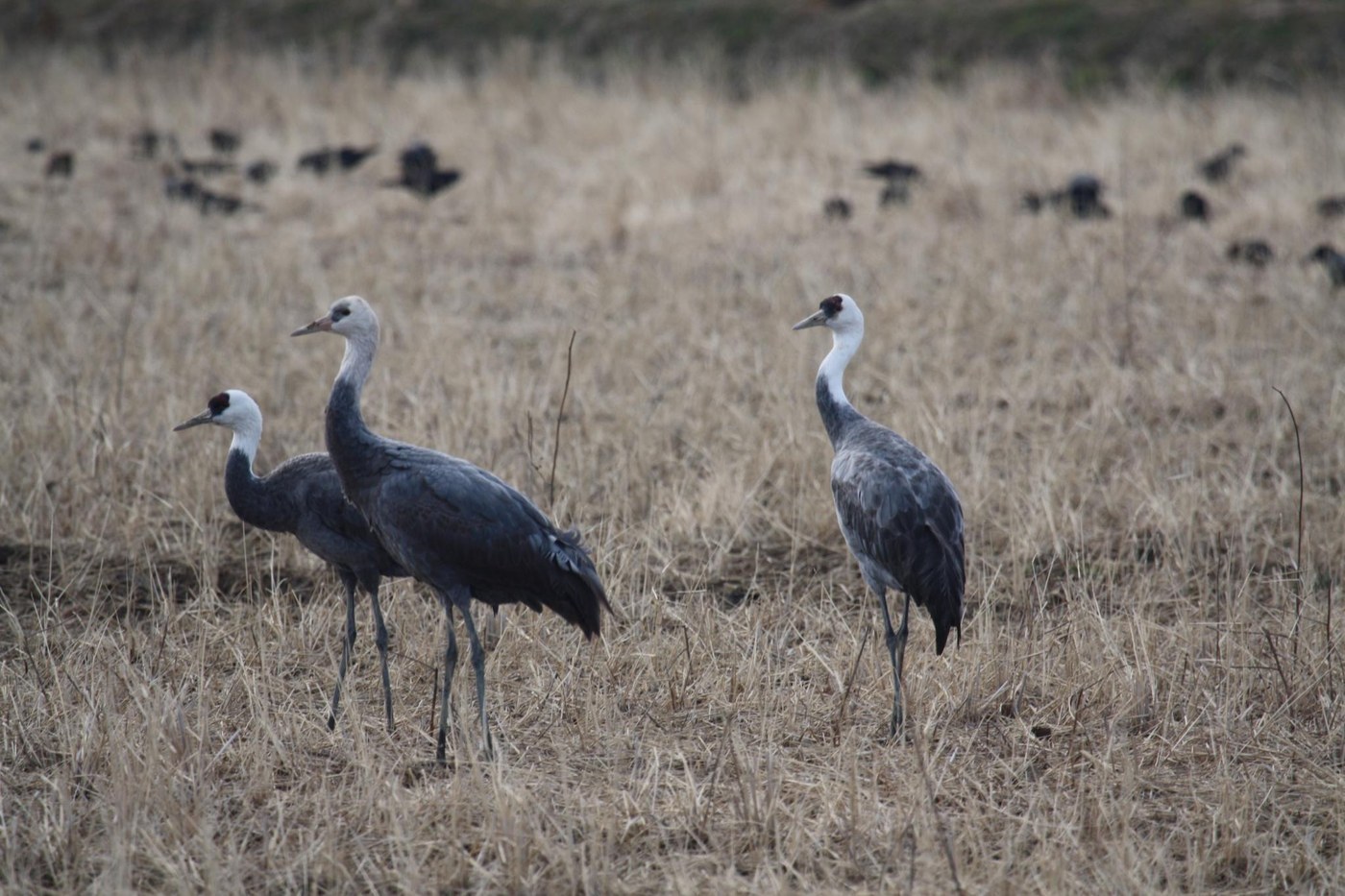
Hooded Crane
Dark slate-grey body feathers with a white head/upper neck 'hood' and black bustle plumes
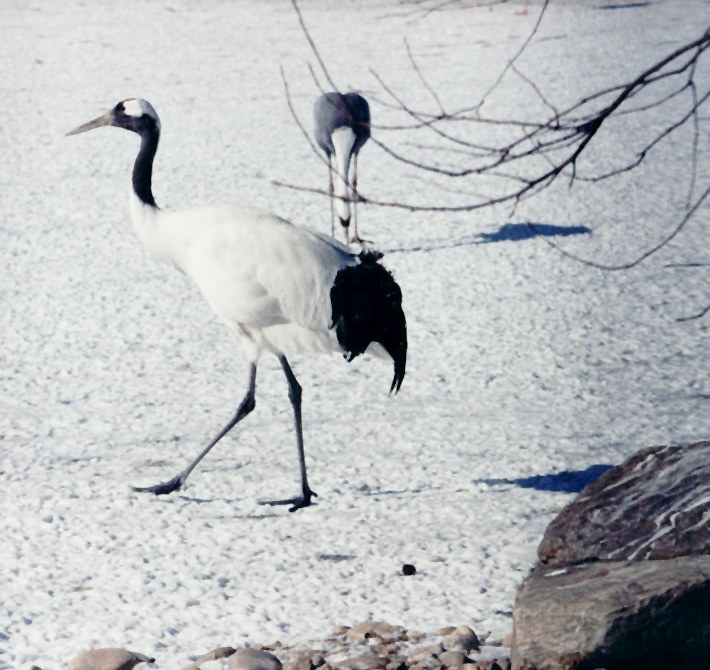
Red-crowned Crane
White contour feathers with black secondary/tertial bustle feathers and a bare red crown

Common Crane
Grey contour feathers with black head/neck feathers and drooping bustle plumes
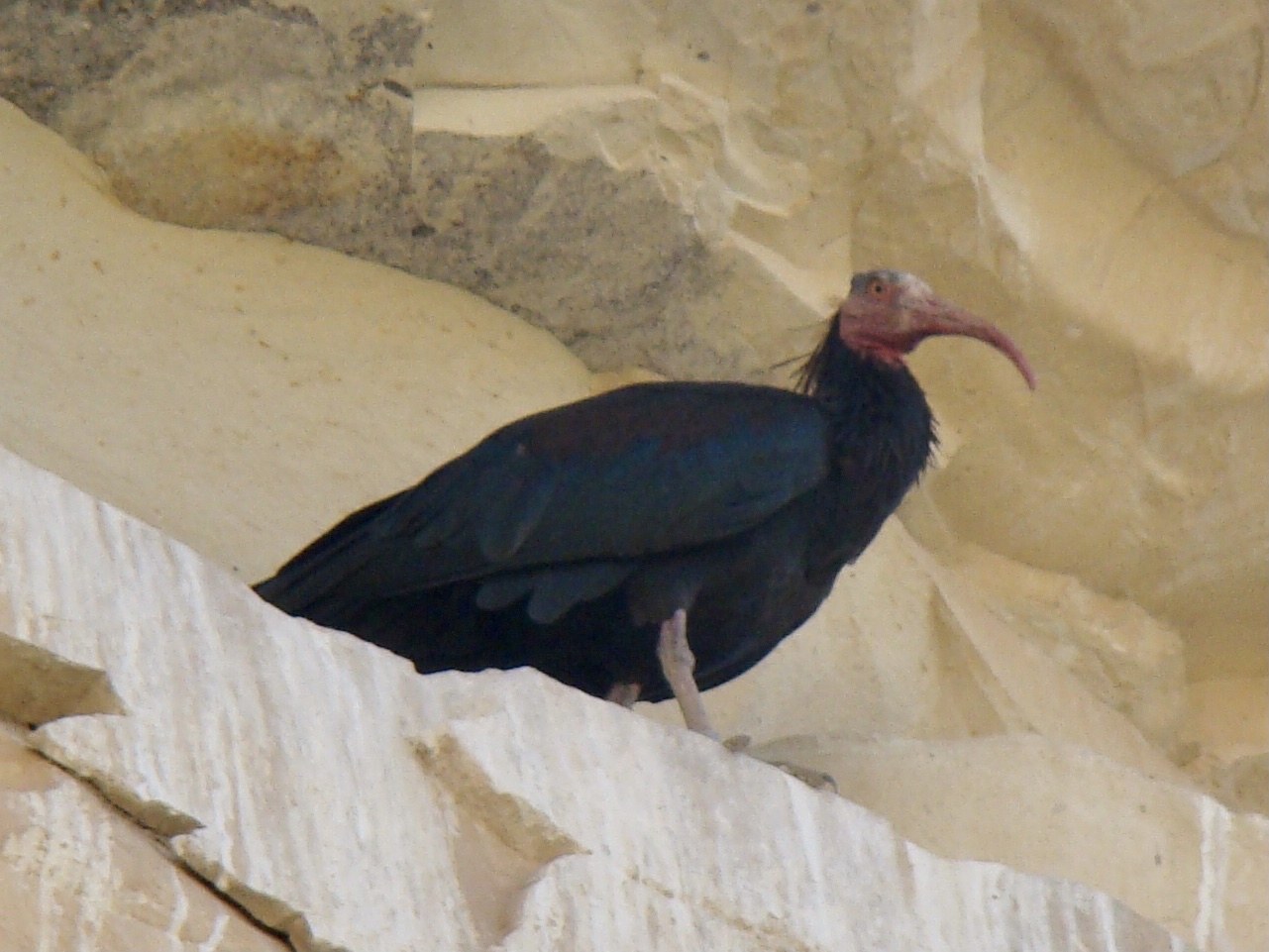
Northern Bald Ibis
Glossy black contour feathers with elongated nape plumes
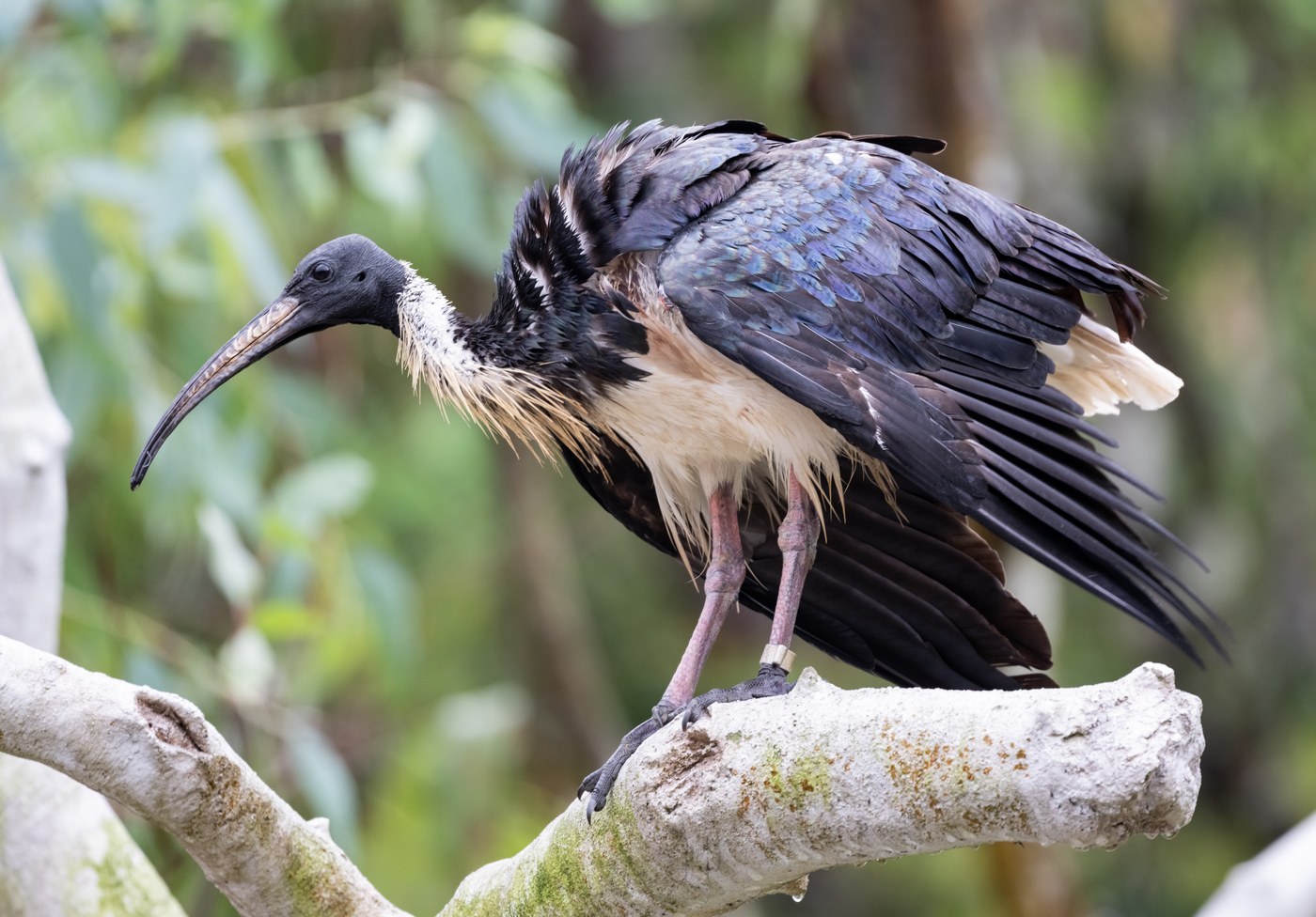
Straw-necked Ibis
Glossy contour feathers with unique straw-like neck plumes
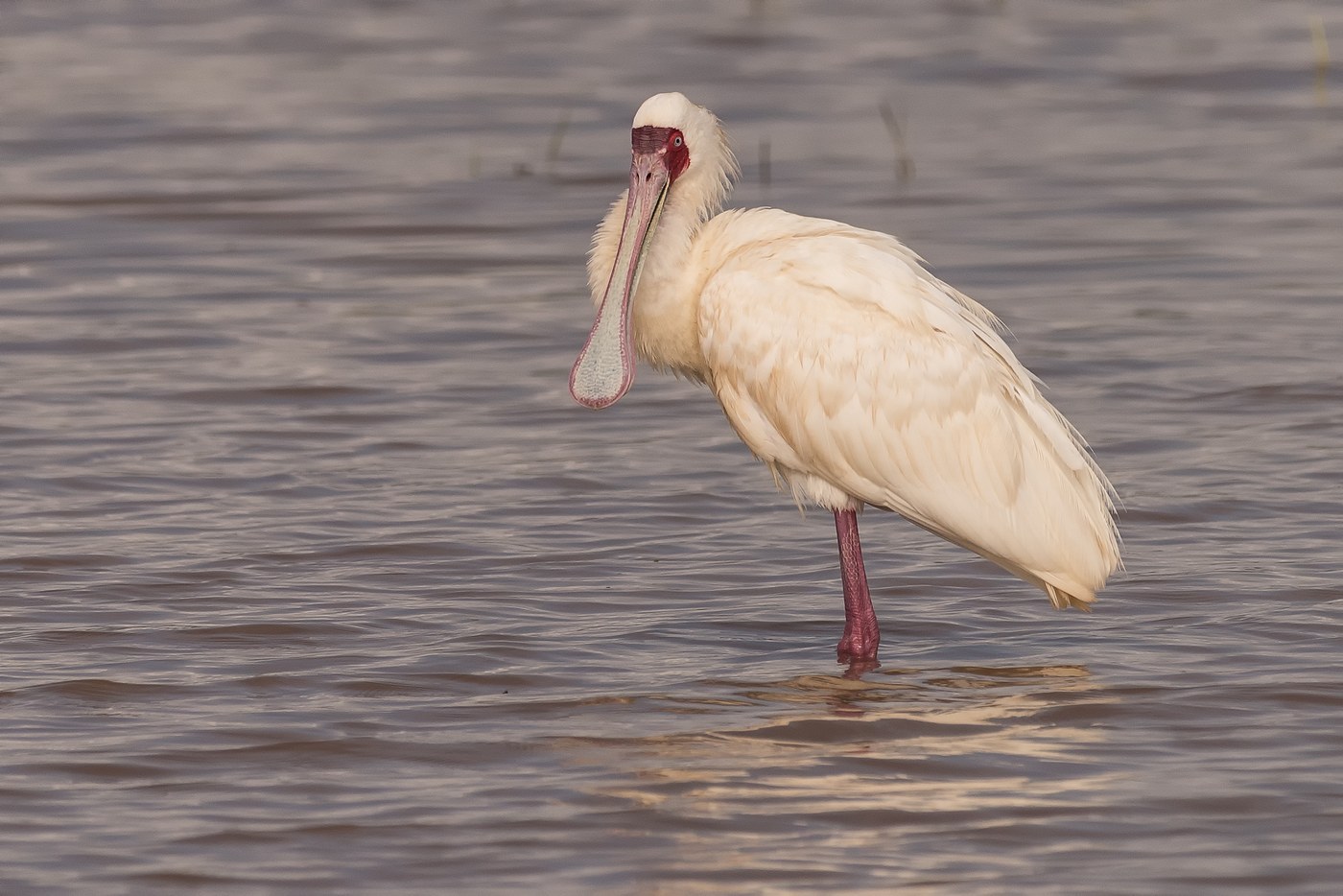
African Spoonbill
White contour and flight feathers, unmarked by black tips

Roseate Spoonbill
Pink and white contour and flight feathers with a carmine shoulder patch