

Cattle Egret
Bubulcus ibis
A stocky white egret often seen far from water, following livestock and machinery to catch insects stirred up from the ground.
- Feather type
- Short, dense contour feathers with buffy-orange breeding plumes
- Colours
- White with buff-orange wash in breeding plumage
- Bird size
- Small, ~46-56 cm tall
Found a feather like this?
Identify any feather from a photo, free.
Overview
Overview
The Cattle Egret is a small, stocky egret notable for its strong association with dry grasslands and farmland rather than the wetlands favored by most herons. Native to parts of the Old World, it has dramatically expanded its range worldwide, largely due to its habit of following grazing animals and agricultural machinery to catch flushed insects.
- Small, compact egret with a shorter neck and thicker bill than other white egrets
- Develops buff-orange plumes on the head, chest, and back in breeding season
- Often found in fields and pastures rather than directly at water's edge
Identifying the Feather
Feather Identification
Outside the breeding season, Cattle Egret feathers are entirely white and notably shorter and denser than those of the Great Egret or Little Egret, reflecting the bird's more compact build. During the breeding season, distinctive buff to orange plumes appear on the crown, chest, and back, a warm color unlike the color of any breeding plumes on other white egrets. The bill, if attached, is short, thick, and yellow to orange, differing from the longer, thinner bills of Little Egret or Snowy Egret.
- Shorter, denser feather structure than larger white egrets
- Buff-orange breeding plumes are diagnostic and unlike any other white egret's plumes
- Short, thick, yellow-orange bill if attached helps distinguish from egrets with black bills
- Non-breeding all-white feathers overlap with other small egrets, so habitat (fields, not always wetlands) is a useful clue
Plumage & Molt
Plumage
Non-breeding adults are entirely white with a yellow bill and dark legs. During the breeding season, buff to orange plumes develop on the crown, breast, and back, and the bill, legs, and lores may flush reddish or orange for a brief period around pairing. Juveniles resemble non-breeding adults, with a darker bill that lightens with age. Molt is gradual, with breeding plumes shed after the nesting season.
Habitat & Range
Habitat & Range
Originally native to Africa and parts of Asia and southern Europe, the Cattle Egret has spread naturally and through introductions to become one of the most widespread herons globally, including much of the Americas and Australia. Unlike most herons, it frequently forages well away from water, in pastures, grasslands, and farm fields, though it typically roosts and nests near wetlands or in trees near water. Many populations are resident, though some undertake seasonal movements.
Behavior & Field Notes
Behavior & Field Notes
The Cattle Egret is best known for foraging alongside grazing livestock, wild grazing animals, or agricultural machinery, snapping up insects and small animals disturbed by their movement, a foraging strategy distinct from the wetland-focused hunting of most herons. It nests colonially, often in large mixed colonies with other herons and egrets, in trees or shrubs. Its call is a low, guttural croak, mainly heard at breeding colonies. Its strong association with open fields and livestock, rather than open water, is one of its most useful behavioral field marks.
Frequently asked questions
How can I tell a Cattle Egret feather from other white egret feathers?
Cattle Egret feathers are shorter and denser, and breeding birds show buff to orange plumes unlike the color of any other white egret's plumes.
Why is the Cattle Egret often seen away from water?
It commonly forages in pastures and fields, following livestock or machinery to catch insects flushed from the ground.
Where did the Cattle Egret originally come from?
It is native to Africa and parts of Asia and southern Europe, and has since spread to become established on most continents.
Does the Cattle Egret have a longer or shorter bill than other egrets?
It has a notably shorter, thicker bill compared to the longer, thinner bills of species like the Little Egret or Great Egret.
Cattle Egret guides
In-depth guides for identifying and understanding Cattle Egret.

Cattle Egret identified by the community
Real feathers identified with Feather Identifier.

Other feathers you may enjoy

Yellow-billed Spoonbill
White contour and flight feathers with fine breeding plumes on the back and breast
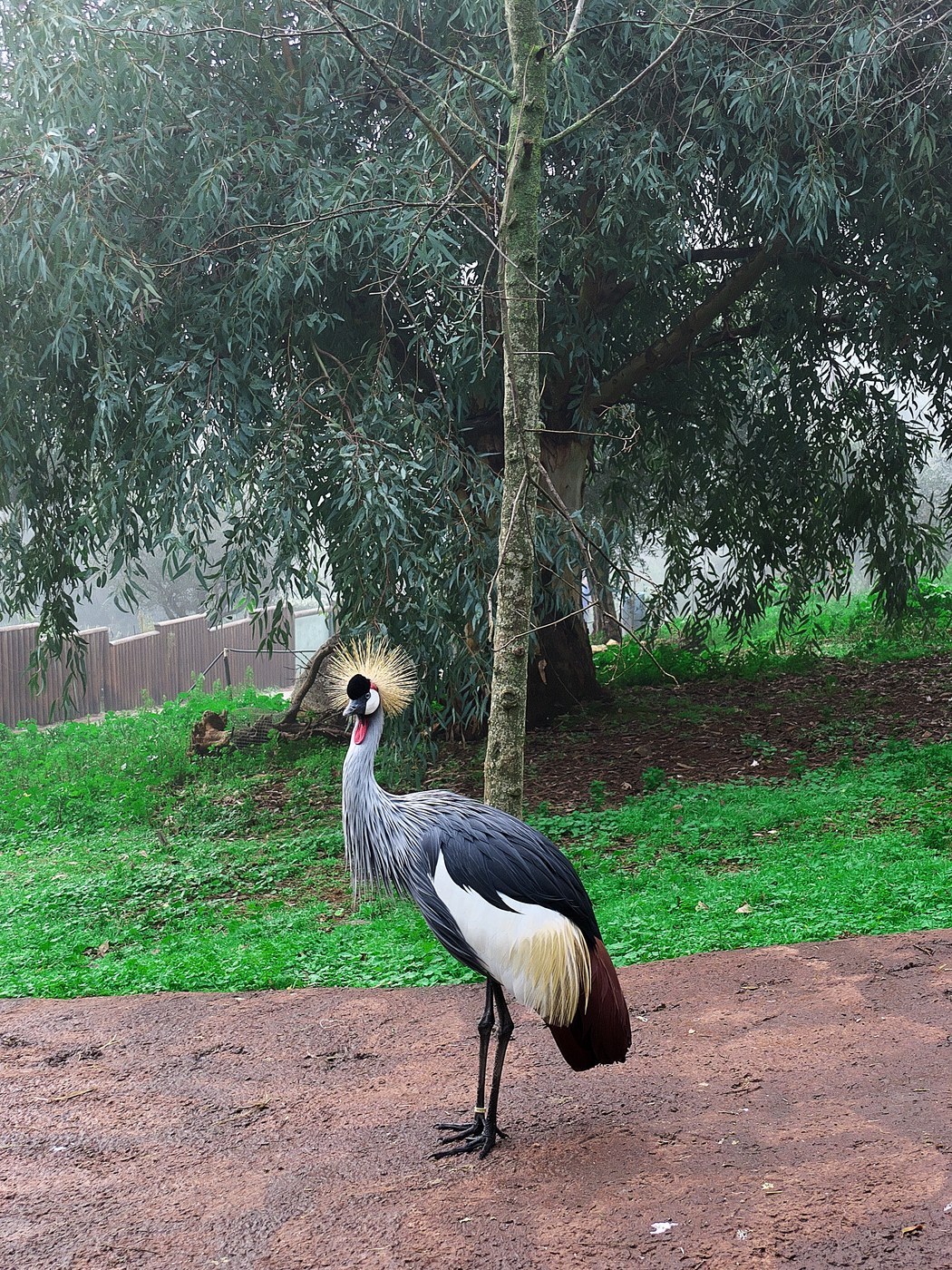
Grey Crowned Crane
Grey body feathers with white wing coverts, chestnut flight feathers, and stiff golden crown bristles
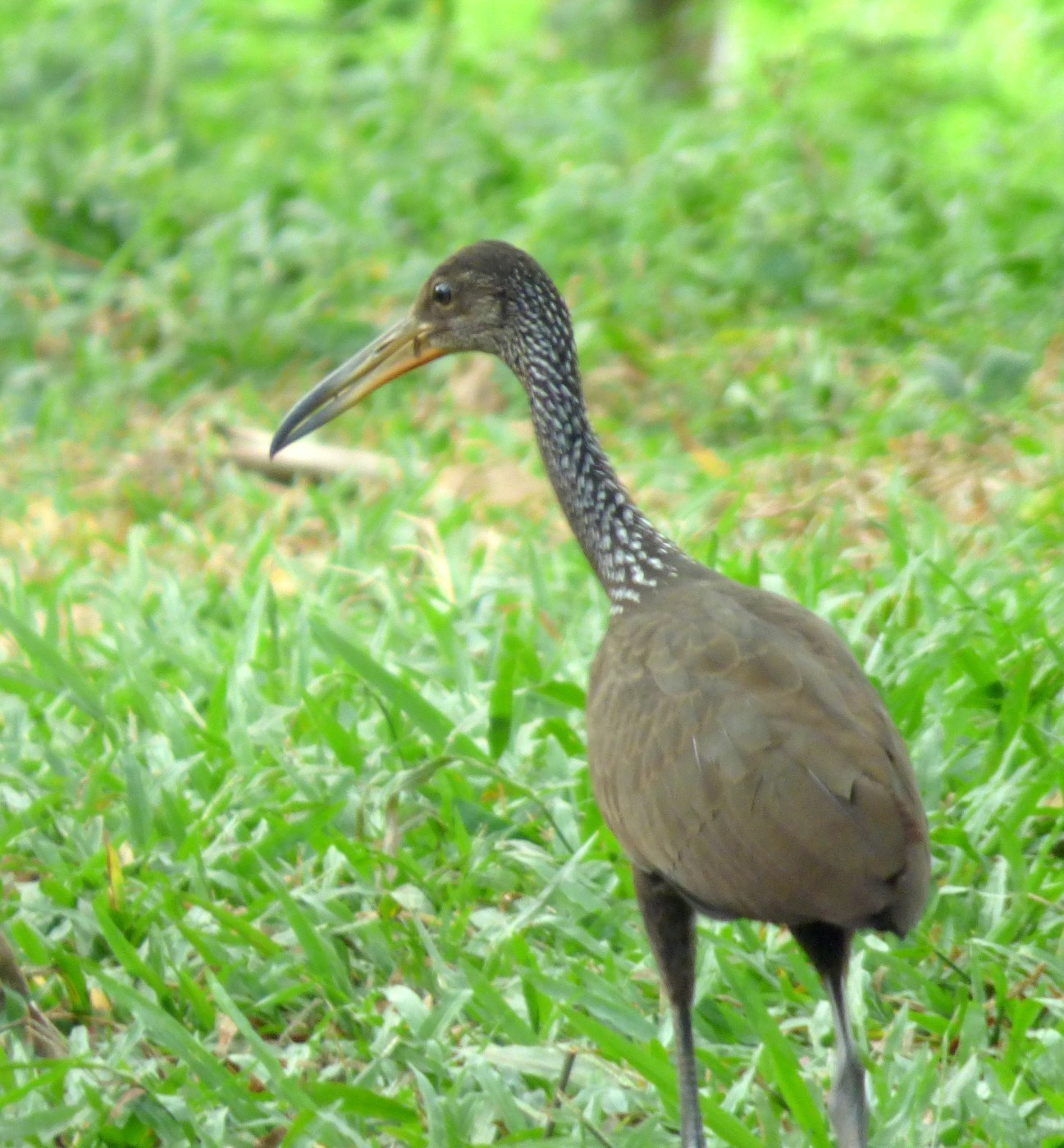
Limpkin
Brown contour feathers with white teardrop-shaped spots and streaks
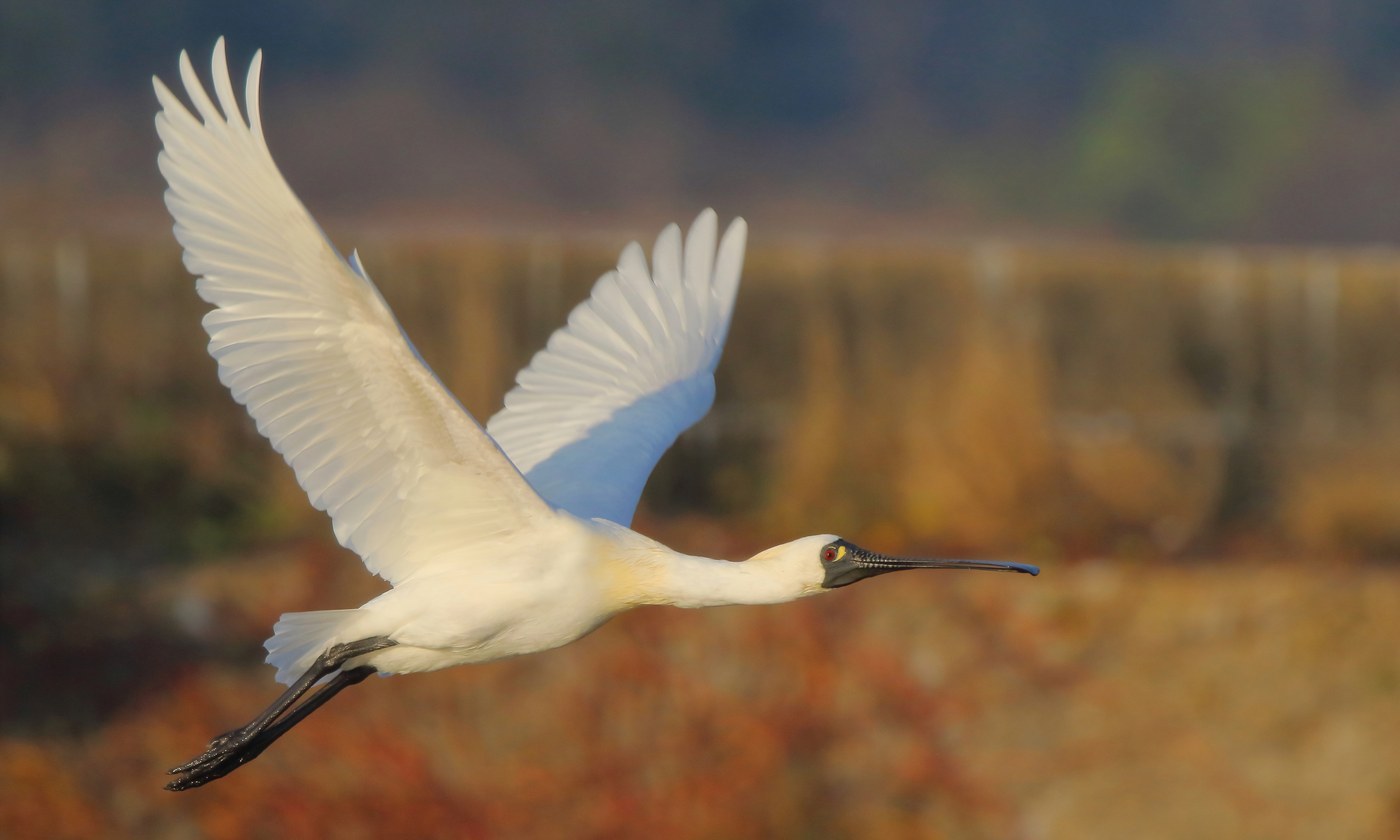
Black-faced Spoonbill
White contour and flight feathers with fine breeding crest and breast plumes
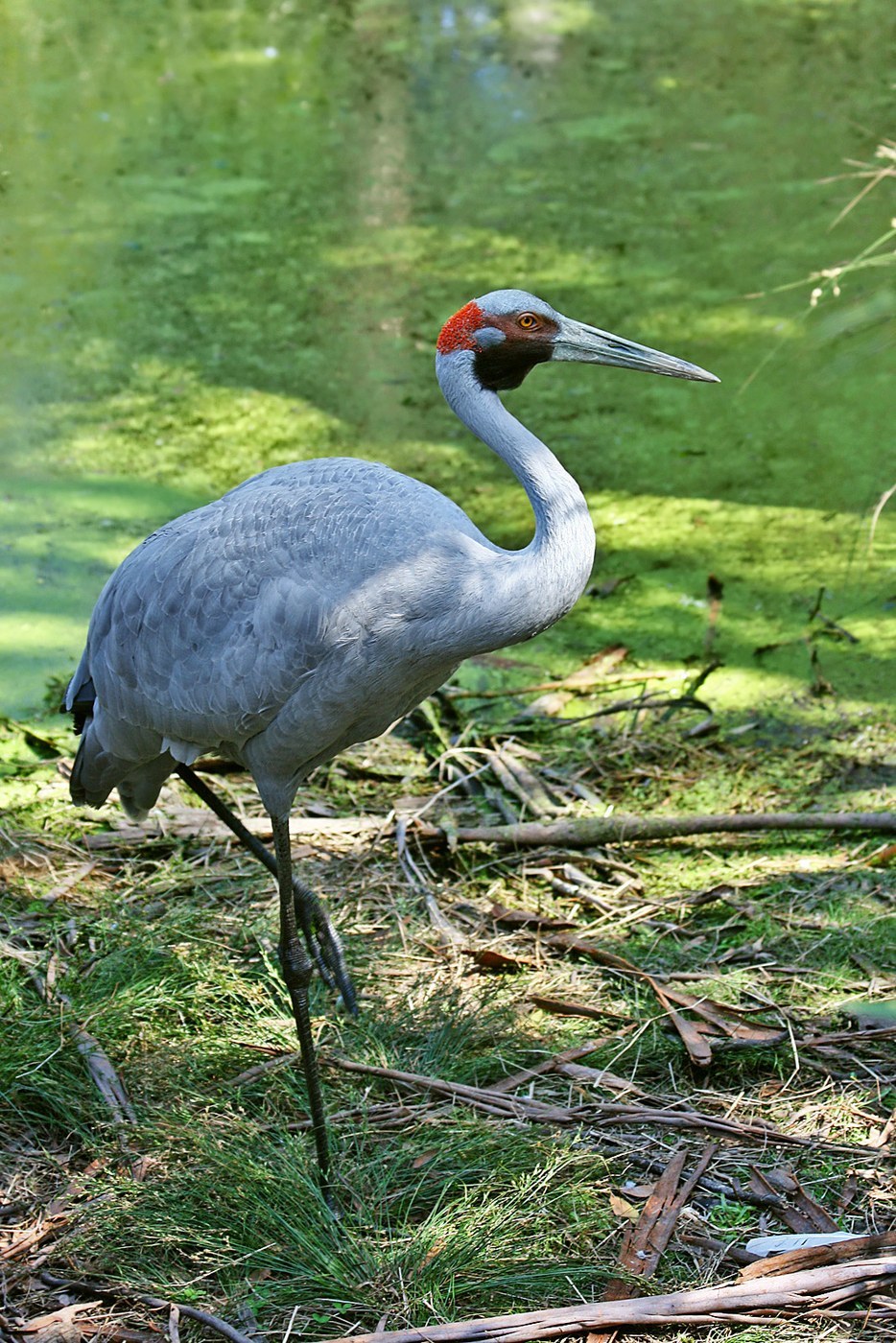
Brolga
Grey contour feathers with drooping bustle plumes
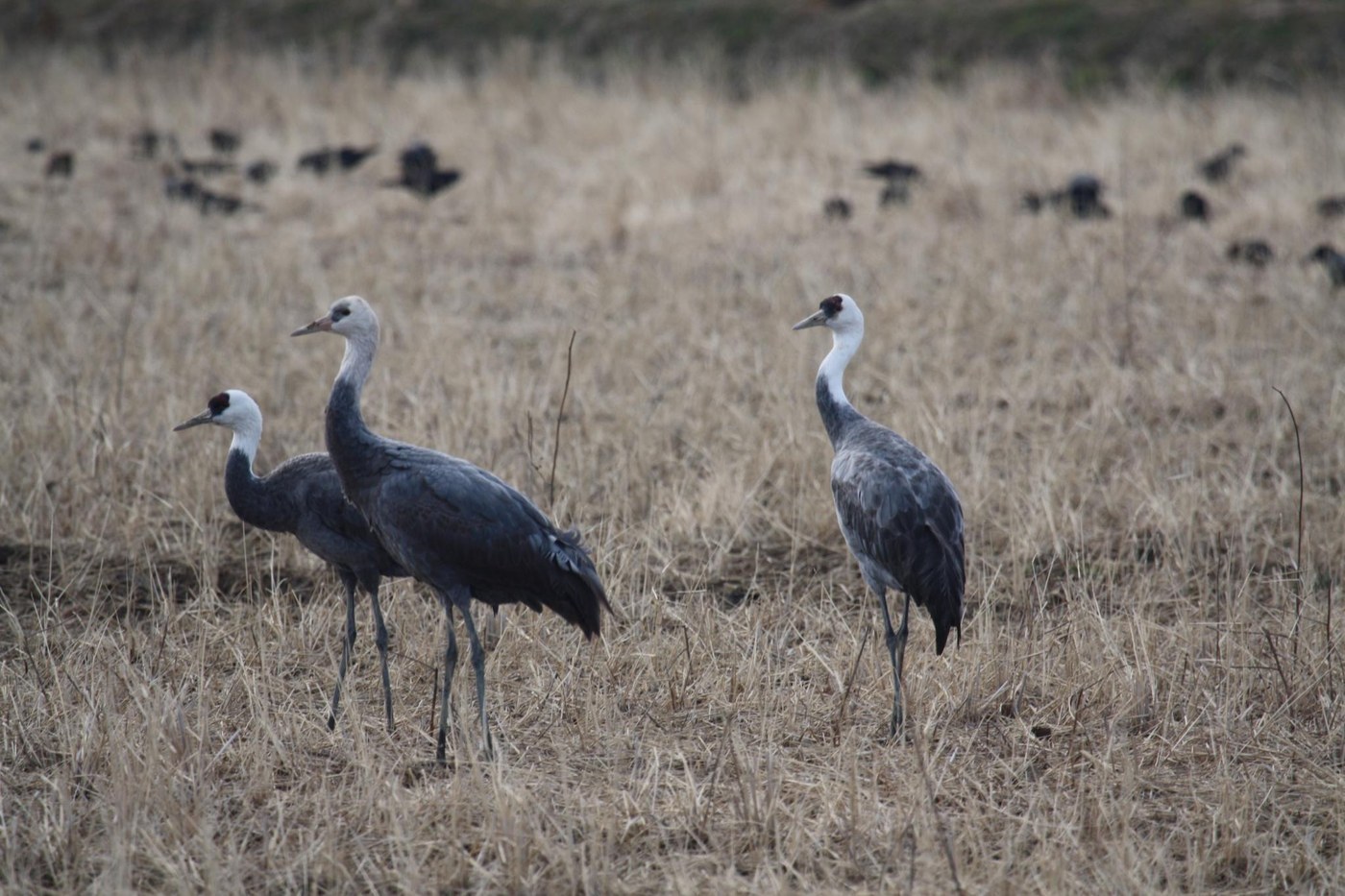
Hooded Crane
Dark slate-grey body feathers with a white head/upper neck 'hood' and black bustle plumes
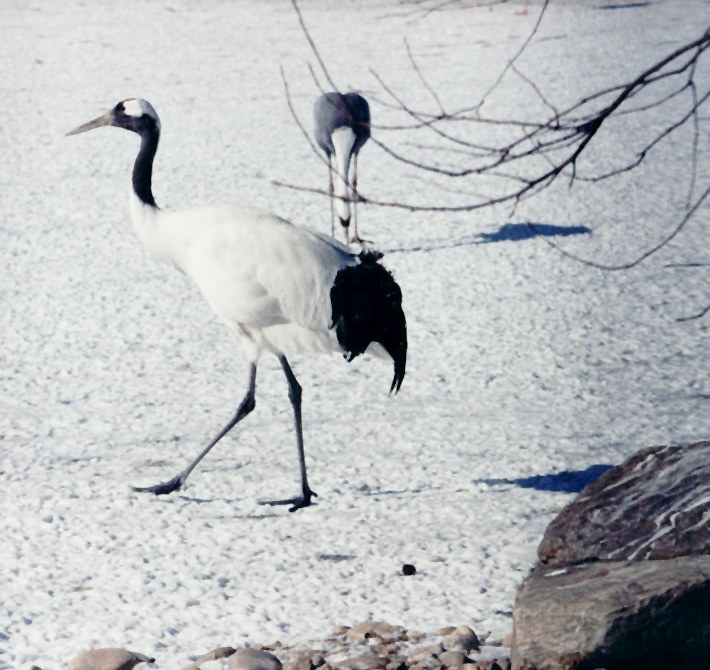
Red-crowned Crane
White contour feathers with black secondary/tertial bustle feathers and a bare red crown

Common Crane
Grey contour feathers with black head/neck feathers and drooping bustle plumes
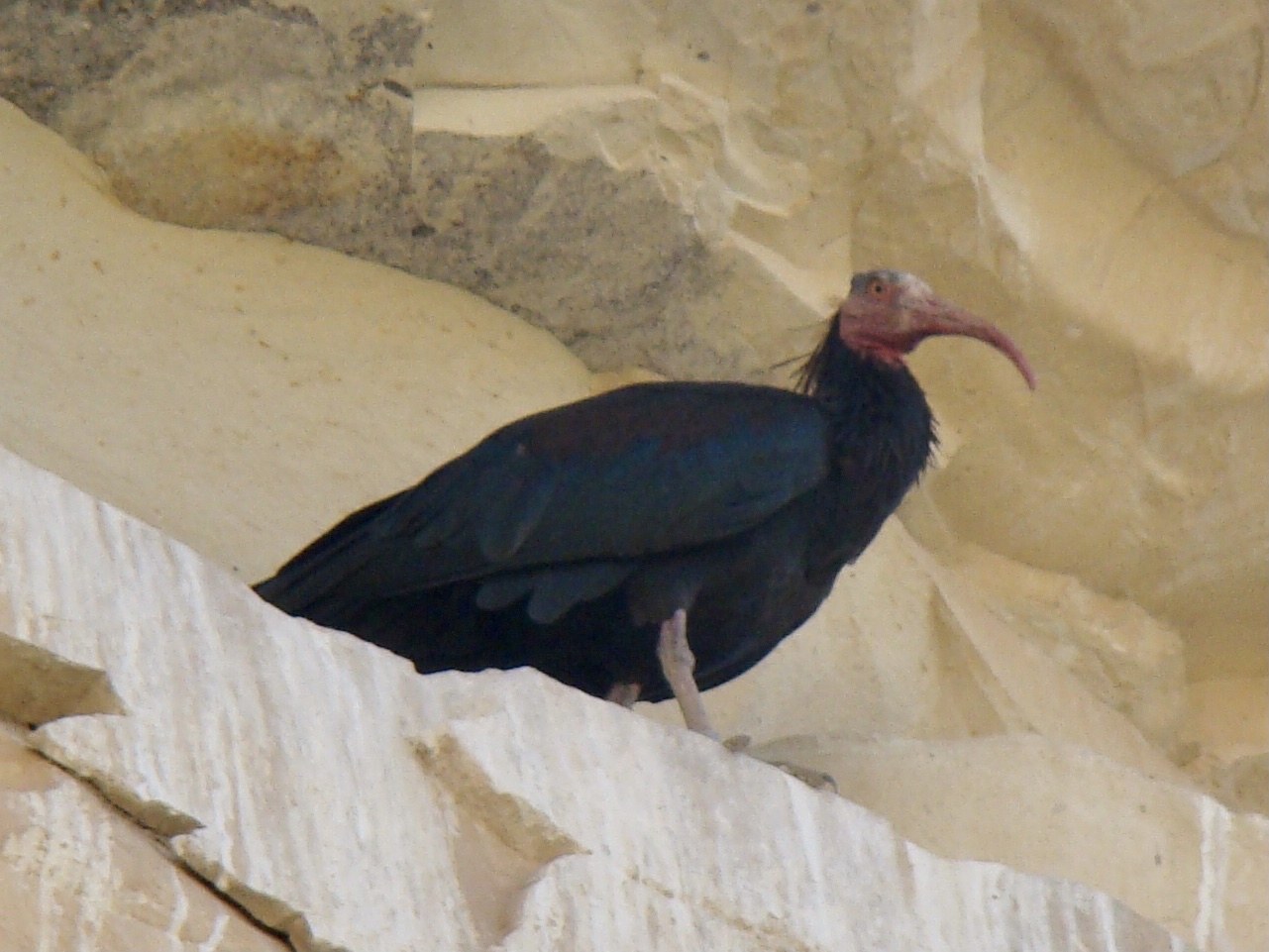
Northern Bald Ibis
Glossy black contour feathers with elongated nape plumes
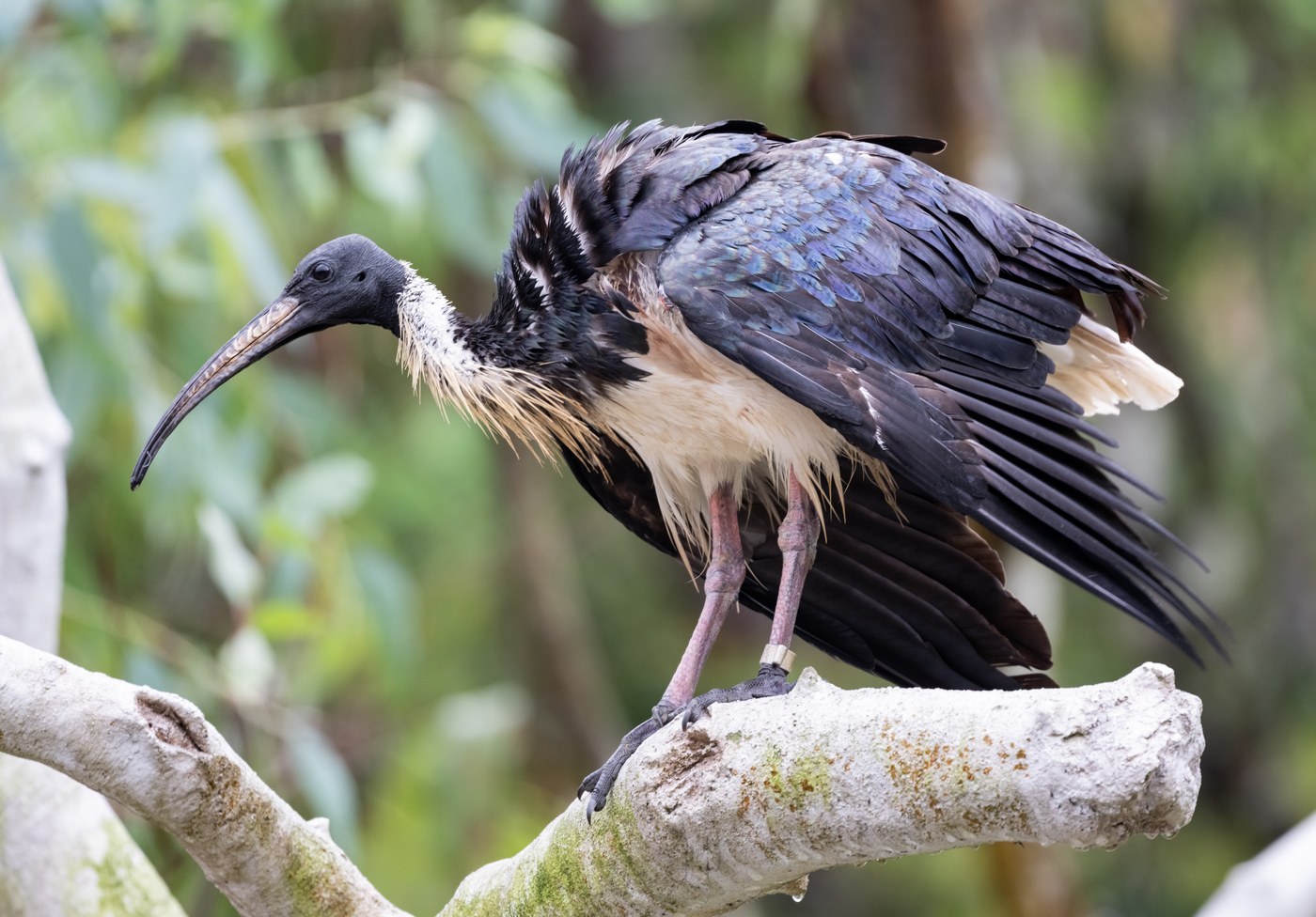
Straw-necked Ibis
Glossy contour feathers with unique straw-like neck plumes
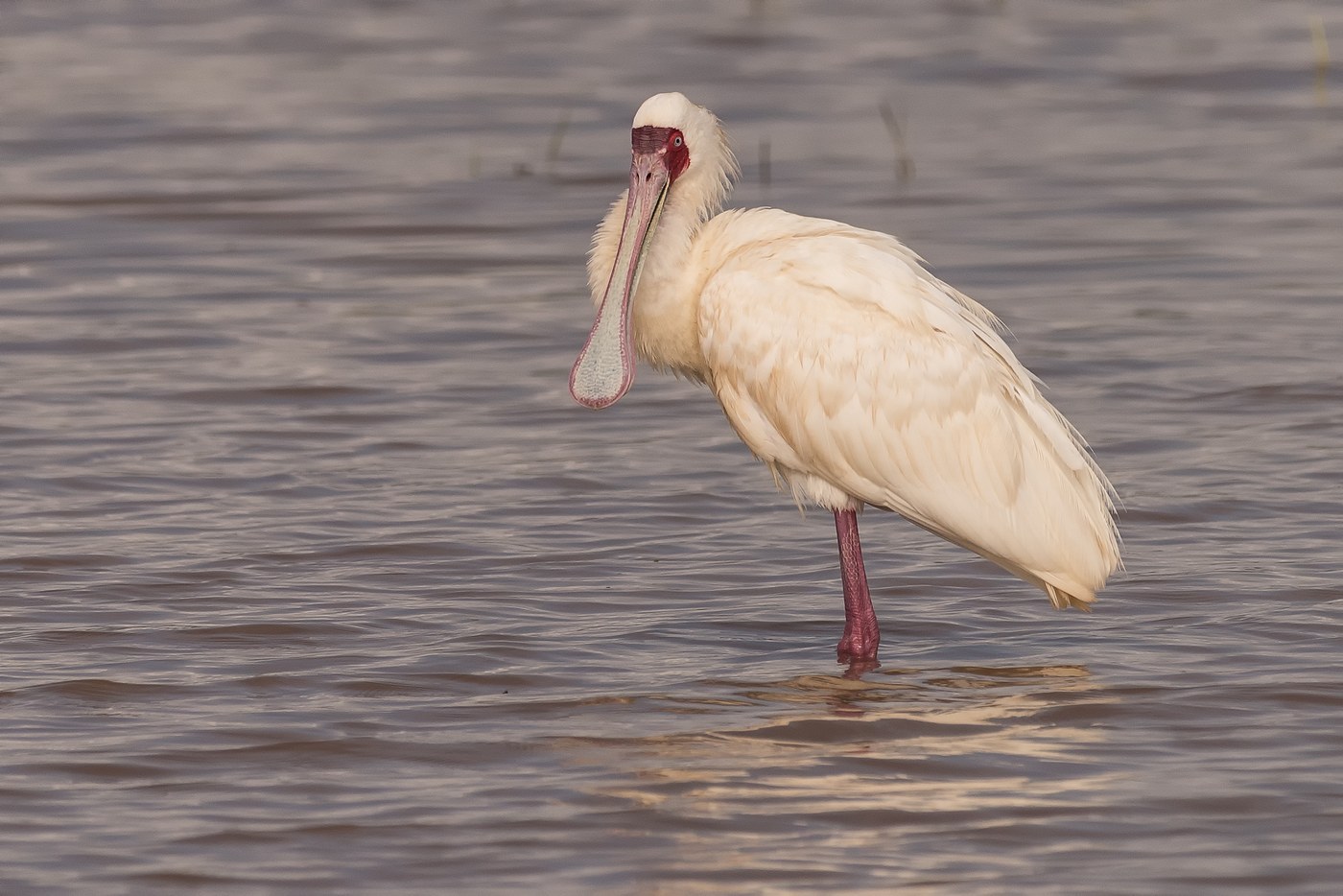
African Spoonbill
White contour and flight feathers, unmarked by black tips

Roseate Spoonbill
Pink and white contour and flight feathers with a carmine shoulder patch