

Black-necked Crane
Grus nigricollis
A high-altitude specialist crane of the Tibetan Plateau, pale grey overall with a black head and neck and a bare red crown, adapted to some of the highest wetland habitats used by any crane species.
- Feather type
- Grey contour feathers with a black head/neck and black bustle plumes
- Colours
- Pale grey body with a black head and neck, and a red crown patch
- Bird size
- Large crane, ~139 cm tall
Found a feather like this?
Identify any feather from a photo, free.
Overview
The Black-necked Crane is the only crane species adapted to breed at high altitude, occupying wetlands and marshes across the Tibetan Plateau and adjacent high-elevation regions of China, and wintering at somewhat lower-altitude wetlands in the same general region. Its pale grey body, black head and neck, and bare red crown patch resemble the pattern of the Common Crane, but it is generally paler and restricted to a much more specialized high-altitude habitat.
Identifying the Feather
- Body feathers are pale grey, similar in general tone to the Common Crane and Sarus Crane.
- Head and neck feathers are black, extending down over the upper breast in some individuals, differing from the black-and-white striped neck pattern of the Common Crane.
- Tertial (bustle) feathers are elongated, drooping, and blackish, curling over the tail.
- A small white patch is present behind the eye in some individuals, though generally less extensive than in the Common Crane.
- Distinguish from the Common Crane by a fully black (rather than black-and-white striped) neck and by the species' restriction to high-altitude Tibetan Plateau wetlands.
Plumage & Molt
Adults are pale grey with a black head and neck, a bare red crown patch, and elongated drooping black tertial bustle feathers. Sexes look alike. Juveniles have a feathered, buffy-brown head lacking the black coloring and bare red crown, gradually acquiring full adult plumage over their first year or so. Molt follows the short high-altitude breeding season, timed to the brief ice-free period on the Tibetan Plateau.
Habitat & Range
Black-necked Cranes breed on high-altitude wetlands and marshes of the Tibetan Plateau and adjacent regions, typically at elevations far higher than used by most other crane species. They are migratory within a relatively limited geographic range, moving to somewhat lower-elevation wetlands and river valleys in the same broad region for the winter rather than undertaking long-distance movements comparable to lowland crane species.
Behavior & Field Notes
This crane forages in high-altitude wetlands and adjacent grassland for plant material, tubers, and small invertebrates, adapted to the short growing season and cold conditions of the plateau. It nests on the ground in marshy areas, laying a small clutch during the brief high-altitude breeding season. Its call is a loud, resonant trumpeting similar to other Grus cranes. As the only crane species specialized for a high-altitude existence, it holds particular ecological and cultural significance across the Tibetan Plateau region.
Frequently asked questions
How can you identify a Black-necked Crane feather?
Look for pale grey body feathers combined with black head/neck feathers and a bare red crown patch, similar in pattern to the Common Crane but generally paler.
How is it different from the Common Crane?
It has a fully black neck rather than a black-and-white striped pattern, and is restricted to high-altitude Tibetan Plateau wetlands.
Is the Black-necked Crane migratory?
It migrates locally between high-altitude breeding wetlands and somewhat lower-elevation wintering areas within the same broad region.
What makes this crane unique?
It is the only crane species specialized for breeding at high altitude, on the Tibetan Plateau and surrounding areas.
Black-necked Crane guides
In-depth guides for identifying and understanding Black-necked Crane.

Other feathers you may enjoy

Yellow-billed Spoonbill
White contour and flight feathers with fine breeding plumes on the back and breast
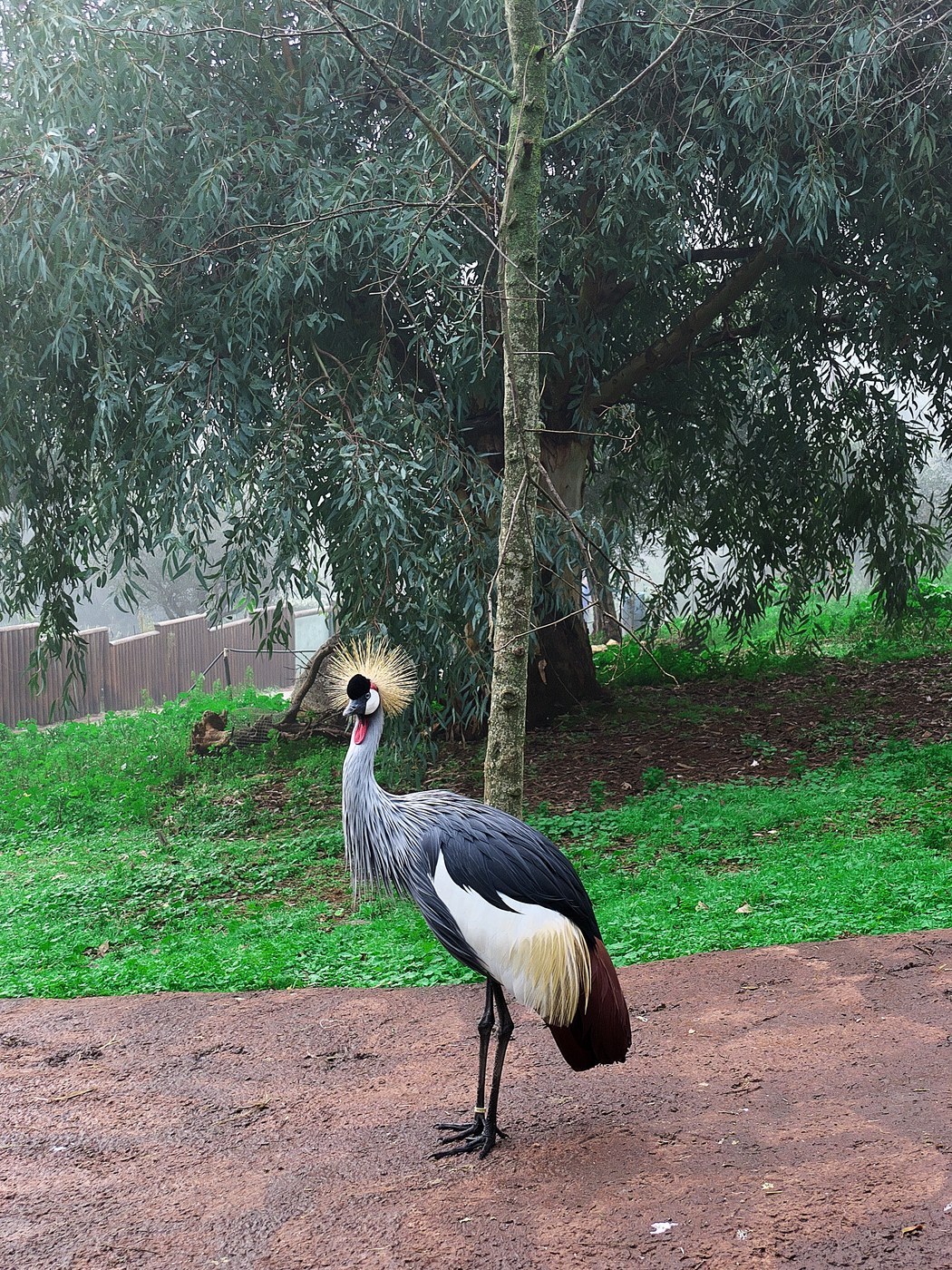
Grey Crowned Crane
Grey body feathers with white wing coverts, chestnut flight feathers, and stiff golden crown bristles
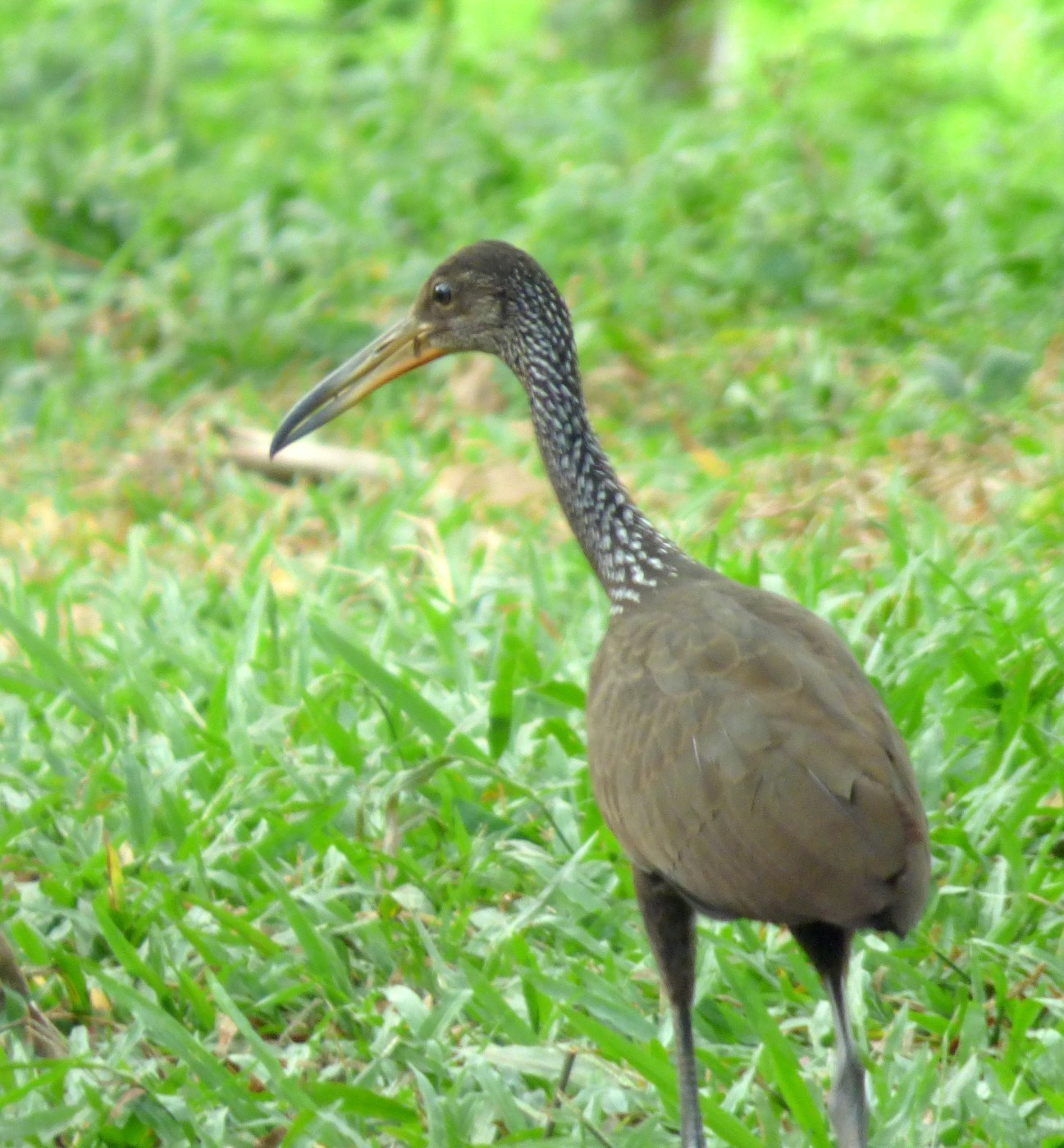
Limpkin
Brown contour feathers with white teardrop-shaped spots and streaks
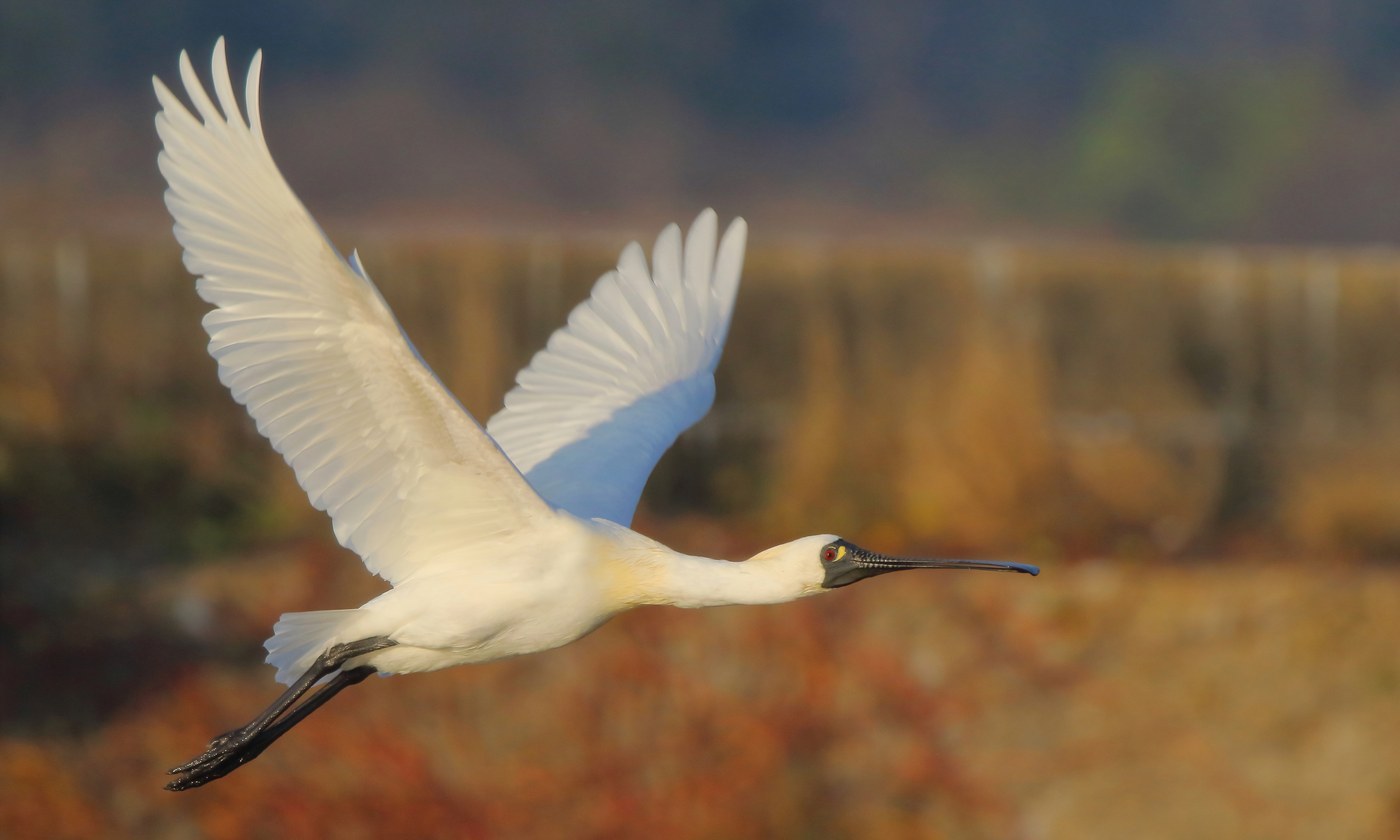
Black-faced Spoonbill
White contour and flight feathers with fine breeding crest and breast plumes
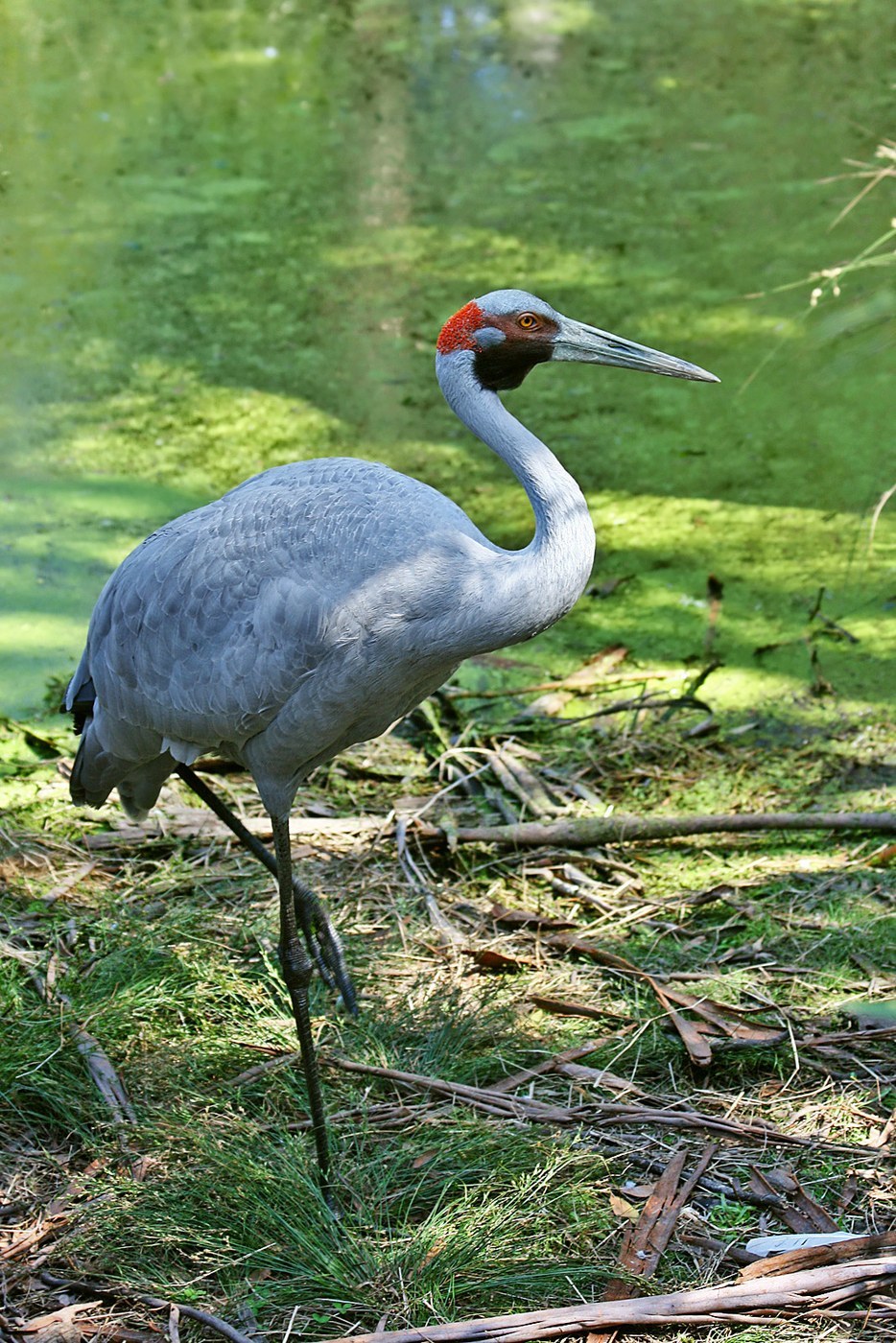
Brolga
Grey contour feathers with drooping bustle plumes
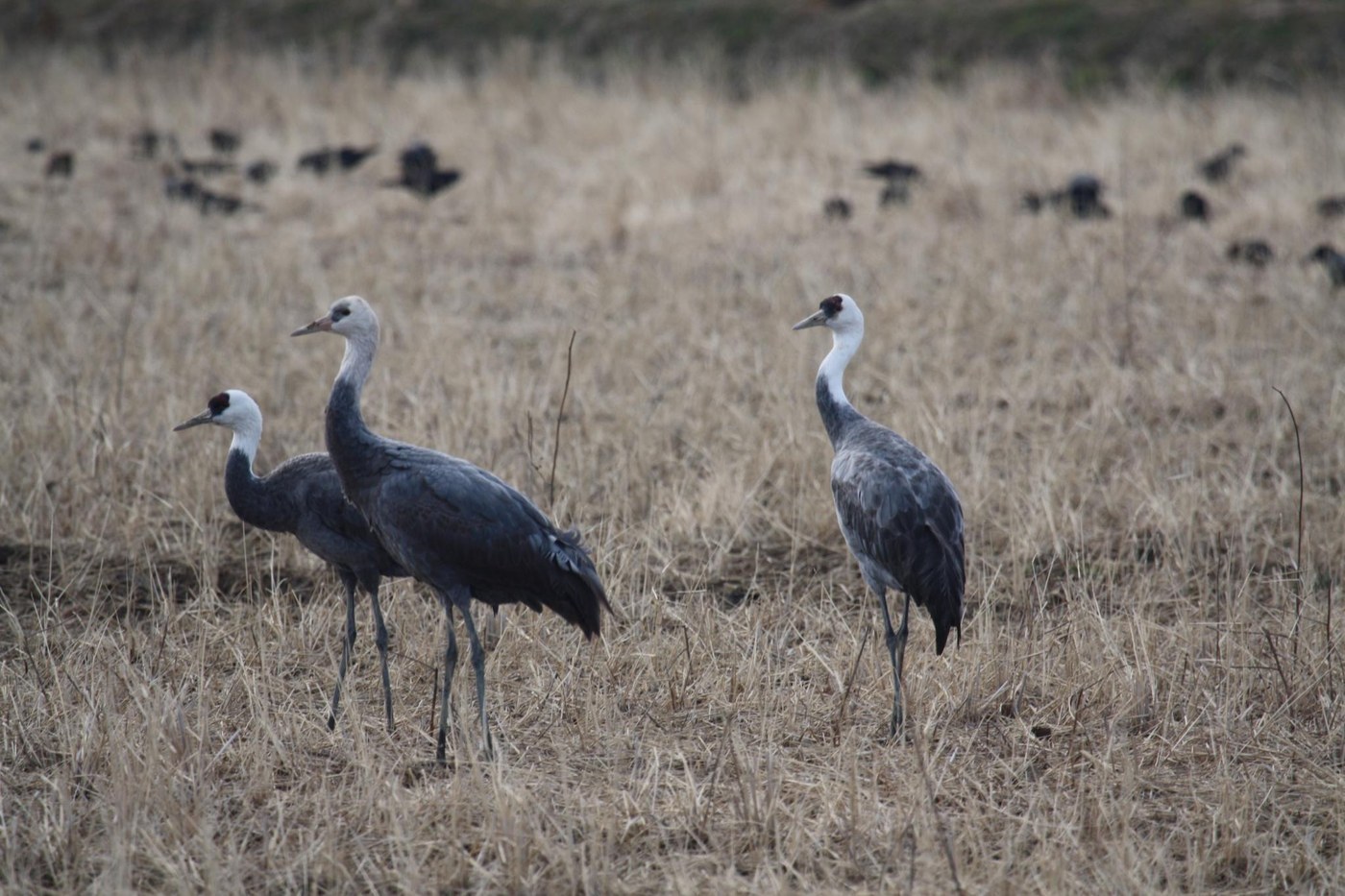
Hooded Crane
Dark slate-grey body feathers with a white head/upper neck 'hood' and black bustle plumes
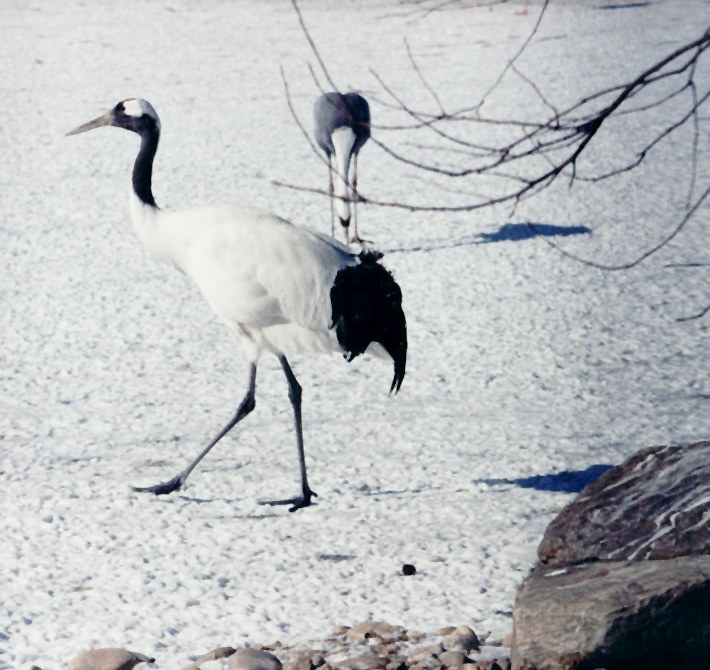
Red-crowned Crane
White contour feathers with black secondary/tertial bustle feathers and a bare red crown

Common Crane
Grey contour feathers with black head/neck feathers and drooping bustle plumes
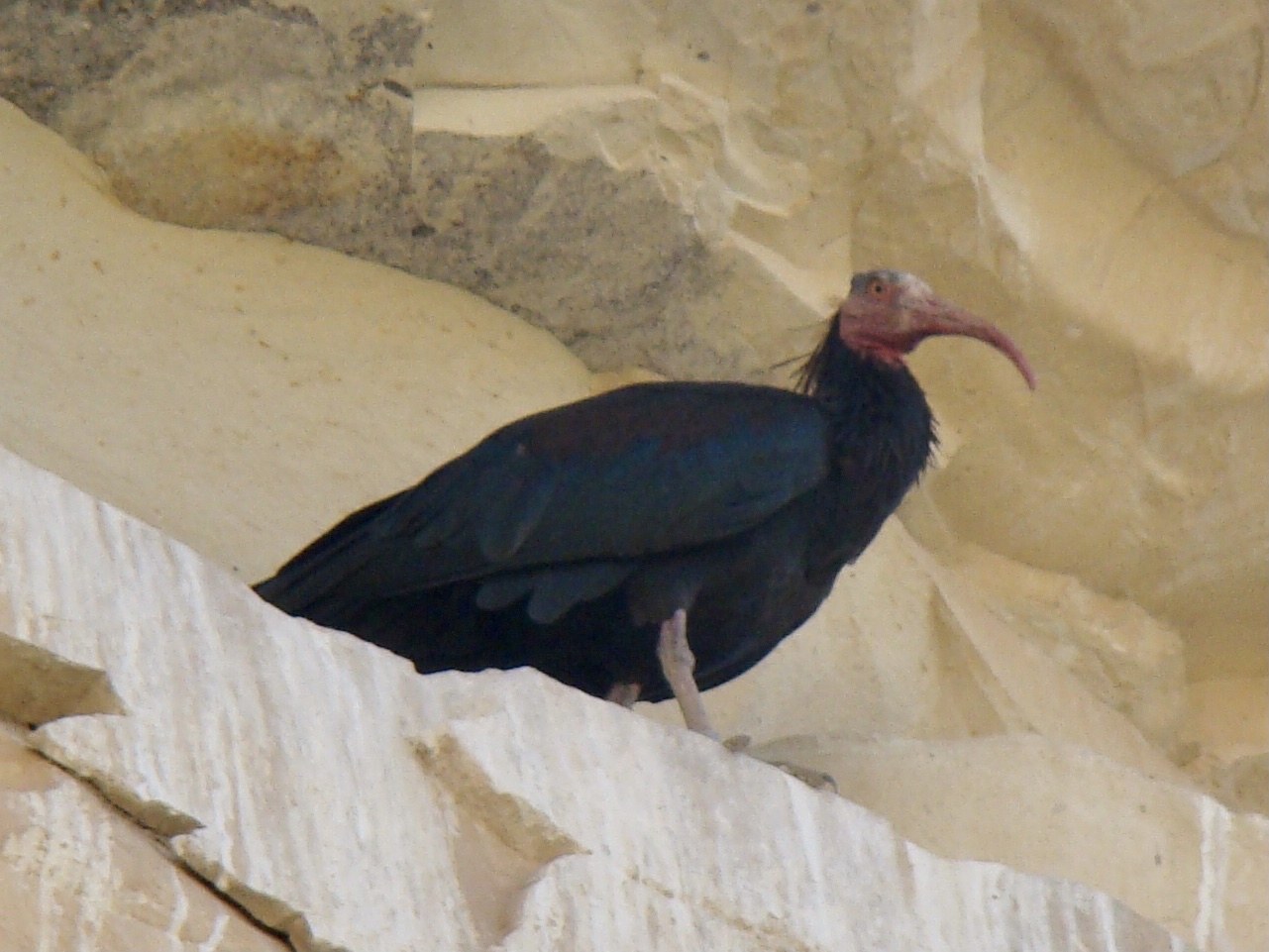
Northern Bald Ibis
Glossy black contour feathers with elongated nape plumes
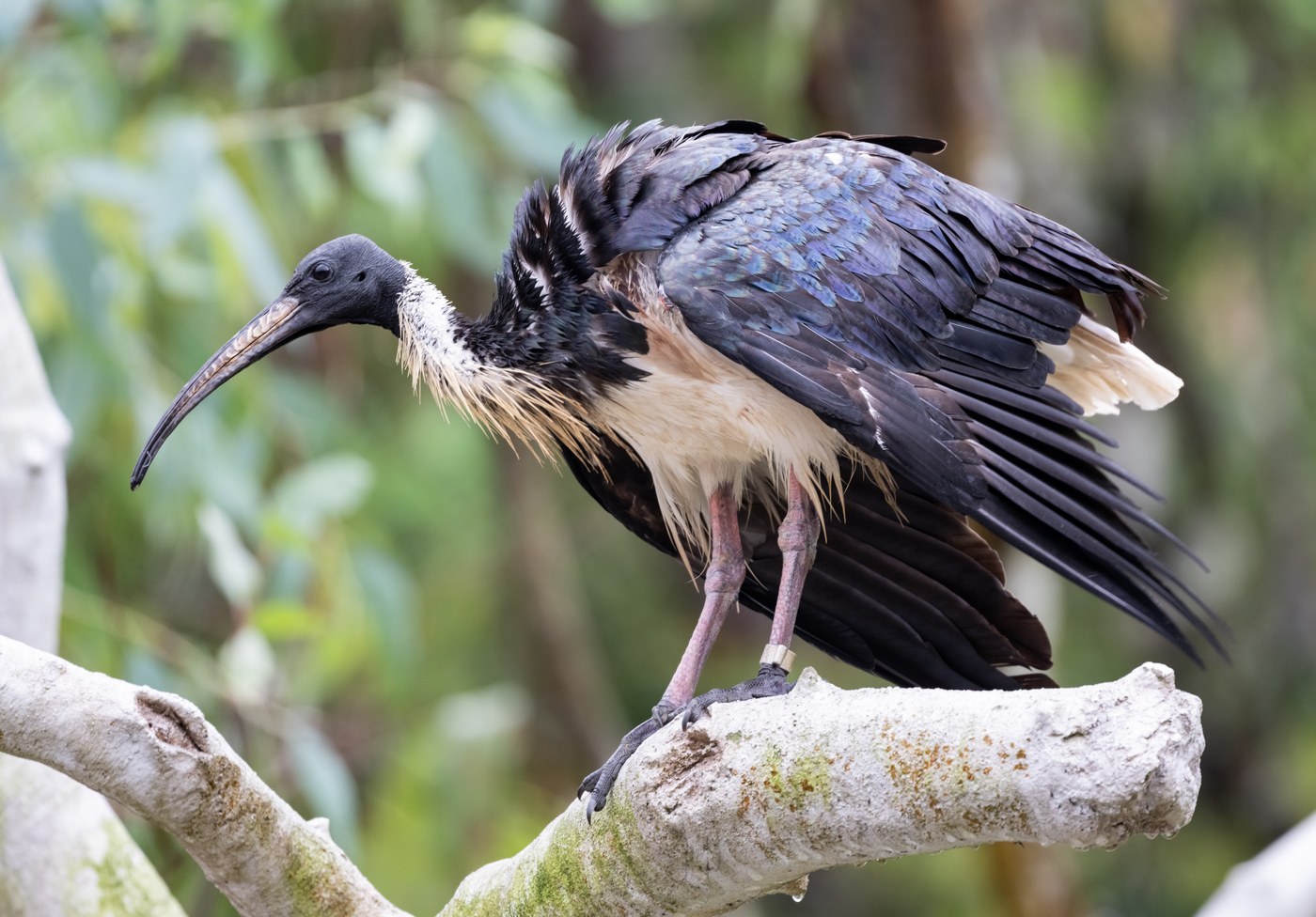
Straw-necked Ibis
Glossy contour feathers with unique straw-like neck plumes
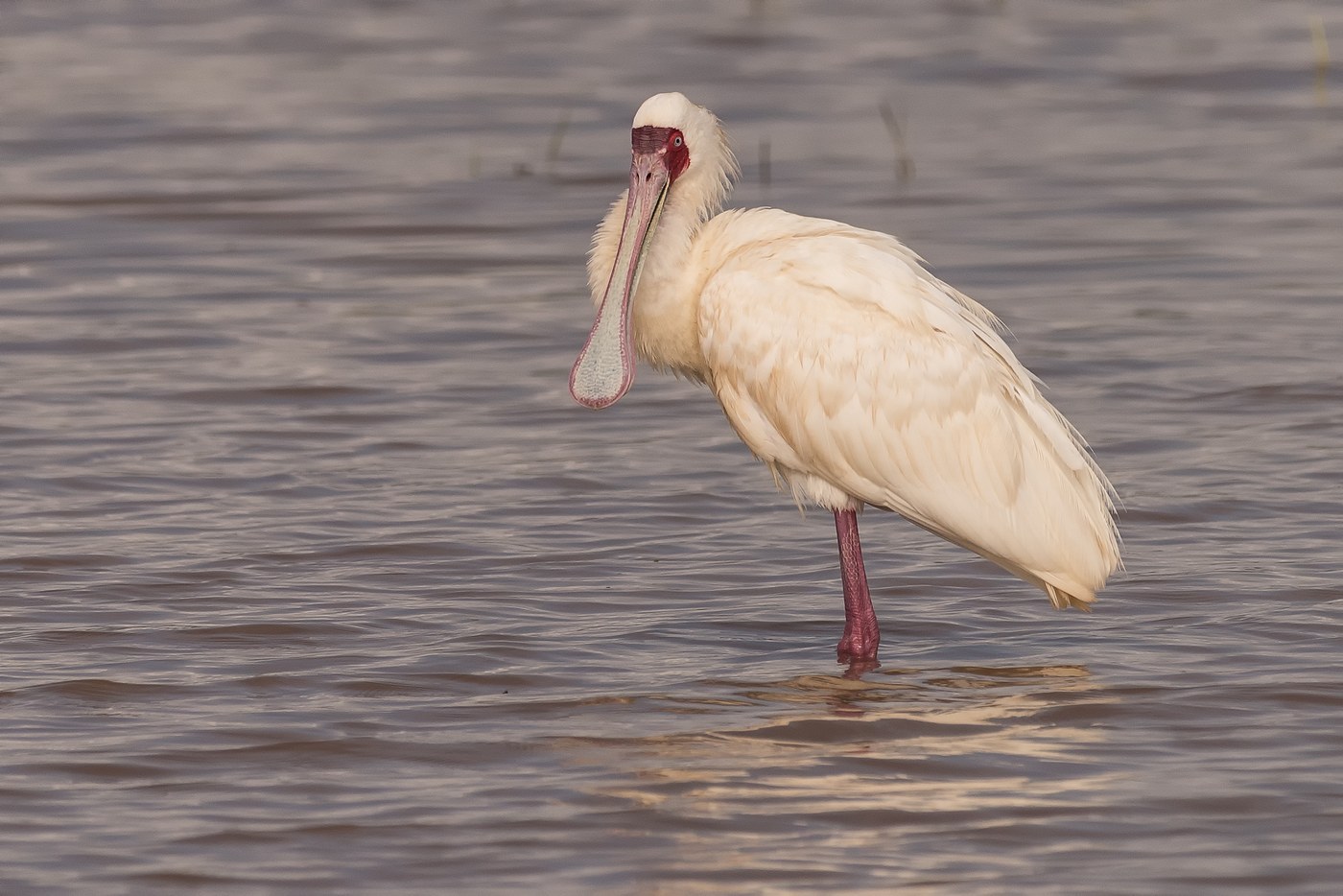
African Spoonbill
White contour and flight feathers, unmarked by black tips

Roseate Spoonbill
Pink and white contour and flight feathers with a carmine shoulder patch