
Andean Flamingo
Phoenicoparrus andinus
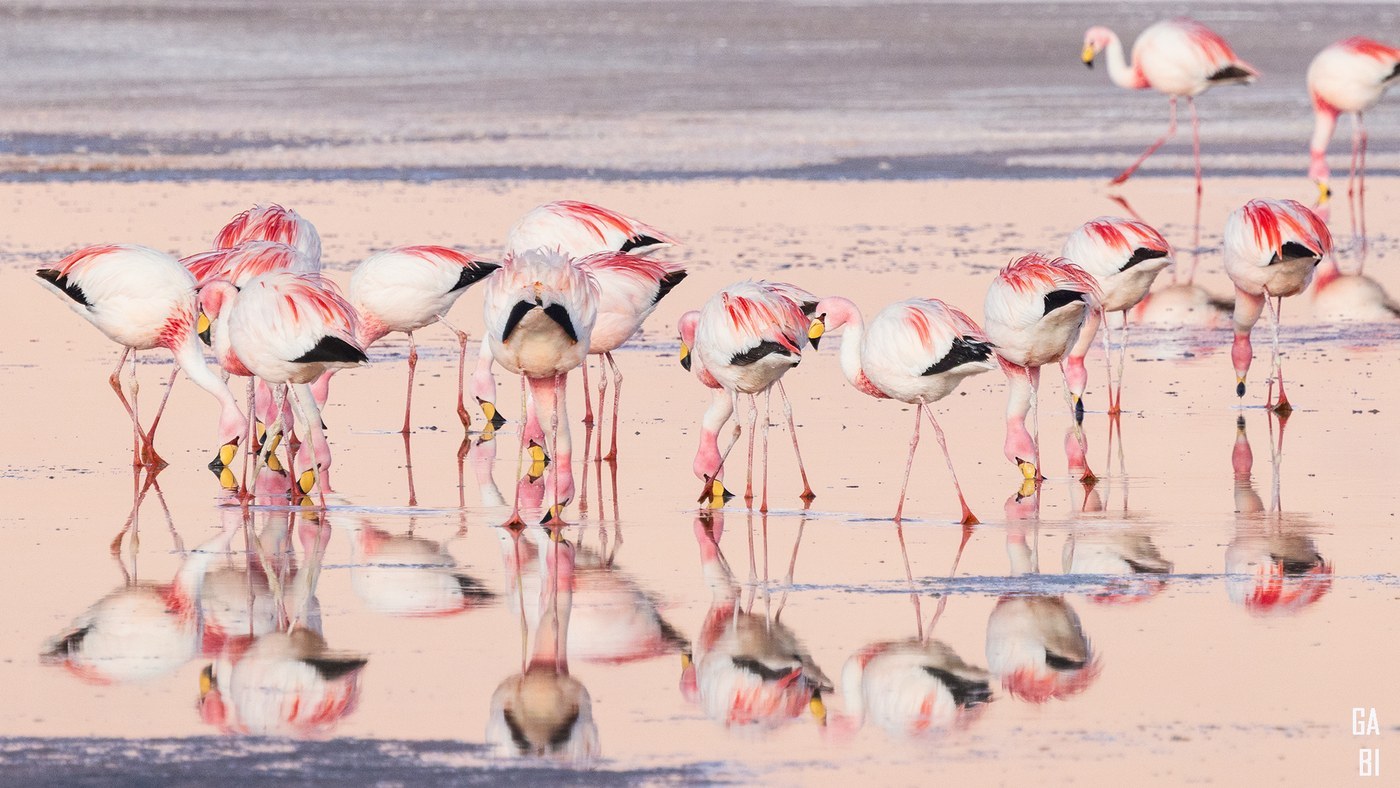
A high-altitude Andean flamingo distinguished by yellow legs and a black tail contrasting with pale pink body plumage.
- Feather type
- Long body plumes and black flight feathers
- Colours
- Pale pink body with yellow legs and black tail
- Bird size
- Large, ~100-110 cm
Found a feather like this?
Identify any feather from a photo, free.
Overview
Overview
The Andean Flamingo is a high-altitude specialist among flamingos, inhabiting some of the highest and harshest saline lakes in South America. It is notable for its yellow legs, a feature unique among flamingo species, along with a black tail contrasting against pale pink plumage.
- One of the rarest flamingo species
- Adapted to extreme high-altitude Andean lake environments
- Distinctive yellow legs unique among flamingos
Identifying the Feather
Feather Identification
Andean Flamingo feathers show a combination of pale pink body plumage with a notably dark tail.
- Body feathers: pale pink overall, similar in tone to several other South American flamingo species
- Tail feathers: black, more extensively dark than in most other flamingo species, forming a visible dark patch at the rear
- Flight feathers: black, consistent with other flamingos, visible mainly in flight
- Covert feathers: some pink to pale rose tinge, generally less saturated than in the American or Lesser Flamingos
- Compared to similar species: the black tail feathers are more prominent than in the Chilean or James's Flamingos, and combined with yellow legs (a non-feather trait), this helps confirm the species when feather tone alone is ambiguous
Plumage & Molt
Plumage Notes
Sexes look alike, with plumage tone tied to diet rather than sex. Juveniles are grey-brown initially, gradually developing pale pink coloring and the darker tail pattern with maturity.
- No plumage-based sexual dimorphism
- Juvenile plumage lacks the adult pink tone and dark tail contrast at first
- Molt is gradual, with the tail and body coloring developing over successive cycles
Habitat & Range
Habitat & Range
Restricted to high-altitude saline lakes in the Andes, spanning parts of Peru, Bolivia, Chile, and Argentina.
- Occupies some of the highest elevation wetlands used by any flamingo species
- Some populations show seasonal movement between high-altitude breeding lakes and lower elevation sites
- Considered one of the rarest and most range-restricted flamingo species
Behavior & Field Notes
Behavior & Field Notes
Andean Flamingos are social but generally occur in smaller numbers than the more abundant Chilean or Lesser Flamingos.
- Diet: small aquatic invertebrates and algae filtered from shallow saline water
- Nesting: builds raised mud mound nests in colonies on remote high-altitude lake islands or shorelines
- Voice: honking calls similar to other flamingo species, given at colonies and in flight
- Field notes: often found alongside Chilean and James's Flamingos at high Andean lakes, so the more extensively black tail and yellow legs are useful confirming features alongside overall body feather tone
Frequently asked questions
What feather feature helps identify the Andean Flamingo?
A more extensively black tail compared to related species, combined with pale pink body plumage, helps distinguish this species from other Andean flamingos.
Where does the Andean Flamingo live?
It is restricted to high-altitude saline lakes in the Andes across Peru, Bolivia, Chile, and Argentina.
Is the Andean Flamingo rare?
Yes, it is considered one of the rarest and most range-restricted flamingo species.
How does it differ from the Chilean Flamingo?
The Andean Flamingo shows a more extensively black tail and yellow legs, while the Chilean Flamingo has grey legs with pink joints.
Andean Flamingo guides
In-depth guides for identifying and understanding Andean Flamingo.
Other feathers you may enjoy

Yellow-billed Spoonbill
White contour and flight feathers with fine breeding plumes on the back and breast
Grey Crowned Crane
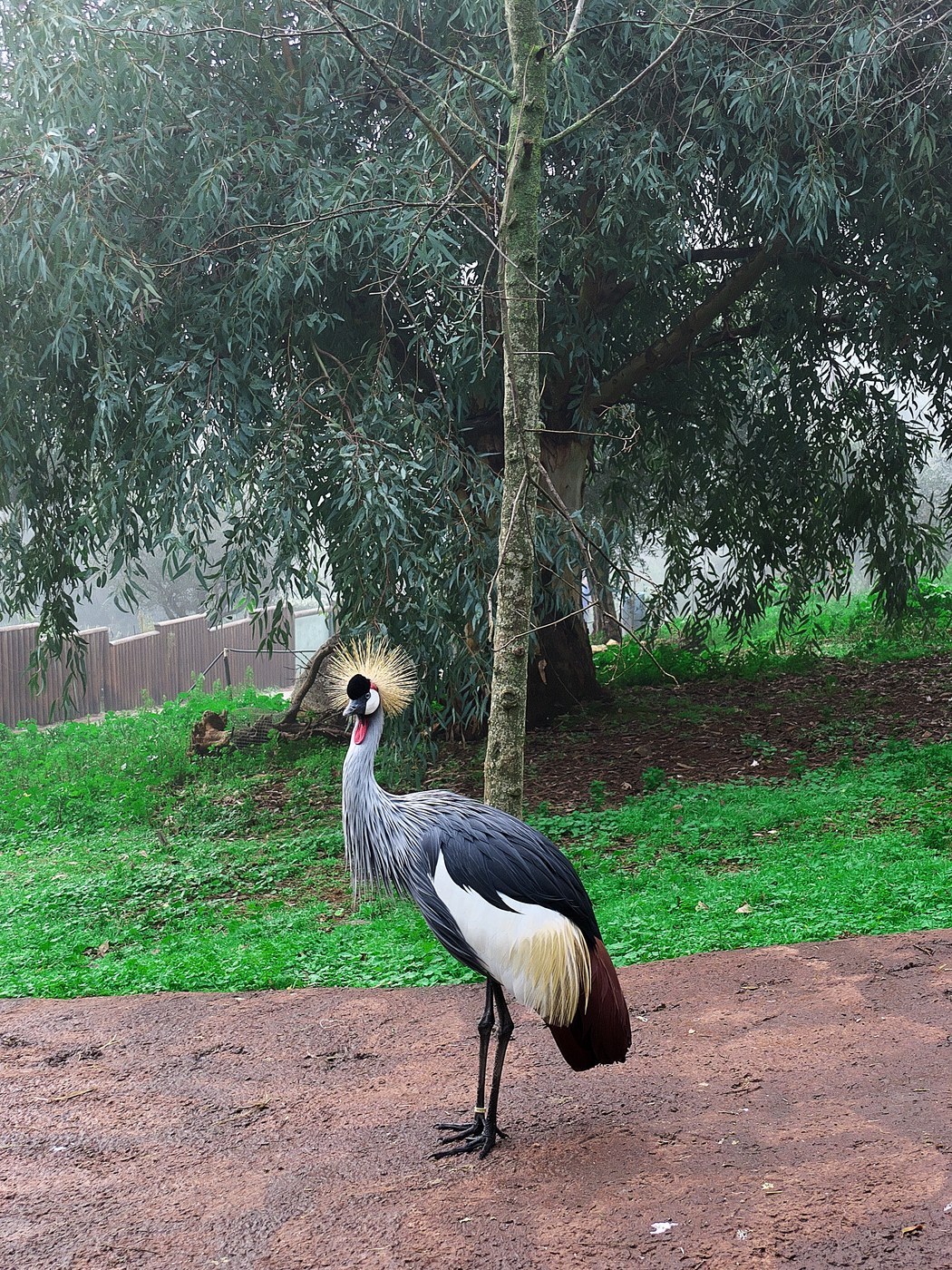
Grey body feathers with white wing coverts, chestnut flight feathers, and stiff golden crown bristles
Limpkin
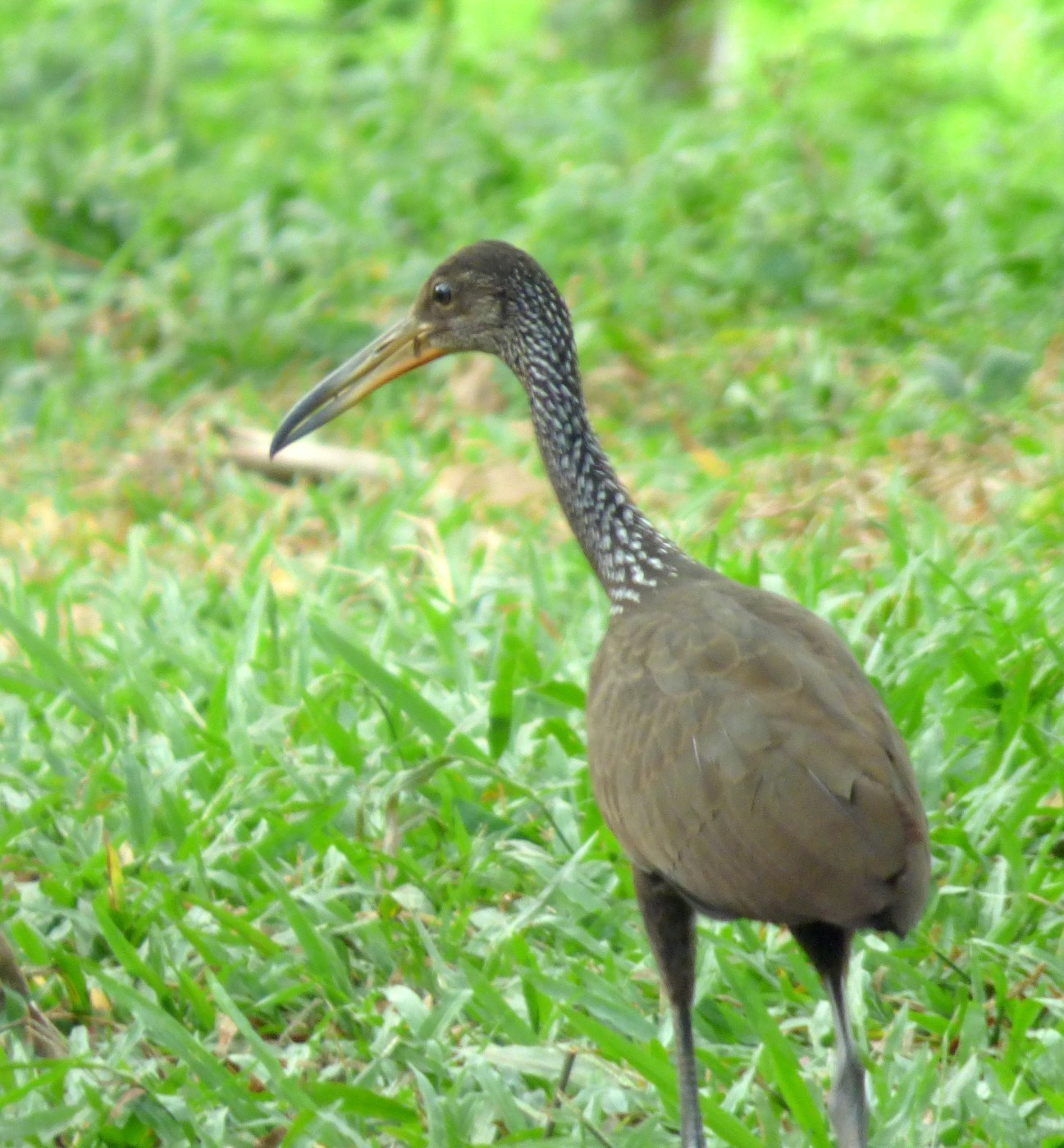
Brown contour feathers with white teardrop-shaped spots and streaks
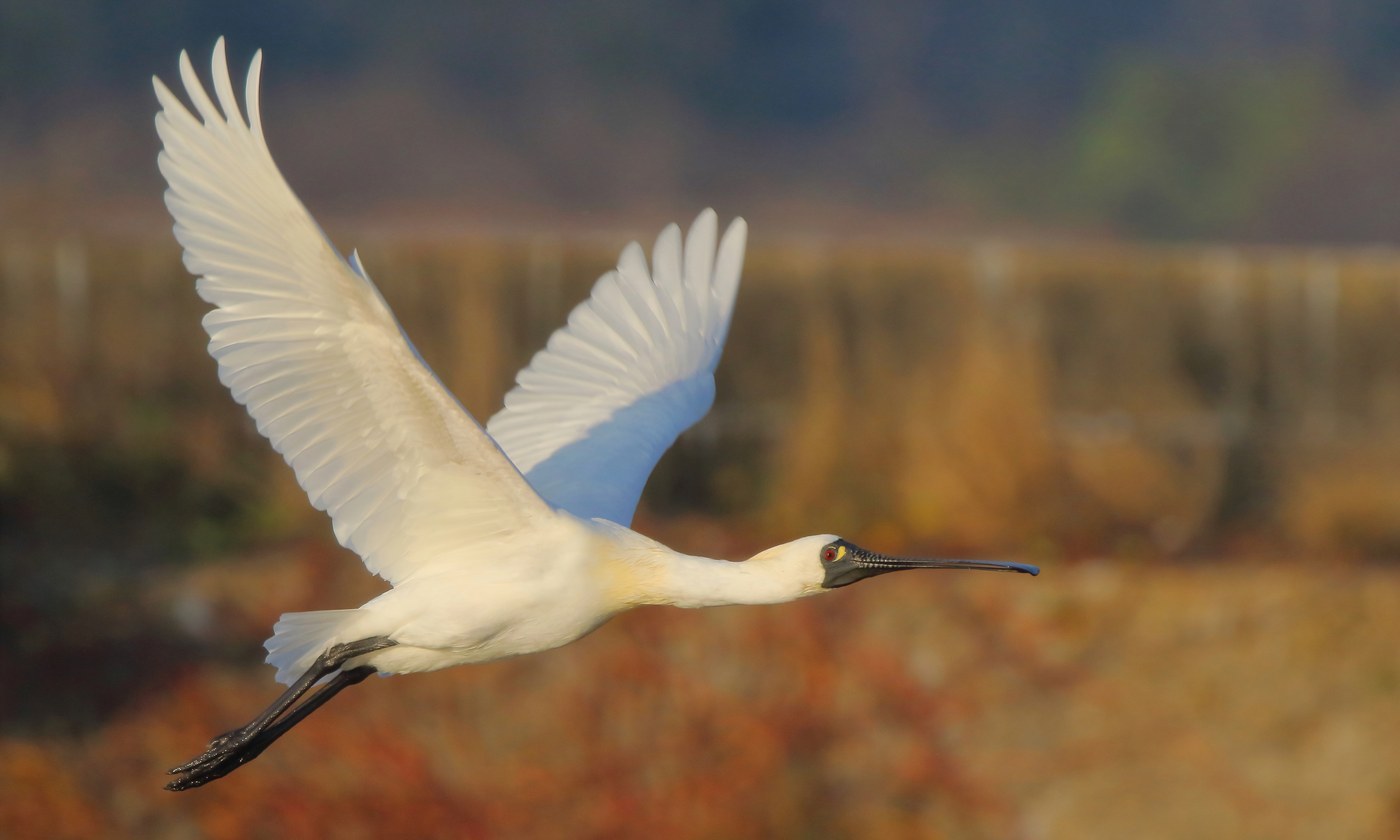
Black-faced Spoonbill
White contour and flight feathers with fine breeding crest and breast plumes
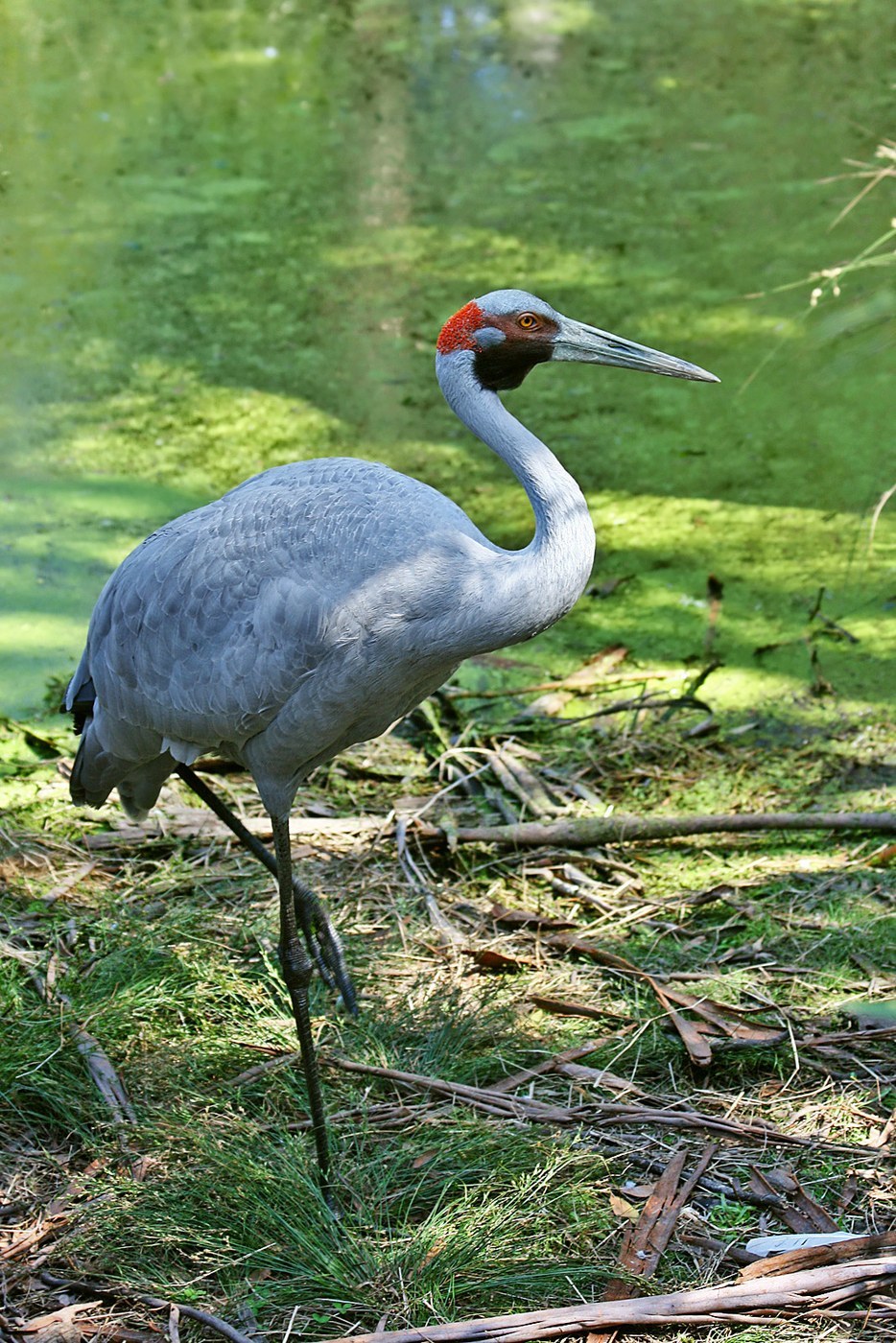
Brolga
Grey contour feathers with drooping bustle plumes
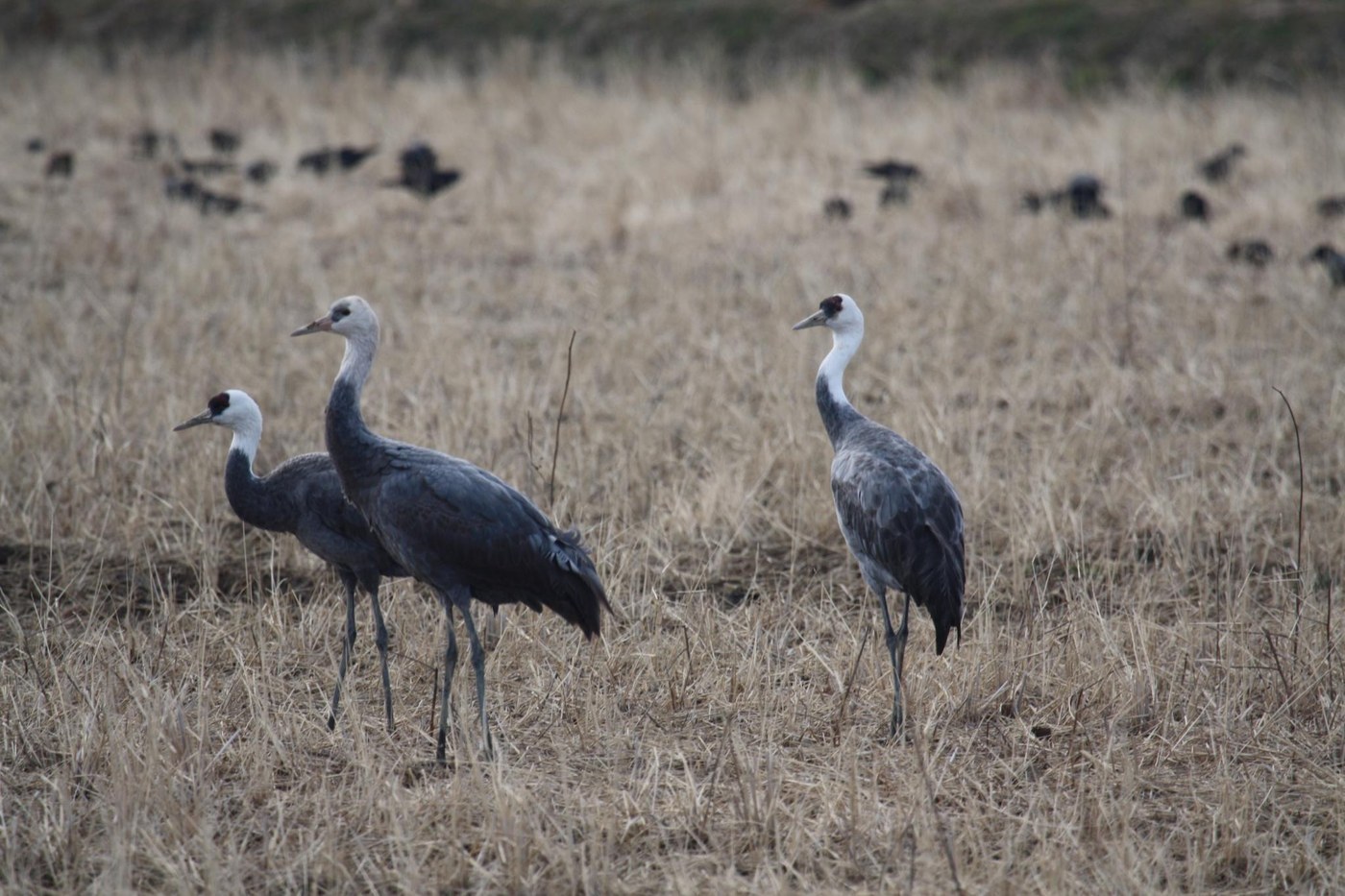
Hooded Crane
Dark slate-grey body feathers with a white head/upper neck 'hood' and black bustle plumes
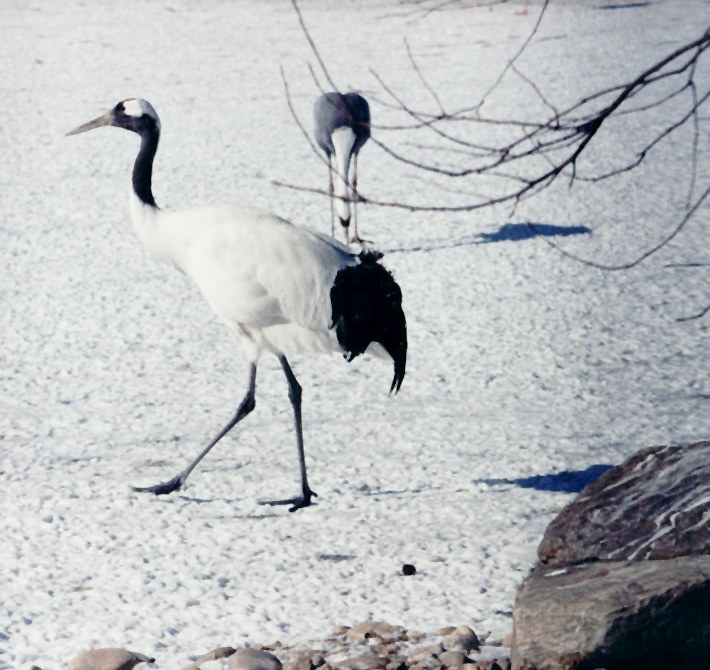
Red-crowned Crane
White contour feathers with black secondary/tertial bustle feathers and a bare red crown

Common Crane
Grey contour feathers with black head/neck feathers and drooping bustle plumes
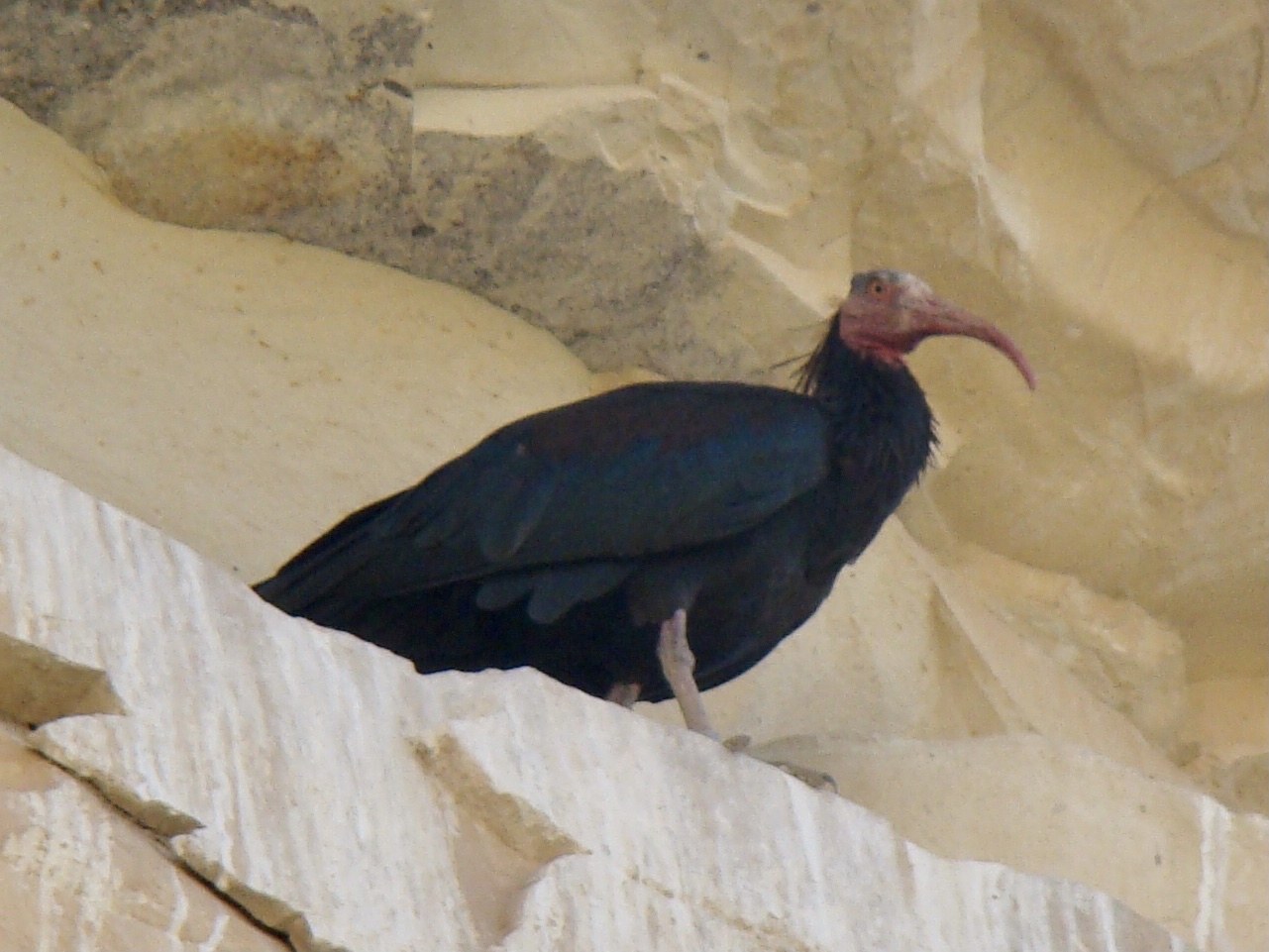
Northern Bald Ibis
Glossy black contour feathers with elongated nape plumes
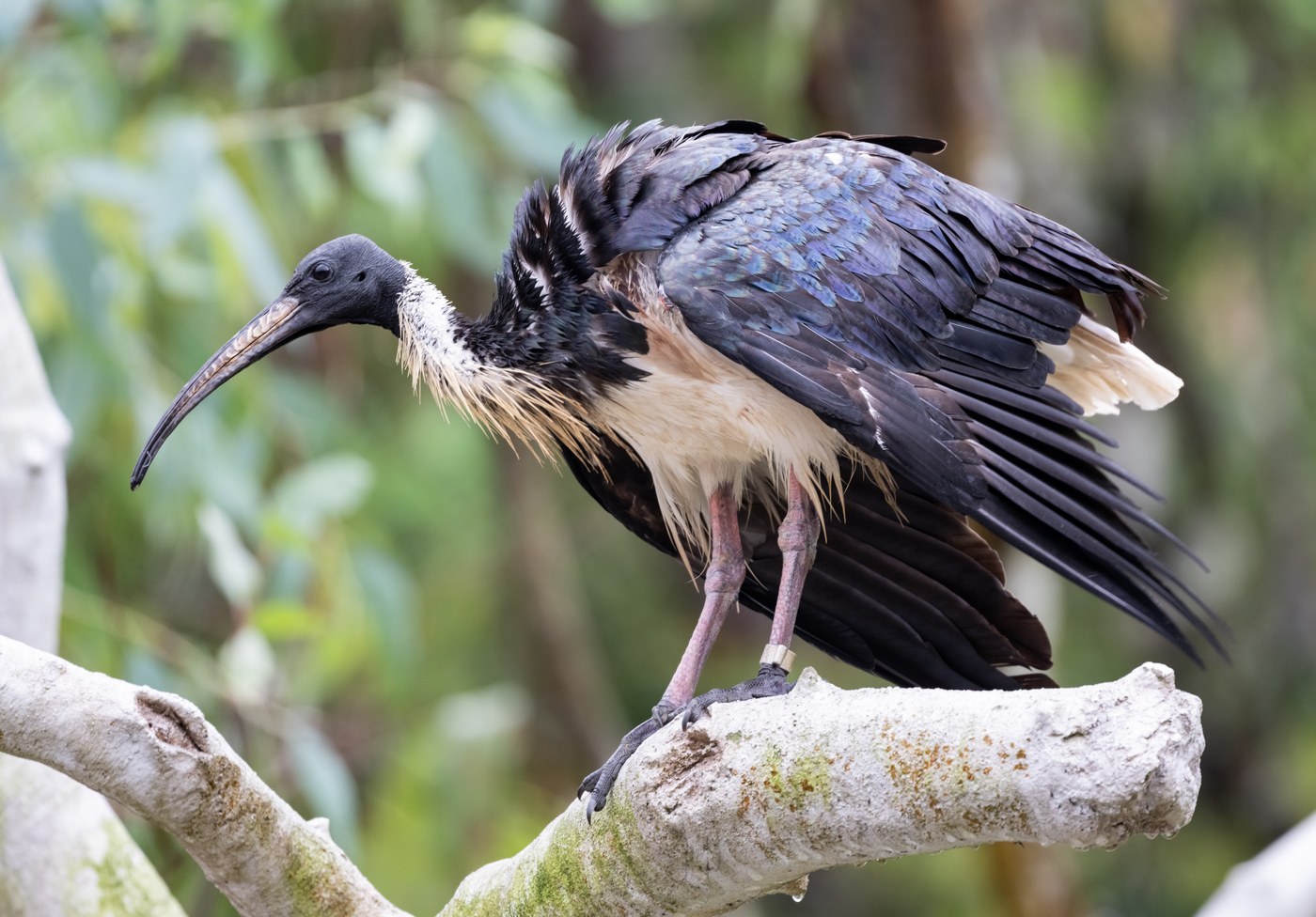
Straw-necked Ibis
Glossy contour feathers with unique straw-like neck plumes
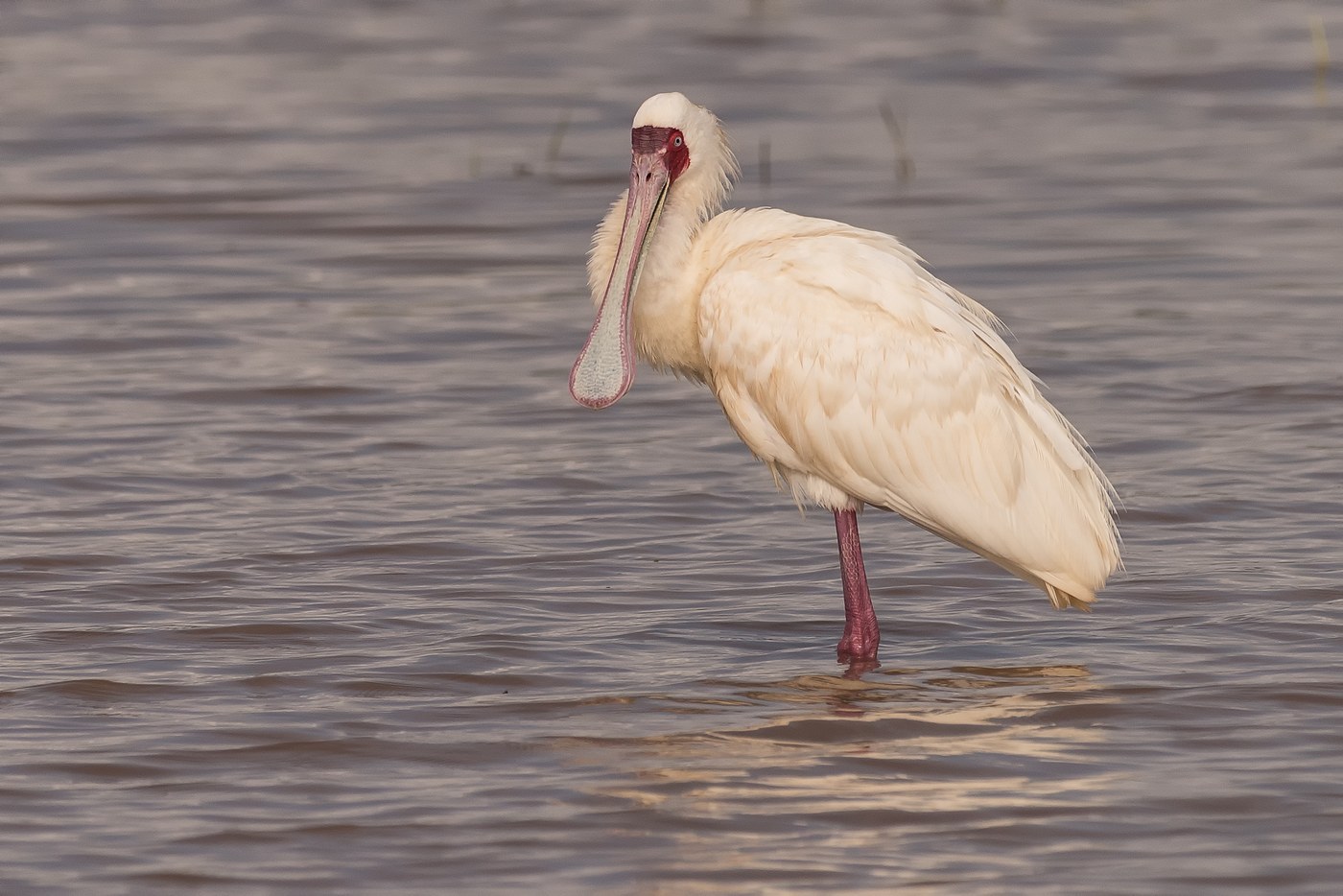
African Spoonbill
White contour and flight feathers, unmarked by black tips

Roseate Spoonbill
Pink and white contour and flight feathers with a carmine shoulder patch