
Shoebill
Balaeniceps rex
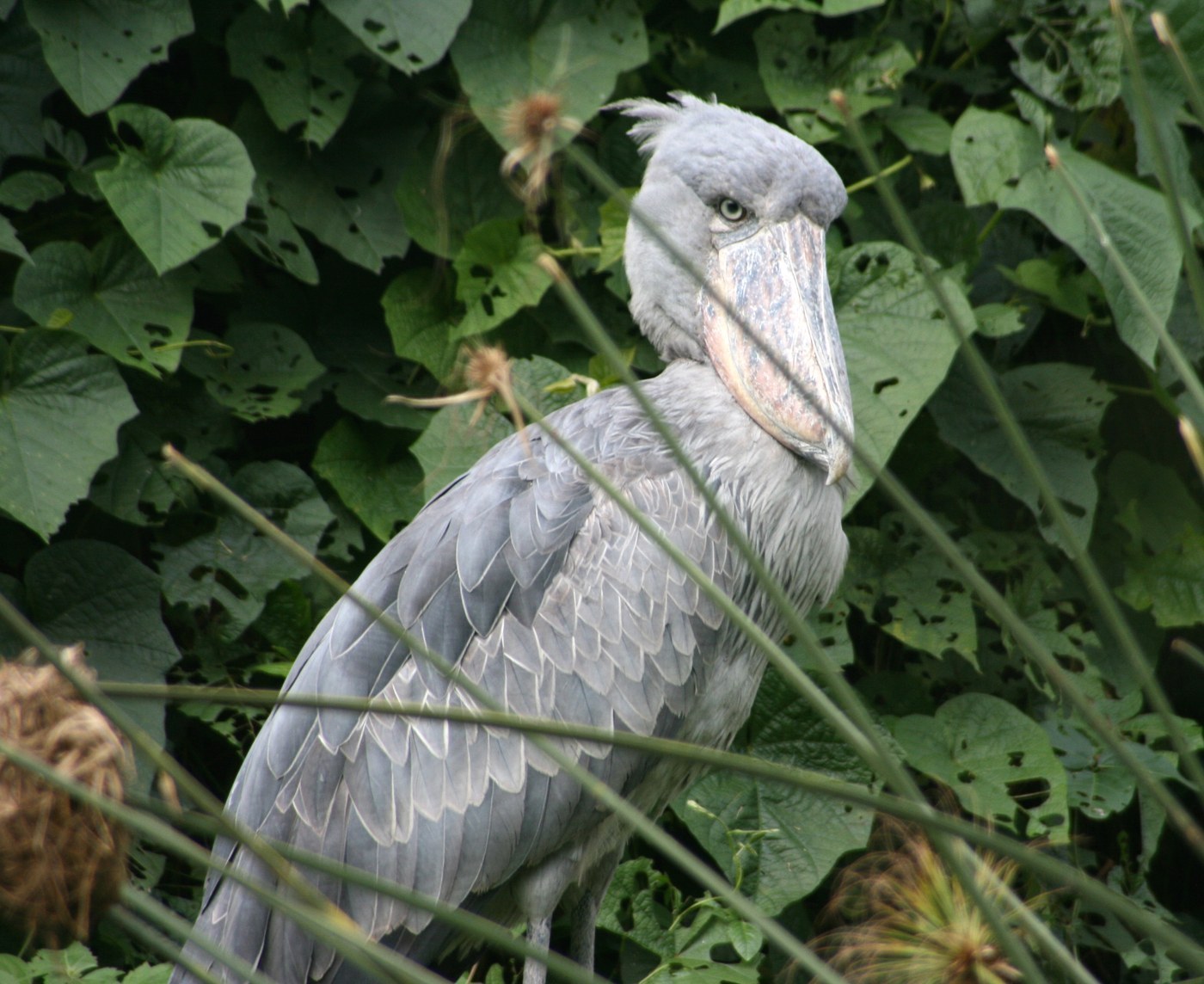
An unmistakable, prehistoric-looking African swamp bird named for its massive, shoe-shaped bill, with an overall slate blue-grey plumage and a shaggy crest at the back of the head.
- Feather type
- Broad contour feathers and shaggy crest feathers
- Colours
- Blue-grey overall
- Bird size
- Very large wading bird, ~110-140 cm
Found a feather like this?
Identify any feather from a photo, free.
Overview
Overview
The Shoebill is one of the most distinctive wading birds in the world, best known for its enormous, bulbous, shoe-shaped bill rather than any striking feather coloration. Its plumage is a fairly uniform blue-grey, offset by a shaggy, loosely arranged crest of feathers at the back of the head, and it is famous for standing motionless for long periods while hunting in dense papyrus swamps of central and east Africa.
- Overall slate blue-grey plumage
- Massive, broad, shoe-shaped bill (bare-part feature, not feathered)
- Shaggy, loosely structured crest feathers at the back of the head
- Very large, heavy-bodied wading bird associated with papyrus swamps
Identifying the Feather
Feather Identification
Shoebill feathers are broad and somewhat coarse, matching the bird's slate blue-grey plumage, with a distinctive shaggy quality to the crest feathers at the back of the head.
- Body contour feathers: blue-grey, fairly uniform in tone
- Crest feathers: elongated and loosely structured, giving a shaggy, unkempt appearance at the nape
- Flight feathers: broad and grey, built to support slow, heavy flapping flight
- Shaft color: pale to grey, not strongly contrasting
- Size: feathers are large given the bird's substantial size and bulk
- Vs. other grey waterbirds: the combination of large size, broad rounded feather shape, and shaggy crest texture is distinctive to this species
Plumage & Molt
Plumage Details
Adults are blue-grey overall, with a paler grey-white throat and a darker slate tone on the crown and crest, and the plumage shows little seasonal variation. Juveniles are browner and duller, gradually acquiring the adult's slate-grey tone as they mature over a period of years, reflecting the species' slow growth and long time to maturity. Molt is gradual and not sharply tied to a single season.
Habitat & Range
Habitat & Range
Shoebills inhabit dense freshwater swamps, papyrus marshes, and floating vegetation mats across a band of central and east Africa, including South Sudan, Uganda, the Democratic Republic of the Congo, Zambia, and Tanzania. The species is largely resident and closely tied to extensive, undisturbed wetlands, making it sensitive to habitat degradation. It rarely occurs outside of large swamp systems.
Behavior & Field Notes
Behavior & Field Notes
Shoebills are famous for their ability to stand motionless for extended periods while waiting to ambush prey, including large fish such as lungfish, as well as amphibians and other swamp animals, striking suddenly with the massive bill. They are typically solitary outside of breeding, nesting on platforms of trampled vegetation within the swamp itself. Vocal communication includes a distinctive bill-clattering display. Its combination of enormous size, slate-grey plumage, and shaggy crest, along with its restricted swamp habitat, make it one of the most unmistakable wading birds when observed directly.
Frequently asked questions
Why is it called the Shoebill?
Its bill is exceptionally large, broad, and bulbous, resembling the shape of a wooden clog or shoe, which gives the species its common name.
What color are Shoebill feathers?
A fairly uniform slate blue-grey across the body, with a shaggy crest of similarly toned feathers at the back of the head.
Where do Shoebills live?
In dense papyrus swamps and freshwater marshes across a band of central and east Africa, including South Sudan, Uganda, and parts of the Congo Basin.
Are Shoebill feathers ever brightly colored?
No, the plumage lacks bright coloration; the bird's most striking feature is its massive shoe-shaped bill rather than its feathers.
Shoebill guides
In-depth guides for identifying and understanding Shoebill.
Other feathers you may enjoy

Yellow-billed Spoonbill
White contour and flight feathers with fine breeding plumes on the back and breast
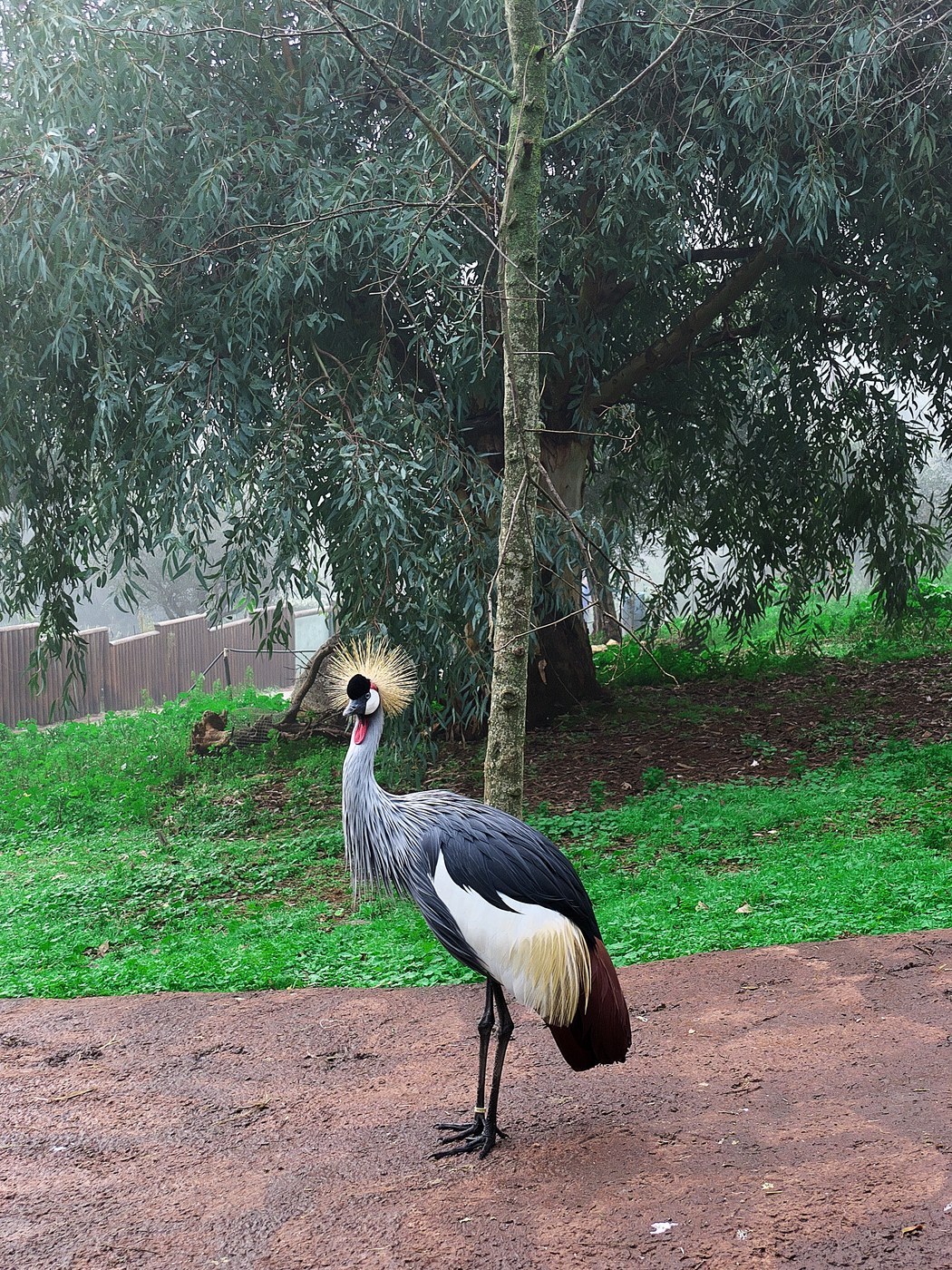
Grey Crowned Crane
Grey body feathers with white wing coverts, chestnut flight feathers, and stiff golden crown bristles
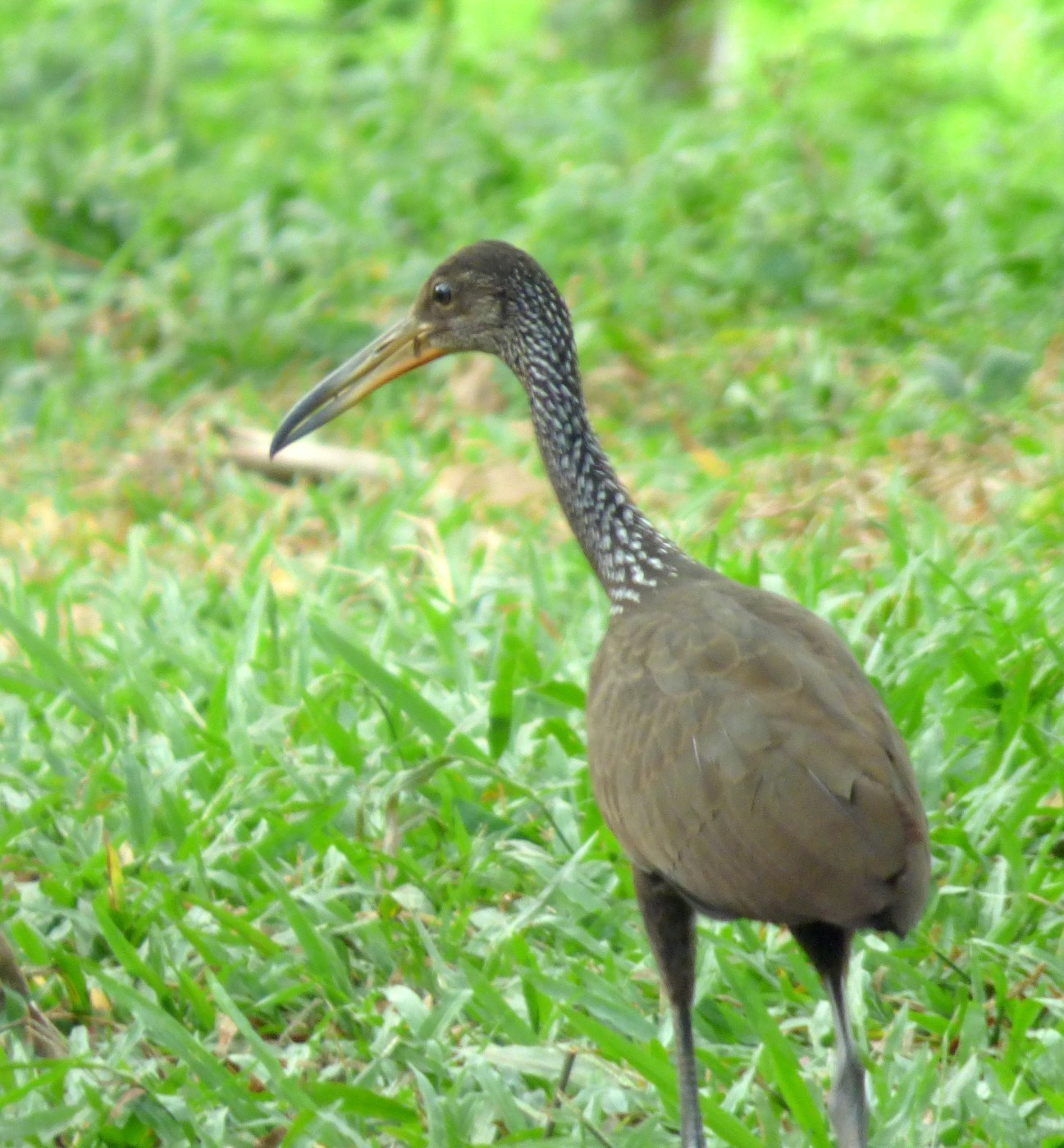
Limpkin
Brown contour feathers with white teardrop-shaped spots and streaks

Black-faced Spoonbill
White contour and flight feathers with fine breeding crest and breast plumes
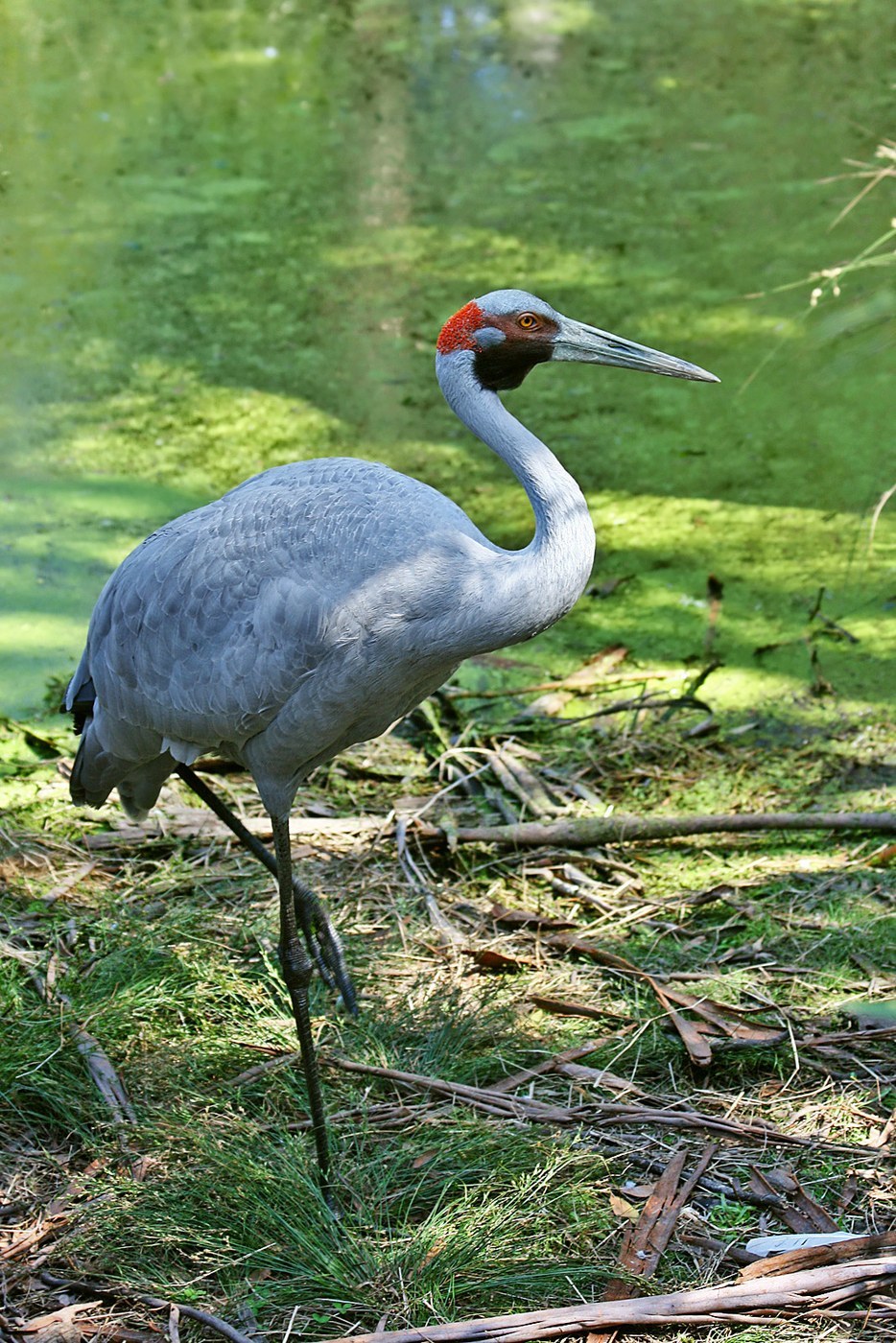
Brolga
Grey contour feathers with drooping bustle plumes
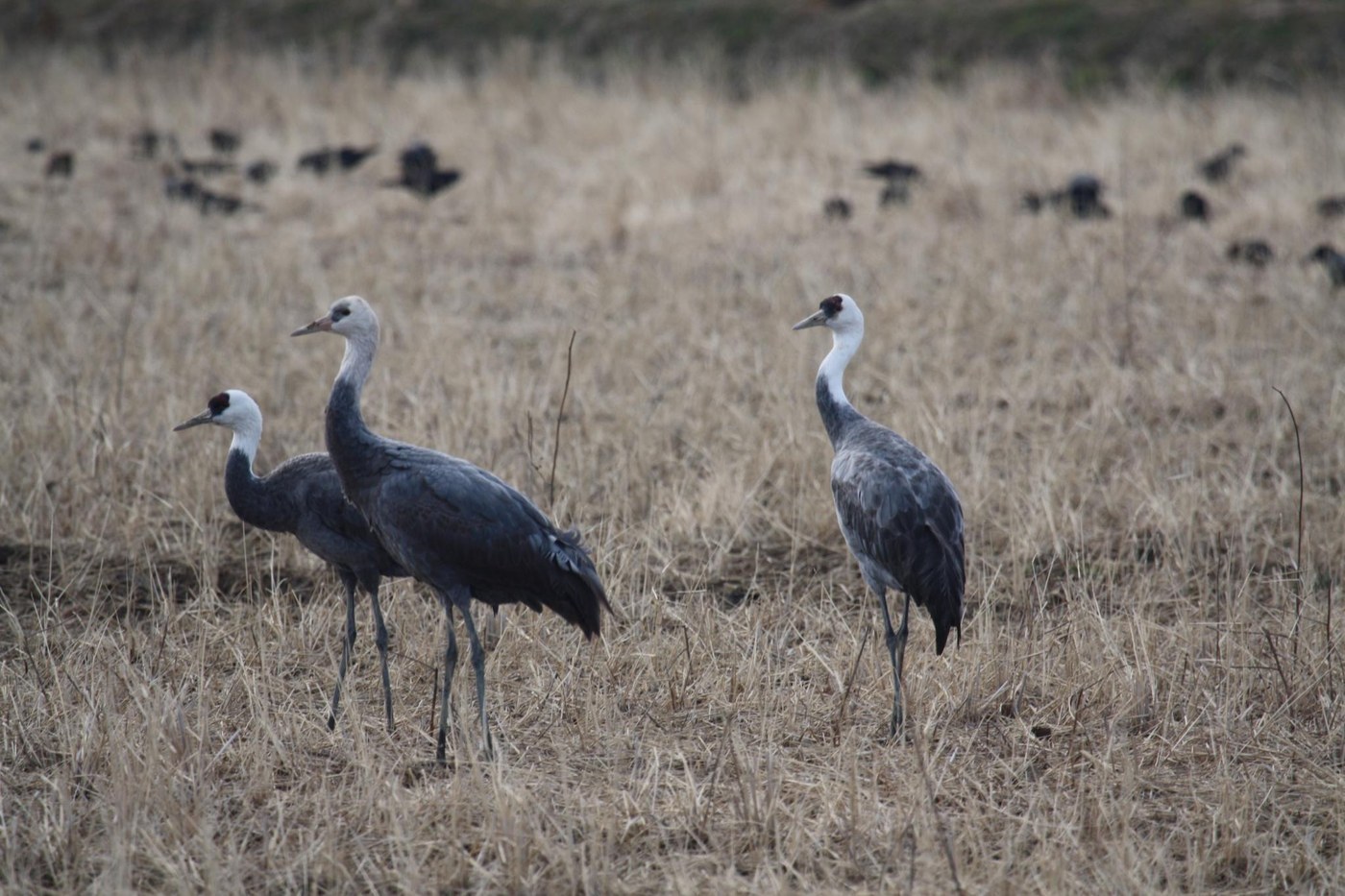
Hooded Crane
Dark slate-grey body feathers with a white head/upper neck 'hood' and black bustle plumes
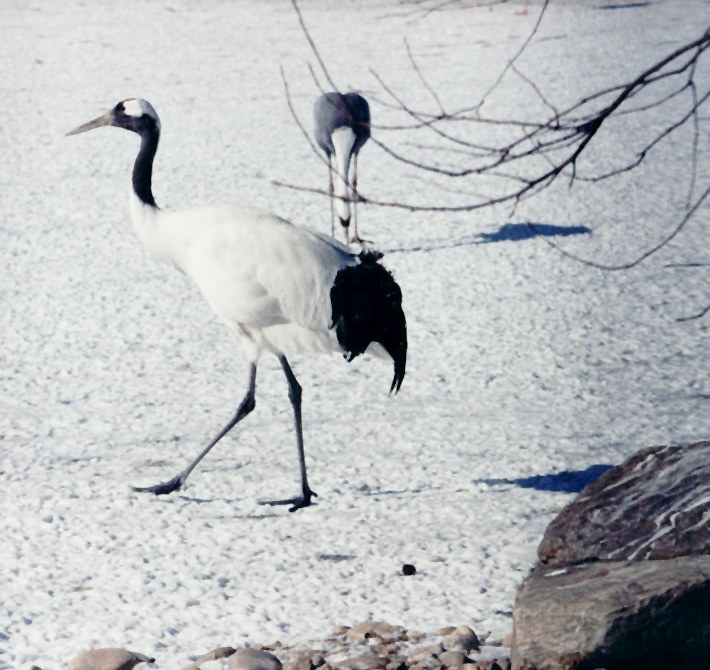
Red-crowned Crane
White contour feathers with black secondary/tertial bustle feathers and a bare red crown

Common Crane
Grey contour feathers with black head/neck feathers and drooping bustle plumes
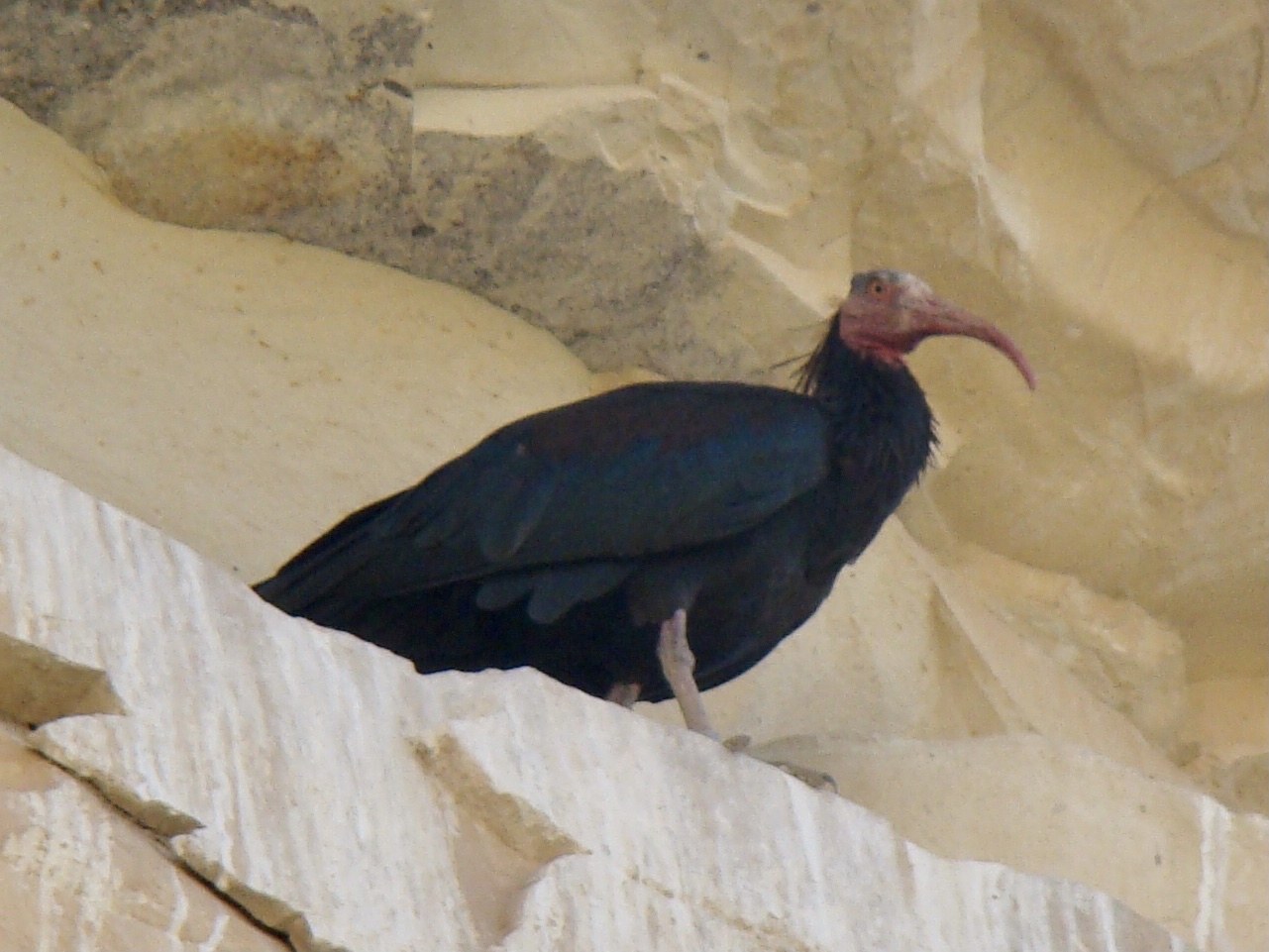
Northern Bald Ibis
Glossy black contour feathers with elongated nape plumes
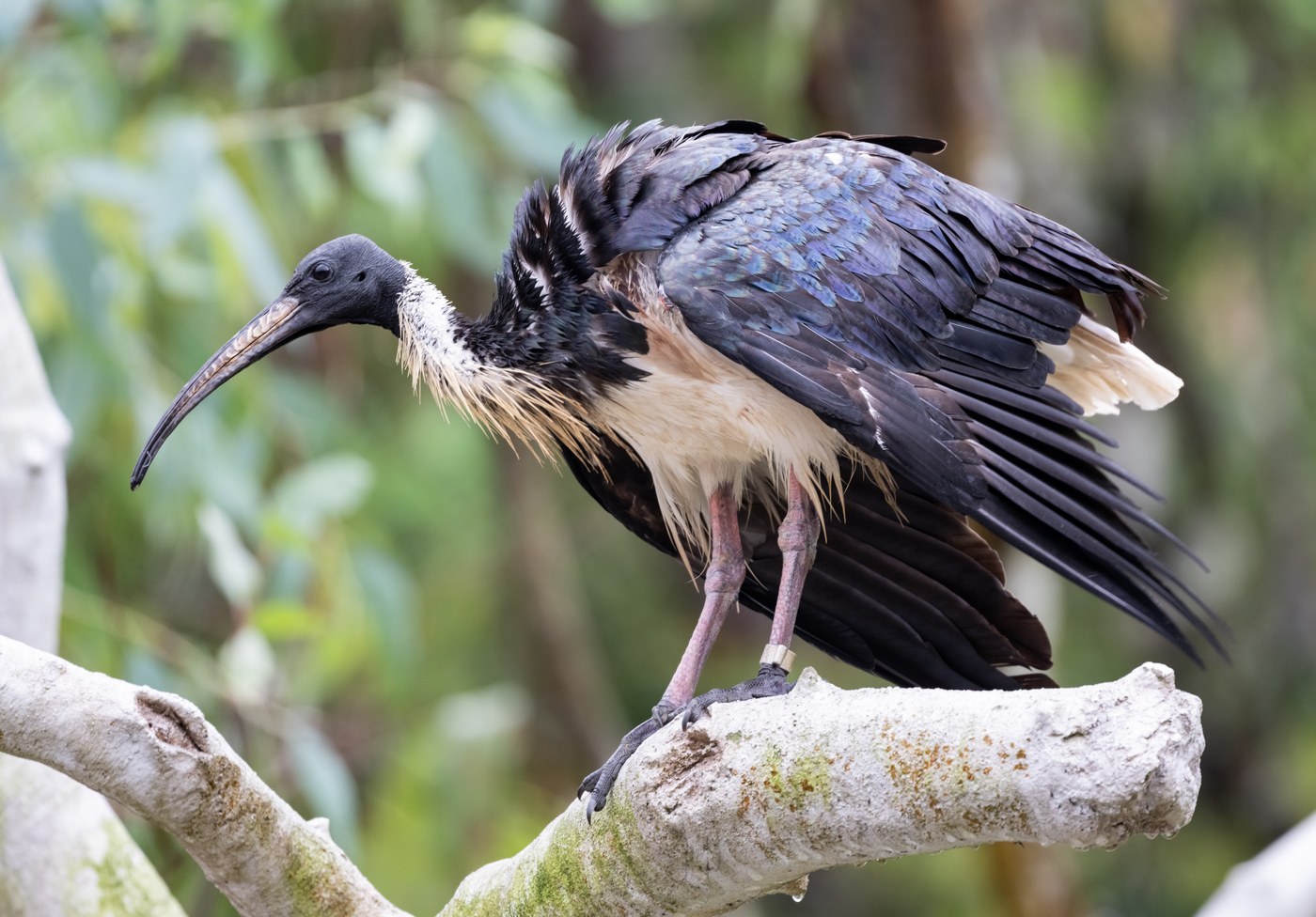
Straw-necked Ibis
Glossy contour feathers with unique straw-like neck plumes
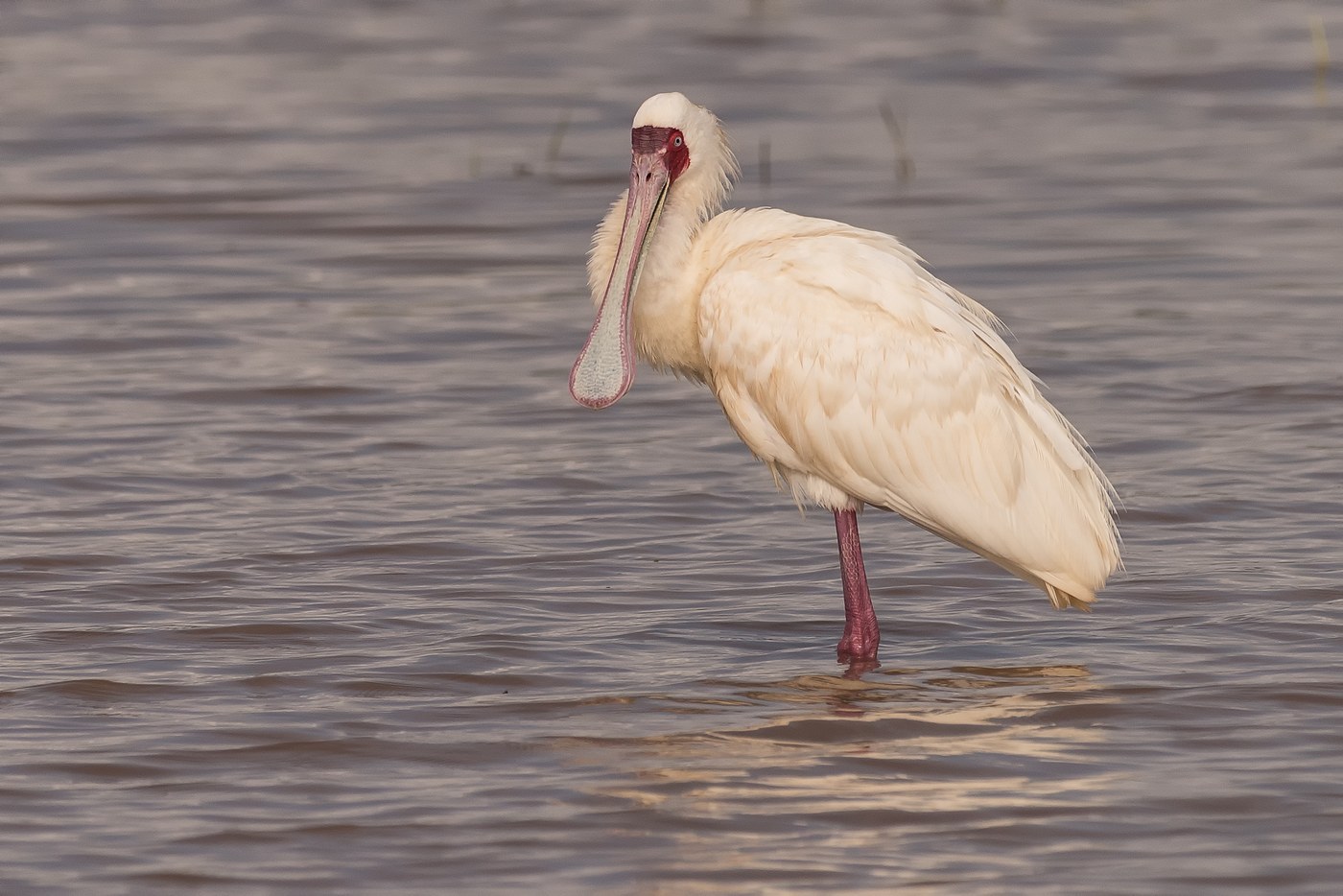
African Spoonbill
White contour and flight feathers, unmarked by black tips

Roseate Spoonbill
Pink and white contour and flight feathers with a carmine shoulder patch