
Scarlet Ibis
Eudocimus ruber
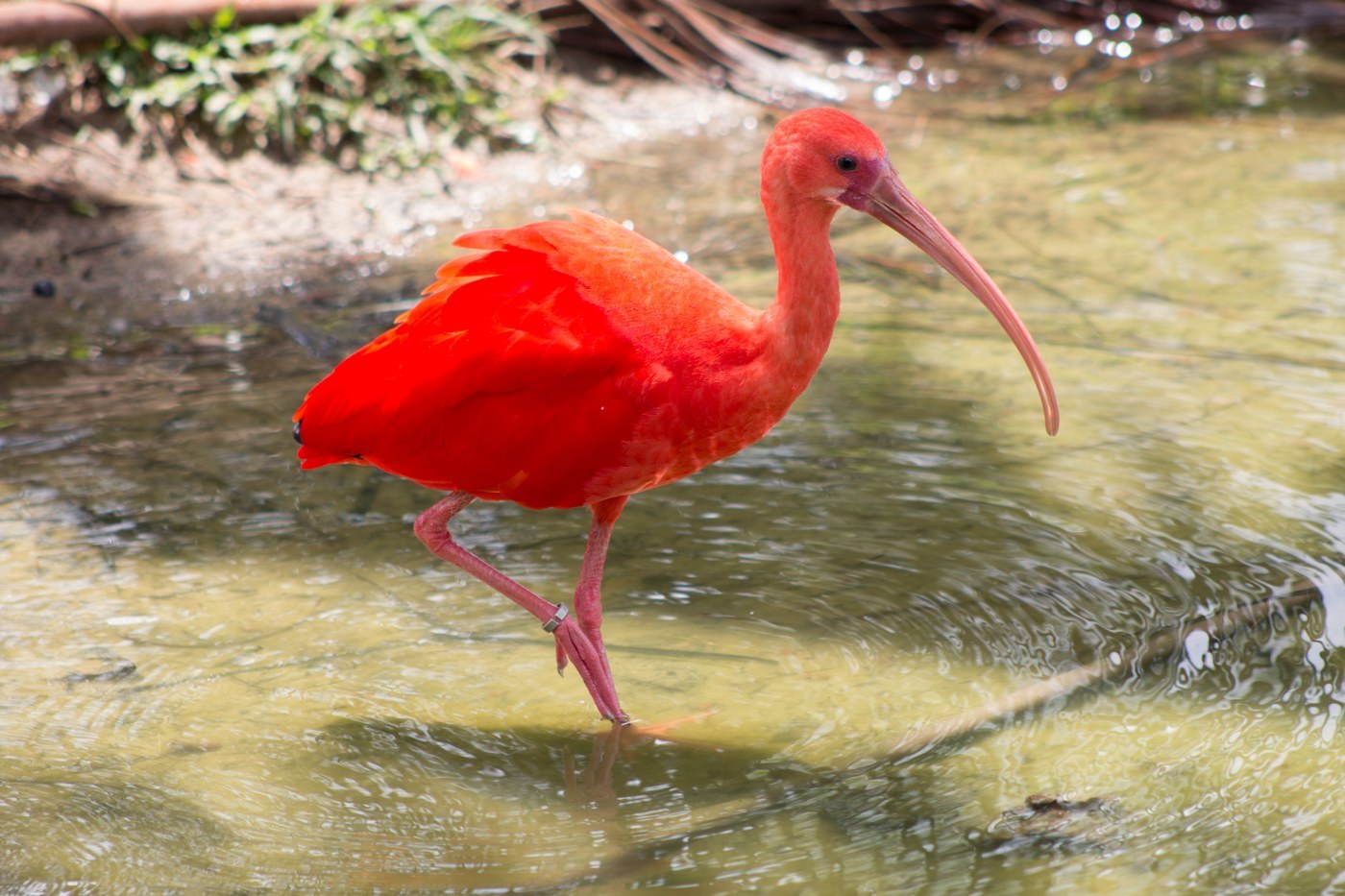
A brilliantly colored South American and Caribbean ibis, entirely vivid scarlet-red apart from black wingtips, closely related to the American White Ibis but far more vividly pigmented.
- Feather type
- Dense contour feathers, vividly colored
- Colours
- Vivid scarlet red with black wingtips
- Bird size
- Medium ibis, ~55-63 cm
Found a feather like this?
Identify any feather from a photo, free.
Overview
Overview
The Scarlet Ibis is one of the most vividly colored wading birds in the world, closely related to the American White Ibis but displaying an intense overall scarlet-red plumage rather than white, with black confined to the wingtips. Large flocks roosting together in mangroves create striking visual spectacles across parts of its Caribbean and northern South American range.
- Vivid, saturated scarlet-red plumage over nearly the entire body
- Black tips on the outer primary feathers
- Long, decurved, pale pinkish bill
- Closely related to, and can hybridize with, the American White Ibis
Identifying the Feather
Feather Identification
Scarlet Ibis feathers are intensely red throughout the body, sharing the same black-tipped primary pattern found in the closely related American White Ibis but on a very differently colored base.
- Body contour feathers: vivid, saturated scarlet-red
- Primary feathers: red at the base with black tips, visible especially in flight
- Secondary and covert feathers: red, without black markings
- Shaft color: reddish, blending with the vane
- Vs. American White Ibis: identical wing pattern, but Scarlet Ibis body feathers are vivid red rather than white
- Diet link: the intense red coloration derives from carotenoid pigments obtained through the diet, so captive or malnourished individuals can appear paler
Plumage & Molt
Plumage Details
Adults are a deep, saturated scarlet red over almost the entire body, with black tips on the outer primaries and a pale pinkish decurved bill. Juveniles are quite different, hatching with dark grey down and developing a mixture of grey, brown, and white feathering before gradually acquiring the full scarlet plumage over roughly two years as carotenoid pigments accumulate from the diet. The species undergoes a complete molt on a cycle linked to breeding, maintaining the vivid coloration in healthy adults.
Habitat & Range
Habitat & Range
Scarlet Ibis are found along coastal mangroves, mudflats, and wetlands of northern South America, including Venezuela, Trinidad, and parts of the Amazon and Orinoco basins, with some populations also present in coastal Brazil and Colombia. The species is largely resident, with local movements linked to tidal cycles and seasonal water levels, and it often roosts and nests in large, visually striking colonies.
Behavior & Field Notes
Behavior & Field Notes
Scarlet Ibis forage in shallow coastal waters and mudflats, probing with their long bill for crustaceans, mollusks, and other small invertebrates that also contribute to their vivid coloration through dietary pigments. They are highly social, roosting and breeding in large colonies, often alongside herons and other wading birds, and their synchronized flights to communal roosts are a notable spectacle in parts of their range. Vocalizations include low grunting and honking notes similar to other ibises. The vivid scarlet plumage combined with black wingtips makes this one of the most immediately recognizable wading birds in the Americas.
Frequently asked questions
Why are Scarlet Ibis feathers so intensely red?
The vivid red color comes from carotenoid pigments obtained through the diet, particularly from crustaceans and other invertebrates, and is incorporated into the growing feathers.
Are Scarlet Ibis and American White Ibis closely related?
Yes, they are close relatives that can hybridize where their ranges meet, and they share the same black wingtip pattern despite very different body colors.
Do young Scarlet Ibis have red feathers?
No, chicks hatch with dark grey down and pass through a mixed grey, brown, and white plumage stage before gradually developing the full scarlet coloration over about two years.
Where would a Scarlet Ibis feather most likely be found?
Near coastal mangroves, mudflats, and wetlands of northern South America, including Venezuela, Trinidad, and parts of the Amazon and Orinoco basins.
Scarlet Ibis guides
In-depth guides for identifying and understanding Scarlet Ibis.
Scarlet Ibis identified by the community
Real feathers identified with Feather Identifier.

Other feathers you may enjoy

Yellow-billed Spoonbill
White contour and flight feathers with fine breeding plumes on the back and breast
Grey Crowned Crane
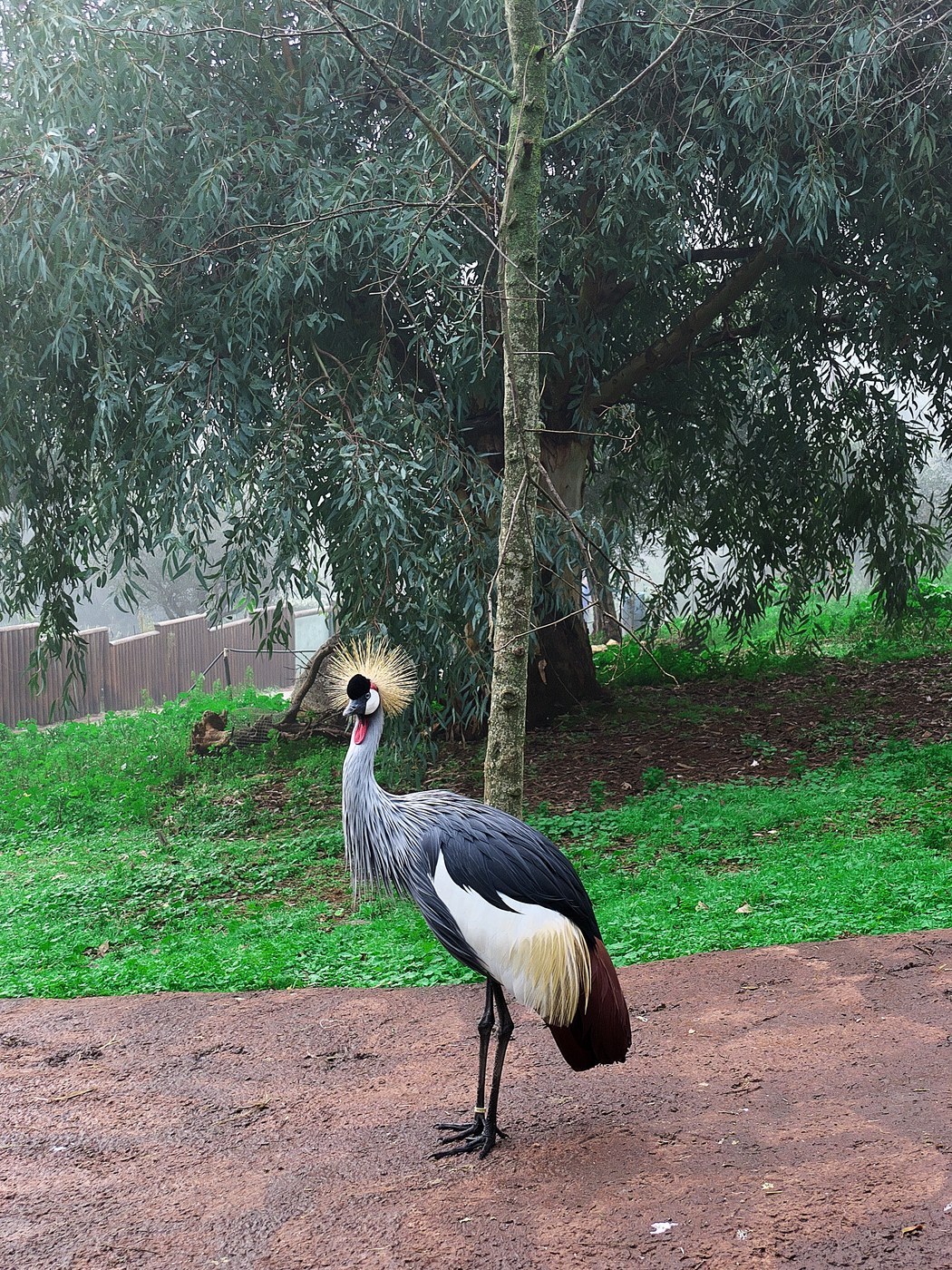
Grey body feathers with white wing coverts, chestnut flight feathers, and stiff golden crown bristles
Limpkin
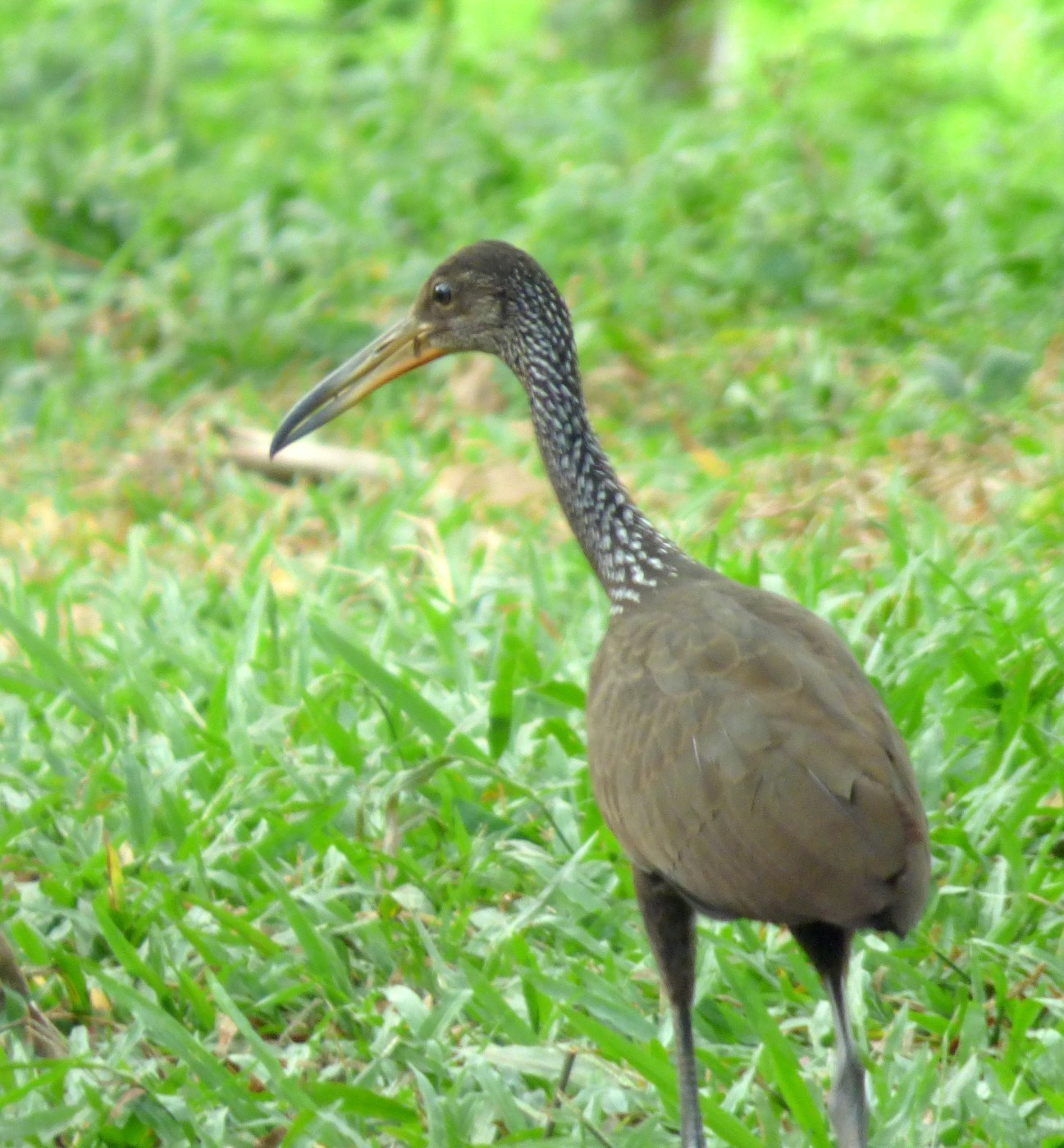
Brown contour feathers with white teardrop-shaped spots and streaks
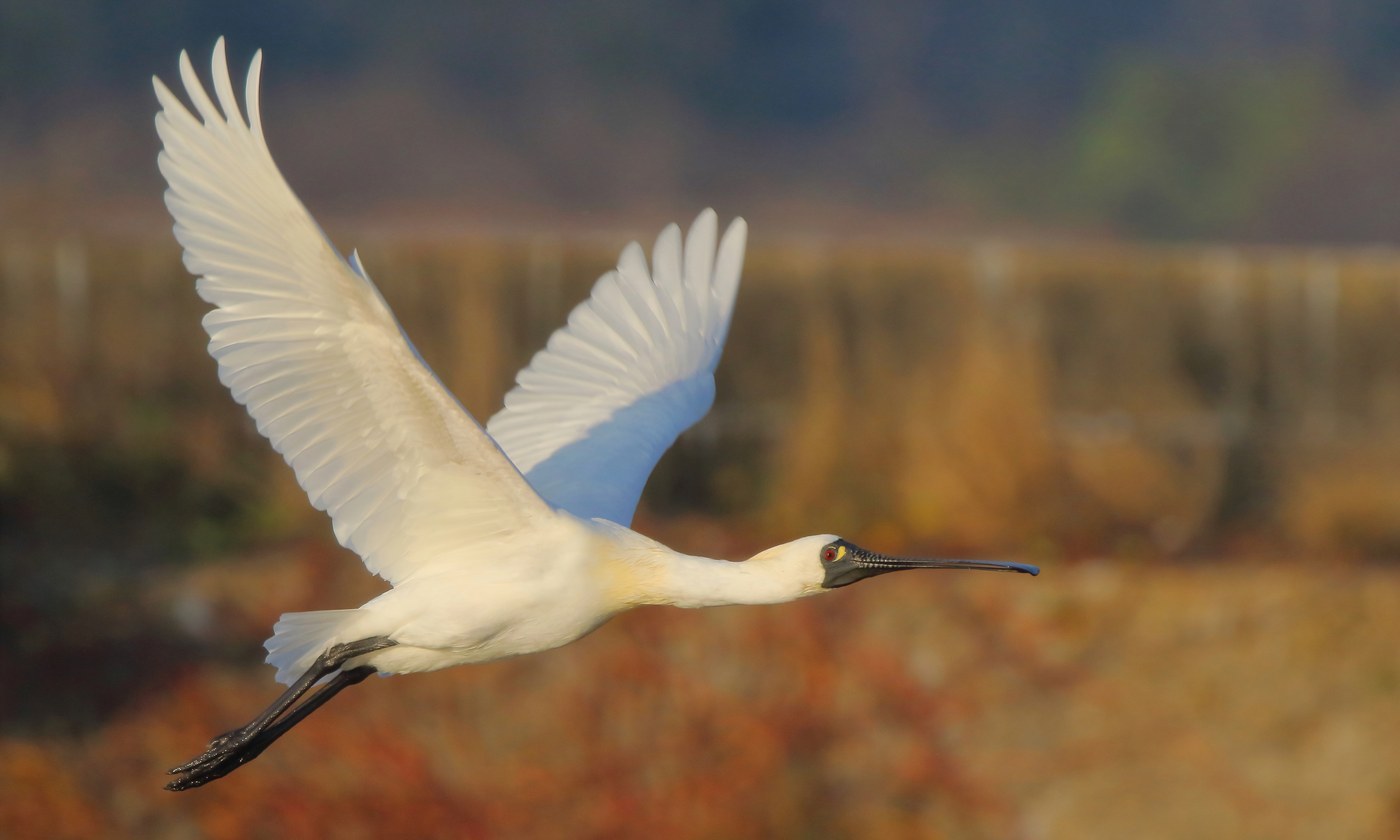
Black-faced Spoonbill
White contour and flight feathers with fine breeding crest and breast plumes
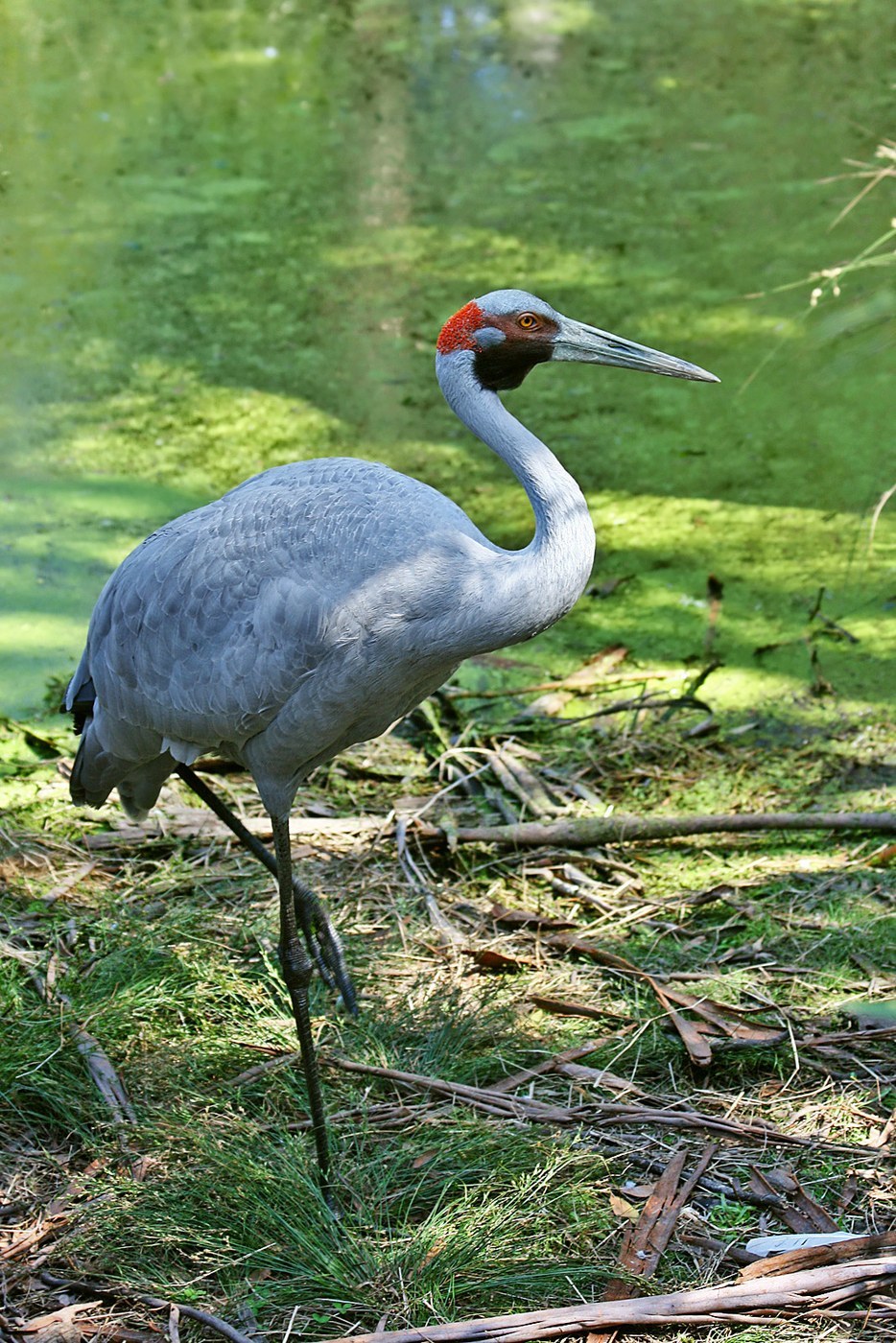
Brolga
Grey contour feathers with drooping bustle plumes
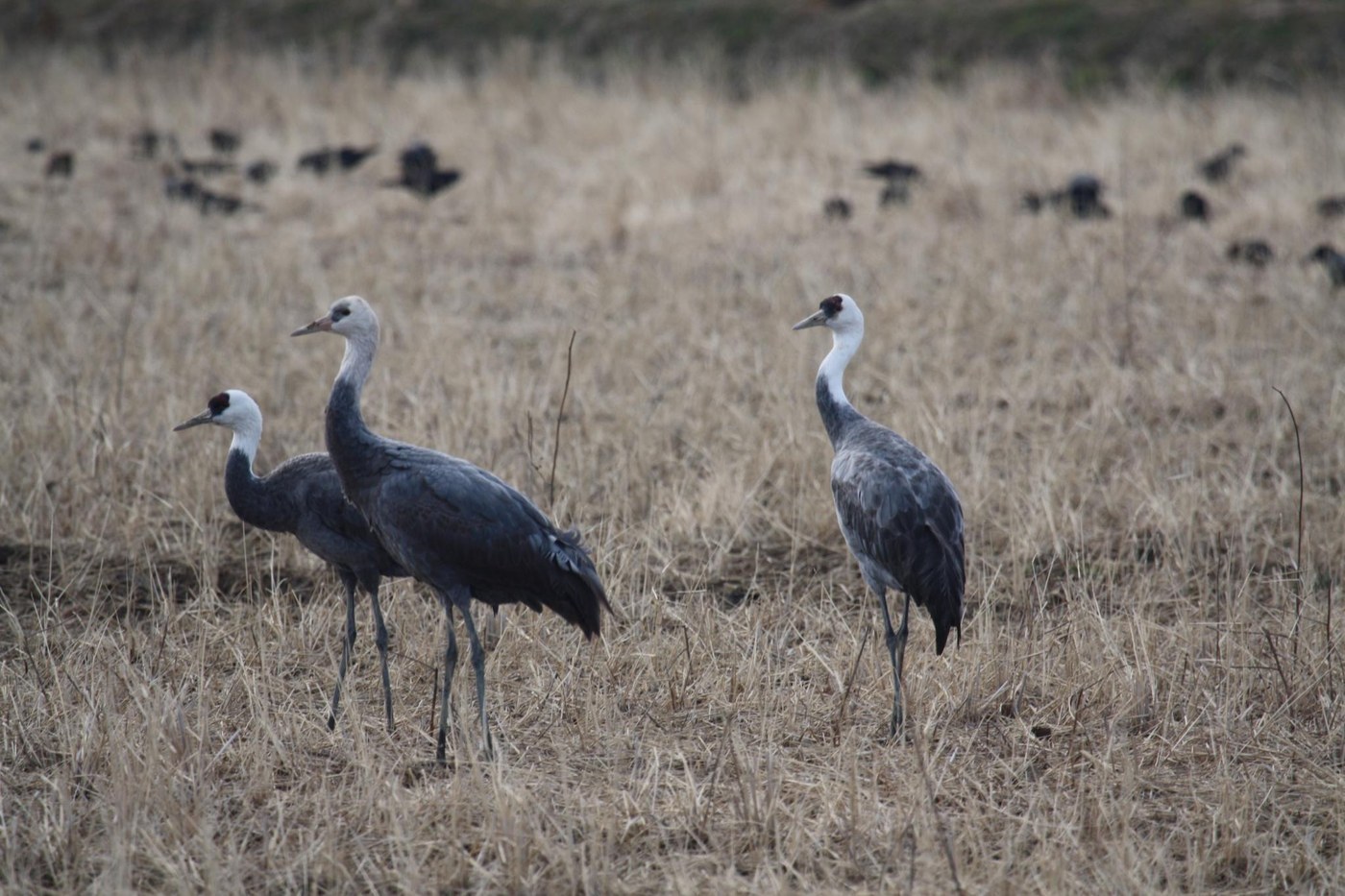
Hooded Crane
Dark slate-grey body feathers with a white head/upper neck 'hood' and black bustle plumes
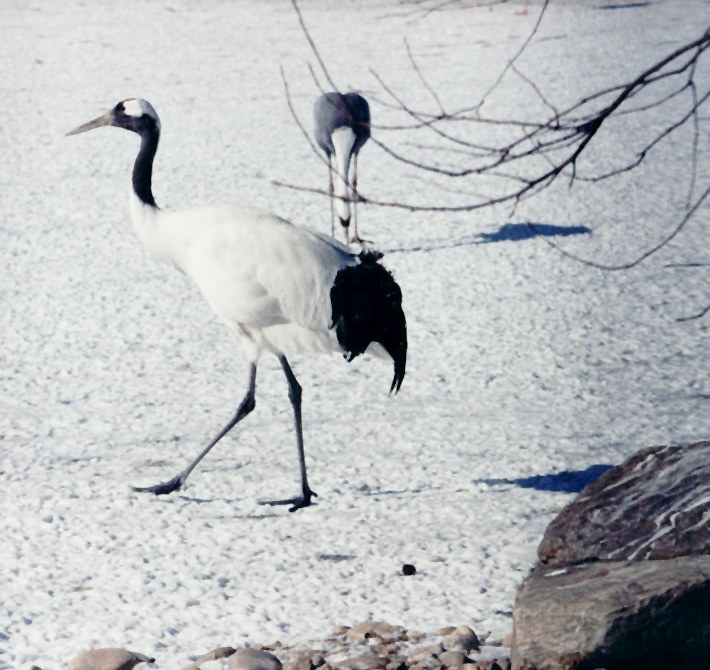
Red-crowned Crane
White contour feathers with black secondary/tertial bustle feathers and a bare red crown

Common Crane
Grey contour feathers with black head/neck feathers and drooping bustle plumes
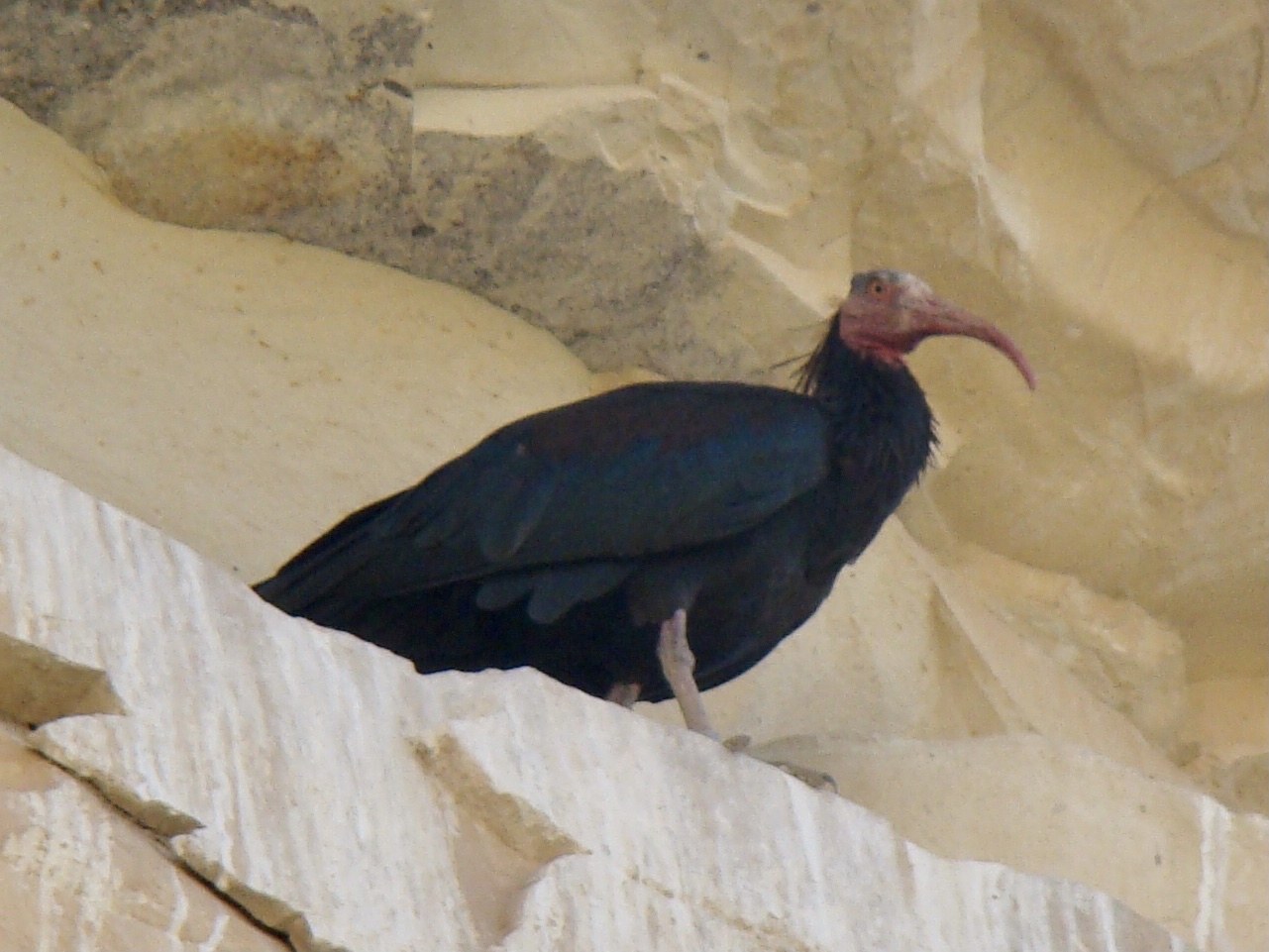
Northern Bald Ibis
Glossy black contour feathers with elongated nape plumes
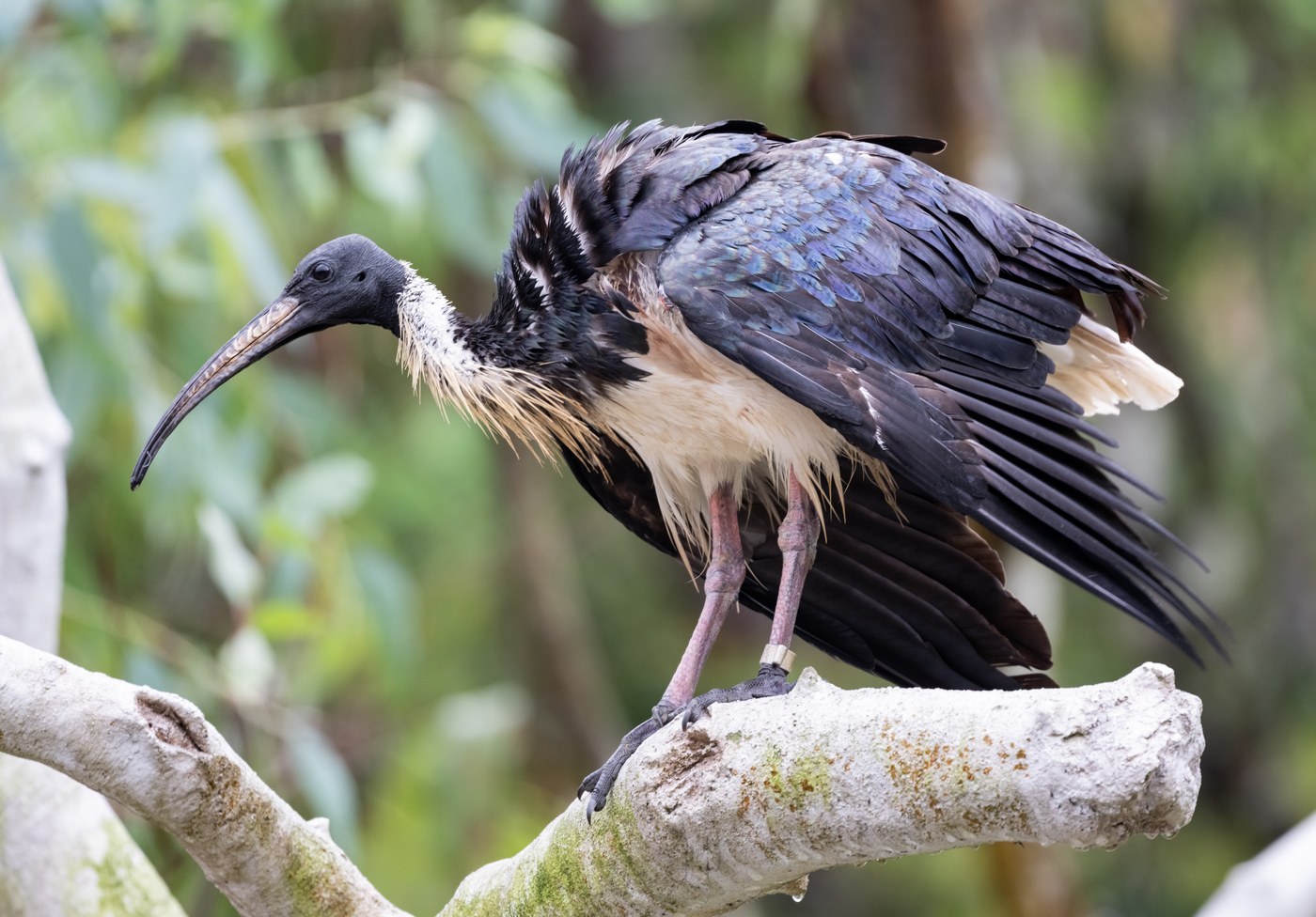
Straw-necked Ibis
Glossy contour feathers with unique straw-like neck plumes
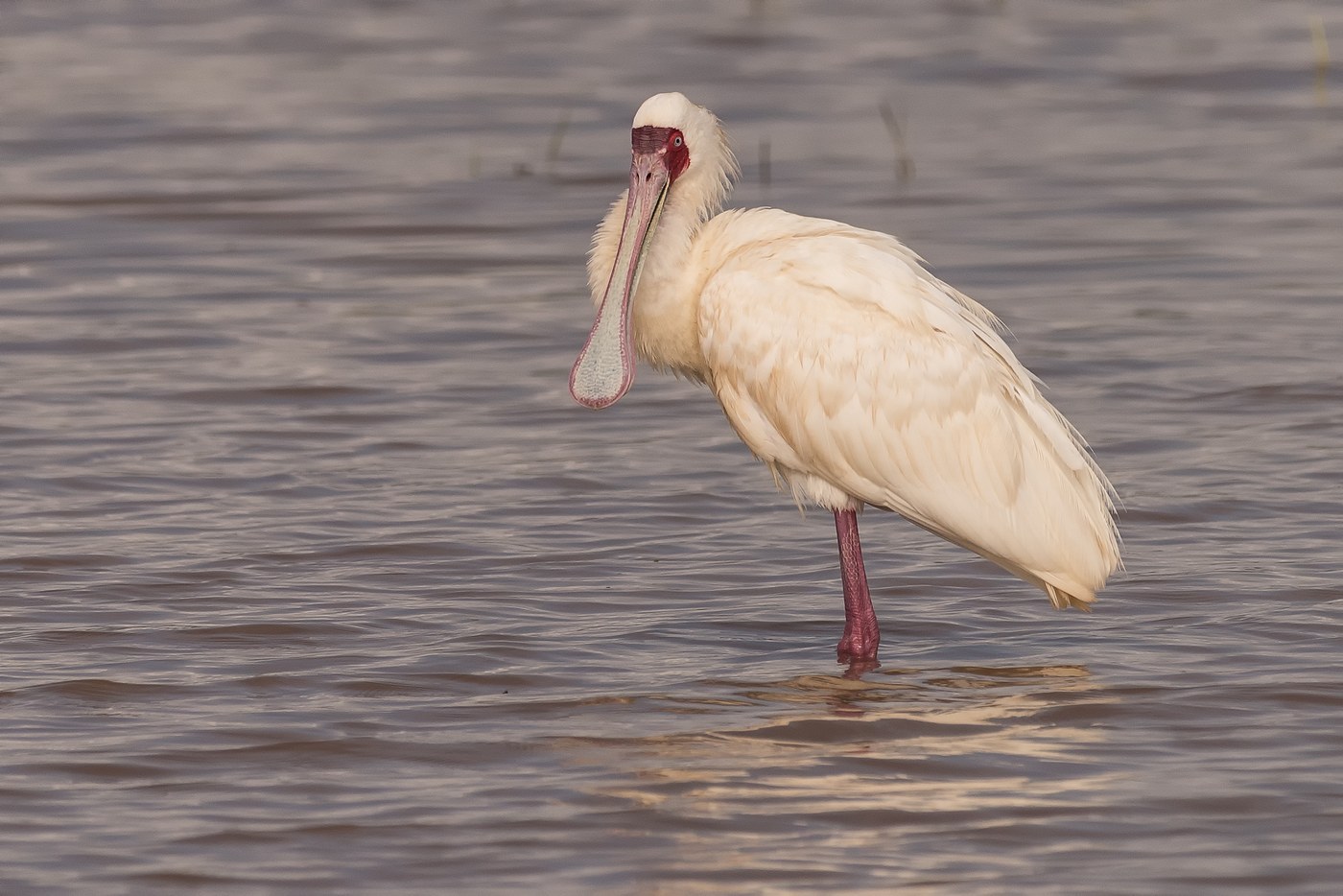
African Spoonbill
White contour and flight feathers, unmarked by black tips

Roseate Spoonbill
Pink and white contour and flight feathers with a carmine shoulder patch