
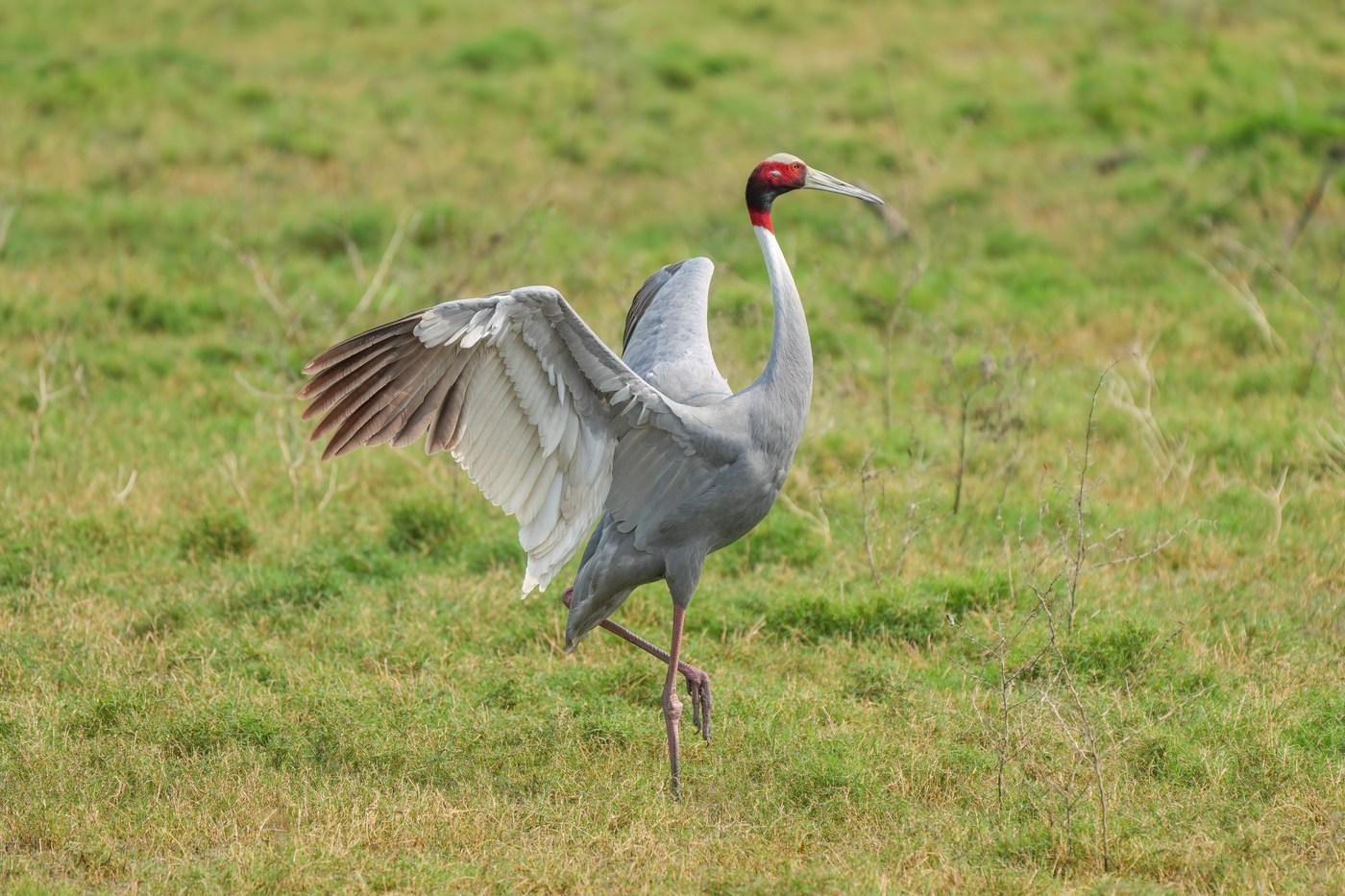
Sarus Crane
Antigone antigone
The tallest of all flying birds, a pale grey Asian crane with a strikingly red bare head and upper neck, resident year-round across its wetland range.
- Feather type
- Pale grey contour feathers with drooping bustle plumes
- Colours
- Pale grey overall with a red bare head and upper neck
- Bird size
- Tallest flying bird in the world, ~152-176 cm tall
Found a feather like this?
Identify any feather from a photo, free.
Overview
The Sarus Crane holds the distinction of being the tallest flying bird in the world, found across scattered wetlands and agricultural floodplains of the Indian subcontinent and parts of Southeast Asia. Unlike many other crane species, it does not undertake long-distance migration, remaining within its wetland and farmland habitats year-round. Its extensive bare red skin covering the head and upper neck, paired with pale grey body plumage, makes it distinctive among cranes.
Identifying the Feather
- Body feathers are pale grey, generally lighter in tone than the darker slate-grey of the Common Crane.
- Tertial (bustle) feathers are elongated, drooping, and pale grey, curling over the tail as in other large cranes.
- The extensive bare red skin covering the head and much of the upper neck means feathers are absent from a larger area of the head/neck than in most other crane species.
- A small greyish crown patch and whitish area below the eye are the main head features aside from bare red skin.
- Distinguish from the Brolga, which has bare red skin confined more to the head with a grey crown cap, and by the Sarus Crane's typically paler grey overall tone and pinkish (rather than greenish-grey) legs.
Plumage & Molt
Adults are pale grey overall with extensive bare red skin on the head and upper neck, a small greyish crown patch, whitish patch below the eye, and elongated drooping tertial bustle feathers; legs are pale pinkish-grey. Sexes look alike, though males average larger. Juveniles have a feathered, buffy-brown head lacking the bare red skin, which develops gradually as the bird matures over its first year or so. Molt is not sharply seasonal given the species' largely non-migratory habits across a range with varied climates.
Habitat & Range
Sarus Cranes are found across the Indian subcontinent, with additional populations in Southeast Asia and historically in Australia (a population now generally treated separately). They favor wetlands, marshes, and flooded agricultural land, and are largely resident, remaining on territory year-round rather than undertaking long migrations, though some local and seasonal movements occur in response to water availability.
Behavior & Field Notes
This crane forages in wetlands and farmland for a varied diet including aquatic plants, grains, insects, and small vertebrates. It nests on the ground in marshy areas, often within agricultural landscapes, and is known for closely associating with human-modified wetland habitats. Its call is a loud, resonant trumpeting, given in duet by paired birds. Sarus Cranes are famous for their strong pair bonds and dancing displays, and hold cultural significance across much of South Asia due to their close association with rural wetlands and farmland.
Frequently asked questions
How can you identify a Sarus Crane feather?
Look for pale grey body feathers and, if head feathers are present, note that the head and upper neck are mostly bare red skin rather than feathered.
How is the Sarus Crane different from the Brolga?
The Sarus Crane has more extensive bare red skin covering the head and upper neck and pinkish legs, while the Brolga has a grey crown cap and greyish-green legs.
Is the Sarus Crane migratory?
No, it is largely resident, remaining in its wetland and farmland habitats year-round.
What makes the Sarus Crane notable among cranes?
It is the tallest flying bird in the world.
Sarus Crane guides
In-depth guides for identifying and understanding Sarus Crane.
Other feathers you may enjoy

Yellow-billed Spoonbill
White contour and flight feathers with fine breeding plumes on the back and breast
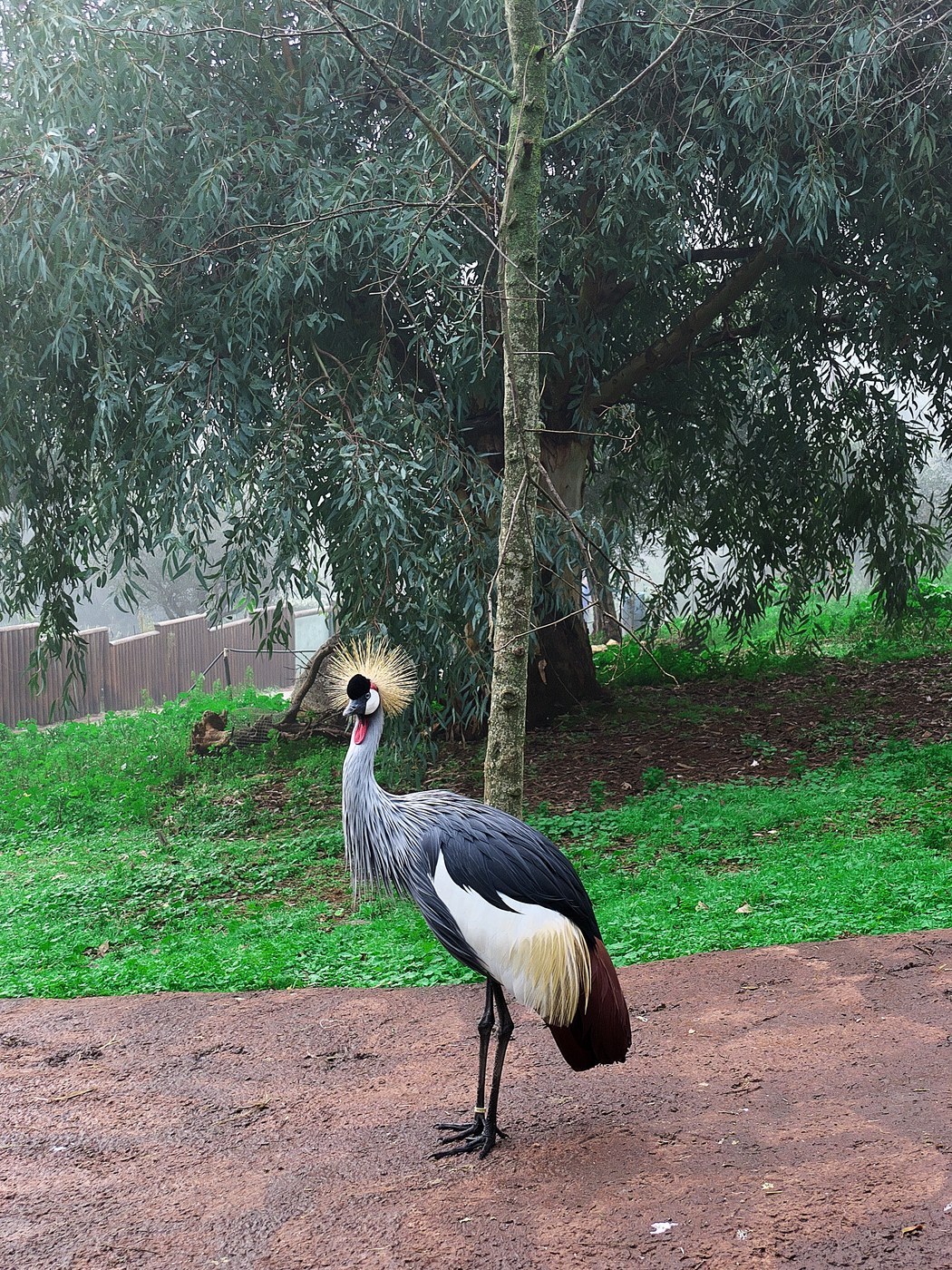
Grey Crowned Crane
Grey body feathers with white wing coverts, chestnut flight feathers, and stiff golden crown bristles
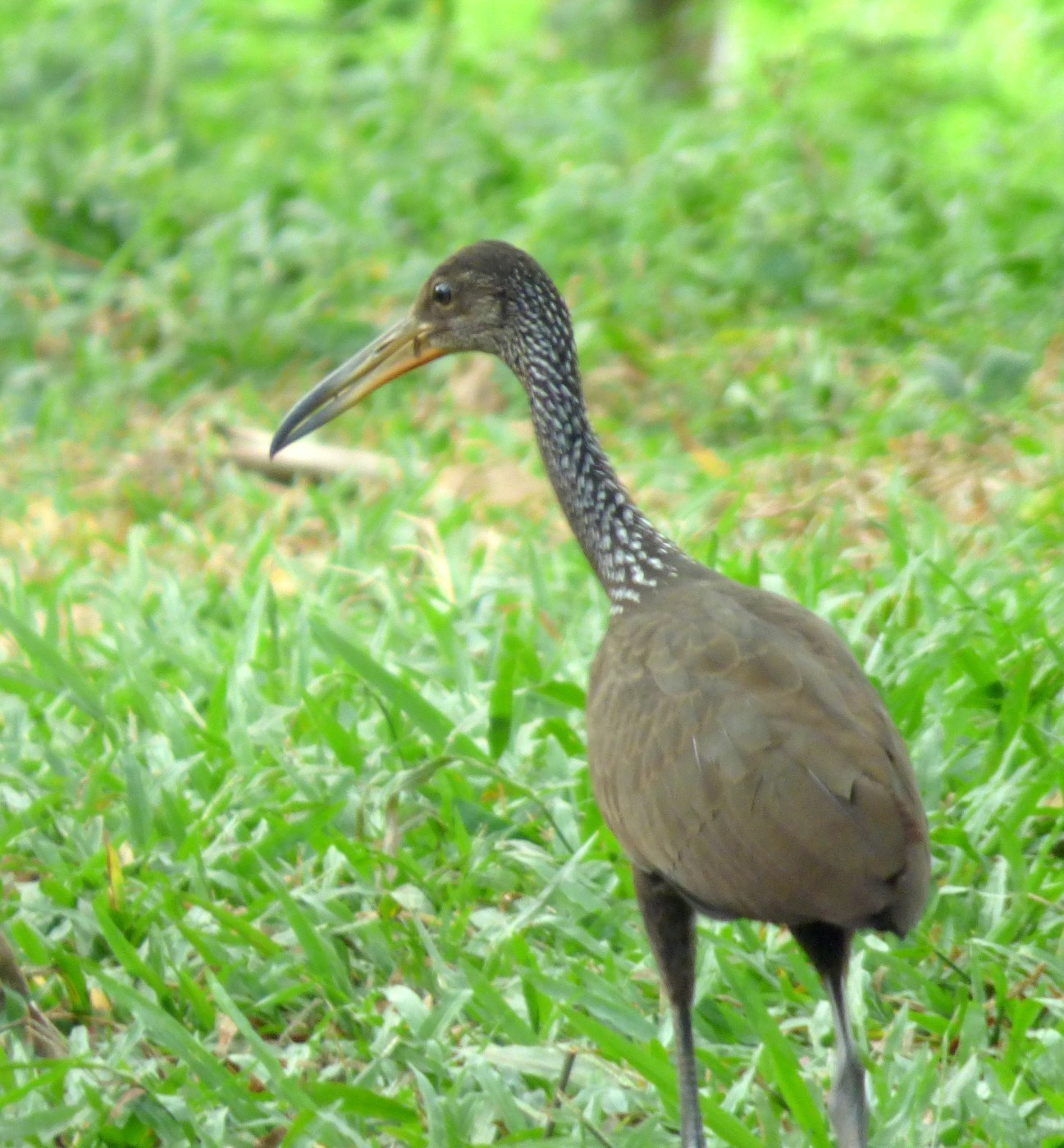
Limpkin
Brown contour feathers with white teardrop-shaped spots and streaks
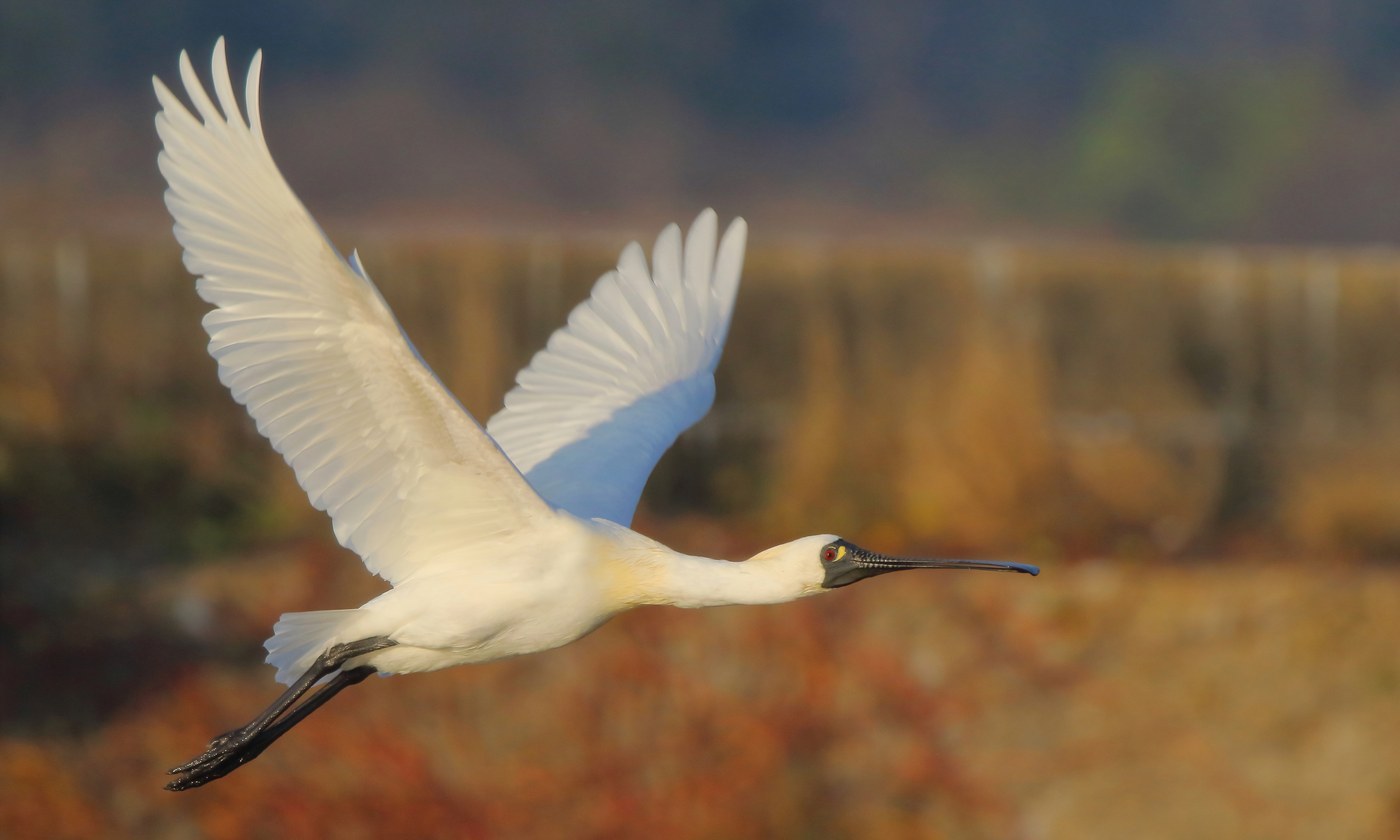
Black-faced Spoonbill
White contour and flight feathers with fine breeding crest and breast plumes
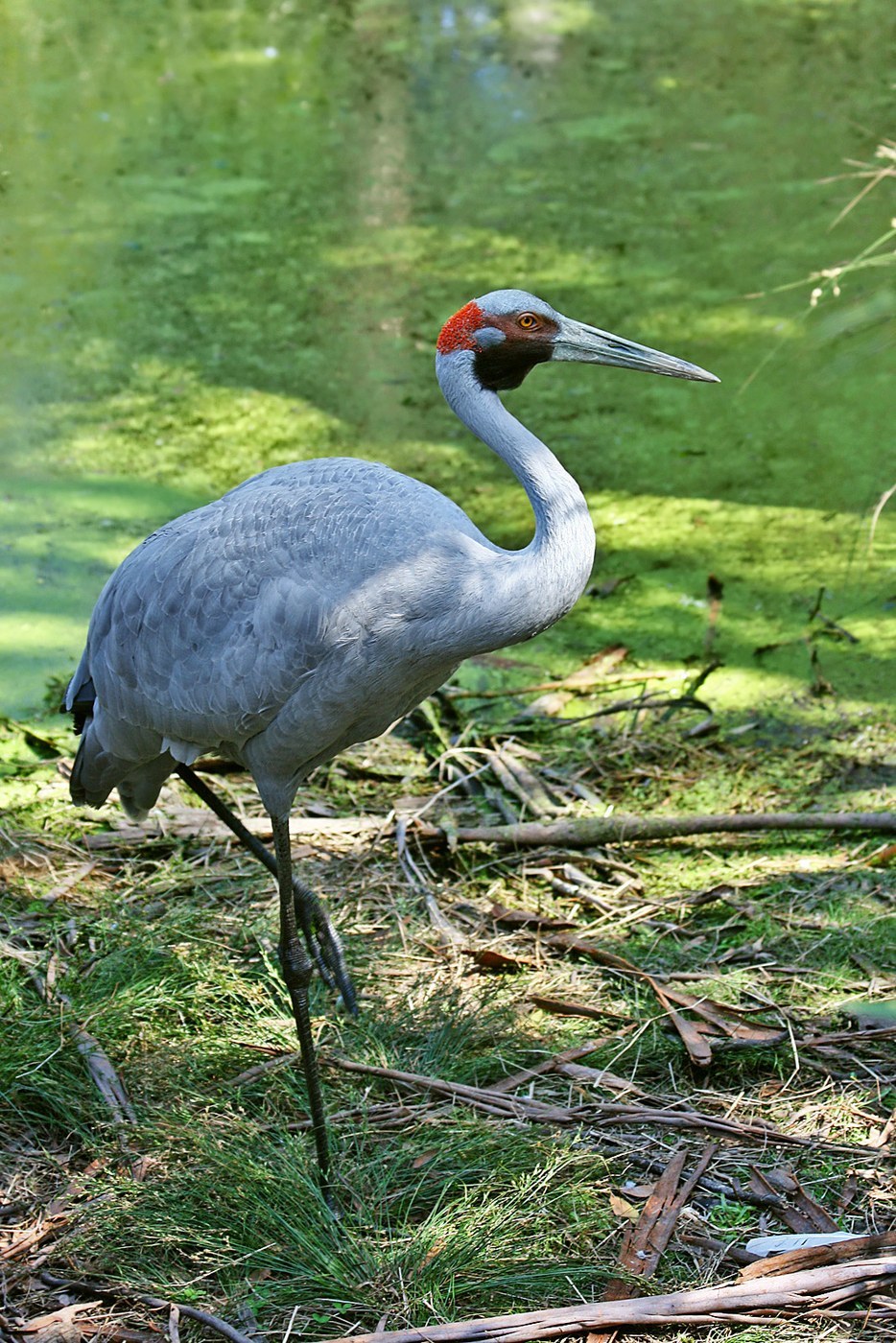
Brolga
Grey contour feathers with drooping bustle plumes
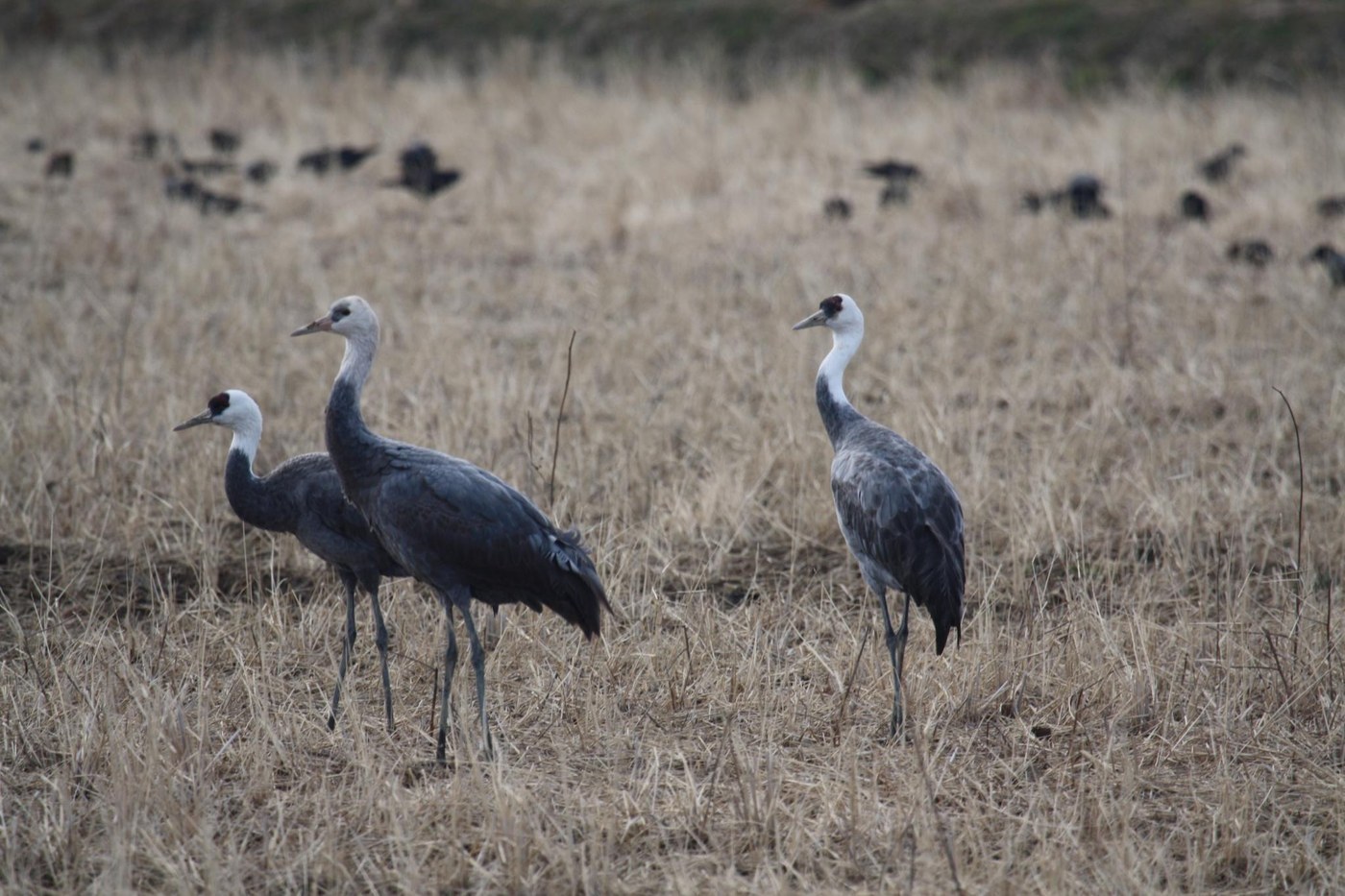
Hooded Crane
Dark slate-grey body feathers with a white head/upper neck 'hood' and black bustle plumes
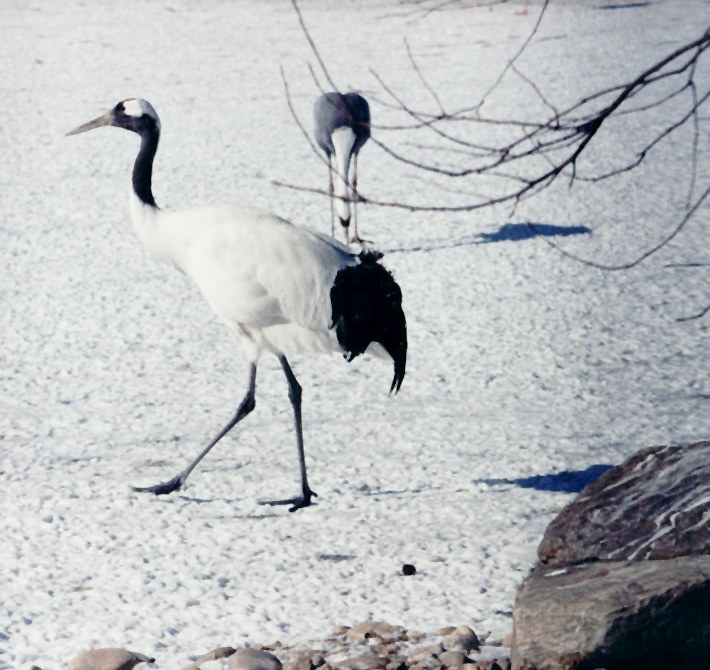
Red-crowned Crane
White contour feathers with black secondary/tertial bustle feathers and a bare red crown

Common Crane
Grey contour feathers with black head/neck feathers and drooping bustle plumes
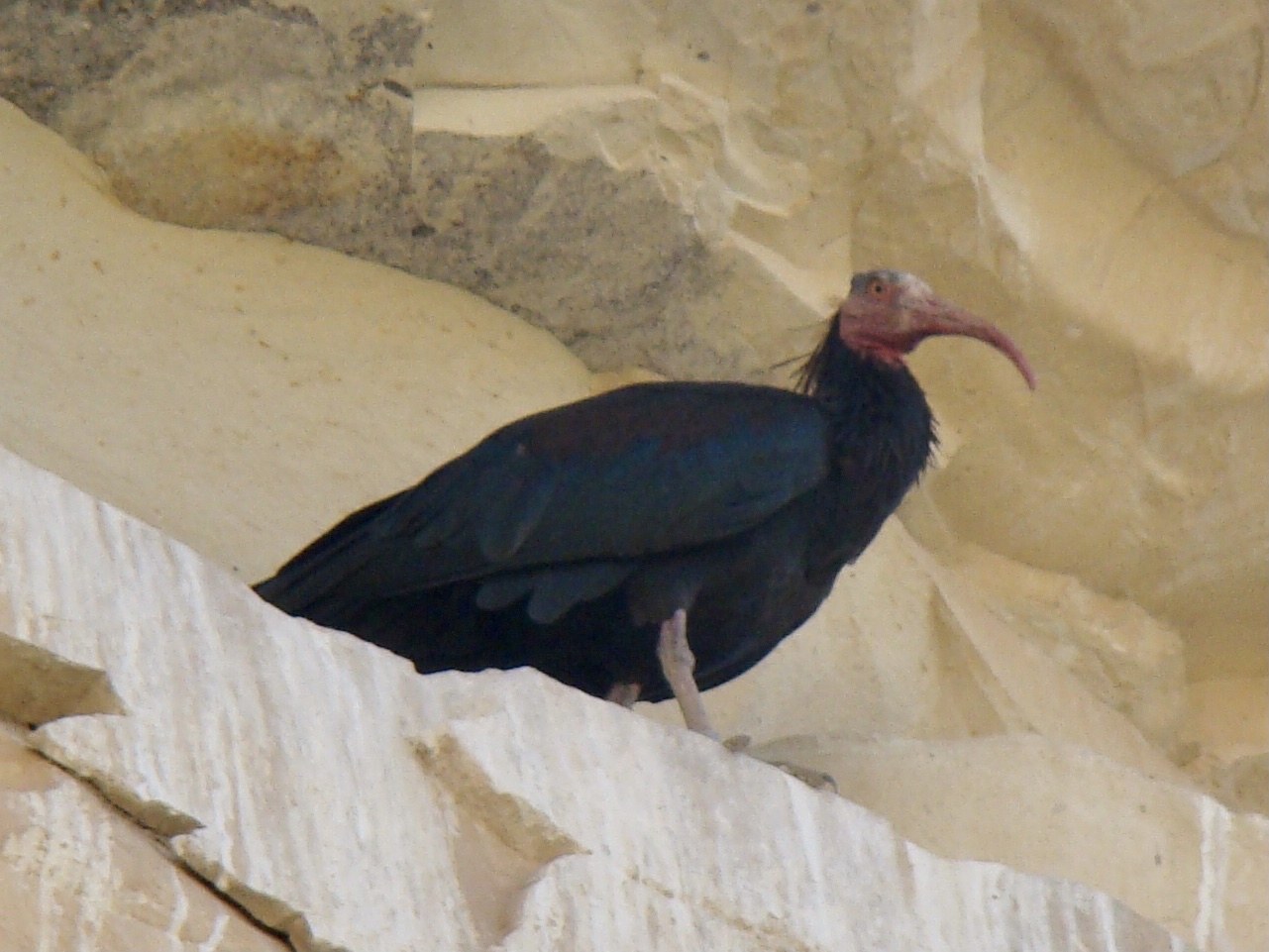
Northern Bald Ibis
Glossy black contour feathers with elongated nape plumes
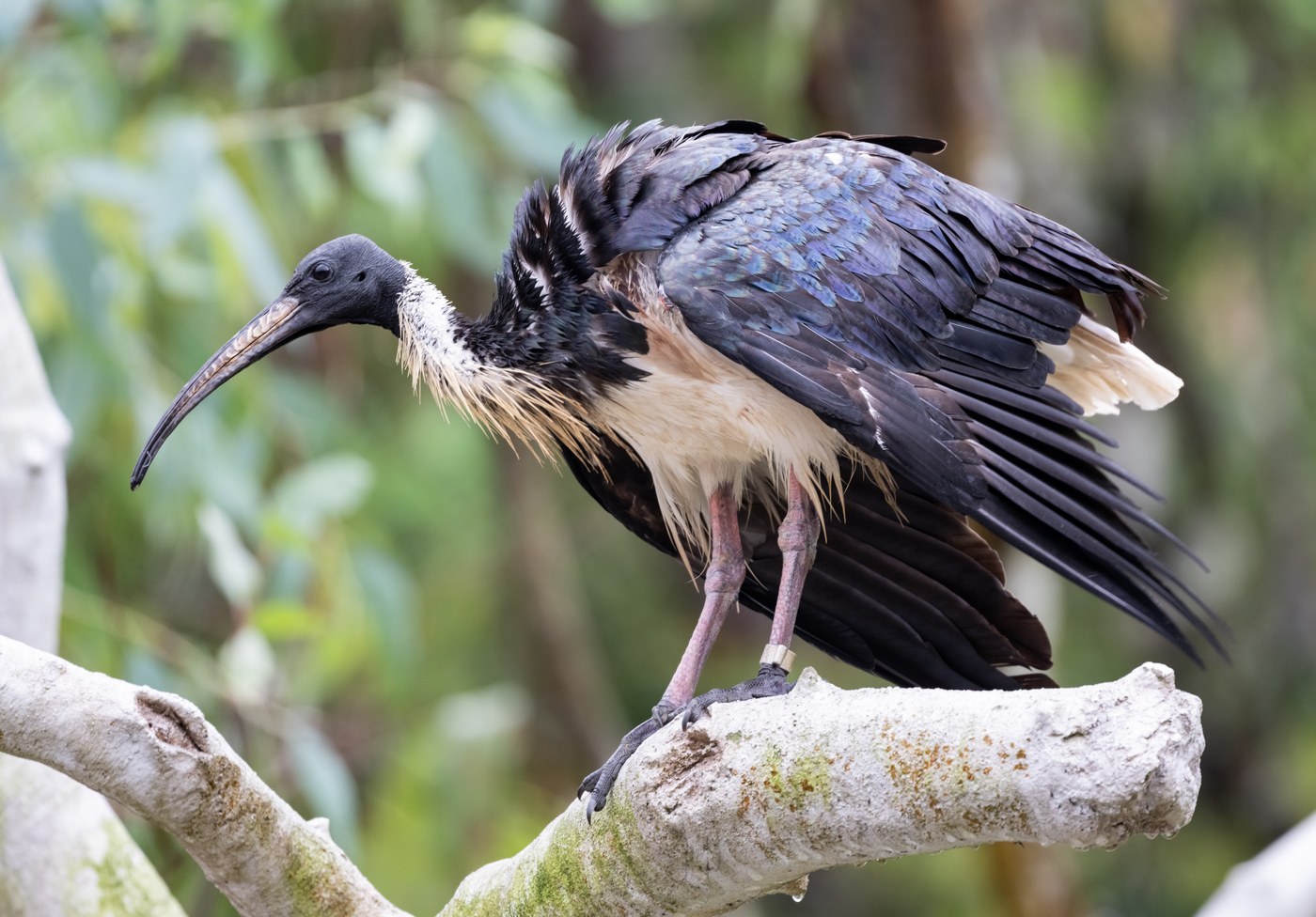
Straw-necked Ibis
Glossy contour feathers with unique straw-like neck plumes
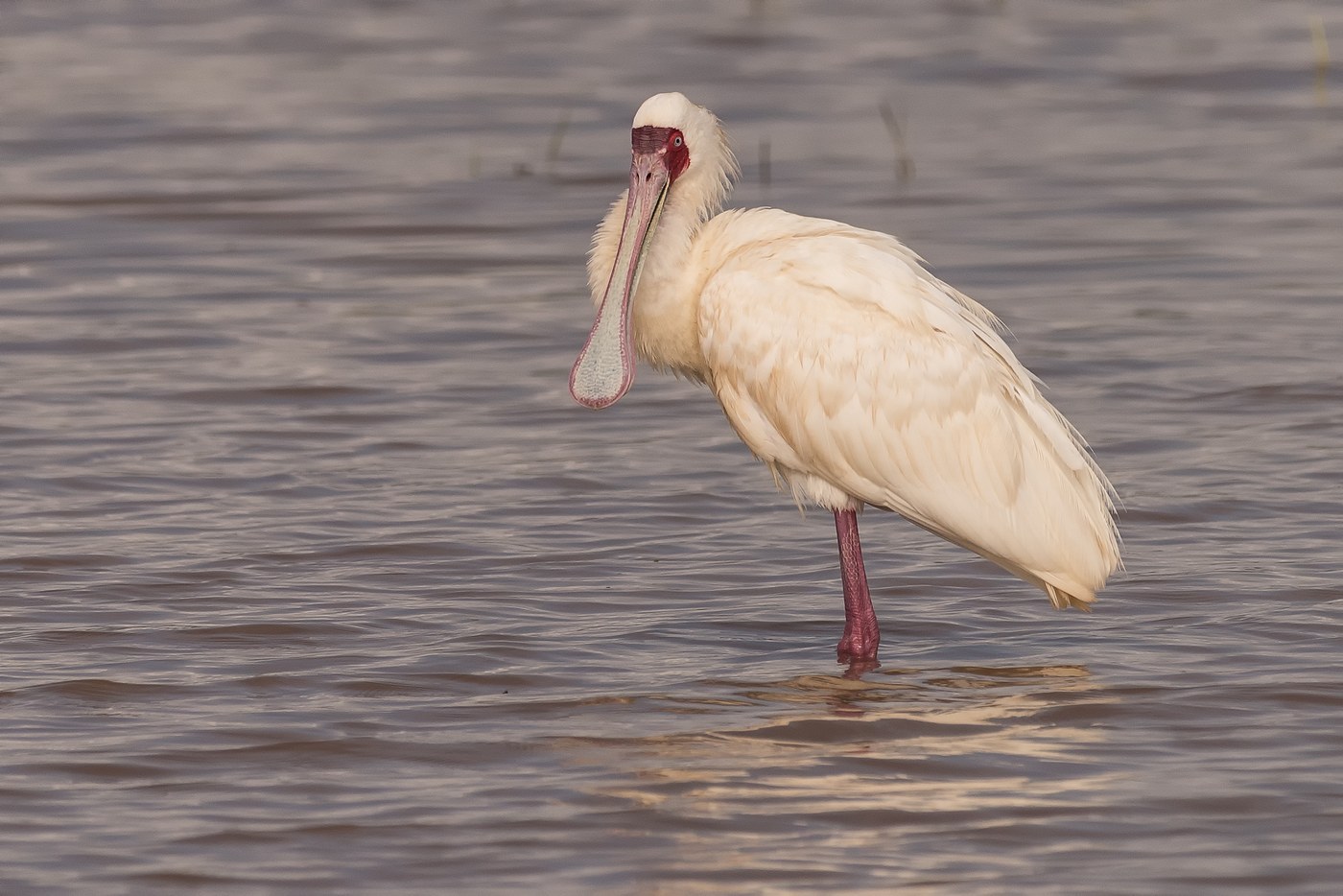
African Spoonbill
White contour and flight feathers, unmarked by black tips

Roseate Spoonbill
Pink and white contour and flight feathers with a carmine shoulder patch