
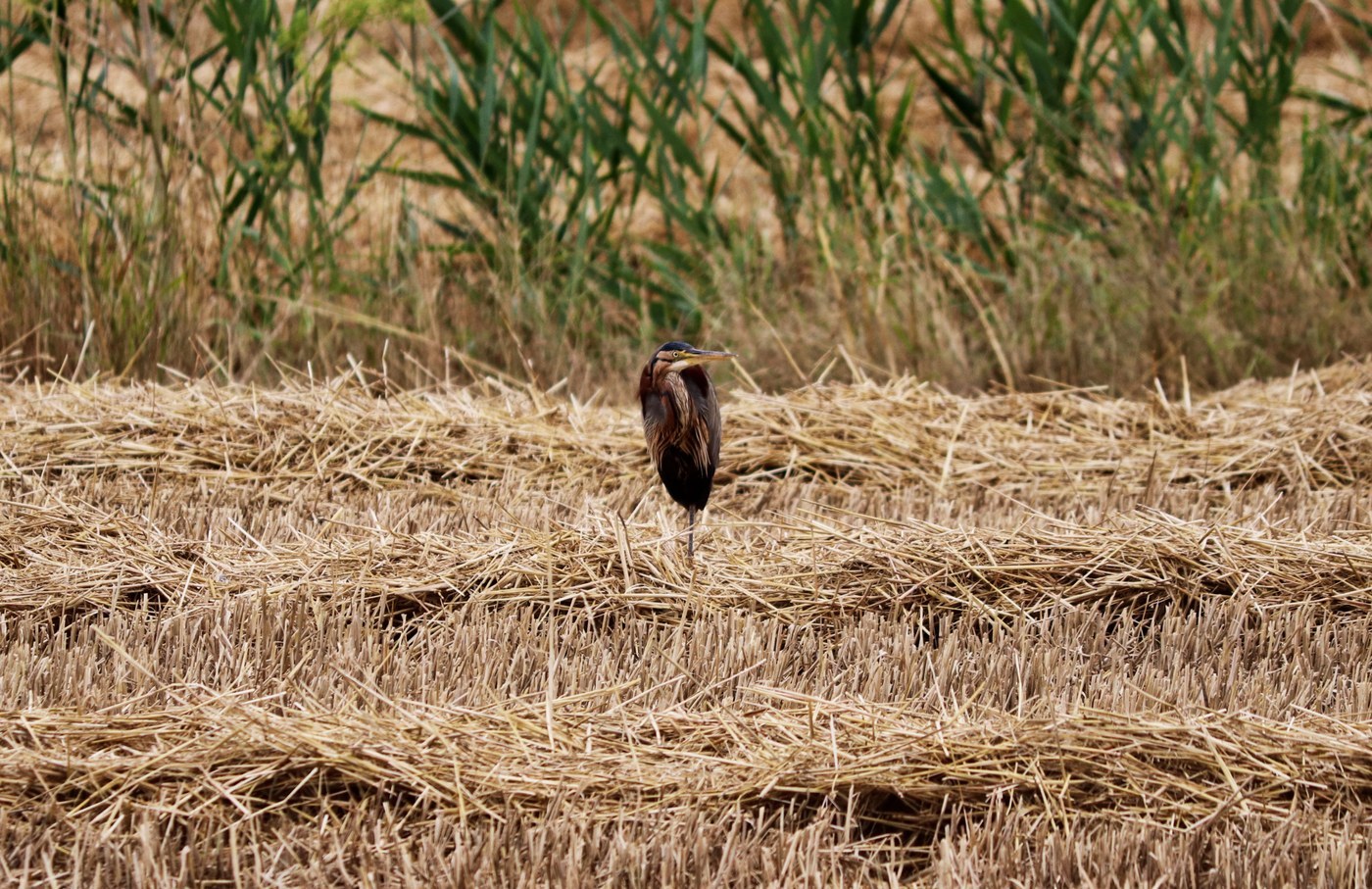
Purple Heron
Ardea purpurea
A slim, secretive relative of the Grey Heron with rich chestnut neck feathering and a habit of hiding among tall reeds.
- Feather type
- Slender contour feathers with rich chestnut and purple tones
- Colours
- Chestnut, purplish-maroon, slate-gray, black
- Bird size
- Large, ~78-97 cm tall
Found a feather like this?
Identify any feather from a photo, free.
Overview
Overview
The Purple Heron is a large but slender heron of the Old World, closely related to the Grey Heron but more richly colored and far less conspicuous. Its narrow build, long thin neck, and preference for dense reedbeds make it a more elusive bird, often glimpsed flying low over marsh vegetation rather than standing in the open.
- Slim-bodied heron with a notably long, thin neck
- Rich chestnut and purplish tones replace the gray of the Grey Heron
- Favors dense reed and papyrus marshes over open shorelines
Identifying the Feather
Feather Identification
Purple Heron feathers combine slate-gray upperparts with deep chestnut and purplish-maroon tones on the neck, shoulders, and underparts, differing from the cooler gray tones of Grey Heron feathers. Neck feathers often show fine dark streaking on a rufous-buff ground. Flight feathers are dark slate to blackish, long and narrow relative to the bird's size, reflecting its slimmer build. Body plumage is generally narrower and more elongated than that of the bulkier Grey Heron.
- Chestnut or maroon wash on neck and underpart feathers is diagnostic against grayer herons
- Narrower, more elongated feather shape reflects the species' slender profile
- Compare with Grey Heron: Purple Heron lacks the pale gray tones and shows warmer, darker coloring overall
- Long, drooping black crest plumes are a possible find near breeding colonies
Plumage & Molt
Plumage
Adults have a slate-gray back, chestnut neck and underparts, and a blackish crown extending into long black plumes down the nape. The foreneck shows dark streaking on a paler chestnut-buff background, and the shoulders often carry elongated, lance-shaped plumes. Juveniles are considerably duller, mostly buffy-brown, lacking the rich chestnut and slate contrast of adults, and can appear quite streaky. Breeding adults grow slightly elongated head, neck, and back plumes, though less dramatically ornate than those of egrets. Molt is gradual, with flight feather replacement spread over many months.
Habitat & Range
Habitat & Range
The Purple Heron breeds across parts of Europe, Africa, and Asia, favoring extensive reedbeds, papyrus swamps, and other dense marsh vegetation over open shorelines. European and temperate Asian populations are migratory, wintering in Africa and southern Asia, while African and some tropical Asian populations tend to be more sedentary. It generally avoids the open mudflats and lakeshores favored by the Grey Heron, staying closer to cover.
Behavior & Field Notes
Behavior & Field Notes
This heron is a patient, solitary hunter that often stalks prey while partly concealed within reeds rather than standing in open water. Its diet includes fish, amphibians, and various small aquatic and marsh animals. It nests in reedbeds or low trees, sometimes in loose colonies, building a platform nest of reed stems or sticks. Its call is a harsh, croaking note similar to but often higher-pitched than the Grey Heron's. When disturbed, it tends to freeze with its neck stretched upward, using its streaked plumage to blend into the reeds, a behavior distinct from the more open habits of many other herons.
Frequently asked questions
How does a Purple Heron feather differ from a Grey Heron feather?
Purple Heron feathers show warmer chestnut and maroon tones on the neck and underparts, while Grey Heron feathers are cooler gray throughout.
Why is the Purple Heron harder to see than other herons?
It prefers dense reedbeds and marsh vegetation rather than open shorelines, and its streaky, dark plumage helps it blend into cover.
Is the Purple Heron's neck shape distinctive?
Yes, its neck is notably longer and thinner than the Grey Heron's, giving it a slimmer overall silhouette.
Does the Purple Heron have breeding plumes?
It grows modest elongated plumes on the head, neck, and back during the breeding season, though less showy than those of egrets.
Purple Heron guides
In-depth guides for identifying and understanding Purple Heron.

Other feathers you may enjoy

Yellow-billed Spoonbill
White contour and flight feathers with fine breeding plumes on the back and breast
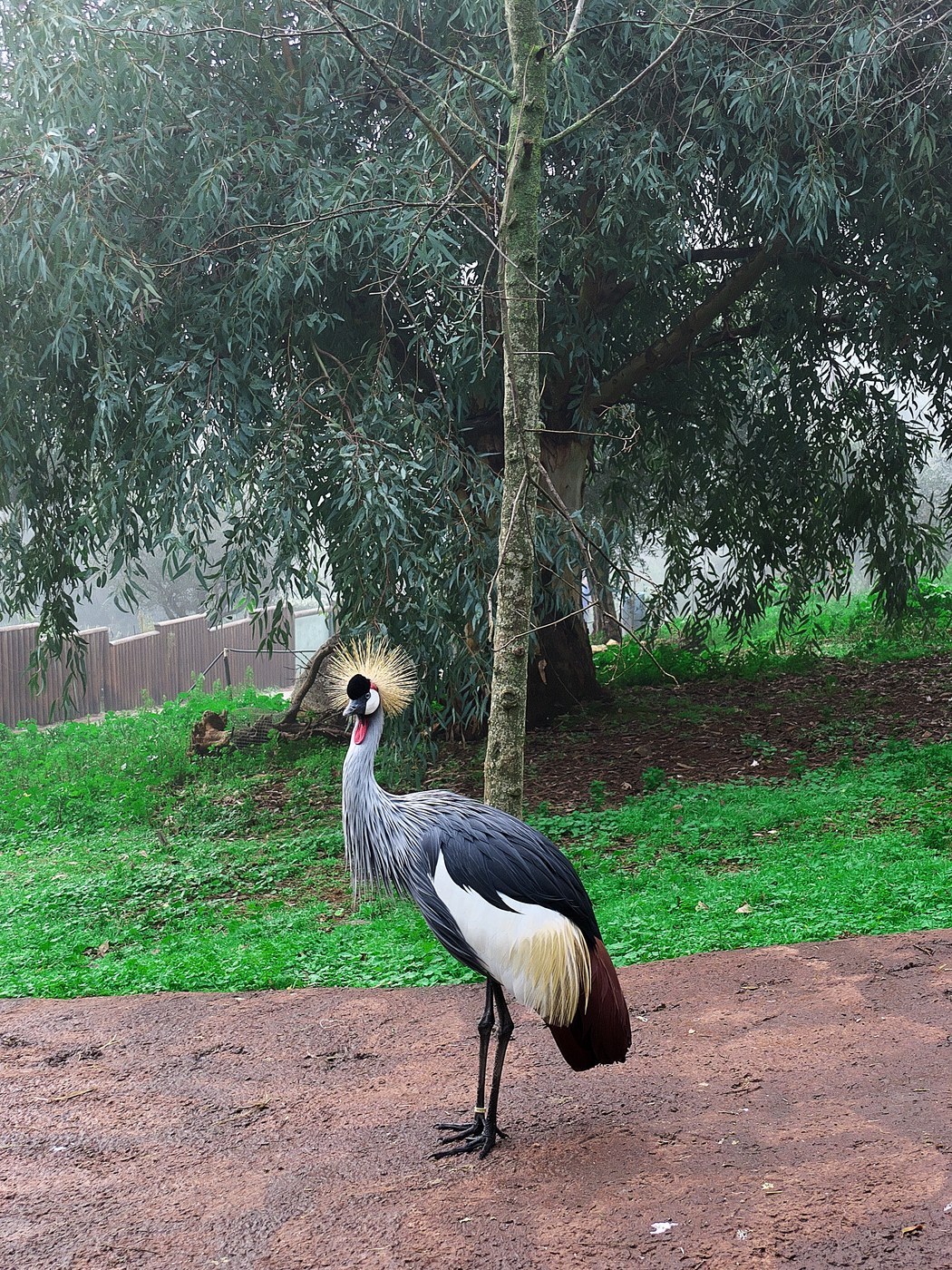
Grey Crowned Crane
Grey body feathers with white wing coverts, chestnut flight feathers, and stiff golden crown bristles
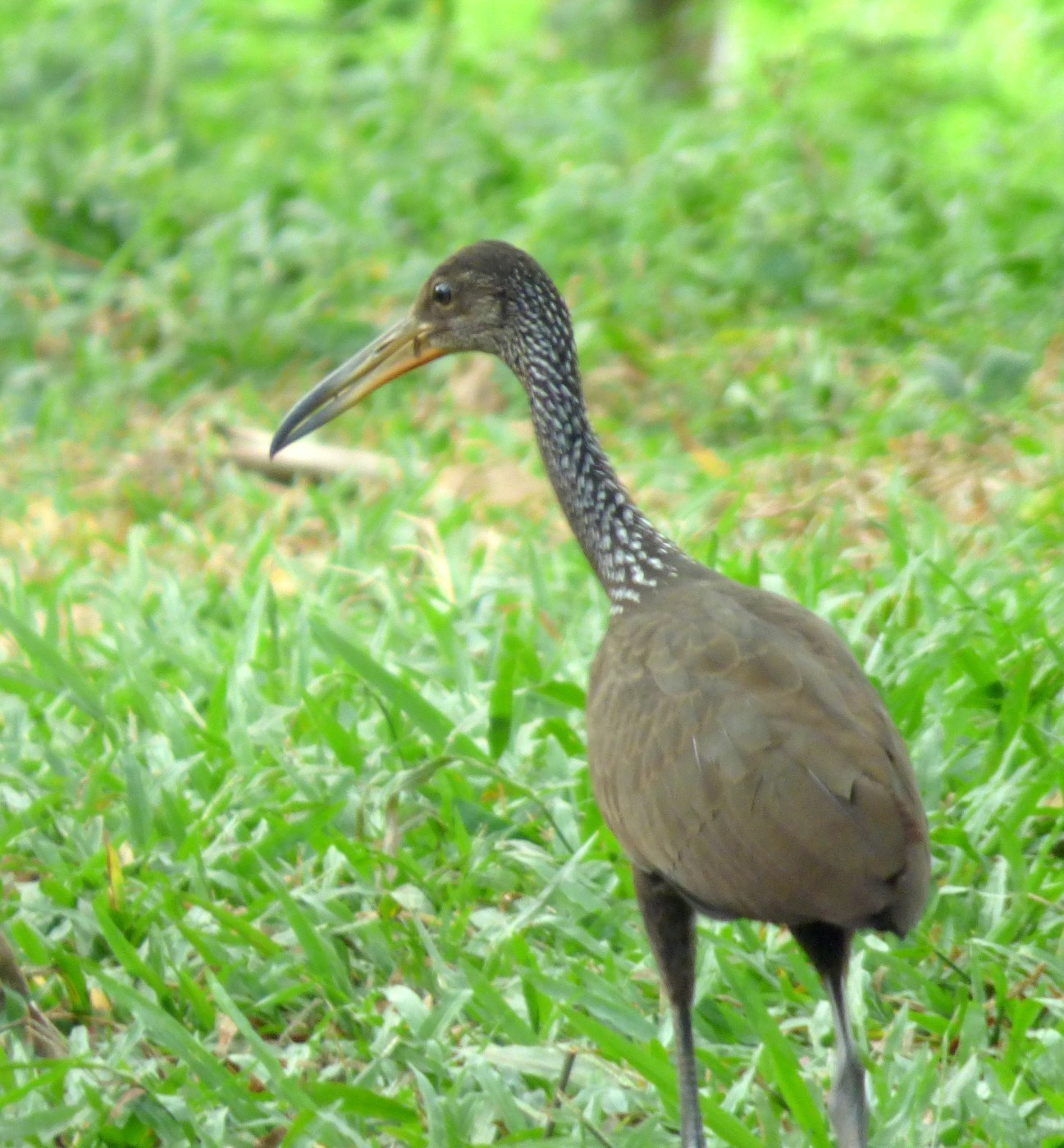
Limpkin
Brown contour feathers with white teardrop-shaped spots and streaks
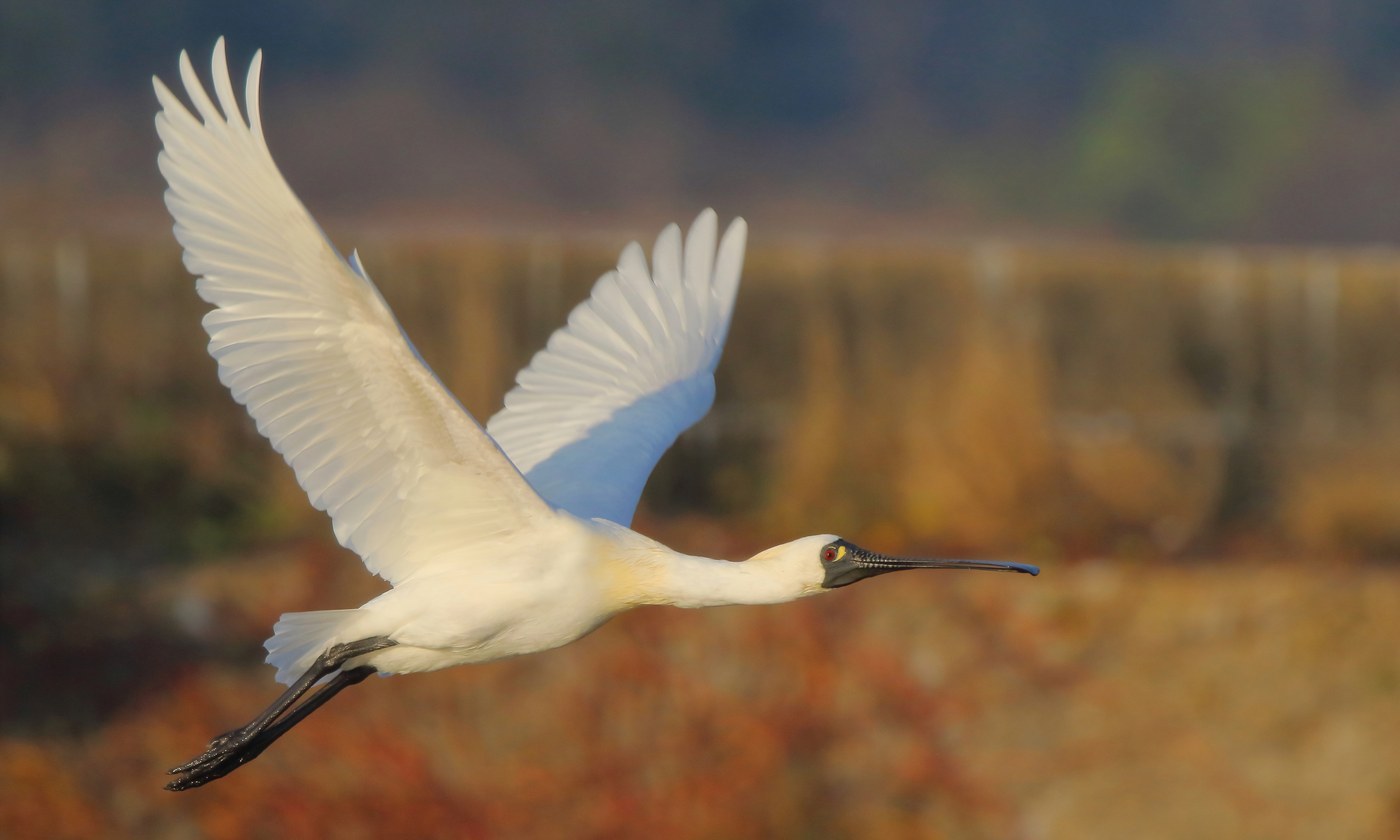
Black-faced Spoonbill
White contour and flight feathers with fine breeding crest and breast plumes
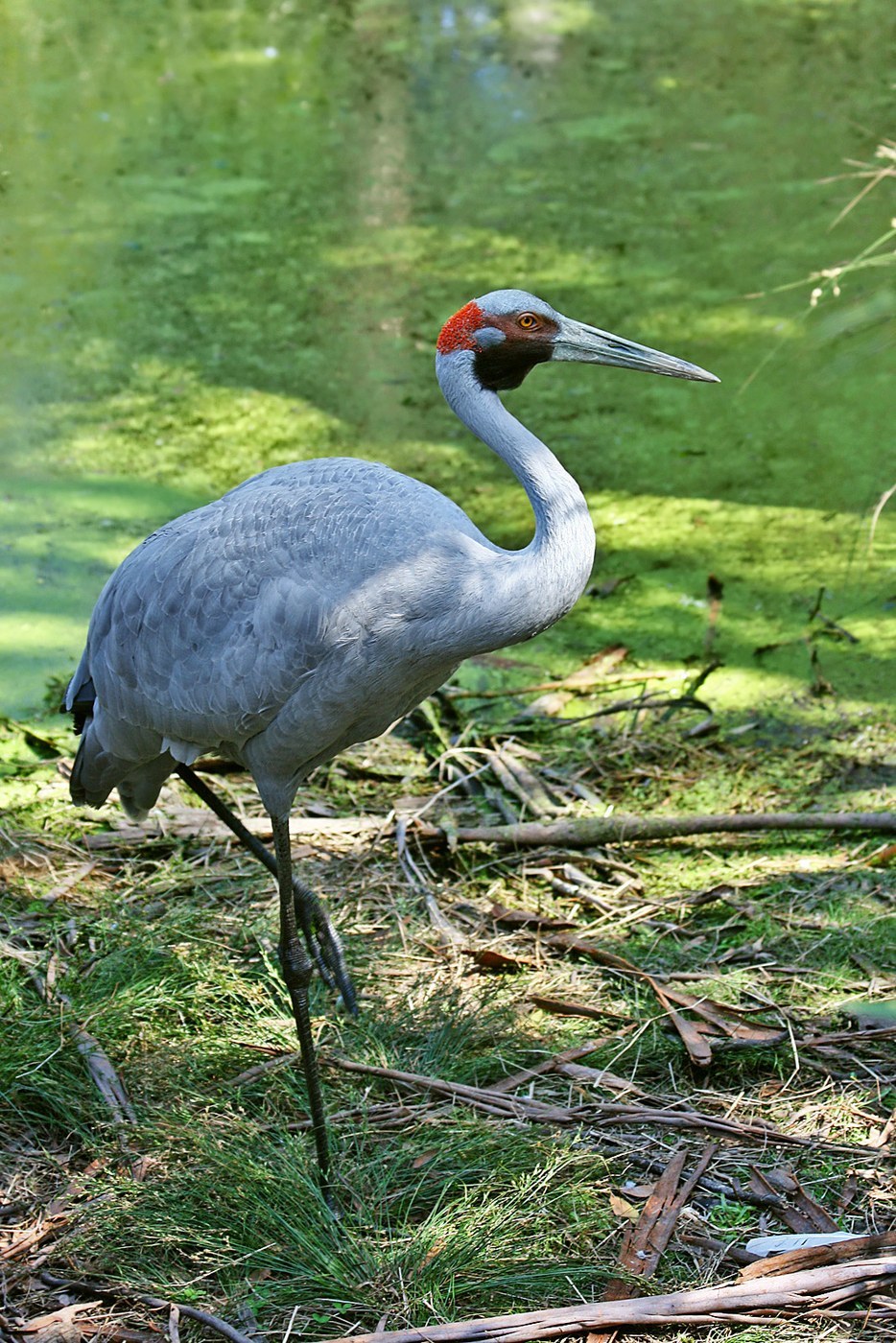
Brolga
Grey contour feathers with drooping bustle plumes
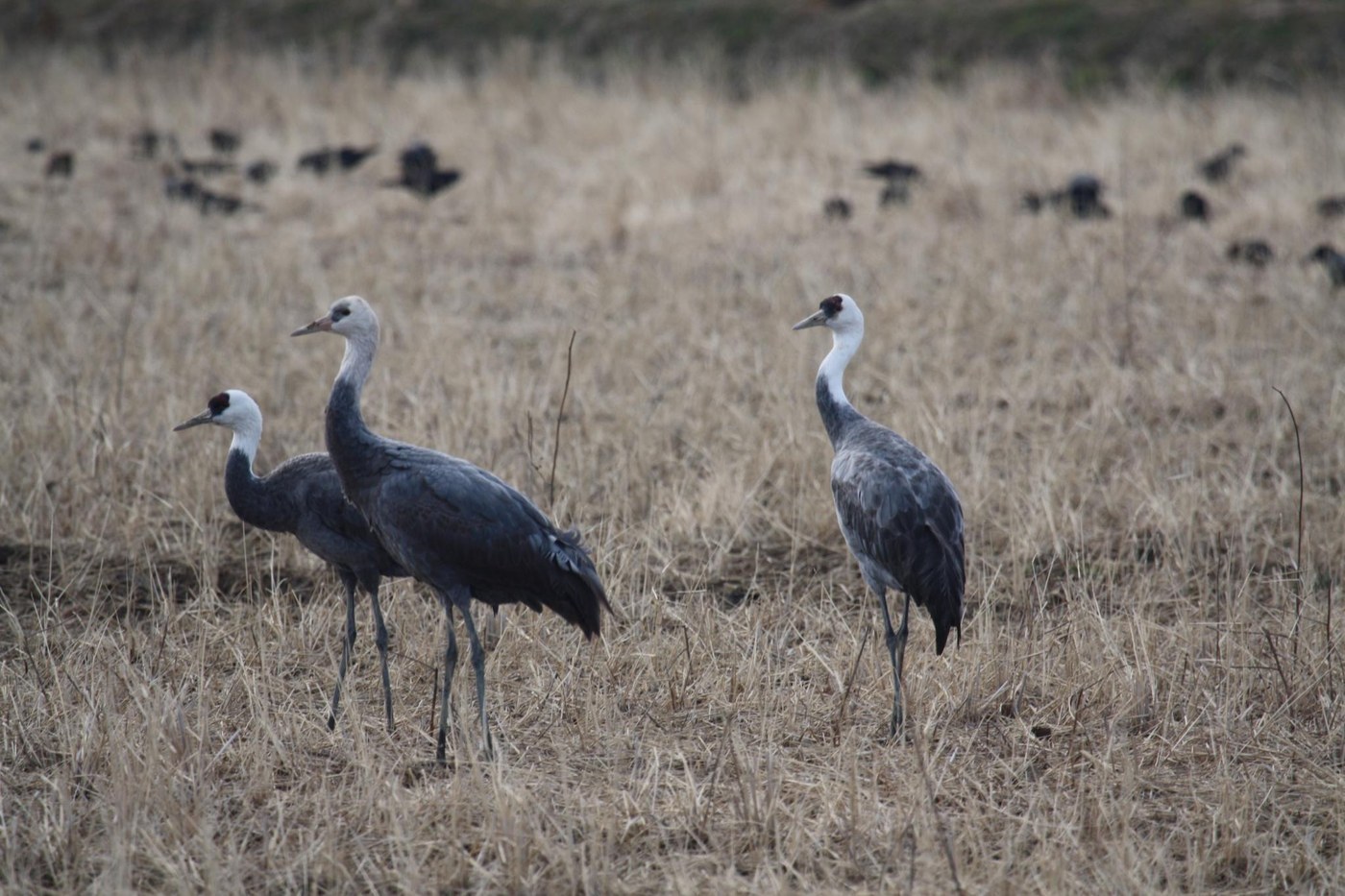
Hooded Crane
Dark slate-grey body feathers with a white head/upper neck 'hood' and black bustle plumes
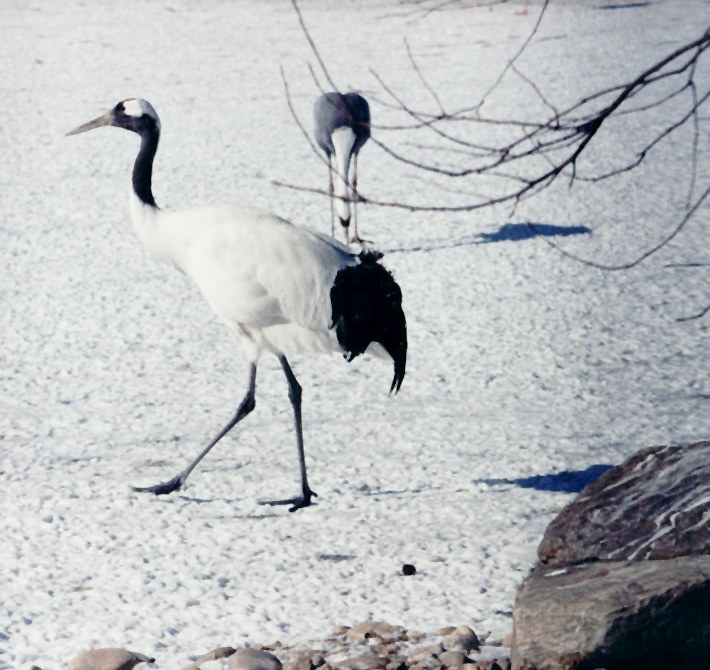
Red-crowned Crane
White contour feathers with black secondary/tertial bustle feathers and a bare red crown

Common Crane
Grey contour feathers with black head/neck feathers and drooping bustle plumes
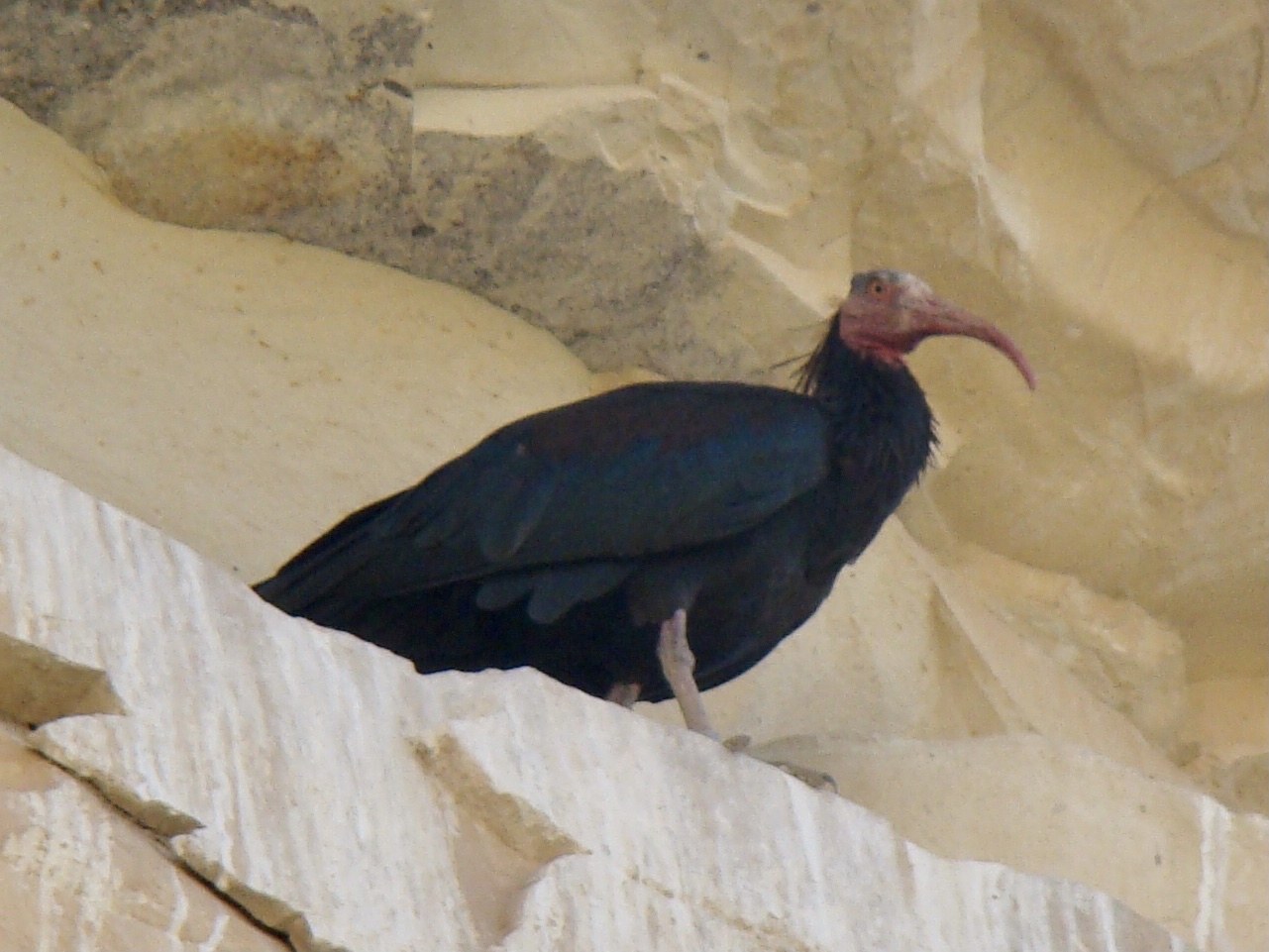
Northern Bald Ibis
Glossy black contour feathers with elongated nape plumes
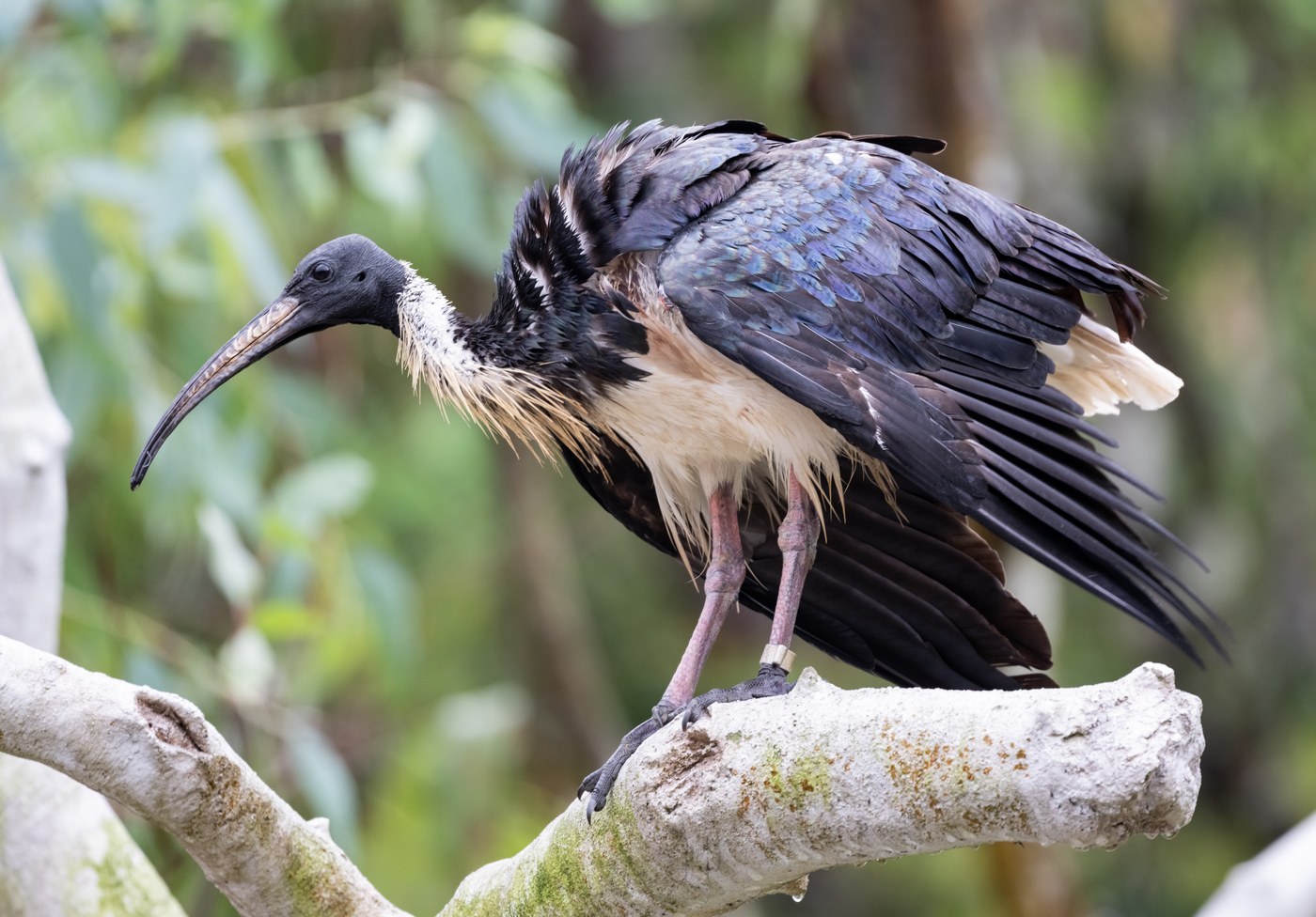
Straw-necked Ibis
Glossy contour feathers with unique straw-like neck plumes
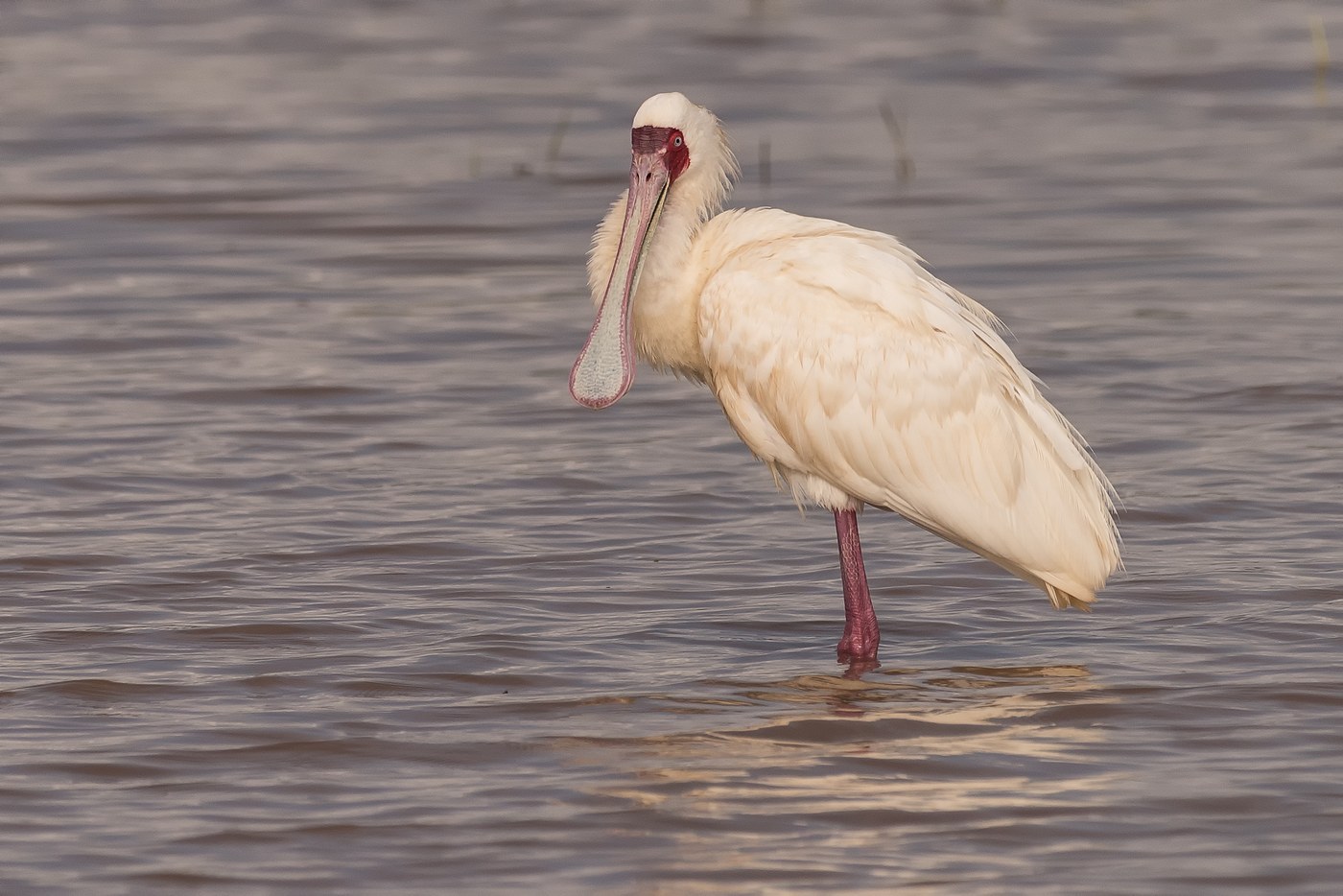
African Spoonbill
White contour and flight feathers, unmarked by black tips

Roseate Spoonbill
Pink and white contour and flight feathers with a carmine shoulder patch