
Hadada Ibis
Bostrychia hagedash
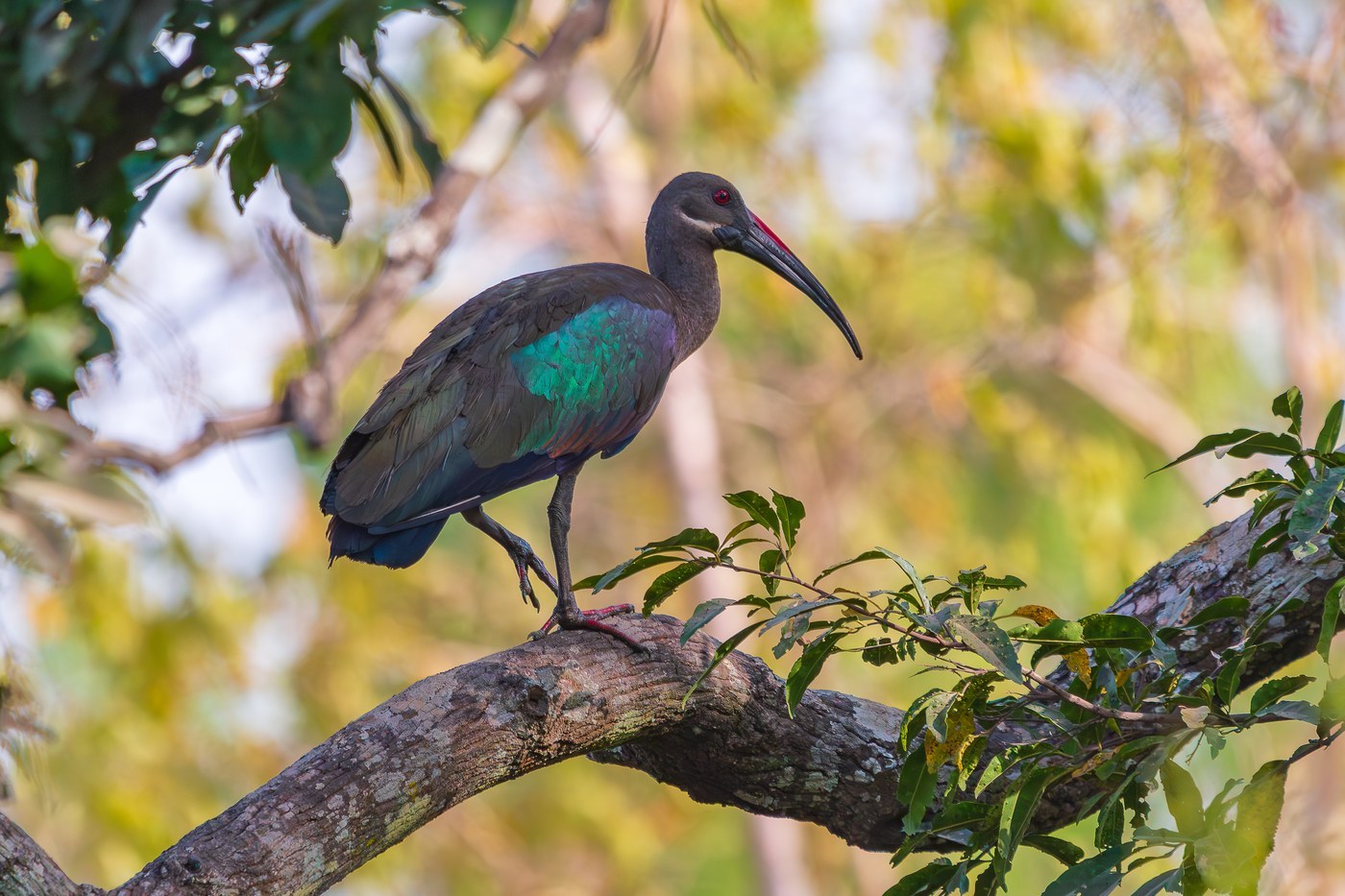
A loud, common African ibis best known for its raucous dawn call and the iridescent bronze-green patch on its otherwise plain grey-brown wings.
- Feather type
- Dull grey-brown body feathers with an iridescent wing patch
- Colours
- Grey-brown overall with a metallic green-purple wing-covert patch
- Bird size
- Medium-large ibis, ~76 cm
Found a feather like this?
Identify any feather from a photo, free.
Overview
The Hadada Ibis is one of the most familiar birds across sub-Saharan Africa, having adapted readily to gardens, golf courses, and urban parks. It is named onomatopoeically for its loud "ha-ha-ha-hadada" call, frequently given in flight at dawn and dusk. While its body plumage is unassuming grey-brown, the wing coverts carry a striking metallic sheen that reveals itself in good light.
Identifying the Feather
- Body contour feathers are matte grey-brown with little pattern, appearing dull and plain when found on their own.
- Wing covert feathers show a bold, glossy patch of iridescent bronze-green shifting to purple, edged with a thin white or pale line in some individuals - the single best clue to identify this species from a feather.
- Flight feathers (primaries and secondaries) are dark grey-brown without the strong iridescence seen on the coverts.
- The head and neck feathers are shorter and duller, lacking the bare skin patches of some other ibises.
- Distinguish from glossy ibis, which shows iridescence across the entire body rather than confined mainly to a wing patch, and from Straw-necked Ibis, which has white underparts.
Plumage & Molt
Adults are uniformly grey-brown with the diagnostic glossy wing-covert patch, a whitish stripe above the lores, and a long, downward-curving dark bill often marked with a reddish stripe along the upper ridge. Sexes look alike. Juveniles are duller and browner with less-developed iridescence on the wing coverts, brightening as they mature. Molt occurs gradually through the year without a sharply defined seasonal pattern in most tropical populations.
Habitat & Range
Hadada Ibis range across sub-Saharan Africa in savanna, open woodland, riverine forest edges, and increasingly in suburban gardens, parks, and golf courses where irrigation keeps the ground soft for foraging. Most populations are resident, with only local movements tied to rainfall and food availability rather than long-distance migration.
Behavior & Field Notes
This ibis forages by probing soft, damp soil and lawns with its long bill for earthworms and other soil invertebrates, often working in small groups on open ground. It nests in trees, building a stick platform, and is not strongly colonial compared to some ibis relatives. Its far-carrying, cackling call is one of the most recognizable bird sounds in African towns and cities, frequently given in flight. It has adapted exceptionally well to human-altered landscapes, becoming a common urban and suburban species.
Frequently asked questions
What is the easiest way to identify a Hadada Ibis feather?
Look for the glossy bronze-green-to-purple patch on the wing coverts contrasting with otherwise plain grey-brown body feathers.
Do juvenile Hadada Ibis have the same iridescent patch?
The patch is present but duller and less developed in juveniles, becoming brighter as the bird matures.
Is the Hadada Ibis found in cities?
Yes, it has become very common in gardens, parks, and golf courses across much of sub-Saharan Africa.
How does it differ from a glossy ibis feather?
Glossy ibis feathers show iridescence over most of the body, while Hadada Ibis iridescence is largely confined to the wing coverts.
Hadada Ibis guides
In-depth guides for identifying and understanding Hadada Ibis.
Other feathers you may enjoy

Yellow-billed Spoonbill
White contour and flight feathers with fine breeding plumes on the back and breast
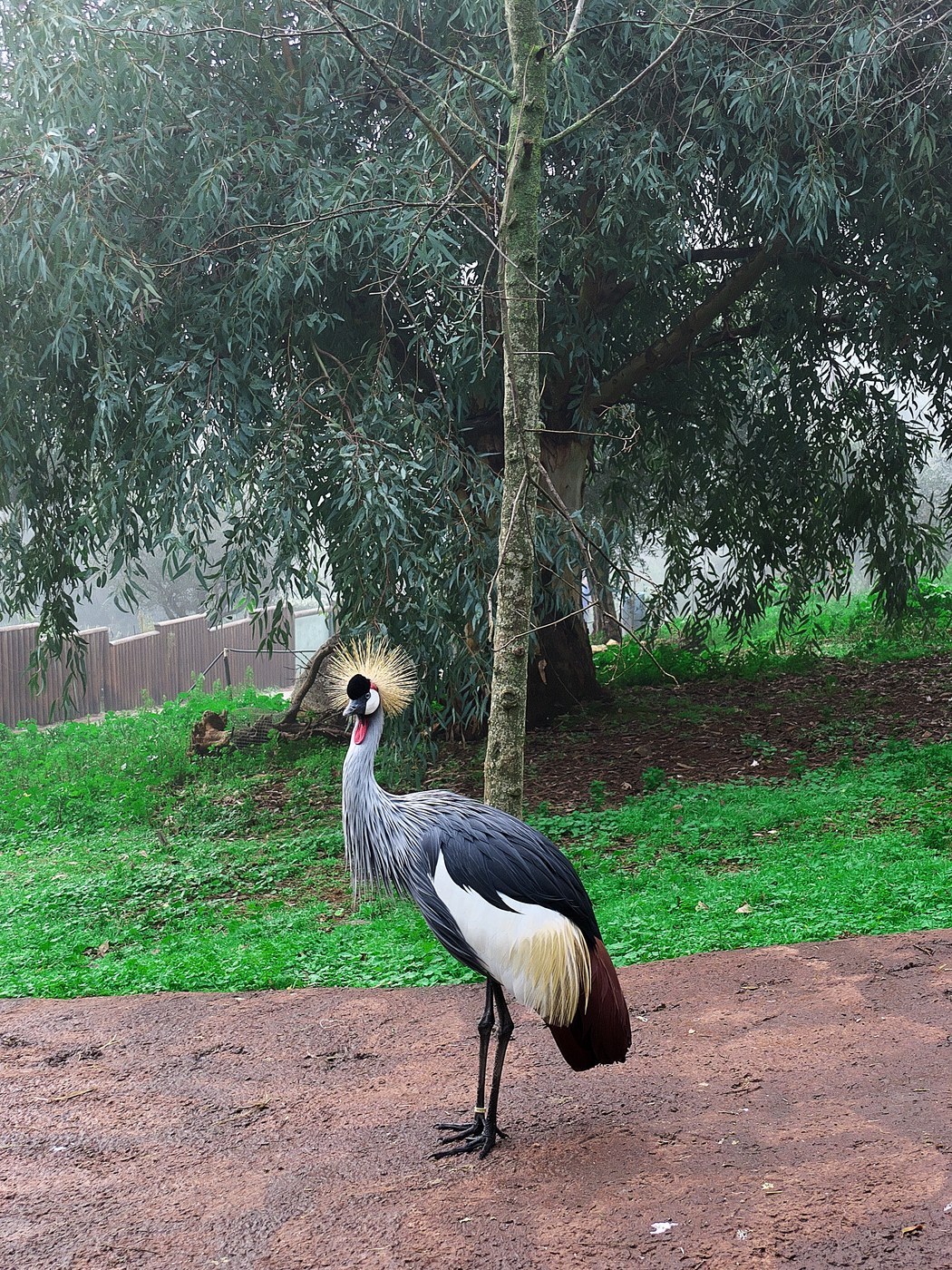
Grey Crowned Crane
Grey body feathers with white wing coverts, chestnut flight feathers, and stiff golden crown bristles
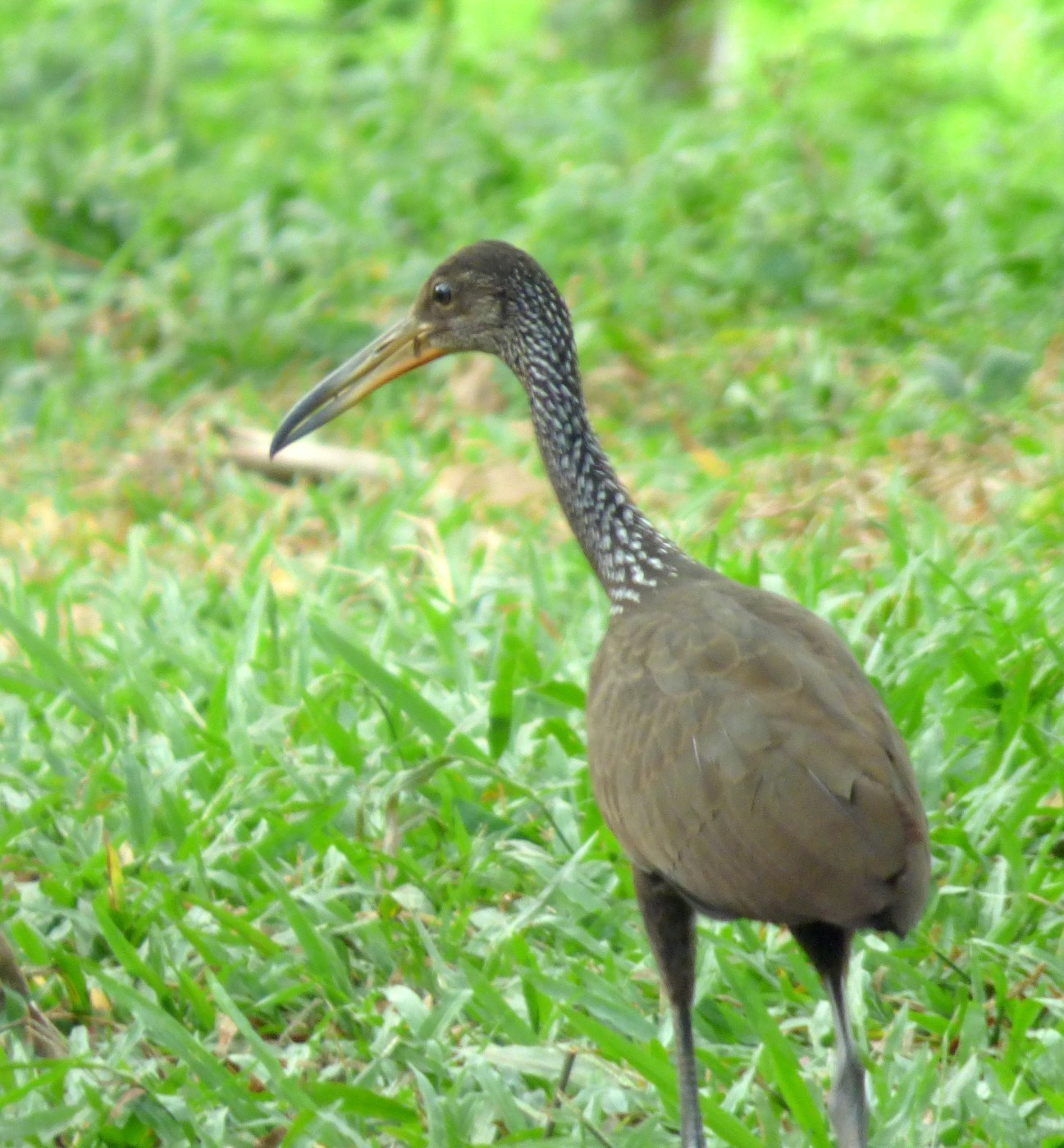
Limpkin
Brown contour feathers with white teardrop-shaped spots and streaks
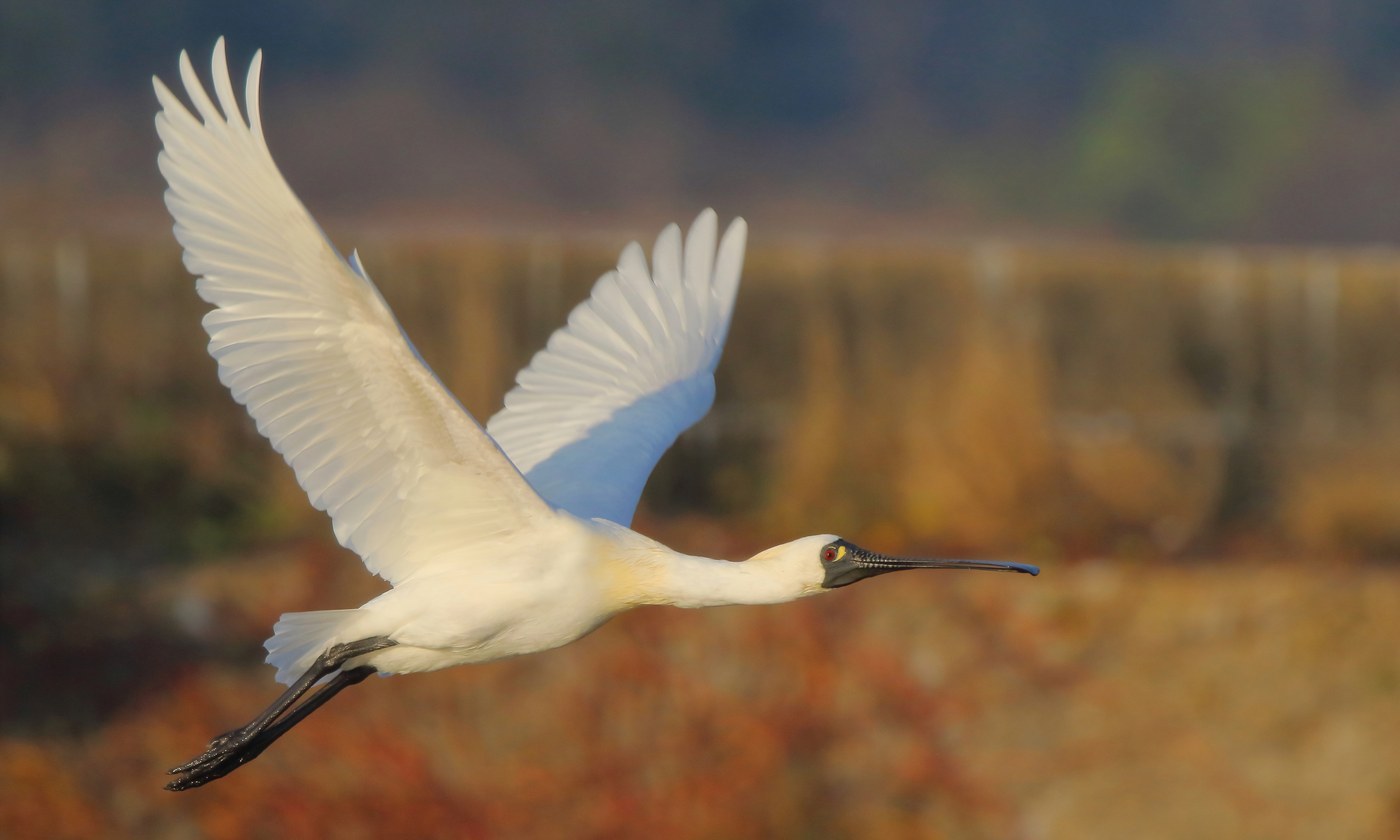
Black-faced Spoonbill
White contour and flight feathers with fine breeding crest and breast plumes
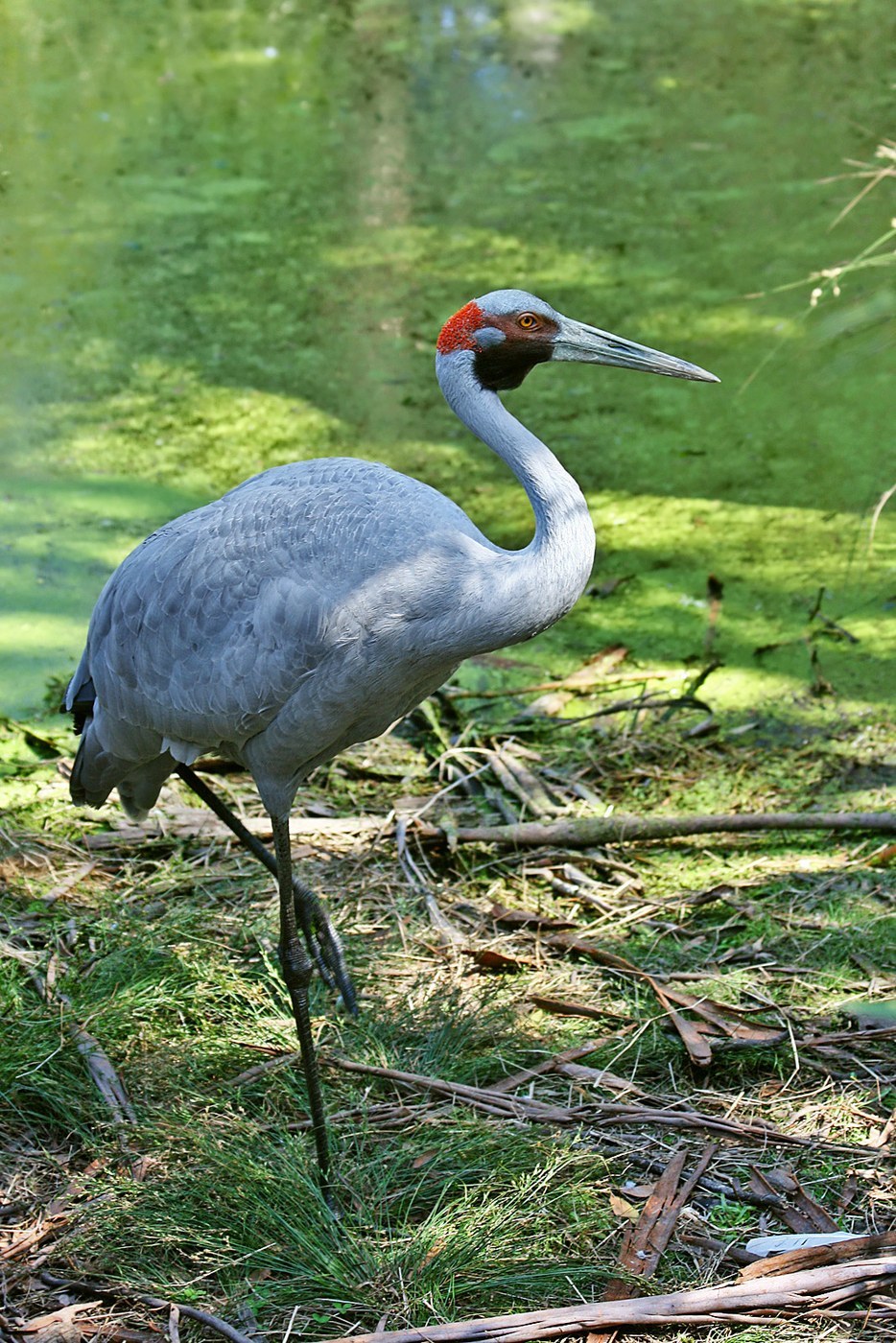
Brolga
Grey contour feathers with drooping bustle plumes
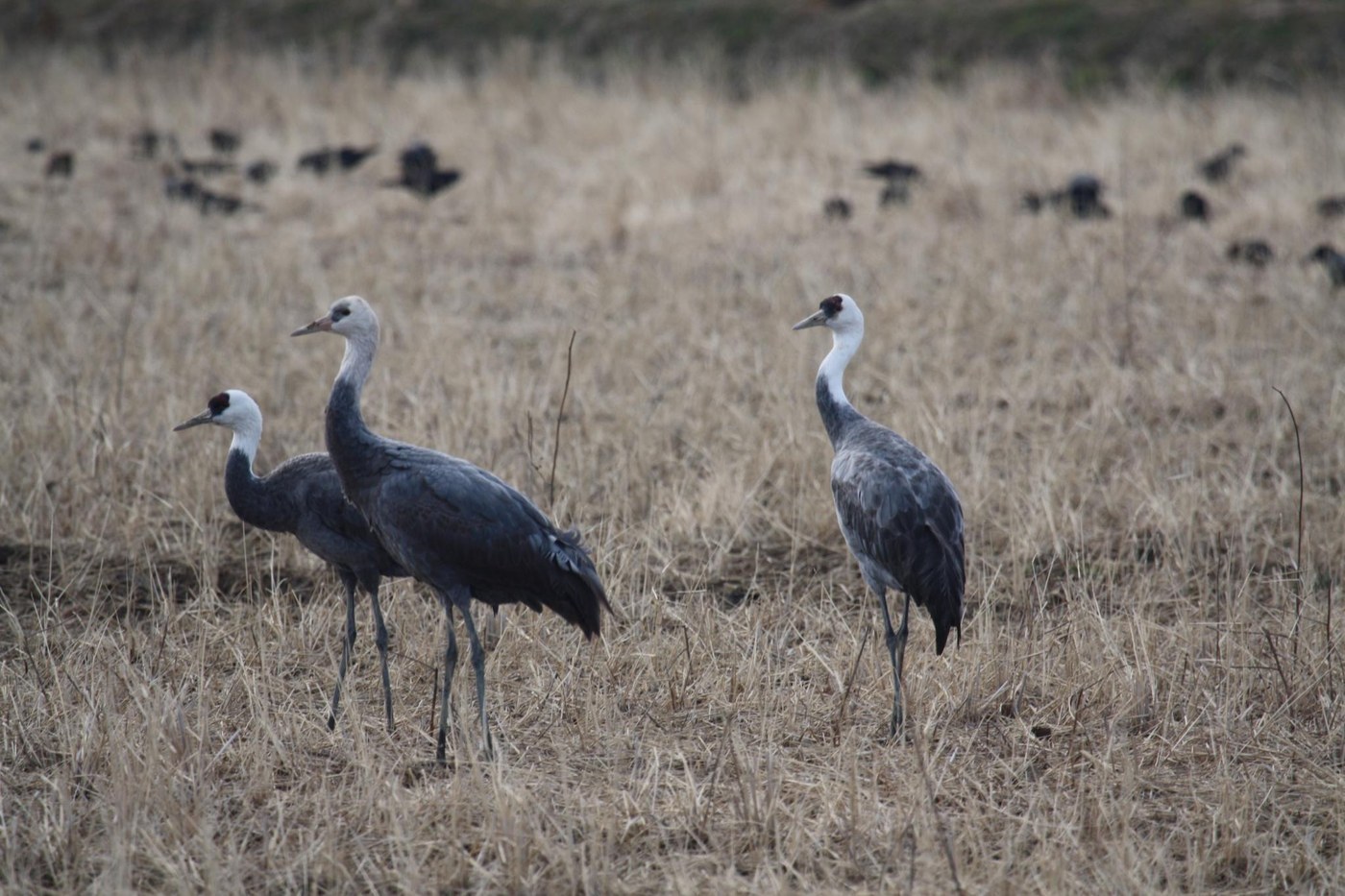
Hooded Crane
Dark slate-grey body feathers with a white head/upper neck 'hood' and black bustle plumes
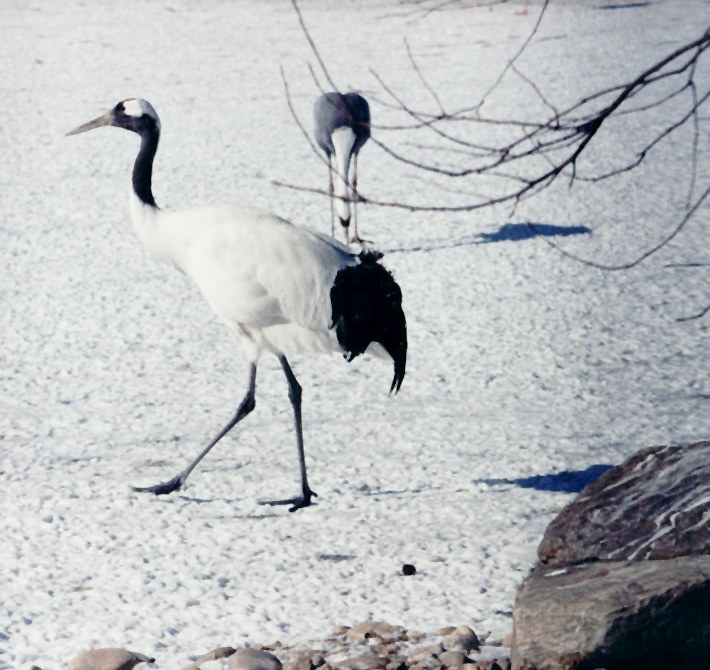
Red-crowned Crane
White contour feathers with black secondary/tertial bustle feathers and a bare red crown

Common Crane
Grey contour feathers with black head/neck feathers and drooping bustle plumes
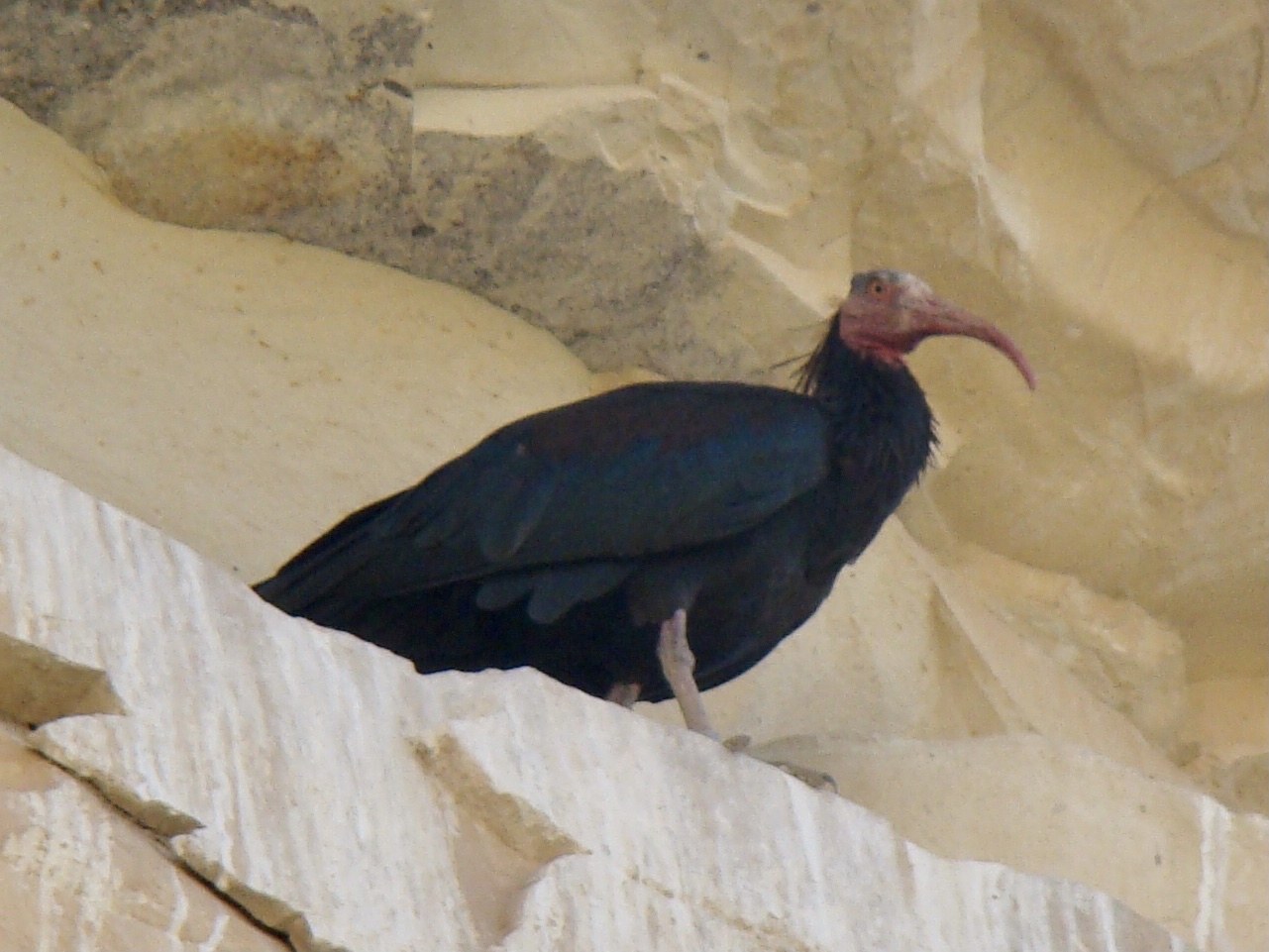
Northern Bald Ibis
Glossy black contour feathers with elongated nape plumes
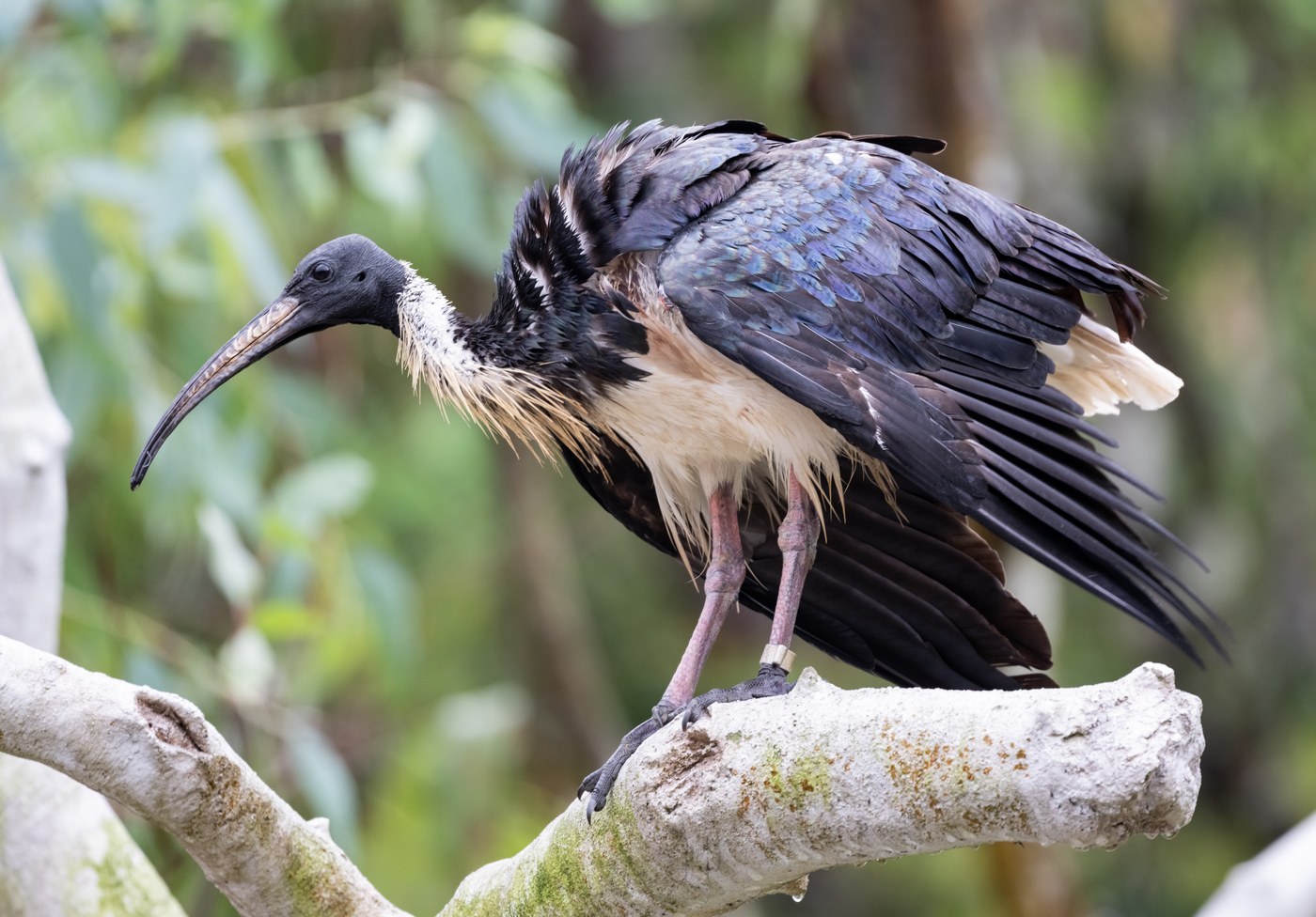
Straw-necked Ibis
Glossy contour feathers with unique straw-like neck plumes
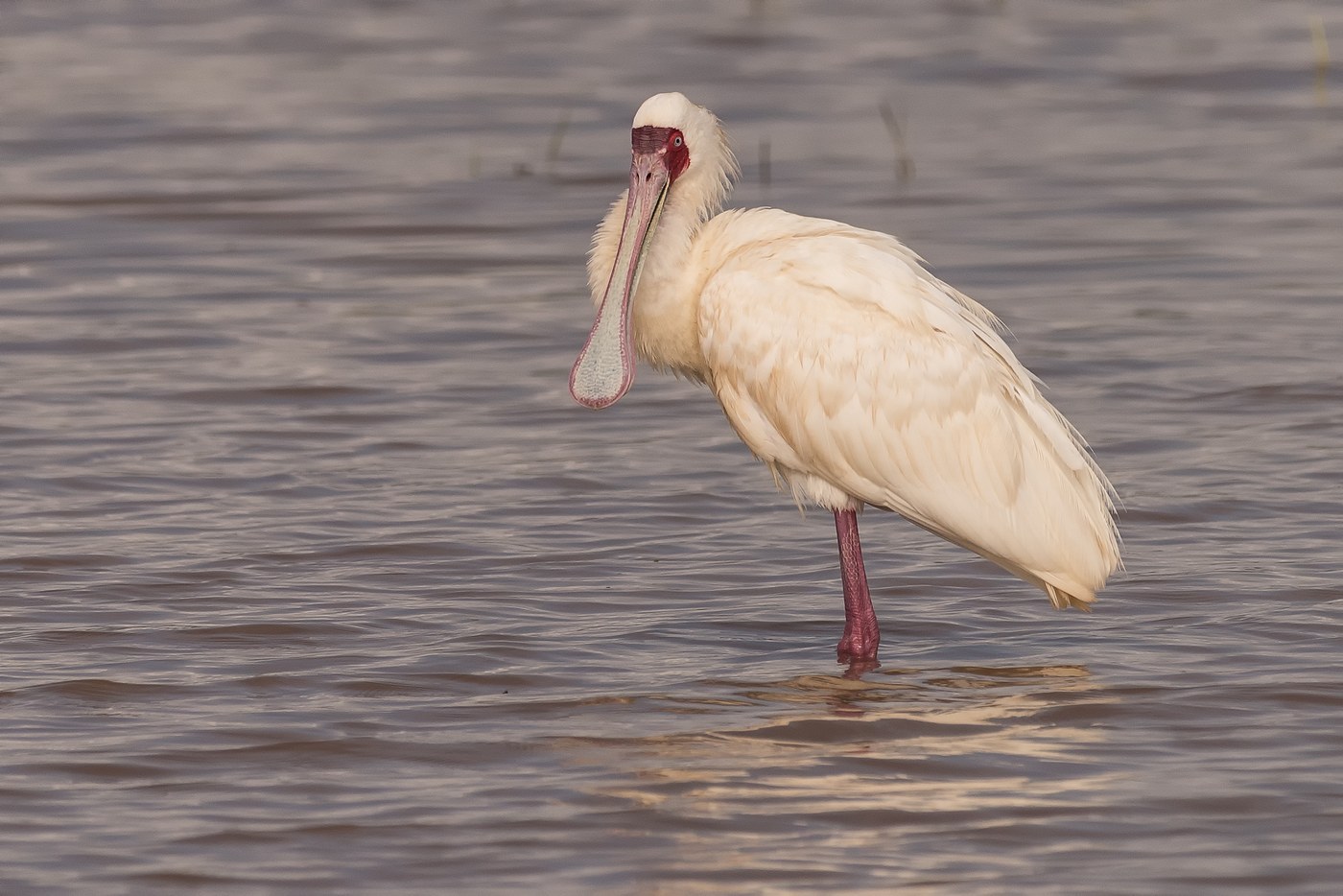
African Spoonbill
White contour and flight feathers, unmarked by black tips

Roseate Spoonbill
Pink and white contour and flight feathers with a carmine shoulder patch