
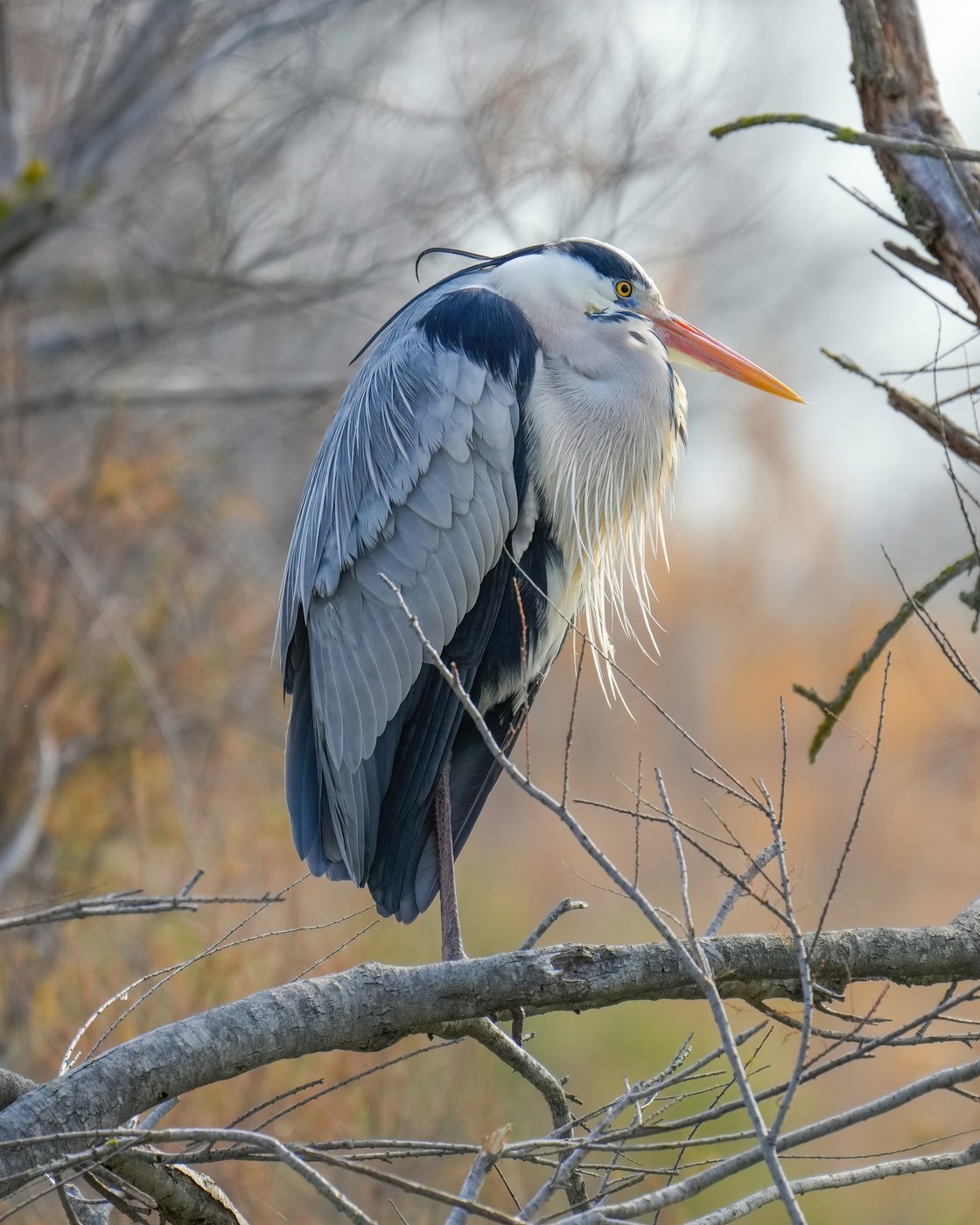
Grey Heron
Ardea cinerea
A tall, still-hunting wading bird whose pale grey body plumage, black head plumes, and dark flight feathers make it one of the most recognizable large waterbirds in Europe, Asia, and Africa.
- Feather type
- Elongated plume, flight, and body feathers
- Colours
- Pale grey body, black head plumes, white head/neck, blackish flight feathers
- Bird size
- Large wading bird, ~90-100 cm
Found a feather like this?
Identify any feather from a photo, free.
Overview
The Grey Heron is a widespread, large wading bird often seen standing motionless at the water's edge waiting to strike at fish. Its combination of pale grey body plumage and elegant ornamental head plumes gives it a distinctive and elegant appearance.
Identifying the Feather
Grey Heron body plumage is predominantly pale ash-grey, contrasting with blackish flight feathers on the wings that are clearly visible in flight against the paler coverts. The head and neck are largely white, with a black stripe running from above the eye back into elongated black plumes that trail off the back of the head, especially prominent in breeding adults. Long, lance-shaped ornamental plumes also develop on the lower neck and back during the breeding season, feathers that are notably finer and more filamentous than ordinary body contour feathers. The bill is long and dagger-like, an associated feature though not a feather itself.
Plumage & Molt
Sexes look alike in plumage. Breeding adults develop the long ornamental head, neck, and back plumes described above, which are reduced or absent outside the breeding season. Juveniles are duller grey-brown overall, lacking the crisp white head and black plumes, developing full adult plumage over about two years. Adults undergo a complete molt after breeding.
Habitat & Range
Grey Herons favor a wide range of wetland habitats including rivers, lake margins, marshes, and coastal shallows, foraging in both fresh and brackish water. The species breeds across much of Europe, Asia, and Africa, with northern populations partially migratory and southern populations largely resident.
Behavior & Field Notes
Grey Herons hunt using patient, motionless stalking or standing in shallow water before striking rapidly with the bill to catch fish, amphibians, and other small prey. They give a harsh, croaking "fraank" call, often in flight. The species nests colonially in tall trees, forming heronries that can be used for many years.
Frequently asked questions
What feathers show a Grey Heron is in breeding condition?
Long, fine plumes on the head, neck, and back develop during the breeding season and are largely lost or reduced outside it.
How can I distinguish Grey Heron flight feathers from body feathers?
Flight feathers are notably darker, blackish-grey, and stiffer than the soft, pale ash-grey body contour feathers.
Do juvenile Grey Herons look different from adults?
Yes, juveniles are duller grey-brown overall without the crisp white head and black plumes of adults, taking about two years to reach full adult plumage.
Where are Grey Heron feathers commonly found?
Near wetlands, riverbanks, and lake edges, and especially beneath tree colonies known as heronries.
Grey Heron guides
In-depth guides for identifying and understanding Grey Heron.
Other feathers you may enjoy

Yellow-billed Spoonbill
White contour and flight feathers with fine breeding plumes on the back and breast
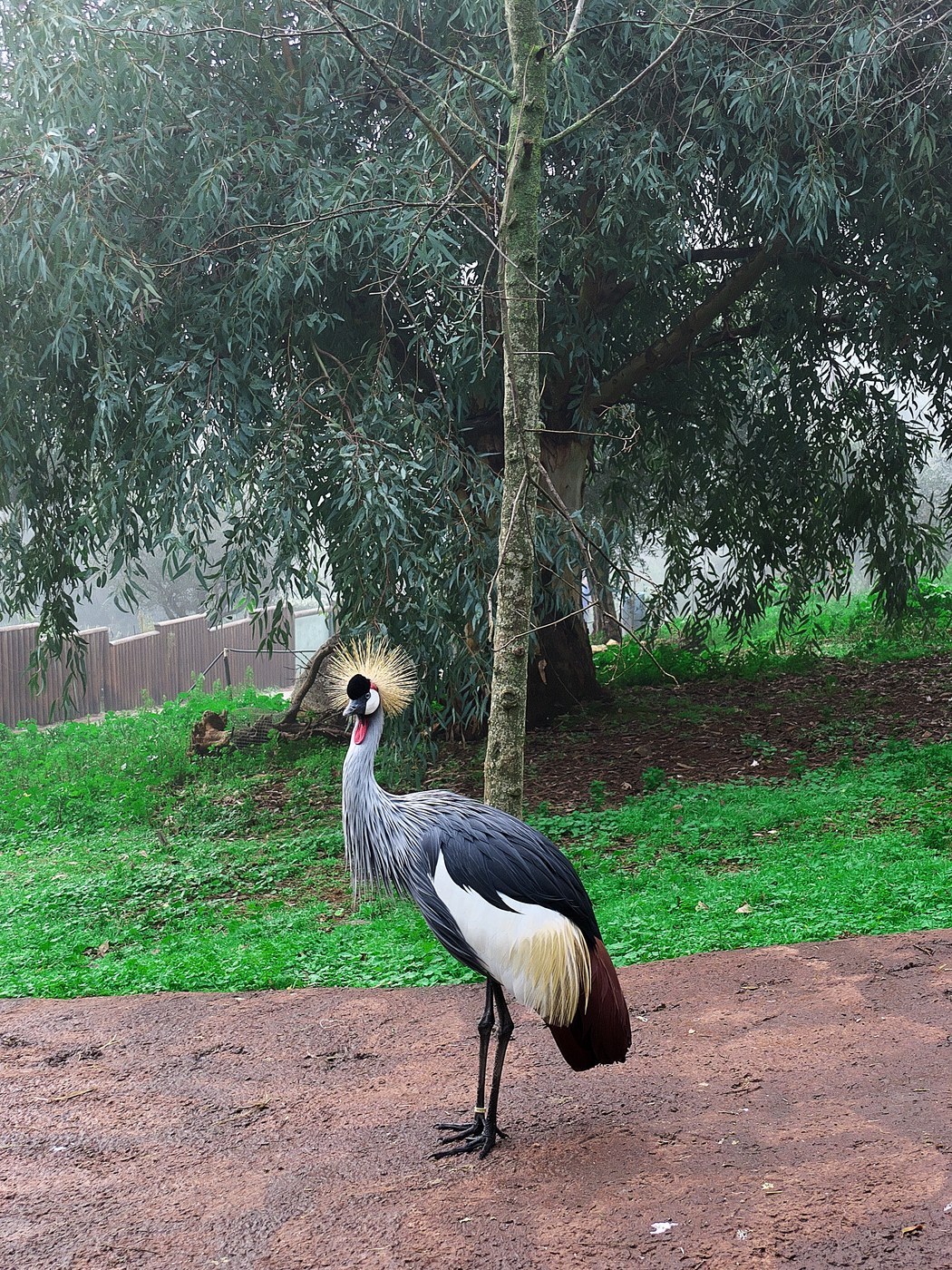
Grey Crowned Crane
Grey body feathers with white wing coverts, chestnut flight feathers, and stiff golden crown bristles
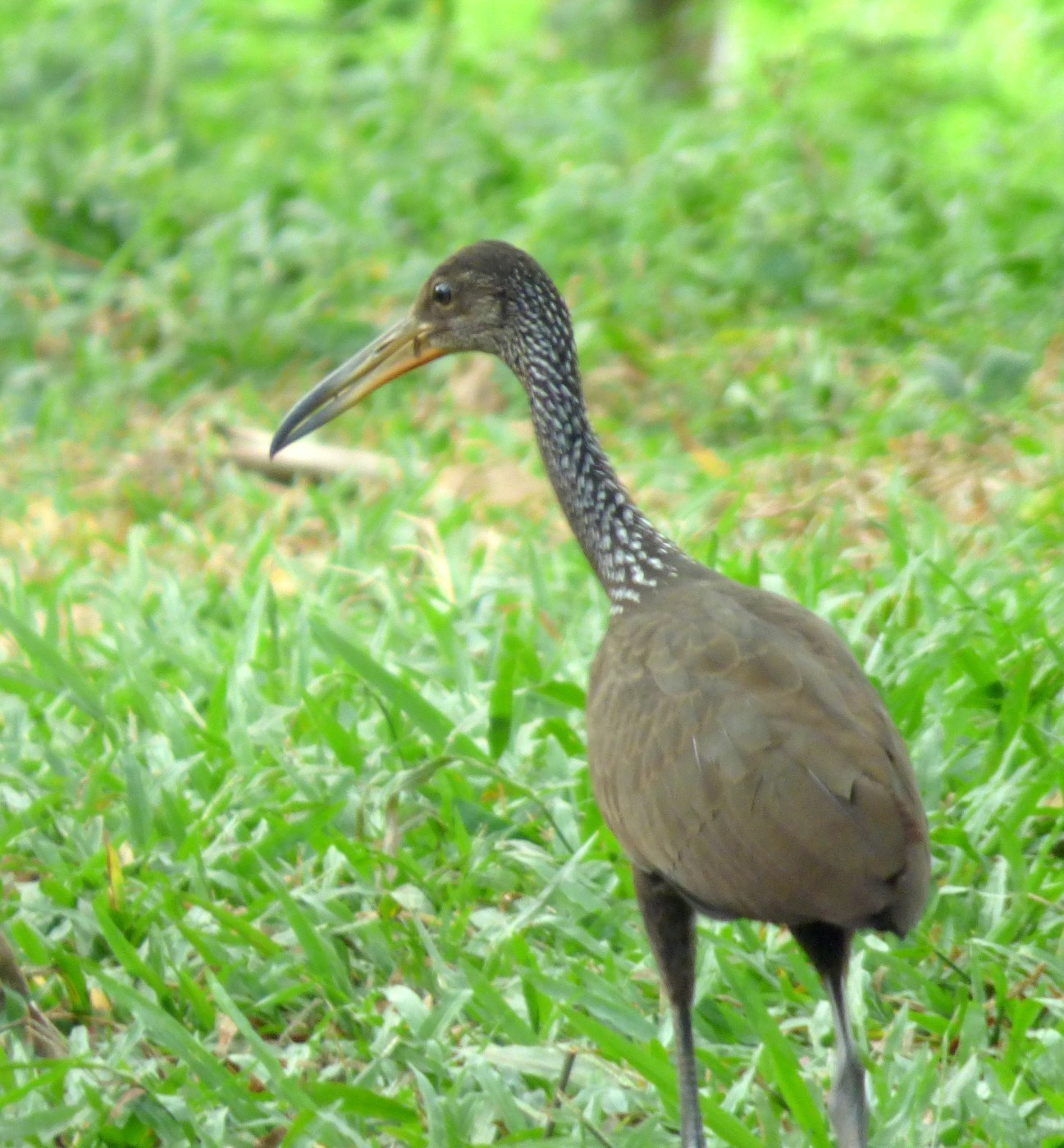
Limpkin
Brown contour feathers with white teardrop-shaped spots and streaks
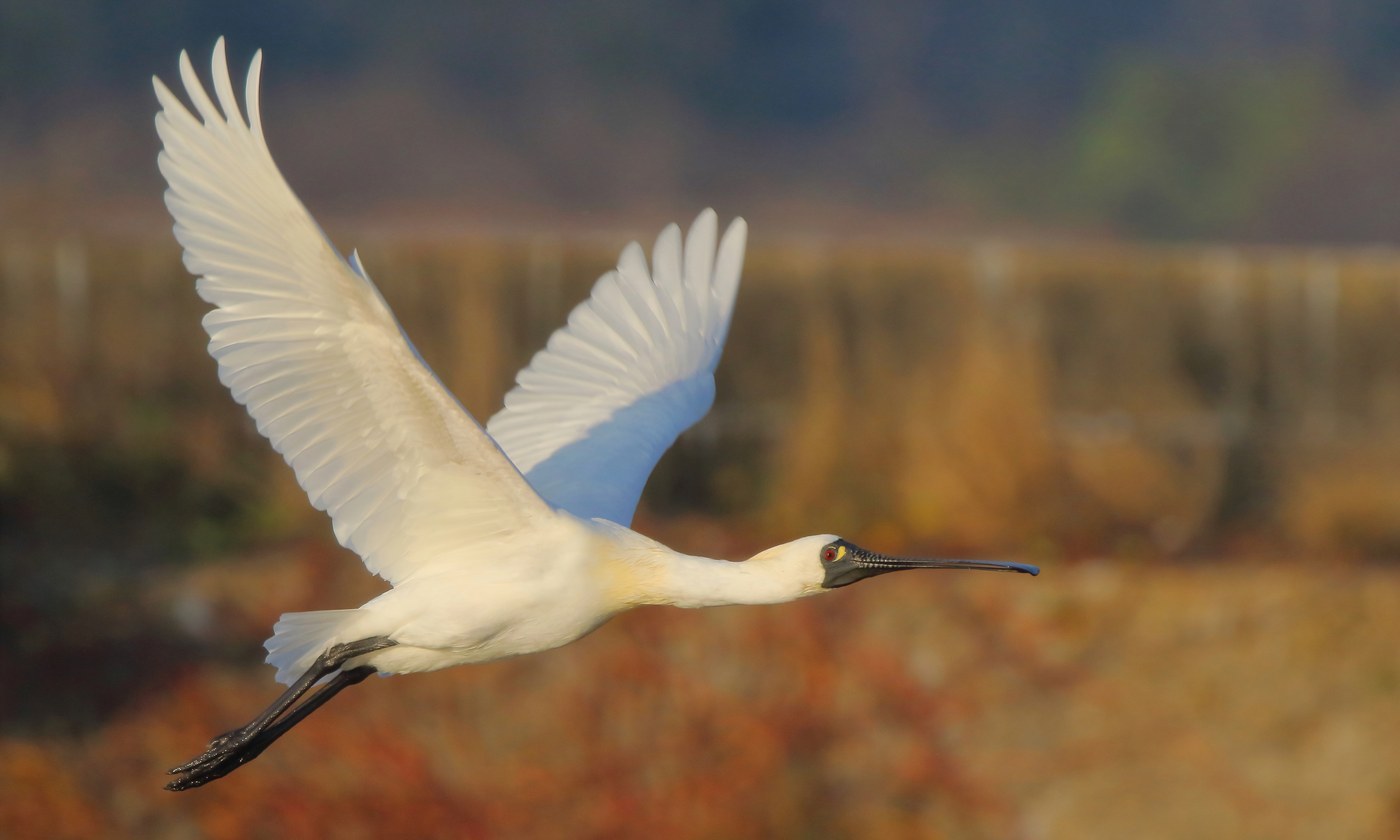
Black-faced Spoonbill
White contour and flight feathers with fine breeding crest and breast plumes
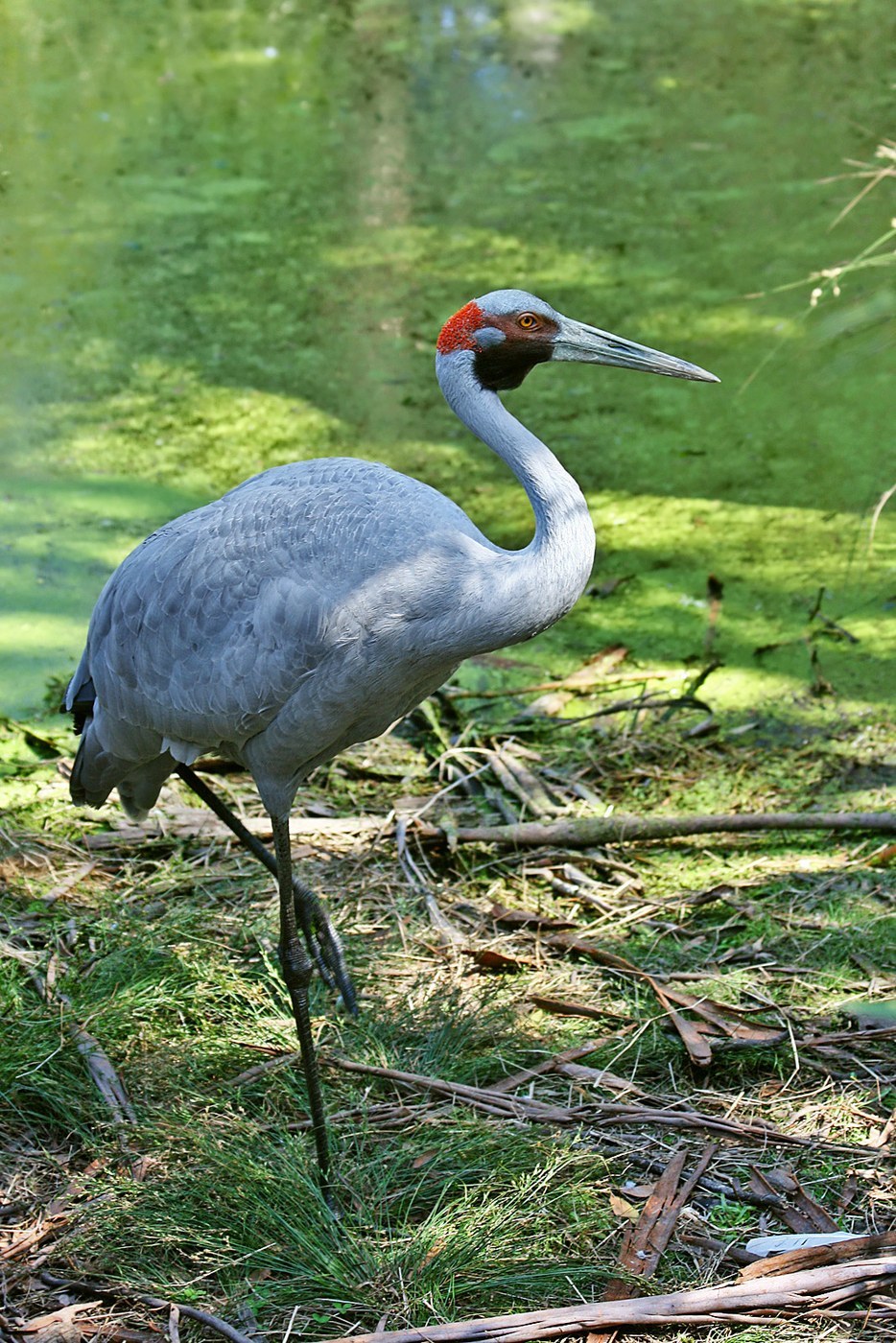
Brolga
Grey contour feathers with drooping bustle plumes
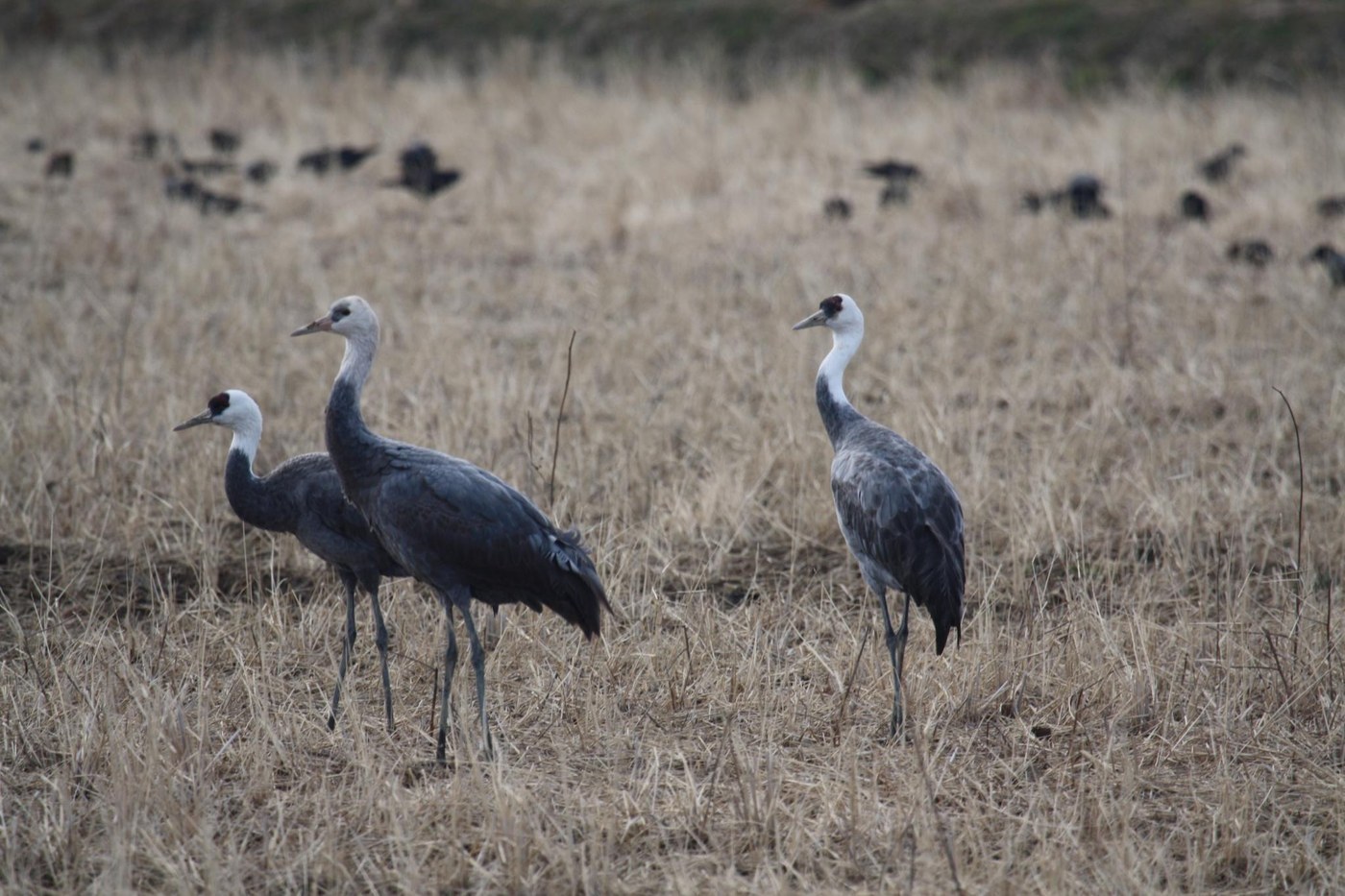
Hooded Crane
Dark slate-grey body feathers with a white head/upper neck 'hood' and black bustle plumes
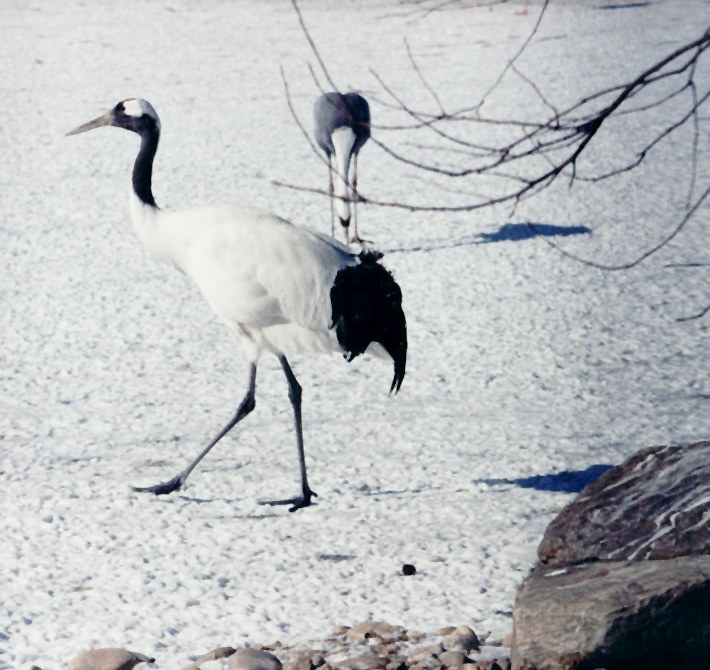
Red-crowned Crane
White contour feathers with black secondary/tertial bustle feathers and a bare red crown

Common Crane
Grey contour feathers with black head/neck feathers and drooping bustle plumes
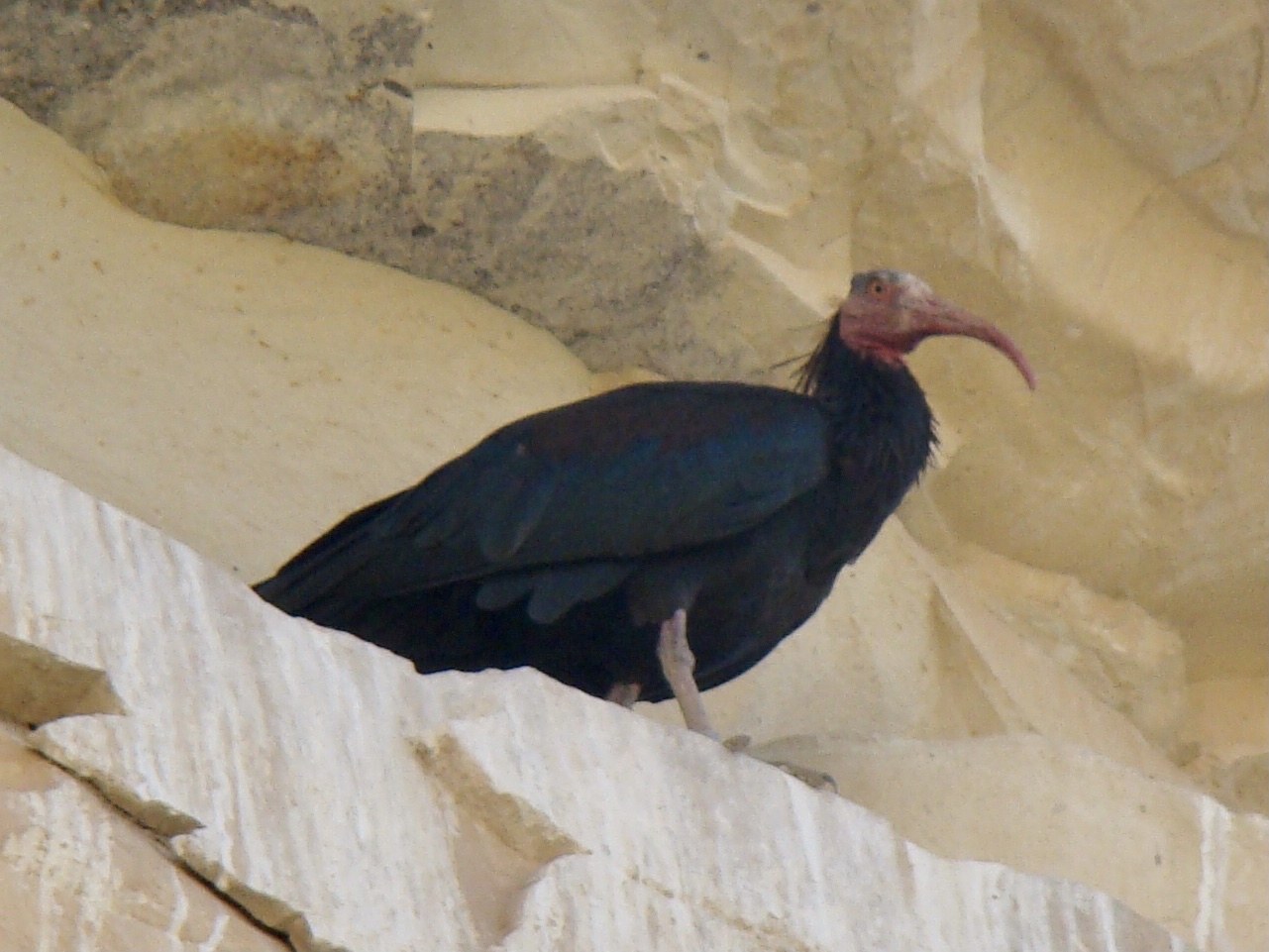
Northern Bald Ibis
Glossy black contour feathers with elongated nape plumes
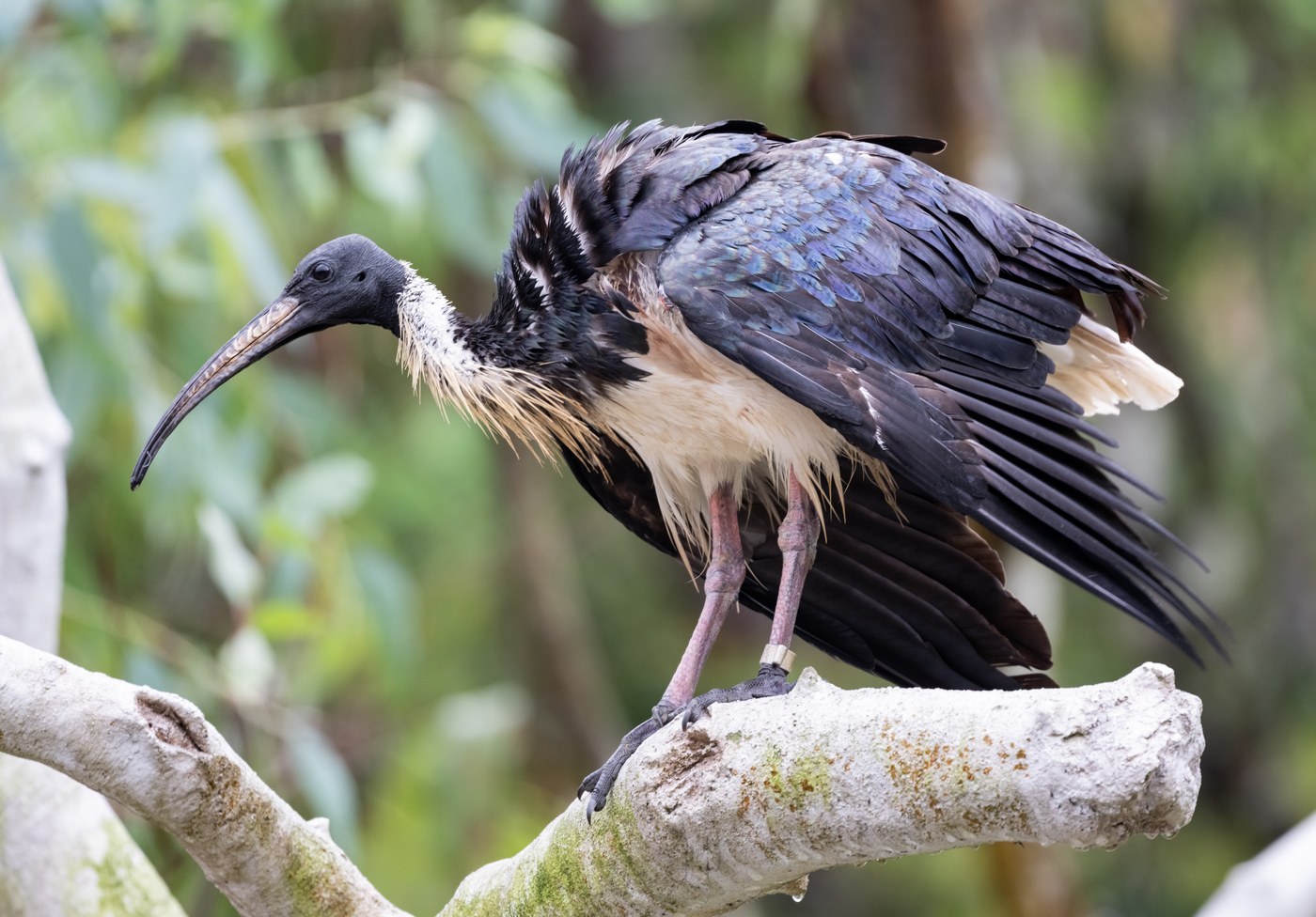
Straw-necked Ibis
Glossy contour feathers with unique straw-like neck plumes
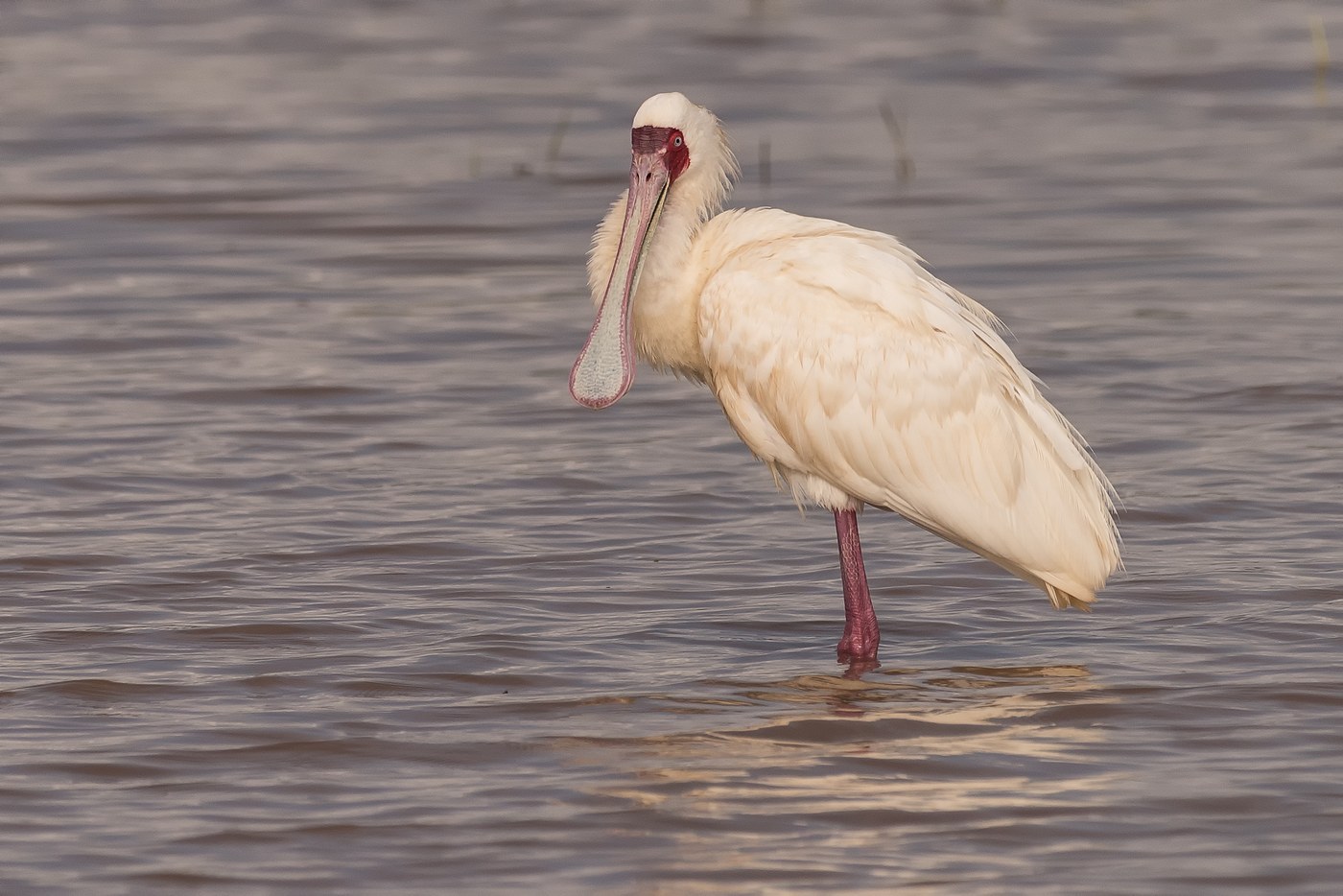
African Spoonbill
White contour and flight feathers, unmarked by black tips

Roseate Spoonbill
Pink and white contour and flight feathers with a carmine shoulder patch