
Feather & Bird Encyclopedia
Search and identify feathers by species — with feather type, plumage, colours, size, habitat, and how to tell them apart in the field.
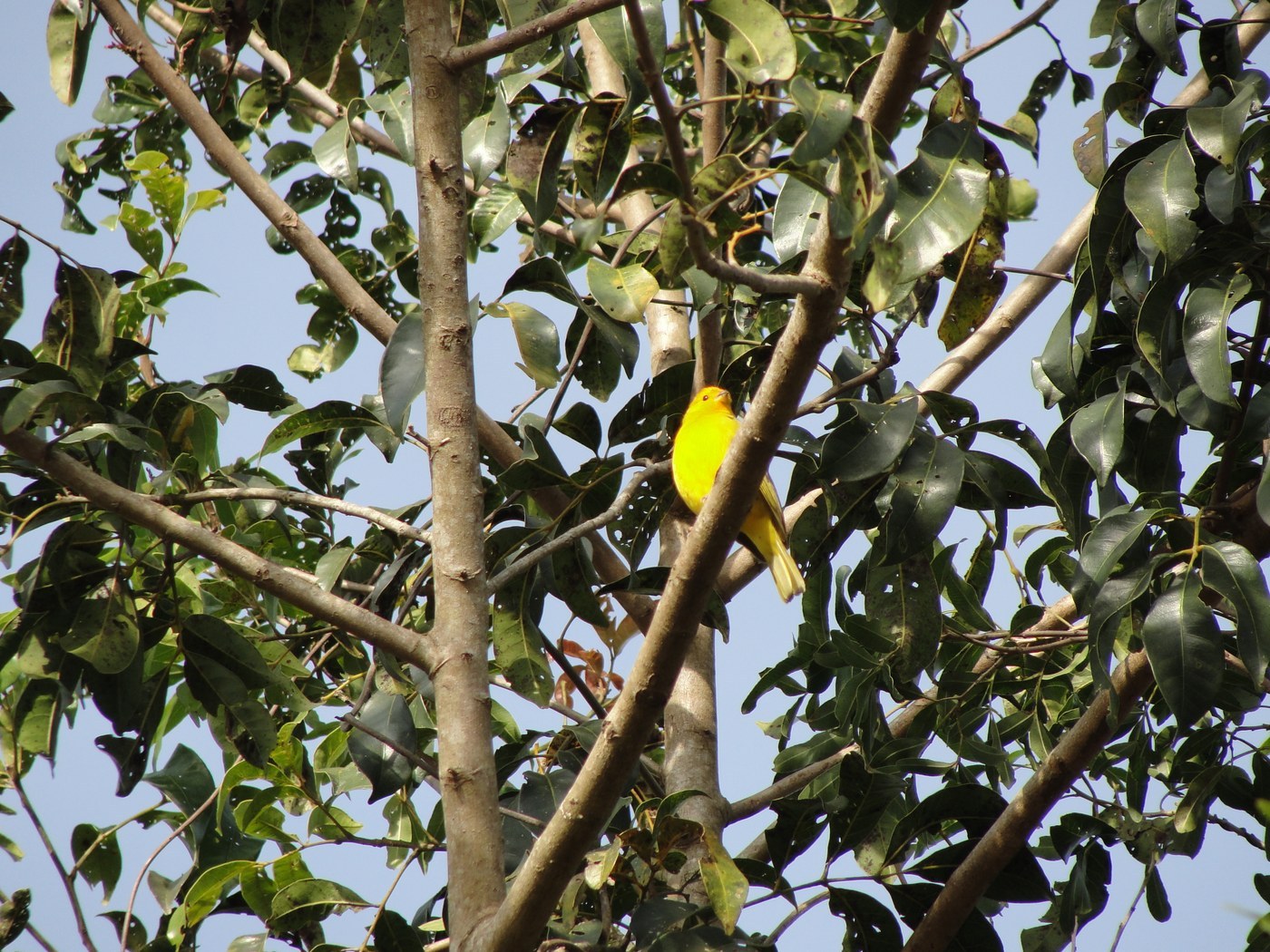
Saffron Finch
A sunny yellow finch of open South American country, with males showing an orange wash on the forecrown that females lack. Widely kept in aviculture, it has also become established outside its native range.
songbird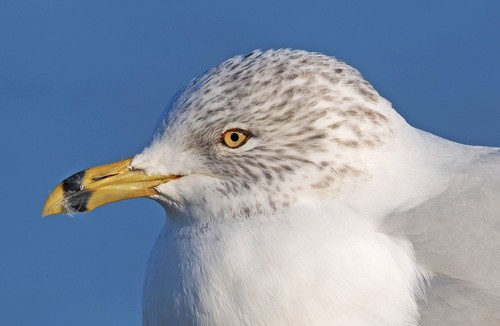

Ring-billed Gull
A common, adaptable medium-sized gull of North America named for the black band around its bill, the Ring-billed Gull shows pale gray back feathers and yellow legs, thriving in habitats from lakeshores to parking lots.
seabird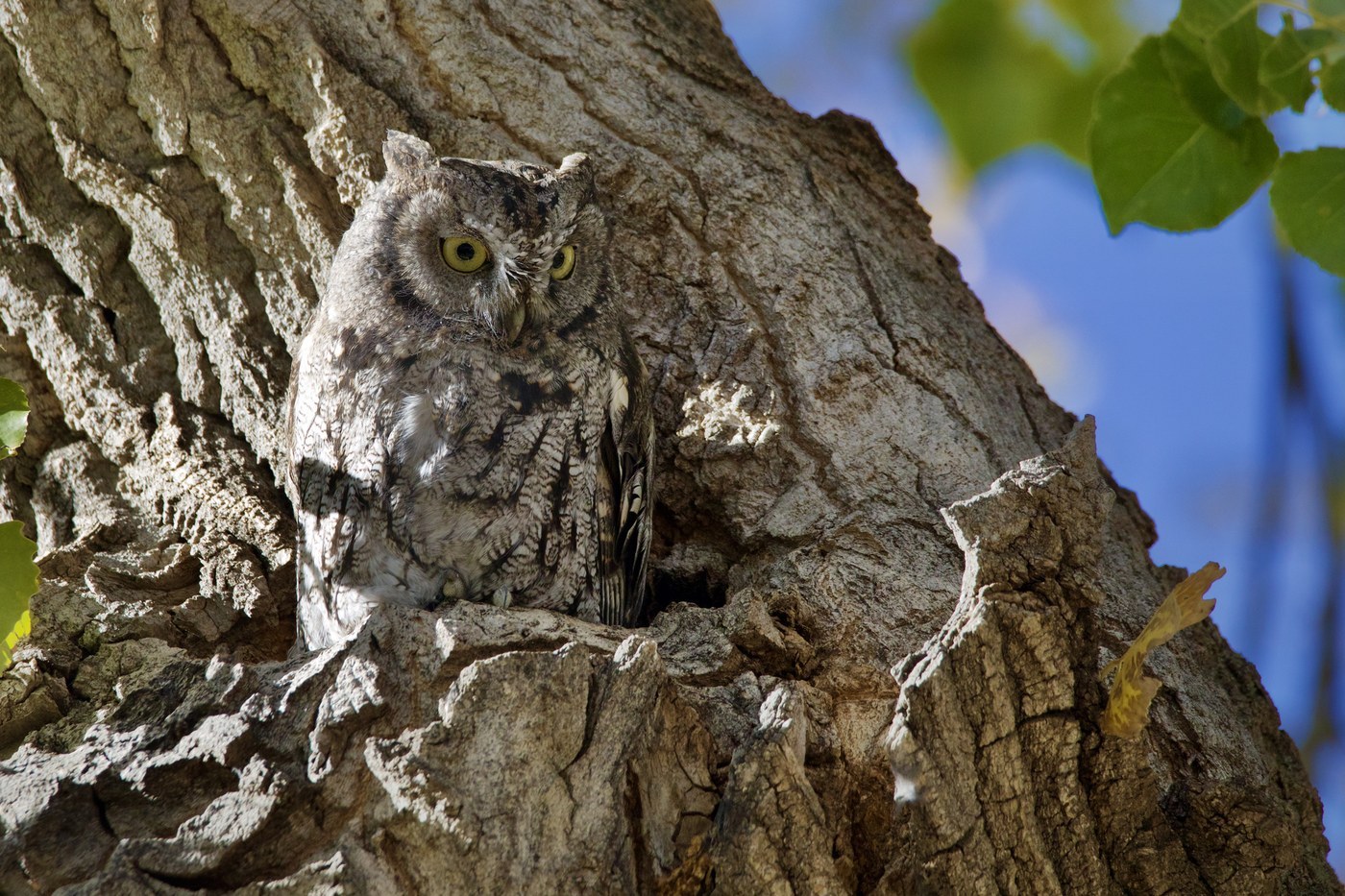
Western Screech-Owl
A small owl of western North America, closely resembling the Eastern Screech-Owl but occurring predominantly in a grey-brown morph, with finely patterned plumage suited to camouflage against bark.
owl
Spot-breasted Oriole
A boldly patterned oriole native to Central America, marked by distinctive black spots along the sides of its orange breast, with a small introduced population established in urban South Florida.
songbird
Raggiana Bird-of-paradise
The Raggiana Bird-of-paradise, the national bird of Papua New Guinea, is known for the male's fiery red-orange flank plumes displayed in group courtship gatherings. It inhabits lowland and hill forest across much of New Guinea.
songbird
Lesser Spotted Eagle
A compact, dark brown migratory eagle of eastern European forests, distinguished from its larger relative the Greater Spotted Eagle by narrower wings and a paler crescent at the base of the outer primaries.
raptor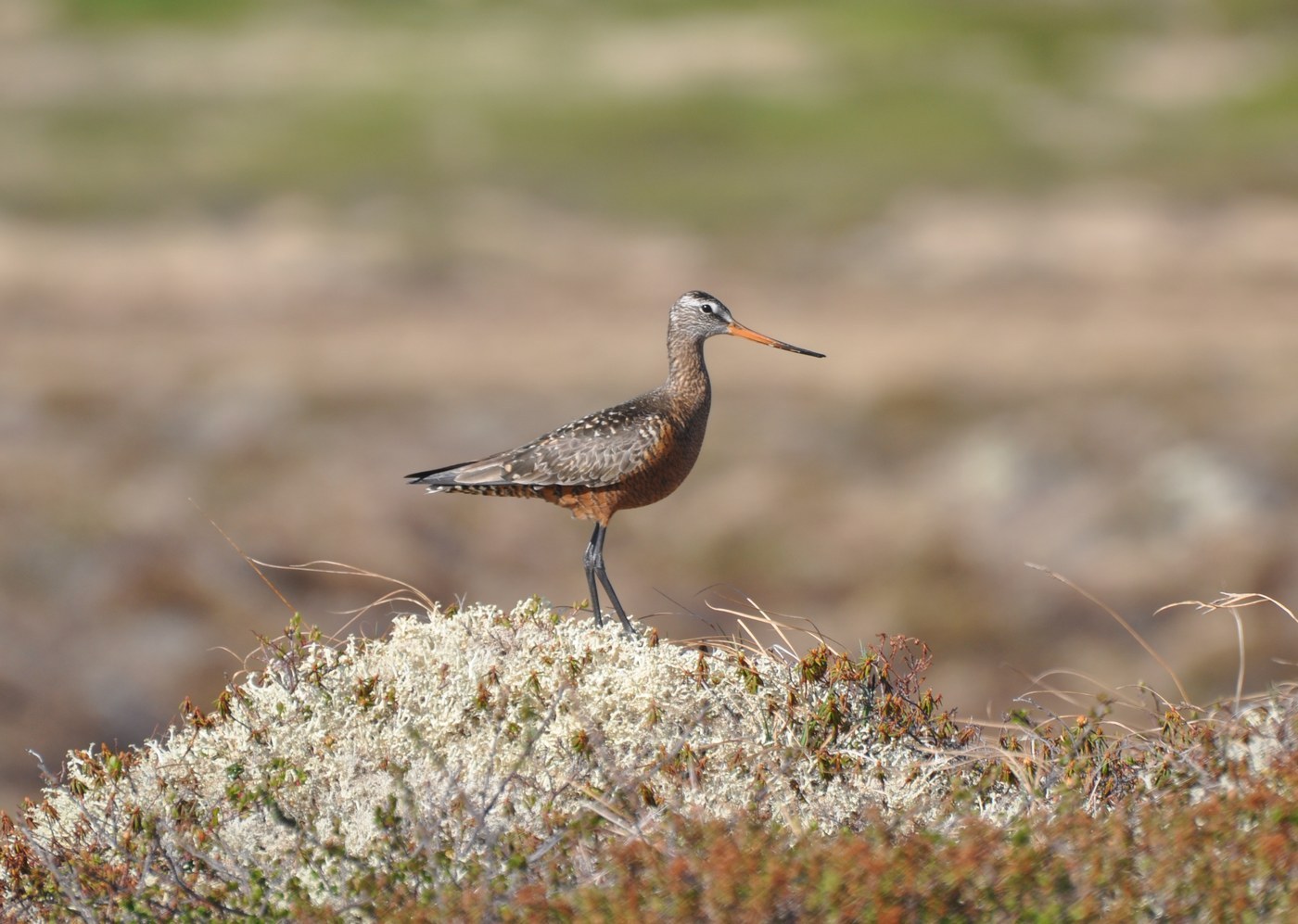
Hudsonian Godwit
A long-distance migrant godwit with deep chestnut, heavily barred breeding plumage and distinctive black underwing coverts, known for undertaking one of the longest nonstop overwater flights of any shorebird.
shorebird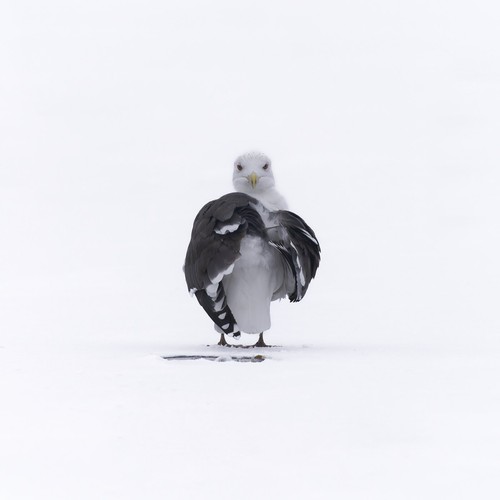

Great Black-backed Gull
The world's largest gull, the Great Black-backed Gull shows strikingly dark slate-black mantle feathers contrasting with a pure white head and body, and is a powerful predator as well as scavenger along North Atlantic coasts.
seabird
Dodo
A large, flightless pigeon relative once native to Mauritius, known for its stout grey-brown body, oversized hooked bill, and small, curled tuft of tail feathers; it has been extinct since the late 1600s.
dove pigeon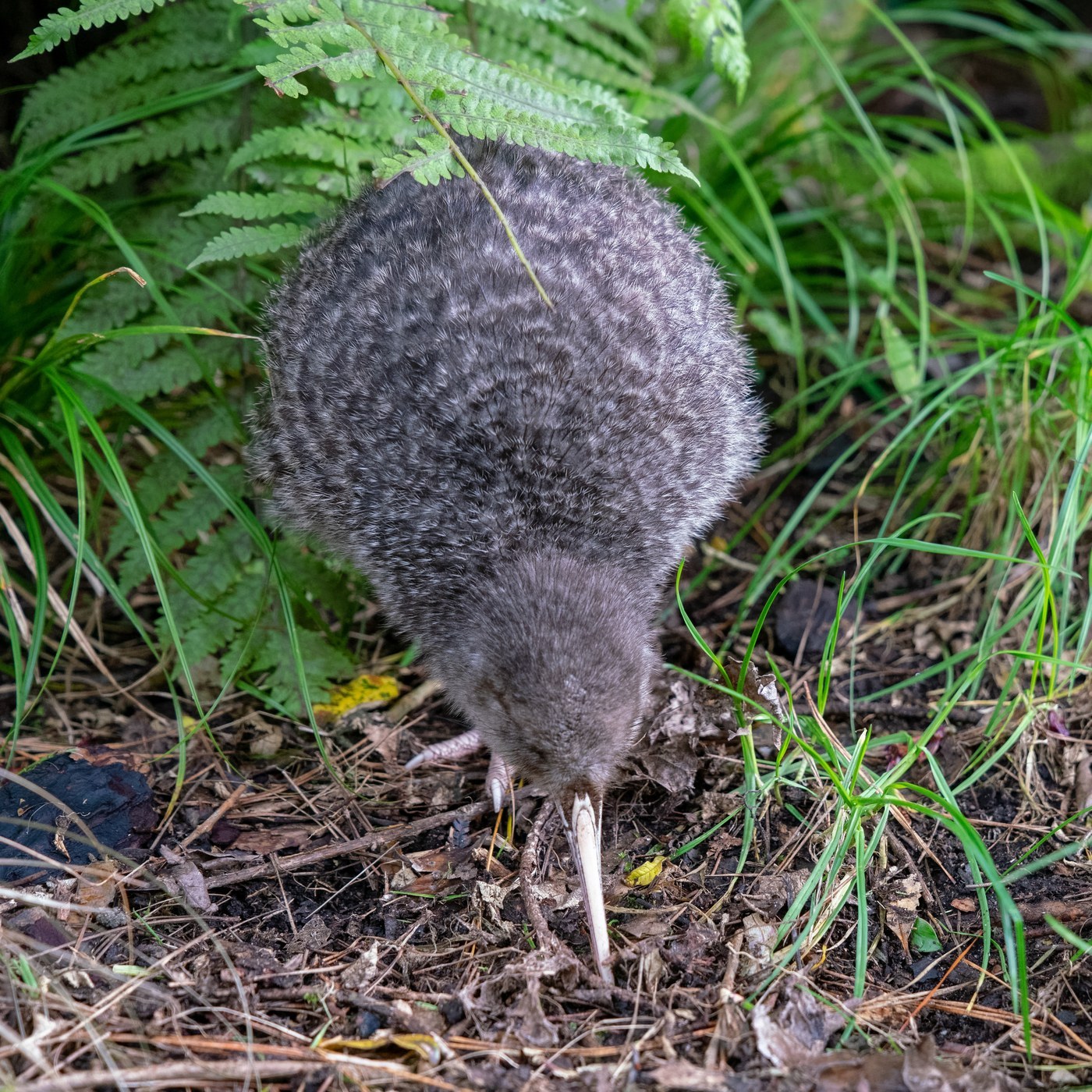
Little Spotted Kiwi
The smallest kiwi species, this flightless bird has pale grayish, finely mottled plumage and now survives only on predator-free islands and fenced sanctuaries in New Zealand. Its long, sensitive bill helps it find invertebrate prey at night.
other
Yellow-breasted Bunting
The Yellow-breasted Bunting is a strikingly colored Eurasian songbird, once abundant but now critically endangered due to unsustainable historical trapping pressure along its migratory routes.
songbird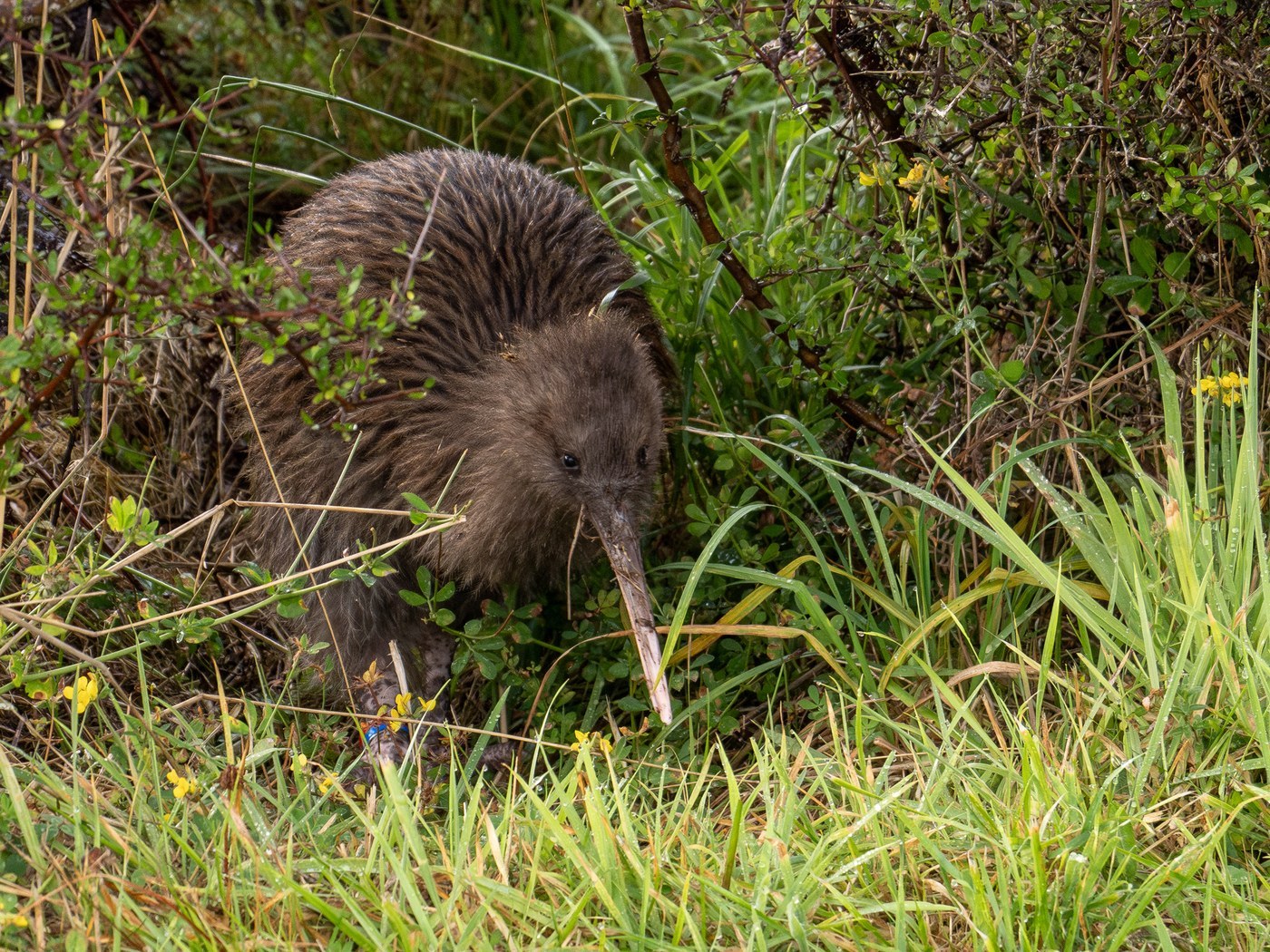
Southern Brown Kiwi
A flightless, nocturnal New Zealand bird covered in shaggy, hair-like brown plumage, with a long, flexible bill and nostrils at its tip used to sniff out prey in the soil. It is one of several closely related brown kiwi species found on the South Island and Stewart Island.
other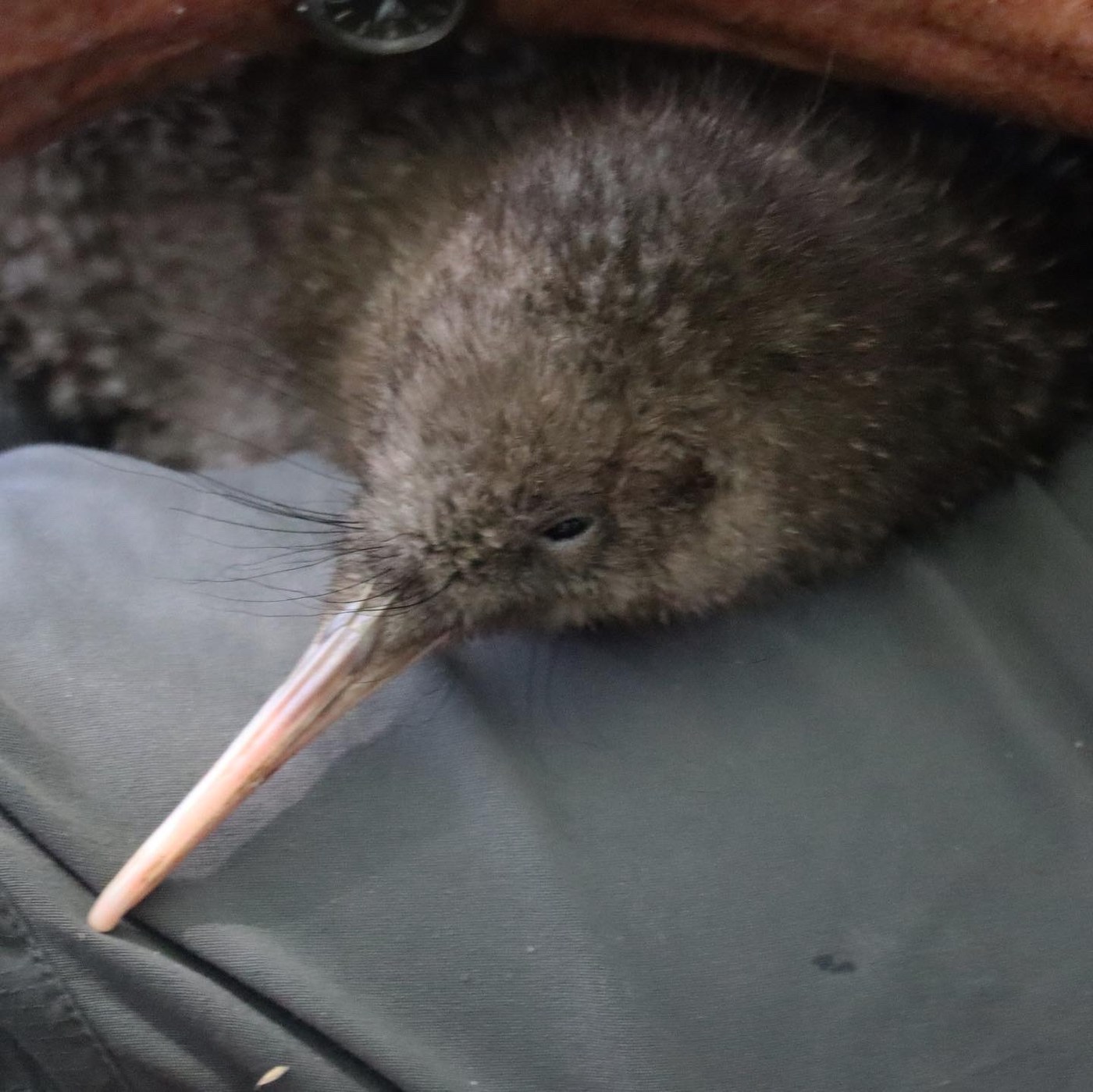
Great Spotted Kiwi
The largest of the kiwi species, this flightless New Zealand bird has grayish, hair-like plumage marked with light mottled banding that gives it a more patterned look than its brown relatives. It inhabits rugged mountain forest and subalpine grassland on the South Island.
other
Wreathed Hornbill
The Wreathed Hornbill is a large Southeast Asian hornbill named for the corrugated ridges on its casque, showing a marked plumage difference between the rufous-headed male and the all-black female. Flocks travel long distances between fruiting trees across forested landscapes.
other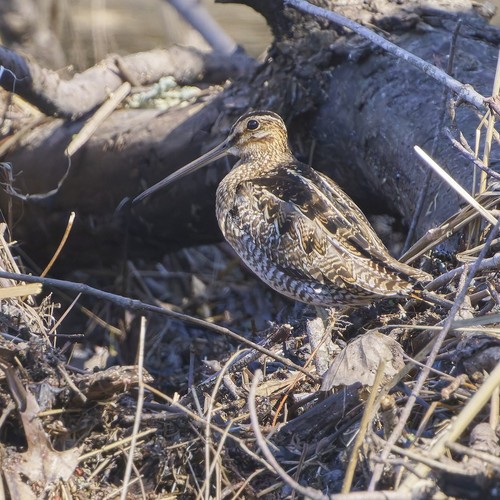

Wilson's Snipe
A secretive, superbly camouflaged marsh bird whose intricately patterned brown-and-buff feathers provide near-perfect concealment among wetland vegetation, with narrow outer tail feathers used to produce an eerie winnowing sound in flight.
shorebird
Twelve-wired Bird-of-paradise
The Twelve-wired Bird-of-paradise is named for the dozen thin, curled wire-like filaments trailing from the male's bright yellow flank plumes, used to brush against a female's face during courtship. It inhabits lowland swamp forest across New Guinea and nearby islands.
songbird
Blue Bird-of-paradise
The Blue Bird-of-paradise is known for the male's dramatic upside-down display, during which fanned iridescent blue flank plumes are shown off against otherwise black plumage. It lives in the montane forests of Papua New Guinea's central highlands.
songbird
Sooty Falcon
The Sooty Falcon is a slim, uniformly dark grey falcon of desert coastlines and offshore islands of the Middle East and northeastern Africa, sharing Eleonora's Falcon's unusual late-breeding strategy tied to songbird migration.
raptor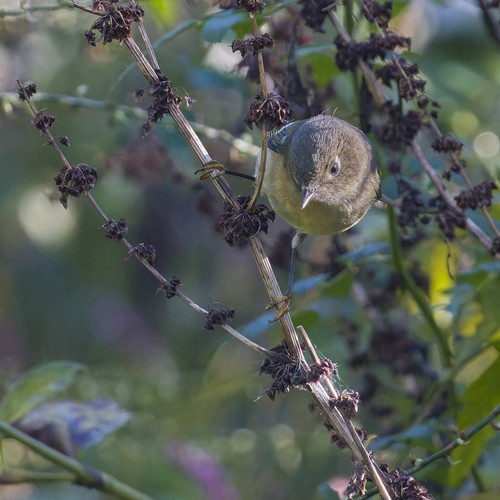

Ruby-crowned Kinglet
One of the smallest songbirds in North America, this active, constantly flicking bird carries a hidden ruby-red crown patch in males that is usually concealed and only flashed briefly during excitement or display.
songbird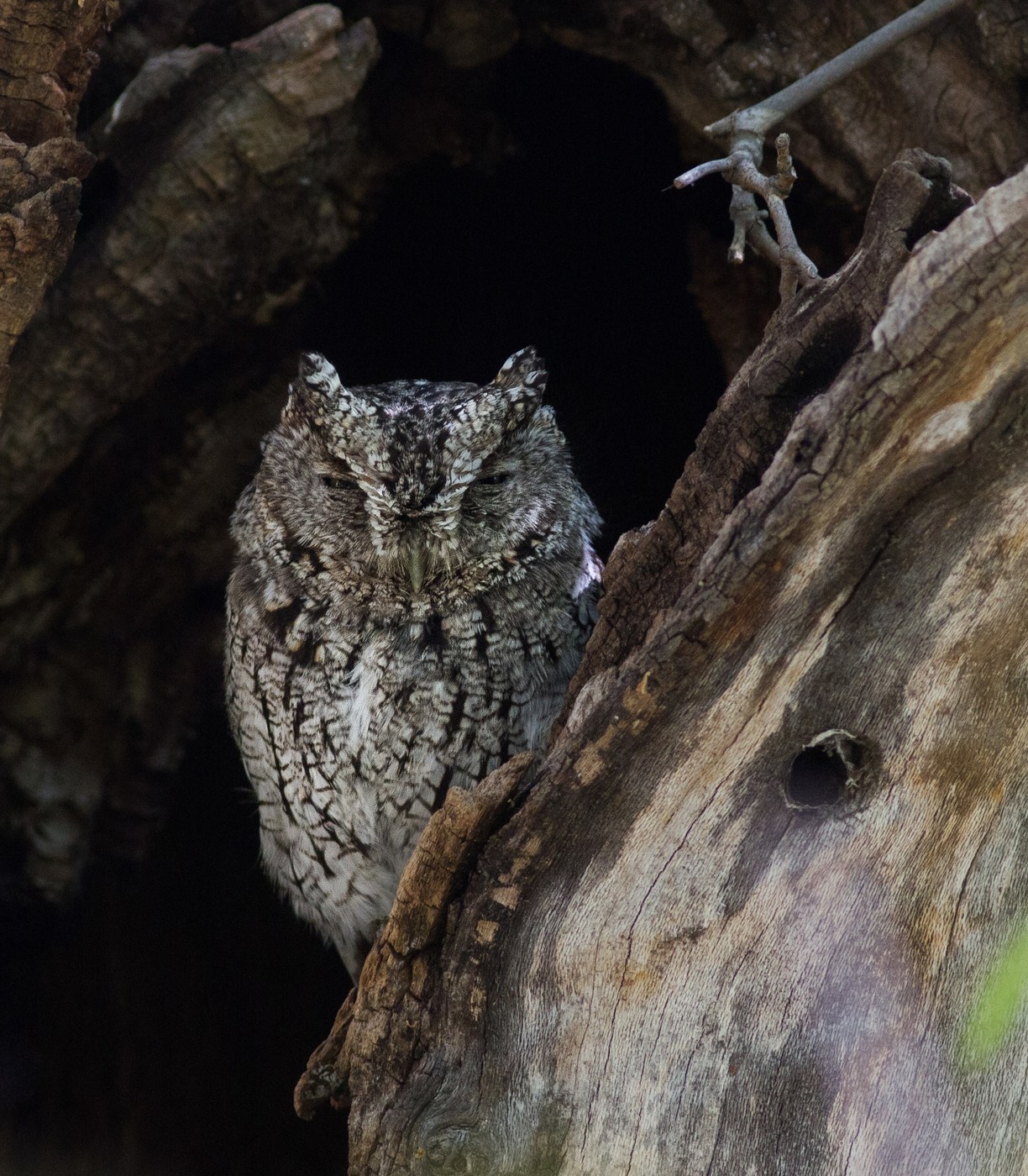
Whiskered Screech-Owl
A small screech-owl of montane oak and pine-oak woodlands from the southwestern United States into Central America, nearly identical in plumage to its relatives but distinguished chiefly by its distinctive irregular call.
owl
Wahlberg's Eagle
A slender, migratory savanna eagle of Africa notable for its variable plumage color morphs, ranging from pale cream-brown to dark chocolate, all sharing a distinctive narrow-winged, small-headed silhouette.
raptor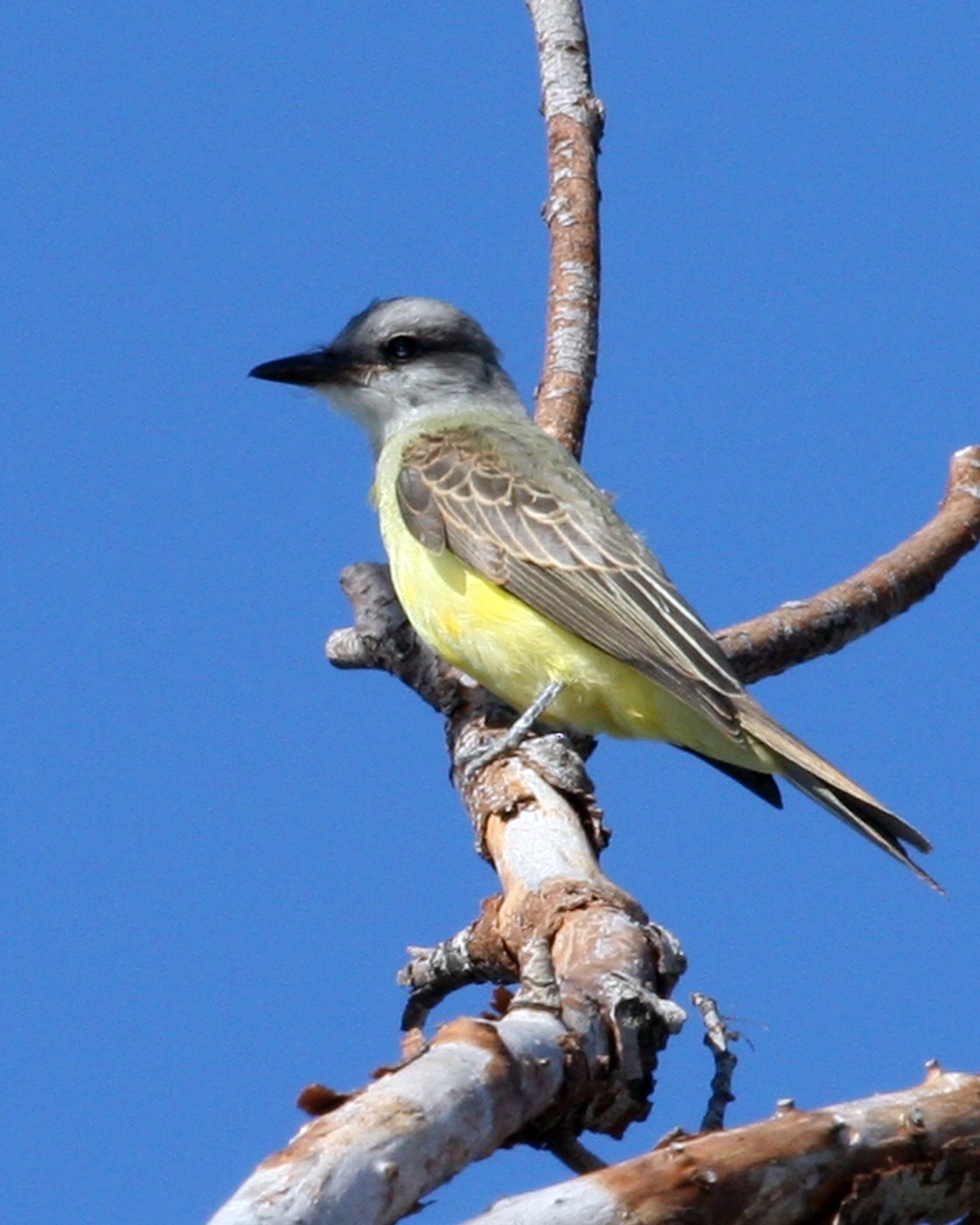
Tropical Kingbird
A common and widespread tyrant flycatcher recognized by its pale gray head and throat fading into lemon-yellow underparts, paired with a notched, dark tail. It favors open habitats with scattered perches from which it sallies for insects.
songbird
King Bird-of-paradise
The King Bird-of-paradise is the smallest member of its family, with a brilliant crimson-and-white plumage and unusual wire-like tail feathers that end in coiled emerald-green discs. It forages and displays in the lower and middle levels of New Guinea lowland forest.
songbird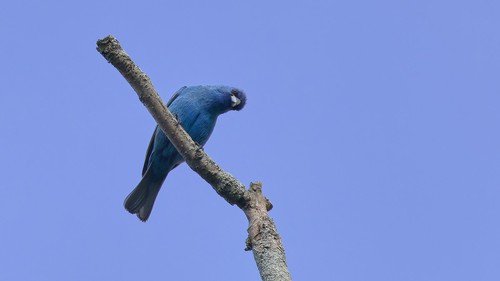

Indigo Bunting
A small eastern songbird whose breeding males appear an intense, uniform iridescent blue with no other markings, while females are entirely plain brown, making feathers of the two sexes look like different species.
songbird