

Spot-breasted Oriole
Icterus pectoralis
A boldly patterned oriole native to Central America, marked by distinctive black spots along the sides of its orange breast, with a small introduced population established in urban South Florida.
- Feather type
- Orange body feathers with black breast spotting
- Colours
- Orange body with black spots on the breast, black bib, and black-and-white wings
- Bird size
- Medium-large oriole, ~22-24 cm
Found a feather like this?
Identify any feather from a photo, free.
Overview
Overview
The Spot-breasted Oriole is native to dry forests and scrub from southern Mexico to Costa Rica, notable for the rows of black spots along the sides of its otherwise orange breast. A population became established in urban and suburban South Florida in the mid-20th century, where it persists in landscaped neighborhoods with mature trees.
Identifying the Feather
Feather Identification
- Body feathers: Bright orange overall, with a black throat bib and distinctive black spots along the sides of the breast
- Wing feathers: Black with bold white wing bars and edging
- Tail feathers: Black, contrasting with the orange body
- Size: Similar in size to Altamira Oriole, larger than Hooded Oriole
- Similar species: The black breast spotting is diagnostic and not shared by other orioles found in Florida or Central America
Plumage & Molt
Plumage Details
Adults show bright orange body plumage with a black throat bib, black wings marked by white bars, and distinctive rows of black spots along the flanks and sides of the breast. Sexes are similar in appearance. Juveniles are duller and show less defined spotting and a paler bib, developing full adult plumage through subsequent molts.
Habitat & Range
Habitat & Range
Spot-breasted Orioles are native to dry forest, scrub, and woodland edge habitats from southern Mexico through Nicaragua and Costa Rica. An introduced population, likely originating from escaped or released cage birds, has been established in urban and suburban areas of South Florida since the mid-20th century, where it inhabits landscaped yards and parks with mature trees.
Behavior & Field Notes
Behavior & Field Notes
Spot-breasted Orioles forage for insects, fruit, and nectar in trees and shrubs, often in landscaped gardens within their introduced Florida range. Their song is a series of loud, varied whistled phrases. Nests are woven hanging cups suspended from tree branches, similar in construction to other orioles.
Frequently asked questions
How can I identify Spot-breasted Oriole feathers?
Look for bright orange body plumage combined with a black throat bib and distinctive black spots along the sides of the breast, a pattern not found in other orioles sharing its range.
Is the Spot-breasted Oriole native to Florida?
No, it is native to Central America; the Florida population became established from escaped or released birds and has persisted in urban and suburban areas.
What habitat does the Spot-breasted Oriole prefer?
In its native range it favors dry forest and scrub, while in Florida it is found in landscaped neighborhoods and parks with mature trees.
How big is a Spot-breasted Oriole compared to other orioles?
It is a medium-large oriole, similar in size to the Altamira Oriole and larger than the Hooded or Orchard Oriole.
Spot-breasted Oriole guides
In-depth guides for identifying and understanding Spot-breasted Oriole.

Other feathers you may enjoy

Yellow-breasted Bunting
Contour and flight feathers, chestnut-and-yellow breeding pattern
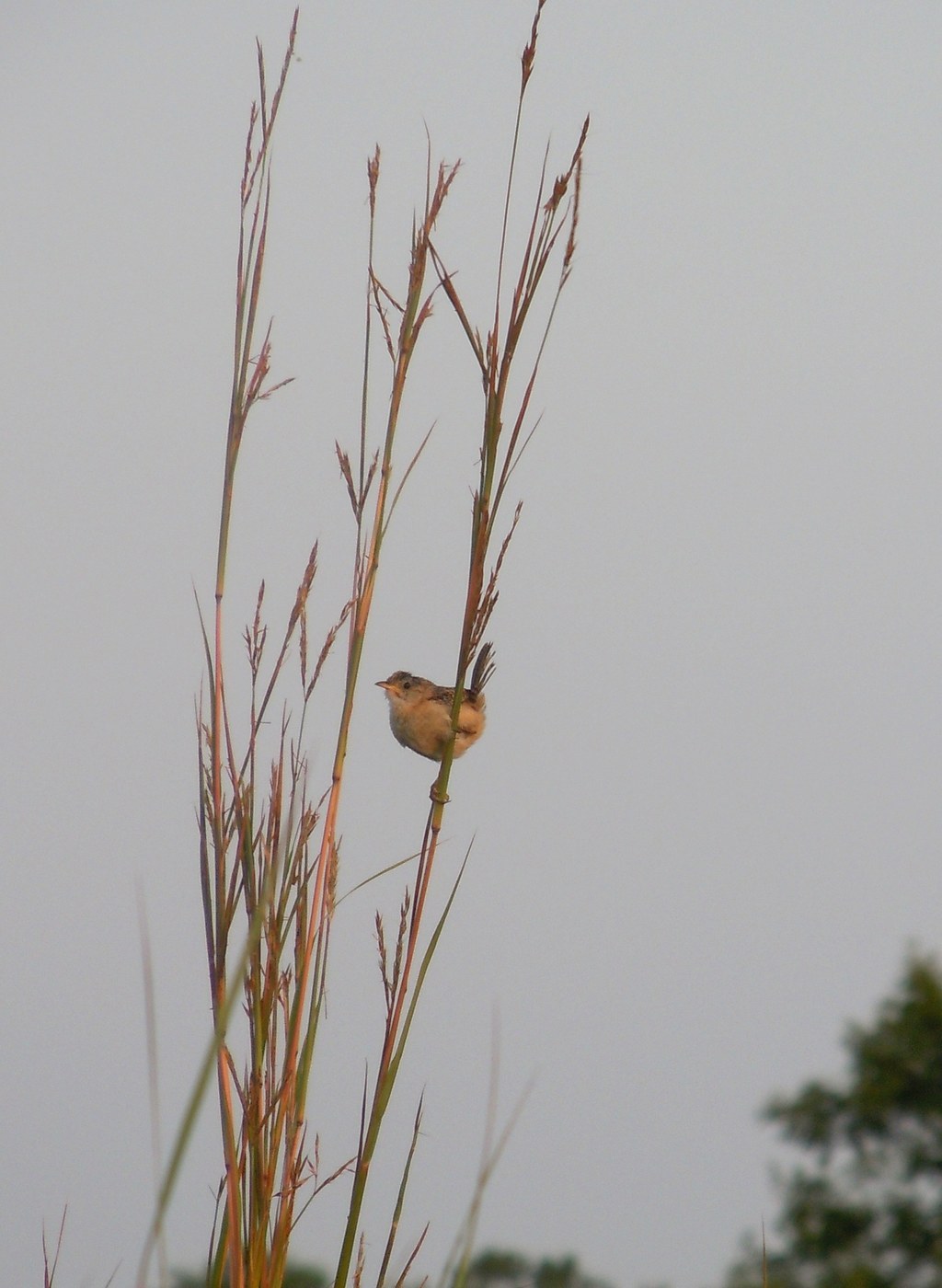
Sedge Wren
Tiny streaked crown and back feathers

Yellow-winged Cacique
Glossy black body feathers, yellow wing patch, shaggy crest

Yellow Warbler
Small contour and flight feathers
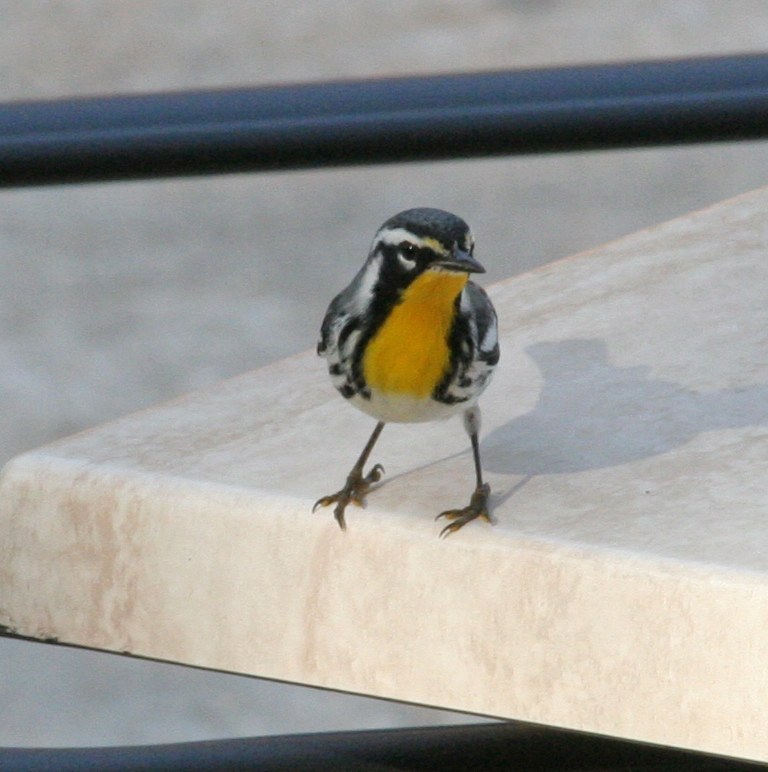
Yellow-throated Warbler
Small contour and flight feathers
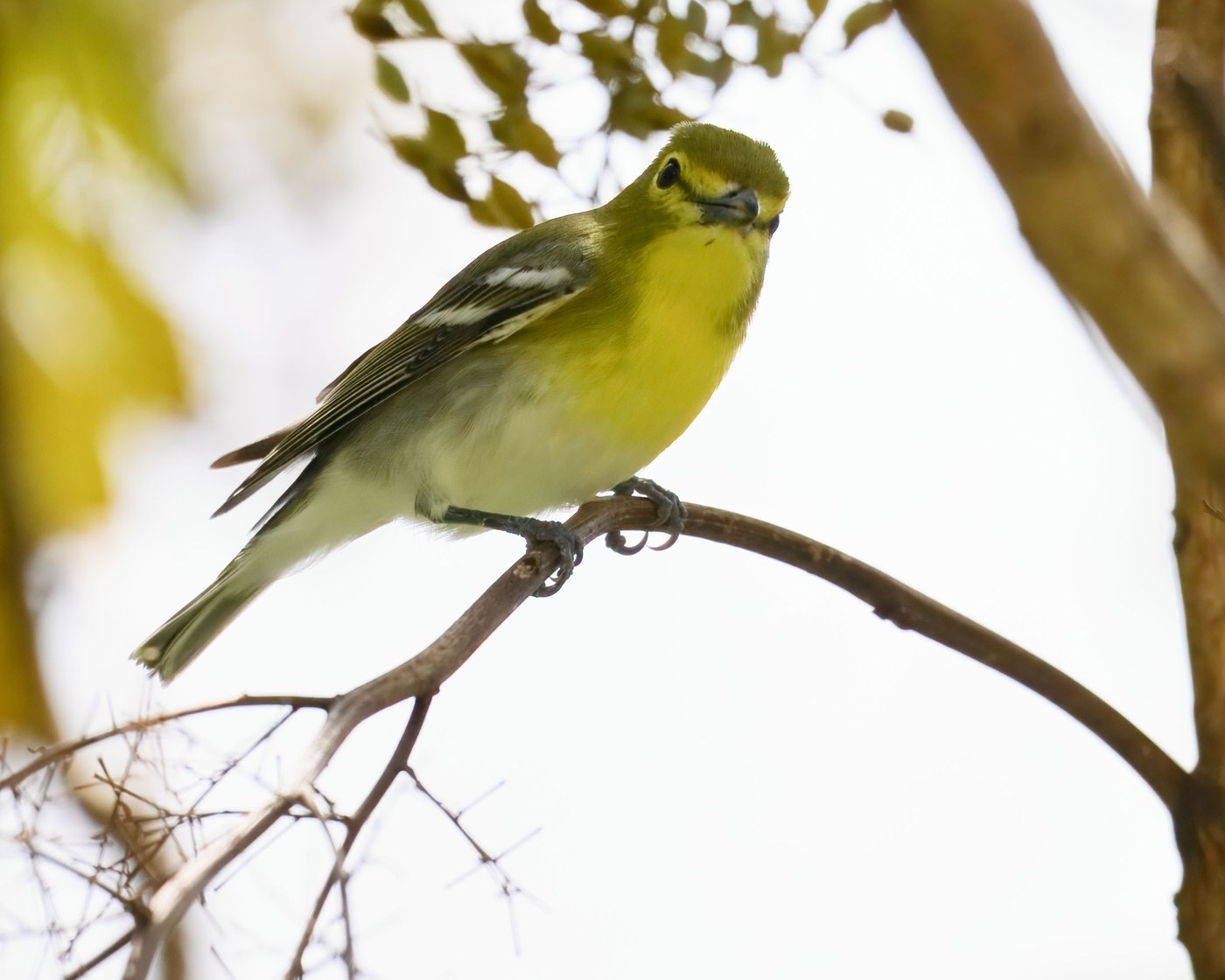
Yellow-throated Vireo
Bright yellow throat and spectacle feathers; olive-green back feathers; two white wing-bar feathers

Yellow-rumped Warbler
Small contour and flight feathers
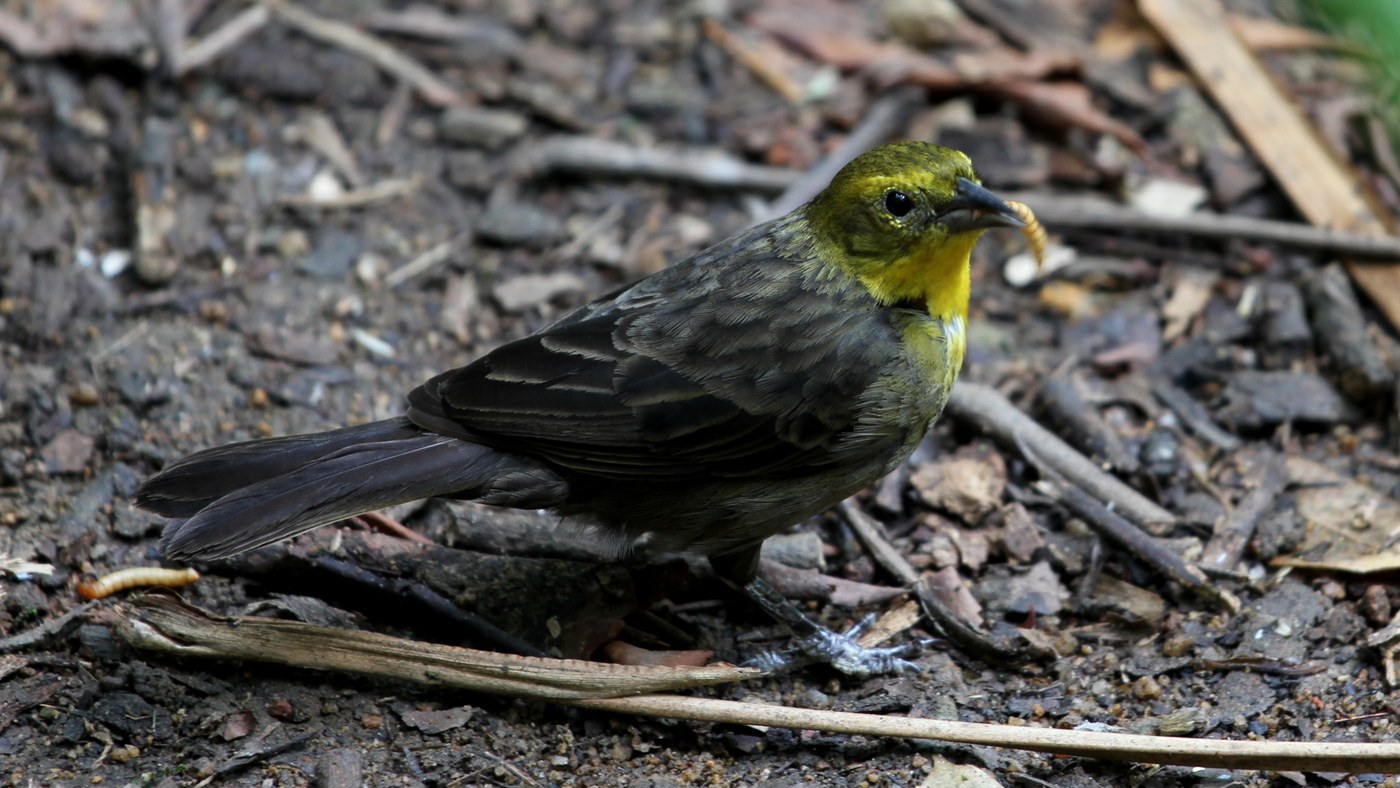
Yellow-hooded Blackbird
Contrasting hood and body feathers
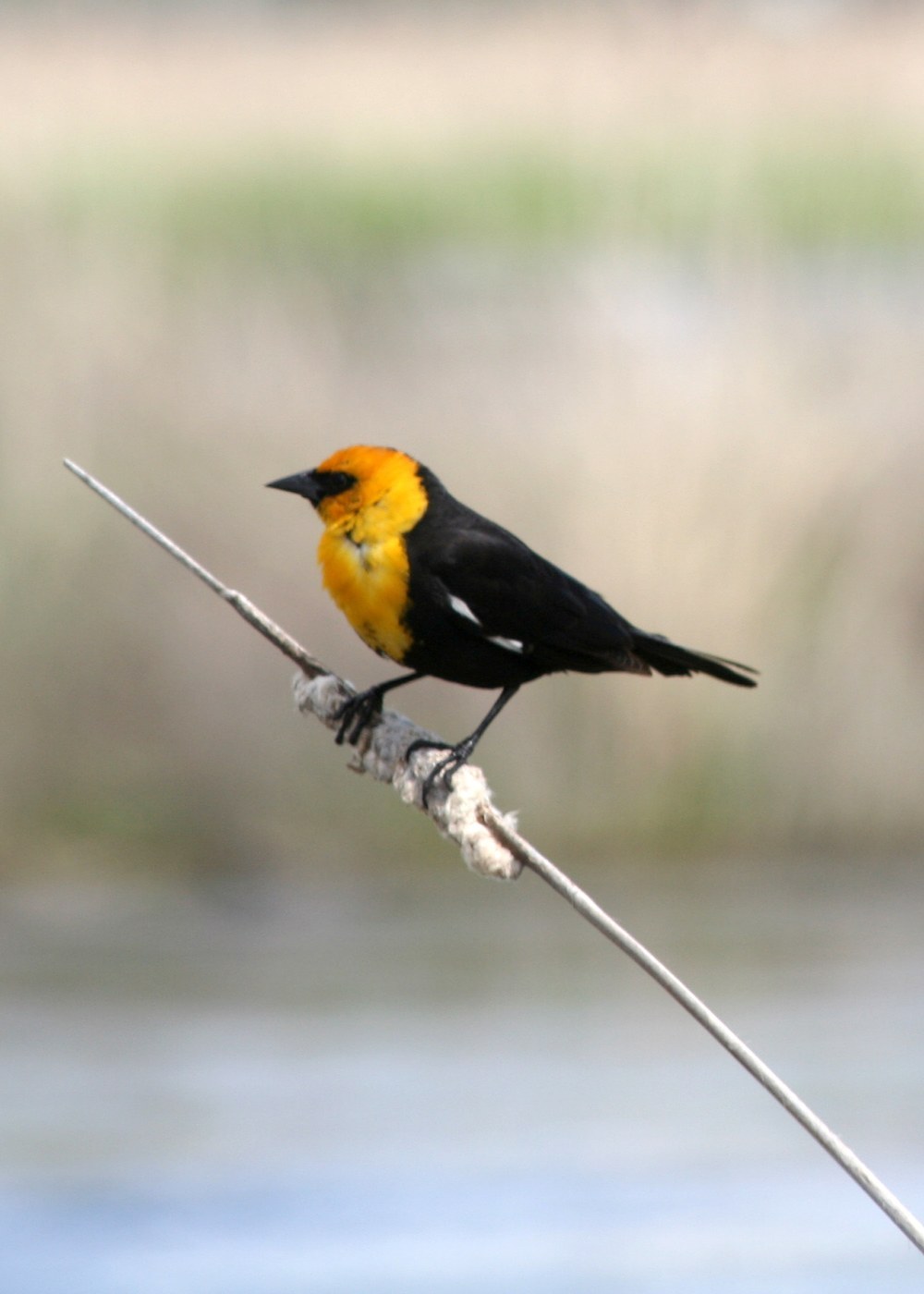
Yellow-headed Blackbird
Glossy black body plumage with a bright yellow head and breast

Yellow-eyed Junco
Contour and flight feathers

Yellow-fronted Canary
Small, smooth body plumage

Yellow-breasted Greenfinch
Compact, smooth body plumage