
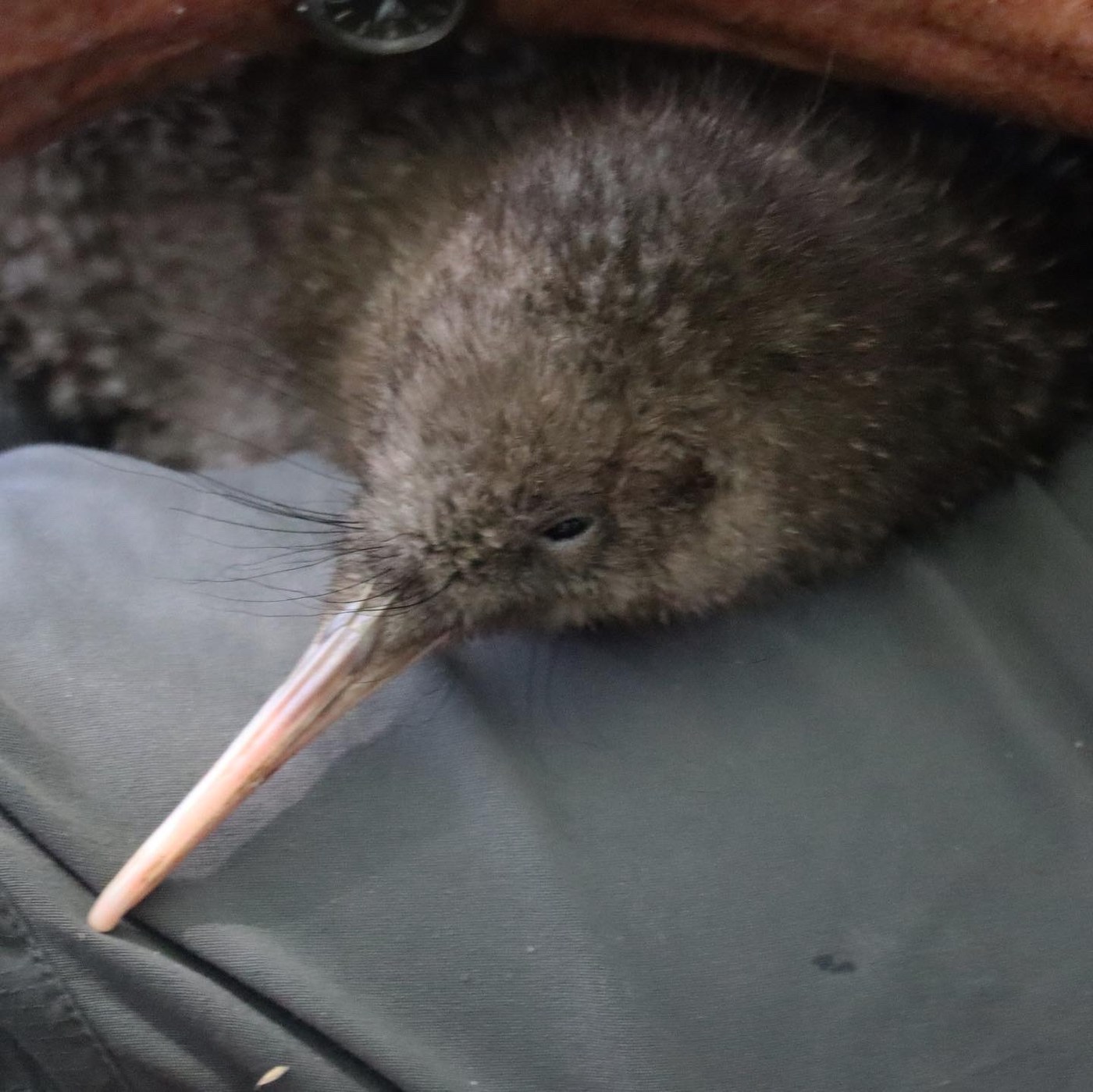
Great Spotted Kiwi
Apteryx haastii
The largest of the kiwi species, this flightless New Zealand bird has grayish, hair-like plumage marked with light mottled banding that gives it a more patterned look than its brown relatives. It inhabits rugged mountain forest and subalpine grassland on the South Island.
- Feather type
- Shaggy, hair-like plumage with a light mottled or banded pattern; flightless, vestigial wings hidden beneath body feathers
- Colours
- Grayish plumage with light and dark mottled banding
- Bird size
- Largest kiwi species, ~45-50 cm body length
Found a feather like this?
Identify any feather from a photo, free.
Overview
Overview
The Great Spotted Kiwi, also known as roroa, is the largest of New Zealand's kiwi species and is restricted to the South Island, where it favors rugged mountain forest and subalpine tussock grassland, often at higher elevations than other kiwi. Its hair-like plumage is grayer than the brown kiwi species and marked with irregular pale banding, giving it a more mottled or streaked appearance.
Identifying the Feather
Feather Identification
- Plumage texture: Hair-like and loose, as in all kiwi.
- Color: Grayer base color than the brown kiwi species, with irregular pale banding or mottling across the feathers producing a subtly spotted or streaked pattern.
- Wings: Vestigial and hidden under body feathers.
- Bill: Long, with nostrils at the tip.
- Versus similar kiwi: The brown kiwi species show plainer, more uniformly reddish-brown plumage without the grayer, mottled banding of this species; it is also the largest kiwi by size.
Plumage & Molt
Plumage Notes
Sexes are similar in color, with females larger than males. Chicks hatch with adult-like plumage rather than distinct down, and molt is gradual and continuous rather than seasonal.
Habitat & Range
Habitat & Range
The Great Spotted Kiwi is restricted to the South Island of New Zealand, favoring mountain forest and subalpine tussock grassland, often at higher elevations than other kiwi species. It is nocturnal and non-migratory.
Behavior & Field Notes
Behavior & Field Notes
Great Spotted Kiwis forage at night in forest litter and tussock for invertebrates, using their keen sense of smell. They are generally solitary or in loosely bonded pairs and nest in burrows dug into hillsides. The species gives a shrill call at night, with distinguishable male and female voices.
Frequently asked questions
What makes the Great Spotted Kiwi's plumage distinctive?
It is grayer than other kiwi species and marked with irregular pale banding or mottling, giving it a more spotted or streaked appearance.
Is the Great Spotted Kiwi the largest kiwi species?
Yes, it is the largest of New Zealand's kiwi species.
Where does the Great Spotted Kiwi live?
It is restricted to the South Island of New Zealand, favoring mountain forest and subalpine tussock grassland.
How does the Great Spotted Kiwi forage?
It forages at night in forest litter and tussock grassland for invertebrates, relying heavily on its sense of smell.
Great Spotted Kiwi guides
In-depth guides for identifying and understanding Great Spotted Kiwi.
Other feathers you may enjoy

Common Cuckoo
Flight and body feathers
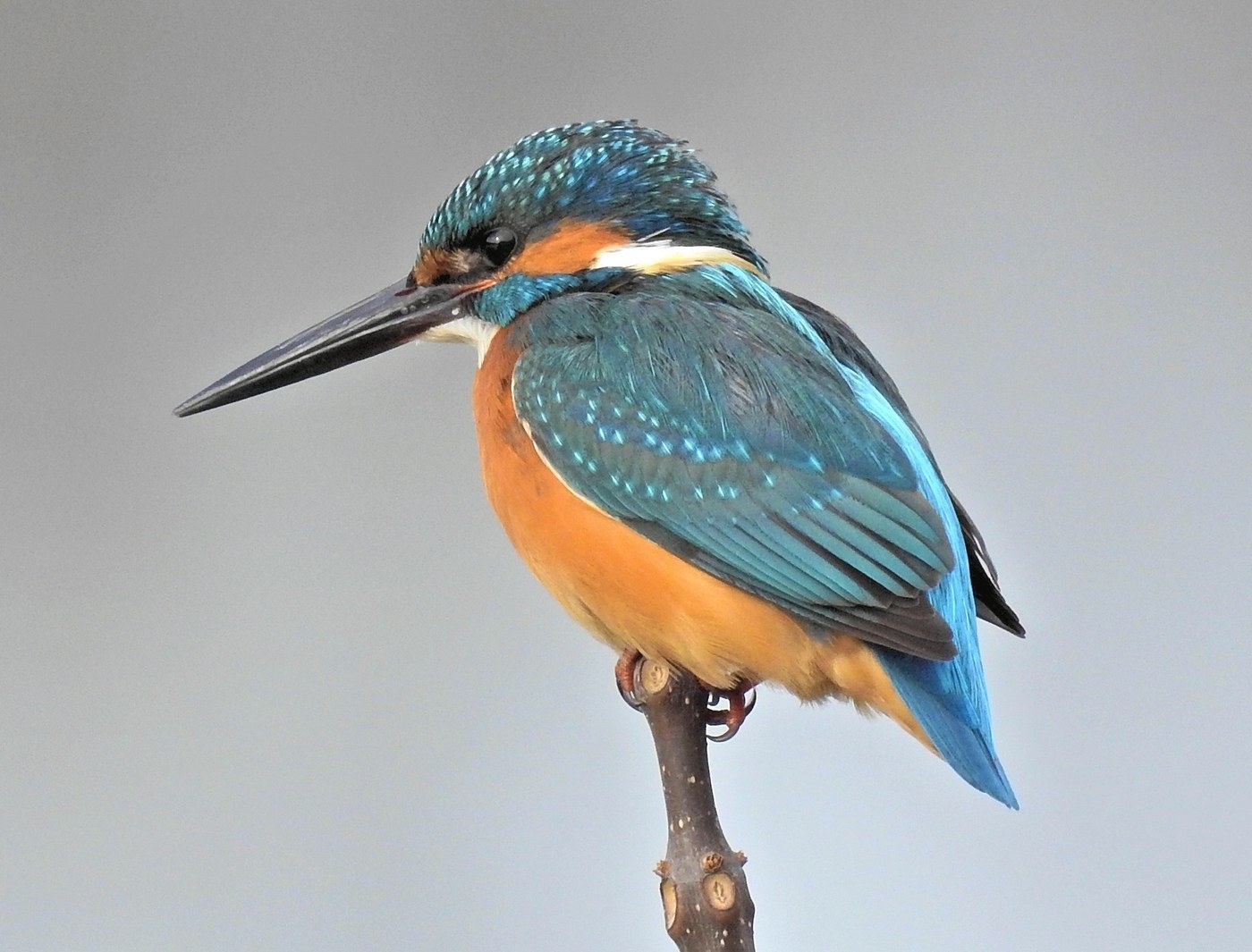
Common Kingfisher
Body (contour) and wing feathers
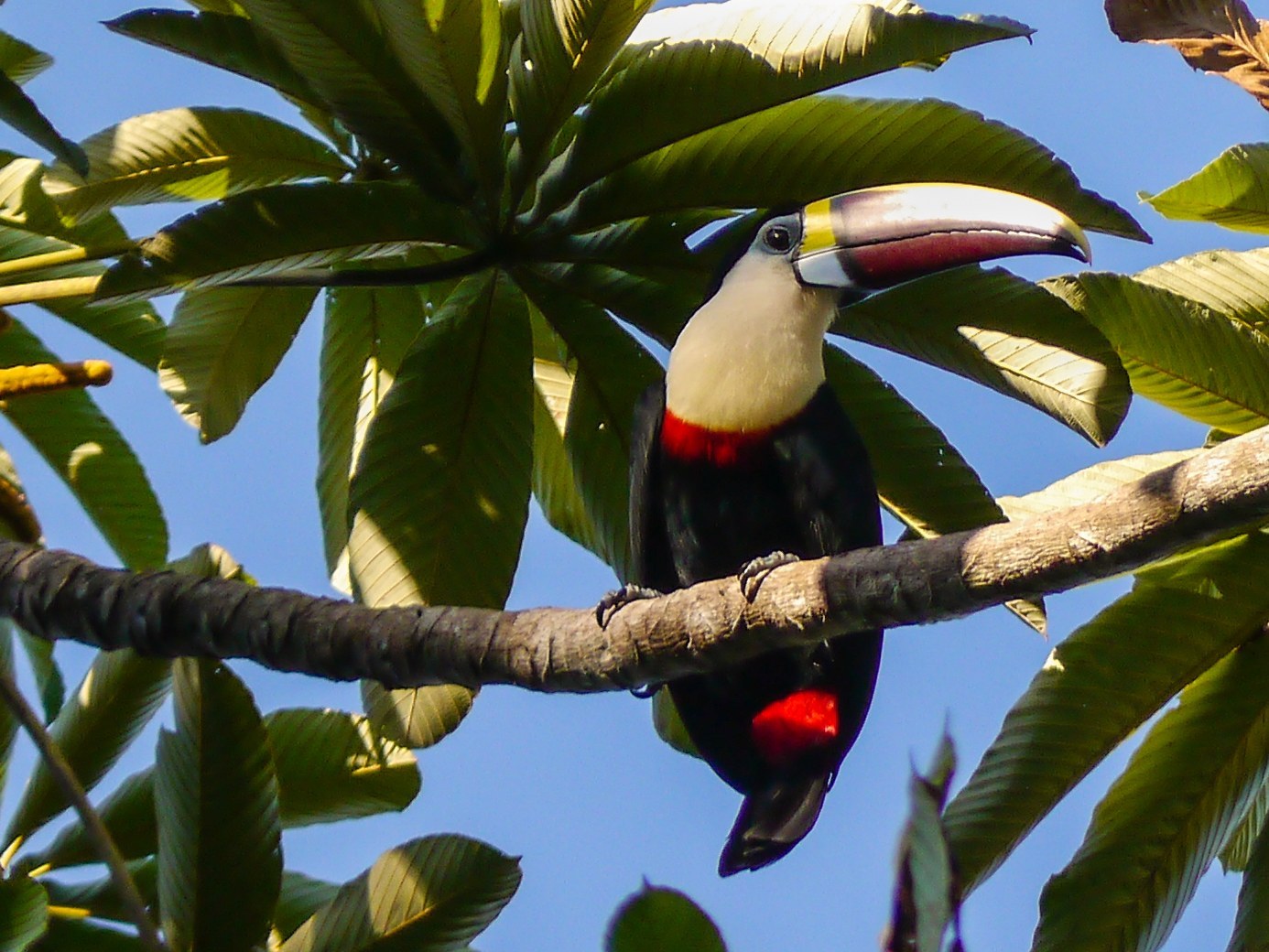
White-throated Toucan
Short rounded contour feathers, short broad wings
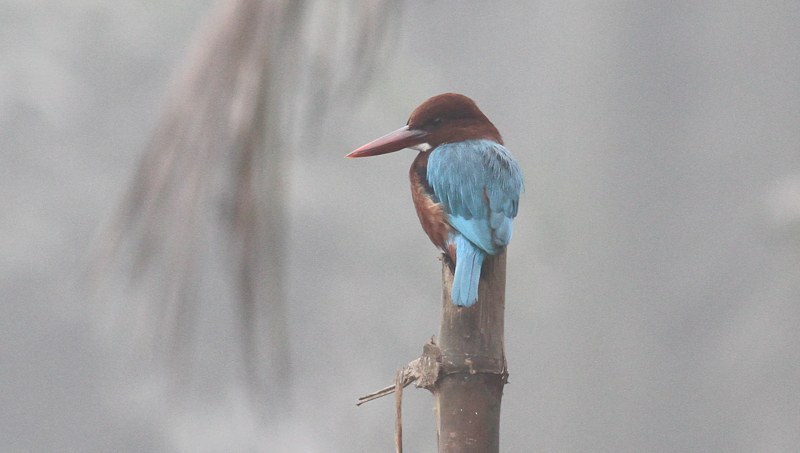
White-throated Kingfisher
Dense contour feathers; broad rounded wings

White-throated Bee-eater
Sleek, aerodynamic contour feathers; elongated central tail streamers
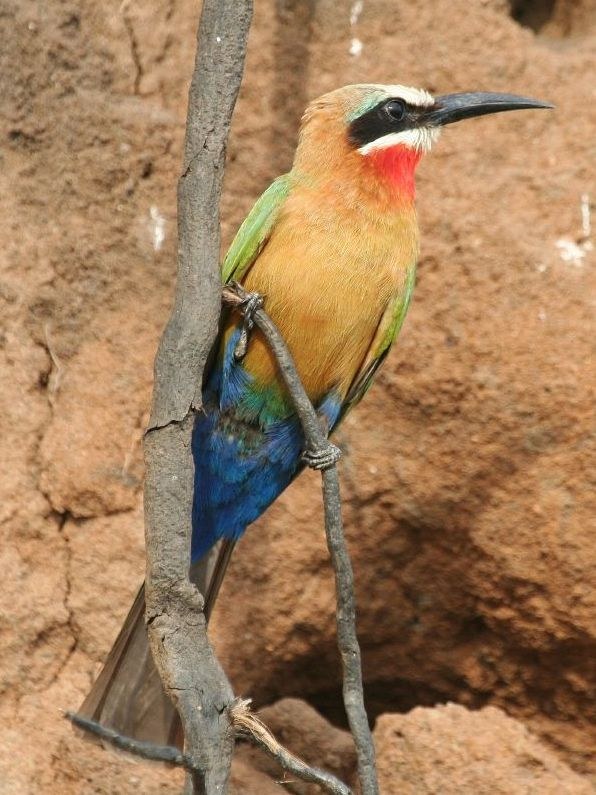
White-fronted Bee-eater
Sleek contour feathers; short tail with slight point

Southern Yellow-billed Hornbill
Slender contour feathers, moderate flight feathers
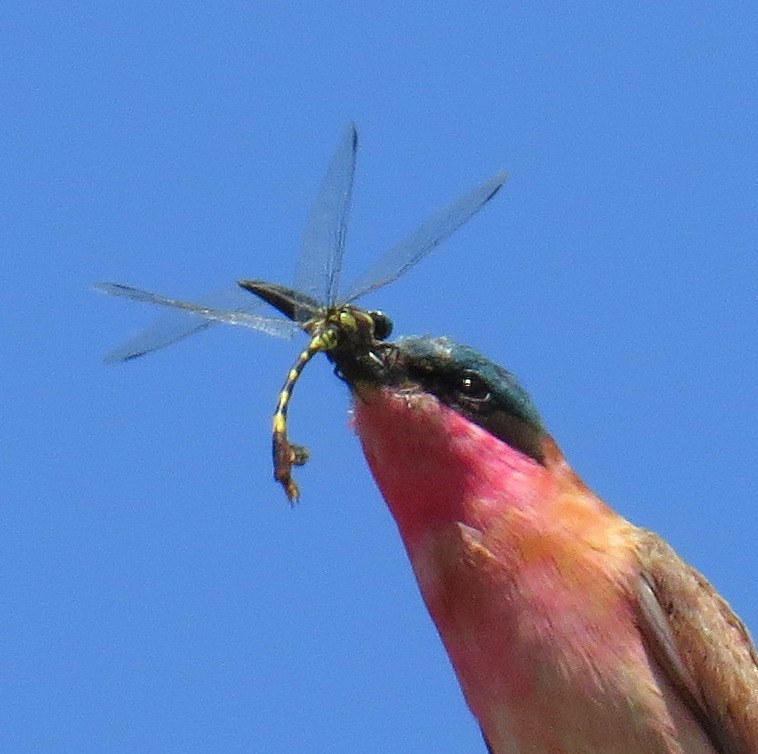
Southern Carmine Bee-eater
Sleek, pointed contour feathers; elongated central tail streamers
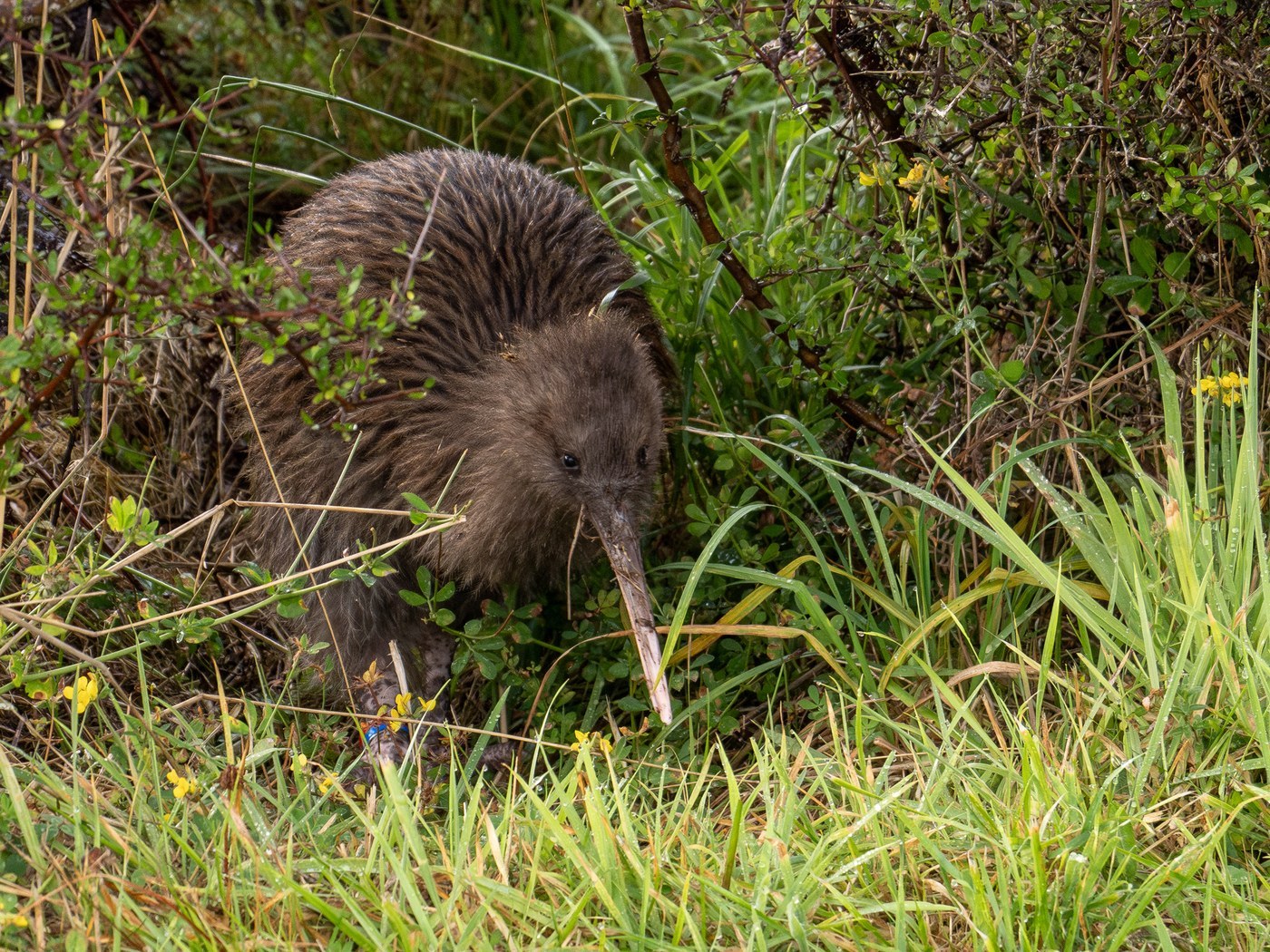
Southern Brown Kiwi
Shaggy, hair-like plumage with loose barbs lacking barbules; flightless, vestigial wings hidden beneath body feathers

Somali Ostrich
Loose, soft plumes lacking interlocking barbules

Wreathed Hornbill
Dense contour feathers, broad flight feathers

Woodland Kingfisher
Firm contour feathers; broad wing feathers