
How to Identify Great Spotted Kiwi Feathers
A guide to recognizing the coarse, hair-like, grizzled grey-brown feathers of New Zealand's largest kiwi and telling them apart from other kiwi species.
Read the full Great Spotted Kiwi encyclopedia entry →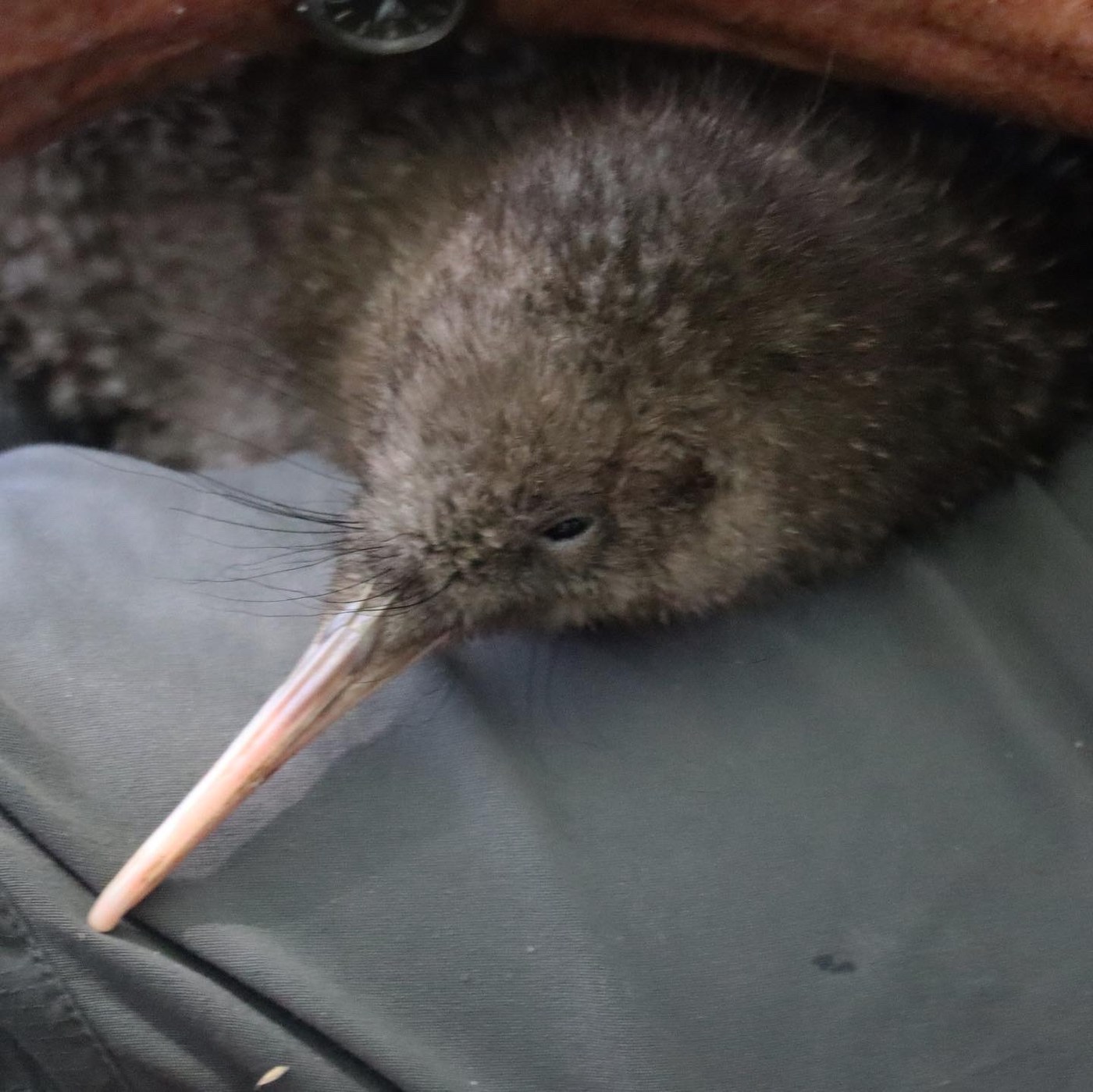
What Great Spotted Kiwi's Feathers Look Like
The Great Spotted Kiwi is New Zealand's largest kiwi and a flightless, nocturnal ground-forager, and its feathers look nothing like a typical bird's. Because kiwi feathers have lost the interlocking barbules that hold a normal feather's vane flat, they hang loose and separate, giving the whole plumage a shaggy, hair-like or fur-like texture rather than a smooth feathered surface. Individual feathers are long, soft, and double-shafted — each has a small secondary shaft (an afterfeather) growing from the base of the main one, a primitive feature shared with other flightless ratites.
Color is a grizzled grey-brown, produced by fine alternating light and dark banding along each barb, which from a short distance blends into a streaked, mottled pattern — distinctly "spotted" or streaky compared to the more uniform reddish-brown of Brown Kiwi. Because Great Spotted Kiwi has no functional wings or tail, there are no true flight or tail feathers to find; every feather recovered from this species is a body/contour-type feather, uniformly coarse and loosely structured from head to rump.
Step-by-Step: Is This Feather From a Great Spotted Kiwi?
- Check the texture first. A loose, hair-like feather that doesn't hold a flat vane shape, with barbs that separate easily when touched, is the clearest sign of a kiwi rather than a typical flighted bird.
- Look for the double shaft. A small secondary shaft branching from the base of the main feather shaft is a distinctive kiwi feature worth checking for.
- Assess the color pattern. A grizzled grey-brown look, with fine light-dark banding creating a streaked or spotted effect rather than solid rufous-brown, favors this species over Brown Kiwi.
- Consider size. Great Spotted Kiwi is the largest kiwi species, so its feathers tend to run slightly larger and coarser than those of the smaller Little Spotted Kiwi.
- Rule out flight/tail feathers. Since this species has no functional wings or tail, any true flight or tail-shaped feather is not from a kiwi at all.
- Think about location. A coarse, hair-like grey-brown feather found in mountainous or hill forest on New Zealand's South Island fits this species' specific range.
Similar Species & How to Tell Them Apart
The Brown Kiwi (North Island and parts of the South Island) shows a warmer, more uniform rufous-brown tone with less obvious grizzled streaking, making Great Spotted Kiwi's coloring noticeably grayer and more finely patterned by comparison. The Little Spotted Kiwi, the smallest kiwi species and now largely restricted to offshore islands and sanctuaries, has a similar grizzled grey pattern but produces distinctly smaller, finer feathers. Because true kiwi feathers are so distinctive in texture, confusion with non-kiwi species is unlikely; the main challenge is separating Great Spotted Kiwi from its close relatives by size and precise shade of grey versus brown.
Where & When You'll Find Them
Great Spotted Kiwi are restricted to mountainous and hill forest, scrubland, and tussock grassland of New Zealand's South Island, where they forage at night by smell and touch for invertebrates in leaf litter and soil. As a flightless bird with no seasonal migration, feather turnover is continuous and gradual throughout the year rather than concentrated in a sharp molt period, so feathers can be found near burrows and foraging areas in suitable habitat at any time of year, with no strong seasonal peak.
Frequently asked questions
Why doesn't this feather look like a normal bird feather?
Kiwi feathers lack the interlocking barbules that hold most feathers flat, giving them a loose, hair-like texture, and each feather also carries a small secondary afterfeather shaft — both primitive traits shared with other flightless ratites.
How do I tell it from a Brown Kiwi feather?
Great Spotted Kiwi feathers show a grayer, more finely grizzled and streaked pattern, while Brown Kiwi feathers are a warmer, more uniform rufous-brown.
Could this be a tail or wing feather?
No — Great Spotted Kiwi has no functional wings or tail, so every feather from this species is a body/contour-type feather regardless of where on the body it grew.
How can I tell it apart from Little Spotted Kiwi?
The patterns are similar, but Great Spotted Kiwi is the larger species, so its feathers tend to run somewhat bigger and coarser than the smaller Little Spotted Kiwi's.
Is there a particular season for finding these feathers?
Not really — as a non-migratory, flightless bird, feather turnover is gradual and continuous year-round rather than concentrated into a single molt season.