

King Bird-of-paradise
Cicinnurus regius
The King Bird-of-paradise is the smallest member of its family, with a brilliant crimson-and-white plumage and unusual wire-like tail feathers that end in coiled emerald-green discs. It forages and displays in the lower and middle levels of New Guinea lowland forest.
- Feather type
- Wire-like tail feathers ending in disc-shaped plumes, silky contour feathers
- Colours
- Crimson-red upperparts, white underparts, with emerald-green tail-wire discs
- Bird size
- Sparrow-sized, ~16 cm plus tail wires
Found a feather like this?
Identify any feather from a photo, free.
Overview
Overview
The King Bird-of-paradise is the smallest species in the bird-of-paradise family, but it is no less elaborately plumed than its larger relatives. Its combination of vivid crimson upperparts and unique tail ornaments makes it one of the most recognizable small forest birds in its range.
- Smallest bird-of-paradise species by body size
- Plumage combines vivid color blocks with unusual wire-like tail ornaments
- Found in the lower and middle canopy layers rather than high in the canopy
Identifying the Feather
Feather Identification
Adult males have brilliant crimson-red upperparts and a clean white belly, separated by a narrow dark band across the upper breast. The most distinctive feathers are the two long, bare-shafted tail wires, each ending in a small, tightly coiled emerald-green disc.
- Upperparts: crimson-red, glossy
- Underparts: clean white
- Breast band: narrow, dark, separating red from white
- Tail wires: thin, wire-like shafts ending in coiled emerald-green plumes
The pairing of crimson-and-white body plumage with coiled green disc-tipped tail wires is unique to this species and unmistakable among small rainforest birds.
Plumage & Molt
Plumage Notes
Adult males show the full crimson, white, and green plumage described above, while females and immature males are duller, with brownish upperparts and barred, paler underparts. Full tail-wire development in males takes time to complete after other plumage matures.
- Adult males: vivid crimson, white, and green plumage with tail wires
- Females and immatures: dull brownish plumage with barred underparts
- Tail wires develop later than body plumage in maturing males
Habitat & Range
Habitat & Range
Found in lowland rainforest across New Guinea and nearby islands, typically in the lower and middle forest strata rather than the high canopy favored by larger relatives.
- Non-migratory resident of lowland tropical forest
- Occupies understory and mid-story layers more than canopy
- Present on New Guinea and several surrounding islands
Behavior & Field Notes
Behavior & Field Notes
Males perform solo display routines on selected perches, showing off their tail wires and puffing out their body plumage, rather than gathering at large communal leks. Diet consists mainly of fruit with some small animal prey.
- Voice: a distinctive, buzzy or trilling call given from display perches
- Nesting: females build and tend nests alone, typically in tree cavities or dense vegetation
- Field notes: the small size combined with crimson-and-white plumage and green disc-tipped tail wires make displaying males unmistakable
Frequently asked questions
What makes the King Bird-of-paradise's tail feathers unique?
Its two central tail feathers are thin, wire-like shafts that end in small, tightly coiled emerald-green discs, unlike any other bird-of-paradise.
How big is this species compared to other birds-of-paradise?
It is the smallest member of the family, with a body only about 16 cm long, not counting the tail wires.
What do females look like?
Females are dull brownish overall with barred underparts, lacking the crimson, white, and green plumage of adult males.
Where does this species forage?
In the lower and middle levels of lowland rainforest, rather than high in the canopy.
King Bird-of-paradise guides
In-depth guides for identifying and understanding King Bird-of-paradise.

Other feathers you may enjoy

Yellow-breasted Bunting
Contour and flight feathers, chestnut-and-yellow breeding pattern
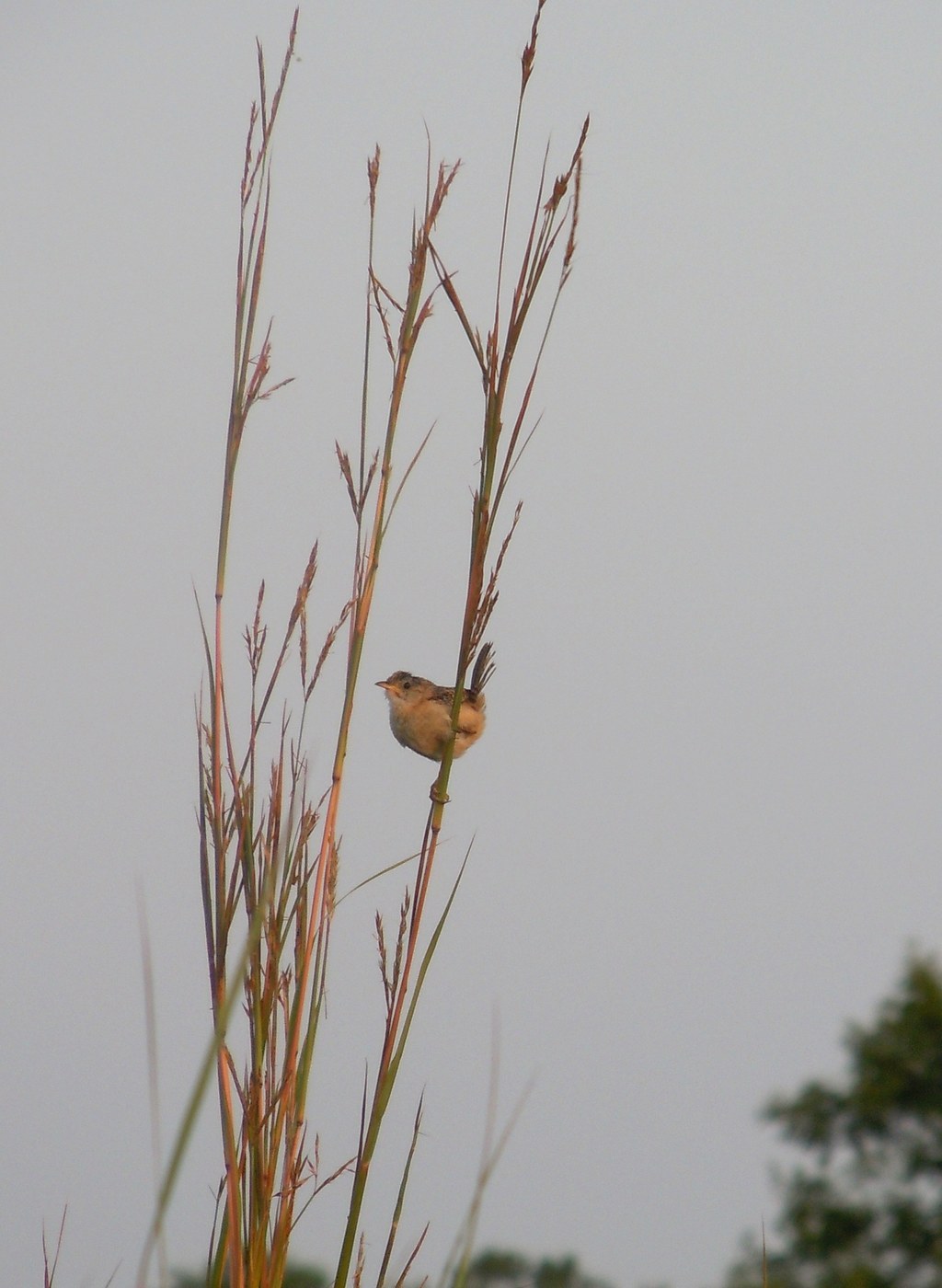
Sedge Wren
Tiny streaked crown and back feathers

Yellow-winged Cacique
Glossy black body feathers, yellow wing patch, shaggy crest

Yellow Warbler
Small contour and flight feathers
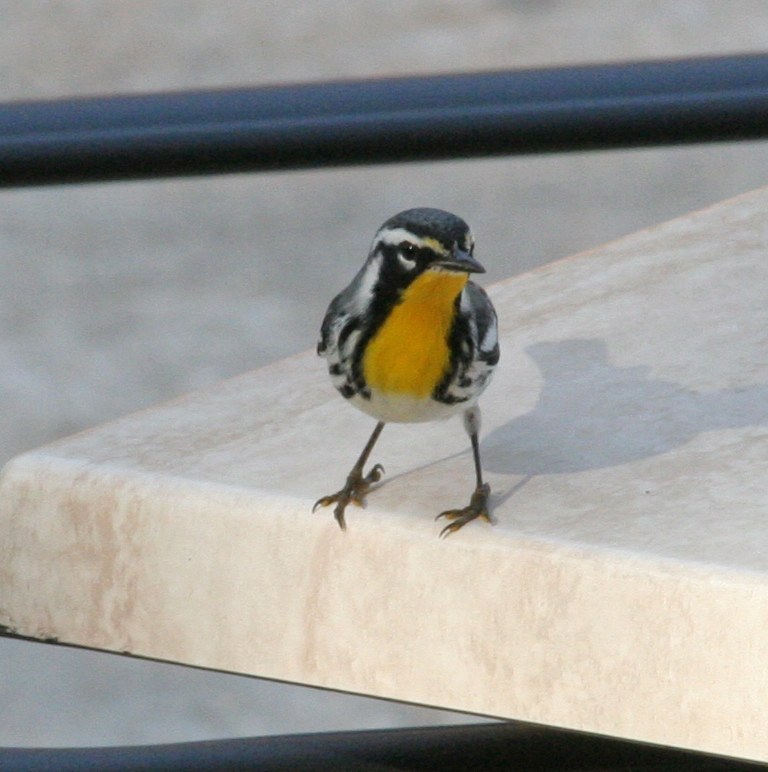
Yellow-throated Warbler
Small contour and flight feathers
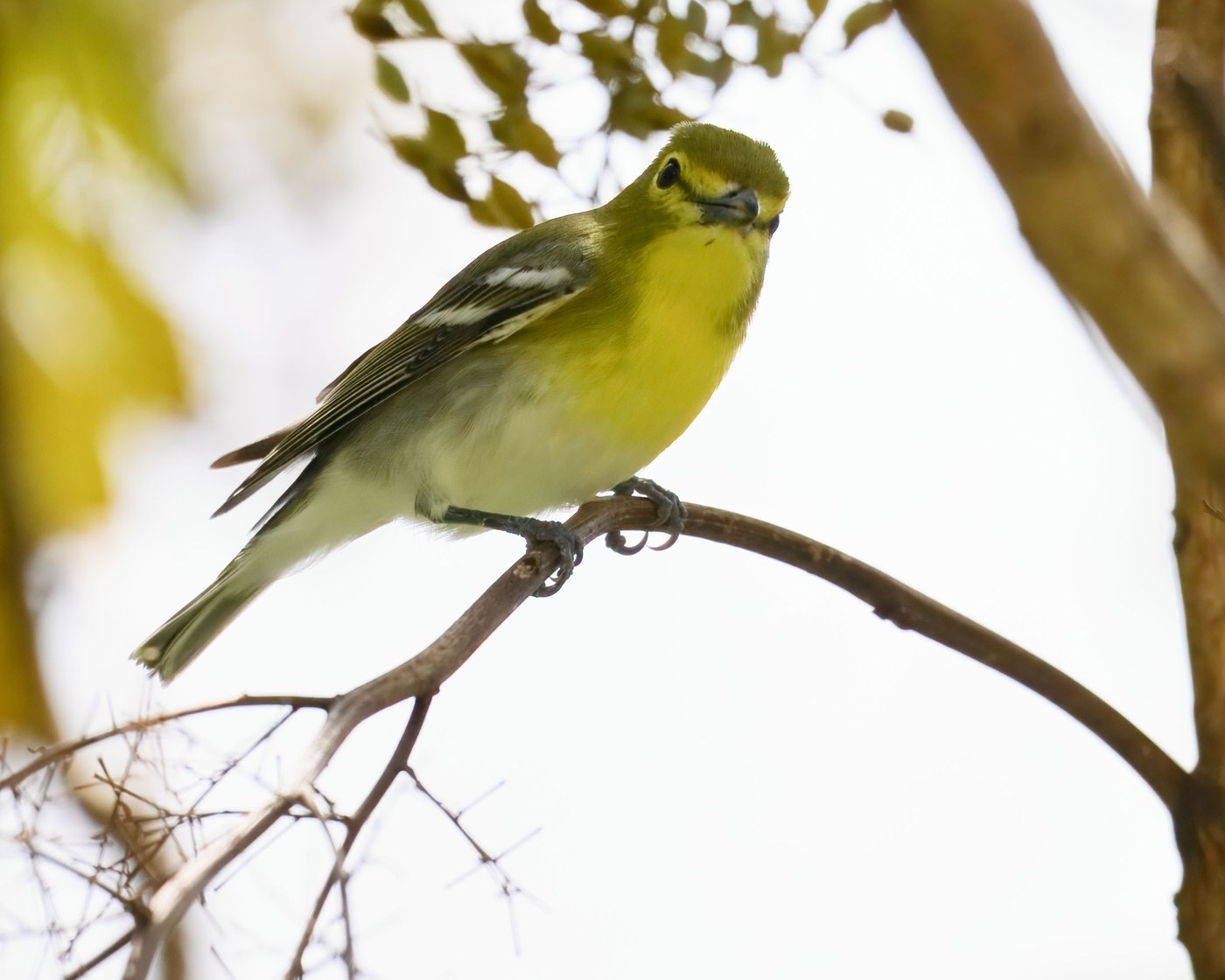
Yellow-throated Vireo
Bright yellow throat and spectacle feathers; olive-green back feathers; two white wing-bar feathers

Yellow-rumped Warbler
Small contour and flight feathers
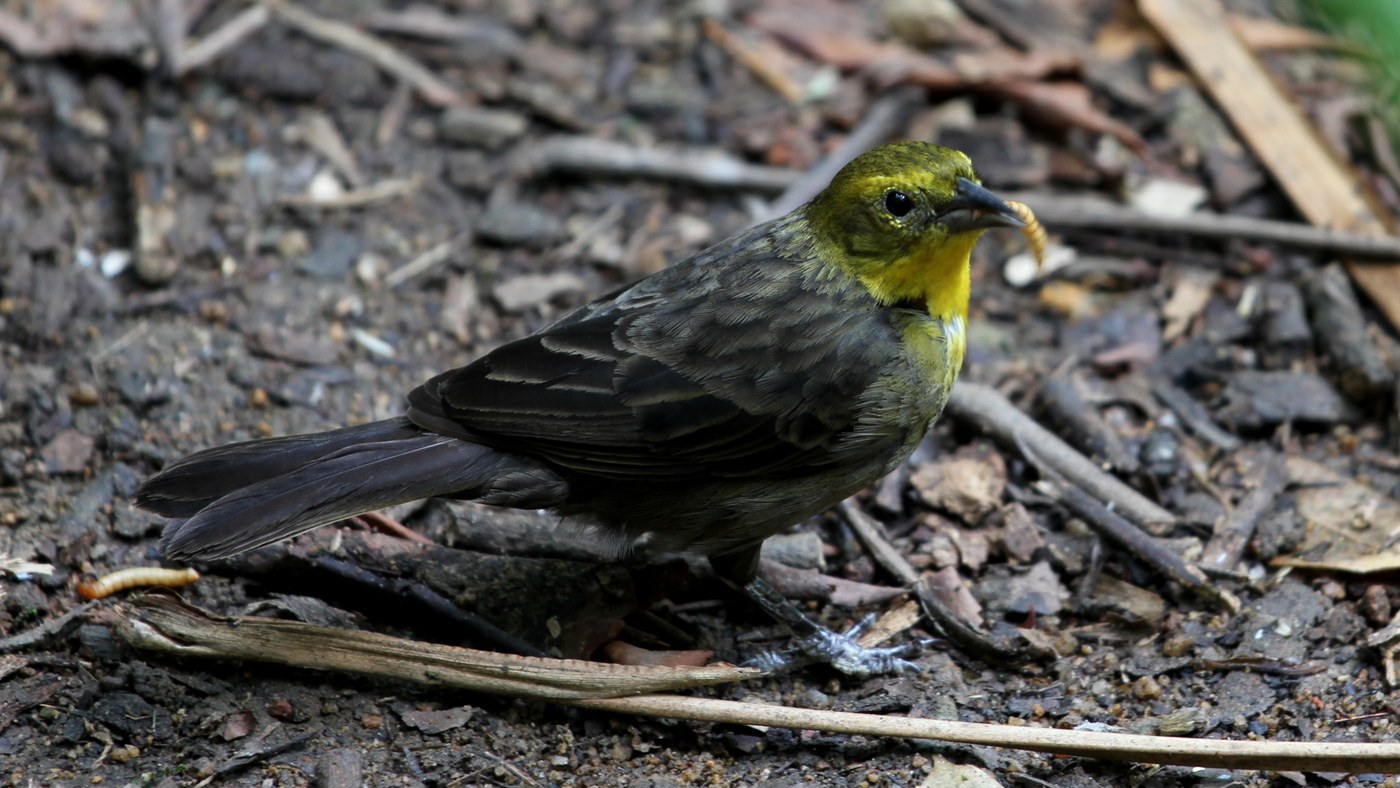
Yellow-hooded Blackbird
Contrasting hood and body feathers
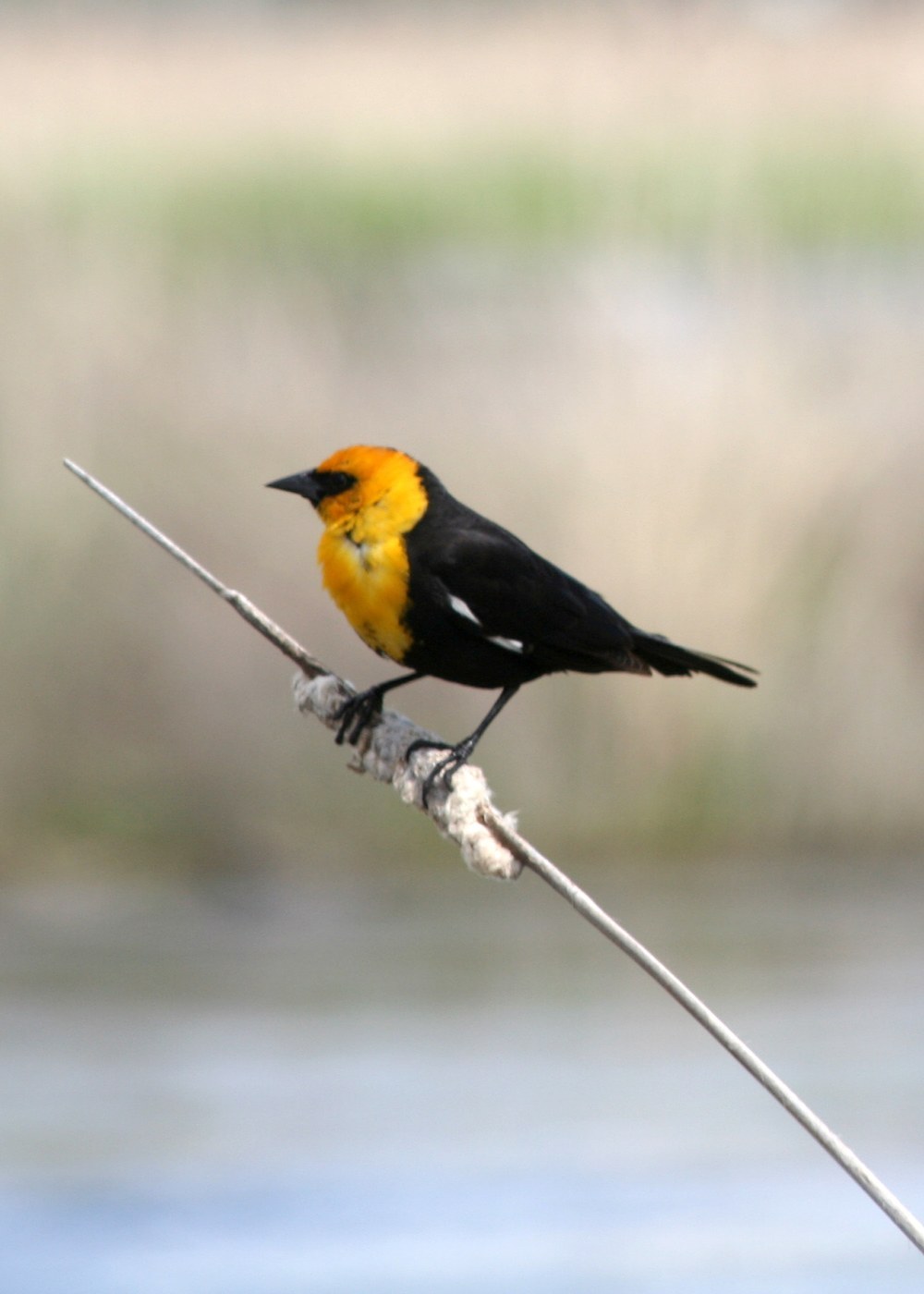
Yellow-headed Blackbird
Glossy black body plumage with a bright yellow head and breast

Yellow-eyed Junco
Contour and flight feathers

Yellow-fronted Canary
Small, smooth body plumage

Yellow-breasted Greenfinch
Compact, smooth body plumage