

White-bellied Sea Eagle
Haliaeetus leucogaster
The White-bellied Sea Eagle is a large raptor with a white head, body, and tail contrasting against grey upperwings, typically seen soaring over coasts and large waterways.
- Feather type
- Broad, strong flight feathers with dense body contour feathers
- Colours
- White head, underparts, and tail contrasting with grey upperwings
- Bird size
- Large raptor, ~75-85 cm, wingspan to about 2.2 m
Found a feather like this?
Identify any feather from a photo, free.
Overview
Overview
The White-bellied Sea Eagle is one of the largest raptors found in Australia and across coastal and wetland regions of South and Southeast Asia, often seen soaring on flat, slightly upswept wings over water in search of fish and other prey. Adults are unmistakable due to their striking white-and-grey pattern.
- Family: Accipitridae (eagles, hawks, and kites)
- Distribution: coastal Australia, New Guinea, and much of South and Southeast Asia
- Notable trait: distinctive wedge-shaped tail with a dark band
Identifying the Feather
Feather Identification
Adult body and head feathers are clean white, contrasting sharply with grey upperwing coverts and darker grey-black flight feathers. The tail is wedge-shaped and mostly white with a dark band near the tip, visible when fanned in flight. The bill is large, grey, and hook-tipped, and the legs are feathered partway down before bare, pale legs and strong talons.
- Overall pattern: white head/body/tail against grey upperwings
- Key mark: wedge-shaped tail with a dark subterminal band
- Compare with: immature birds (mottled brown, lacking the clean white-and-grey adult pattern) and other large raptors sharing coastal habitat
Plumage & Molt
Plumage
Adults show the striking white-and-grey pattern described above, with sexes similar though females are noticeably larger. Immatures are mostly mottled brown, gradually acquiring white on the head and underparts over several years before reaching full adult plumage. There is no seasonal plumage variation in adults.
Habitat & Range
Habitat & Range
This eagle is found along coastlines, estuaries, large rivers, and lakes across Australia, New Guinea, and much of South and Southeast Asia, generally remaining close to water. Most populations are resident, with pairs holding large territories around a stretch of coast or waterway for many years.
Behavior & Field Notes
Behavior & Field Notes
White-bellied Sea Eagles hunt fish, waterbirds, and other prey, often taken from the water's surface in a shallow swoop, and will also scavenge. Pairs build large stick nests reused and added to over many years, typically in a tall tree or on a cliff near water. Calls are loud, goose-like honking notes, often given in flight or from a perch by a pair.
- Diet: fish, waterbirds, and other prey, plus carrion
- Voice: loud, honking calls, often duetted by a pair
- Field note: frequently seen soaring in high circles over coastal waters or perched prominently in tall waterside trees
Frequently asked questions
What is the easiest way to identify an adult White-bellied Sea Eagle?
Look for a large raptor with a white head, body, and wedge-shaped tail contrasting against grey upperwings.
How do immature birds differ from adults?
Immatures are mostly mottled brown and take several years to gradually acquire the clean white-and-grey adult pattern.
What does it eat?
Mainly fish and waterbirds, often snatched from the water's surface, along with some scavenged carrion.
Where is it typically found?
Along coastlines, estuaries, and large inland waterways across Australia and much of South and Southeast Asia.
White-bellied Sea Eagle guides
In-depth guides for identifying and understanding White-bellied Sea Eagle.

White-bellied Sea Eagle identified by the community
Real feathers identified with Feather Identifier.


Other feathers you may enjoy

Australian Hobby
Long, narrow pointed flight feathers; slender tail feathers

California Condor
Massive flight feathers; long broad primaries; large tail feathers

Brown Falcon
Broad, rounded flight feathers; variable-toned contour feathers
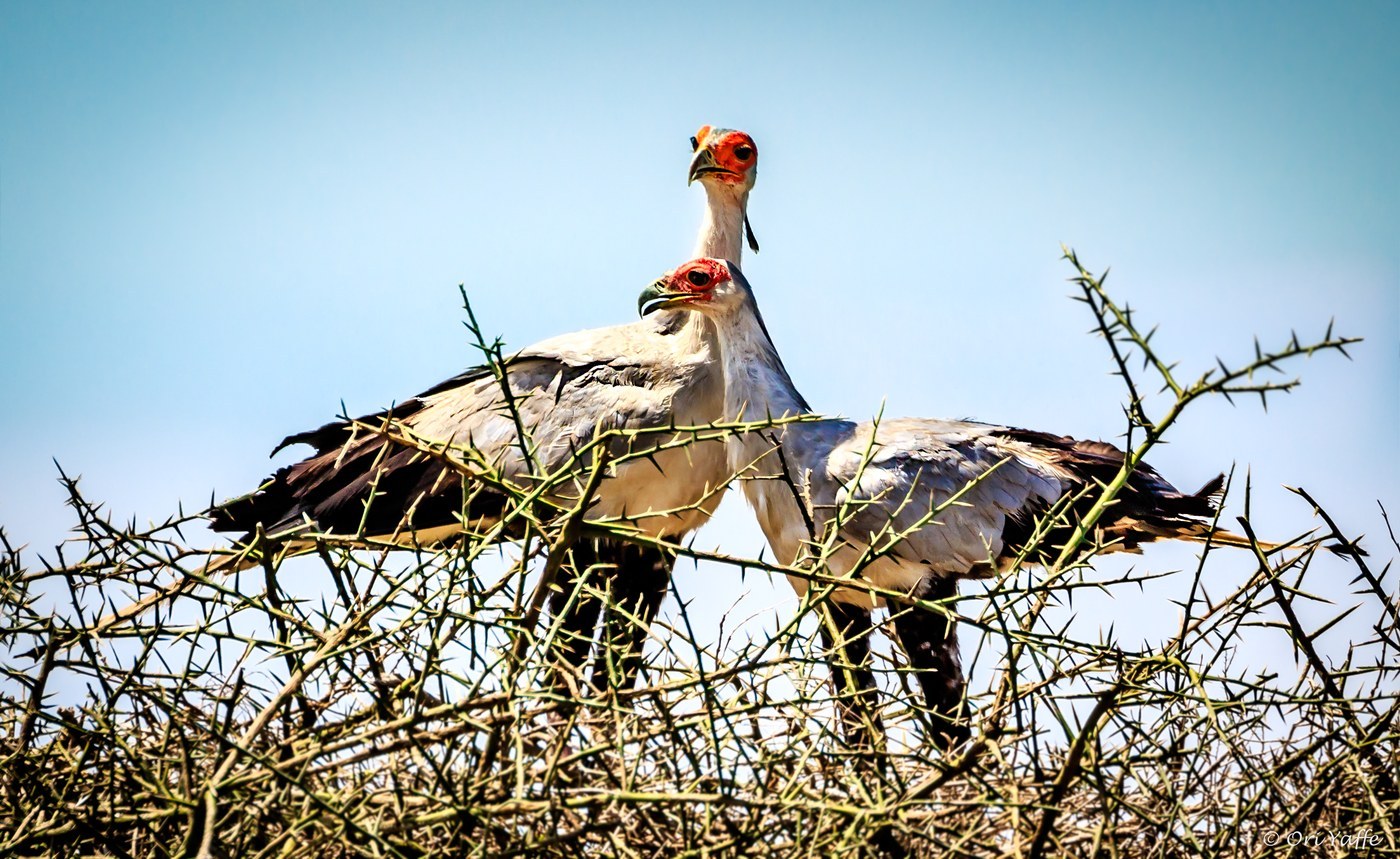
Secretarybird
Long crest feathers; broad flight feathers; elongated central tail feathers

Orange-breasted Falcon
Broad-based pointed flight feathers; bold breast and belly feathers
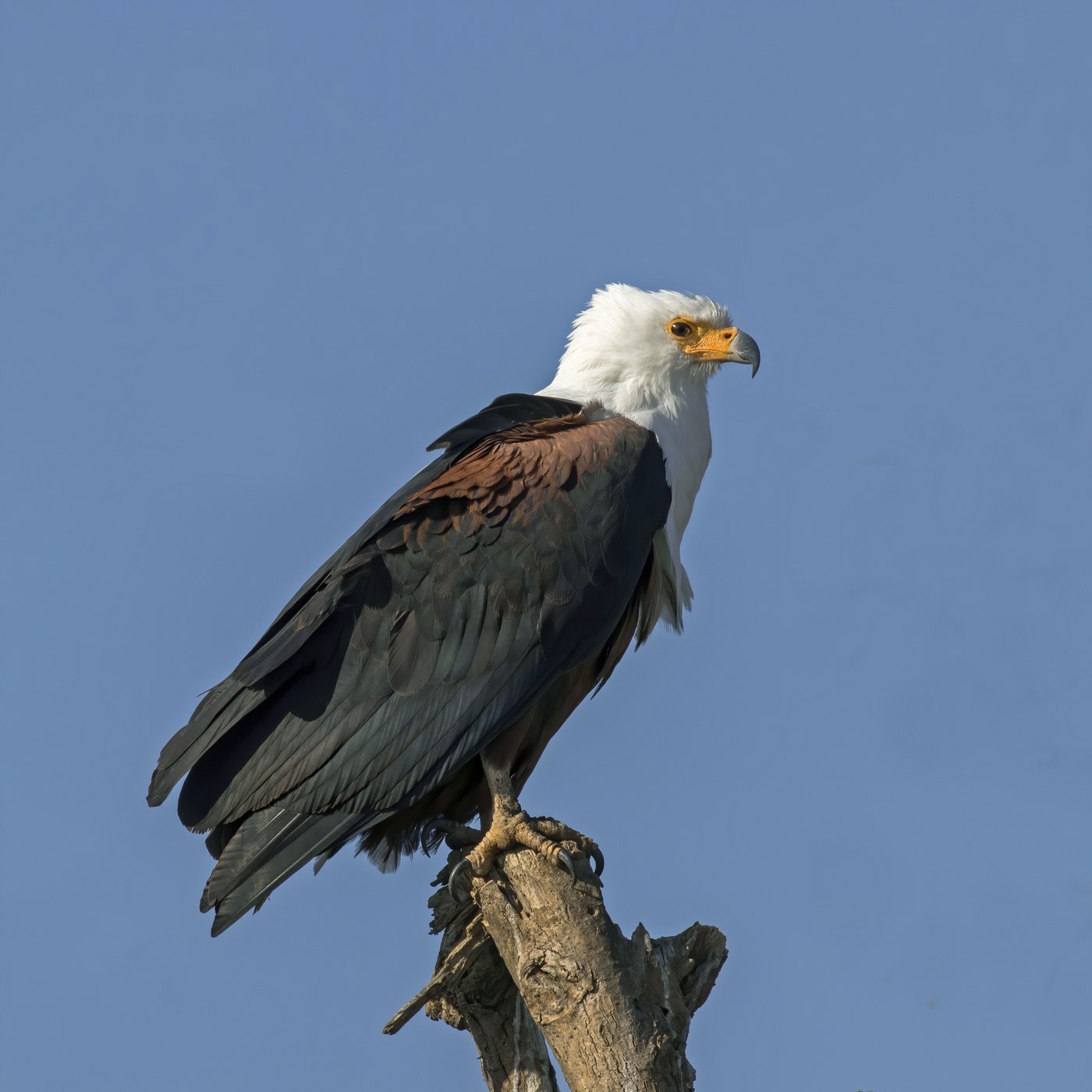
African Fish Eagle
Flight, tail, and body feathers

Amur Falcon
Slender pointed flight feathers; soft slate or orange-buff contour feathers
Red Kite
Flight (wing) and tail feathers
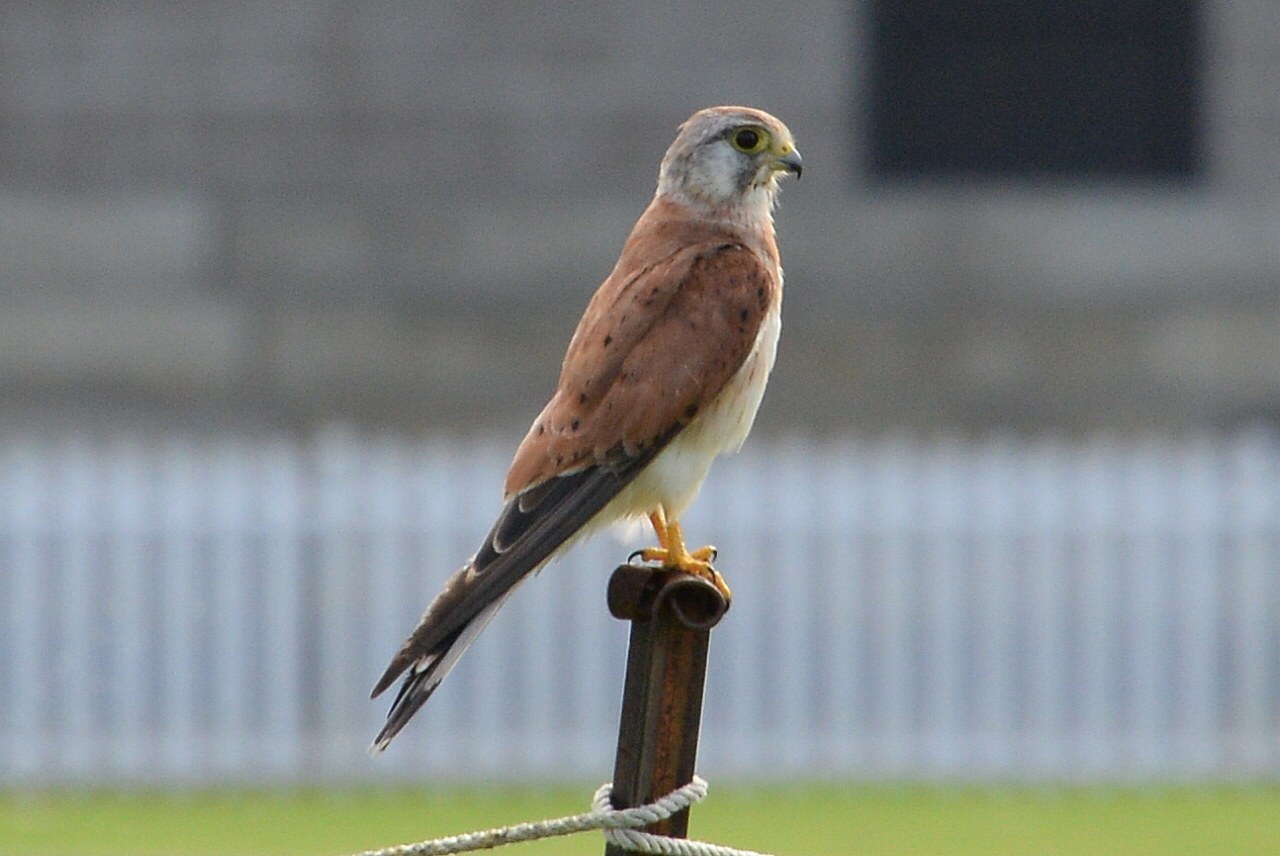
Nankeen Kestrel
Slim pointed flight feathers; lightly marked contour feathers

Andean Condor
Massive flight feathers; broad primaries and secondaries; sturdy tail feathers

Plumbeous Forest Falcon
Short rounded flight feathers; finely barred tail feathers

Sooty Falcon
Long pointed flight feathers; slim tail feathers