
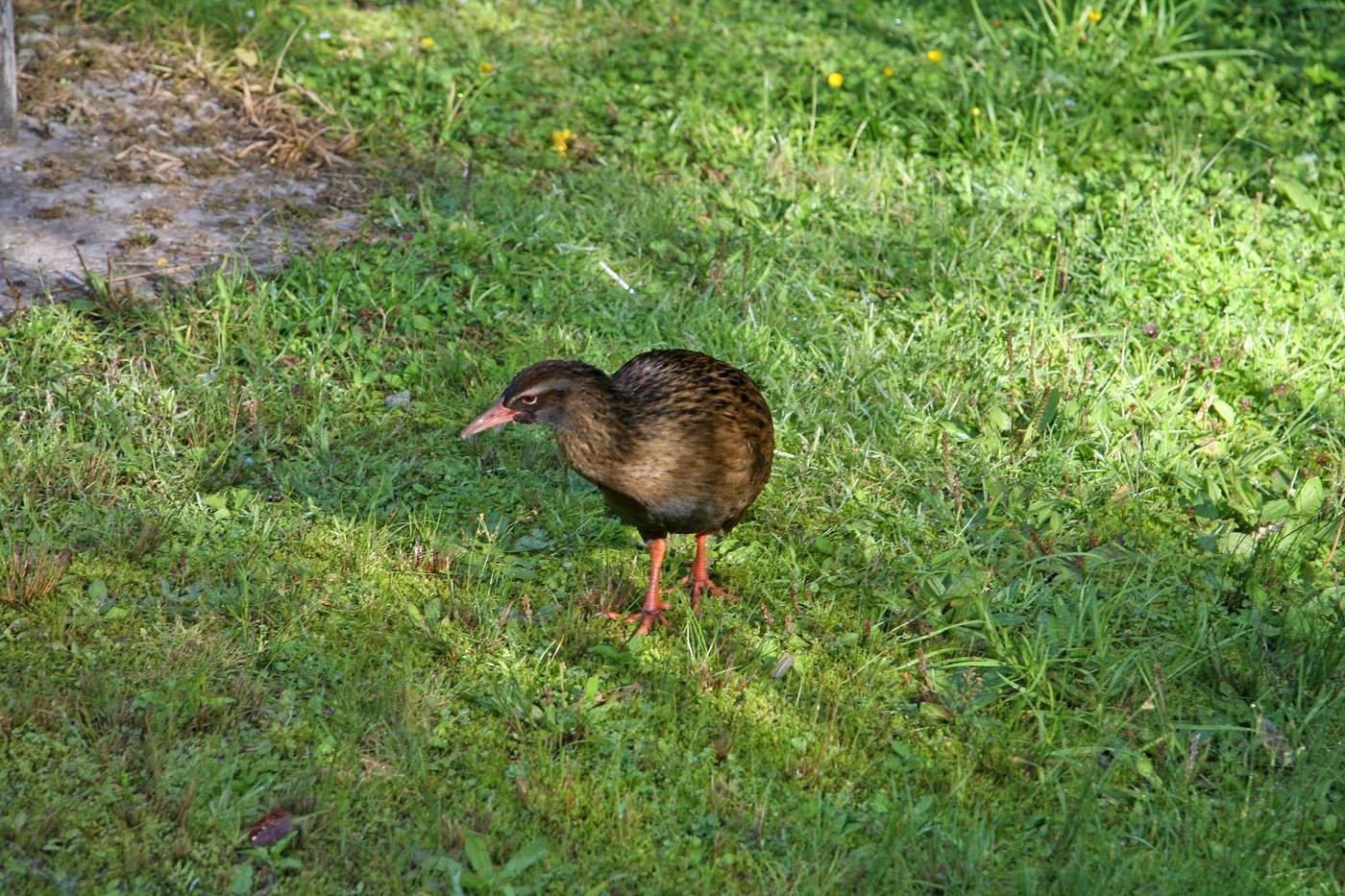
Weka
Gallirallus australis
The Weka is a robust, flightless New Zealand rail with streaked brown plumage, known for its bold, inquisitive, and often opportunistic behaviour around people.
- Feather type
- Coarse, loosely webbed brown contour feathers suited to ground life
- Colours
- Streaked and barred brown plumage overall
- Bird size
- Large, ~53 cm
Found a feather like this?
Identify any feather from a photo, free.
Overview
Overview
The Weka is a large, flightless rail endemic to New Zealand, distributed across several distinct colour forms and regional populations on both main islands and various offshore islands. It is notably bold and curious compared to many other rails, often approaching campsites and settlements.
- Family: Rallidae (rails, crakes, and swamphens)
- Distribution: various regions of New Zealand and some offshore islands
- Notable trait: robust, chicken-like build and strong, stout bill
Identifying the Feather
Feather Identification
Plumage is streaked and barred brown overall, with colour tone varying by regional form from paler buff-brown to darker chestnut-brown, but always showing a mottled, camouflaged pattern rather than solid colouration. The bill is stout, slightly downcurved, and reddish-brown, and the wings are short, held close to the body, reflecting its flightless habit. Legs are strong and sturdy, suited to fast running.
- Overall tone: mottled brown, streaked and barred
- Key mark: stout reddish-brown bill and robust, chicken-like body shape
- Compare with: introduced game birds sharing brown mottled plumage, though the Weka's build and bare-faced look with a strong bill are distinctive
Plumage & Molt
Plumage
Sexes look broadly similar, with males typically larger than females. Regional colour forms vary from paler to darker brown, a natural feature of the species rather than age-related difference. Juveniles resemble adults but are somewhat duller, and there is no notable seasonal plumage change.
Habitat & Range
Habitat & Range
Weka occupy a broad range of habitats including forest edge, scrub, farmland, and coastal areas across parts of New Zealand and several offshore islands, though distribution has fluctuated with predator pressure and past declines. Populations are sedentary, defending home territories that can include gardens and campsites.
Behavior & Field Notes
Behavior & Field Notes
Weka are opportunistic, omnivorous foragers, taking invertebrates, small animal prey, and plant material, and are notorious for boldly investigating and sometimes taking unattended food or small objects around campsites. Being flightless, they rely on strong legs to run and escape danger. Calls include loud, repeated, cricket-like whistling notes, often given at dusk or night. Nests are built on the ground in dense cover.
- Diet: omnivorous, taking invertebrates, small animal prey, and plant material
- Voice: loud, repeated whistling calls, often heard at dusk
- Field note: well known for boldly approaching people and investigating unattended belongings at campsites
Frequently asked questions
Can the Weka fly?
No, it is flightless, relying on strong legs to run rather than fly to escape danger.
Why is the Weka known for bothering campers?
It is a bold, curious, opportunistic forager that will readily investigate and sometimes take unattended food or small items left by people.
Do all Weka look the same colour?
No, there are several regional colour forms ranging from paler buff-brown to darker chestnut-brown.
What does the Weka eat?
It is omnivorous, eating invertebrates, small animal prey, and plant material as available.
Weka guides
In-depth guides for identifying and understanding Weka.
Other feathers you may enjoy

Yellow-billed Spoonbill
White contour and flight feathers with fine breeding plumes on the back and breast
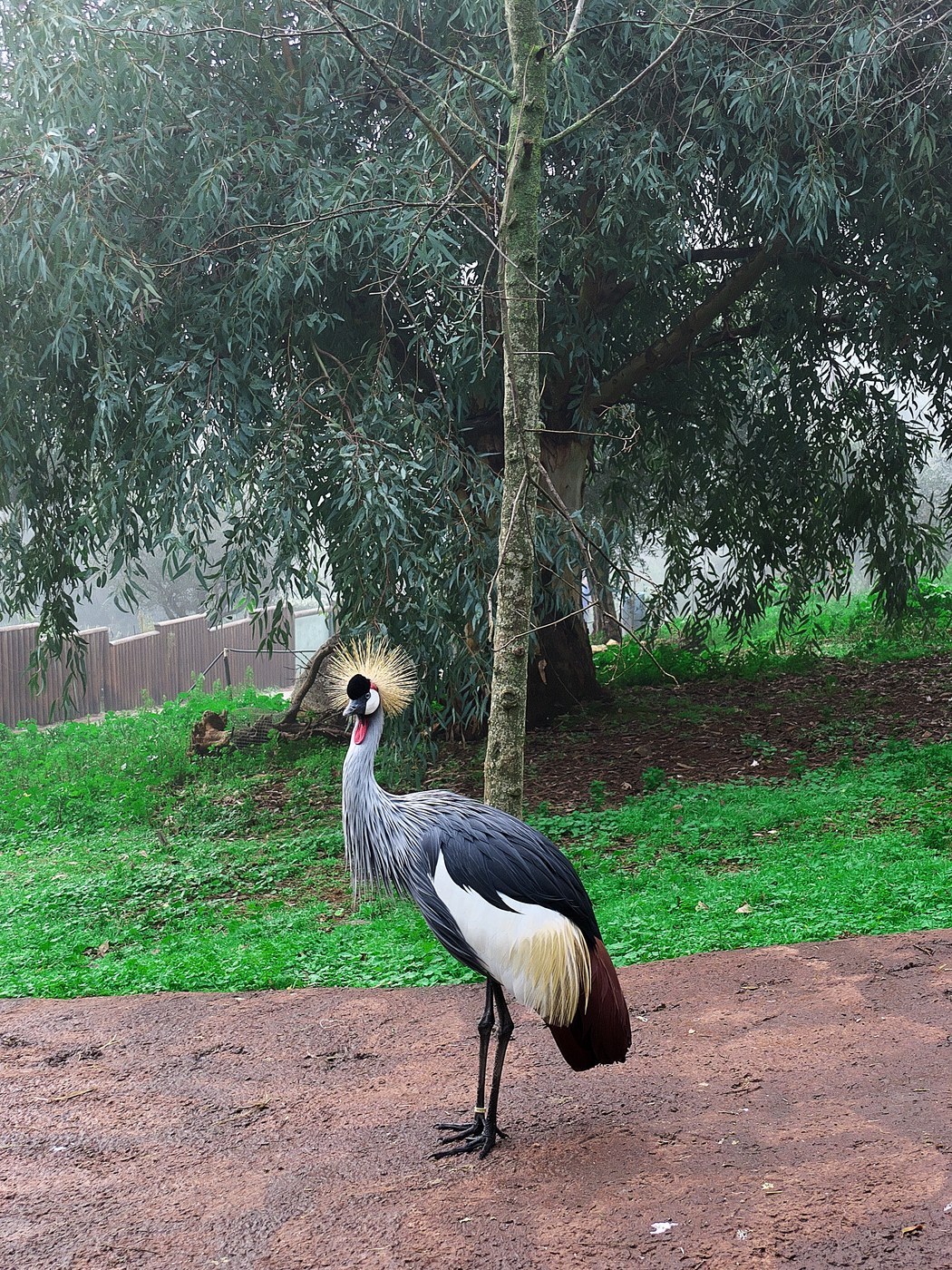
Grey Crowned Crane
Grey body feathers with white wing coverts, chestnut flight feathers, and stiff golden crown bristles
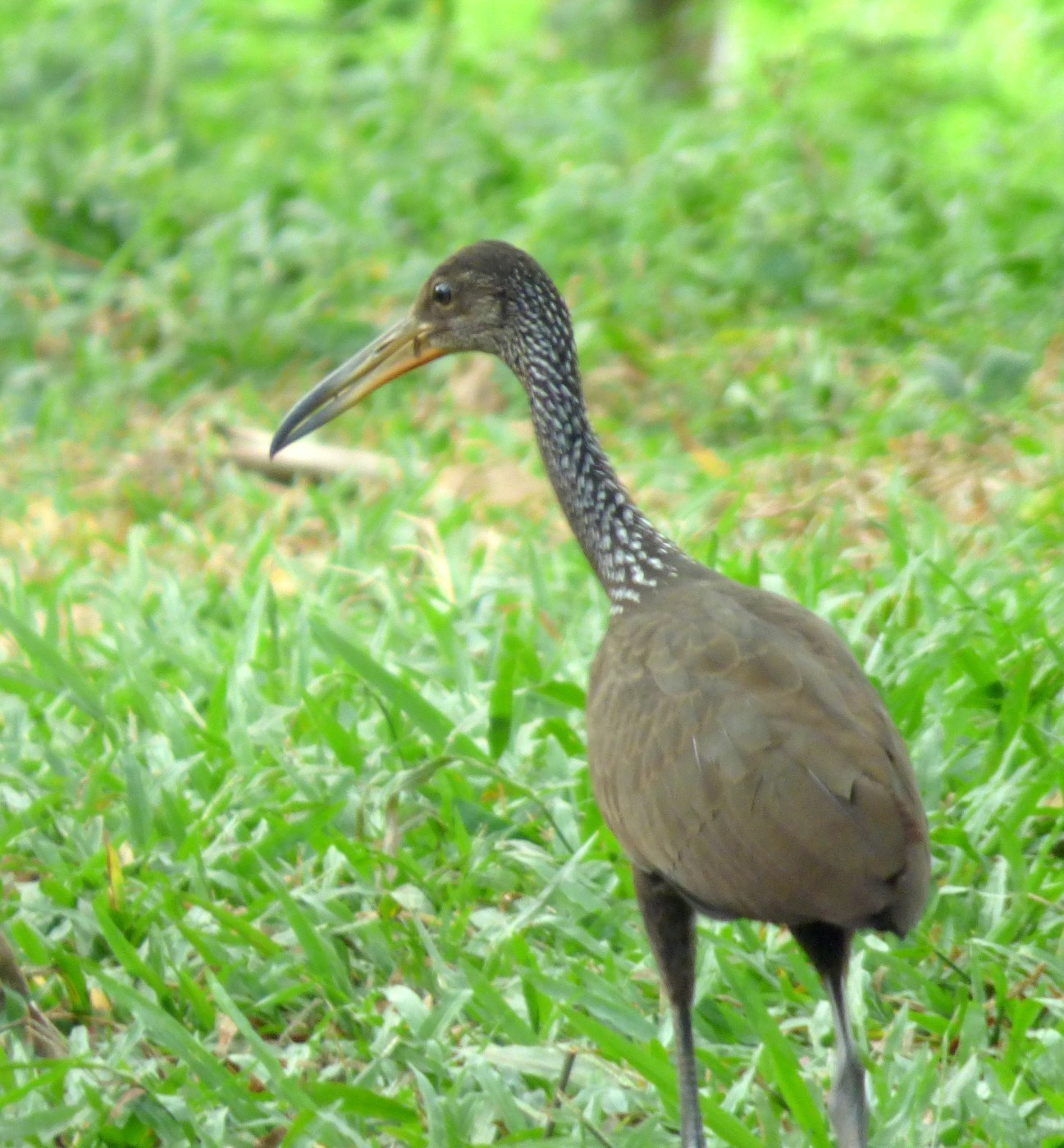
Limpkin
Brown contour feathers with white teardrop-shaped spots and streaks
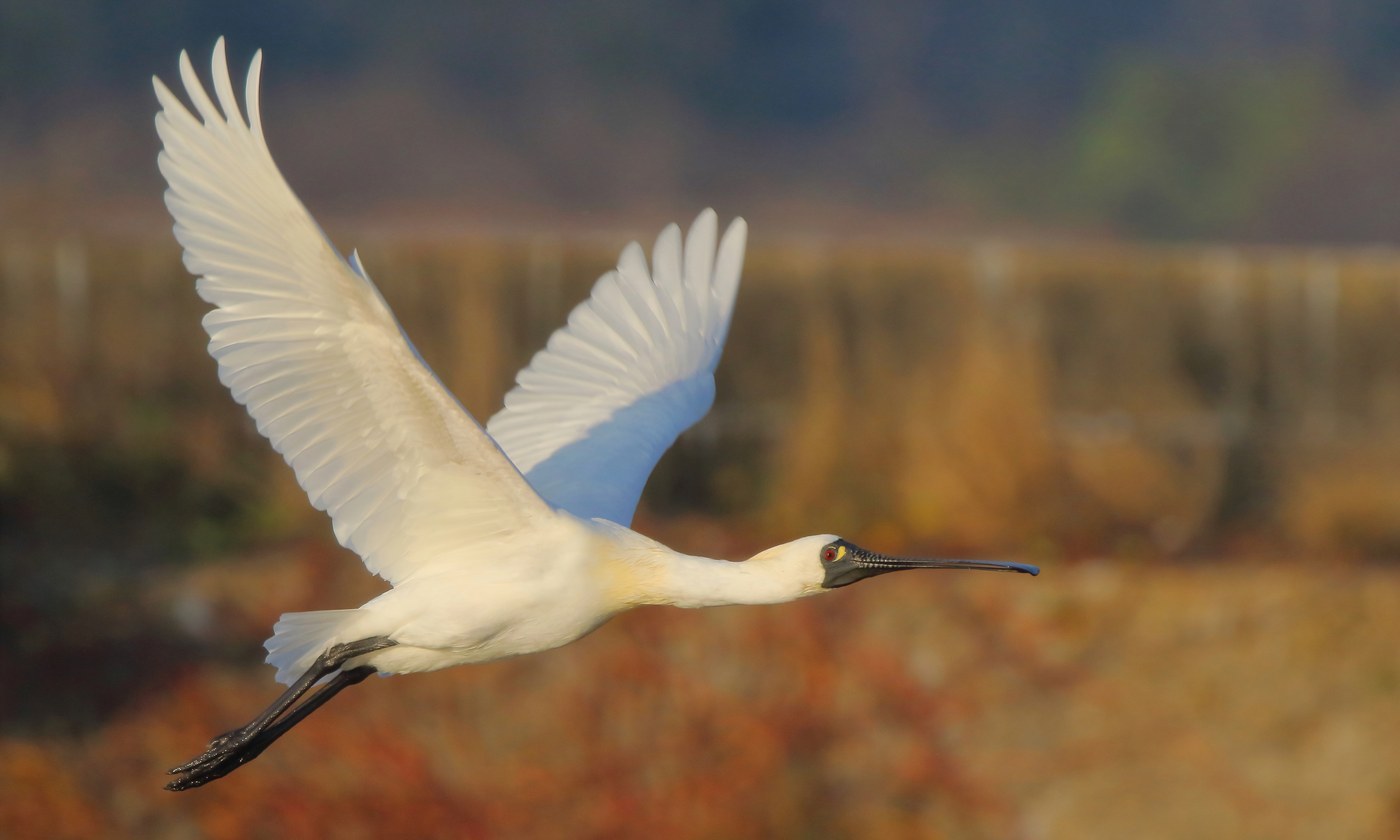
Black-faced Spoonbill
White contour and flight feathers with fine breeding crest and breast plumes
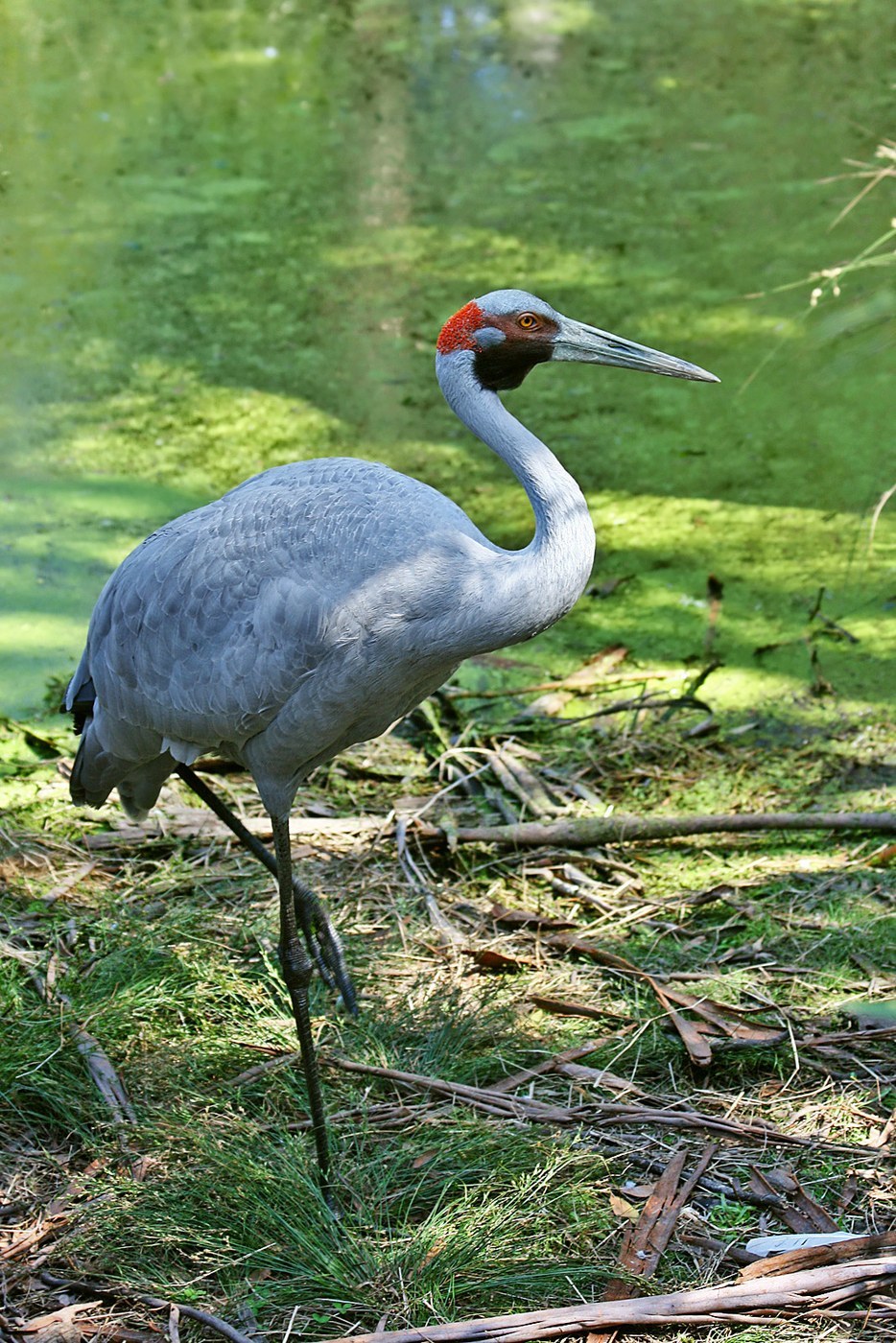
Brolga
Grey contour feathers with drooping bustle plumes
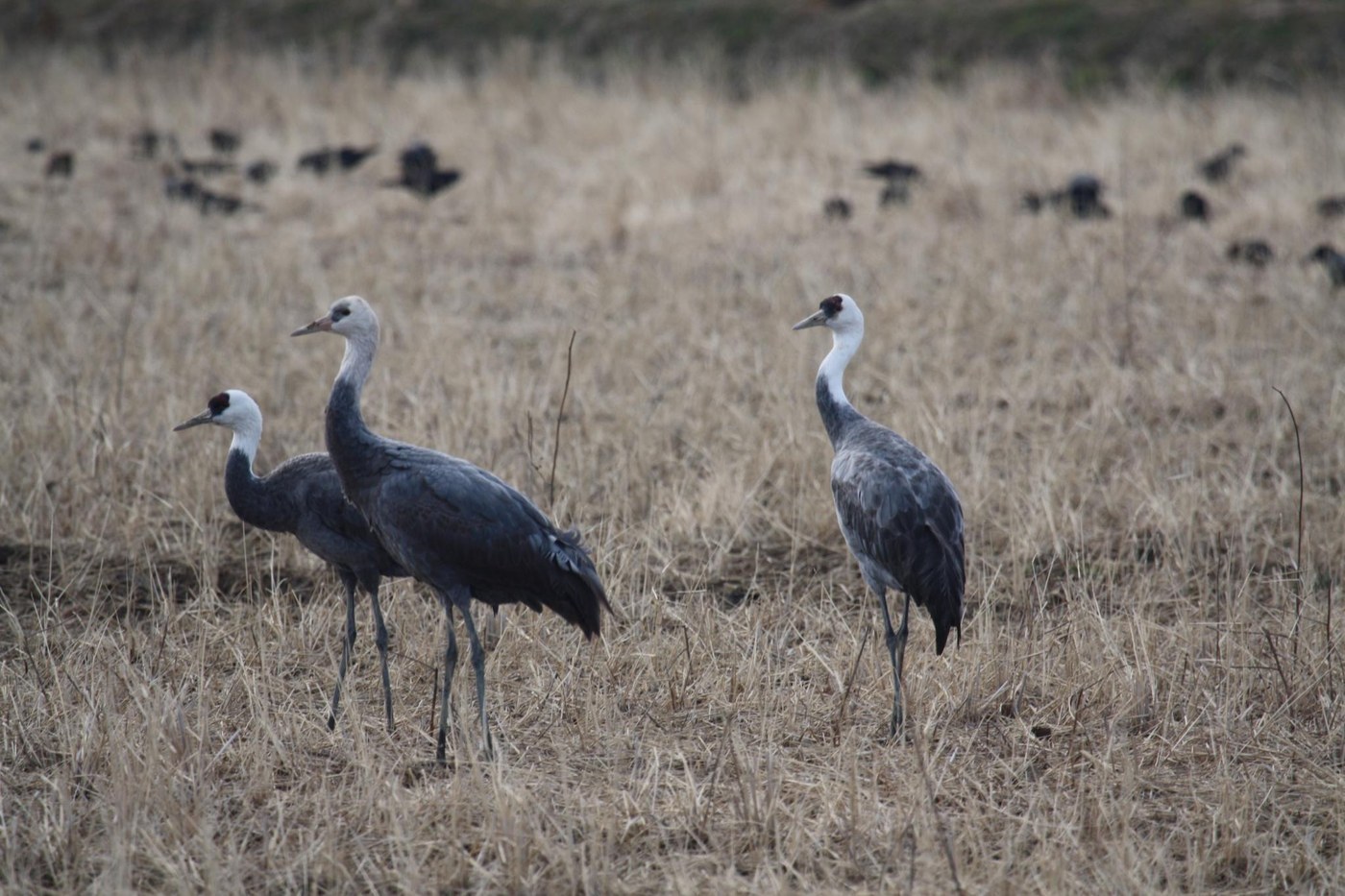
Hooded Crane
Dark slate-grey body feathers with a white head/upper neck 'hood' and black bustle plumes
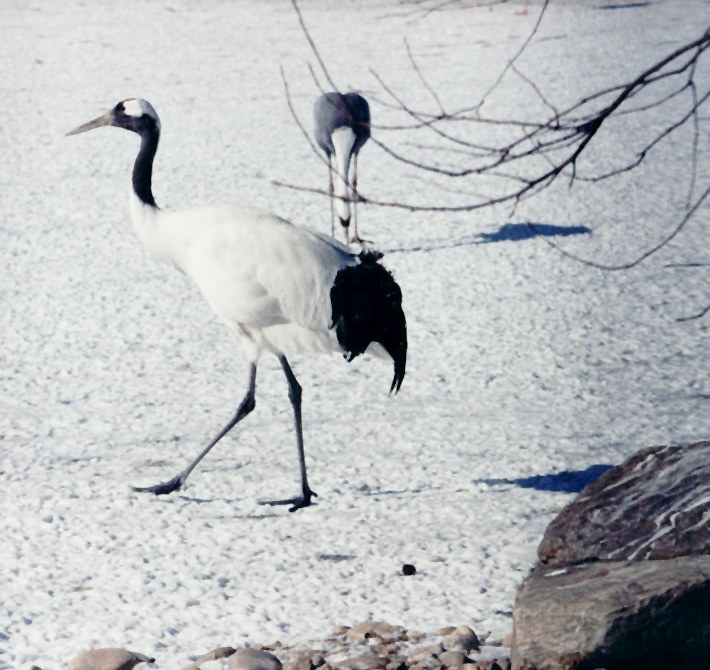
Red-crowned Crane
White contour feathers with black secondary/tertial bustle feathers and a bare red crown

Common Crane
Grey contour feathers with black head/neck feathers and drooping bustle plumes
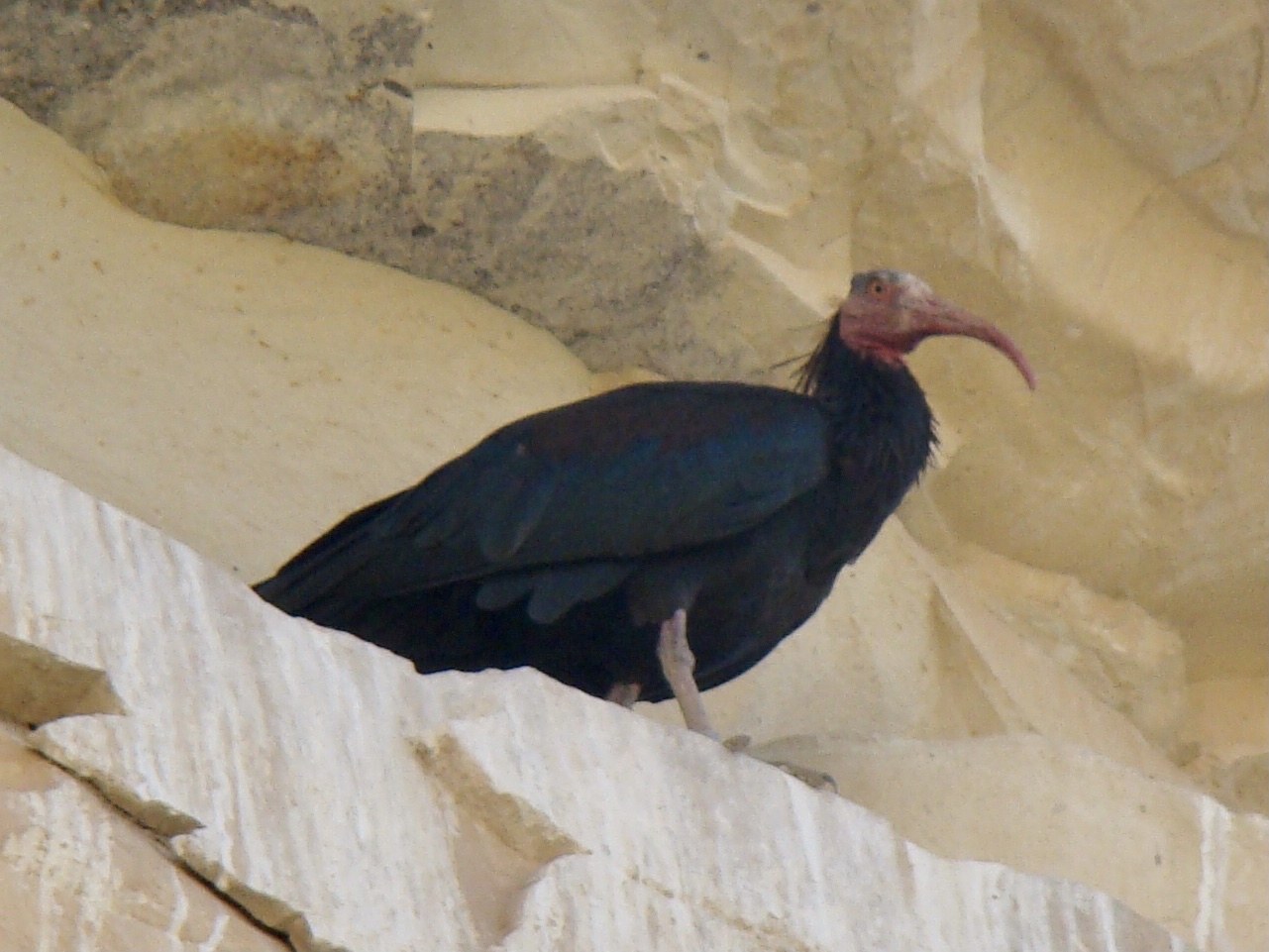
Northern Bald Ibis
Glossy black contour feathers with elongated nape plumes
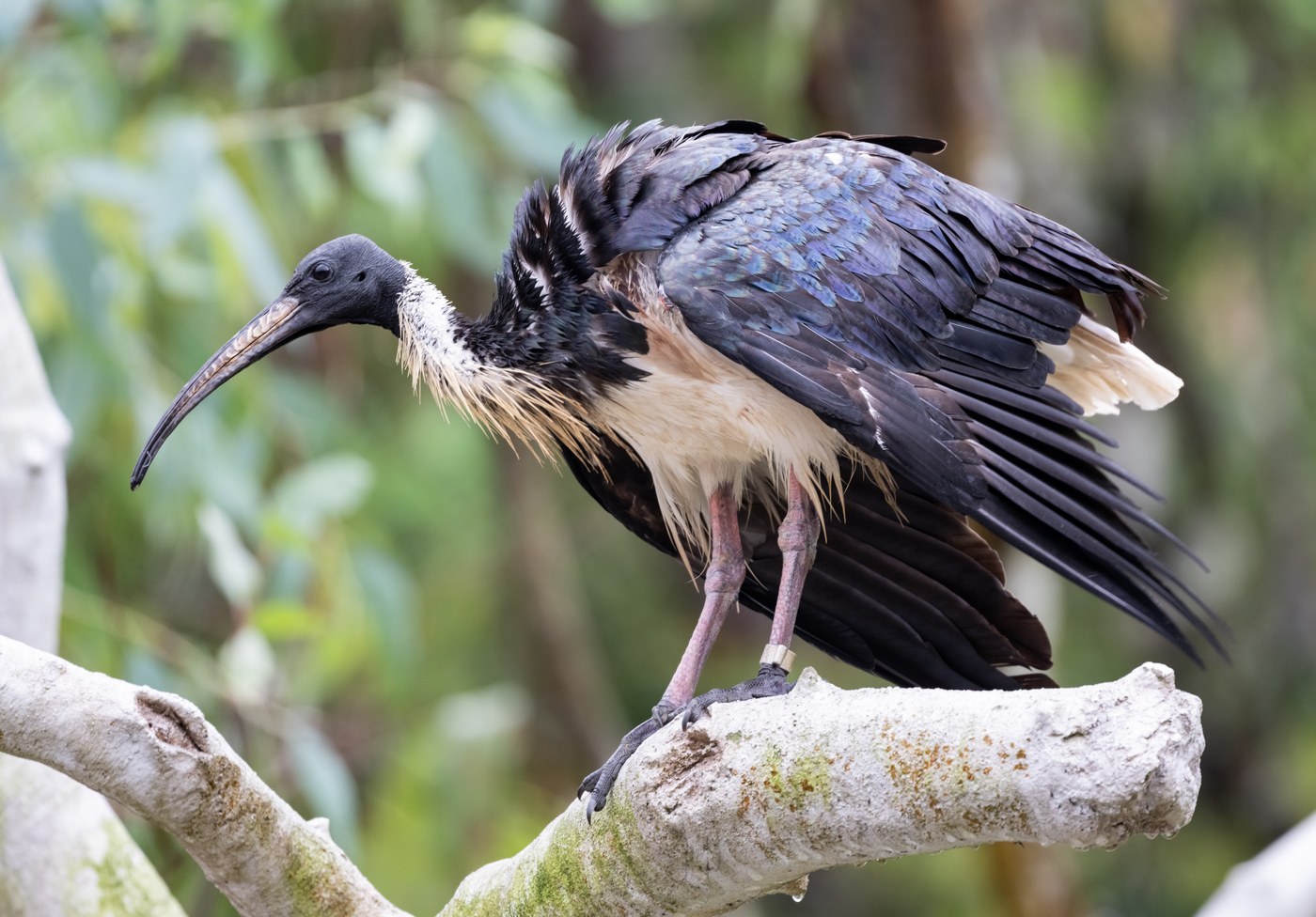
Straw-necked Ibis
Glossy contour feathers with unique straw-like neck plumes
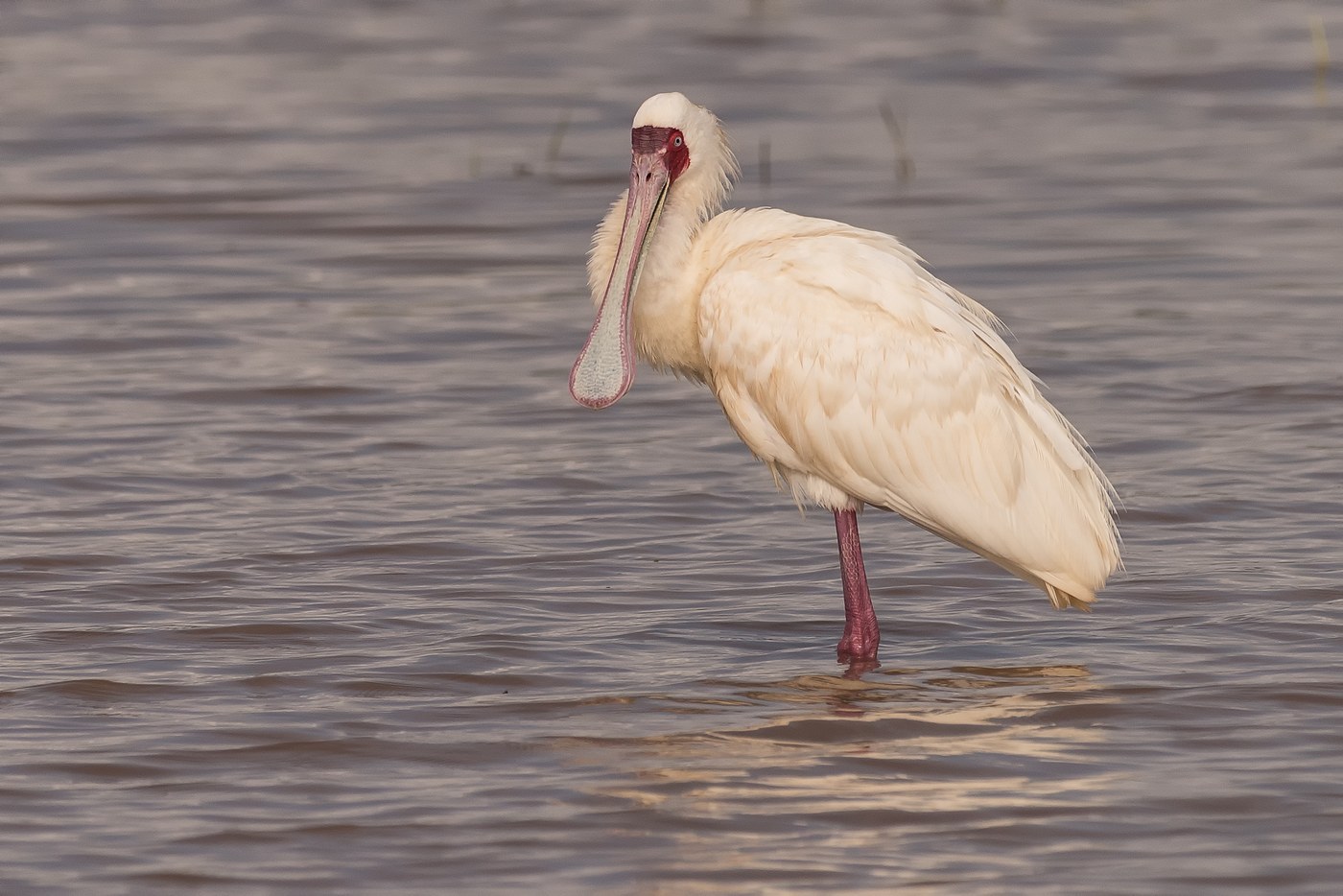
African Spoonbill
White contour and flight feathers, unmarked by black tips

Roseate Spoonbill
Pink and white contour and flight feathers with a carmine shoulder patch