
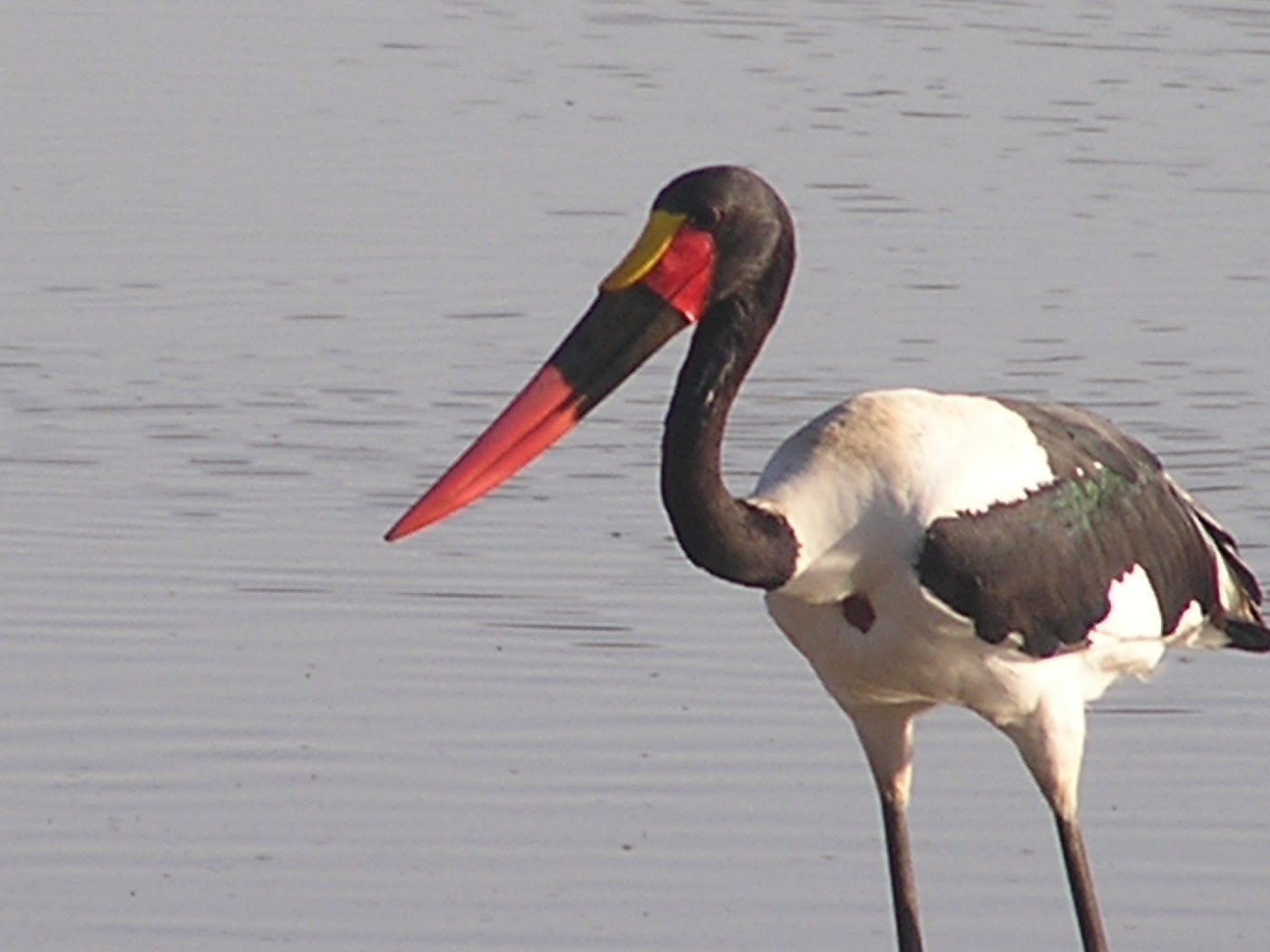
Saddle-billed Stork
Ephippiorhynchus senegalensis
One of Africa's tallest and most colorful storks, with a glossy black-and-white body and a spectacular red, black, and yellow bill, though the feathers themselves are simply patterned in black and white.
- Feather type
- Contour feathers and long glossy flight feathers
- Colours
- Iridescent black and white with no bare-skin color visible in feathers
- Bird size
- Very tall stork, ~145-150 cm
Found a feather like this?
Identify any feather from a photo, free.
Overview
Overview
The Saddle-billed Stork is among the tallest flying birds in Africa, best known for its dramatic bill coloration of red, black, and yellow, which resembles a saddle sitting atop the upper mandible. While the bill and bare parts provide the most striking field marks, the bird's actual feathers form a bold, glossy black-and-white pattern typical of the large Ephippiorhynchus storks.
- Glossy iridescent black head, neck, and much of the wing
- White body plumage forming a strong contrast with the black areas
- Extremely tall stature, one of Africa's tallest storks
- Sexually dimorphic bare parts: males have dark eyes and yellow wattles, females have yellow eyes and no wattles
Identifying the Feather
Feather Identification
Saddle-billed Stork feathers show the same bold black-and-white contrast typical of its genus, with a glossy iridescent sheen on the black areas.
- Head and neck feathers: glossy black with green-purple iridescence
- Body contour feathers: white over the breast and belly
- Wing feathers: black and white in combination, forming a strong pattern in flight
- Shaft color: dark in black feathers, pale in white feathers
- Vs. Black-necked Stork: extremely similar feather pattern; this species averages larger, and its very different, brightly colored bill (not reflected in feathers) is the best confirming clue when the bird itself is seen
- Size: feathers tend to be very large given the exceptional height of this stork
Plumage & Molt
Plumage Details
Adults show glossy black plumage on the head, neck, and parts of the wing, contrasting with white underparts and wing patches, alongside the famous red-black-yellow bill and long dark legs with red 'knees.' Males and females share the same feather pattern but differ in bare-part details, with males showing small yellow wattles at the base of the bill and dark eyes, while females lack wattles and have yellow eyes. Juveniles are duller brownish-grey, gradually developing the adult's glossy black-and-white plumage and vivid bill coloration over time. Molt is gradual and not tightly tied to a single season.
Habitat & Range
Habitat & Range
Saddle-billed Storks are found across sub-Saharan Africa, favoring large wetlands, floodplains, rivers, and lakeshores with extensive shallow water for foraging. The species is largely resident, occurring singly, in pairs, or in family groups rather than large flocks, with local movements linked to water levels.
Behavior & Field Notes
Behavior & Field Notes
Saddle-billed Storks forage by wading slowly through shallow water, hunting fish, frogs, and other aquatic prey with deliberate, targeted strikes. Pairs are often seen together defending large wetland territories, and nests are built high in large trees. The species is largely silent apart from bill-clattering displays. While its plumage pattern is a straightforward glossy black-and-white typical of its genus, its exceptional height and unmistakable bill make it one of the easiest African storks to identify when seen directly.
Frequently asked questions
Why is it called the Saddle-billed Stork?
The upper mandible carries a yellow frontal shield that resembles a saddle sitting on top of the otherwise red-and-black bill, giving the species its name.
Are Saddle-billed Stork feathers as colorful as its bill?
No, the feathers themselves are simply glossy black and white; the vivid red, black, and yellow coloring is confined to the bare bill and facial skin.
How can males and females be told apart?
Feather pattern is identical in both sexes; males have small yellow wattles at the bill base and dark eyes, while females lack wattles and have yellow eyes.
Where would a Saddle-billed Stork feather most likely be found?
Near large wetlands, floodplains, rivers, and lakes across sub-Saharan Africa.
Saddle-billed Stork guides
In-depth guides for identifying and understanding Saddle-billed Stork.
Other feathers you may enjoy

Yellow-billed Spoonbill
White contour and flight feathers with fine breeding plumes on the back and breast
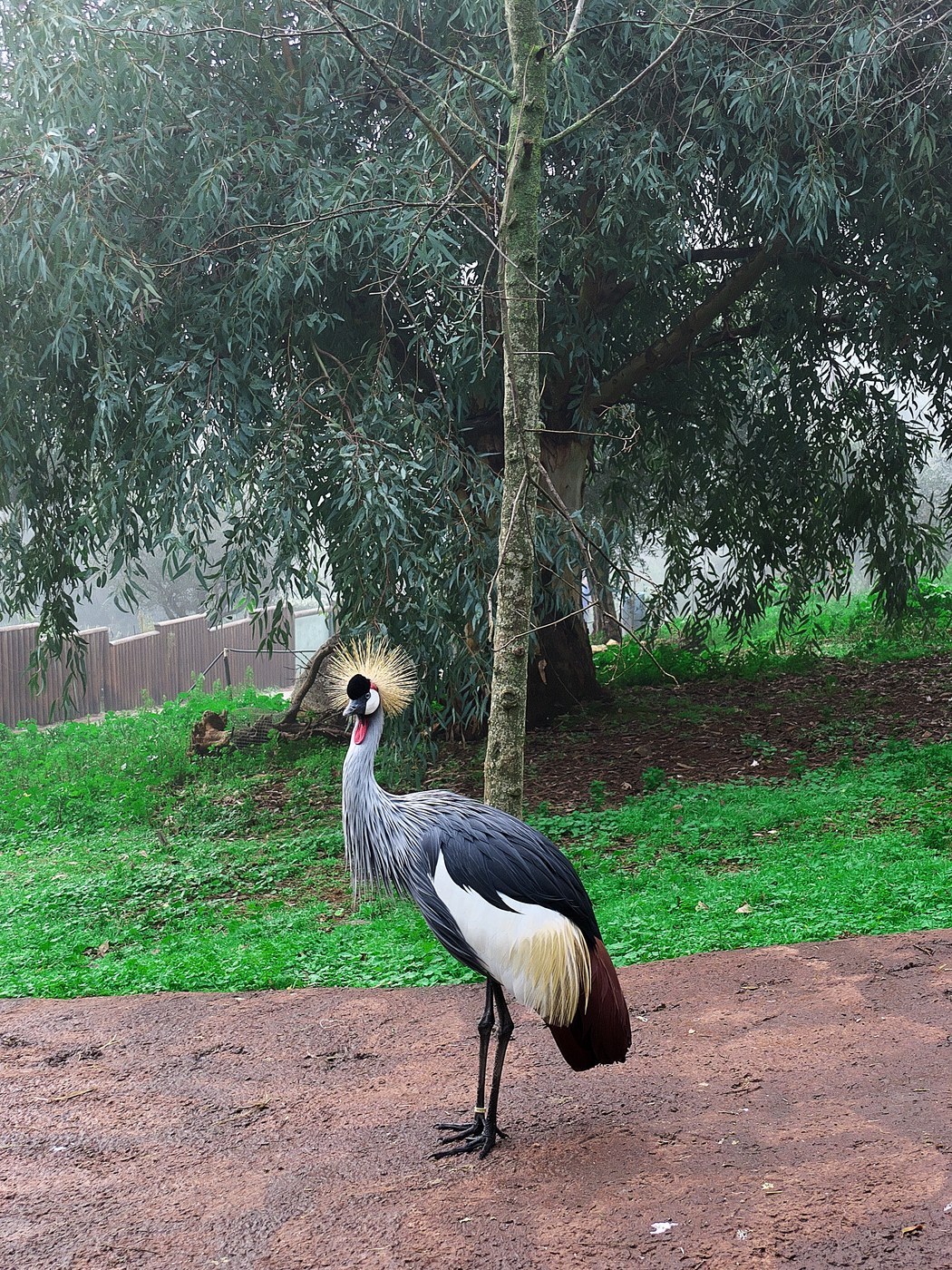
Grey Crowned Crane
Grey body feathers with white wing coverts, chestnut flight feathers, and stiff golden crown bristles
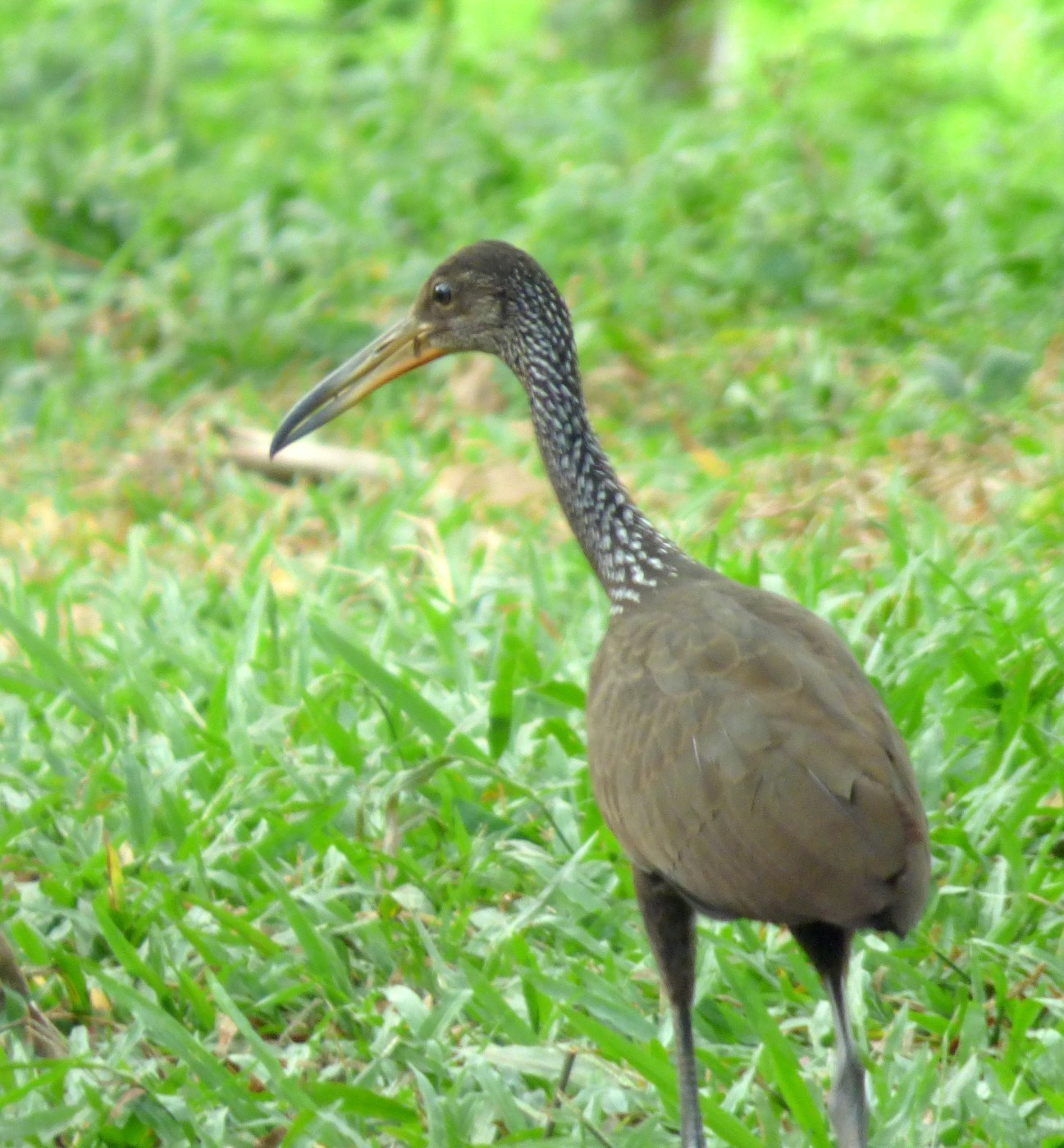
Limpkin
Brown contour feathers with white teardrop-shaped spots and streaks
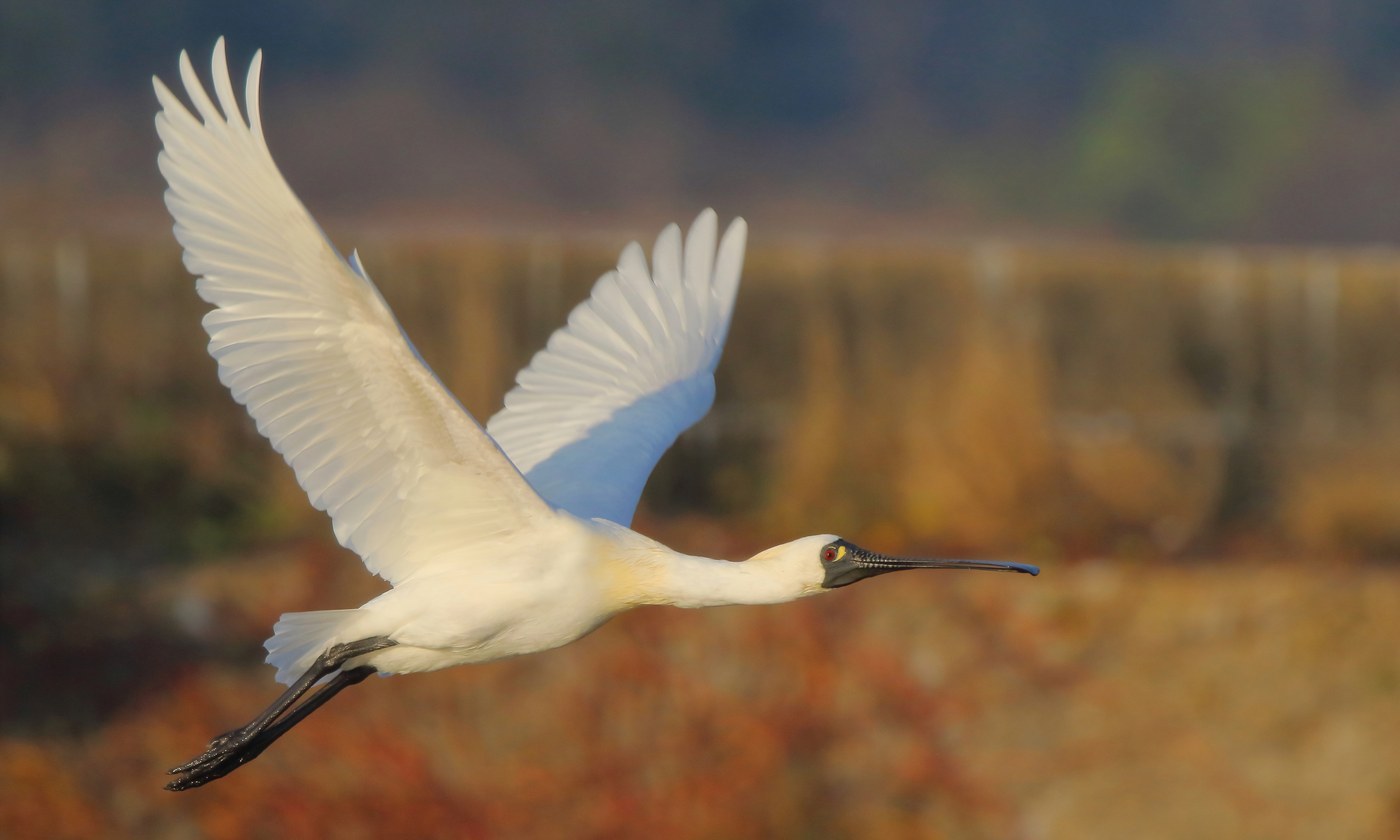
Black-faced Spoonbill
White contour and flight feathers with fine breeding crest and breast plumes
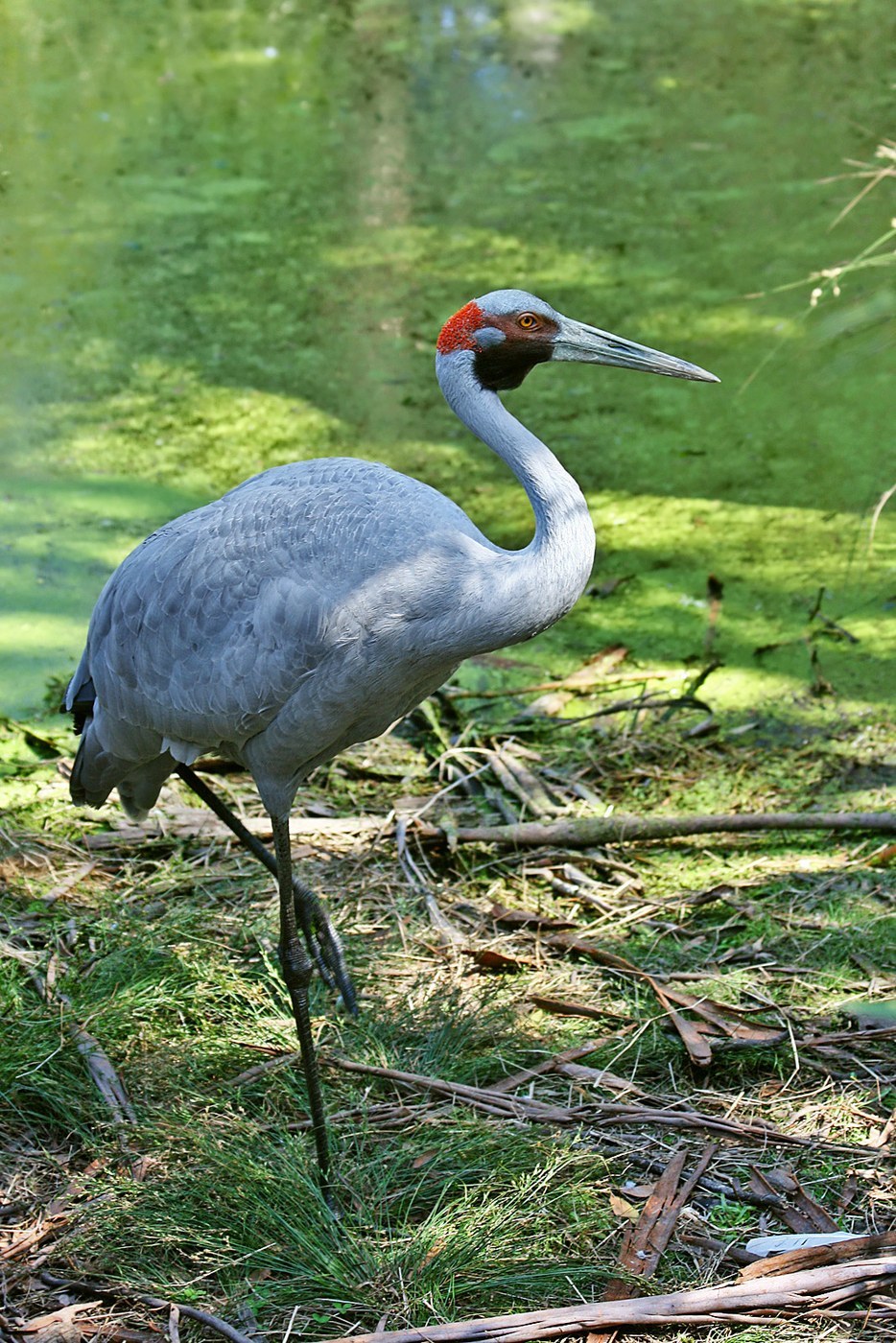
Brolga
Grey contour feathers with drooping bustle plumes
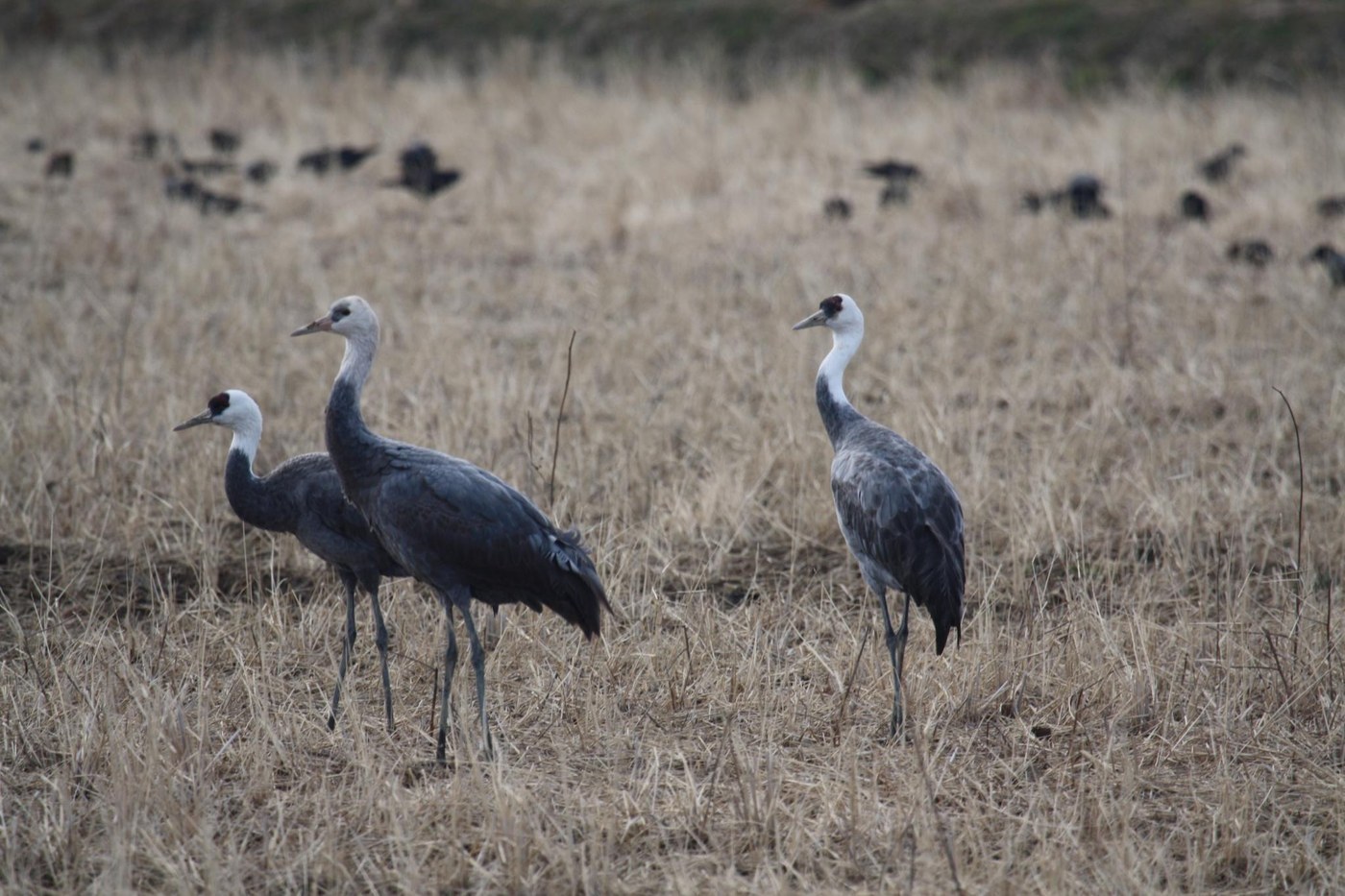
Hooded Crane
Dark slate-grey body feathers with a white head/upper neck 'hood' and black bustle plumes
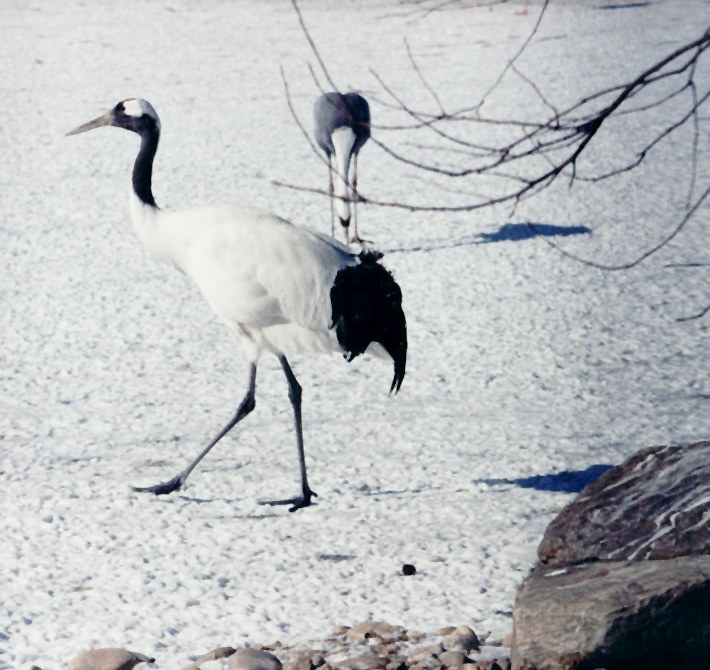
Red-crowned Crane
White contour feathers with black secondary/tertial bustle feathers and a bare red crown

Common Crane
Grey contour feathers with black head/neck feathers and drooping bustle plumes
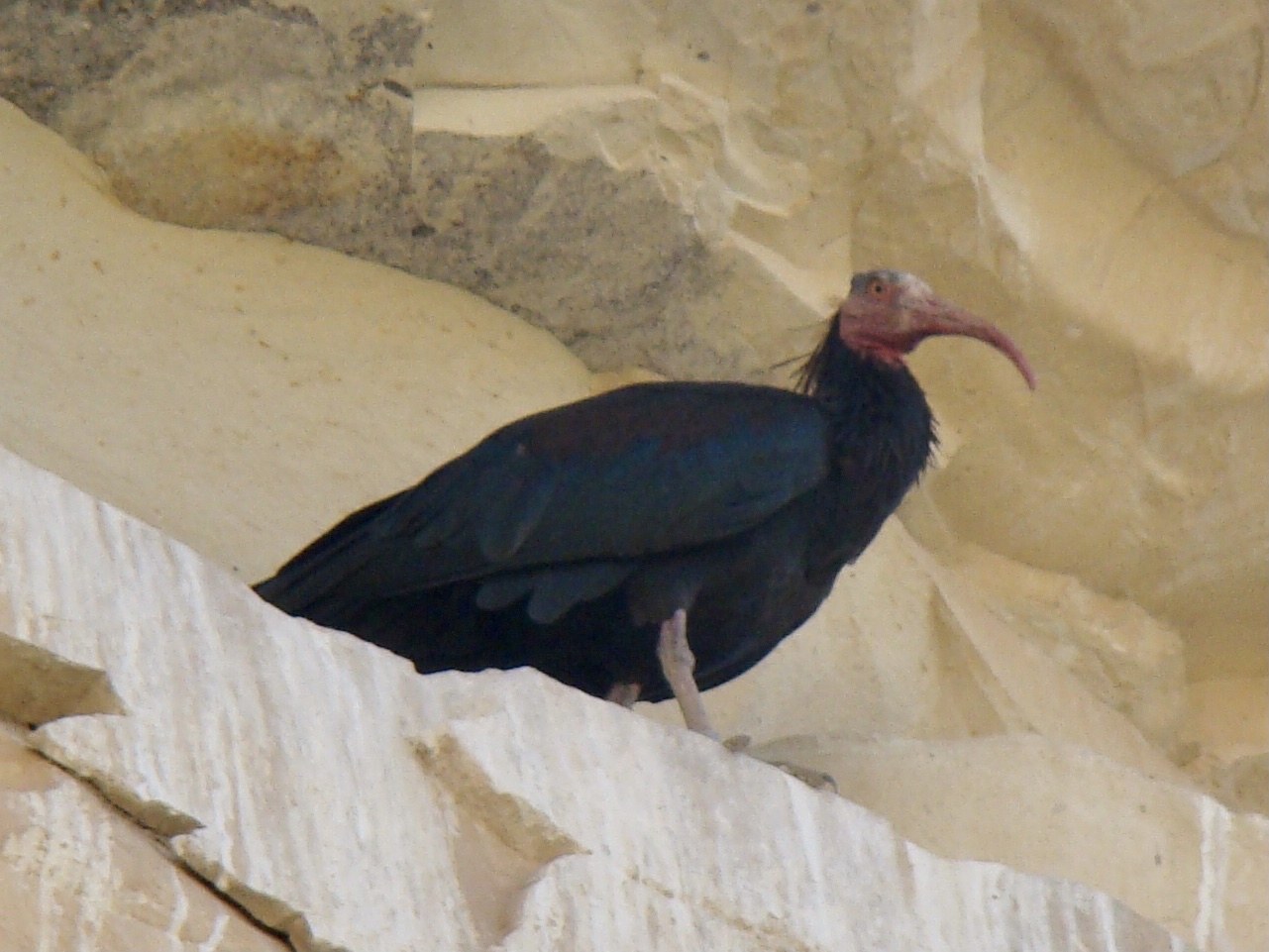
Northern Bald Ibis
Glossy black contour feathers with elongated nape plumes
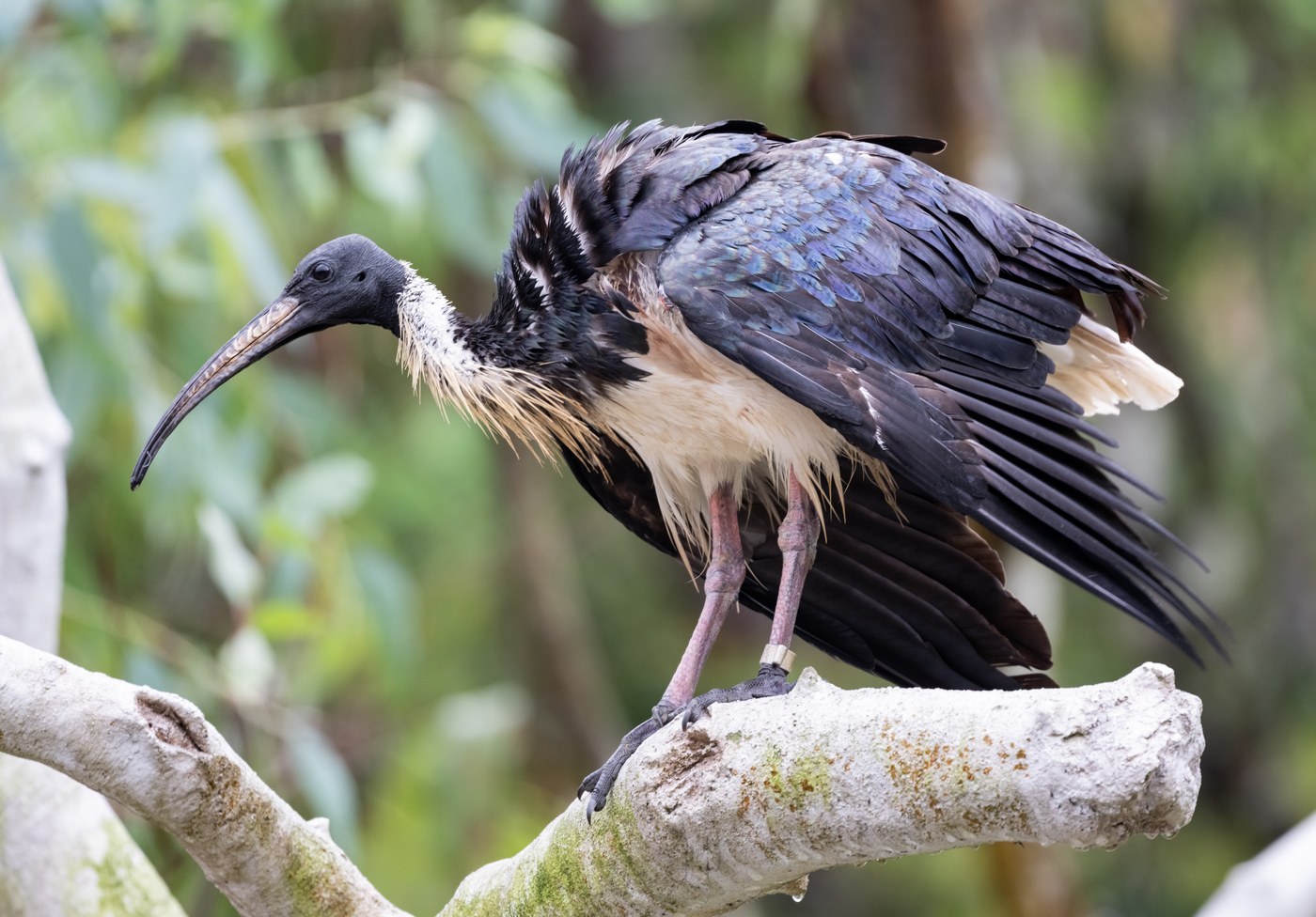
Straw-necked Ibis
Glossy contour feathers with unique straw-like neck plumes
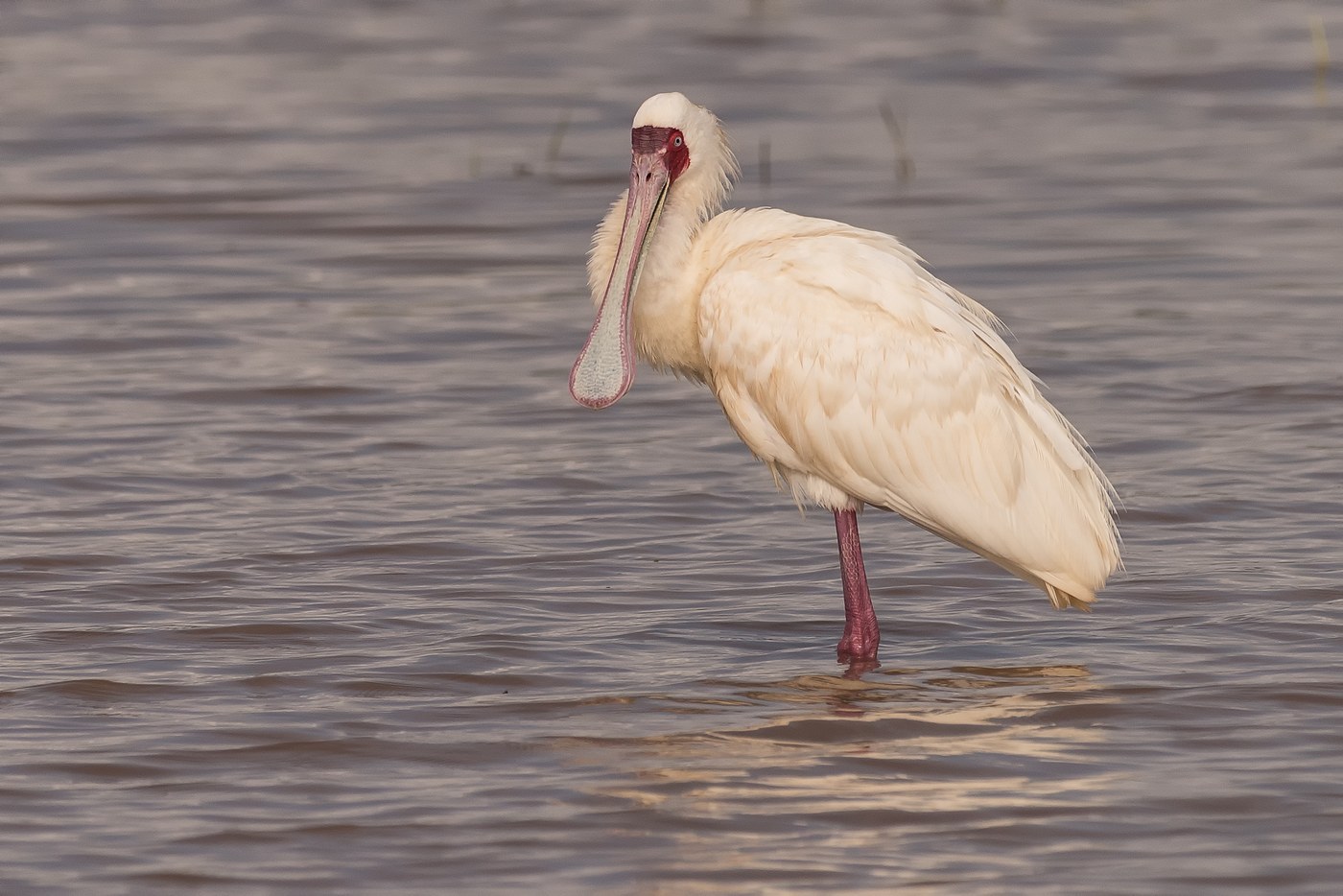
African Spoonbill
White contour and flight feathers, unmarked by black tips

Roseate Spoonbill
Pink and white contour and flight feathers with a carmine shoulder patch