

Rufous Owl
Ninox rufa
The Rufous Owl is a large, richly colored hawk-owl of northern Australia and New Guinea, its warm rufous-brown feathers finely barred throughout and its head rounded without ear tufts.
- Feather type
- Broad, richly barred flight and tail feathers; rounded, tuftless head
- Colours
- Rich rufous-brown with fine dark barring throughout
- Bird size
- Large, roughly 45-55 cm
Found a feather like this?
Identify any feather from a photo, free.
Overview
The Rufous Owl is one of the largest owls in Australia, found across the tropical north of the continent as well as in New Guinea. It belongs to the hawk-owl genus Ninox, a group characterized by rounded, tuftless heads and forward-set eyes giving a somewhat hawk-like expression.
It inhabits dense rainforest, riverine woodland, and eucalypt forest, typically remaining hidden in dense canopy foliage during the day.
Its rich rufous-brown, finely barred plumage is distinctive among Australian owls, generally warmer and more richly colored than the paler Barking Owl and other regional relatives.
Identifying the Feather
Shape and Size
Flight feathers are large and broad, roughly 24-30 cm on primaries, with soft fringed edges for silent flight. Tail feathers are long and evenly barred.
Color and Pattern
- Rich rufous-brown ground color with fine, even dark barring across back, wings, and tail
- Underparts paler rufous-buff with fine dark barring
- No ear tufts; head feathers rounded and softly patterned
Shaft and Vane
Shafts dark brown; vanes dense and moderately soft, suited to a large forest-dwelling owl.
Distinguishing from Similar Species
The warm rufous tone and fine, even barring distinguish this species from the paler, greyer Barking Owl and other Ninox relatives sharing parts of its range in northern Australia.
Plumage & Molt
Adults are rich rufous-brown overall with fine, even dark barring, a rounded facial area without ear tufts, and yellow eyes.
Sexes look similar, with females typically larger. Juveniles are paler and downier, developing the rich adult coloration with age. Adults undergo a single annual molt.
Habitat & Range
This species occurs across tropical northern Australia, including parts of the Northern Territory, Queensland, and the Kimberley region, as well as New Guinea, inhabiting rainforest, riverine woodland, and eucalypt forest.
It is a non-migratory resident, remaining within its tropical forest range year-round.
Behavior & Field Notes
The Rufous Owl is nocturnal, roosting by day in dense canopy foliage, often returning to the same roost site repeatedly. It is a powerful hunter, taking birds, mammals, and large insects, including prey up to the size of flying foxes.
It nests in large tree hollows. Its call is a deep, double-noted hoot. A large, richly rufous-brown, finely barred feather found in tropical northern Australian or New Guinean forest is consistent with this species.
Frequently asked questions
What sets Rufous Owl feathers apart from other Australian owls?
Their notably warm rufous-brown ground color with fine, even barring, richer than the paler grey-brown tones of the Barking Owl and other relatives.
Does this species have ear tufts?
No, like other hawk-owls in the genus Ninox it has a rounded, tuftless head.
How large is this owl?
It is one of Australia's largest owls, with a body length up to around 55 cm.
Where does it roost during the day?
In dense canopy foliage, often using the same roost site repeatedly over time.
Rufous Owl guides
In-depth guides for identifying and understanding Rufous Owl.

Other feathers you may enjoy

Tawny Owl
Wing (flight) and body (contour) feathers
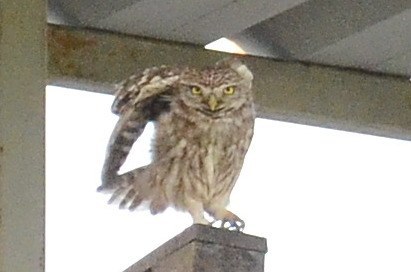
Little Owl
Wing and body feathers

Balsas Screech-Owl
Small ear-tuft feathers; soft, finely vermiculated body feathers

Blakiston's Fish Owl
Massive flight feathers with looser structure; shaggy body plumage; prominent ear-tuft feathers

Barn Owl
Wing and facial-disc feathers
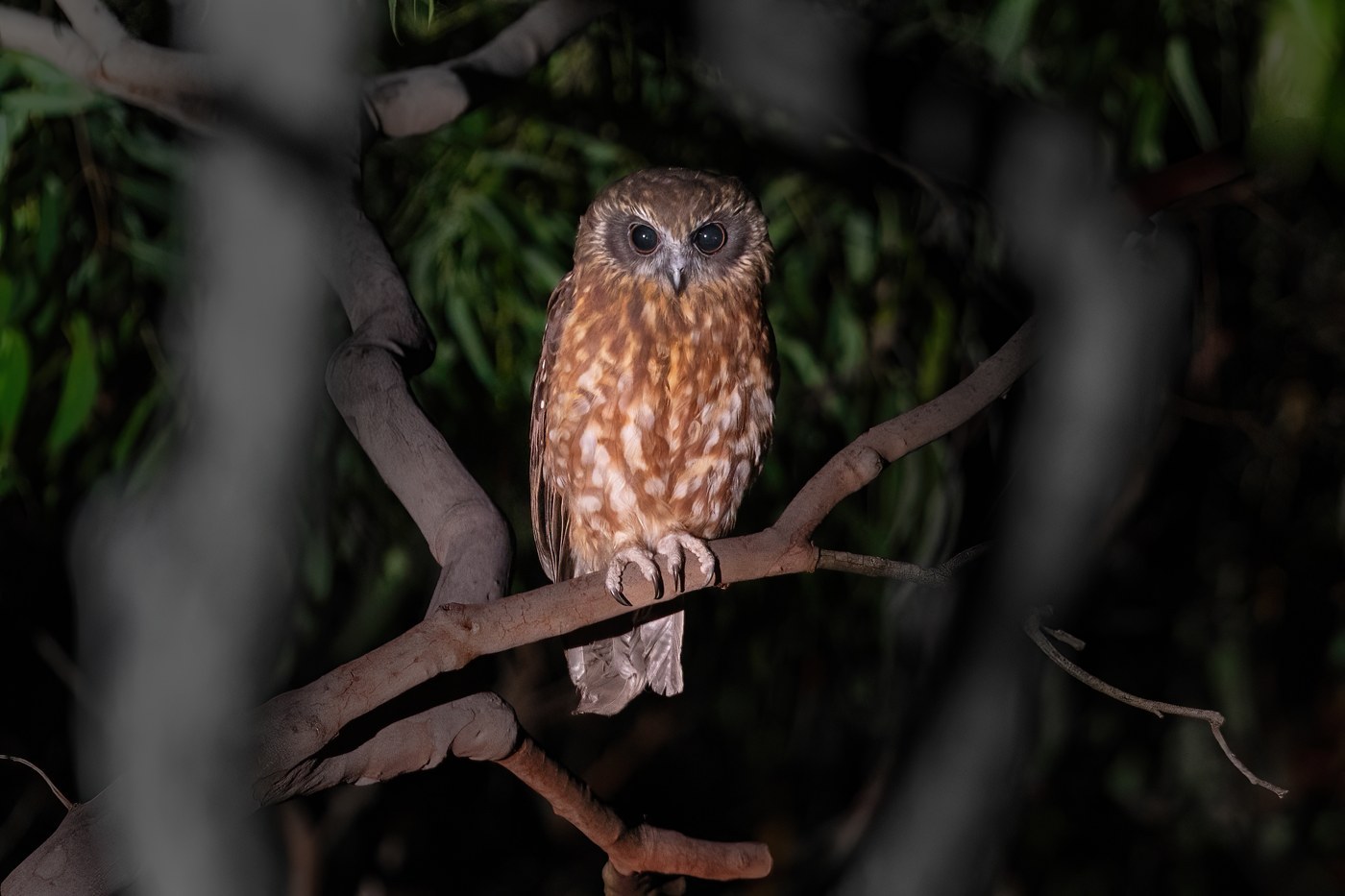
Southern Boobook
Rounded flight feathers; banded tail; spotted body plumage

Sooty Owl
Broad soft-edged flight feathers; heart-shaped facial disc feathers; finely speckled body plumage

Short-eared Owl
Broad soft-fringed flight feathers; streaked body feathers; tiny, rarely visible ear tufts

Stygian Owl
Dark, mottled flight and body feathers with long, closely-set ear tufts
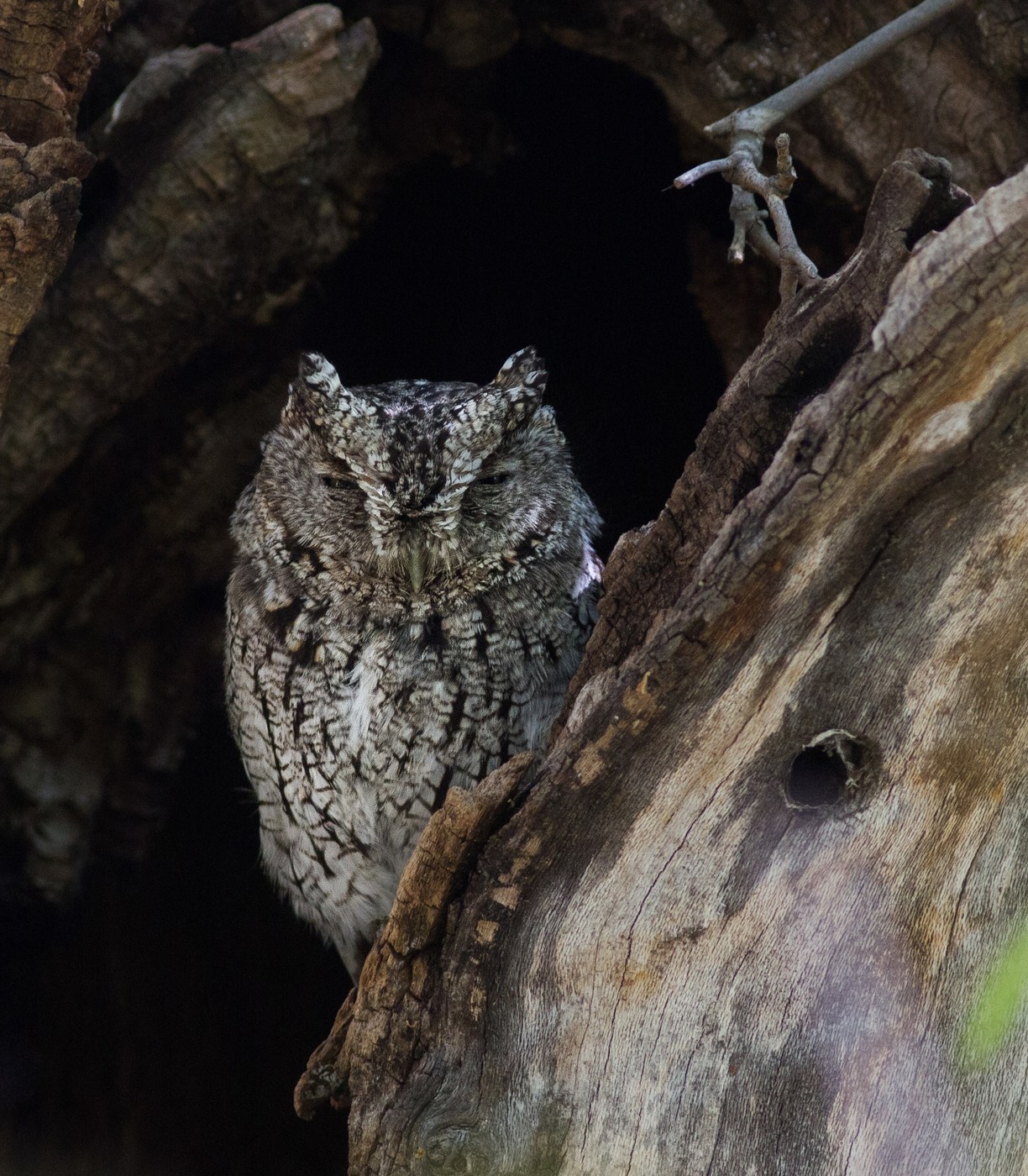
Whiskered Screech-Owl
Small soft-fringed flight feathers; finely mottled body feathers; short ear tufts
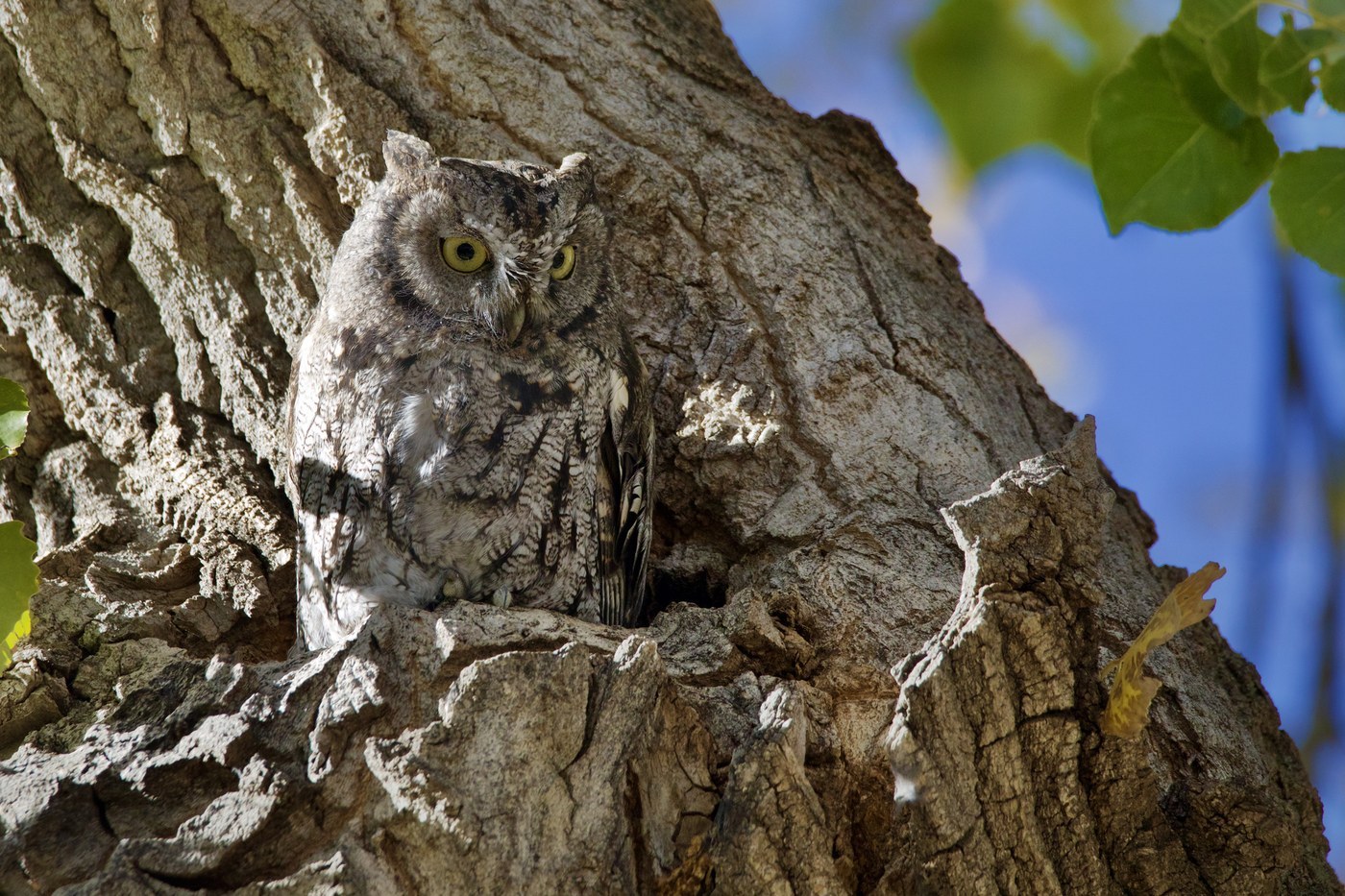
Western Screech-Owl
Small soft-fringed flight feathers; cryptic mottled/streaked body feathers; short ear tufts

White-faced Scops Owl
Small to medium flight feathers with a distinctive whitish facial disc and long ear-tuft plumes