

Barn Owl
Tyto alba
An elegant, heart-faced owl whose golden, finely speckled upperparts and ghostly pale underside make its feathers instantly distinctive among owls.
- Feather type
- Wing and facial-disc feathers
- Colours
- Golden-buff and grey upperparts with fine dark speckling; white to buff underparts and face
- Bird size
- Pigeon-sized owl, ~33-39 cm
Found a feather like this?
Identify any feather from a photo, free.
Overview
The Barn Owl is one of the most widely distributed owl species in the world, closely associated with open farmland and traditional farm buildings where it roosts and nests. Its striking heart-shaped facial disc and pale plumage have earned it nicknames like "ghost owl" in many cultures.
Identifying the Feather
Barn Owl flight feathers share the soft, fringed leading edge typical of owls for silent flight, but the color pattern is distinctive: upperwing coverts and back feathers are golden-buff finely peppered with grey, black, and white speckles, quite different from the coarser mottling of a Tawny Owl. The facial disc feathers are short, dense, and heart-shaped, pale buff to white, framing the face. Underparts range from pure white to warm buff depending on population, with scattered small dark spots, and lack the bold streaking seen in most other owls. The tail is short and barred golden-buff and grey.
Plumage & Molt
Females tend to be more heavily spotted below and slightly darker overall than males, though overlap is considerable and the difference is not a reliable field mark alone. Juveniles resemble adults fairly quickly after fledging, initially covered in white down. Adults undergo a gradual molt, often protracted over many months, so mixed old and new feathers are commonly seen.
Habitat & Range
Barn Owls favor open habitats such as farmland, rough grassland, and marsh edges where small mammal prey is abundant, roosting and nesting in barns, church towers, tree cavities, and nest boxes. The species has one of the largest natural ranges of any bird, found on every continent except Antarctica, and is largely resident, though some northern populations show local movements.
Behavior & Field Notes
Barn Owls hunt mainly at night, flying low and slow over open ground and relying on exceptional hearing to pinpoint small mammals hidden in vegetation. Calls are unlike the hooting of many owls, instead a drawn-out rasping screech or hiss. They nest in cavities without building a true nest, laying eggs directly on a bed of regurgitated pellet material. Populations can fluctuate with rodent cycles and severe winters.
Frequently asked questions
What makes a Barn Owl feather easy to identify?
The combination of golden-buff, finely speckled upperparts with a pale, often pure white underside is distinctive among owls found in the same regions.
Why do Barn Owl feathers feel so soft?
Like all owls, Barn Owls have velvety-textured feathers with a comb-like fringe on the flight feathers that silence airflow noise during hunting flight.
Can feather color tell males from females?
Females often average more heavily spotted underparts than males, but the overlap is large enough that it is not a fully reliable indicator on its own.
Where are Barn Owl feathers most often found?
Near roost sites such as barns, church towers, and tree cavities in open farmland or grassland habitat.
Barn Owl guides
In-depth guides for identifying and understanding Barn Owl.

Barn Owl identified by the community
Real feathers identified with Feather Identifier.


Other feathers you may enjoy

Tawny Owl
Wing (flight) and body (contour) feathers
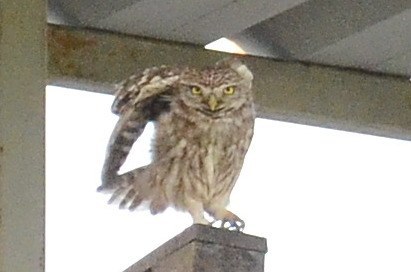
Little Owl
Wing and body feathers

Balsas Screech-Owl
Small ear-tuft feathers; soft, finely vermiculated body feathers

Blakiston's Fish Owl
Massive flight feathers with looser structure; shaggy body plumage; prominent ear-tuft feathers
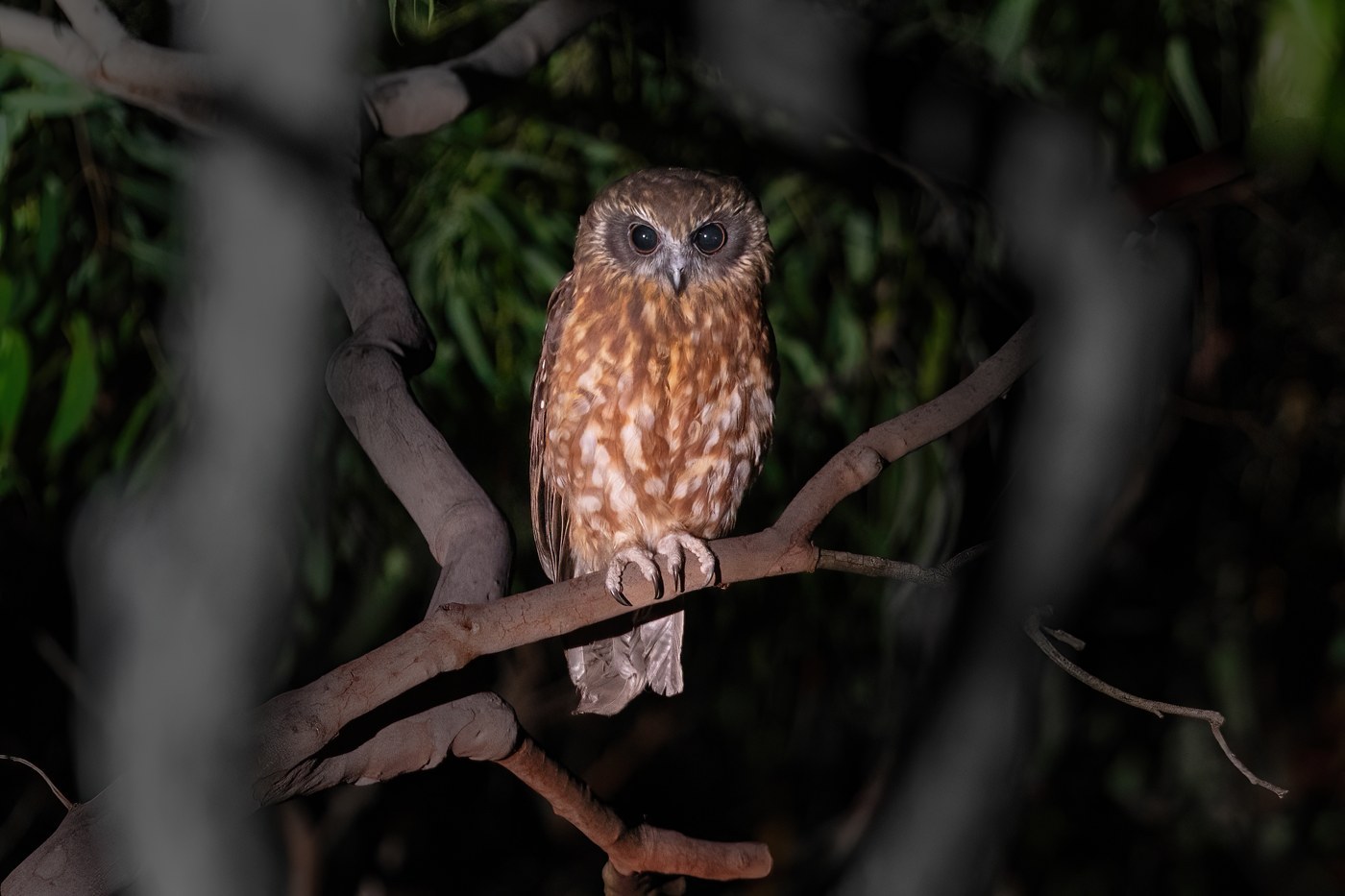
Southern Boobook
Rounded flight feathers; banded tail; spotted body plumage

Sooty Owl
Broad soft-edged flight feathers; heart-shaped facial disc feathers; finely speckled body plumage

Short-eared Owl
Broad soft-fringed flight feathers; streaked body feathers; tiny, rarely visible ear tufts

Stygian Owl
Dark, mottled flight and body feathers with long, closely-set ear tufts
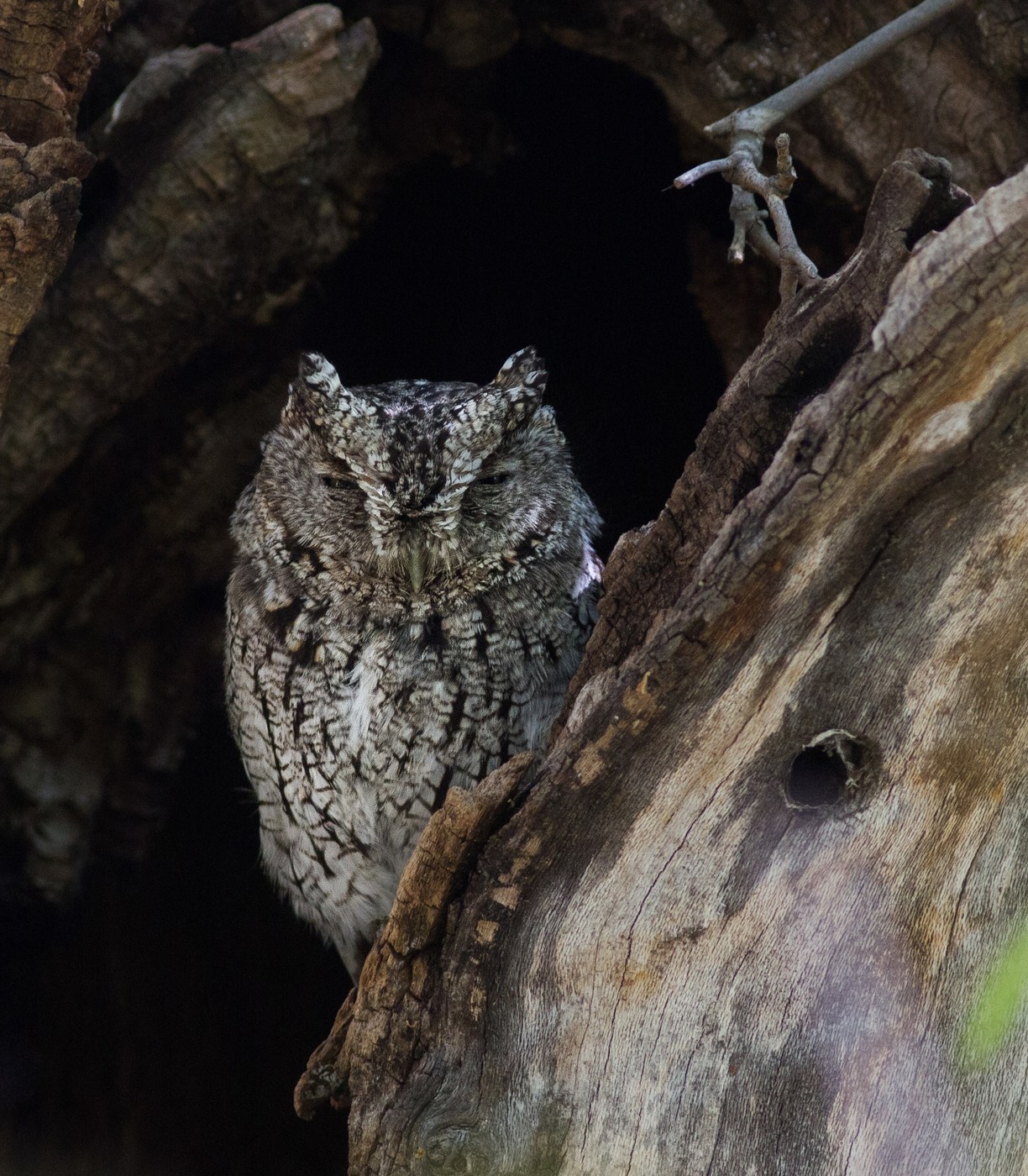
Whiskered Screech-Owl
Small soft-fringed flight feathers; finely mottled body feathers; short ear tufts
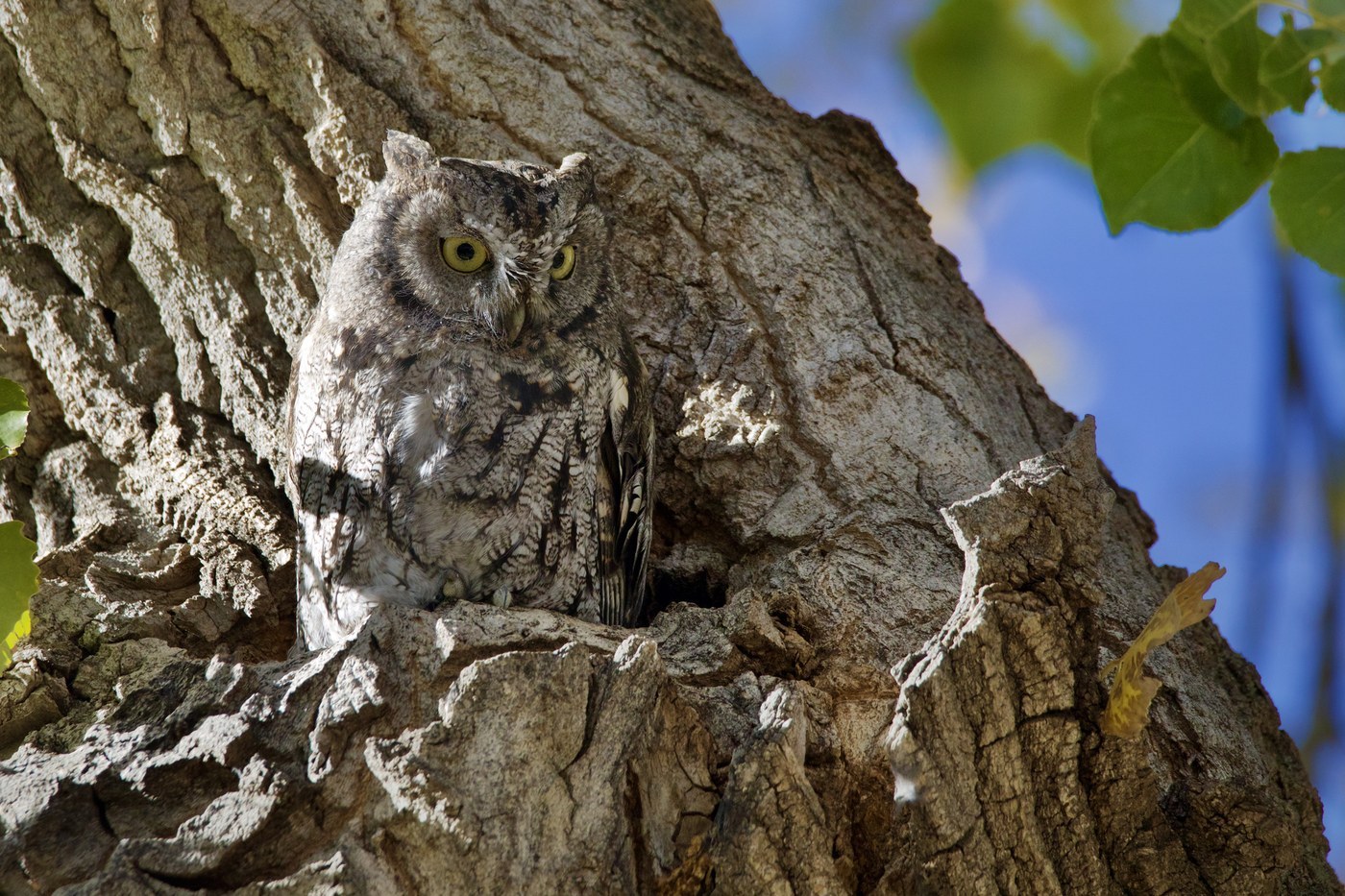
Western Screech-Owl
Small soft-fringed flight feathers; cryptic mottled/streaked body feathers; short ear tufts

White-faced Scops Owl
Small to medium flight feathers with a distinctive whitish facial disc and long ear-tuft plumes

Verreaux's Eagle-Owl
Very large flight and tail feathers; dense soft body plumage; broad ear-tuft feathers