

Tawny Owl
Strix aluco
A stocky woodland owl whose bark-patterned, silent-edged feathers make it one of the most cryptically camouflaged birds in the forest.
- Feather type
- Wing (flight) and body (contour) feathers
- Colours
- Mottled rufous-brown or grey-brown with dark streaking and barring
- Bird size
- Pigeon-sized owl, ~37-39 cm
Found a feather like this?
Identify any feather from a photo, free.
Overview
The Tawny Owl is a common, strictly nocturnal owl of European and western Asian woodlands, best known for its evocative hooting calls rather than any visible display. Its feathers are a masterclass in camouflage, matching the mottled bark and dappled light of a woodland trunk almost perfectly.
Identifying the Feather
Tawny Owl flight feathers show the soft, comb-like fringe along the leading edge of the outer primaries that is characteristic of owls, an adaptation that breaks up turbulent airflow and enables near-silent flight. The wing is broad and rounded rather than pointed. Body feathers are densely mottled in rufous-brown or grey-brown tones with fine dark vermiculations and bold blackish streaks down the shaft, creating a bark-like pattern unlike the bold white spotting of a Little Owl or the golden speckling of a Barn Owl. Tail feathers are barred brown and buff with a rounded tip.
Plumage & Molt
The species occurs in two color morphs, rufous and grey, independent of sex or age, with intermediates also common. Sexes look alike, though females are somewhat larger and can appear bulkier. Juveniles are initially covered in pale down before molting into a fluffy, barred juvenile plumage; a full adult-type molt follows in the first year. Adults undergo a single complete molt after the breeding season.
Habitat & Range
Tawny Owls are woodland specialists, favoring mature deciduous and mixed forest, but they also thrive in parks, large gardens, and wooded suburbs with sufficient tree cover and cavities for roosting and nesting. The species is resident across most of its range in Europe and western Asia, showing little seasonal movement, and pairs typically hold the same territory year-round.
Behavior & Field Notes
Almost entirely nocturnal, Tawny Owls hunt small mammals, birds, and invertebrates from a perch, dropping onto prey detected largely by hearing. They are highly territorial and vocal, with the familiar duetting "kewick" contact call from the female and quavering hoot from the male often mistakenly rendered together as a single "twit-twoo." They nest in tree cavities, old nests of other birds, or nest boxes, and can be fiercely defensive near the nest.
Frequently asked questions
Why are Tawny Owl feathers so soft?
Like other owls, their flight feathers have a velvety surface and a fringed leading edge that muffle the sound of air passing over the wing, allowing silent approach to prey.
Are grey and rufous Tawny Owls different subspecies?
No, they are simply two natural color morphs of the same species that can occur in the same population, not separate subspecies.
How does a Tawny Owl feather differ from a Barn Owl feather?
Tawny Owl feathers are mottled brown or grey with dark streaking, lacking the golden speckled back and pure white underside typical of a Barn Owl.
When would I find molted Tawny Owl feathers?
Most feathers are shed gradually after the breeding season in late summer, often found beneath regular daytime roost trees.
Tawny Owl guides
In-depth guides for identifying and understanding Tawny Owl.

Tawny Owl identified by the community
Real feathers identified with Feather Identifier.


Other feathers you may enjoy
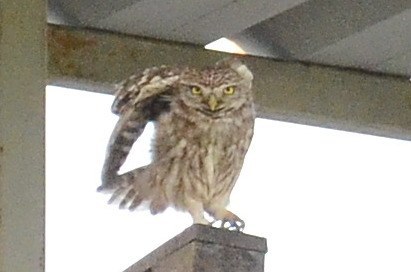
Little Owl
Wing and body feathers

Balsas Screech-Owl
Small ear-tuft feathers; soft, finely vermiculated body feathers

Blakiston's Fish Owl
Massive flight feathers with looser structure; shaggy body plumage; prominent ear-tuft feathers

Barn Owl
Wing and facial-disc feathers
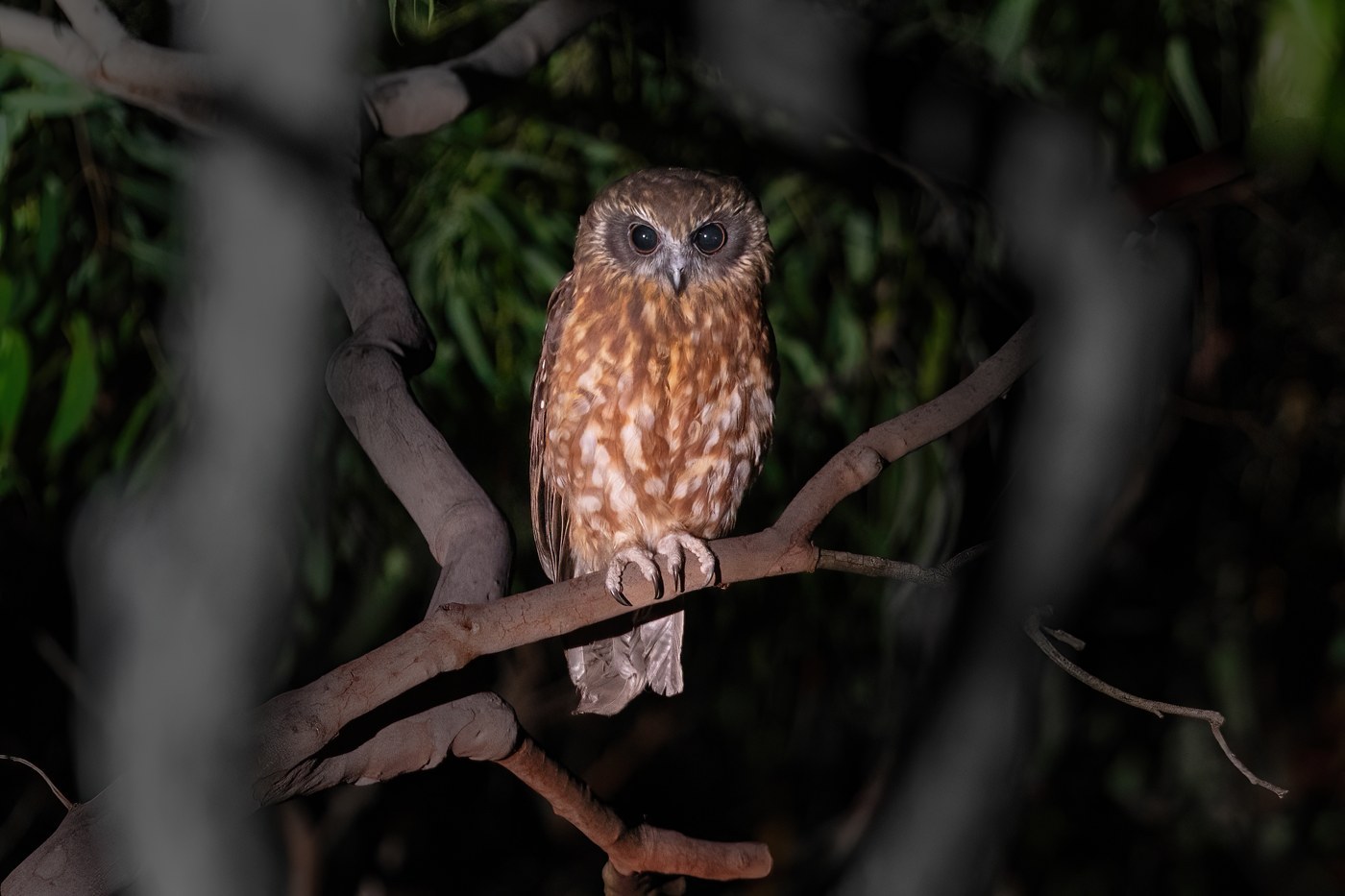
Southern Boobook
Rounded flight feathers; banded tail; spotted body plumage

Sooty Owl
Broad soft-edged flight feathers; heart-shaped facial disc feathers; finely speckled body plumage

Short-eared Owl
Broad soft-fringed flight feathers; streaked body feathers; tiny, rarely visible ear tufts

Stygian Owl
Dark, mottled flight and body feathers with long, closely-set ear tufts
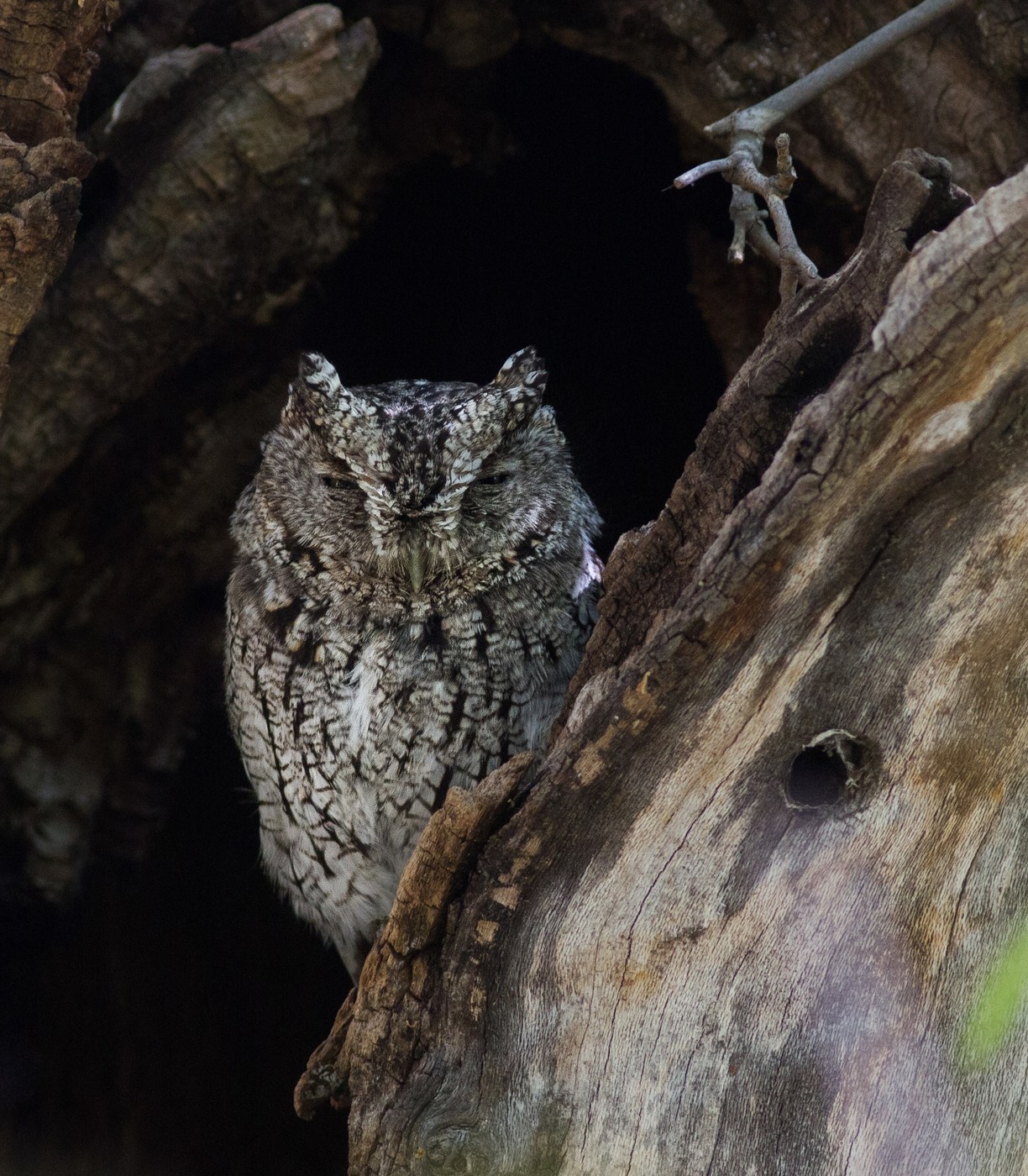
Whiskered Screech-Owl
Small soft-fringed flight feathers; finely mottled body feathers; short ear tufts
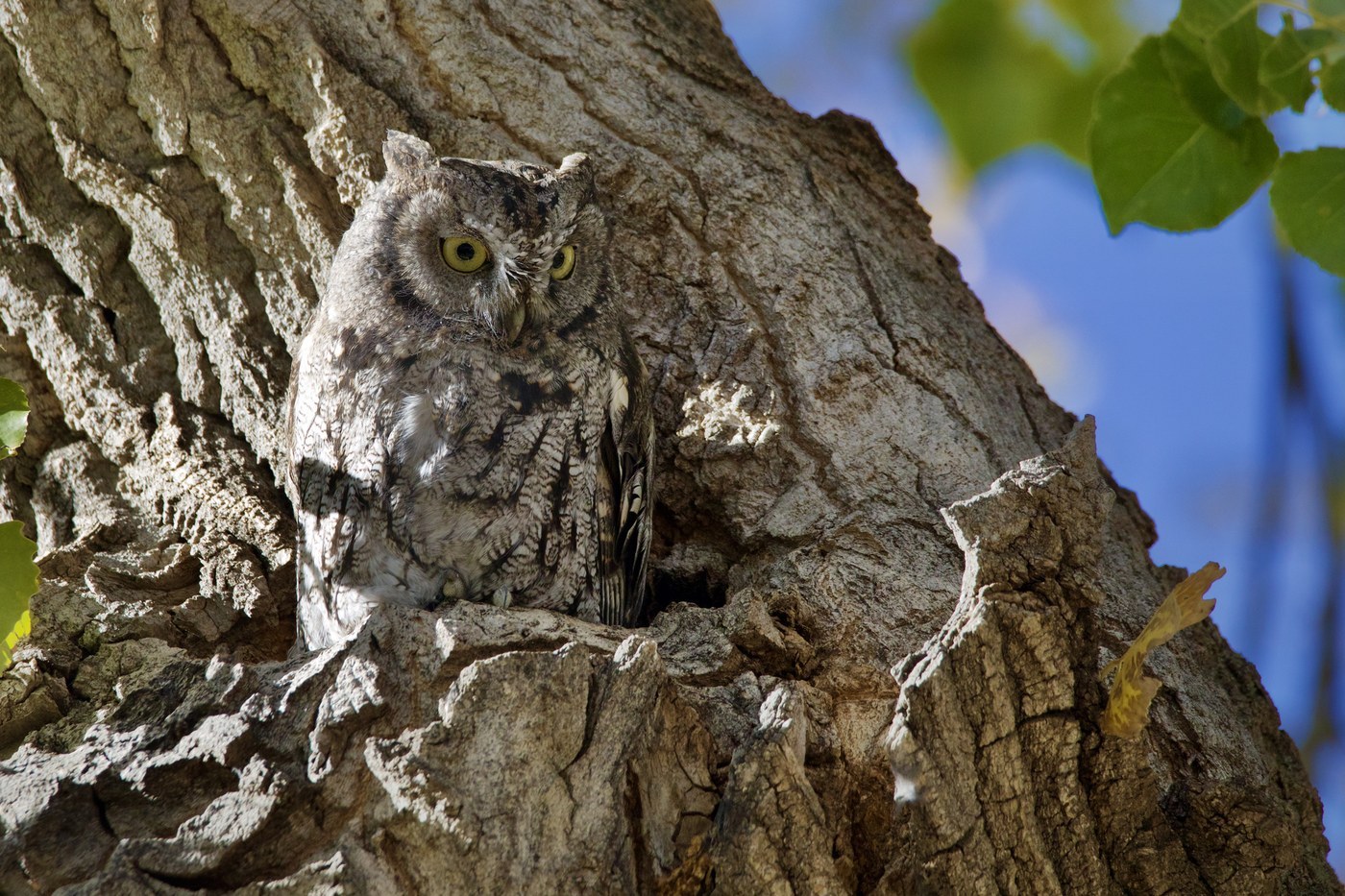
Western Screech-Owl
Small soft-fringed flight feathers; cryptic mottled/streaked body feathers; short ear tufts

White-faced Scops Owl
Small to medium flight feathers with a distinctive whitish facial disc and long ear-tuft plumes

Verreaux's Eagle-Owl
Very large flight and tail feathers; dense soft body plumage; broad ear-tuft feathers